League of Legends Beginner Course: Learn Lanes, Champions, and Teamfights Without Getting Lost
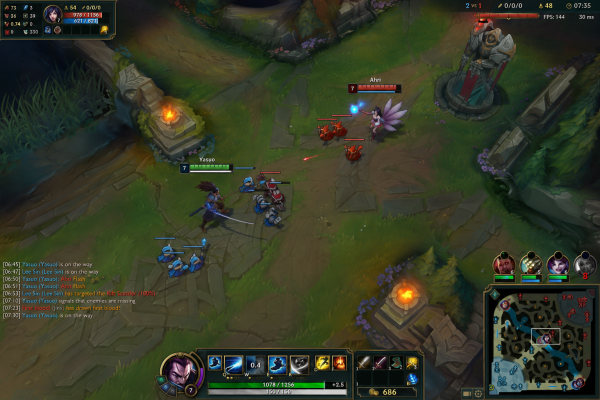
League of Legends can feel confusing when you first start. You enter Summoner’s Rift, choose a champion because they look interesting, walk into a lane, and suddenly everyone seems to know where to go, what to buy, when to fight, and why a dragon on the map is apparently a very serious group appointment. For beginners, League is not difficult because of one single mechanic. It is difficult because many small systems happen at the same time.
This practical beginner course is designed to make the game easier to understand step by step. You do not need to memorize every champion, every item, every matchup, and every advanced strategy immediately. That would be like trying to read a whole library while five enemy players are chasing you through the river. Instead, start with the basics: lanes, champion roles, farming, vision, objectives, map awareness, and teamfights.
The goal is not to become perfect in one week. The goal is to stop feeling lost. Once you understand what your role is supposed to do, where you should be, and why teams fight over certain parts of the map, League becomes much more readable. Still chaotic, yes. But readable chaos is already progress.
Step 1: Understand the Five Roles Before Choosing a Champion
League of Legends is built around five main roles: top lane, jungle, mid lane, bot lane carry, and support. Each role has a different job. Beginners often choose champions based only on appearance or damage, then feel confused when the game expects something specific from them. A top laner does not play the same way as a support. A jungler does not follow the same rhythm as a mid laner. A bot carry has different responsibilities from a tank.
Before worrying about advanced champion mechanics, learn what each role is trying to achieve. This helps you choose a role that matches your personality. Some players like isolated duels. Some like roaming and map control. Some like farming safely and scaling into late-game damage. Some like protecting teammates and controlling vision. None of these styles is “better” for everyone. The best beginner role is the one you can understand and enjoy enough to practice.
- Top lane: often focuses on duels, durability, split pressure, and frontline impact.
- Jungle: moves around the map, clears camps, helps lanes, and controls major objectives.
- Mid lane: sits in the center of the map and often impacts fights, roams, and burst damage.
- Bot carry: farms for items and becomes a major damage source later in the game.
- Support: protects, engages, controls vision, helps the bot lane, and supports team movement.
If you are brand new, try a few roles casually before deciding. You may think you want to play high-damage champions, then discover you enjoy support because controlling the map feels satisfying. Or you may think jungle sounds exciting, then realize it requires tracking more things than your morning calendar. Experiment, but give each role enough time to make sense.
Step 2: Pick Simple Champions and Learn Them Deeply
League has many champions, and each one has unique abilities, strengths, weaknesses, ranges, cooldowns, and play patterns. That variety is exciting, but it can also overwhelm beginners. A common mistake is switching champions every match. You never get comfortable because you are always learning new buttons instead of learning the game.
Start with simple champions in your chosen role. Simple does not mean weak. It means their abilities are easier to understand, so you can focus on positioning, farming, map awareness, and teamfights. A champion with complicated combos can be fun later, but if you barely understand the lane, adding difficult mechanics can make every match feel like juggling knives in a windstorm.
- Choose one main role. This gives your learning process structure.
- Pick two or three beginner-friendly champions. Use them repeatedly until their abilities feel natural.
- Learn what each ability does. Understand damage, range, cooldown, and purpose.
- Know your champion’s simple goal. Do they poke, farm, engage, protect, burst, or scale?
- Avoid chasing every new champion immediately. Familiarity creates confidence.
Once your champion feels comfortable, you can pay attention to the rest of the game. That is where real improvement begins. You stop asking, “Which button do I press?” and start asking, “Should I fight here, farm, ward, rotate, or back away?” That is a much better question.
Step 3: Learn Laning as a Daily Routine, Not a Duel Every Second
Laning is the early part of the game where players farm minions, trade damage, control space, and try to gain small advantages. Beginners often think laning means constantly fighting the enemy champion. That can lead to quick deaths, missed farm, and the classic feeling that your opponent is somehow allowed to play the game while you are not.
The real purpose of laning is to build resources. You want gold, experience, safety, and pressure when possible. Fighting is only one tool. Sometimes the best lane decision is to last-hit minions, avoid damage, and wait for a better moment. Sometimes you should trade aggressively. Sometimes you should simply not stand where the enemy can hit you for free. Revolutionary, but true.
- Last-hit minions instead of attacking them randomly.
- Watch your health and mana before starting trades.
- Respect enemy ability range so you do not take free damage.
- Use bushes and spacing to control vision and pressure.
- Do not chase too far unless you know where the enemy jungler is.
Laning improves slowly because it is about timing. You learn when minions are low enough to last-hit. You learn when the enemy uses an important ability and becomes weaker for a few seconds. You learn when the wave is pushing toward you or away from you. At first, this feels like too much. Later, it becomes the rhythm of the lane.
Step 4: Farming Is Not Boring — It Is Your Economy
Farming means earning gold by last-hitting minions. Many new players underestimate it because takedowns feel more exciting. But farming is one of the most reliable ways to become stronger. A player with good farm can build items faster, deal more damage, survive longer, and reach important power spikes even without constant fighting.
Think of minions as small moving paychecks. Missing too many of them makes your champion weaker over time. You do not need perfect farm as a beginner, but you should practice last-hitting every game. Even small improvement matters. Getting a few more minions per wave can create a meaningful gold difference by mid game.
- Focus on last hits. Do not mindlessly attack minions unless you are trying to push.
- Practice under tower. Many beginners lose farm when the wave reaches their turret.
- Do not abandon huge waves for random fights. Minion waves are valuable.
- Learn when to push. Pushing can let you recall, roam, or pressure objectives.
- Use abilities carefully. Some abilities help farm, but wasting mana can make you vulnerable.
Good farming gives you control. You do not have to rely only on risky plays. You can grow stronger through steady decisions. It may not look as dramatic as a big teamfight, but when your items arrive earlier, the difference becomes very noticeable.
Step 5: Use Vision Before the Map Surprises You
Vision is one of the most important beginner skills, and also one of the most ignored. Wards reveal areas of the map so you can see enemies coming. Without vision, every river entrance, jungle path, and dark bush becomes a possible disaster. Many deaths happen not because a player made a terrible mechanical mistake, but because they walked into darkness with the confidence of someone who forgot enemies exist.
Good vision helps you avoid ganks, prepare objectives, protect teammates, and make safer decisions. Supports usually handle much of the vision work later, but every role should understand warding. A single good ward can prevent a death. A single ignored dark area can start a losing fight.
- Ward river entrances when you are pushing your lane.
- Use control wards around important objectives or dangerous areas.
- Do not face-check bushes when enemies are missing.
- Clear enemy vision when preparing for objectives.
- Look at the minimap often so your wards actually help you.
Warding is only useful if you check the map. Place a ward, then glance at the minimap regularly. At first, this may feel unnatural. Build the habit. Every few seconds, look at the map. Ask where the enemy jungler might be. Ask which enemies are missing. The more you notice, the fewer “surprise” attacks feel unfair.
Step 6: Understand Objectives and Why Teams Fight Over Them
League is not only about defeating enemy champions. Objectives help teams gain long-term advantages. Turrets open the map. Dragons provide team bonuses. Rift Herald can help break structures. Baron can strengthen pushes. Inhibitors create pressure. The Nexus ends the game. Beginners often chase fights while ignoring the reasons fights happen.
A smart team does not fight randomly. It fights to gain something. If your team defeats enemies but takes no turret, no dragon, no Baron, no vision, and no map pressure afterward, the reward may be smaller than it could have been. After winning a fight, ask what your team can take safely.
- Turrets: open the map and create space for deeper movement.
- Dragons: create stacking team advantages and force important fights.
- Rift Herald: helps break lanes and generate pressure.
- Baron: helps teams push and siege later in the game.
- Inhibitors: create lane pressure that can help close the match.
Before an objective spawns, prepare. Push nearby lanes. Place vision. Recall early if you need items. Move with your team. Arriving late to an objective fight is one of the easiest ways to lose control. League rewards teams that prepare before the timer, not teams that notice the dragon after it is already gone.
Step 7: Learn Teamfights by Knowing Your Job
Teamfights are where many beginners panic. Ten champions appear, abilities fly everywhere, health bars vanish, someone pings aggressively, and suddenly you are not sure whether you were supposed to attack, run, protect, engage, or simply apologize. Teamfights become easier when you know your role before the fight begins.
Your job depends on your champion. A tank may need to start the fight or protect carries. An assassin may look for a vulnerable target. A marksman usually needs to deal damage safely from the backline. A mage may control space or burst priority enemies. A support may engage, peel, heal, shield, or create vision. If you try to do someone else’s job, you may be in the wrong place at the wrong time.
- Frontline champions: stand between enemies and your damage dealers when needed.
- Damage carries: stay alive first, deal damage second. A defeated carry deals zero damage.
- Assassins: look for key targets, but avoid diving too early into full enemy control.
- Mages: use range, crowd control, and damage zones to shape the fight.
- Supports: protect teammates, start fights, or disrupt enemies depending on the champion.
A good teamfight is not always about hitting the enemy carry immediately. Sometimes the correct play is attacking the closest safe target. Sometimes it is peeling for your own carry. Sometimes it is waiting for an enemy ability before entering. The worst teamfight habit is rushing forward without knowing what danger is still available.
Step 8: Improve by Reviewing Patterns, Not Blaming One Moment
Every League player has bad games. Beginners, veterans, ranked players, casual players — everyone. The important thing is how you learn from them. If you only blame teammates, matchups, or one unlucky fight, you miss the patterns that can actually improve your play. League improvement comes from noticing repeated mistakes.
After a game, ask simple questions. Did you miss too much farm early? Did you die to the same gank path? Did you fight when a big wave was crashing into your tower? Did you ignore dragon timers? Did you stand too far forward in teamfights? Did you use wards but never check the map? These questions are more useful than simply saying “bad game” and moving on.
- Pick one skill to improve at a time. Farming, warding, trading, or teamfighting.
- Watch your first three deaths. They often reveal the biggest habits.
- Track objective awareness. Notice whether you were ready before fights started.
- Review champion comfort. If you are always confused, simplify your champion pool.
- Stay calm after losses. Tilt makes learning almost impossible.
League of Legends is a long learning game. You improve through repetition, better habits, and clearer decisions. Learn your role. Pick simple champions. Farm steadily. Use vision. Understand objectives. Know your teamfight job. Review patterns after games. Do that, and the game starts to feel less like random chaos and more like a strategy you can actually read.
From lanes to champions to teamfights, the beginner path is not about mastering everything immediately. It is about building one useful habit at a time. Some matches will still be messy. Some teammates will still make strange choices. Some fights will still explode before you know what happened. But with each game, you will understand more of the map, more of your champion, and more of the decisions that turn confusion into progress.






Leave a comment
Your comment is awaiting moderation. We save your draft here
0 Comments