Review
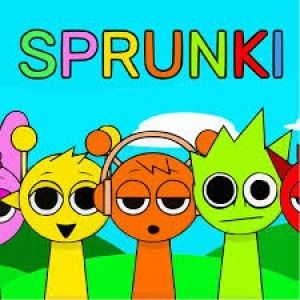
Incredibox Sprunki introduced itself to me with bright characters, simple drag-and-drop controls, and the promise that I could build a...
Incredibox Sprunki: Unleashing Rhythmic Creativity in Digital Gaming
Incredibox Sprunki introduced itself to me with bright characters, simple drag-and-drop controls, and the promise that I could build a complete track without understanding music theory. For the first few minutes, that was exactly what I received. I placed colorful performers into empty positions, listened to their loops begin, removed sounds that clashed, and slowly shaped a rhythm that felt surprisingly coherent.
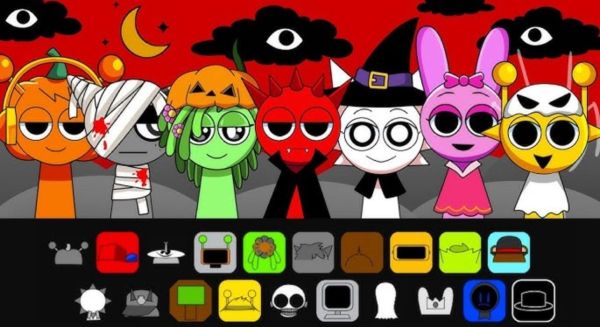
Then I activated the darker side of the experience. The cheerful presentation changed, familiar characters became damaged or unsettling, and the music shifted from playful electronic loops into something much more uncomfortable. Sprunki’s central idea is not only that I can create music. It is that the same musical system can support two completely different emotional realities.
That contrast became the reason I continued experimenting. The normal mode was charming and easy to understand, but the horror transformation gave every character a second identity. A pleasant melody could return as a distorted sound. A funny animation could become disturbing. A character I had used as a harmless percussion layer could suddenly feel like part of a much darker scene.
Sprunki is mechanically small, especially when compared with full rhythm games or music-production software. It does not contain a campaign, a complex scoring system, or advanced audio editing. Its strength comes from immediate musical experimentation and the surprise created by its visual shift.
My First Mix Sounded Better Than It Had Any Right To
I began with percussion because the beat characters were the easiest to understand. One provided a steady kick, another added a sharper rhythm, and a third filled the space with lighter percussion. The loops were designed to align automatically, so I did not need to worry about timing every sound manually.
Once the rhythm felt stable, I added bass and melodic layers. This was where Sprunki started feeling less like a toy and more like a tiny composition system. One new character could make the mix warmer, stranger, busier, or unexpectedly emotional.
The most satisfying part was removing sounds rather than adding them. My first instinct was to fill every available position, but the result became crowded. When I reduced the number of active characters, individual loops became easier to hear and the track developed a clearer personality.
I found myself following a simple process without the game teaching it directly. I started with rhythm, added a bass foundation, introduced one melody, then used voices or effects as decoration. The system quietly encouraged me to think about musical roles. This does not mean every combination sounds excellent. Some loops compete for attention, and certain vocals become repetitive quickly. Still, the automatic synchronization makes failure gentle. Even a weak arrangement usually sounds like an intentional experiment rather than complete noise.
The Characters Are the Interface
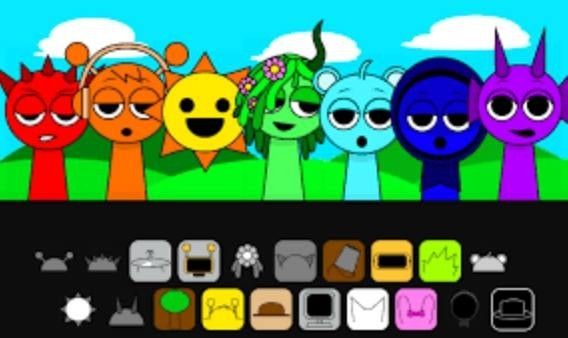
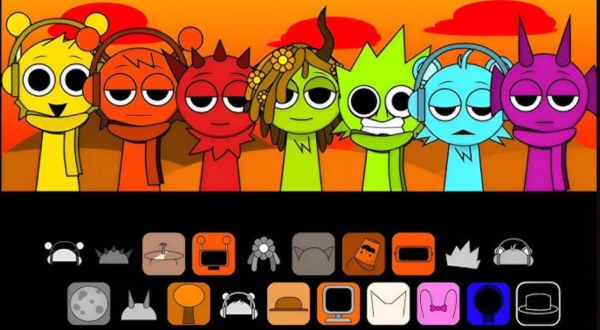
Sprunki does not separate its music tools from its cast. Each character represents one sound, so learning the roster means learning the mixer.
Oren, Raddy, Clukr, Fun Bot, and Vineria provide different rhythmic foundations. Gray and other effect-focused characters add texture or low-end support. Melodic figures such as Mr. Sun, Durple, Mr. Tree, Simon, and Tunner help determine the emotional direction of a track. Vocal characters add human-like layers that can turn a mechanical beat into something closer to a complete song.
This structure makes the game extremely approachable. I do not need to read labels such as percussion channel, arpeggiator, choir pad, or bass synthesizer. I simply remember that one character makes the sound I want. The visual personalities help. A robotic performer suggests a mechanical loop. A sun-shaped character naturally feels connected with a brighter melody. A darker or quieter figure often contributes something more atmospheric.
The system is not always intuitive before I test a character. Some designs do not clearly communicate their sound, and I occasionally expected a melody but received an effect or vocal layer. That uncertainty became part of the experimentation rather than a serious problem.
Drag, Listen, Remove, Repeat
The core controls are almost impossible to misunderstand. I drag an icon onto a character position, the performer appears, and the corresponding loop begins. I can remove a character when I no longer want the sound and replace it with another option. This simplicity allows the music to start immediately. There are no instrument settings, tempo controls, effect chains, or complicated arrangement screens between me and the first beat.
The browser presentation worked best with a mouse or a larger touch display. On a small phone screen, icons and characters can feel crowded, particularly on unofficial pages that surround the game with additional interface elements.
I occasionally removed the wrong performer because several active characters were positioned close together. The mistake was harmless, but it interrupted a mix I had been adjusting carefully. Sprunki would benefit from clearer solo and mute controls. Removing a character works, but it is not the same as temporarily isolating one loop. When I wanted to understand exactly what a performer contributed, I had to rebuild or simplify the entire arrangement.
The Cheerful Phase Has Its Own Appeal
The normal presentation should not be treated merely as preparation for the horror material. It has a playful visual identity and enough musical variety to support many different arrangements.
The characters bounce, blink, move, and react in time with their loops. These animations create the feeling of a small virtual performance rather than a static mixing board. I liked producing tracks that felt cheerful without becoming overly sweet. Percussion and electronic effects could add enough weight to balance the brighter melodies. A vocal layer could make a simple loop sound like the beginning of a cartoon theme or an experimental pop track.
The art is deliberately uncomplicated. Characters use bold shapes, clear colors, and readable facial expressions. This makes each performer easy to identify, even when several are active at once. The visual style also explains why Sprunki attracted such a large younger audience. It looks approachable, supports immediate creativity, and does not require traditional gaming skill.
Then Black Entered the Mix
The transition into the horror phase is Sprunki’s defining moment. Adding the Black character changes the atmosphere, character designs, and audio palette.
I appreciated that the shift affected the entire performance rather than producing one isolated scary animation. The world itself seemed to become corrupted. Colors changed, expressions became disturbing, and the music adopted distorted textures, darker voices, and more aggressive or mournful sounds. The transformation works because I already know the normal cast. Seeing an unfamiliar monster is one thing. Seeing a cheerful performer return in a damaged form creates a stronger reaction because the earlier version remains in my memory.
Some horror designs are more effective than others. The restrained characters often disturbed me more than the ones using extreme injuries or exaggerated expressions. A small change to a familiar face could create more tension than a design trying too hard to shock me. The dark phase is not terrifying in the same way as a full horror game. There is no complex exploration or enemy system. Its effect comes from contrast, sound, and the suggestion that something happened to the cast between the two states.
The Horror Mixes Were Harder to Balance
The darker loops tend to contain more distortion, ambience, harsh percussion, and unusual vocal effects. These sounds create strong atmosphere, but they can also compete with each other more aggressively.
My first horror arrangement became messy because every character sounded dramatic. When all layers demand attention, none of them feels especially important.
I achieved better results by choosing one dominant unsettling element and supporting it with quieter rhythm or ambience. A distorted voice worked more effectively when I gave it space. Heavy percussion became stronger when I did not surround it with several equally busy loops.
The horror phase therefore required more restraint than the cheerful version. It was easier to create an interesting mood than a clean musical structure.
I enjoyed this difference because it made the transformation more than a visual skin. The two phases encouraged different mixing decisions. One invited playful layering, while the other rewarded tension and empty space.
Sprunki Taught Me to Hear Layers
I would not describe Sprunki as formal music education, but it helped me notice how separate loops interact.
A beat establishes movement. Bass provides weight. Melody gives the track an identity. Effects fill gaps or create atmosphere. Voices can become either the focus or another texture.
Because every sound is represented by a visible character, I could connect what I heard with a clear source. Removing one performer immediately demonstrated what that layer had been doing.
This direct cause-and-effect relationship is useful for beginners. Traditional music software can appear intimidating because it presents waveforms, timelines, instruments, channels, and technical terminology all at once. Sprunki hides that complexity behind characters.
The educational value has limits. I cannot adjust tempo, pitch, volume, note structure, equalization, or detailed timing. The loops are prepared in advance, and my creativity comes from combination rather than original performance.
Even so, combination is an important musical skill. Sprunki encouraged me to listen before adding another element, which is a more valuable habit than filling every available slot automatically.
A Session Can Be Two Minutes or an Entire Evening
Sprunki does not require a major time commitment. I can open it, build one quick arrangement, hear the transformation, and leave within a few minutes.
The game becomes more absorbing when I start chasing a particular sound. I may remember that one character produced a useful rhythm, but I need to test several melodies before finding the combination that matches it.
Because there is no official win state, stopping becomes my decision. A mix can feel finished when I like it, or unfinished when curiosity suggests one more change.
This freedom creates a pleasant creative loop, but it also reveals the limited amount of base content. Once I have heard every character in both phases, discovery begins to slow.
Replay value then depends on whether I enjoy recombining familiar material. Players who like making subtle variations can continue experimenting. Players motivated mainly by unlocking new content may lose interest after experiencing the major transformation.
The Story Exists Mostly in My Interpretation
The original Sprunki experience gives me characters, two visual states, and enough disturbing imagery to suggest a larger event. It does not explain everything through a traditional narrative.
I found this ambiguity effective at first. I could study character changes and imagine relationships, causes, or events connecting them. The music felt like evidence rather than a simple soundtrack.
The community expanded these ideas dramatically through phases, alternate universes, animations, character histories, and fan theories. This helped Sprunki become much larger than the original mixer.
It also created confusion. Searching for one definitive storyline led me toward many unofficial interpretations presented with varying levels of authority. Different websites can describe fan-created material as though it belongs to the original project.
I enjoyed the base experience more when I treated its story as suggestive rather than complete. The mystery was strongest before I tried to organize every fan phase into one official timeline.
The Fan-Mod Explosion Is Both Impressive and Exhausting
Sprunki’s open and easily recognizable structure made it ideal for modification. Creators replaced characters, redesigned phases, changed audio loops, added new themes, and combined the cast with other games or animated properties.
This community creativity extended the life of the concept far beyond one small browser project. I encountered versions focused on different horror styles, reversed roles, alternate character designs, new musical genres, and entirely new casts.
The problem is quality control. One fan mod may contain thoughtful music and polished animation, while another may be an unfinished remix with copied assets, weak audio balance, or misleading advertising around it.
Many websites group hundreds of Sprunki variations together without clearly identifying their creators. This makes attribution difficult and can create the false impression that every phase belongs to one official series.
I prefer platforms that identify the creator, explain whether the project is a remix, and avoid presenting fan work as an official Incredibox release.
Incredibox and Sprunki Are Not the Same Product
Sprunki borrows the central interaction model associated with Incredibox: drag sound elements onto performers and combine synchronized loops into a track.
The difference is tone and production context. Official Incredibox versions are polished commercial experiences created by So Far So Good, with carefully developed themes, animation, sound design, and bonus sequences.
Sprunki is a fan-made reinterpretation that uses a simpler visual style and a dramatic horror transformation. Its roughness is part of its charm, but it should not be mistaken for an official Incredibox chapter.
I think Sprunki works best as a gateway. Someone who enjoys its easy music creation may discover official Incredibox versions or explore more advanced tools later.
The comparison also highlights what Sprunki lacks. It has fewer professional presentation features, limited recording controls, and less consistent distribution. Its personality, however, is distinct enough that it does not feel like a simple copy once the horror phase appears.
Browser Access Is Convenient, but the Website Matters
The original style of experience can run directly in a browser, which removes installation barriers. I can begin mixing without creating an account or downloading a large package.
That convenience has encouraged many unofficial hosting pages. Some provide a clean player. Others surround the game with misleading buttons, unrelated links, aggressive advertising, or claims about features that do not exist in the original version.
I would avoid downloading random Sprunki applications or packages when a browser version is available from a recognizable creator page. The popularity of the name makes it useful for websites seeking traffic, and not every host explains where its copy came from.
Performance is generally light because the base project is small. Still, audio can behave differently depending on the browser, device, and hosting page. I noticed that timing felt best when the page was not overloaded with other active elements.
The Visual Horror May Surprise Younger Players
The normal Sprunki characters look colorful, simple, and child-friendly. That appearance can create the impression that the entire experience is harmless musical play.
The horror transformation includes disturbing character designs, implied violence, dark imagery, and unsettling sounds. It is stylized rather than realistic, but some younger users may still find it frightening.
The transition can be especially effective because it is unexpected. A child who begins with the cheerful phase may activate the darker version without understanding what will appear.
Parents should evaluate the actual project rather than relying on thumbnails or familiar cartoon-like designs. Fan-made phases can contain significantly more graphic or intense material than the original version.
The lack of one controlled official ecosystem makes this more important. A safe base version does not guarantee that every site or fan remix using the Sprunki name is equally appropriate.
There Is No Pressure to Spend
One aspect I appreciated was the absence of a traditional mobile monetization loop in the original browser project. I did not need to purchase energy, unlock characters through random boxes, or watch an advertisement after every mix.
This makes experimentation feel relaxed. I can remove and replace sounds as often as I want without worrying about resources.
Unofficial hosting sites may monetize their pages through advertising, so the surrounding experience varies. The project itself and the website hosting it should be evaluated separately.
I would not enter payment information into an unknown Sprunki page or trust claims about premium characters without clear information about the creator and product.
What Kept Me Mixing After I Had Seen the Surprise
The horror transformation is the feature most likely to attract attention, but the music system gave me a reason to stay after the initial surprise had passed.
I enjoyed searching for combinations where every layer had a purpose. One arrangement might use bright percussion and choir-like vocals. Another might depend on bass, whistle, and a restrained electronic melody.
I also experimented with deliberately strange mixes. Not every composition needed to sound polished. Some were interesting because they felt unstable or incomplete.
The visual performance added satisfaction. Watching the characters animate together made a successful mix feel like a small band I had assembled rather than a collection of audio samples.
Still, I wanted basic saving and sharing tools to be more consistent across versions. Screen recording works, but a dedicated export option would make the creative process feel more complete.
The Missing Tools I Wanted Most
A volume control for each character would dramatically improve mixing. Some loops naturally dominate, and I could not reduce them without removing them entirely.
I also wanted solo and mute buttons, a simple recording timeline, and a way to save several arrangements. These features would preserve the accessibility while giving repeated sessions more purpose.
Tempo adjustment could create new possibilities, although it might require reworking the prepared loops. Even a few speed presets would make familiar sounds feel different.
A clear credits screen would also help. Sprunki’s growth depends heavily on creators, remixers, artists, and musicians, but unofficial versions often separate the content from its original attribution.
Why the Simplicity Is Not Automatically Low Content
Sprunki contains a small number of mechanics, but those mechanics support creative choice. The experience is not long because of scripted levels. It becomes longer when I decide to keep experimenting.
This is different from a shallow game that repeats one action without meaningful variation. Every active character changes the complete mix, and removing one layer can alter the rhythm or emotional tone.
The system does eventually reach its limits. I cannot create completely original melodies, record my own voice, or arrange a full song with separate sections. The loops remain fixed.
Within those boundaries, Sprunki provides an accessible creative space. Its value depends on whether I enjoy listening carefully and building combinations rather than completing objectives.
Who Will Enjoy Sprunki Most?
I would recommend Sprunki to players who enjoy music toys, drag-and-drop creativity, fan-made horror, character-based sound design, and short browser experiences.
It is particularly approachable for people who feel intimidated by professional music software. I could build something recognizable without knowing scales, chords, or production terminology.
Fans of mascot horror may enjoy the character transformations and implied story, though they should not expect exploration, combat, or a conventional campaign.
Players who need progression systems, scores, achievements, or difficult challenges may find it too limited. Sprunki does not judge my mix or give me a reason to improve beyond personal taste.
People exploring community mods should also be prepared for inconsistent quality and unclear authorship. The original concept is easy to understand; the wider fan ecosystem is much harder to navigate.
My Final Mix
Incredibox Sprunki succeeded because it understood how powerful contrast can be. The cheerful phase gave me a friendly music playground. The horror phase reused the same basic structure to create discomfort, curiosity, and a sense that the characters had entered a completely different reality.
The controls were immediate, the loops combined surprisingly well, and the visible performers made each musical layer easy to understand. I enjoyed the process of reducing crowded mixes and discovering that fewer characters often produced a stronger track.
The experience remains limited. There are no advanced audio controls, no substantial campaign, and no deep progression. After hearing every loop and seeing both phases, continued enjoyment depends almost entirely on experimentation.
The enormous fan community adds more sounds and characters but also creates confusion. Many unofficial websites and phases use the Sprunki name, making it difficult to separate the original project from later remixes.
I rate Incredibox Sprunki 8/10. It is a compact fan-made music experience with a memorable visual twist, not a complete music studio or traditional horror game. I opened it expecting a few cheerful loops and left remembering how quickly one dark character changed the meaning of the entire performance.
Pros:
- Intuitive and user-friendly interface for both beginners and experienced gamers
- Extensive creative freedom with a modular approach to music creation
- High accessibility and compatibility across various devices and platforms
- Active community support with regular developer updates and creative contributions
- Customization options including cheats and mods that keep the gameplay fresh
- Vibrant audiovisual experience that enhances immersion
Cons:
- Some features might be overwhelming for new users due to extensive options
- Dependence on network connectivity in restricted environments may hinder access
- Limited fast-paced gameplay may not suit action-oriented players







Recent Reviews

Minecraft

Grand Theft Auto V

Toca Boca World

Roblox

Leave a comment
Your comment is awaiting moderation. We save your draft here
1 Comments
Your reply is awaiting moderation. We save your draft here