
Review
KPop Demon Hunters caught me off guard almost immediately. I expected a bright animated adventure built around catchy songs and stylish...
Mythical Beats: The Uncharted Realm of KPop Demon Hunters
KPop Demon Hunters caught me off guard almost immediately. I expected a bright animated adventure built around catchy songs and stylish action, but the film gave me something much more emotionally focused. Beneath the neon stages, supernatural battles, elaborate costumes, and exaggerated celebrity culture, I found a story about shame, friendship, identity, and the exhausting pressure to appear perfect.
As someone who spends a lot of time with games, I connected with the movie through its energetic pacing and visually readable action. Many scenes feel structured like memorable campaign missions: the heroes enter a new location, reveal a special ability, face a rapidly changing threat, and finish with a dramatic musical payoff. Yet the film never feels like a collection of disconnected set pieces. The action, songs, and character conflicts continually feed into one another.
The Opening Sold Me on the Concept
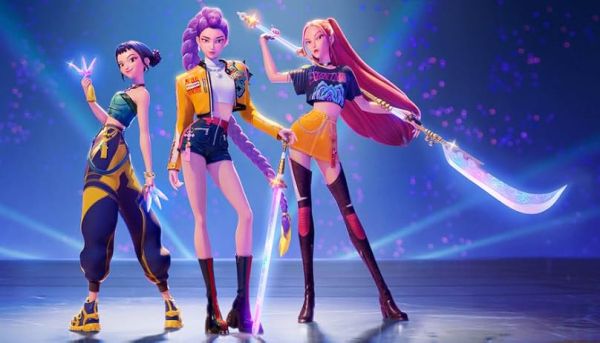
The basic idea could easily have become too silly. Rumi, Mira, and Zoey are members of the hugely successful K-pop group HUNTR/X, but their performances also help protect the human world from demonic forces. Their public image and secret responsibility are not treated as two unrelated gimmicks. Music is part of their power, their friendship, and their duty.
I liked how confidently the film introduced this world. It did not spend too long explaining every rule before allowing the characters to act. I learned about the group through their movement, conversations, stage presence, and teamwork. Their first major sequence quickly established that they were experienced performers and capable fighters, but it also showed that their personalities were very different.
That confidence made the unusual premise easy to accept. Within a few minutes, elaborate concerts, magical weapons, glowing barriers, demons, and celebrity schedules all felt like natural parts of the same universe.
Rumi Became the Emotional Center
Rumi was the character I followed most closely because her internal conflict gives the story its strongest emotional weight. On stage, she appears disciplined and controlled. She carries herself like someone who understands that the entire performance depends on her. Away from the audience, however, every expectation placed on her becomes increasingly difficult to manage.
Her personal secret is not merely a surprise added to create tension. It affects how she sees herself and how she interprets the love she receives from others. Even when Mira and Zoey support her, Rumi struggles to believe that their acceptance could survive the full truth. I recognized the uncomfortable logic behind her decisions, even when those decisions created larger problems.
The film portrays secrecy as something physically and emotionally exhausting. Rumi is not simply hiding information; she is constantly monitoring herself. She worries about her voice, her appearance, her performance, and the possibility of losing the people who matter most to her. Every attempt to maintain control makes her more isolated.
I appreciated that her vulnerability did not erase her competence. She remains a powerful performer and a determined leader. Her difficulty comes from the belief that being strong requires her to hide anything that might make her seem imperfect.
Mira and Zoey Deserved My Attention Too
Rumi carries much of the central conflict, but HUNTR/X works because Mira and Zoey bring distinct energy to the group. I never confused their personalities, even when all three were moving through a fast action scene together.
Mira’s Controlled Intensity
Mira has a sharp presence that initially made her seem like the least approachable member. Her confidence is direct, and she does not hide her frustration when something threatens the group. As the story continued, I started seeing that intensity as a form of commitment. She cares deeply about the team and reacts strongly because she has invested so much of herself in it.
Her physical movement also reflects her personality. She often appears precise and ready, with a style that feels more forceful than Rumi’s elegance or Zoey’s playful energy. In group scenes, I frequently watched Mira because her expressions revealed when trust was beginning to break.
Zoey’s Playfulness Has Purpose
Zoey provides many of the movie’s lightest moments, but I did not see her as simple comic relief. Her humor helps balance the group, especially when pressure begins to overwhelm Rumi and Mira. She can be enthusiastic and slightly chaotic while still paying close attention to her friends.
What I enjoyed most was how her warmth made HUNTR/X feel like a real friendship rather than a professional arrangement. She brings emotional openness to a team in which the other members often protect themselves through discipline or confidence.
The Saja Boys Were More Than a Visual Joke
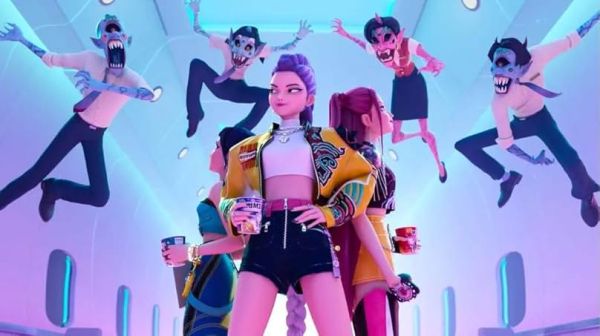
A rival boy band made up of demons is exactly the kind of idea that sounds designed for one amusing scene. Instead, the Saja Boys become an effective threat because they understand the same system that gives HUNTR/X its influence. They do not attack from outside popular culture. They enter it, master its presentation, and redirect the audience’s attention toward themselves.
Their arrival changes the conflict from a straightforward physical confrontation into a competition for loyalty. HUNTR/X cannot solve the problem only through stronger attacks because the rival group is operating through charisma, music, image, and fan obsession.
I enjoyed the contrast between their polished presentation and the danger beneath it. Their choreography and carefully designed appearances make them instantly recognizable as a group, while each member still contributes to the exaggerated boy-band identity. They feel humorous, appealing, and unsettling at the same time.
The movie also understands why fans would be drawn to them. It does not portray the audience as foolish. The Saja Boys are deliberately designed to attract attention, and their songs are presented with enough confidence that their sudden popularity feels believable inside this heightened world.
Jinu Changed the Shape of the Conflict
Jinu initially appears to fit the role of the charming rival leader, but his connection with Rumi gradually makes the story more personal. Their scenes slowed the film down at important moments and allowed both characters to exist outside their public roles.
I found their relationship interesting because neither character feels completely honest at first. Both understand what it means to perform a version of themselves for others. They recognize loneliness in each other, yet that recognition does not automatically create trust.
Jinu is effective because the film allows him to be sympathetic without pretending that sympathy removes responsibility. His history explains his choices, but it does not make every action acceptable. I remained uncertain about him for much of the movie, which gave his conversations with Rumi an extra layer of tension.
The visual contrast between them also works well. Rumi is associated with bright performance energy and the pressure of maintaining a perfect image, while Jinu carries a calmer and more mysterious presence. When they share a scene, the film temporarily steps away from concert spectacle and becomes a quieter story about two people who are afraid of what their true identities might cost them.
The Soundtrack Does Narrative Work
I have watched animated musicals where the songs interrupt the story. Here, the strongest tracks feel like major story events. A song may function as a concert performance, a declaration of confidence, a public rivalry, or a private emotional confession. The lyrics often reveal something that the characters cannot express through ordinary conversation.
“How It’s Done” gave me a clear understanding of HUNTR/X before the film needed to explain them in detail. The track presents their confidence, teamwork, and stage identity while the action demonstrates how their musical and supernatural roles overlap.
“Golden” carries a different energy. It sounds aspirational and triumphant, but its emotional context makes that brightness more complicated. The idea of reaching a flawless state becomes increasingly painful as Rumi struggles with everything she believes she must conceal.
“Soda Pop” is deliberately addictive. Its lighter tone and polished presentation make the Saja Boys immediately appealing, which is essential for the story. I understood why the fictional audience responded so strongly to them because the song itself does much of the persuasive work.
“Your Idol” transforms that appeal into something darker and more controlling. The shift feels earned because the rival group’s charm was never harmless. Their music becomes a demonstration of influence rather than simple entertainment.
“What It Sounds Like” was the song that brought the film’s ideas together most effectively for me. Instead of chasing technical perfection, the performance embraces honesty, visible flaws, and emotional connection. The music does not magically remove every problem. It changes what the characters believe gives them strength.
A Visual Style Built for Constant Motion
KPop Demon Hunters uses an expressive animation style that prioritizes personality over strict realism. Characters stretch, snap into poses, change expressions rapidly, and move with a sense of rhythm even outside musical sequences. The result feels energetic without becoming visually confusing.
I noticed how often the film used posture to communicate character. Rumi’s controlled stage presence differs from the way she holds herself when she is frightened. Mira’s movements tend to look decisive and angular. Zoey often appears more flexible and spontaneous. These differences remain visible even during group choreography.
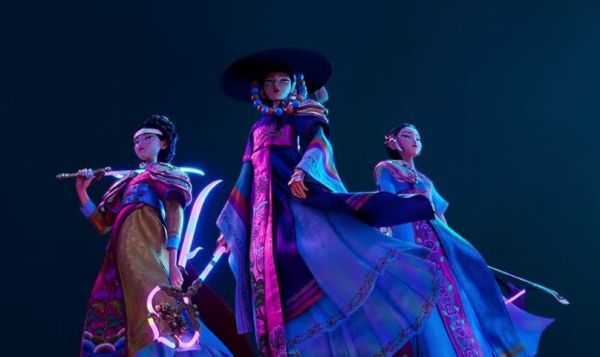
The concert scenes are especially impressive because they must accomplish several tasks at once. They need to resemble convincing K-pop performances, advance the fantasy plot, display character relationships, and remain readable as animated action. Camera movement, lighting, costume design, and choreography combine to make the performances feel larger than ordinary music videos.
The environments also change with the emotional tone. Public spaces are bright, crowded, and carefully presented. Private moments often use quieter compositions and more restrained lighting. Supernatural sequences introduce stronger contrasts, distorted shapes, and intense effects without abandoning the colorful identity of the film.
The Comedy Kept the Story From Becoming Heavy
The emotional themes could have made the film overly serious, but the humor arrives frequently enough to keep the experience lively. Much of it comes from the difference between the group’s glamorous public image and the practical reality of their lives.
I enjoyed seeing powerful performers behave like exhausted friends when the cameras were gone. Their conversations, food-related moments, disagreements, and awkward reactions made them more relatable. The comedy rarely felt detached from character. Mira, Zoey, and Rumi are funny in different ways because they respond differently to the same situation.
The film also makes good use of exaggerated celebrity culture. Managers, fans, appearances, promotions, and rivalries are pushed to absurd levels, but they remain recognizable enough for the satire to work. The jokes support the central idea that public attention can create power while also placing enormous pressure on the people receiving it.
Where the Pacing Felt Too Fast
The movie contains enough ideas for a much longer story. That ambition keeps the experience exciting, but it also means some developments happen before I have fully processed the previous scene.
I wanted more ordinary time with HUNTR/X. The friendship between Rumi, Mira, and Zoey is essential, yet much of the film shows them during a crisis. Additional scenes from their earlier career or quieter daily routine could have made later disagreements feel even more painful.
Mira and Zoey also receive less individual exploration than Rumi. Their personalities are strong, but their personal fears and histories remain less developed. I understood what they meant to the group, though I wanted a clearer sense of who they were when they were not performing or protecting Rumi.
The supernatural mythology moves quickly as well. The central rules are clear enough for the plot, but the history of the hunters, the barrier they protect, and the larger demonic world could support deeper exploration. I occasionally felt that the film was showing me the edge of a much larger universe without having enough time to enter it.
The Final Performance Changed How I Read the Whole Film
Earlier songs often revolve around control. The heroes want perfect voices, perfect choreography, perfect teamwork, and a perfect protective barrier. Their strength appears connected to the ability to present themselves without visible weakness.
By the final performance, that idea has been challenged. Rumi cannot return to the version of herself that existed before her secret became visible. Mira and Zoey cannot simply ignore the damage caused by that secrecy. Their connection has to be rebuilt through honesty rather than restored through another flawless public appearance.
That shift made the music feel emotionally earned. The characters do not succeed because they finally perform without mistakes. They succeed because the performance expresses who they actually are, including the parts that do not fit the image they once tried to maintain.
I finished KPop Demon Hunters still thinking about Rumi’s fear that acceptance depended on hiding part of herself. The film surrounds that fear with spectacular animation, playful comedy, supernatural action, and songs that stayed in my head long afterward. What gave those elements lasting impact was the friendship at the center: three performers learning that harmony does not require every voice to sound flawless.
Pros:
- Exhilarating musical numbers and inventive choreography that captivate the audience
- Visually stunning cinematography with a vibrant color palette enhancing the narrative
- Well-developed characters that provide emotional depth to the story
- Thoughtful social commentary interwoven with modern pop culture elements
- Wide accessibility on multiple streaming and download platforms making it easy to watch
- Engaging fusion of K-Pop and supernatural action creating a unique genre blend
Cons:
- Overly stylized action sequences may detract from realism
- The unconventional mix of genres might not appeal to purists of either K-Pop or supernatural action
- Non-linear narrative structure may confuse some viewers









Movie Reviews

Minecraft

Grand Theft Auto V

Toca Boca World

Roblox

Leave a comment
Your comment is awaiting moderation. We save your draft here
0 Comments