Review
Grand Theft Auto V is one of those games I can return to after a long break and immediately find something worth doing. Sometimes I fol...

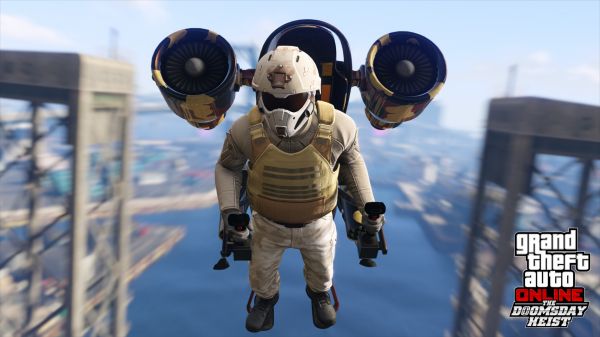












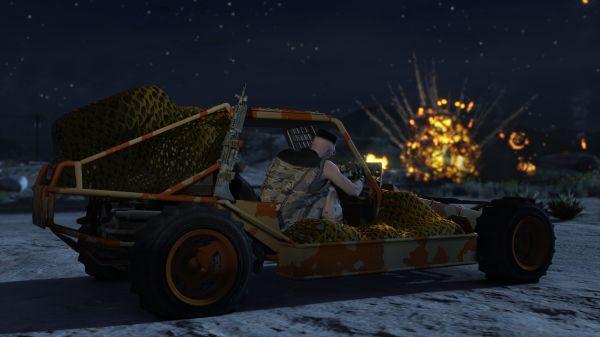

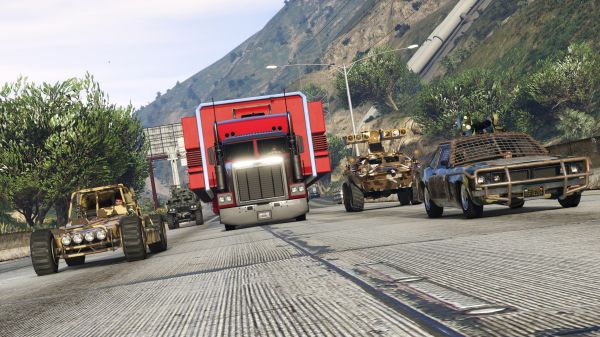


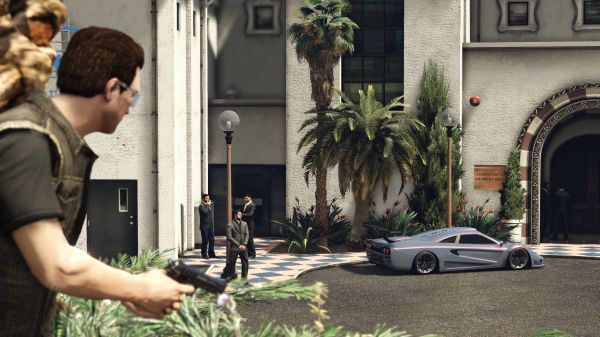


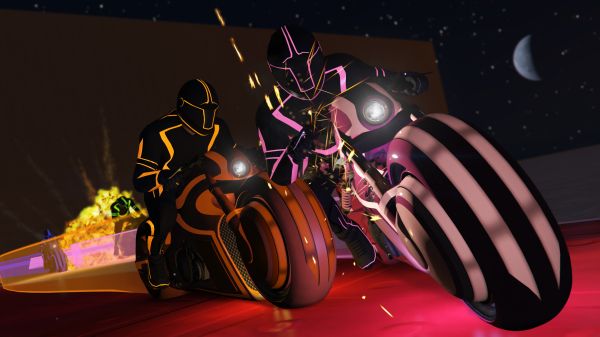









Digital Dreams and Urban Realities: Unpacking the Immersive Universe of GTA V
Grand Theft Auto V is one of those games I can return to after a long break and immediately find something worth doing. Sometimes I follow the story, sometimes I drive across Los Santos without a destination, and sometimes I spend an entire session modifying a car that I may barely use afterward. That freedom is the main reason the game has remained installed on my system for so long.
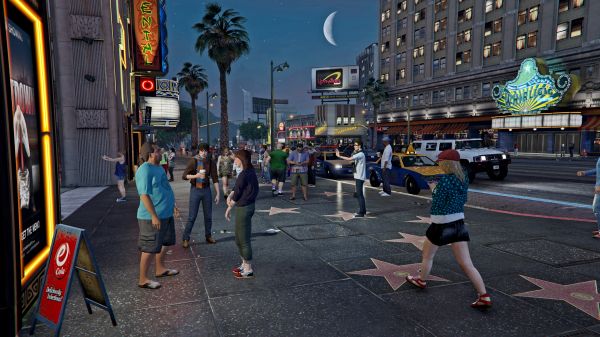
I have played many open-world games where the map looks impressive from a distance but quickly starts to feel like a collection of repeated activities. Los Santos feels different. Its districts have distinct personalities, the traffic creates unexpected situations, pedestrians react to what is happening around them, and even an ordinary journey across the city can turn into a memorable sequence of events. The game rarely forces me to enjoy it in one particular way.
Three Characters Changed How I Experienced the Story
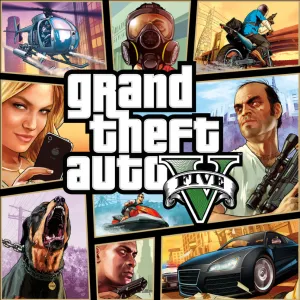
The decision to build the campaign around Michael, Franklin, and Trevor gave me more variety than I initially expected. Each character approaches Los Santos from a different social position, and switching between them makes the city feel larger than it really is.
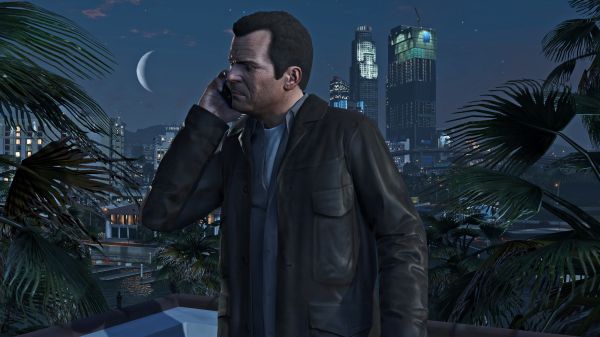
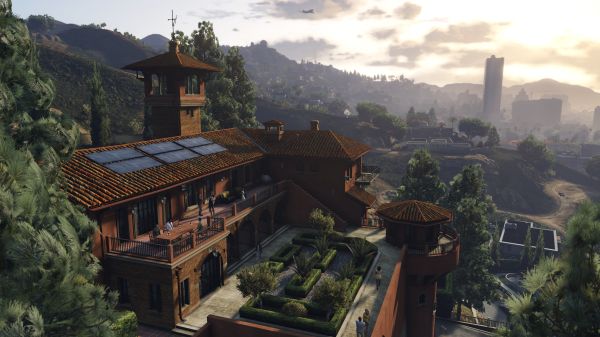
Michael gave me the perspective of someone who already achieved a version of success but discovered that wealth did not solve his personal problems. His expensive home, strained family relationships, and constant frustration created an interesting contrast with the glamorous image of Los Santos. Playing as him often felt like watching a man attempt to restart a life that had already become complicated.
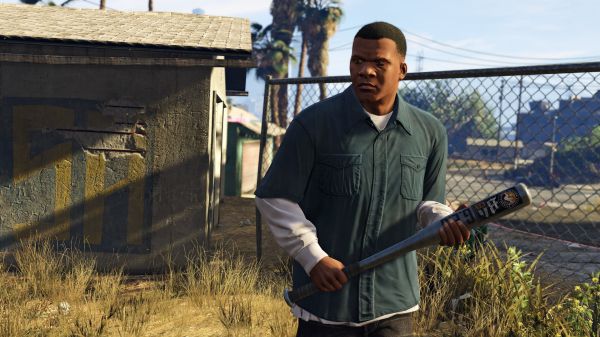
Franklin was the easiest character for me to understand at the beginning. He wants better opportunities and recognizes that his current environment offers limited options. His early missions introduced me to the city gradually, while his driving ability made him my preferred choice whenever I wanted to move quickly through traffic.
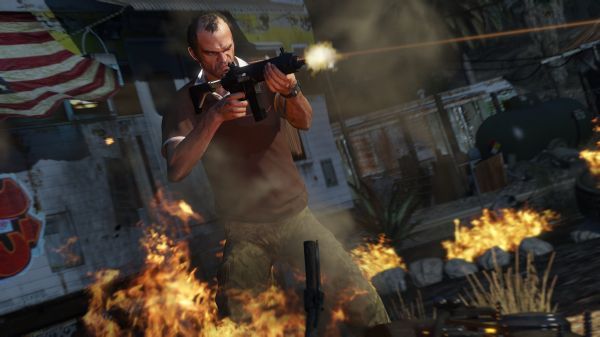
Trevor completely changed the rhythm of the campaign. His sections are unpredictable, uncomfortable, and frequently absurd. I never felt fully in control of what his next scene might involve, which made his appearance an effective disruption whenever the story became too polished or familiar.
My Best Moments Happened Between Missions
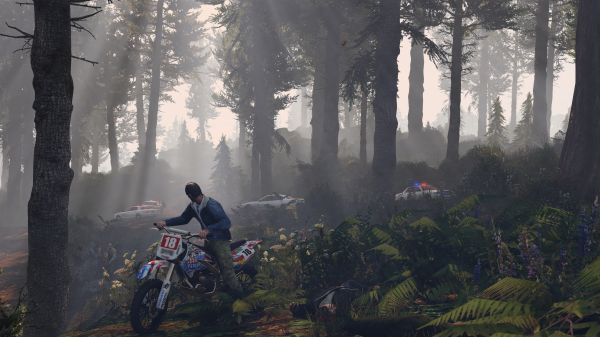
The main missions are carefully designed, but many of my strongest memories came from situations I created myself. I once planned to drive from the city to the northern countryside using a newly purchased sports car. Within minutes, I had damaged the vehicle, attracted unwanted attention, abandoned it near a highway, and continued the journey in a slow utility truck. None of this advanced the story, yet the resulting adventure felt completely personal.
That unpredictability is supported by the physics and AI systems. Traffic can interrupt a clean escape route. A small collision can create a larger accident. A badly timed turn can send a vehicle down a hillside. These systems are not always realistic, but they create the kind of playful chaos that suits the game perfectly.
Driving Became My Default Activity
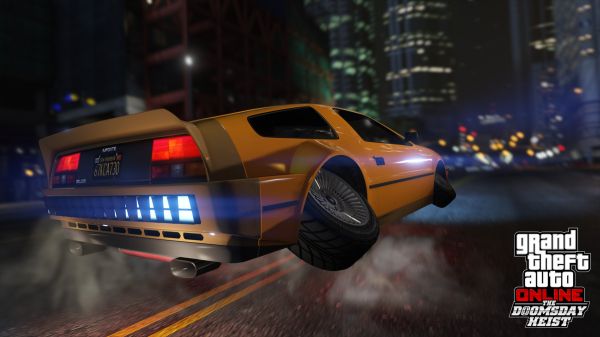
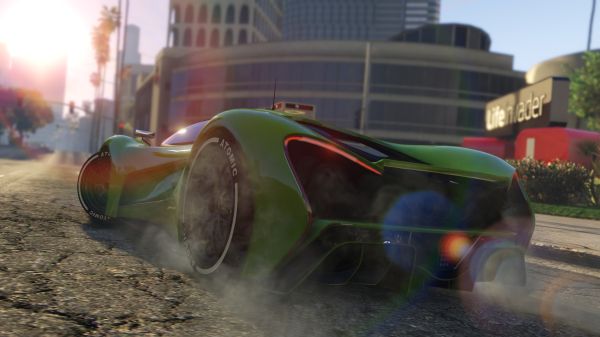
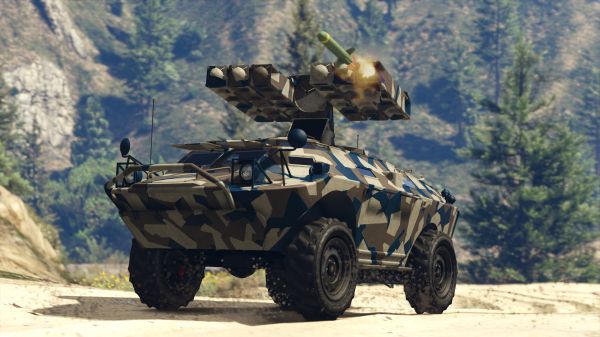
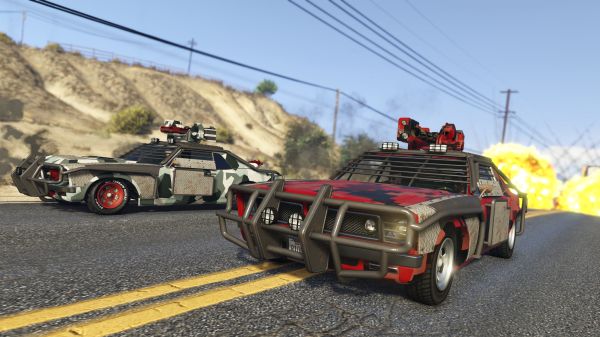
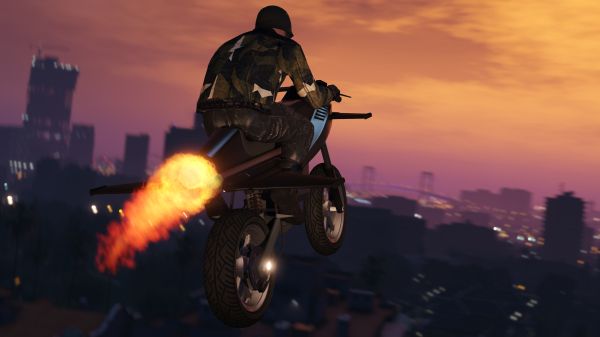
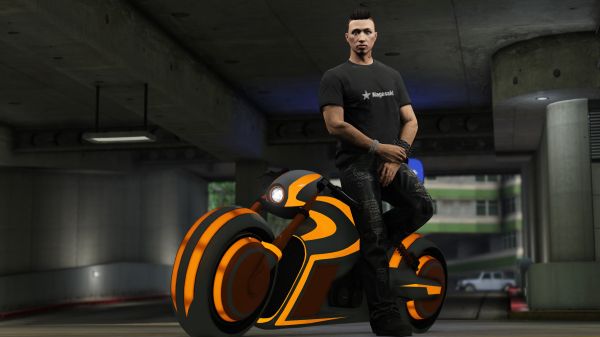
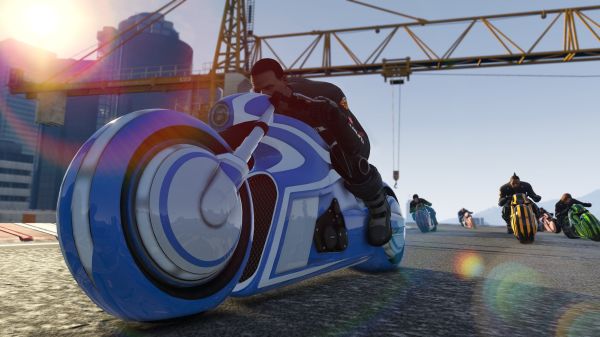
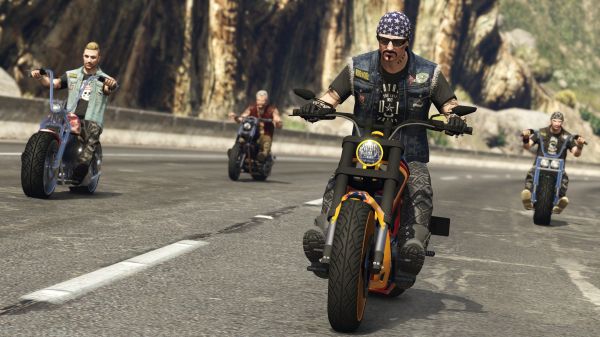
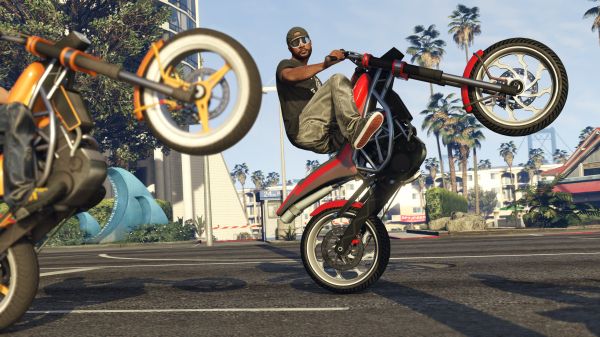
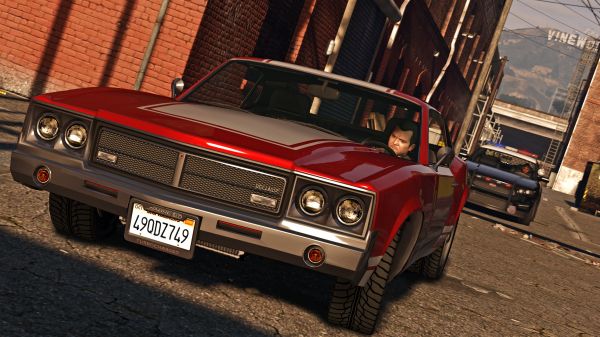
I spent far more time driving than I expected. Cars have enough variation to make experimentation worthwhile, especially after upgrades. Lightweight sports cars feel responsive on city streets, while heavier vehicles require more patience around tight corners. Motorcycles offer speed and flexibility, although one mistake can end a journey very quickly.
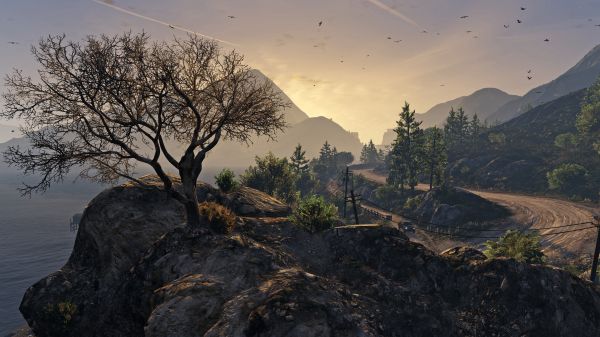
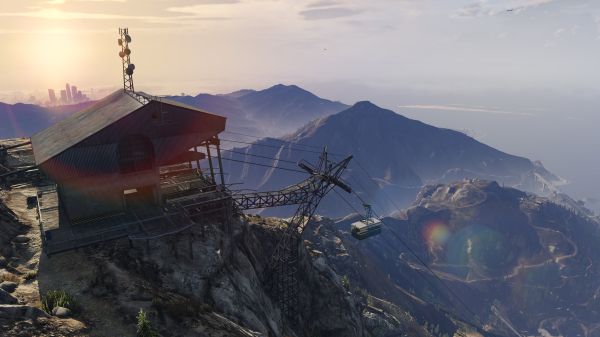
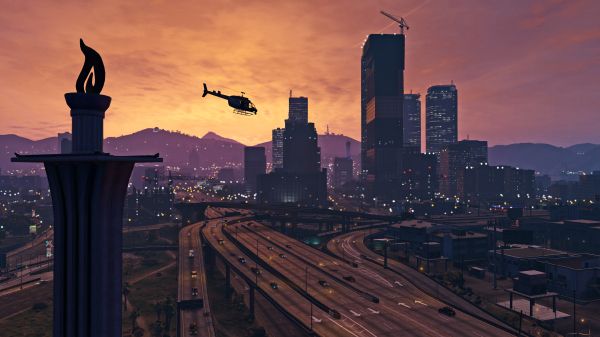
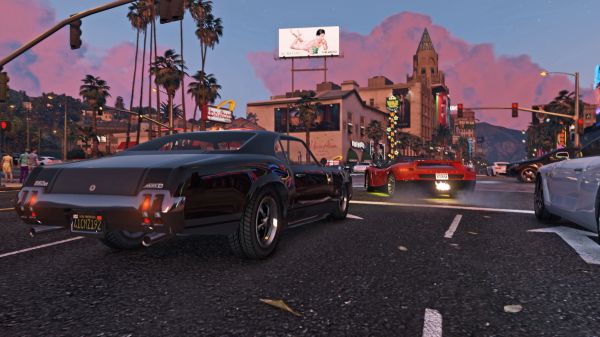
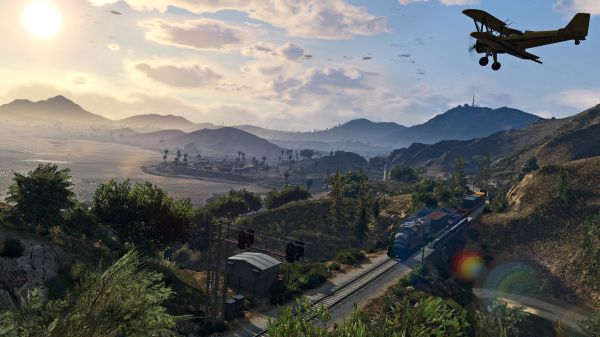
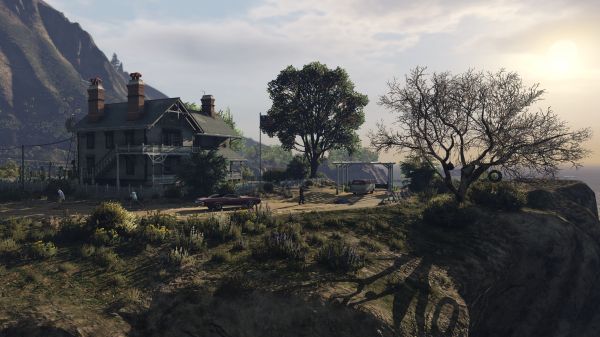
The map also supports different driving moods. Downtown streets are ideal for weaving through traffic. The hills reward controlled steering. Desert roads provide long stretches where I can test maximum speed, while mountain routes encourage slower exploration. Even after learning the major roads, I still discover shortcuts, unusual ramps, and overlooked locations.
The Heists Gave the Campaign Its Strongest Identity
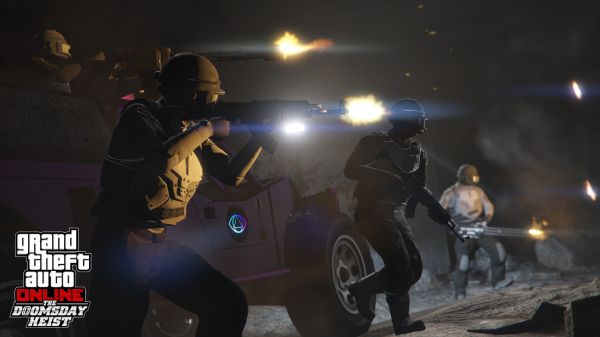
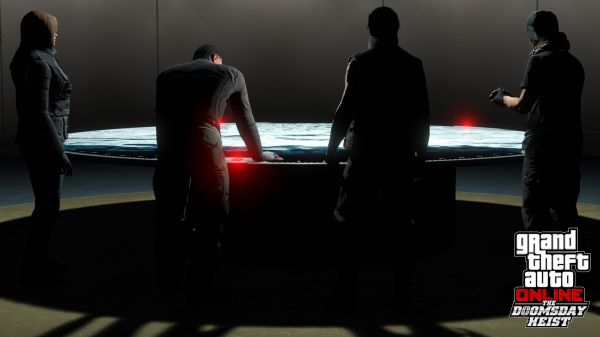
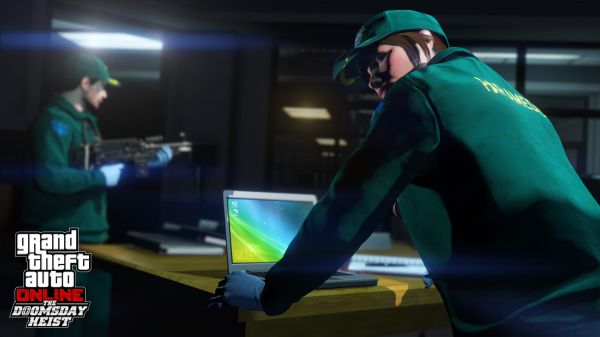
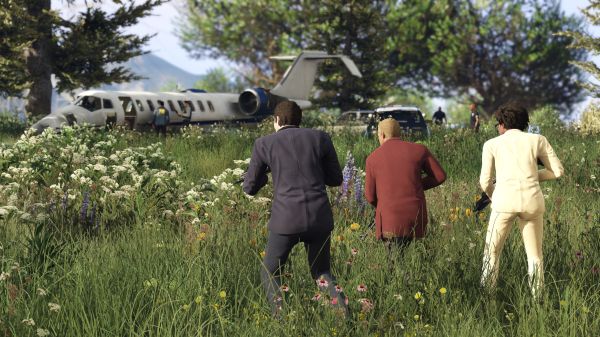
The large heist missions were the moments when Grand Theft Auto V felt most ambitious. I enjoyed selecting an approach, choosing crew members, preparing equipment, and seeing the plan develop during the mission. The preparation stages gave the final operation more weight because I had already invested time in setting everything up.
Not every choice creates a completely different mission, but the available approaches were enough to make me think about how I wanted the operation to feel. A quieter plan could require more preparation and discipline, while an aggressive route created a faster and more direct sequence. I often replayed these missions simply to see how another strategy changed the pacing.
The character-switching system works especially well during heists. Instead of staying with one role, I could move between driving, covering teammates, and handling another part of the operation. This made the missions feel broader without turning them into passive cinematic sequences.
Los Santos Works Because It Is Full of Contrasts
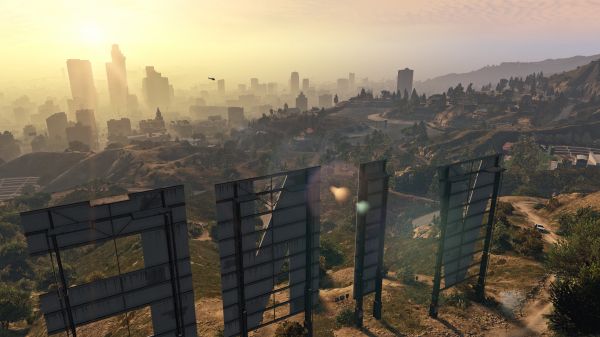
The visual design remains one of my favorite parts of the experience. Los Santos can look bright, expensive, and inviting, but the game constantly reveals less glamorous details beneath that surface. Luxury stores sit near neglected streets. Expensive vehicles pass people struggling with everyday problems. Advertising promises perfect lifestyles while many characters behave as if they are deeply dissatisfied.
This satirical tone appears in radio programs, social media parodies, television shows, billboards, and casual conversations. Some jokes are deliberately exaggerated, yet the amount of background writing gives the city a recognizable identity. I often stayed inside a parked car just to finish listening to a radio discussion or advertisement.
The soundtrack also helped define each journey. Changing stations could transform the mood of the same road. A relaxed drive along the coast felt completely different from a rapid nighttime trip through downtown. The radio is not merely background audio; it acts as part of the city’s personality.
Customization Made Progress Feel Personal
Earning money became more satisfying when I had specific purchases in mind. I enjoyed upgrading vehicles, changing clothing, buying properties, and experimenting with equipment. These systems are not equally deep, but together they gave me reasons to engage with activities beyond the central narrative.
Vehicle customization was the feature I used most often. I regularly changed paintwork, wheels, performance components, and body details. The process made ordinary cars feel more personal, even though I occasionally lost them during an unfortunate trip across the map.
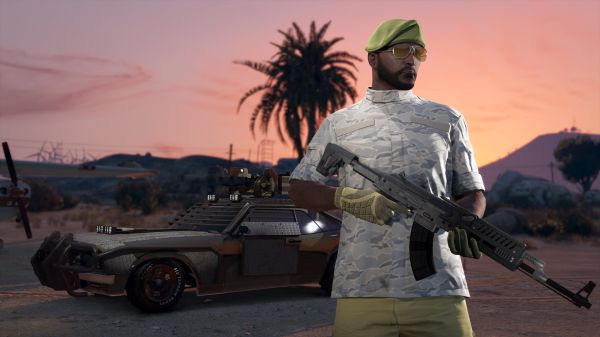
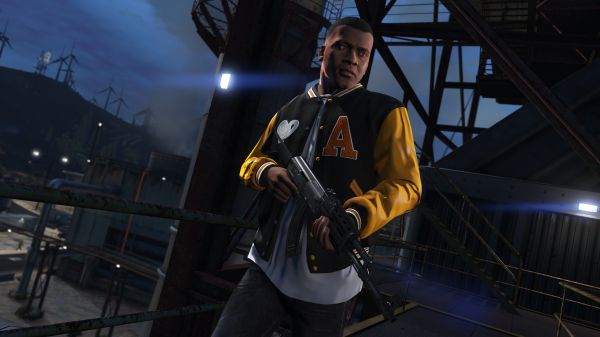
Character customization is more limited than in a traditional role-playing game, but clothing still helped me create a different identity for each protagonist. I kept Michael relatively polished, gave Franklin a cleaner streetwear style, and allowed Trevor’s wardrobe to remain as unpredictable as his personality.
Where the Experience Shows Its Age
Despite how much I enjoy the game, some design choices feel older now. Movement indoors can be awkward, particularly in narrow spaces. Certain mission objectives are stricter than the open world suggests. I might discover what appears to be a creative solution, only to learn that the mission expects one precise route or action.
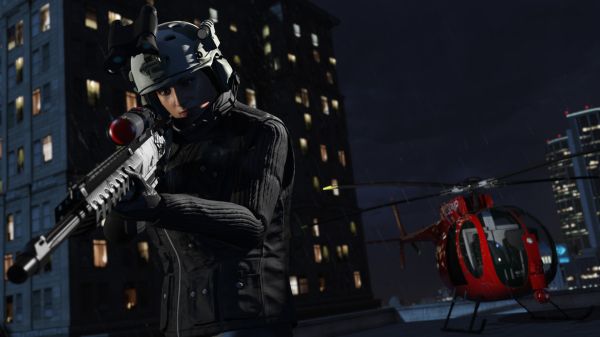
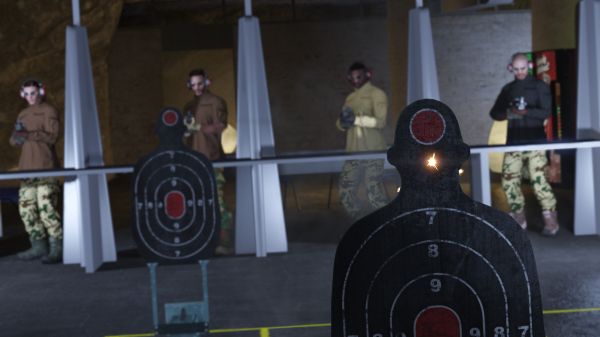
The shooting system is functional and responsive enough for the campaign, but I rarely found it as interesting as driving or exploration. Automatic targeting can make encounters feel simple, while manual aiming sometimes exposes the limitations of character movement. The game is strongest when several systems interact rather than when it becomes a straightforward combat sequence.
I also noticed that some activities offer more novelty than depth. Sports, hobbies, random events, and property tasks add variety, but I did not feel equally motivated to revisit all of them. Their value comes from making the world appear active rather than serving as complete games of their own.
How I Actually Play Grand Theft Auto V Today
I no longer approach the game as something I need to complete efficiently. Instead, I treat it like a digital city I can visit whenever I want a flexible gaming session. On one evening, I may replay a major mission. On another, I may explore the countryside, search for unusual vehicles, or simply drive while listening to the radio.
This makes Grand Theft Auto V suitable for both focused and casual sessions. The campaign provides structure when I want clear objectives, while the open world gives me space when I prefer to create my own entertainment. Few games manage to support both styles without making one feel secondary.
What continues to impress me is not a single mission or technical feature. It is the way the systems combine. The vehicles, characters, radio stations, pedestrians, weather, police response, countryside, city streets, and optional activities constantly interact. Even when I repeat familiar routes, small changes produce a slightly different story.
Grand Theft Auto V remains memorable because it understands that an open world needs more than size. It needs rhythm, personality, and opportunities for unexpected events. Los Santos still gives me all three. Every return begins with a simple plan, and almost every session ends somewhere I never intended to be.
Pros:
- Immersive open-world design with meticulously detailed environments
- Extensive mod and cheat support allowing for creative gameplay modifications
- Robust online multiplayer platform offering diverse missions and events
- High replayability due to dynamic mission structures and open-ended exploration
- Cutting-edge visuals and audio that set a high benchmark for modern gaming experiences
- Engaging multi-character narrative that enriches the storytelling experience
Cons:
- Mature content that may not be suitable for all ages or audiences
- Online mode occasionally faces server or connectivity issues impacting gameplay
- High system requirements that may limit performance on older or lower-end hardware









Recent Reviews

Minecraft

Toca Boca World

Roblox

Geometry Dash

Leave a comment
Your comment is awaiting moderation. We save your draft here
0 Comments