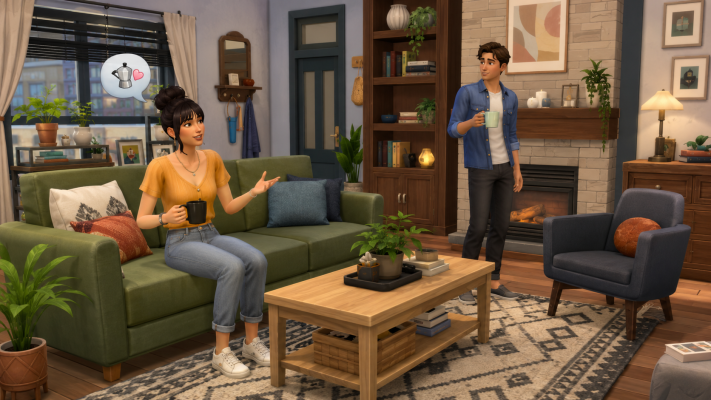
The Sims 4 in 2026 is still one of the easiest games to open for “just one quick session” and then somehow lose an entire evening deciding whether the kitchen should have warm wood cabinets or modern white counters. It is not only a life simulator. It is a storytelling tool, a home design playground, a family drama machine, and occasionally a reminder that virtual people also make terrible decisions when left unsupervised.
This guide-course is made for players who want more from The Sims 4 than random gameplay. Maybe you want to create better families, build homes that actually match your Sims, start long storylines, explore careers, manage needs without stress, or make your saves feel less repetitive. The Sims 4 becomes much more enjoyable when you stop treating every household the same way and start giving each one a purpose.
We will go through 8 practical steps: creating Sims with personality, building story ideas, designing better homes, managing daily life, adding conflict, using goals, refreshing old saves, and making gameplay feel personal. You do not need a perfect plan before pressing play. You just need a direction. The chaos will provide itself.
Step 1: Create Sims With a Story, Not Just a Nice Outfit
Create-a-Sim is fun because it gives you control over style, face, body, hair, clothes, traits, aspirations, and mood. But many players stop at appearance. They create a beautiful Sim, place them in a nice house, play for ten minutes, and then wonder why the save feels empty. A good Sim needs more than a great jacket. They need a reason to exist in the story.
Before finishing a Sim, ask a few basic questions. What do they want? What are they afraid of? Are they ambitious, lazy, romantic, chaotic, shy, stylish, family-focused, career-driven, creative, or secretly terrible with money? A Sim becomes more interesting when their traits, aspiration, job, home, and relationships all point toward a story.
- Give them a goal: career success, family stability, fame, creativity, romance, wealth, independence, or revenge through interior design.
- Give them a flaw: jealousy, impatience, fear of commitment, bad spending habits, social awkwardness, or laziness.
- Give them a starting problem: low funds, a difficult roommate, a broken relationship, a tiny house, or a dream that feels too big.
- Give them a style: their clothes and home should match who they are, not just what looks trendy.
A strong Sim does not need to be perfect. In fact, perfect Sims can become boring fast. The most memorable gameplay often comes from Sims who want something but are very capable of making that goal harder for themselves.
Step 2: Start With a Simple Story Hook
The Sims 4 becomes more engaging when each household starts with a story hook. A story hook is the situation that makes you want to keep playing. It does not need to be dramatic. It can be cozy, funny, romantic, messy, ambitious, or completely ridiculous. The important part is that it gives your gameplay a direction.
Instead of starting with “this Sim lives in a house,” try starting with “this Sim moved to a tiny starter home after quitting a boring job and wants to become a famous chef.” That one sentence already gives you goals, design choices, daily routines, relationships, and potential drama. Suddenly the kitchen matters. The career matters. The neighbors matter. Even a cheap dining table becomes part of the story.
- Rags to comfort: start with limited money and build a stable life slowly.
- Family legacy: follow one household across generations.
- Roommate chaos: place very different Sims together and let personalities clash.
- Career climb: focus on one Sim’s professional dream.
- Second chance: begin with a failed relationship, lost job, or messy past.
- Creative life: build a story around painting, writing, music, design, or performance.
The best story hooks are flexible. You should know where the Sim begins, but not exactly where they will end. Leave room for surprises. The Sims is funniest when your plan is neat and the game politely throws soup on it.
Step 3: Build Homes That Match the Sims Living Inside
Building in The Sims 4 is not only about making a beautiful house. A great home should reflect the Sim’s personality, budget, lifestyle, and story. A neat perfectionist may have a clean modern home with organized rooms. A creative painter may live in a colorful apartment full of art supplies. A stressed single parent may have toys everywhere, a half-finished laundry area, and one chair that has clearly seen things.
Before building, think about how the household actually lives. Do they cook often? Do they host parties? Do they work from home? Do they need a nursery, office, garden, gym, studio, or gaming room? A home feels better when it supports gameplay. Pretty rooms are nice, but useful rooms keep the story moving.
- Starter homes should be compact, affordable, and easy to navigate.
- Family homes need practical bathrooms, bedrooms, storage, and shared areas.
- Creative homes should include studio corners, clutter, color, and personality.
- Luxury homes should feel impressive but still playable.
- Tiny homes work best when every object has a reason to be there.
One helpful trick is to decorate slowly. Do not fill every room immediately. Let the house grow with the household. A Sim who starts poor should not always have a perfect home on day one. Let them upgrade the sofa after a promotion. Add a better kitchen after they improve cooking. Build the nursery when the family changes. Progress makes the home feel alive.
Step 4: Manage Daily Gameplay Without Turning It Into Chores
The Sims 4 can become repetitive if every day looks the same: wake up, bathroom, food, work, sleep, repeat. Needs management is important, but it should not be the whole game. The goal is to create routines that support the story without making gameplay feel like a digital checklist.
Start by building useful habits. Keep the home layout efficient. Put important objects where Sims can reach them. Avoid huge houses where walking from the bedroom to the fridge takes half the morning. Make sure Sims have ways to improve skills, socialize, relax, and recover mood. A beautiful mansion is less fun if your Sim spends most of the day walking across it like they are commuting indoors.
- Use mornings for needs. Food, hygiene, and mood set up the day.
- Use evenings for story. Dates, hobbies, drama, friendships, or skill building.
- Keep skill objects accessible. If the guitar is hidden in the attic, nobody will use it.
- Plan social time. Relationships need attention or they fade into awkward phone calls.
- Do not over-control everything. Let Sims surprise you sometimes.
A good routine gives structure, but too much structure makes the save feel stiff. Let small problems happen. A burned meal, a failed flirt, a missed promotion, or a badly timed guest can create better stories than perfect efficiency.
Step 5: Add Conflict Before the Save Gets Too Comfortable
Comfort is nice in real life, but in The Sims 4, too much comfort can make gameplay boring. Once your Sim has money, a nice house, stable relationships, and a good job, the save may start feeling finished even if you are not ready to stop playing. That is when conflict helps.
Conflict does not always mean disaster. It can be a difficult choice, a rival, a secret, a career change, a move, a new baby, a breakup, a surprise roommate, a money challenge, or a dream that requires sacrifice. The point is to create tension. Your Sims should want something that is not instantly easy to get.
- Romantic conflict: old feelings, jealousy, mismatched goals, or a risky new relationship.
- Career conflict: promotion pressure, burnout, quitting a job, or switching dreams.
- Family conflict: different personalities, parenting choices, sibling rivalry, or inheritance drama.
- Money conflict: debt-style rules, strict budgets, or rebuilding after moving.
- Personal conflict: fear, ambition, loneliness, bad habits, or a need to change.
The trick is to add conflict that fits the household. A cozy family save might need gentle drama. A celebrity-style save can handle scandal and ambition. A legacy save may need generational pressure. Drama works best when it grows from the Sims, not when it appears randomly like a meteor made of plot.
Step 6: Use Goals to Keep Gameplay Moving
Goals give your save momentum. Without goals, you may spend several in-game days watching your Sims eat leftovers and scroll on their phones. That can be realistic, yes, but it is not always exciting. A goal gives you a reason to keep playing and a way to measure progress.
Choose one main goal and a few smaller goals. The main goal might be building a dream house, completing an aspiration, reaching the top of a career, raising a successful family, creating a famous artist, or finishing a legacy generation. Smaller goals could include making three friends, hosting a dinner party, redecorating the bedroom, saving money, improving cooking, or finding a partner.
- Short-term goal: something you can finish in one or two sessions.
- Medium-term goal: something that takes several in-game weeks.
- Long-term goal: the bigger story of the household.
- Optional goal: a fun side quest, like building a garden or making an enemy.
Goals should guide the gameplay, not trap it. If a better story appears, follow it. Maybe your Sim was supposed to become a serious business leader, but then they fell in love with a musician and opened a bakery. That is not failure. That is The Sims doing what The Sims does best: turning plans into soap opera furniture.
Step 7: Refresh Old Saves Instead of Starting Over Again
Many players restart constantly. They make a household, build a home, play a little, get bored, and start over. There is nothing wrong with fresh saves, but old saves can become interesting again with the right refresh. Sometimes you do not need a new world. You need a new chapter.
To refresh a save, change the household’s situation. Move them to a new home. Add a new family member. Change careers. Renovate the house. Create a rival household. Start a business-style storyline. Send a Sim into a new relationship. Age up children and give them stronger personalities. A small change can make the save feel alive again.
- Renovate one room based on the Sim’s current life stage.
- Add a new neighbor with a strong personality.
- Create a family secret or unresolved conflict.
- Move the household to a different style of home.
- Give one Sim a completely new dream.
- Start a “one year later” storyline and redesign everyone.
Old saves have history, and history is valuable. A fresh household has potential, but an old household has memories, relationships, mistakes, and unfinished business. That gives you story material without starting from zero.
Step 8: Make The Sims 4 Feel Like Your Own Storytelling Tool
The best way to enjoy The Sims 4 in 2026 is to treat it as your own storytelling tool. Some players love realistic family gameplay. Others prefer dramatic romance, luxury building, challenges, supernatural chaos, tiny homes, career stories, or generations of family history. There is no single correct way to play.
Your style matters. Maybe you like slow cozy saves where every room has meaning. Maybe you like messy households where everyone makes bad decisions at breakfast. Maybe you prefer building homes and barely pressing play. That still counts. The Sims 4 gives you systems, but you decide what kind of story those systems support.
- Use CAS to create personality. Style should support story.
- Use Build Mode to show lifestyle. Homes should reveal who lives there.
- Use gameplay to create change. Careers, relationships, skills, and goals should move the story forward.
- Use conflict carefully. Drama should make the save better, not just louder.
- Use screenshots or notes. Tracking moments makes long saves more satisfying.
The Sims 4 works best when you stop chasing the “right” way to play and build a rhythm that feels fun to you. Create Sims with goals. Build homes that match them. Give them problems, dreams, routines, relationships, and reasons to change. Then let the game surprise you.
In 2026, The Sims 4 remains a flexible space for stories, homes, and gameplay. It can be cozy, dramatic, stylish, strange, emotional, or completely ridiculous in the best possible way. Start with one household, one home, and one story hook. The rest will grow from there, probably with at least one kitchen fire along the way.






Leave a comment
Your comment is awaiting moderation. We save your draft here
0 Comments