Review
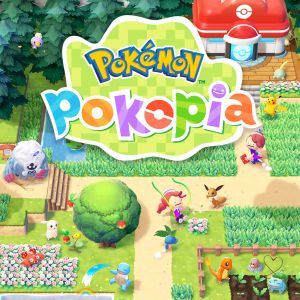
Pokémon Pokopia gave me something I had wanted from the series for years without realizing how much I wanted it: permission to spend ti...



Pokémon Pokopia: A Bold New Journey of Tradition, Innovation, and Community Engagement
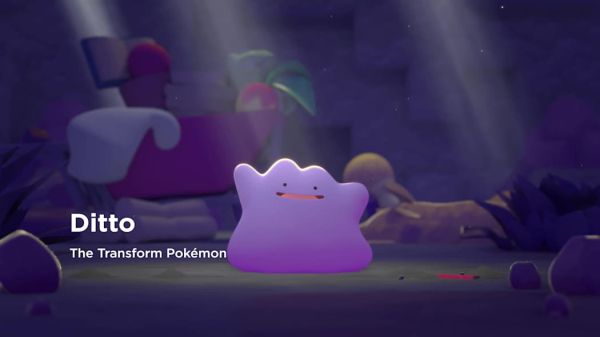
Pokémon Pokopia gave me something I had wanted from the series for years without realizing how much I wanted it: permission to spend time with Pokémon without treating every relationship as preparation for another battle. I still collect materials, unlock abilities, explore unfamiliar areas, and pursue clear progression goals, but the central purpose is restoration rather than competition. My Ditto protagonist wakes in a damaged world, takes on a humanlike form, and gradually learns how to make the environment welcoming again. The result is a warm life simulation where the most satisfying achievement is often seeing a previously empty corner become somebody’s home.
The premise sounds gentle, and most of the experience supports that relaxed tone. I can grow plants, craft furniture, reshape terrain, decorate houses, meet unusual residents, and create habitats suited to particular Pokémon. Yet the game is not completely without pressure or structure. New regions, environmental levels, material requirements, requests, and special encounters give each session direction even when I am free to ignore the next objective temporarily.
Playing as Ditto Is More Than a Cute Narrative Trick
The protagonist is a Ditto that has transformed into a person, which immediately makes the character feel different from a traditional Pokémon Trainer. I am not standing outside the Pokémon world and issuing commands to creatures who follow me. Ditto is already one of them, even if the transformed appearance allows ordinary building, crafting, and social interactions. That small change makes the entire premise feel more cooperative.
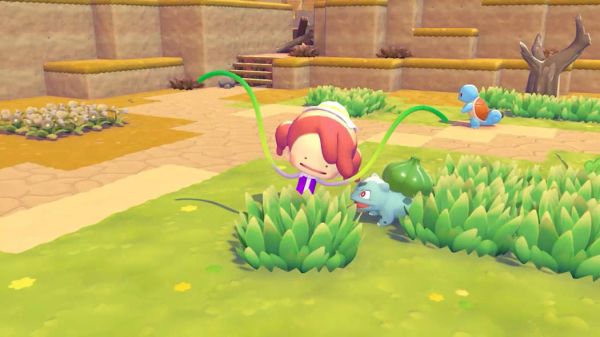
Ditto’s identity also explains how new abilities are learned. Meeting Pokémon is not only about adding another name to a collection because their moves can become practical tools for rebuilding the environment. Bulbasaur’s Leafage encourages greenery to return, while Squirtle’s Water Gun helps hydrate plants and support cultivation. Other moves expand movement, gathering, landscaping, and access to areas that initially seem unreachable.
I enjoy this system because each Pokémon contributes through recognizable characteristics. Their familiar abilities are not translated into generic crafting perks with little visual personality. The move remains connected to the species that taught it, giving progression a social context. Learning something new feels like receiving help from a neighbor rather than increasing one anonymous skill statistic.
The Opening Area Makes Restoration Immediately Visible
The early environment is deliberately sparse and tired. Grass appears unhealthy, trees lack energy, and the land does not yet resemble the colorful Pokémon paradise shown in promotional material. This gives even small improvements visual importance. Planting a few flowers or adding one useful structure can make the area feel noticeably more welcoming.
I appreciated how quickly the game lets me participate in that transformation. The opening does not require several hours of abstract tutorials before I am allowed to alter the world. Basic gathering, crafting, planting, and placement are introduced through practical requests. Every lesson leaves something behind that remains part of the developing settlement.
The slow pace still requires patience. The world does not become a complete paradise after one productive afternoon, and certain improvements depend on repeated material collection or environmental advancement. That gradual change is central to the fantasy. Pokopia is strongest when I stop treating restoration as a checklist and begin enjoying the accumulation of small details.
Environmental Levels Provide a Clear Form of Progression
Each major area develops as I improve its conditions, create suitable habitats, complete requests, and welcome more Pokémon. Environmental levels act as a broad measurement of how successfully the region has been restored. Increasing them opens additional opportunities and gives long-term purpose to ordinary decoration. The system makes creativity part of progression rather than an activity disconnected from it.
I like that advancement is based on building a healthy community rather than filling one experience bar through repetitive actions. A useful habitat, well-chosen plants, and appropriate facilities can matter more than placing random expensive objects. The environment feels as though it is evaluating whether Pokémon can genuinely live there. This encourages me to think about the whole area instead of optimizing one corner.
The scoring logic is not always completely transparent. I occasionally understand that an area needs improvement without knowing which change will provide the most meaningful progress. Better explanations of habitat quality and environmental needs would make planning easier. A cozy game should support experimentation, but it should also communicate why one design succeeds more effectively than another.
Habitats Turn Decoration Into a Pokémon Discovery System
Different Pokémon are attracted by particular combinations of terrain, plants, furniture, food, water, shelter, and environmental character. This transforms decorating into a form of ecological problem-solving. I am not placing a pond only because it looks attractive. I may be creating the exact condition needed for a water-loving visitor to appear.
The relationship between design and discovery gives every item a possible purpose. A bench, flower patch, tree, fire, cooking area, or piece of playground equipment can contribute to the identity of a small neighborhood. Once a new Pokémon arrives, the habitat feels validated. The world responds to creative choices by becoming more populated.
I often begin with a practical target and end up keeping the habitat because it looks charming. A requirement may inspire the initial layout, but decoration gradually becomes personal. Moving one tree, adding a path, or arranging seating around a pond can transform a functional setup into a memorable place. Pokopia succeeds by allowing objectives to begin creativity rather than replace it.
Pokémon Behave Like Residents Instead of Inventory Entries
The Pokémon I meet can wander, interact with objects, participate in small activities, and occupy the habitats created for them. They are not stored permanently inside a menu after being discovered. Seeing them use the world gives construction emotional value. A playground feels more successful when a group of Pokémon actually gathers there.
Species-specific animations provide much of the game’s charm. Bulbasaur can use its vines during playful interactions, Charmander can support fires, and other Pokémon contribute through abilities or recognizable personality. These moments make familiar designs feel alive without requiring complicated dialogue. Movement and behavior communicate enough affection on their own.
The simulation is naturally limited. Residents do not possess the extremely complex schedules or social relationships found in deeper life simulators. Their routines can become predictable after I spend enough time in one area. Even so, Pokémon are expressive enough that their presence improves a settlement far beyond the value of another static decoration.
The Mysterious Variants Add Character to the Story
Pokopia includes unusual figures such as Professor Tangrowth, Peakychu, Mosslax, and Smearguru. These characters resemble familiar species while possessing distinct identities, roles, and visual details. Meeting them creates curiosity because they do not fit neatly into the ordinary expectations of the Pokédex. They appear connected to the history and condition of the world.
I enjoy how these characters make the setting feel separate from a conventional Pokémon region. Pokopia is not simply another collection of routes and towns waiting for a Trainer. It is a place shaped by transformation, memory, neglect, and rebuilding. The mysterious residents support that identity by suggesting that something unusual happened long before Ditto awoke.
The story remains light enough not to overwhelm the life-sim structure. Important characters provide direction and context, but they do not turn every day into a sequence of lengthy cutscenes. I can follow the central mystery at my own pace. This balance preserves curiosity without making peaceful building feel like an interruption.
Gathering Materials Is Pleasant Until a Project Becomes Too Ambitious
Wood, stone, plants, food ingredients, and specialized resources support nearly every form of progression. Gathering is simple and readable, making it easy to understand where common materials come from. Early projects require manageable quantities, so collecting feels like a natural part of exploring. The world rarely forces me to remain beside one resource node for an excessive period during the opening hours.
Larger construction and decoration plans expose the repetitive side of the system. A detailed home or carefully themed neighborhood can consume materials much faster than ordinary play provides them. I occasionally pause a creative idea not because it is technically difficult but because another gathering circuit is required. Resource cost gives projects value, but excessive repetition can weaken inspiration.
Storage and organization also become increasingly important as the catalogue expands. Materials, crafted parts, food, furniture, plants, and special objects can fill available space quickly. Strong sorting and searching reduce the inconvenience, though managing supplies still consumes more time than I would prefer. Creative momentum is fragile when every idea begins with inventory maintenance.
Crafting Feels Best When Recipes Create New Behaviors
The crafting system includes furniture, structures, tools, decorations, habitat pieces, and practical facilities. Basic recipes provide quick ways to improve the first settlement, while later options support more specialized themes. I appreciate that crafted objects are visually distinct enough to inspire design ideas. Unlocking one unusual piece can become the reason to redesign an entire area.
Interactive items are significantly more valuable than purely decorative ones. A chair improves a room visually, but a playground, cooking facility, or activity object can change how Pokémon behave nearby. These pieces create visible life and make the settlement feel inhabited. I consistently prioritize them even when a simpler decoration would provide similar progression.
The recipe catalogue could communicate dependencies more clearly. One desired object may require another processed material whose source is several menus away. Pinning a project helps, but a stronger production overview would make complex builds easier to plan. Crafting should reward resource preparation rather than test how many recipe layers I can remember.
Building Houses Is Simple Enough to Remain Relaxing
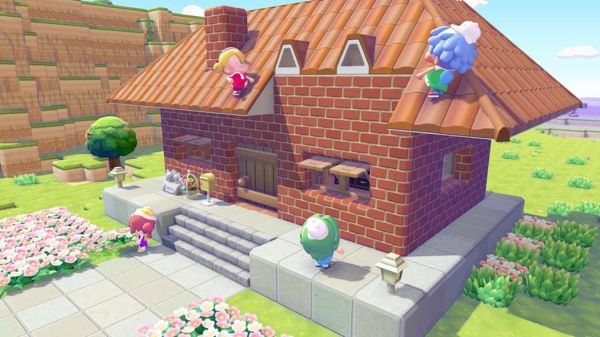
Pokopia avoids turning every residence into a demanding architectural project. I can place and customize useful living spaces without manually assembling every structural detail. This makes town development approachable for players who enjoy decoration more than technical building. A recognizable neighborhood can emerge quickly from a previously empty patch of land.
The simplicity does not eliminate creativity. Location, surrounding terrain, pathways, plants, exterior furniture, and interior arrangement still make each house feel different. A small cottage beside water communicates another personality from a home surrounded by fruit trees or festival decorations. Context becomes as important as the building model itself.
Players seeking unrestricted construction may eventually find the structure more limited than a full block-building sandbox. Pokopia prioritizes comfortable placement and habitat design over complete architectural freedom. I think that choice suits the game’s audience. The goal is to create a welcoming Pokémon world, not to become trapped inside roof geometry for several hours.
Gardening Gives Each Day a Gentle Routine
Fields can be prepared, seeds planted, and crops tended using abilities learned from Pokémon. The process provides a reliable source of ingredients while adding visible life to the settlement. Watching an empty plot become productive is satisfying even when the mechanics remain straightforward. Farming also gives morning routines a practical purpose.
Water Gun is especially effective as a thematic tool because it turns one of Squirtle’s iconic moves into ordinary agricultural help. This represents Pokopia’s broader strength: familiar Pokémon abilities become part of peaceful daily life. The move is no longer useful only during combat. It contributes directly to rebuilding a community.
Gardening is not as detailed as a dedicated farming simulator. Soil management, crop quality, advanced breeding, and seasonal planning remain relatively light. That simplicity keeps the activity from dominating the rest of the game. Farming supports habitats, cooking, requests, and decoration without becoming a separate career requiring complete attention.
The Day and Night Cycle Changes the Mood More Than the Rules
Mornings, afternoons, evenings, and nights give each area a different visual character. Warm daylight encourages construction and exploration, while softer evening lighting makes developed settlements look especially inviting. Pokémon behavior and available surprises can vary according to time. The world feels as though it continues through a daily rhythm rather than remaining under permanent ideal lighting.
Resting provides a natural conclusion to one productive day. I often use the evening to organize materials, adjust decorations, and decide what the next morning should accomplish. This creates a satisfying loop without forcing strict energy management. Time provides atmosphere and structure without becoming a constant punishment.
I appreciate that there is little pressure to optimize every minute. Missing one opportunity usually does not ruin long-term progress. The game encourages routines while allowing distraction. A cozy life simulation becomes much less relaxing when every day must be executed perfectly.
Weather Makes Finished Areas Feel Less Static
Changing weather alters lighting, sound, visibility, and the emotional tone of the world. Rain makes gardens and water-focused habitats feel especially natural, while clear days highlight colorful decoration. Weather also gives photography and exploration more variation. One familiar location can look surprisingly different under another sky.
The practical influence is lighter than the visual influence. I rarely need to redesign an entire day because of ordinary conditions. This keeps weather from becoming an obstacle for players who simply want to build. The system contributes atmosphere without turning every storm into a management emergency.
More species-specific weather behavior would make the feature even stronger. Certain Pokémon could gather during rain, seek shade during heat, or interact differently with snow and wind. The game already establishes a strong relationship between creatures and environment. Weather provides another opportunity to deepen it.
Exploration Works Because New Areas Offer Different Design Problems
Moving beyond the first settlement introduces new terrain, resource combinations, Pokémon, and environmental conditions. Each region asks for another kind of restoration rather than simply providing a larger empty field. Beaches, elevated spaces, dry regions, and damaged habitats require different visual and practical solutions. Exploration therefore leads directly back into construction.
I enjoy arriving somewhere that initially looks difficult to inhabit. The damaged condition creates a clear before-and-after story once plants return and residents begin arriving. Restoring a harsh area feels more meaningful than decorating a place that was already beautiful. Environmental change becomes the main form of conquest.
Traversal can become slow when I need to revisit several distant areas for materials or requests. Shortcuts and movement abilities gradually reduce this friction. The process still benefits from stronger fast-travel organization as the world expands. A peaceful game should not make returning home feel like administrative travel.
Dive Opens an Entire New Direction for World Design
The Dive ability allows Ditto to remain underwater and explore areas that were previously only visible from the surface. This is more significant than adding another movement animation. Underwater space becomes usable for navigation, collection, habitat planning, and construction. The world effectively gains another vertical layer.
I am especially interested in how underwater building changes visual design. Plants, bubbles, coral-like structures, lighting, and aquatic Pokémon can create neighborhoods that would not make sense on land. Movement also becomes three-dimensional, allowing paths and structures to be arranged around depth rather than only horizontal terrain. The feature has the potential to make water one of the game’s most creative environments.
Because Dive arrives through a free update, every player gains access to the fundamental exploration mechanic. The paid Bubbly Basin expansion then provides a dedicated settlement and additional content built around it. This separation is sensible because the core movement system remains shared. Players can understand the new possibilities before deciding whether a larger underwater region is worthwhile.
Bubbly Basin Expands the Life-Sim Fantasy Beneath the Water
Bubbly Basin introduces a complete underwater community rather than one isolated cave or short activity. The area includes new Pokémon, materials, furniture, food, machines, and building possibilities suited to aquatic life. Access depends on progressing far enough at Bleak Beach, giving the expansion a place within the broader restoration journey. It feels designed as another chapter of settlement development.
The new Pokémon selection supports the theme naturally. Species such as Popplio, Carvanha, Corsola, Corphish, Chinchou, Mudkip, Buizel, and Manaphy provide a mixture of familiar aquatic personalities. Their presence should make the region feel socially distinct from land-based towns. A successful expansion needs more than blue furniture, and species identity helps prevent that problem.
The Sharpedo submarine is exactly the kind of playful transport I expect from Pokopia. It turns a recognizable Pokémon silhouette into a practical exploration object without removing the friendly tone. Bubble machines, smoothies, and underwater crops add similarly light mechanical ideas. The expansion appears interested in making the region behave differently rather than only changing its color palette.
Limited-Time Events Add Life but Also Create Unnecessary Pressure
Pokopia uses special events to introduce Pokémon, materials, activities, and themed furniture for a limited period. The first Hoppip event allowed players to collect cotton spores and exchange them for picnic items capable of attracting additional members of the evolutionary family. Later events continued using the world as a stage for temporary community activity. These events make the calendar feel active after the main progression slows.
I enjoy the way event rewards connect with habitat design. A special furniture set is not merely another cosmetic badge because it can influence how a neighborhood looks and who visits it. The best events give me a reason to redesign an area temporarily. They become part of the world rather than a separate mission menu.
The limited availability is less comfortable. Pokémon and useful themed objects should not create anxiety in a game built around slow living. Players who begin later or take a break may lose access to content that would suit their ideal town. Recurring events or permanent alternative unlock methods would preserve excitement without turning relaxation into attendance tracking.
Requests Give Residents Small Stories
Pokémon and special characters provide requests that direct attention toward particular items, habitats, or improvements. These tasks make restoration personal because the objective is connected to somebody who will benefit. Gathering materials feels more meaningful when I know which resident is waiting. The settlement develops through relationships rather than an anonymous town rating alone.
The writing remains simple and suitable for the game’s broad audience. Requests rarely contain complicated moral choices or dramatic dialogue trees. Personality comes through visual reaction, species behavior, and the context of the request. This light approach keeps progress readable without turning every small project into a long conversation.
Repetition becomes noticeable when several requests rely on similar gathering or placement patterns. More multi-stage stories would help important residents feel distinct. A neighborhood conflict, celebration, collaborative construction, or environmental mystery could create stronger memories. The current tasks are pleasant, but their structure sometimes feels more functional than narrative.
The Pokémon Center Becomes a Symbol of Recovery
Rebuilding important facilities provides visible milestones during the transformation of each settlement. The Pokémon Center carries particular emotional weight because it represents safety, community, and the return of organized life. Its familiar design immediately makes the area feel connected to the wider Pokémon world. Completing it is more satisfying than placing another ordinary building.
The facility also supports events and progression systems, giving restoration a practical consequence. The town gains access to activities that were unavailable while the Center remained damaged. This reinforces the idea that important structures should change what residents can do. A settlement feels alive when rebuilding unlocks behavior rather than only improving scenery.
Multiplayer Turns Decoration Into a Shared Conversation
Up to four players can visit, build, explore, and spend time together through online or local wireless play. Cooperative construction naturally divides according to interest. One person gathers materials, another arranges terrain, and somebody else decorates the interior of a new home. The resulting settlement contains several creative voices.
I enjoy showing visitors the small areas I am proud of because Pokopia’s progress is easy to understand visually. A player can recognize which regions have been restored, how habitats are organized, and what style defines each neighborhood. There is no need to explain a complicated power level. The world itself becomes the record of effort.
Coordination tools and permissions are important because decoration is personal. Visitors should not be able to alter important areas accidentally unless the host allows it. The game generally keeps cooperation friendly, though more detailed building permissions would support public communities. Shared creativity works best when ownership and boundaries remain clear.
GameShare Makes Casual Visits Easier
GameShare allows invited visitors to participate even when they do not own a copy themselves, depending on the supported setup and local or online conditions. This is especially valuable for a social life simulation. Friends can experience the town before deciding whether they want to create a separate world. The feature lowers the barrier to spontaneous cooperative play.
I appreciate that the guest experience focuses on visiting rather than requiring everyone to begin an independent campaign immediately. A completed settlement can function like a digital playset shared for an afternoon. Visitors may help with a project, interact with residents, or simply explore. Pokopia benefits because its charm is easiest to communicate through the world itself.
Pokopia Is Relaxing Without Being Completely Passive
The game uses soft music, friendly animation, clear tasks, and forgiving systems to create a peaceful atmosphere. I rarely feel that one poor decision has permanently damaged the campaign. Objects can be moved, areas redesigned, and priorities changed. The world encourages revision rather than perfection.
There is still enough activity to prevent the experience from becoming a decorative screen. Materials need to be gathered, abilities unlocked, habitats understood, areas restored, and requests completed. New Pokémon do not all appear without effort. Relaxation comes from manageable goals rather than from the absence of goals.
This balance is one of the game’s greatest strengths. A completely unrestricted creative mode might leave me without motivation, while a demanding management simulation would weaken the comforting tone. Pokopia gives me a gentle reason to take the next action. Progress is visible but rarely urgent.
The Visual Style Makes Every Pokémon Look Naturally at Home
Pokopia uses rounded environments, soft lighting, colorful vegetation, and toy-like structures that suit the Pokémon designs remarkably well. The world does not chase realism, allowing familiar creatures to retain their recognizable proportions. Houses and furniture look designed for both humans and Pokémon. Every area resembles an illustrated model village brought to life.
Animation carries much of the emotional expression. Ditto’s movements communicate curiosity and effort, while resident Pokémon respond to objects and surroundings with playful gestures. Even simple activities become charming because the creatures appear enthusiastic about participating. The game understands that seeing a Pokémon enjoy a habitat is more rewarding than receiving one text notification.
The Nintendo Switch 2 exclusivity allows cleaner image quality and busier environments than I would expect from a version designed around the original Switch alone. Performance is generally suited to the slow pace, though crowded decorated areas can place more pressure on the presentation. Stability matters because a cozy building game depends on smooth interaction. Technical problems are less dramatic here than in an action title, but they can still interrupt creative flow.
The Music Leaves Space for the Settlement to Breathe
The soundtrack uses gentle melodies that support gardening, crafting, and exploration without demanding constant attention. Themes shift enough between environments to give each region an emotional identity. Evening music is particularly effective because it makes returning home feel like a conclusion. The score understands that repetition is unavoidable in a long life simulation.
Environmental sound gives additional personality to water, weather, vegetation, tools, and Pokémon activity. A populated settlement sounds different from the empty land encountered at the beginning. This gradual increase in activity reinforces restoration without requiring a visible progress bar. The world begins sounding healthier as it becomes healthier.
The Interface Is Friendly but Material Lists Become Dense
Core actions such as gathering, crafting, placing objects, checking requests, and interacting with Pokémon are easy to understand. Icons are colorful and recognizable, while menus avoid excessive technical language. Younger players can follow the central loop without mastering complex statistics. The game provides direction through visual communication.
As more recipes and items become available, finding one specific object takes longer. Furniture categories, habitat requirements, food, seeds, materials, and event pieces compete for menu space. Favorites and sorting help, but detailed projects still require repeated navigation. The interface needs to grow alongside the catalogue.
A stronger planning system would improve construction considerably. I would like to pin several desired objects and see the combined material requirement. Habitat plans could also explain which conditions are already satisfied. These tools would preserve creativity while reducing the administrative work surrounding it.
The Main Story Is Gentle but Sometimes Too Reserved
Pokopia contains a mystery surrounding Ditto, the damaged world, and the unusual residents encountered during restoration. The story gives each new region context and prevents progress from becoming completely mechanical. I remain curious about what happened and why certain characters have taken their current forms. The narrative suits a world focused on healing.
However, major revelations are separated by long stretches of building and gathering. Players focused primarily on the story may find the pace too slow. Important characters occasionally feel as though they are waiting for the next environmental level rather than participating continuously. Stronger optional conversations could keep the mystery present during quieter periods.
I still prefer this restraint to constant interruption. The game allows me to decide when story progress is welcome. A long decorating session remains valid even when another objective is available. Pokopia trusts the player to find meaning in the settlement itself.
Completion Is Less Important Than Finding a Personal Style
The game contains species to meet, recipes to unlock, regions to restore, requests to complete, event items to collect, and environmental levels to raise. Pursuing all of them provides a substantial long-term project. Yet the most satisfying progress is often difficult to measure. A small garden or carefully arranged beach can matter more personally than another completed list.
I gradually stop asking whether an item provides maximum environmental value and begin asking whether it belongs in the area. This change is when Pokopia becomes a true life simulation rather than a progression game wearing cozy decoration. The systems provide a reason to begin building. Personal taste determines when the result feels finished.
Completion-focused players may become frustrated by timed events or content distributed through future expansions. The world is designed to continue growing after release. This provides reasons to return but prevents the experience from feeling completely self-contained. The value of that model depends on whether updates deepen existing systems or merely extend collection lists.
The Expansion Pass Introduces a Familiar Commercial Concern
Bubbly Basin is the first part of a multi-stage paid expansion plan that also includes additional customization and another future settlement. The content appears substantial enough to offer new Pokémon, environments, mechanics, and creative pieces. Players who enjoy building will naturally want access to the broader catalogue. New neighborhoods can extend the game far beyond the original restoration path.
The concern is that the most imaginative themes may increasingly exist behind additional purchases. A life simulation depends heavily on variety, so furniture, species, and building environments have practical creative value even when they do not provide competitive power. The base game must continue feeling complete without every expansion. Free systemic updates such as Dive help maintain that balance.
I prefer paid content that adds a coherent new region rather than separating individual furniture sets into many small purchases. A complete underwater town provides context for its objects and Pokémon. The expansion becomes another adventure instead of only a catalogue. Future additions should follow the same principle.
Pokopia Understands Why Players Love Living Beside Pokémon
Mainline games often emphasize travel, competition, collection, and becoming stronger. Pokopia focuses on the moments that happen after adventure: preparing food, arranging a home, growing plants, helping a neighbor, and watching Pokémon enjoy a peaceful environment. It turns the fantasy of partnership into ordinary life. That perspective makes familiar species feel new again.
I enjoy that usefulness is not limited to combat strength. A small Pokémon can be valuable because it supports gardening, contributes to a habitat, or creates a charming interaction. Species are not judged only by battle statistics. Their personality and environmental role become equally meaningful.
This approach also makes the collection feel less transactional. I am not capturing every visitor and storing it permanently. I create conditions where Pokémon choose to arrive and remain. The relationship begins with hospitality rather than victory.
A Cozy Pokémon Experiment With a Strong Foundation
Pokémon Pokopia succeeds because its central fantasy is immediately understandable and emotionally effective. I wake as Ditto, find a struggling environment, learn useful abilities from Pokémon, and gradually transform empty land into a network of homes and habitats. Crafting, gardening, exploration, decoration, and resident interaction all support that same purpose. The game rarely feels like several unrelated cozy systems placed beside one another.
Its weaknesses are typical of a long-form life simulation. Material gathering becomes repetitive during large projects, storage grows difficult to manage, resident behavior eventually repeats, and some habitat requirements could be explained more clearly. Limited-time events introduce pressure that conflicts with the slow-life tone. The developing expansion model may also make the complete creative catalogue increasingly expensive.
I continue returning because every session can produce a visible improvement. A damaged beach gains healthy plants, an empty path becomes a small market, or one carefully designed pond attracts a Pokémon I hoped to meet. These achievements are modest compared with saving an entire region in a traditional Pokémon adventure. They feel more personal because the world keeps displaying them afterward.
Pokémon Pokopia is not a replacement for battling, training, or exploring the mainline RPGs. It is a complementary fantasy about what life with Pokémon could look like when nobody is rushing toward the next Gym. The game gives their abilities domestic meaning, turns habitats into invitations, and makes restoration the central form of progression. I may begin each day planning to complete one practical request, but I usually end it adjusting flowers around a house because one Pokémon looks especially happy there.
Pros:
- Innovative gameplay mechanics that blend classic elements with modern twists
- Multiplatform availability, making the game accessible on PC, Mac, and mobile devices
- Rich visual and audio design that creates an immersive atmosphere
- Extensive customization options with support for mods and cheats
- Active community support that continuously contributes to game enhancements
- Dynamic and engaging storyline that captivates players from the start
Cons:
- The installation process, while streamlined, may still confuse absolute beginners
- Limited compatibility on older devices might restrict the full gaming experience
- Performance issues may occur on lower-end systems when using several mods

RELATED APPS




Recent Reviews

Minecraft

Grand Theft Auto V

Toca Boca World

Roblox

Leave a comment
Your comment is awaiting moderation. We save your draft here
0 Comments