
Review
Brooklyn Nine-Nine initially appeared to offer a simple comic formula. Jake Peralta is a talented but immature detective who avoids res...

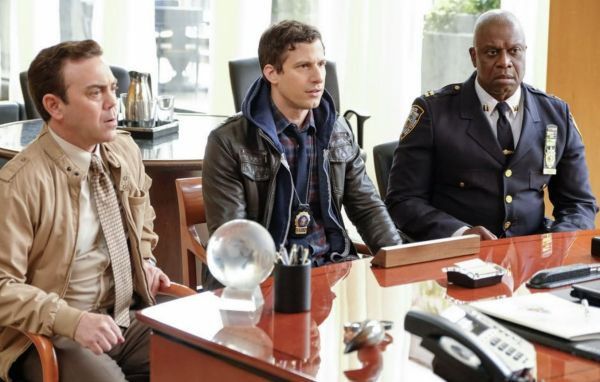
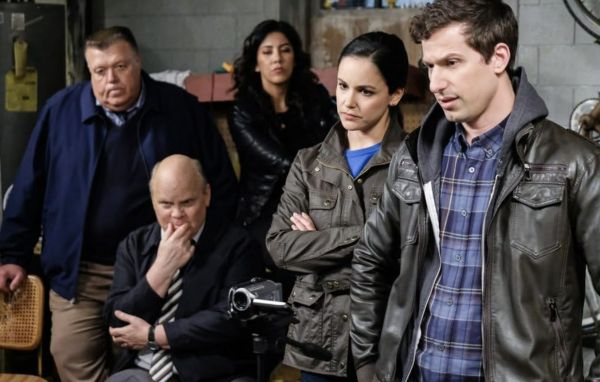
Brooklyn Nine-Nine Unleashed: A Deep Dive into Laughter, Justice, and Heart
Brooklyn Nine-Nine initially appeared to offer a simple comic formula. Jake Peralta is a talented but immature detective who avoids responsibility, makes jokes during serious situations, and treats police work like an endless competition. Captain Raymond Holt arrives as his disciplined new commanding officer and immediately becomes the authority figure Jake is least prepared to impress.
I understood the central conflict within minutes. Jake wants freedom without supervision. Holt believes talent without discipline eventually becomes unreliable. Their different personalities provide an obvious source of comedy, but the series grows beyond that opposition quickly.
What kept me watching was not the question of whether Jake would finally become responsible. It was the gradual realization that every member of the Nine-Nine possessed enough personality, emotional history, and comic rhythm to lead an episode.
Amy Santiago’s ambition, Rosa Diaz’s privacy, Terry Jeffords’s anxiety, Charles Boyle’s loyalty, Gina Linetti’s confidence, Hitchcock and Scully’s laziness, and Holt’s controlled intensity create a workplace where almost any pairing can produce a different kind of comedy.
As a critic, I consider this ensemble construction the series’ greatest achievement. Brooklyn Nine-Nine rarely depends entirely on one performer. If Jake’s energy becomes exhausting, Holt can restore balance. If a police case lacks comic momentum, Boyle or Gina can transform the emotional atmosphere. The group functions because every character approaches the same workplace according to a completely different internal logic.
Jake Peralta Is Funny Because His Immaturity Hides Real Competence
Andy Samberg plays Jake as someone who has built an entire identity around avoiding embarrassment. He jokes before other people can judge him, turns assignments into games, and performs confidence whenever emotional seriousness becomes uncomfortable.
If Jake were simply incompetent, the character would become irritating quickly. The series instead establishes that he is an excellent detective. He notices details, understands criminal behavior, improvises under pressure, and becomes highly focused when a case matters personally.
This competence gives his immaturity consequences. Holt cannot dismiss him as useless. He must find a way to help Jake become dependable without removing the instincts that make him effective.
I enjoyed the contrast between Jake’s professional intelligence and emotional confusion. He can construct a complicated investigative theory while remaining unable to admit jealousy, fear, or affection directly.
Samberg’s physical comedy supports the character’s restless personality. Jake rarely enters a room neutrally. He slides, dances, gestures, imitates action heroes, or arrives already performing a bit that nobody else agreed to join.
The series occasionally allows these habits to become repetitive. A reference, exaggerated voice, or childish competition can continue after the central joke has become clear. Jake works best when the comedy reveals vulnerability rather than merely demonstrating energy.
Captain Holt Changed My Understanding of Deadpan Comedy
Andre Braugher’s Raymond Holt is one of the most precise comic performances I have watched in a network sitcom. Holt speaks carefully, maintains extraordinary control over his expression, and appears to treat emotional excess as a failure of discipline.
The obvious joke is that Jake’s chaos collides with Holt’s seriousness. The more important discovery is that Holt is not emotionless. His emotions are intense enough that he has spent a lifetime learning how to contain them.
Braugher can communicate complete outrage through a small change in posture or a slightly longer pause. The restraint makes every visible reaction valuable.
I especially enjoyed the moments when Holt participates in the team’s absurdity without changing his formal delivery. A childish competition becomes funnier when he approaches it with the seriousness of a military campaign.
Holt’s history also gives the character dramatic weight. As a Black gay police officer who entered the institution during a more openly hostile era, he learned that professional perfection was necessary for survival and advancement.
His strictness therefore has emotional and political foundations. He does not demand excellence only because he prefers order. He understands how quickly prejudice can transform one mistake into evidence against an entire group.
Jake and Holt Become a Father-Son Relationship Without Saying It Too Early
The relationship between Jake and Holt gradually becomes the emotional spine of Brooklyn Nine-Nine.
Jake initially sees Holt as another authority figure trying to restrict him. Holt sees Jake as a gifted detective who has been rewarded too often for avoiding discipline.
Their mutual respect develops through cases, failures, competitions, personal crises, and the repeated discovery that each possesses qualities the other needs.
Holt gives Jake structure, standards, and the experience of receiving approval from an older man he respects. Jake gives Holt permission to enjoy absurdity, express affection, and treat leadership as more than maintaining distance.
I appreciated that the series rarely makes their bond completely sentimental. Even during emotional episodes, Jake can still irritate Holt within seconds.
The relationship works because neither character is reduced to a lesson for the other. Holt does not exist merely to mature Jake, and Jake does not exist merely to make Holt less serious.
Amy Santiago Turns Ambition Into a Complete Comic Identity
Melissa Fumero’s Amy Santiago begins as Jake’s competitive colleague and becomes one of the show’s most carefully developed characters.
Amy loves rules, organization, binders, preparation, examinations, and approval from respected authority figures. These qualities could have made her a humorless obstacle to Jake’s spontaneity.
Fumero instead gives Amy enormous comic intensity. Her need for control is so sincere that a missing label or unexpected schedule change can become an emotional emergency.
I related to Amy more than I expected. Her ambition is not presented as a flaw requiring elimination. She wants promotion, responsibility, and recognition because she has worked hard and believes she can lead effectively.
The series allows her to become more flexible without suggesting that professional success makes her cold or unfeminine.
Her excitement around Holt is especially funny. Amy wants his respect so badly that ordinary conversation becomes a performance review inside her mind.
Jake and Amy Work Because Competition Becomes Respect
The romance between Jake and Amy develops from professional rivalry, friendship, mutual admiration, and gradually acknowledged attraction.
I found their relationship more convincing than many sitcom romances because the series does not rely entirely on the idea that opposites attract. Jake and Amy differ in organization and temperament, but they share devotion to police work, competitive instincts, loyalty, and the desire to prove themselves.
Jake respects Amy’s competence before fully understanding his attraction to her. Amy recognizes that Jake’s unserious surface hides genuine intelligence.
Their relationship becomes strongest after they begin dating. Brooklyn Nine-Nine does not treat the first kiss as the end of interesting conflict.
They discuss careers, marriage, children, finances, family history, work-life balance, and the practical consequences of being detectives in the same precinct.
I appreciated that neither person abandons ambition for the relationship. Amy continues pursuing leadership. Jake’s later choices carry emotional weight because they emerge from changing priorities rather than an assumption that her career should become secondary.
Rosa Diaz Is Most Interesting When the Armor Cracks
Stephanie Beatriz plays Rosa Diaz with physical control, a low voice, and an intimidating ability to make ordinary questions sound dangerous.
Early comedy depends heavily on the contrast between Rosa’s threatening image and the strange details occasionally revealed about her private life.
The character becomes more meaningful as the series explores why she protects information so aggressively. Privacy gives Rosa control. Allowing others to understand her creates the possibility of judgment, disappointment, or unwanted influence.
I admired the way her relationship with the team develops. Rosa never becomes openly affectionate in the same manner as Boyle or Jake, but her loyalty is unmistakable.
Her bisexual coming-out storyline is one of the show’s strongest emotional arcs. The series allows her to express certainty about her identity while remaining frightened of her parents’ response.
Beatriz’s restrained performance makes the family conflict especially painful. Rosa is usually the person least willing to appear vulnerable. Here, vulnerability cannot be solved through physical strength or sarcasm.
The show occasionally uses her toughness as an automatic joke, but the best Rosa episodes reveal that emotional privacy and emotional emptiness are not the same thing.
Terry Jeffords Makes Strength and Anxiety Exist Together
Terry Crews’s Sergeant Terry Jeffords is physically imposing, professionally experienced, deeply devoted to his family, and frequently worried about almost everything that could go wrong.
The character rejects the assumption that physical strength should produce emotional simplicity. Terry can lead a dangerous operation and still become anxious about his daughters, career, yogurt, health, or the team’s reckless behavior.
I found his gentleness as important as his authority. Terry rarely treats care as weakness. He checks on his detectives, worries about morale, and attempts to maintain a stable environment inside a chaotic precinct.
His third-person references to himself could have become an irritating gimmick. Crews gives them enough variation and commitment that they become part of Terry’s emotional rhythm.
The character is also central to several of the series’ more serious discussions about race and policing. These episodes work best when Terry’s professional status fails to protect him from being viewed suspiciously outside the precinct.
His frustration carries additional weight because he believes in his work while recognizing how the institution can harm people who resemble him.
Charles Boyle Is Loyal Enough to Become Dangerous
Joe Lo Truglio’s Charles Boyle begins as Jake’s closest friend and most enthusiastic supporter. He believes Jake is brilliant long before Jake consistently behaves like a person deserving that faith.
Boyle’s loyalty is funny because it ignores reasonable boundaries. He praises Jake excessively, becomes emotionally invested in Jake’s relationships, and treats ordinary friendship milestones as sacred events.
The character is more than a devoted sidekick. Boyle possesses excellent detective instincts, courage, culinary knowledge, romantic optimism, and an ability to recover from humiliation without losing enthusiasm.
I especially enjoyed episodes where Boyle works with characters other than Jake. His awkward sincerity produces different reactions from Rosa, Amy, Terry, and Holt.
His food obsession creates some of the show’s strangest dialogue. Boyle describes texture, smell, and preparation with a level of sensual detail that makes everyone around him uncomfortable.
The weakness is that his lack of boundaries can occasionally become intrusive. The series usually treats this as harmless enthusiasm even when another character has clearly requested privacy.
Gina Linetti Believes Confidence Is a Public Service
Chelsea Peretti’s Gina Linetti operates according to rules that appear unrelated to ordinary employment. She avoids work, insults detectives, manipulates social situations, and maintains complete certainty that she is the most culturally important person in the building.
Gina is funny because doubt rarely reaches her. Where Amy seeks approval, Gina assumes approval is already implied by her presence.
Peretti delivers absurd statements with enough calm that other characters briefly appear unreasonable for questioning them.
I enjoyed Gina most in smaller doses. Her unpredictable comments can transform a scene immediately, and her history with Jake gives both characters emotional context outside the precinct.
The series occasionally protects her behavior too much. Gina can humiliate colleagues, ignore responsibilities, or create problems without receiving consequences equal to those imposed on other characters.
Her confidence is liberating when directed toward powerful people. It becomes less appealing when directed toward colleagues who have done nothing to deserve contempt.
Gina’s departure changes the ensemble balance. The show loses a character capable of rejecting police seriousness from a civilian perspective, though it gains space for others to develop.
Hitchcock and Scully Are Horrible Employees and Perfect Sitcom Survivors
Dirk Blocker and Joel McKinnon Miller play Hitchcock and Scully as detectives who have spent years reducing professional effort to the minimum required for continued employment.
They sleep, eat, avoid movement, misunderstand instructions, and demonstrate alarming personal habits.
The joke works because they are completely comfortable with their decline. Ambition no longer threatens them.
I appreciated episodes revealing that they were once capable detectives. Their current laziness becomes funnier when placed beside evidence that they understand police work but have chosen comfort.
Scully usually receives the more sympathetic characterization, while Hitchcock is frequently written as socially inappropriate or unpleasant.
Some jokes involving their bodies, health, and eating habits have aged poorly or become repetitive. Their best comedy comes from unexpected competence and the strange logic of their friendship.
The Halloween Heists Become the Show’s Annual Permission to Lose Control
The Halloween Heist episodes begin with Jake challenging Holt over who deserves to be called an extraordinary detective. The competition quickly expands until nearly every character is lying, stealing, manipulating, and constructing elaborate plans.
I looked forward to these episodes because they remove the normal limits of workplace behavior. Professional loyalty becomes temporarily secondary to victory.
The heists also allow underestimated characters to reveal strategic intelligence. Amy, Gina, Terry, Rosa, and others demonstrate that Jake and Holt do not possess exclusive ownership of cleverness.
As the series continues, the plans become increasingly elaborate. Characters predict betrayals inside betrayals, use disguises, create fake evidence, and plan months in advance.
This escalation is entertaining but eventually strains credibility even within the show’s comic reality.
The best heists are those where the final victory reveals something about a relationship. Jake’s proposal to Amy works because the competition has become part of their shared language.
The Pontiac Bandit Gives Jake a Friendship He Should Not Trust
Craig Robinson’s Doug Judy is one of the show’s strongest recurring characters. He is charming, musically expressive, intelligent, and repeatedly capable of making Jake forget that he is dealing with a criminal suspect.
Their chemistry comes from mutual enjoyment. Jake likes Doug’s personality and wants to believe that friendship can eventually produce honesty.
Doug understands this hope and uses it whenever necessary.
I enjoyed their episodes because each new alliance contains the same unresolved question: has Doug finally decided that Jake matters more than escape?
Robinson makes betrayal feel affectionate. Doug can deceive Jake while appearing genuinely sorry that deception was required.
The repetition could have become predictable, but musical jokes, changing circumstances, and Jake’s stubborn optimism keep the dynamic entertaining.
The relationship also exposes Jake’s weakness as a detective. He knows exactly why Doug is dangerous and remains emotionally vulnerable to him anyway.
Kevin Cozner Reveals Holt’s Private Emotional Language
Marc Evan Jackson’s Kevin Cozner is an ideal partner for Holt because he shares precision and intellectual seriousness without being identical to him.
Their marriage is affectionate but communicated through restrained language, shared interests, and formal respect.
I enjoyed the contrast between how the squad interprets romance and how Holt and Kevin express it. What appears emotionally distant to Jake can contain enormous intimacy.
Kevin’s dislike of police culture creates meaningful tension. He loves Holt but remains critical of the institution that has demanded so much from him.
Their separation storyline demonstrates that stable couples can experience conflict without either person becoming a villain.
The episode where the squad attempts to help repair their relationship works because comedy does not erase the seriousness of long-term emotional distance.
Wuntch Turns Professional Rivalry Into Mythology
Kyra Sedgwick’s Madeline Wuntch is Holt’s most memorable professional rival. Their hostility is so intense that ordinary insults become elaborate descriptions of monsters, decay, and supernatural evil.
Holt’s controlled personality makes his hatred especially funny. He can describe Wuntch with astonishing cruelty while maintaining perfect formal composure.
Sedgwick gives Wuntch enough confidence and intelligence to challenge him genuinely. She is not merely an unpleasant superior. She understands Holt’s weaknesses and knows how to provoke reactions he prefers to hide.
The rivalry works best when the series reveals mutual respect beneath hostility. Each recognizes the other as a serious professional threat.
After Wuntch’s death, Holt struggles to believe that the conflict has ended. His suspicion that she may have planned one final move is completely consistent with the emotional mythology they built together.
The memorial episode balances absurd insults with the strange grief of losing someone who occupied a significant part of one’s identity.
Doug Judy, Wuntch, and Adrian Pimento Keep the Precinct From Becoming Too Comfortable
Brooklyn Nine-Nine uses recurring characters to disrupt the stable rhythm of the workplace.
Jason Mantzoukas’s Adrian Pimento brings uncontrolled intensity shaped by years of undercover work. He reacts to ordinary situations as though extreme danger may begin immediately.
Pimento’s comedy is intentionally exhausting. Mantzoukas commits to every violent suggestion, emotional turn, and paranoid plan with complete energy.
I found him effective in limited appearances. Too much Pimento can overwhelm the ensemble balance.
These recurring characters work because each exposes a different side of the main cast. Doug Judy reveals Jake’s emotional weakness. Wuntch breaks Holt’s control. Pimento challenges Rosa’s ability to maintain distance from someone equally intense.
The Cases Are Usually Structures for Character Comedy
Brooklyn Nine-Nine is set inside a police precinct, but it is rarely designed as a detailed procedural drama. Cases provide goals, locations, suspects, and time pressure around which character conflicts can develop.
A mystery may reveal Jake’s competitiveness, Amy’s preparation, Boyle’s loyalty, or Holt’s leadership style.
I rarely watched primarily to discover the identity of a criminal. The investigative plots are generally readable and secondary to the workplace interactions.
This approach keeps the comedy moving but can make police work feel unusually clean. Arrests often conclude without extended attention to prosecution, incarceration, or the wider consequences of enforcement.
The series becomes more interesting when cases challenge the detectives’ assumptions rather than simply confirming their competence.
The Show’s Relationship With Policing Became Harder to Ignore
Brooklyn Nine-Nine presents its central detectives as caring, competent people who generally want to protect others. This perspective supports a warm workplace comedy.
As public discussion about police violence and institutional racism became more prominent, the series’ optimistic framework faced greater pressure.
Episodes involving racial profiling, corruption, sexual harassment, and abuse of authority attempt to examine problems within policing without abandoning the main cast.
“Moo Moo” is one of the strongest examples. Terry is stopped while searching for his daughter’s toy because an officer views him as suspicious. His rank, professionalism, and knowledge of procedure do not prevent the humiliation.
I appreciated that the episode allows Terry and Holt to disagree about how to respond. Both understand the racism involved, but their experiences produce different strategies.
The final season addresses policing more directly, sometimes through dialogue that feels written to acknowledge public criticism rather than emerging naturally from character behavior.
The show faces an unsolvable tension. It wants to remain a comforting comedy about lovable detectives while admitting that the institution contains systemic harm. It handles individual episodes thoughtfully but cannot fully reconcile those two ambitions.
“Moo Moo” Works Because Terry Is Not Protected by the Uniform
Terry’s experience with racial profiling is powerful because it separates professional identity from public perception.
Inside the precinct, he is a respected sergeant. Outside, another officer sees a large Black man and assumes danger.
Terry’s daughters are central to his response. He does not want them to inherit the same fear without understanding it, yet he cannot honestly promise that the world will treat them fairly.
Holt initially advises caution because he remembers how easily institutions punish officers who challenge them. Terry argues that silence protects the behavior.
I found their disagreement more valuable than a simple speech identifying the correct response. Both men understand the problem. They differ over survival, responsibility, and what progress requires.
“He Said, She Said” Gives Amy a History the Workplace Did Not See
The episode addressing workplace sexual harassment allows Amy to connect a current case with an earlier professional experience.
Her ambition has required navigating environments where reporting misconduct could damage her career more than the person responsible.
Melissa Fumero plays Amy’s anger with restraint. She understands the cost of speaking because she has already chosen silence once.
Jake attempts to support her without turning himself into the solution. That distinction matters. His role is to listen and act as a partner, not to claim ownership of her experience.
The episode occasionally makes its educational purpose visible, but the emotional foundation remains strong because it changes how I understand Amy’s determination.
The Final Season Feels Like a Show Arguing With Its Own Premise
Season eight arrives after major public protests and renewed attention to police violence. Brooklyn Nine-Nine could not continue unchanged without appearing evasive.
The season introduces institutional criticism, strained public trust, police unions, reform efforts, and Rosa’s decision to leave the force.
I respected the attempt to respond rather than pretending that the cultural context had not changed.
The execution is uneven. Some dialogue sounds more like public-position writing than natural conversation. The comedy occasionally pauses while characters explain ideas the audience already understands.
Rosa’s departure is thematically significant because it prevents the series from suggesting that every good person must remain inside the institution to create change.
At the same time, the show cannot dismantle its central workplace without losing its identity. The final season therefore critiques the institution while preserving enough of it for the characters’ emotional endings.
I found the result imperfect but more honest than silence would have been.
The Series Handles Representation Through Character Rather Than Announcement
Brooklyn Nine-Nine includes Black, Latino, white, gay, bisexual, male, and female characters across different levels of authority.
The diversity matters because characters are allowed to be specific, strange, flawed, ambitious, and funny beyond one identity trait.
Holt’s sexuality shapes his history and relationships without becoming his only source of story. Rosa’s bisexuality becomes important while preserving her established personality. Amy’s Cuban heritage appears through family and experience without defining every episode.
I appreciated that the series normalizes difference inside the ensemble while still addressing discrimination when relevant.
The representation is not perfect, but it generally feels integrated into character construction rather than added as occasional moral instruction.
The Cold Opens Are Small Lessons in Comic Efficiency
Many of the show’s most widely remembered moments occur before the opening credits.
The lineup performance of “I Want It That Way” is a perfect example. A witness asks suspects to sing, Jake becomes emotionally invested in the performance, and everyone briefly forgets that the scene concerns a serious crime.
The joke develops quickly, gives several characters distinct reactions, and ends before the premise becomes exhausted.
Other cold opens involve moving podiums, food disasters, suspicious packages, competitions, animals, or Holt reacting to tiny violations of order.
I admire these sequences because they demonstrate how well the writers understand the cast. A few seconds are enough to establish which character will overreact, who will encourage the problem, and who will regret entering the room.
The Editing Keeps Nine Personalities Moving Without Losing Clarity
Brooklyn Nine-Nine has a fast rhythm built from short scenes, reaction shots, parallel storylines, and dialogue that often overlaps.
The editing allows jokes to end on the strongest reaction rather than the loudest line.
Andre Braugher’s silent responses are especially valuable. A cut to Holt can complete a joke without additional dialogue.
Episodes often divide the ensemble into two or three groups. Each storyline uses a different comic structure before converging near the end.
This format keeps the series energetic but can make emotional moments feel brief. The strongest episodes slow the cutting enough to allow discomfort or grief to remain visible.
The Score Knows When to Pretend the Situation Is More Serious
The music frequently uses procedural rhythms, dramatic transitions, and action cues to make ridiculous investigations feel temporarily important.
This contrast supports the comedy. Jake may be treating an office competition as a criminal emergency, and the soundtrack briefly agrees with him.
The score rarely becomes a dominant feature, which suits a dialogue-focused sitcom.
Emotional episodes use music more carefully. The series generally avoids overwhelming sincere scenes with excessive sentiment.
The Show Becomes Better When It Allows Failure to Last
Early episodes can reset conflict quickly. A mistake creates comedy, a lesson appears, and the precinct returns to normal.
Later seasons allow consequences to continue. Jake’s suspension, Holt’s career setbacks, Rosa’s family conflict, Amy’s professional decisions, and Terry’s experiences affect more than one scene.
This continuity gives growth credibility.
Jake becomes more responsible because he has lived through situations where charm could not repair the result immediately.
The series occasionally returns him to childish behavior for comic convenience, but the overall development remains visible.
Parenthood Changes Jake Without Making Him Unrecognizable
Jake’s relationship with his own father explains part of his emotional immaturity. Roger Peralta is charming, unreliable, and accustomed to receiving forgiveness without earning trust consistently.
Jake initially fears becoming similar to him.
Preparing for parenthood with Amy forces Jake to reconsider time, danger, career priorities, and the kind of adult he wants his child to experience.
I appreciated that the series does not transform him into a completely serious person. He remains playful and enthusiastic.
The change appears in what he is willing to sacrifice. His final career decision carries weight because being a detective has always been central to his identity.
Choosing a different role for the family demonstrates growth more convincingly than another speech about maturity would have done.
The Finale Understands That Leaving a Workplace Can Feel Like Losing a Family
The final episode uses one more elaborate heist to celebrate the show’s history and allow characters to say goodbye through a familiar structure.
This is appropriate because direct emotional expression has always been difficult for several members of the team.
The competition provides disguises, betrayals, callbacks, returning characters, and enough movement to prevent the ending from becoming one long farewell.
I found the finale emotionally satisfying because it accepts change without pretending the relationships must end.
Amy and Holt move toward new professional responsibilities. Jake chooses family priorities. Rosa has already left the force but remains connected to the group.
The precinct continues, yet the specific version of the Nine-Nine I followed for eight seasons cannot remain frozen.
The final elevator moment works because nobody believes friendship requires occupying the same desks forever.
What Frustrated Me
The series occasionally depends too heavily on Jake’s references, voices, and childish reactions after his growth should have made certain behavior less frequent.
Gina often avoids consequences for actions that would be treated more seriously if another character performed them.
Hitchcock and Scully’s comedy relies repeatedly on food, bodies, health, and incompetence, producing diminishing returns.
The police cases are frequently simplified enough to make institutional power appear cleaner than it is.
The final season’s political dialogue can feel inserted rather than fully dramatized.
Several supporting relationships receive limited development once the series decides which emotional outcome it wants.
Why the Ensemble Remains So Rewatchable
Brooklyn Nine-Nine offers a large number of successful character combinations.
Jake and Holt create generational conflict and affection. Amy and Rosa reveal different forms of female ambition. Terry and Boyle approach care through opposite personalities. Holt and Kevin turn restraint into intimacy. Jake and Doug Judy make trust a recurring mistake.
The series rarely needs to invent a completely new comic structure because changing the pairing changes the rhythm.
Rewatching also reveals how early the cast understood their characters. Small reactions and background behavior often contain jokes I missed while following the main dialogue.
The warmth matters. Even when characters insult or compete with one another, the precinct gradually becomes a place where they expect support during genuine crisis.
Who Should Watch Brooklyn Nine-Nine?
I recommend Brooklyn Nine-Nine to viewers who enjoy workplace comedies, ensemble casts, fast dialogue, recurring jokes, slow character development, romantic subplots, procedural parody, and television built around found-family relationships.
Fans of Andy Samberg’s energetic humor will find a role that allows him to mature without losing playfulness.
Andre Braugher’s performance alone makes the series worth examining. His control, timing, and emotional precision elevate nearly every episode.
Viewers uncomfortable with lighthearted police stories may struggle with the optimistic presentation of the institution, even though later episodes address racism, corruption, harassment, and reform.
Anyone seeking realistic investigative procedure should expect cases designed primarily to support comedy and character.
My Final Verdict
Brooklyn Nine-Nine is one of the strongest ensemble sitcoms of its era because it combines rapid comedy with character development that remains visible across eight seasons.
Andy Samberg gives Jake Peralta enough intelligence and vulnerability to prevent immaturity from becoming his entire identity. Melissa Fumero turns Amy Santiago’s ambition into a source of humor and strength. Stephanie Beatriz, Terry Crews, Joe Lo Truglio, Chelsea Peretti, Dirk Blocker, and Joel McKinnon Miller create a precinct capable of supporting almost any comic pairing.
Andre Braugher gives the series its most distinctive performance. Captain Holt is controlled without being empty, authoritative without becoming emotionally inaccessible, and increasingly funny without losing dignity.
The series is not beyond criticism. Its cases simplify policing, some recurring jokes lose freshness, Gina’s behavior is protected too often, and the final season struggles to combine sitcom rhythm with institutional critique.
I rate Brooklyn Nine-Nine 9.0/10. It made me laugh through competitions, cold opens, failed operations, uncomfortable parties, Halloween betrayals, and workplace disasters.
What stayed with me was not one arrest or mystery.
It was the slow transformation of a group of colleagues into people who understood exactly how strange each person was and decided to remain in the room anyway.
Pros:
- Engaging balance of humor and heart that appeals to diverse viewers
- Strong ensemble cast with excellent chemistry
- Innovative narrative structure that keeps the audience intrigued
- Visually appealing cinematography that enhances storytelling
- Effective blending of social commentary with comedic elements
- Wide accessibility via various streaming and download platforms
Cons:
- Occasionally uneven pacing in the middle sections
- Some narrative twists may be confusing for new viewers
- Certain supporting characters receive less development than expected









Movie Reviews

Minecraft

Grand Theft Auto V

Toca Boca World

Roblox

Leave a comment
Your comment is awaiting moderation. We save your draft here
0 Comments