Review
When I first watched The Walking Dead, I expected a survival-horror series built around ruined cities, scarce supplies, and endless att...

Deconstructing The Walking Dead: An Odyssey of Survival, Morality, and Redemption
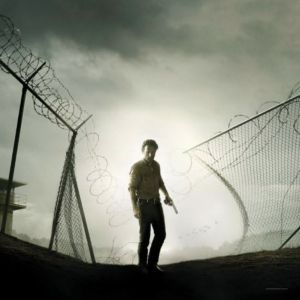
When I first watched The Walking Dead, I expected a survival-horror series built around ruined cities, scarce supplies, and endless attacks from the undead. The opening episodes appeared to confirm that expectation. Rick Grimes awakened in an abandoned hospital, wandered through silent corridors, and entered a world whose familiar rules had collapsed while he was unconscious.
Yet the series quickly revealed that its walking corpses were not the real subject. They created pressure, removed social protections, and made every mistake more dangerous, but the central drama concerned the people left behind. The Walking Dead became a long examination of what individuals are willing to do when laws disappear, institutions fail, and survival begins competing with morality.
Across eleven seasons, the series changed repeatedly. It moved from intimate horror to rural family drama, prison tragedy, war narrative, political allegory, and eventually an expansive story about communities attempting to rebuild civilization. Not every transformation was equally successful. The pacing could become punishingly slow, major conflicts were sometimes extended beyond their natural length, and the large ensemble occasionally reduced compelling characters to pieces waiting for their next plot function.
At its best, however, The Walking Dead possessed an emotional severity few mainstream television dramas were willing to sustain. It understood that surviving one catastrophe does not restore what was lost. Every new home contained the possibility of another departure, and every relationship existed under the knowledge that ordinary separation could become permanent without warning.
The Pilot Creates Terror Through Emptiness
The opening episode remains one of the strongest introductions produced for modern television. Frank Darabont directs it with patience, allowing Rick’s confusion to become the audience’s method of entering the apocalypse. The world is not explained through a rapid montage of news broadcasts or scientific exposition. It is discovered through absence.
Hospital lights no longer work. Doors have been barricaded. Flowers beside Rick’s bed have died. Outside, abandoned military equipment and rows of covered bodies suggest a catastrophe too large to understand from one location. The silence is more disturbing than immediate action would have been.
Andrew Lincoln plays Rick’s awakening with physical vulnerability. He is injured, dehydrated, and emotionally unprepared for what he sees. The character does not begin as the confident leader associated with later seasons. He begins as a frightened husband and father searching for evidence that his family may still be alive.
The episode also establishes the series’ original visual identity. Wide images emphasize human isolation, while close encounters with the undead are staged with unpleasant physical detail. The walkers are not yet familiar background figures. Each one appears to contain the remains of a personal history.
Morgan’s inability to destroy the reanimated body of his wife introduces the moral anguish that will define the series. The undead may no longer behave like the people they once were, but recognition survives in those who loved them. Violence is therefore necessary and emotionally contaminated at the same time.
Rick Grimes Is Most Interesting When Leadership Damages Him
Rick’s development gives the series its original dramatic spine. He begins with a strong belief that civilized values should survive the collapse of civilization. He attempts negotiation before violence, protects strangers, and assumes that leadership means preserving the humanity of the group.
The series gradually attacks that confidence. Every failed agreement, betrayal, and death makes restraint more difficult to defend. Rick learns that mercy can expose his family to danger, but brutality can turn survival into another form of moral defeat.
Andrew Lincoln is especially effective when Rick is attempting to maintain authority while visibly losing emotional control. His voice becomes quieter before it becomes louder. His posture hardens, and his attention narrows until every unfamiliar person appears to represent a possible threat.
The famous declarations of certainty are memorable, but I found Rick more compelling in the moments after certainty failed. Leadership repeatedly forces him to make choices with incomplete information, then continue living beside people affected by the consequences.
His transformation is not a simple movement from good man to hardened survivor. Rick moves between compassion and severity depending on what the world has recently taught him. He can rediscover hope after reaching extreme violence, then lose it again when another sanctuary collapses.
This instability gives the character credibility. Trauma does not improve him in a straight line. It changes which part of him appears necessary at a particular moment.
The Walkers Become Less Frightening as the Survivors Become More Capable
During the early seasons, a small group of walkers can create genuine panic. The characters have limited experience, unreliable weapons, and no established method for moving through the infected world. A single sound may attract enough bodies to make escape impossible.
As the survivors become more skilled, the walkers change function. They remain physically dangerous, but they are increasingly treated as an environmental condition. Experienced characters understand their movement, recognize how sound affects them, and use surrounding structures to manage encounters.
This reduction in fear is not entirely a weakness. It reflects adaptation. Human beings become accustomed even to extreme danger when exposure is constant.
The challenge for the series is that familiar monsters cannot sustain eleven seasons through appearance alone. The Walking Dead responds by making the undead unpredictable through scale, location, and human interference. A walker trapped behind one door may be manageable. Thousands moving as a herd become a natural disaster. An enemy who redirects them creates a weapon.
The makeup and practical effects remain essential to their impact. Walkers decay differently according to time and environment. Some are waterlogged, burned, trapped inside vegetation, or fused with the places where they died. These variations prevent the apocalypse from looking visually static.
Even when the walkers become less frightening, they retain symbolic power. They represent the future waiting for every survivor. No victory removes that destination.
The Farm Tests the Audience’s Patience and the Characters’ Illusions
The second season is often remembered for its slow pace, and I understand the frustration. The search for Sophia occupies a large portion of the story, while the group remains on Hershel’s farm debating questions that appear increasingly urgent.
Yet the farm also establishes a pattern central to the series. Every apparently safe location comes with a moral system created by the people who control it. Hershel does not initially see the walkers in his barn as monsters. He sees sick family members who may someday be cured.
This belief conflicts directly with the knowledge Rick’s group has acquired. For the survivors, treating the undead as recoverable people is dangerous denial. For Hershel, destroying them appears to be an act of irreversible cruelty.
The eventual opening of the barn is powerful because it resolves the argument through an image rather than a debate. Sophia emerging among the walkers destroys the group’s remaining hope and forces Rick to act in front of everyone.
The scene also exposes the emotional cost of survival knowledge. Rick knows what must be done, but knowing does not make the action humane or bearable.
The farm season could have been tighter, though its stillness gives the characters time to develop relationships that later losses depend upon. The Walking Dead often struggles with this balance. Slow storytelling can create emotional investment, but delay can also begin feeling like narrative suspension.
Shane Provides the Series With Its First Great Moral Rivalry
Shane Walsh is not simply an obstacle between Rick and Lori. He represents a competing response to the collapse. Shane accepts the new world earlier than Rick does and interprets that acceptance as evidence of superior realism.
Jon Bernthal gives Shane a volatile physical presence. He often appears to be containing an argument before anyone has challenged him. His shaved head, tense movement, and increasingly isolated behavior communicate a man who believes he understands the truth but cannot persuade others without force.
Shane is frequently correct about immediate danger. He recognizes that certain threats cannot be managed through idealism and that hesitation can cost lives. The problem is that he uses practical necessity to justify personal desire, jealousy, and control.
His conflict with Rick becomes compelling because neither man remains entirely separate from the other’s worldview. Rick gradually adopts several of Shane’s survival principles, while Shane still wants the emotional legitimacy associated with Rick’s leadership.
Their final confrontation is less about Lori than about which version of authority can survive. Shane believes decisiveness gives him the right to lead. Rick believes leadership requires accountability even when violence becomes necessary.
After Shane’s death, part of him remains inside Rick’s decisions. That is one reason the rivalry continues to matter long after the character is gone.
The Prison Gives the Series Its Most Effective Sense of Community
The prison period represents one of the strongest stretches of The Walking Dead because it balances security, labor, family life, and approaching danger. Unlike the farm, the prison is not naturally comforting. The survivors must clear it, repair it, organize it, and gradually transform confinement into a home.
The location allows the series to explore the practical work of rebuilding. Characters grow food, establish routines, divide responsibilities, and create spaces where children can briefly experience stability.
That stability gives the later destruction emotional force. The prison is not merely another temporary camp. It contains evidence that the group can produce something beyond survival.
The introduction of Woodbury and the Governor creates a sharp contrast. The prison looks harsh but develops through shared labor. Woodbury looks civilized but depends on concealed violence and one man’s control over information.
David Morrissey plays the Governor with a persuasive mixture of charm and emptiness. He understands how to make frightened people feel protected, while privately arranging the world around his need for power.
The character is more effective before his cruelty becomes completely visible. His public reasonableness invites the audience to recognize how authoritarian leadership can disguise itself as community protection.
Carol’s Transformation Is the Series’ Most Remarkable Character Evolution
Carol begins as an abused wife whose behavior has been shaped by fear. She avoids conflict, speaks quietly, and appears physically smaller when her husband is present.
Over time, she becomes one of the most capable and unpredictable survivors in the series. What makes the transformation convincing is that the earlier Carol never completely disappears. Her understanding of fear becomes one of her greatest strengths.
Melissa McBride plays Carol as someone who learns to control how others perceive her. She can appear gentle, harmless, or emotionally detached depending on what a situation requires. Unlike characters who rely on visible intimidation, Carol often becomes most dangerous when underestimated.
Her decisions also create some of the series’ most difficult moral questions. She is capable of acting before others have accepted the necessity of action. Sometimes this saves lives. At other times, her certainty becomes a source of isolation and guilt.
The episode centered on Lizzie and Mika remains one of the drama’s most devastating chapters. Carol is forced to confront a child whose understanding of the walkers cannot be corrected through ordinary reassurance. The final decision is presented without triumph, only grief and terrible recognition.
Carol’s later struggles with violence prevent her from becoming an uncomplicated action figure. She can survive almost anything, but survival does not protect her from the psychological weight of what she has done.
Daryl Dixon Grows Beyond the Character the Pilot Appeared to Promise
Daryl enters the series as an angry outsider associated with his brother Merle’s racism and aggression. He appears designed to create conflict inside the original group.
Norman Reedus gradually transforms him through restraint. Daryl speaks less than many central characters, so loyalty and grief are often expressed physically. He watches the edges of a group, positions himself between danger and vulnerable characters, and withdraws when emotional language becomes difficult.
His search for Sophia marks an important stage in this development. The effort reveals compassion that the group did not expect from him and that Daryl does not comfortably explain.
The disappearance of Merle’s influence allows Daryl to form an identity beyond family resentment. Rick becomes a brother by choice, while Carol develops into a relationship built on shared pain, affection, and mutual recognition.
I found Daryl most effective when the series resisted romanticizing his isolation. His self-sufficiency is useful, but it also prevents him from asking for support. The character’s growth involves learning that attachment is not merely another vulnerability.
Michonne Brings Control Into a Series Filled With Emotional Exposure
Michonne’s introduction is immediately iconic: a sword, a hooded silhouette, and chained walkers whose ability to attack has been removed. The image suggests a character who has turned trauma into discipline.
Danai Gurira initially plays her through guarded observation. Michonne does not trust Woodbury’s comfort because she notices the control beneath it. Her suspicion can appear antisocial to characters eager for safety, yet the series repeatedly validates her attention.
As she joins Rick’s group, the performance becomes warmer without losing authority. Her relationship with Carl is especially important. Michonne can interact with him as a child rather than treating him only as a survivor who must become harder.
Her eventual relationship with Rick develops from shared competence and accumulated trust. The series does not present it as a sudden romantic turn. They have already become partners in decisions, protection, and family life.
Michonne’s strength is rarely separated from grief. Her sword and emotional control emerged from experiences that the series gradually reveals. Like Carol, she is not powerful because trauma improved her. She is powerful because she built methods for functioning while carrying it.
Terminus Shows How Hope Can Become a Trap
The signs directing survivors toward Terminus create one of the series’ most effective uses of anticipation. After the prison falls and the group is scattered, the promise of sanctuary gives separate characters a shared destination.
The location initially appears organized and welcoming. Food is available, gates are open, and the residents use the language of community. Small details gradually reveal that familiar objects belonging to other survivors have been absorbed into the settlement.
The horror of Terminus works because it represents survival stripped of moral limitation. Its residents explain their behavior through previous victimization. They were once harmed by outsiders and concluded that the only stable positions were predator and victim.
The series rejects that logic without pretending Rick’s group remains innocent. The difference is not that the central survivors never commit terrible acts. It is that they continue arguing about what those acts mean.
Carol’s assault on Terminus is one of her defining sequences. Her strategic competence rescues the group, but the reunion that follows matters more than the action. Rick’s acceptance of her acknowledges that the person he once expelled has become essential to their survival.
Alexandria Creates Conflict Through Comfort
When the survivors reach Alexandria, the threat is not immediate cruelty. It is the possibility that safety has made the residents unprepared for the world outside their walls.
The contrast is initially uncomfortable. Rick’s group enters carrying weapons, trauma, and habits developed through constant danger. Alexandria contains houses, electricity, clean water, and people discussing ordinary community concerns.
I appreciated that the series did not immediately declare one group correct. Alexandria’s residents possess knowledge of construction, medicine, administration, and social cooperation that the survivors need. Rick’s group understands threats the community has avoided.
The tension comes from the belief that survival expertise automatically creates the right to control others. Rick begins seeing weakness everywhere, and his fear of losing safety makes him resemble the authoritarian figures he previously opposed.
Alexandria therefore becomes a test of whether the group can re-enter civilization without dominating it. The walls protect them from walkers but cannot protect the community from competing ideas about leadership.
Negan’s Arrival Is Powerful, but His War Lasts Too Long
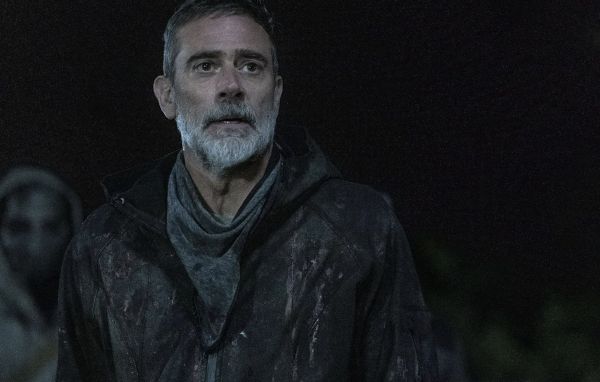
Jeffrey Dean Morgan enters the series with theatrical confidence. Negan controls a scene before appearing fully because his followers, reputation, and rules have already shaped the environment.
The lineup sequence is deliberately prolonged. Rick’s group, previously capable of overcoming most threats, is physically and psychologically reduced. Negan converts violence into performance, ensuring that everyone understands not only what he can do but what he expects them to believe about his power.
Morgan plays the character through rhythm. Negan stretches sentences, shifts between humor and menace, and treats cruelty as a form of social entertainment. This unpredictability makes resistance feel dangerous because the rules depend on his mood.
The deaths associated with his introduction permanently altered the series. They established the cost of underestimating the Saviors, but the graphic duration also tested the boundary between emotional horror and audience punishment.
The larger problem is that the conflict extends across too many episodes. Repeated captures, speeches, betrayals, and partial confrontations reduce the force of the original encounter. Negan remains charismatic, but charisma cannot prevent narrative exhaustion.
The war also fragments the ensemble. Characters are separated into communities and missions, making episodes feel like pieces of a larger mechanism rather than complete dramatic experiences.
The Series Often Confuses Duration With Depth
The Walking Dead is capable of extraordinary slow storytelling. A quiet conversation beside a road or inside an abandoned house can reveal more than a large battle. The difficulty is that patience becomes less effective when viewers can see the plot being deliberately delayed.
Several seasons divide major events across episodes in ways that reduce momentum. Characters travel toward confrontations, reconsider decisions already established, or disappear from the story while other plotlines catch up.
This structure was influenced by the demands of long television seasons, but the result remains visible onscreen. Strong material is sometimes stretched until tension becomes repetition.
I rarely objected to silence or character-focused episodes. I objected when the series used apparent depth to postpone narrative movement. A monologue can be powerful when it changes a relationship. It becomes less meaningful when it restates a moral question the season has already established.
The strongest episodes possess a clear internal shape even when they are part of a larger arc. They create a decision, consequence, or emotional transformation that justifies the hour.
Carl Represents the Future Rick Cannot Completely Control
Carl grows up inside the apocalypse, which makes him one of the series’ most important measures of change. Rick remembers the former world and tries to preserve parts of it. Carl’s understanding of normality develops through camps, prisons, violence, and repeated loss.
Chandler Riggs portrays the uncomfortable movement between childhood dependence and survival authority. Carl wants to prove that he can act like an adult, but the adults around him provide contradictory examples of what adulthood means.
His willingness to use violence frightens Rick because it appears to confirm that the new world is shaping the next generation beyond repair. Yet Carl also retains a capacity for mercy that eventually exceeds his father’s.
This reversal is one of the more compelling elements of his later story. Rick initially teaches Carl that compassion must survive. After years of brutality, Carl becomes the person reminding Rick of that principle.
The handling of Carl’s departure remains one of the series’ most controversial creative choices. His final message provides motivation for Rick’s later decisions, but the loss also removes a central link between the beginning of the story and the future it was attempting to build.
The Whisperers Restore Horror by Removing the Boundary Between Human and Walker
After several seasons centered on organized human enemies, the Whisperers provide a disturbing variation. They wear walker skin, move among herds, and reject the idea that civilization should be rebuilt.
Their first appearances are effective because they destabilize familiar rules. Walkers appear to whisper, respond strategically, and carry weapons. Characters who believed they understood the undead suddenly face something that does not fit their knowledge.
Samantha Morton plays Alpha with severe control. Her authority does not depend on Negan’s humor or the Governor’s public charm. She has built a philosophy around domination, emotional suppression, and the claim that human society was always an illusion.
Alpha’s relationship with Lydia gives the conflict its emotional center. Her ideology is sustained through abuse disguised as preparation. She insists that cruelty protects her daughter from weakness, while every act reveals her need for control.
Ryan Hurst’s Beta provides physical menace, but Alpha is more unsettling because she treats her worldview as liberation. She does not want to rule a restored society. She wants to prove restoration itself is a lie.
The Pike Sequence Demonstrates the Series’ Ability to Make Absence Terrifying
The discovery of the border marked by severed heads is one of the show’s most carefully structured tragedies. The sequence builds tension through the fair, missing characters, and the gradual realization that several stories have ended offscreen.
The editing moves between the discovery and earlier moments of community celebration. This contrast makes the deaths feel like stolen futures rather than simple shocks.
The scene also uses recognition as horror. Each face requires the surviving characters and audience to revise expectations instantly. Plans, relationships, and unresolved conflicts become irrelevant.
The Walking Dead has often relied on major deaths, sometimes so frequently that loss becomes predictable. The pike sequence regains emotional power by focusing on the social space left behind.
The final image of the border establishes Alpha’s authority without a conventional battle. She has drawn a political boundary through bodies and demonstrated that community itself can be made vulnerable.
Negan Becomes More Interesting After Losing Power
Negan’s imprisonment allows Jeffrey Dean Morgan to explore qualities hidden by the character’s theatrical authority. Without followers, weapons, or control over space, Negan must confront the difference between his self-created legend and the man beneath it.
The series does not erase his crimes. His later usefulness and developing relationships cannot restore the people he murdered. This unresolved moral debt is what makes his partial transformation compelling.
His interactions with Judith reveal patience and emotional honesty that appear incompatible with his earlier rule. Yet the series repeatedly reminds me that kindness toward one child does not automatically produce redemption.
Negan’s infiltration of the Whisperers gives him a role that uses his performance skills strategically. He understands authoritarian personalities because he once built an entire system around himself.
I appreciated that the character’s evolution remains socially contested. Some survivors can cooperate with him. Others cannot accept his continued presence. The series does not require one response to be universally correct.
The Commonwealth Expands the Story but Dilutes Its Intimacy
The Commonwealth introduces a large, functioning society with class divisions, bureaucracy, soldiers, media, and political hierarchy. Its existence raises an important question: what happens when survivors enter a civilization advanced enough to recreate the inequalities of the old world?
The community initially appears to provide everything the smaller settlements lack. It has jobs, healthcare, public events, and institutions capable of supporting thousands of people.
Yet status from the former world has been reproduced. Wealth, professional identity, and family connections determine access to power. The apocalypse has not eliminated social hierarchy; it has created an opportunity for hierarchy to return under the language of stability.
I found the concept compelling, though the execution often lacked the tension of earlier locations. The Commonwealth’s scale required many new characters and political subplots at a point when the series was already carrying a large ensemble.
The visual environment is also less distinctive than the prison, Alexandria, or the Whisperers’ territory. Streets, uniforms, and public buildings communicate restored order, but the setting occasionally resembles a conventional political drama wearing post-apocalyptic details.
The Ensemble Is the Series’ Greatest Strength and Its Persistent Burden
Over eleven seasons, The Walking Dead introduces an enormous number of characters. This allows the world to feel populated and gives different communities distinct emotional identities.
It also creates structural problems. An episode may focus entirely on one group while central characters remain absent for weeks. Important emotional developments sometimes occur quickly because the narrative must return to another location.
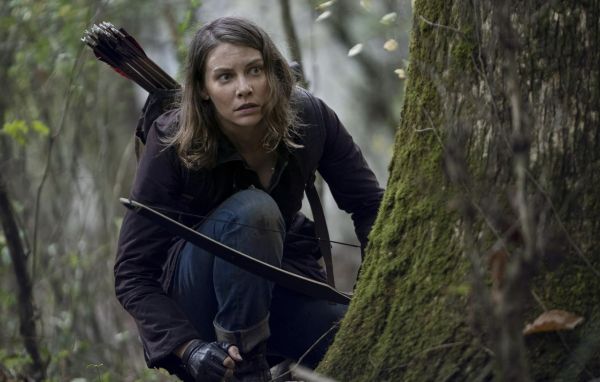
The strongest ensemble members create complete lives from limited material. Lauren Cohan gives Maggie a combination of warmth, grief, and political determination. Lennie James makes Morgan’s movement between mercy and violence psychologically intense. Khary Payton brings theatrical confidence and vulnerability to Ezekiel. Seth Gilliam turns Gabriel’s fear into one of the series’ more unusual spiritual journeys.
Rosita, Eugene, Aaron, Tara, Sasha, Abraham, Jesus, Connie, Yumiko, Princess, and many others contribute to a world larger than Rick’s immediate family. Yet not every character receives equal depth, and some disappear into functional roles after promising introductions.
The series is often at its best when it temporarily reduces its scale and allows two or three performers to carry an episode.
Violence Has Meaning Until Repetition Makes It Routine
The Walking Dead is frequently graphic, but its strongest violence is not memorable because of gore alone. It is memorable because a physical act changes the moral or emotional structure of the group.
Rick destroying a walker who was once familiar, Carol making an unbearable decision, Negan establishing control, or Alpha marking a border all have narrative consequences beyond shock.
Problems arise when brutality becomes the expected punctuation of every conflict. Repetition can make suffering feel like an aesthetic rather than an event.
The series occasionally appears aware of this risk. Characters question whether they have become dependent on violence or whether peace has made them vulnerable. At other times, the production uses graphic imagery to restore excitement during a slow stretch.
I found the deaths most affecting when they altered surviving relationships. The immediate image may be terrible, but grief afterward determines whether the loss becomes part of the story or merely part of the franchise’s reputation.
The Music Gives the Apocalypse a Distinctive Emotional Language
Bear McCreary’s main theme remains immediately recognizable. Its tense string pattern suggests movement without safety, capturing both the walkers’ persistence and the survivors’ inability to remain still for long.
The score often uses restraint during dramatic scenes. Environmental sound, breathing, and silence are allowed to carry tension before music enters.
Several episodes also use existing songs to create temporary emotional distance from the apocalypse. A familiar piece of music can remind characters and viewers of the cultural world that existed before the collapse.
The opening titles evolve visually while preserving the theme, allowing damaged objects, locations, and symbols from each season to become part of the series’ identity.
The sound of walkers is equally important. Their movement, breathing, and damaged voices create a constant background reminder that the dead remain nearby even when they are not visible.
The Series Repeatedly Asks What Civilization Is For
Every major community offers an answer. Hershel’s farm preserves family memory. Woodbury offers safety through authoritarian secrecy. The prison builds cooperation through labor. Terminus converts victimization into predation. Alexandria protects ordinary life through walls. The Saviors organize survival through tribute and fear. The Kingdom uses performance to create hope. The Whisperers reject civilization as weakness. The Commonwealth restores institutions while reproducing inequality.
This progression gives the series greater thematic continuity than its changing plots might suggest. The survivors are not only searching for shelter. They are testing social structures.
The central question is never whether people can rebuild. They repeatedly prove that they can. The question is what values will be built into the new system.
Protection can become control. Leadership can become ownership. Unity can require exclusion. Rules can preserve dignity or provide language for exploitation.
The Walking Dead is skeptical of perfect communities because every community is shaped by imperfect people. Yet it does not conclude that cooperation is hopeless. The alternative is isolation, and isolation rarely survives.
The Ending Provides Continuation More Than Finality
The final season must conclude a story whose major characters, communities, and conflicts have already expanded into a larger fictional universe. As a result, the finale offers emotional resolution without complete closure.
Several characters secure a more stable future, relationships are reaffirmed, and the communities appear capable of continuing beyond immediate war. The ending emphasizes rebuilding rather than permanent victory.
I appreciated the focus on collective survival, though the franchise’s continuing stories make the conclusion feel less definitive than the final episode of an eleven-season drama might deserve.
The absence of certain central characters also affects the emotional balance. The series began around Rick’s attempt to reach his family, but its conclusion belongs to a broader ensemble shaped by years without him.
This is appropriate in one sense. The world has become larger than its original protagonist. It also leaves the final chapter feeling like the closing of one institutional era rather than the completion of every personal journey.
Why I Continued Watching Through the Uneven Seasons
I did not remain invested because I believed every storyline was equally strong. The Walking Dead could frustrate me with delayed confrontations, repeated speeches, inconsistent character focus, and narrative decisions that seemed designed to extend rather than deepen the drama.
I continued because the series had created relationships capable of surviving those weaknesses. Rick and Daryl, Carol and Daryl, Rick and Michonne, Maggie and Glenn, Carl and Michonne, and the broader bonds between communities gave each new crisis emotional history.
The series also remained fascinated by consequences. Characters carried physical injuries, grief, guilt, and altered beliefs across seasons. A decision made years earlier could continue shaping how one survivor interpreted another.
Few television productions have allowed their characters to change so visibly over such a long period. Faces age, voices harden, and people who once required protection become responsible for protecting others.
A Horror Series That Became a Study of Human Reconstruction
The Walking Dead is often described as a zombie series, but that description explains only its surface. The walkers create the conditions of the story. The deeper subject is reconstruction: of identity, family, trust, political order, and moral responsibility.
The series is not consistently elegant. Its scale eventually works against the intimacy that made the opening seasons so powerful. Certain villains dominate too much screen time, while several promising communities become staging grounds for prolonged conflict.
Even so, the drama’s strongest achievements remain substantial. Andrew Lincoln gives Rick Grimes a performance built from idealism, rage, tenderness, and exhaustion. Melissa McBride and Norman Reedus transform initially secondary characters into emotional foundations. Danai Gurira, Steven Yeun, Lauren Cohan, Jeffrey Dean Morgan, Lennie James, and many others create figures whose losses feel inseparable from the world they inhabit.
I remember the spectacular moments, but I value the quieter ones more: a meal shared inside temporary safety, a child asking about the world before the outbreak, two survivors sitting together after words have become insufficient, or a community beginning another ordinary day despite everything surrounding it.
The undead are frightening because they continue moving without memory, purpose, or connection. The survivors remain human because they continue trying to build those things, even after experience has repeatedly taught them how easily they can be destroyed.
That struggle is the reason The Walking Dead endured beyond its original horror premise. The series understood that the end of the world would not end the need for family, belonging, authority, forgiveness, or hope. It would only make the cost of those needs impossible to ignore.
Pros:
- Intricate storyline that delves deep into human emotions
- Stunning visual and practical effects that enhance realism
- Strong character development that evolves over time
- Compelling soundtrack that amplifies tension and emotion
- Immersive cinematography that captures the desolate mood
- High production values that create an authentic post-apocalyptic world
Cons:
- Some episodes may exhibit slow pacing
- Graphic violence may not be suitable for all viewers
- Occasional narrative inconsistencies in later seasons









Movie Reviews

Minecraft

Grand Theft Auto V

Toca Boca World

Roblox

Leave a comment
Your comment is awaiting moderation. We save your draft here
0 Comments