
Review
The Most Wonderful Time of the Year begins with a familiar holiday contrast. Jennifer Cullen has built a life around schedules, profess...

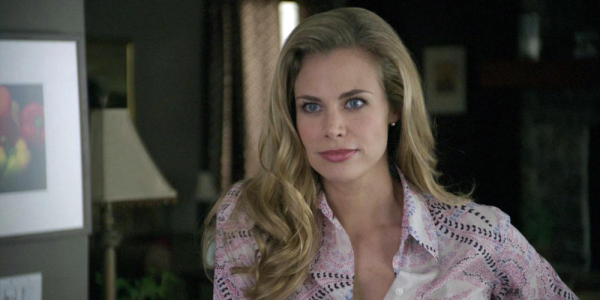

Holiday Harmony: A Cinematic Journey of Family, Renewal, and Tradition
The Most Wonderful Time of the Year begins with a familiar holiday contrast. Jennifer Cullen has built a life around schedules, professional obligations, household management, and the belief that every problem becomes easier once it is organized. Christmas, with its emotional expectations and unpredictable demands, feels less like a celebration to her than another project requiring supervision.
Then her uncle Ralph arrives with Morgan Derby, a stranded traveler he has met at the airport. Morgan has no secure place to stay, no carefully arranged plan, and none of Jennifer’s instinctive respect for boundaries. His presence turns her controlled home into the setting for an increasingly personal disruption.
I knew almost immediately where the film intended to go. Jennifer would resist Morgan’s relaxed attitude, Morgan would expose the limitations of her carefully managed life, and seasonal warmth would gradually replace suspicion. The story offers few genuine surprises. What makes it appealing is not narrative originality but the comfortable chemistry among its performers and its willingness to remain emotionally modest.
This is not a Christmas romance built around extraordinary magic or enormous spectacle. Its fantasy is more domestic: an unexpected guest enters an overworked woman’s home and helps her recognize that security without emotional openness may not be enough.
Jennifer Is Not Cold—She Is Exhausted
Brooke Burns plays Jennifer as a woman whose reserve is easy to misinterpret. She is organized, protective of her son, cautious around strangers, and impatient with disruptions. A less sympathetic performance might have made her seem like the predictable holiday professional who simply needs to learn how to relax.
Burns gives the character more understandable tension. Jennifer is not rejecting Christmas because she lacks feeling. She is attempting to preserve stability. She has work responsibilities, a household to maintain, a child to raise, and a romantic relationship that appears respectable enough to fit the future she has planned.
Her discomfort with Morgan is therefore reasonable. A man she has never met is suddenly invited into her home by an uncle whose generosity is stronger than his sense of practical caution. Jennifer has no reason to immediately trust Morgan merely because he is charming and happens to arrive during the holidays.
I appreciated that the film allows her skepticism to survive for a meaningful portion of the story. Her eventual warmth would feel artificial if she abandoned every concern after one pleasant conversation.
Burns is most effective when Jennifer’s controlled expression begins revealing curiosity. She may object to Morgan’s methods, yet she also notices how naturally he connects with her family. Attraction develops through observation before Jennifer is willing to name it.
Henry Winkler Creates Warmth Without Becoming Sentimental
Henry Winkler’s Uncle Ralph is the film’s emotional center. Ralph arrives with humor, generosity, and an instinctive belief that people deserve more chances than Jennifer usually allows them.
His decision to bring Morgan home is impulsive, but it is not entirely foolish. Ralph observes something decent in the younger man and trusts that impression. The film repeatedly confirms that his emotional judgment may be more reliable than Jennifer’s carefully structured conclusions.
Winkler gives Ralph an easy presence that prevents the character from becoming a mechanical holiday matchmaker. He is not constantly arranging romantic situations while pretending innocence. He enjoys Jennifer’s family, notices her unhappiness, and creates conditions in which she can make her own choices.
His humor also protects the film from excessive sweetness. Ralph can recognize absurdity inside a sincere moment, and Winkler delivers his lines with the relaxed timing of someone who never needs to compete for attention.
I found the relationship between Ralph and Jennifer more convincing than many of the overtly romantic scenes. He understands why she has become guarded but refuses to treat caution as her complete personality. His presence reminds her of a version of family life that includes spontaneity rather than constant management.
Morgan’s Lack of a Plan Becomes Both Attraction and Concern
Warren Christie plays Morgan as a traveler whose confidence comes from adaptability rather than status. He is comfortable meeting strangers, changing direction, and responding to problems as they appear.
This makes him an obvious contrast to Jennifer. She wants to know where a situation is going before she participates in it. Morgan believes direction may emerge through experience.
Christie gives the character enough warmth to make his arrival pleasant, though the screenplay occasionally relies too heavily on charm. Morgan appears unusually capable of fitting into Jennifer’s household. He connects with her son, wins Ralph’s approval, helps with seasonal activities, and responds to Jennifer’s suspicion without becoming defensive.
The danger is that he can feel designed rather than discovered. His imperfections are gentle, and his lack of stability is presented as adventurous rather than potentially irresponsible.
Still, Christie avoids making Morgan aggressively cheerful. He does not lecture Jennifer about the meaning of Christmas after knowing her for several hours. His influence comes from behavior. He joins activities, offers practical help, and remains emotionally available when her existing relationship feels increasingly formal.
The Airport Meeting Establishes Ralph’s Philosophy
The encounter between Ralph and Morgan is more than a convenient mechanism for bringing the romantic leads together. It introduces the film’s central argument about strangers.
Jennifer approaches unfamiliar people as possible disruptions. Ralph approaches them as possible stories. His decision to trust Morgan creates risk, but it also creates every meaningful change that follows.
The airport is an appropriate setting for this encounter. It is a temporary space filled with delayed plans, interrupted journeys, and people moving between separate lives. Morgan’s travel problem leaves him suspended without a destination, while Ralph offers immediate belonging.
The film does not examine the practical danger of inviting a stranger home with much seriousness. In reality, Jennifer’s objections would deserve greater weight. Within the gentle moral framework of a holiday television movie, however, the decision represents generosity overcoming social distance.
Ralph’s openness becomes productive because it is paired with observation. He does not help Morgan without paying attention to him. The film suggests that kindness should not require complete certainty, only a willingness to recognize another person’s situation.
Brian Represents a Future That Looks Correct but Feels Empty
Jennifer’s boyfriend Brian functions as the respectable alternative to Morgan. He belongs to the organized life she has constructed, appears professionally stable, and offers the kind of relationship that should make sense on paper.
The film clearly positions him as emotionally inadequate, but he is not introduced as openly cruel. His limitation is distance. He relates to Jennifer through expectations and appearances more naturally than through emotional attention.
This makes the romantic conflict familiar but useful. Jennifer is not choosing simply between two men. She is choosing between two versions of adulthood.
Brian represents predictability, external approval, and a future that requires little disruption. Morgan represents uncertainty, emotional risk, and the possibility of a life less governed by obligation.
I would have preferred Brian to receive greater complexity. Making him more genuinely compatible with Jennifer would have created a difficult decision rather than an inevitable correction. As written, his behavior gradually confirms that the relationship has survived because Jennifer has avoided examining it closely.
The film uses him less as a complete person than as evidence that stability can become emotionally vacant.
A Child’s Perspective Keeps the Romance Connected to Family
Jennifer’s son Brian is not merely an obstacle Morgan must win over. His presence changes the moral structure of the romance. Jennifer cannot approach a new relationship only through personal attraction. Any decision affects the security and emotional life of her child.
Morgan’s ability to communicate with him becomes important because it reveals patience and attentiveness that Jennifer may not have expected from an apparently directionless traveler.
The film occasionally makes this connection too effortless. Morgan quickly understands how to engage the boy, and their developing bond provides convenient evidence that he would fit naturally into the household.
Even so, I appreciated that the child is not written as a manipulative miniature matchmaker. His reactions are more direct. He responds to whether an adult listens, participates, and treats him with respect.
Jennifer notices those interactions closely. They challenge her assumption that a conventional professional identity automatically makes someone more dependable.
The House Becomes Warmer as Jennifer Loses Control of It
Much of the film takes place inside Jennifer’s home, making domestic space central to the story. At first, the house reflects her organized personality. It is comfortable but controlled, prepared for Christmas without feeling fully surrendered to it.
Ralph and Morgan introduce movement. Conversations become less scheduled, activities emerge unexpectedly, and the house begins functioning as a shared space rather than a carefully managed environment.
This visual transformation is subtle but effective. Christmas decorations matter less than the growing presence of people using the rooms together. Warmth comes from activity, not simply lighting or color.
I liked that Jennifer’s emotional change is connected to her experience of home. She has treated the house as something she must maintain for everyone else. Morgan’s arrival allows her to participate rather than only supervise.
The domestic setting also gives the romance intimacy. There are few glamorous locations or elaborate dates. Attraction grows around meals, decorations, conversations, and ordinary family interaction.
The Film Understands the Appeal of Practical Kindness
Morgan does not impress Jennifer through wealth, professional authority, or dramatic declarations. He helps. He notices what needs to be done and contributes without turning every action into evidence of his virtue.
This practical kindness makes his charm more persuasive. Jennifer’s life is filled with responsibilities, so another person’s willingness to share them carries emotional significance.
Ralph behaves similarly. His generosity creates complications, yet it is rooted in attention. He sees that Morgan needs a place to stay and that Jennifer needs something she has not allowed herself to request.
The Most Wonderful Time of the Year repeatedly defines care through participation. Characters cook, decorate, travel, talk with a child, offer transportation, and create room for another person.
The message is simple, but the film communicates it most effectively when nobody explains it.
Christmas Functions as Permission to Change Course
The holiday setting gives Jennifer a temporary interruption from her normal emotional routine. Family visits, work pauses, traditions return, and unexpected guests can be accepted under circumstances that might seem stranger at another time of year.
Christmas therefore becomes a period in which changing one’s mind appears possible. Jennifer can reconsider her relationship, her priorities, and her assumptions without immediately knowing what the next year will look like.
I appreciate that the film does not depend on literal magic. The seasonal transformation is social and psychological. People gather differently, become more willing to speak honestly, and interpret generosity with greater seriousness.
The story’s fantasy is that several days of sincere interaction can reveal what years of controlled living have concealed.
The Romantic Chemistry Is Gentle Rather Than Electrifying
Burns and Christie create an easy, pleasant rapport. Their characters are attracted to one another, but the film does not build the romance through overwhelming physical tension.
Instead, the chemistry develops through contrasting habits. Jennifer reacts to Morgan’s improvisation with suspicion, while he responds to her rigidity with curiosity rather than contempt.
Their exchanges become warmer as each recognizes the value in the other’s approach. Morgan needs more direction than he initially admits. Jennifer needs more openness than she considers safe.
I did occasionally want greater intensity. The romance is so polite that the emotional stakes can feel modest. Even moments of jealousy or misunderstanding remain within the comfortable boundaries of a television holiday film.
Yet this gentleness also suits the characters. Jennifer is not someone who would abandon caution through one dramatic encounter. Her attraction must become connected to trust.
The Comic Timing Depends More on Reaction Than Dialogue
The film’s humor is rarely built around elaborate jokes. It comes from Jennifer’s response to disruption, Ralph’s awareness of what he has set in motion, and Morgan’s ability to remain relaxed when she expects embarrassment.
Winkler is especially important to this rhythm. A small expression from Ralph can acknowledge the romantic direction of a scene without requiring a direct comment.
Burns also handles irritation effectively. Jennifer’s attempts to remain polite while losing control are funnier than moments when the screenplay gives her a conventional comic line.
The comedy remains gentle enough that it never threatens the emotional comfort of the story. Nobody is subjected to prolonged humiliation, and conflicts rarely become cruel.
This makes the film easy to watch, though not consistently memorable as a comedy. It produces smiles more reliably than strong laughter.
The Production Values Emphasize Comfort Over Visual Distinction
The Most Wonderful Time of the Year has the polished, economical appearance associated with television holiday romances. Homes are attractive, seasonal decorations are carefully arranged, and the lighting creates consistent warmth.
The film rarely uses composition or camera movement to create a distinctive visual personality. Scenes are framed clearly, performances remain central, and locations serve the story without demanding attention.
This functional style supports the intimacy but limits cinematic atmosphere. I remember the actors and emotional situations more clearly than any particular image.
Snow, lights, trees, and domestic interiors create the expected Christmas environment. The production does not attempt to reinvent seasonal imagery, relying instead on familiarity as a source of comfort.
Jennifer’s Transformation Is Persuasive Until It Becomes Too Neat
The film gives Jennifer understandable reasons for controlling her life. Her responsibilities are real, and her caution has likely protected both her and her son from instability.
Her change works when it involves small decisions: allowing Morgan to stay, accepting help, joining an activity she did not organize, or admitting that Brian may not understand her.
The final romantic movement is more convenient. Holiday films often require a clear emotional decision before the credits, and this one is no exception. Complicated questions about Morgan’s future, employment, location, and long-term compatibility receive less attention than immediate feeling.
I did not expect a detailed practical plan, but the story occasionally treats emotional recognition as though it automatically resolves structural uncertainty.
Burns helps the transition feel credible because Jennifer does not become impulsive in every part of her life. She makes one significant choice toward possibility.
Ralph Knows That Jennifer Needs a Disruption, Not a Lecture
Ralph could simply tell Jennifer that her boyfriend is wrong for her or that she has become too controlled. Such advice would likely make her defensive.
Instead, he brings change into the house and allows experience to challenge her conclusions. Whether this is wise or intrusive depends on perspective, but it makes him a more active character than the usual supportive relative.
Winkler communicates Ralph’s affection without making him appear emotionally manipulative. He wants Jennifer to be happy, but he also enjoys Morgan’s company independently of the romantic possibility.
This matters because Morgan is not treated only as a solution to Jennifer’s problem. Ralph sees him as a person in need of temporary help.
The romance grows from the act of hospitality rather than hospitality being invented solely to create the romance.
The Film’s Conflict Is About the Meaning of Reliability
Jennifer initially associates reliability with planning, status, and predictability. Brian appears reliable because his life has recognizable structure. Morgan appears unreliable because he is traveling without a settled future.
The story gradually offers a different definition. Reliability may mean being emotionally present, adapting when plans collapse, and taking responsibility for people without being asked repeatedly.
Morgan demonstrates these qualities even while lacking conventional stability. Brian fails to demonstrate them despite appearing externally secure.
This contrast is somewhat simplified, but it gives the romance a coherent foundation. Jennifer is not merely choosing excitement over boredom. She is revising her understanding of what makes a person safe.
The film also suggests that excessive predictability can conceal emotional absence. A plan is not the same as commitment.
The Ending Delivers Exactly the Reassurance the Story Promises
The final movement resolves the romantic misunderstanding, confirms Morgan’s place within the family’s emotional circle, and allows Jennifer to act according to what she has discovered.
Nothing about the resolution is surprising. The film has signaled its destination since Ralph brought Morgan home.
What matters is whether I believe Jennifer has experienced enough to make the decision meaningful. Burns, Christie, and Winkler largely succeed in creating that belief. Their relationships have accumulated through domestic interaction rather than one isolated revelation.
The ending prioritizes emotional possibility over practical certainty. Morgan and Jennifer do not need to have every future detail solved before acknowledging that the existing direction is wrong.
For a holiday romance, this is enough. Christmas provides the beginning of change rather than proof that change will remain effortless.
A Familiar Romance Elevated by Its Supporting Performance
The Most Wonderful Time of the Year follows a formula visible from its opening scenes. An overworked woman is trapped inside a respectable but emotionally limited life. A charming stranger enters her home, disrupts her assumptions, connects with her family, and offers a different future.
The screenplay does not complicate that formula aggressively. Brian is too clearly unsuitable, Morgan’s faults remain manageable, and several practical concerns disappear beneath holiday reassurance.
Nevertheless, the film benefits from likable performances and a genuine understanding of domestic warmth. Brooke Burns gives Jennifer enough exhaustion and responsibility to make her reserve sympathetic. Warren Christie creates an appealing romantic presence without turning Morgan into an aggressive rescuer.
Henry Winkler gives the story its soul. Ralph is humorous, generous, slightly intrusive, and emotionally observant. He understands that people sometimes need help they would never request because requesting it would require admitting that their carefully constructed life is not making them happy.
I do not return to the film for narrative surprise or visual ambition. I return for its relaxed emotional atmosphere: a crowded house, an unexpected guest, an uncle quietly observing everything, and a woman discovering that the most meaningful holiday plan may be the one she never made.
Pros:
- Heartwarming storyline that resonates with audiences
- Outstanding ensemble cast delivering authentic performances
- Breathtaking cinematography capturing magical winter landscapes
- Effective use of symbolism to highlight themes of renewal and hope
- Balanced narrative pacing that interweaves introspection with festive energy
- Seamless integration of traditional and modern elements in storytelling
Cons:
- Occasional predictable plot twists that reduce suspense
- Some pacing segments may feel slow for viewers seeking constant action
- Limited development of certain supporting characters that may leave gaps in the narrative









Movie Reviews

Minecraft

Grand Theft Auto V

Toca Boca World

Roblox

Leave a comment
Your comment is awaiting moderation. We save your draft here
0 Comments