Review
The Snowman felt less like watching a conventional Christmas movie and more like opening a childhood memory that had been preserved wit...
The Snowman: A Chilling Exploration of Mystery, Memory, and Cinematic Ambition
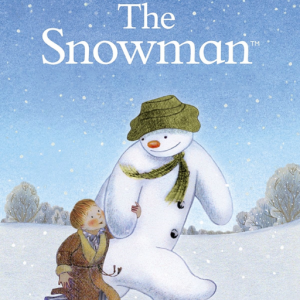
The Snowman felt less like watching a conventional Christmas movie and more like opening a childhood memory that had been preserved without dialogue. The story is simple enough to explain in one sentence: a boy builds a snowman, the snowman comes alive at night, and the two share a brief adventure before morning changes everything. Yet the film finds an extraordinary amount of emotion inside that small premise.
There are no long conversations explaining the rules of the magic. Nobody tells the boy why the snowman has awakened, how long he can remain alive, or what lesson the night is supposed to teach. The film trusts movement, music, facial expressions, and visual details to carry the story.
From my perspective as a gamer, The Snowman resembles a secret winter level that becomes available for only one night. The boy discovers an unexpected companion, explores familiar locations after the normal inhabitants have gone to sleep, and eventually enters a hidden world unavailable during ordinary daytime play. The difference is that there is no save point before sunrise.
A Winter Morning With One Clear Objective
The boy wakes to discover that snow has transformed the world outside his home. The landscape he knows has been covered, softened, and temporarily redesigned. His excitement is immediate. He dresses quickly, rushes outside, and begins exploring what can be created from the new material.
I liked how accurately the animation captures the seriousness with which a child can approach building a snowman. This is not treated like a minor activity filling a few minutes. It becomes the central project of the day. The boy gathers snow, pushes increasingly large sections across the ground, shapes the body, and searches for objects capable of giving the figure a personality. From a gameplay perspective, the sequence feels like a crafting tutorial. The resources are simple, but each choice changes the final character design.
The Snowman Was Built From Household Inventory
The completed snowman contains more than snow. The boy uses objects from around the home and garden to create his face, clothing, and recognizable silhouette. These items matter because they transform a temporary winter structure into someone the boy can imagine as a companion. The snowman’s appearance is not elegant. His proportions are slightly awkward, his expression is simple, and his clothing looks borrowed rather than designed.
That imperfection makes him more lovable. He looks exactly like something a determined child could construct without adult assistance. I appreciated that the boy does not create a flawless magical figure. The magic arrives after the work has already been completed with ordinary hands.
The Window Became a Loading Screen
After returning inside, the boy repeatedly looks through the window at his creation. The snowman remains outside, separated from him by glass, darkness, and the rules of reality. The waiting creates anticipation without needing dialogue. The boy clearly hopes that something more might happen, even if he cannot explain what.
The window functions like a boundary between the ordinary home and the possible adventure outside. During the day, it allows the boy to admire what he has built. At night, it becomes the place where he discovers that the world has changed again.
Midnight Activated the Hidden Character
When the snowman comes alive, the film does not stop for an elaborate transformation sequence. Movement begins gradually enough that the moment feels both miraculous and strangely natural.
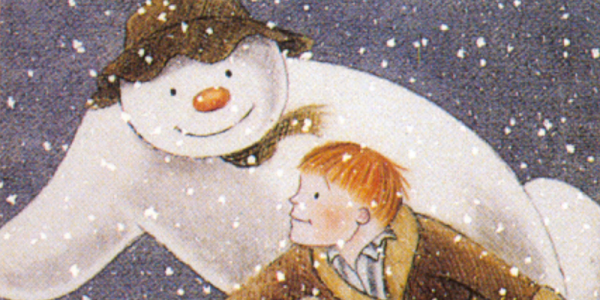
The snowman examines his body, surroundings, and young creator with curiosity. He has no spoken language, yet his personality appears immediately through posture and reaction.
I enjoyed the boy’s combination of surprise and acceptance. He does not spend the rest of the night demanding scientific proof. Once the snowman responds to him, friendship becomes the next logical step. Children in fantasy stories often adapt to magic more quickly than adults because they have less invested in proving that it cannot exist.
The First Meeting Required No Dialogue Tree
The boy and snowman build trust through gestures. They point, imitate, react, and learn how the other moves. This gives their relationship an unusual purity. They cannot misunderstand one another through complicated explanations because neither depends on spoken language.
The snowman is physically large but emotionally inexperienced. The boy is smaller but understands the house, objects, and human routines. Each character therefore becomes the other’s guide. Outside, the snowman belongs naturally while the boy needs warm clothing. Inside, the boy understands the environment while the snowman encounters everything as a new mechanic.
Entering the House Was the Snowman’s Tutorial
The boy secretly brings his new companion indoors while the rest of the family sleeps. This is one of my favorite sections because the film turns an ordinary home into an unexplored world. Light switches, appliances, furniture, toys, clothing, and food become surprising when viewed through the snowman’s reactions. The snowman examines objects without knowing their function. He makes mistakes, imitates the boy, and occasionally discovers uses nobody intended.
From a gamer’s perspective, he has entered a map filled with interactive items but no labels. Every object invites experimentation. The boy becomes both guide and cautious supervisor, trying to preserve the fun without waking his parents.
The Refrigerator Was a Safe Zone
The snowman’s physical nature makes the warm house dangerous. Comfortable room temperature for the boy can gradually damage his companion. The refrigerator offers temporary relief.
I liked the visual joke of a living snowman treating a household appliance as the most naturally comfortable place in the building. What seems cold and uninviting to humans becomes a recovery area for him. This detail also introduces the story’s central limitation. The snowman can explore the human world, but he cannot fully belong inside it. Every warm environment contains a timer.
Trying on Clothes Became Character Customization
The snowman experiments with different outfits, hats, and accessories found inside the house. The sequence is playful because clothing changes his apparent personality immediately. A new hat can make him look formal, ridiculous, adventurous, or important.
From my perspective, the scene resembles opening a character customization menu after already completing the basic build. The boy enjoys seeing his creation develop preferences. The snowman is no longer only the figure constructed during the afternoon. He begins making choices about how he wants to appear.
Human Food Produced Mixed Results
The snowman’s exploration of the kitchen provides another series of experiments. Food is central to human comfort, but his body does not interact with it normally. The film creates humor through texture, temperature, and unexpected reactions rather than spoken jokes.
I enjoyed how the boy encourages the experiments while also understanding that some household rules are being broken. The friendship allows him to experience his own home differently. Familiar objects become exciting because he can introduce them to someone seeing them for the first time.
The Parents’ Bedroom Raised the Stealth Difficulty
The midnight adventure carries one important restriction: the adults must not wake up.
Every floorboard, door, object, and burst of excitement threatens to expose the snowman’s presence. The boy must balance his desire to show everything with the need to remain quiet. From a gaming perspective, the house becomes a stealth level where detection would end the mission before either character is ready. The tension stays gentle, but it gives the playful exploration structure. The night feels private because it exists outside adult awareness.
The Snowman Saw the Family Before the Family Saw Him
While moving through the house, the snowman receives a brief view of the boy’s ordinary life. He sees the rooms, possessions, and sleeping family that exist beyond the garden.
This creates an imbalance in their relationship. The boy can introduce the snowman to his world, but the snowman’s own world initially seems limited to one patch of snow. The later journey corrects that assumption. The boy discovers that his companion belongs to a much larger magical community that was invisible during daylight.
The Motorcycle Sequence Shifted the Adventure Into Motion
The nighttime ride gives the snowman an opportunity to interact with a machine designed for speed rather than quiet household exploration. The sequence is energetic and slightly reckless. The characters move through the snowy landscape while the rest of the world remains asleep. I enjoyed the contrast between the snowman’s bulky body and the vehicle’s movement. He looks physically unsuited to driving, which makes his enthusiasm funnier. The motorcycle also expands the scale of the night. The garden and house are no longer the complete map. There are roads, fields, forests, and distant places waiting beyond the boy’s home.
The Film Made Night Feel Safe Without Removing Mystery
Darkness in children’s stories often signals danger. The Snowman uses night differently. The world becomes quieter and more open. Adults are asleep, traffic is limited, and familiar places lose their daytime functions. The darkness still contains uncertainty, but the boy is not moving through it alone. I found the nighttime atmosphere comforting because the snow and moonlight prevent the landscape from becoming completely black. Everything remains visible in softer forms. The night feels like borrowed time rather than a threat.
Flight Was the Moment the Film Left Ordinary Reality
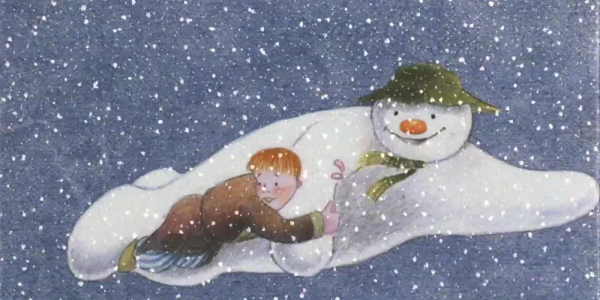
The most famous section begins when the snowman takes the boy’s hand and lifts him into the air. Until this point, the magic has remained connected to physical locations and recognizable activities. A snowman has come alive, but he still walks through doors, tries on clothes, and rides along roads. Flight removes the final ordinary boundary. The boy rises above his home, village, and landscape without equipment or explanation. The snowman does not teach him a technique. He simply holds on and brings him upward. From my perspective, this is the moment when the hidden winter level opens into a completely new region.
“Walking in the Air” Became the Film’s Voice
The film uses almost no conventional dialogue, so the song accompanying the flight carries enormous emotional responsibility. Its melody gives the sequence wonder, calm, and a faint sadness that becomes more meaningful after the ending. I never experienced the song as a pause inserted for commercial appeal. It feels like the emotional language the characters cannot speak. The boy’s amazement, the snowman’s confidence, the enormous landscape below, and the temporary nature of their journey all exist inside the music. The vocals give the film a human voice without requiring either central character to explain the moment.
The Aerial Journey Turned Scale Into Emotion
From the ground, the boy’s world seems complete. His house, garden, nearby buildings, and family define the limits of his daily experience. From the air, those places become small lights inside a much larger winter landscape. The flight passes over fields, roads, towns, water, forests, and distant terrain. The boy sees a scale he could never experience while walking. I liked that the sequence does not become frightening despite the height. The snowman’s hand provides enough security for wonder to replace fear. The physical connection between them remains the most important object in the scene.
The Snowman Functioned Like a Mount and Companion at Once
In gaming terms, the snowman temporarily gives the boy access to aerial traversal. Yet describing him only as transportation would miss the emotional point. The ability matters because it is shared through friendship.
The boy cannot fly independently. He trusts the snowman completely, while the snowman accepts responsibility for carrying him safely. The mechanic and relationship are inseparable.
The North Became a Secret Social Hub
The flight eventually brings the boy to a gathering of other snowmen. The discovery changes his understanding of his companion. The snowman is not a unique accident without a place in the world. He belongs to a wider community that becomes active when humans are absent. I enjoyed the variety of snowman designs. Different clothing, shapes, faces, and behaviors suggest distinct personalities without requiring introductions.The gathering resembles a hidden multiplayer lobby filled with characters created by children from different places. Each snowman carries evidence of the person who built him, yet all of them participate in the same magical celebration.
The Party Expanded the Snowman’s Personality
At home, the snowman is a curious visitor following the boy’s guidance. Among the other snowmen, he becomes more confident and socially active. The boy now occupies the unfamiliar position. This reversal makes their friendship feel balanced. The snowman allowed himself to look inexperienced inside the human house. Now he introduces the boy to a world where he understands the customs. I liked seeing him interact with others because it proves that his personality extends beyond his relationship with the boy. He has his own place in the magical community.
Father Christmas Appeared Without Taking Over
The arrival of Father Christmas connects the adventure directly to the holiday while preserving the focus on the boy and snowman. He does not explain the magic, assign a world-saving mission, or transform the story into an adventure about delivering presents. His presence confirms that the gathering belongs to a larger Christmas world. I appreciated the restraint. A more conventional film might make Father Christmas the central authority and reduce the snowman to a guide who brings the boy toward him. Here, meeting Father Christmas is one memorable part of the night rather than its entire purpose.
The Scarf Became Proof That the Night Happened
The boy receives a scarf that he can carry back into his ordinary life. This object is important because magical experiences in dreams often disappear without physical evidence.
The scarf crosses the boundary between the hidden gathering and the boy’s bedroom. From a gamer’s perspective, it is the unique quest item proving that the secret area was real. Its value is not based on rarity or power. It preserves memory.
The Return Flight Carried a Different Emotion
The journey home repeats the wonder of flight but cannot feel exactly the same. The boy now knows that the night is moving toward morning. Returning means leaving the magical community and placing the snowman back in the garden. I felt a quiet sadness before the film revealed any direct reason for it. Every adventure involving temporary magic contains an approaching separation. The return route makes that limit visible.
Goodbye Was Performed Through Movement
The boy and snowman cannot exchange a long conversation about what the night meant. Their farewell depends on gestures, hesitation, and the simple act of separating. I appreciated the lack of a dramatic promise that they will repeat the adventure the following night. Neither character knows what morning will bring. The boy returns indoors carrying the scarf and memory, while the snowman remains where he was built.
The Bedroom Looked Different After the Adventure
Nothing inside the boy’s room has changed dramatically. The transformation exists in his experience. He has traveled beyond the house, flown across the world, entered a hidden gathering, and returned before his family wakes.
The ordinary bedroom becomes a place where an extraordinary memory must be contained silently. I know the feeling from completing a late-night game session and returning to a quiet room while the adventure continues mentally. The environment is unchanged, but I am not occupying it in the same way.
Morning Removed the Night’s Rules
The boy wakes with excitement and immediately remembers his companion outside. His rush toward the garden mirrors the beginning of the film, when snow itself was the source of joy. This time, he is not going outside to build. He is going to continue a friendship. The emotional difference makes the discovery far more painful.
The Empty Shape in the Snow Was the Real Ending
The snowman has melted. There is no dramatic supernatural event, final speech, or rescue. The winter sun and changing temperature have followed their ordinary rules.
The remains are simple: clothing, familiar objects, and a patch of snow where a living companion stood during the night. I found the restraint devastating. The film does not use music and animation to soften the meaning into a temporary inconvenience. The boy understands immediately that the friend he knew cannot simply stand up again.
The Scarf Prevented the Adventure From Becoming a Dream
The scarf remains with the boy after the snowman has disappeared. This creates a painful but important distinction. The friendship was temporary, but it was not imaginary. The object cannot restore the snowman. It confirms that the loss is real because the relationship was real. From my perspective, the scarf is an item that remains in the inventory after a companion has permanently left the party. Its statistics are irrelevant. The description carries everything.
The Film Refused the Easy Winter Reset
A more reassuring story might end with new snowfall rebuilding the snowman or showing him alive somewhere else. The Snowman does not provide that comfort. Its ending acknowledges one of the basic truths of snow itself. The same material that makes the miracle possible guarantees that it cannot last indefinitely. This gives the entire adventure greater value. The night matters because it cannot become routine.
The Boy’s Grief Was Not Explained Away
No adult appears to tell him that he should be grateful for the experience. Nobody immediately builds another snowman or promises that magic will return. The film allows him to stand with the loss.
I appreciated this because children’s stories sometimes move too quickly toward reassurance. Sadness is treated as a problem the narrative must repair before ending. The Snowman trusts young viewers to understand that a beautiful experience can end painfully without becoming a mistake.
The Animation Looked Like Drawings Learning to Move
The visual style is central to the film’s charm. Lines remain visible, colors feel textured, and the characters appear connected to hand-drawn illustrations rather than polished digital surfaces. Movement can be soft, slightly unstable, and full of tiny changes in shape. That quality makes the snowman feel physically handmade even after he comes alive.
I enjoyed the way backgrounds maintain the warmth of colored pencils and paper. Snow is not presented as one blank digital white. It contains shadows, marks, and changing tones. The film looks like a picture book whose pages have temporarily stopped obeying stillness.
The Lack of Dialogue Made Every Gesture Important
Without spoken exposition, the animators need to communicate intention through eyes, hands, posture, timing, and movement. The boy’s excitement is visible in the speed of his actions. Fear appears through hesitation. Curiosity is expressed through leaning forward, pointing, or carefully touching an unfamiliar object. The snowman’s simple face does not prevent him from showing personality. His entire body becomes expressive. I found this approach more immersive than constant dialogue would have been. The absence of words allows viewers of different ages and languages to enter the story without translation.
The Film Used Music as Environmental Storytelling
Howard Blake’s score does more than accompany the images. It creates emotional continuity between scenes that contain no verbal explanation. The music distinguishes curiosity, play, danger, wonder, and loss while preserving one coherent winter atmosphere. I appreciated how the score can make a familiar room feel magical simply because the snowman is seeing it for the first time. During the flight, music expands with the landscape. During the ending, it allows memory and sadness to exist together.
Silence Became Part of the Winter Setting
Snow naturally changes how a landscape sounds. Roads become quieter, footsteps soften, and open spaces feel insulated from ordinary activity. The film’s limited speech strengthens that sensory impression. Even scenes containing movement and comedy feel protected by the quiet of night. I experienced the entire film as though the world had lowered its volume to avoid waking the adults.
The House Offered Comedy Without Spoken Jokes
Many of the funniest moments come from the snowman misunderstanding household objects. The humor depends on recognition. I know what an appliance or item is supposed to do, while he approaches it without that knowledge.
The boy’s attempts to guide him create additional comedy because the child is not always the most responsible teacher. I liked that the film never pauses to emphasize a joke. A reaction occurs, the characters adapt, and the adventure continues.
The Magic Followed Emotional Logic
The film never defines why this particular snowman comes alive. Perhaps the boy built him with unusual care. Perhaps all snowmen awaken under the correct conditions. Perhaps Christmas creates a temporary exception to reality.
The explanation does not matter because the magic remains consistent with the story’s emotional world. The snowman awakens when the boy is ready to experience the night and disappears when the physical conditions can no longer sustain him. The lack of rules keeps the experience intimate rather than mythological.
The Snowman Was Both Friend and Creation
The relationship carries an unusual emotional layer because the boy built the snowman himself. He selected the shape, face, and objects that gave the figure an identity. Once alive, however, the snowman becomes independent.
He explores, chooses clothing, drives, flies, and interacts with others according to his own curiosity. I liked this movement from creation to companionship. The boy may have constructed the body, but he does not control the person who appears inside it.
The Film Captured the Seriousness of Childhood Wonder
Adults often look back on childhood imagination as something cute, exaggerated, or incomplete. The Snowman never takes that superior position.
The boy’s experience is presented with complete emotional seriousness. The friendship matters. The flight matters. The final loss matters. The film does not wink at the audience or suggest that adults understand the event better. For its runtime, the child’s perspective is the complete reality.
The Short Runtime Increased the Emotional Impact
The film does not spend hours developing the friendship. The boy and snowman share only one night. Ordinarily, such limited time might make the ending feel unearned. Here, brevity becomes part of the design. Snowmen are temporary. Childhood encounters can feel enormous without lasting long. A single night can remain memorable precisely because nothing similar happens again. I never needed additional subplots, villains, or explanations. Expanding the story could weaken its concentration.
There Was No Villain to Defeat
The greatest threat in The Snowman is not an evil character. It is time, temperature, and the natural limit attached to the snowman’s existence. This makes the ending impossible to solve through courage or intelligence.
The boy cannot defeat morning. The snowman cannot remain inside the refrigerator forever. Father Christmas does not arrive with a permanent preservation spell. From a gaming perspective, the companion is governed by a mechanic that cannot be disabled. The player can only decide how fully to use the available night.
The Adventure Did Not Need to Teach a Spoken Lesson
The film never asks a character to summarize what the boy has learned. Possible meanings remain available without becoming mandatory. The story can be about friendship, imagination, mortality, childhood, memory, or the temporary nature of happiness. Different viewers may emphasize different elements depending on their own experiences. I appreciate that openness. The film creates an emotional situation rather than packaging it as an instruction.
The Ending Changes Every Earlier Scene
After seeing the melted snowman, the playful household exploration becomes more precious. The flight contains more sadness. The farewell feels heavier. This is one reason the film remains effective on repeat viewings. I know what morning will bring, so every moment of the night carries a visible limit. The boy does not know, which allows his joy to remain complete. As a viewer, I occupy both emotional positions at once.
The Snowman’s Smile Never Promised Permanence
The snowman is cheerful, curious, and generous, but he never makes claims about the future. He does not promise to return each winter or remain with the boy forever. The relationship exists entirely in actions performed during the available time. I found that honesty beautiful. The snowman gives the boy a complete friendship without pretending it can escape every natural limit.
Why “Walking in the Air” Remains So Powerful
The song is inseparable from the visual sequence, but its lasting power also comes from what the audience knows afterward. Flight represents complete freedom. The boy leaves gravity, household rules, geography, and ordinary childhood limitations behind. Yet the freedom depends on a companion whose body is already temporary. The melody holds wonder and melancholy together, making the sequence feel like a memory even while it is happening. That emotional combination is difficult to reproduce. Pure happiness would make the ending feel like a sudden punishment. Pure sadness would remove the joy that makes the loss meaningful.
The Sequel Was Never Necessary for This Story to Feel Complete
The original film ends with absence rather than another adventure, and that ending gives the experience its identity. I understand the desire to revisit the world, especially because its visual style and central concept are so inviting. Yet this particular boy’s story needs the morning discovery. The snowman cannot become a permanent seasonal companion without changing what the first night means.
The Film Works for Children and Adults Differently
A child may respond most strongly to the snowman coming alive, exploring the house, riding through the night, and flying toward the gathering. An adult is more likely to feel the approaching morning throughout the adventure. I think that double perspective explains the film’s longevity. It does not hide sadness from children, and it does not deny adults access to wonder. Both experiences remain present without one cancelling the other.
The Scarf Carried the Entire Theme
At the end, the boy cannot keep the snowman. He can keep evidence of being known by him. The scarf is warm, physical, and useful, but its emotional value exceeds those functions. It represents a night that nobody else witnessed completely. Memories often work similarly. They cannot preserve a person or moment in living form, but they can prevent the experience from disappearing entirely.
My Final Morning With The Snowman
The Snowman remains one of the most emotionally complete short films I have watched. It creates a friendship without dialogue, a fantasy without complicated mythology, and a devastating ending without manipulating the characters through an external villain.
From my perspective as a gamer, the boy discovers a secret companion and receives access to one extraordinary nighttime campaign. The house becomes an interactive playground. The winter road becomes a vehicle route. The sky opens into aerial exploration, and a distant gathering reveals a hidden community of snowmen. There are no experience points, combat encounters, or permanent upgrades. The boy returns with only a scarf and a memory. That limited reward is what gives the story its strength.
The film understands that childhood wonder often feels permanent while it is happening. A snow day appears capable of changing the world forever. A new friend seems as though he must remain available tomorrow. Night feels endless until morning arrives. The snowman’s disappearance does not invalidate the adventure. It proves that value and duration are not the same measurement.
The boy loved his companion for one night. The snowman gave him a view of the world he could never have reached alone. They explored, played, flew, and briefly belonged inside the same magical reality. Morning removes the snowman but cannot remove the fact that the night occurred.
The hand-drawn animation, quiet humor, expressive movement, and unforgettable score preserve the experience with remarkable simplicity. Nothing is included merely to increase runtime. Every scene strengthens either the friendship or the awareness that winter cannot remain frozen forever.
I finished the film with the same emotional contradiction it has always created: I wanted the boy to find his snowman alive, yet I knew that such an ending would make the adventure less meaningful. The Snowman is not powerful because Christmas magic defeats loss. It is powerful because magic gives the boy something worth missing. For one night, he walks through the air. By morning, he has learned that even the most beautiful hidden level eventually closes.
Pros:
- Atmospheric aesthetic and striking cinematography create an immersive wintry experience.
- Layered symbolism and complex narrative invite detailed analysis and interpretation.
- Intriguing musical score enhances the suspense and emotional depth.
- Ambitious directorial vision challenges conventional thriller conventions.
- Strong character development, particularly in the troubled detective, adds depth.
- Wide accessibility through multiple streaming and download options increases viewing convenience.
Cons:
- Uneven pacing and abrupt narrative shifts may disrupt the overall flow.
- Occasional narrative dissonance can confuse viewers who expect a linear storyline.
- Underdeveloped supporting roles sometimes detract from the film's overall impact.









Movie Reviews

Minecraft

Grand Theft Auto V

Toca Boca World

Roblox

Leave a comment
Your comment is awaiting moderation. We save your draft here
0 Comments