Review
Mobile Legends: Bang Bang became one of those games I could launch for a quick match and then realize much more time had passed than I...



Mobile Legends Bang Bang: The Ultimate Arena of Strategy, Customization, and Community Engagement
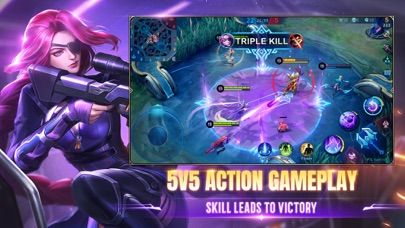
Mobile Legends: Bang Bang became one of those games I could launch for a quick match and then realize much more time had passed than I intended. Its basic promise is easy to understand: choose a hero, join four teammates, enter a three-lane battlefield, destroy defensive towers, and reach the enemy base before the opposing team reaches yours.
The simplicity ends as soon as the match begins.
Every player brings a different hero, role, level of experience, and idea of how the team should play. One teammate may want to fight constantly, another may spend too long collecting resources, and someone else may ignore every warning until the enemy appears beside them. A match can feel carefully coordinated for several minutes and collapse after one unnecessary chase.
From my perspective as a gamer, Mobile Legends: Bang Bang is less about controlling one powerful character and more about managing the relationship between personal performance and team momentum. I can win my lane, collect more gold than my opponent, and still lose because the larger map moved in another direction. I can also have a difficult start and remain useful through positioning, crowd control, vision, or one well-timed ability during the final team fight.
My First Match Looked Easier Than It Was
Mobile Legends introduces its battlefield in a way that feels accessible. The map has clear lanes, visible towers, neutral creatures, bushes, and a base at each end. Basic attacks happen quickly, abilities are placed around the movement controls, and the camera keeps most important information within reach.
During my first matches, I could participate without understanding every system. I followed minion waves, attacked enemy heroes when they came close, and tried to avoid standing beneath hostile towers.
That was enough to play, but not enough to understand why certain matches became impossible.
I gradually learned that the battlefield is not divided into five separate personal areas. Every lane affects the others. A missing enemy may be moving toward a teammate. A neutral objective can create pressure across the entire map. One player who leaves a lane at the correct moment may influence several fights before returning.
The Map Is Small Enough to Create Constant Pressure
The battlefield is compact compared with some longer PC-focused multiplayer arenas. Travel times are short, which keeps the action moving and makes mistakes spread quickly.
If I push too far without information, the enemy does not need several minutes to reach me. A nearby opponent can rotate through the jungle or hide inside a bush and appear almost immediately.
This map size gives Mobile Legends much of its pace. Players return to fights quickly, objectives remain contested, and quiet periods rarely last long.
The disadvantage is that a small lead can expand before the losing team has time to reorganize. A successful fight may lead directly to a tower, jungle invasion, major objective, or another ambush.
Choosing a Hero Is the First Strategic Decision
The hero roster contains characters designed for different ranges, damage types, defensive roles, movement styles, and levels of mechanical difficulty.
Some heroes want to remain close to enemies and survive through durability. Others depend on distance, precise ability placement, rapid movement, or carefully timed combinations.
I enjoyed experimenting with different heroes because changing the character can make the same map feel like a different game. A tank sees entrances, threats, and opportunities to protect teammates. A marksman sees safe attack angles and the danger of anyone crossing the frontline. An assassin studies isolated targets and escape routes.
Learning a hero therefore involves more than memorizing abilities. I need to understand where that hero wants to stand, when the character becomes strong, and which enemies can interrupt the plan.
The Role System Gives Every Player a Different Match
Mobile Legends divides team responsibility across familiar multiplayer roles, but the boundaries are flexible enough to create variation.
Tank
When I play a tank, my value is not measured only through damage. I initiate fights, absorb pressure, protect vulnerable allies, and make dangerous areas safer to enter.
A strong tank performance can look unimpressive on a basic score screen. The important actions may include forcing an enemy to retreat, blocking access to a marksman, or surviving long enough for teammates to finish the fight.
Fighter
Fighters usually combine damage with enough durability to remain active near the front line. They often feel comfortable in extended engagements where a fragile assassin or marksman would disappear quickly.
I like fighters when I want personal independence without giving up team-fight presence. Many can pressure a side lane, challenge isolated opponents, and still contribute when both teams gather.
Assassin
Assassins reward timing and target selection. Enter too early and the enemy team can remove me before I complete the combination. Wait too long and the opportunity disappears.
The most satisfying assassin moments happen when I identify one exposed damage dealer, enter from an unexpected angle, complete the attack, and leave before the enemy can respond.
The worst moments happen when I confuse confidence with invulnerability.
Mage
Mages often control space through ranged abilities, burst damage, slows, stuns, or area effects. Their power can reshape a fight before basic attacks become important.
I enjoy how a mage can make one narrow entrance temporarily unusable. Even abilities that do not connect may force enemies to change direction.
Marksman
Marksmen usually become more dangerous as they collect equipment and improve sustained attack damage. Their potential makes them priority targets.
Playing one taught me patience. Early aggression may feel exciting, but surviving long enough to gain items is often more valuable than forcing an uncertain fight.
Support
Support heroes can heal, shield, strengthen, reposition, or protect allies through crowd-control effects. Their contribution depends heavily on awareness. A support player watches more than the enemy health bar. I need to notice which teammate is being targeted, which ability has already been used, and whether continuing the fight is safer than helping everyone retreat.
Lane Selection Changes the Opening Phase
The early match gives each role a different source of pressure and income. Some characters need steady access to minion waves, while others gain greater value from moving between lanes. I initially treated lanes mainly as starting positions. With more experience, I began seeing them as resource assignments. Sending the wrong hero into a particular lane can delay important equipment or leave the team without enough influence elsewhere.
The opening phase is therefore a negotiation between personal growth and map responsibility. Remaining in lane may improve my gold total, but rotating at the right moment may save a teammate or secure an objective.
The Jungle Is an Economy and a Movement Network
Neutral creatures provide gold, experience, and important bonuses. The jungle role turns these resources into a route that must be planned efficiently. A jungler cannot remain hidden among neutral monsters for the entire match. Farming creates strength, but that strength needs to affect lanes and objectives.
I found jungle play demanding because it requires constant decisions. Should I finish another camp, help a pressured lane, contest an objective, invade the enemy side, or prepare for the next possible fight? Every choice has an opportunity cost. Appearing in one area tells the enemy team where I am not.
The Roamer Lives on Information
Roaming looks simple when described as moving around the map and helping teammates. In practice, the role requires careful reading of danger.
A roamer may create vision, check bushes, begin fights, protect allies, or pressure enemies without collecting the same resources as a carry.
I respect strong roaming players because their best actions can prevent problems before they become visible. A warning, early rotation, or controlled entrance into a bush may save a teammate who never realizes how close the danger was.
The role also requires emotional discipline. Helping a struggling teammate repeatedly is not always the best use of time if another lane can convert support into a larger advantage.
Bushes Turn Empty Space Into a Threat
Bushes are one of the simplest and most effective map mechanics. An enemy inside one becomes hidden until vision is established. This creates constant uncertainty around routes that appear empty. I learned quickly that entering a bush without information is not exploration. It is volunteering to become the first target.
Teams can use bushes for ambushes, defensive positioning, objective control, or forcing enemies to move more cautiously. The mechanic rewards patience because waiting several seconds may produce a much stronger engagement than chasing openly.
Minions Quietly Control the Match
Hero fights receive most of the attention, but minion waves determine where towers can be attacked and how much pressure exists in each lane. A team that wins fights but ignores waves may struggle to convert those victories into structural progress.
I began improving when I stopped treating minions as background units. Their position affects whether the enemy can push, whether a tower is threatened, and how much time the team has before returning to defend. Managing waves is less exciting than a multi-hero fight, but it often creates the conditions that make those fights valuable.
Towers Punish Uncontrolled Confidence
Defensive towers define the safe territory available during the early and middle phases of a match. Chasing an enemy beneath one may look tempting, especially when the target has little health remaining. The tower transforms that chase into a calculation involving damage, distance, escape abilities, and possible reinforcements.
I have lost many encounters because I focused on the nearly defeated enemy and ignored the structure attacking me repeatedly. Towers reward restraint. Sometimes forcing an opponent to retreat is already enough. The lane advantage remains even without a dramatic elimination.
The Turtle Creates the First Major Team Test
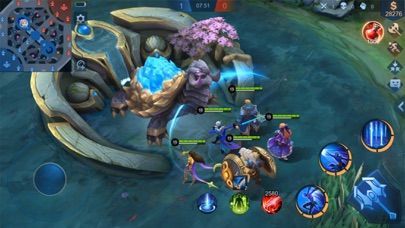
The Turtle introduces an objective capable of bringing several players into the same area early in the match. Securing it provides advantages that can influence team progression, but contesting it without preparation may create a larger loss than simply giving it up. I like this objective because it exposes whether a team is watching the map. A jungler may begin the attempt, but nearby lanes need to understand whether enemies are rotating. The strongest teams do not arrive after the fight has already ended. They create lane pressure and positioning before the Turtle becomes vulnerable.
The Lord Turns One Victory Into Base Pressure
Later in the match, the Lord becomes one of the most important objectives. Defeating it provides a powerful allied unit that advances toward enemy structures. The Lord is not an automatic victory. Its value depends on timing, wave preparation, and how the team uses the pressure it creates.
I have seen teams secure it and then separate into unrelated fights, wasting the advantage. I have also seen coordinated groups use the Lord to force defenders into impossible choices. The objective works like a temporary siege companion. It changes the map, but the players still need to choose the correct lane and moment.
Team Fights Are Won Before Every Ability Is Used
Large engagements may appear chaotic, especially when several heroes release bright effects at once. Beneath the visual noise, positioning often decides the result before the damage numbers finish appearing. A marksman standing safely behind the frontline can attack continuously. The same character caught near an assassin may disappear immediately. A tank who controls several enemies creates room for allies. A tank who moves too far ahead may become isolated and removed without support.
I began reading fights more clearly when I stopped watching only my own hero. The positions of enemy damage dealers, available escape routes, and recently used abilities matter just as much as the target directly in front of me.
Crowd Control Changes the Meaning of Power
A hero may possess excellent damage and mobility but become useless for several seconds after being stunned, displaced, or trapped. Crowd control gives teams a way to manage characters that would otherwise dominate through raw statistics.
I enjoy heroes who can influence movement because their value extends beyond personal damage. Preventing an assassin from reaching the back line may decide the entire fight. Timing remains essential. Using a control ability on the first available target may leave nothing for the enemy hero carrying the greatest threat.
Combos Reward Practice but Create Predictable Habits
Many heroes have ability sequences that produce greater effects when used in the correct order. Practicing these combinations improves execution and reduces hesitation. I can focus more on positioning once the mechanical sequence becomes familiar. The danger is becoming predictable.
Experienced opponents recognize common engagement patterns and wait for the key ability to miss. A memorized combo is useful, but adapting it to movement, defensive items, and enemy reactions is what separates routine play from strong performance.
Equipment Builds Are Strategic, Not Decorative
Items determine damage, defense, movement, sustain, cooldowns, and specialized responses to enemy strengths. Recommended builds make the game easier to enter, but following them without thinking can produce poor results.
If the opposing team relies heavily on healing, anti-recovery effects may matter. If one magical attacker is controlling every fight, defensive statistics can be more valuable than another damage item.
I started enjoying builds more when I treated them as answers rather than fixed recipes. The correct item is the one that solves the current problem, not necessarily the one appearing first in a popular list.
Emblems Add Another Layer Before the Match
The emblem system allows heroes to enter with additional attributes and effects chosen around a role or playstyle. These choices may seem small beside the visible power of completed equipment, but they influence early damage, sustain, mobility, and tactical options.
I like that the system offers customization without changing a hero’s complete identity. The same character can feel more aggressive, durable, or utility-focused depending on the selected setup.
Battle Spells Can Save a Bad Position or Enable It
Battle spells provide important actions outside a hero’s standard abilities. They may improve movement, damage, defense, healing, jungle control, or escape potential. A well-timed spell can reverse an encounter. The same spell used too early may leave me vulnerable during the next engagement.
I often found that having an escape spell encouraged riskier positioning. The ability felt like insurance until crowd control prevented me from using it. Good spell usage depends on understanding what danger remains rather than reacting only to the current loss of health.
The Draft Can Create Problems Before Loading Finishes
Team composition matters. Five individually strong heroes may still perform poorly together if they lack frontline protection, reliable control, sustained damage, or a suitable jungler. Public matchmaking makes this difficult because players often enter intending to use one role regardless of what the team needs.
I have joined drafts where several people selected fragile damage dealers and nobody wanted to protect them. The match then became a race to determine which team could reach the exposed back line first.
Flexible players provide enormous value before the battle begins. Filling an unfamiliar role may be uncomfortable, but a balanced composition gives everyone a better environment.
Counter-Picking Rewards Knowledge of the Roster
Knowing my own hero is only the beginning. I also need to understand what enemy heroes want to do. Some characters depend on one movement ability. Others become strongest during extended fights or after activating a temporary transformation.
Counter-picking allows the draft to respond to those patterns, but it requires a broad understanding of the roster. I do not need expert-level control of every hero. I need enough knowledge to recognize dangerous abilities, power spikes, and common weaknesses.
Hero Mastery Feels Better Than Constant Switching
The large roster makes trying new characters tempting. Each one offers different animations, abilities, and strategic possibilities. However, my strongest progress came from learning a smaller group deeply.
Repeated matches taught me exact ranges, cooldown rhythms, damage limits, and which engagements could be survived. Mastery also reduces cognitive load. Instead of thinking about which button performs which action, I can focus on the map and enemy movement. I still enjoy experimentation, but comfort with several dependable heroes makes ranked play less stressful.
Skins Give Heroes Visual Personality
Mobile Legends places significant emphasis on cosmetic skins. These can change clothing, effects, animations, themes, and the overall personality of a familiar hero.
I enjoy skins when they make a character feel fresh without changing competitive power. A hero I have played for months can gain a different atmosphere through new effects and presentation.
The cosmetic system also creates one of the game’s strongest commercial pressures. Attractive limited designs, event currencies, and premium draws encourage players to spend beyond the cost of a traditional game purchase.
I have to separate appreciation for the artwork from the belief that I need every appealing release.
The Monetization Is Always Present
Mobile Legends is free to start, but its menus contain numerous paths toward spending. Heroes, skins, passes, bundles, event draws, and time-limited offers compete for attention. The game can be played without purchasing every cosmetic item, yet the presentation frequently creates urgency.
Limited availability is especially effective. A skin feels more desirable when the interface suggests the opportunity may disappear soon. From my perspective, the store functions like a parallel progression game built around collection. It can be enjoyable when approached with a clear budget and frustrating when randomness determines the cost of a desired reward.
Events Make the Lobby Feel Constantly Active
Seasonal and promotional events regularly add missions, reward tracks, themed interfaces, and special currencies. This activity gives returning players something new to examine, even when the main battlefield remains familiar.
The disadvantage is menu overload. I sometimes spend several minutes opening reward pages, checking tasks, and collecting small items before entering a match. The number of event icons can make the lobby feel more complicated than the game itself.
Daily Rewards Encourage Routine
Mobile progression systems reward frequent returns. Logging in, completing matches, and finishing daily objectives provide resources over time. This structure works well when the game already fits naturally into my routine.
It becomes less enjoyable when I play only to avoid missing a reward. I try to remember that a daily objective is an invitation, not an obligation. The game remains healthier when the match itself is the reason I launch it.
Ranked Mode Gives Every Mistake More Weight
Ranked play changes the emotional atmosphere immediately. The map and heroes may remain the same, but every result affects visible progression. A victory feels like evidence of improvement. A defeat can feel like losing both time and status.
I enjoy ranked mode when I approach it as a long-term measurement rather than a judgment of one match. Individual games contain too many variables for every result to represent personal skill accurately. The challenge is maintaining that perspective after several losses in a row.
Rank Progression Can Become Emotionally Expensive
Competitive systems are effective because they create clear goals. Reaching another division or star gives matches a visible purpose. The same system can make a small mistake feel disproportionately important.
I have played worse after focusing too much on recovering a previous loss. Aggression increases, patience disappears, and every teammate’s mistake becomes more irritating. Recognizing when to stop is a genuine competitive skill. Continuing while frustrated rarely produces the calm decisions required to reverse the trend.
Matchmaking Creates Unpredictable Teams
Solo matchmaking combines players who may have different hero pools, languages, strategies, and tolerance for risk. This unpredictability keeps matches varied, but it also creates much of the game’s frustration. One teammate may cooperate immediately. Another may ignore role needs or become hostile after the first setback. I cannot control those personalities. I can control whether I communicate clearly, avoid escalating conflict, and continue making useful decisions. That sounds simple outside a match. It becomes more difficult when the team is losing and someone begins assigning blame.
Playing With Friends Changes Everything
A coordinated group can discuss hero selection, rotations, objectives, and enemy positions before problems appear. Even limited voice communication improves timing dramatically. Playing with friends also makes losses easier to process. A failed plan becomes something we can laugh about or review instead of an argument between strangers. The risk is facing other coordinated groups. Better communication raises the strategic quality of both teams, making mistakes more punishable. For me, this is still the most satisfying way to play. Mobile Legends is fundamentally a team game, and familiar teammates allow the design to function more completely.
The Ping System Is Essential but Limited
Quick signals allow players to warn about missing enemies, request assistance, suggest retreat, or identify an objective. Good pings reduce the need for typing during action. The problem is that communication does not guarantee cooperation. A teammate may see the warning and continue pushing anyway.
Pings can also become irritating when used repeatedly to blame someone rather than provide information. I try to use them before danger arrives. A warning after a teammate has already been surrounded is only a description of what everyone can see.
Positive Communication Has Tactical Value
Encouragement may sound unrelated to strategy, but team morale changes decision-making. A player being insulted after one mistake may stop cooperating, play more aggressively, or spend time arguing in chat.
A brief calm response can prevent the match from becoming a five-person conflict inside the same team. I do not expect friendliness to solve every situation. Muting hostile communication is often more useful than debating it. Still, treating teammates like partners increases the chance that they will behave like partners.
Comebacks Keep Losing Matches Relevant
Mobile Legends allows teams to recover from difficult starts through defensive fights, enemy overconfidence, objective steals, and late-game scaling. A leading team often becomes most vulnerable when it believes the result is guaranteed. One careless push can remove several heroes and give the defending team time to take structures or a major objective.
I have learned not to surrender mentally just because the early score looks terrible. The base must still be destroyed. At the same time, hope should not become repeated participation in hopeless fights. Comebacks require better decisions, not simply more aggression.
Late-Game Deaths Feel Completely Different
During the early phase, a defeated hero returns quickly enough that the team may lose only a wave or small amount of pressure. Later, recovery timers become long enough for one mistake to decide the match.
This changes how I evaluate risk. Chasing one enemy across the map may offer a satisfying elimination, but dying afterward can leave the base undefended. The late game rewards discipline more than mechanical excitement. Staying alive can be the most valuable action available.
Backdoor Victories Expose the Real Objective
Players can become so focused on team fights that they forget the base is the actual target. A hero pressuring an unprotected lane may end the match while everyone else competes around a distant objective.
I enjoy these endings because they reveal whether the teams were reading the entire map. The final score may suggest one side dominated combat. The destroyed base provides the only result that matters.
Controls Are Designed Well for Touchscreens
The virtual movement stick and ability buttons make complex hero control surprisingly manageable on a phone. Targeting systems provide assistance while allowing manual adjustment for more precise play. I appreciated how quickly basic movement became natural. The screen can become crowded during fights, but the most important controls remain reachable.
The limitation of touch controls appears when several actions need to happen almost simultaneously. Fast camera movement, target selection, ability placement, and item activation can challenge finger positioning. Players using larger screens may also experience the interface differently from those on smaller devices.
Targeting Settings Matter More Than I Expected
The default controls are playable, but adjusting targeting preferences can improve consistency. Choosing whether attacks prioritize low-health targets, nearby enemies, heroes, minions, or structures affects critical moments. I have lost opportunities because the game selected a target different from the one I intended. Learning to use hero lock and manual targeting reduced that frustration. Automation is useful, but competitive control improves when I know how to override it.
Performance Depends Heavily on the Device
Mobile Legends is designed to run across a broad range of phones, but visual quality and stability vary. On a capable device, higher frame rates make movement and ability timing feel more responsive. On weaker hardware, large team fights may create performance drops at the worst possible moment.
The game offers graphics settings that can reduce visual load, and I prefer stable performance over decorative detail during competitive matches. A beautiful ability effect is less valuable when the frame rate falls during its most important impact.
Network Quality Can Decide Mechanical Encounters
A stable connection is essential in a real-time multiplayer game. Delayed movement or ability activation can make a correct decision appear wrong. Mobile play introduces unpredictable conditions because players may use Wi-Fi, cellular data, or networks shared with other devices. I find connection problems especially frustrating when they appear briefly. The game remains playable enough to continue, but timing becomes unreliable. Before ranked sessions, I prefer checking stability rather than assuming a strong signal icon guarantees smooth performance.
The Visual Effects Make Heroes Easy to Recognize
Each hero has a distinctive silhouette, movement style, and ability presentation. This recognition is strategically important.
I need to understand which character is entering the fight before reading a name or health bar. Skins can dramatically change visual themes, but core ability shapes usually remain readable enough to support reaction. During larger engagements, however, several overlapping effects can become difficult to separate. Bright colors and wide area abilities occasionally hide smaller threats.
The Sound Design Provides Tactical Information
Ability sounds, objective announcements, attack effects, and character cues help communicate events beyond the center of the screen.
I often react to an important ultimate ability through audio before I fully identify its visual source. The announcer also gives the match a competitive rhythm, marking eliminations, streaks, objectives, and structural changes.
Repeated lines can become familiar after many sessions, but that familiarity makes important deviations easier to notice.
Hero Voice Lines Create Personality Quickly
Matches do not leave much time for traditional character development. Voice lines give heroes recognizable attitudes, histories, and emotional tones while players move through the map.
Some characters sound heroic, others playful, severe, mysterious, or arrogant. I enjoy when voice work supports the hero’s mechanics. A confident duelist should sound different from a cautious support or supernatural mage. Repeated lines can become tiring during long sessions, but strong delivery helps the roster feel like more than a collection of ability sets.
The Lore Exists Beside the Competitive Game
Mobile Legends includes character relationships, regions, factions, rivalries, and personal histories that extend beyond individual matches. The battlefield does not always communicate this lore directly. Heroes who would oppose one another in the story may appear on the same team. I treat the narrative as an additional layer rather than a rule controlling competitive play. Learning a hero’s background can make skins and voice lines more meaningful, but I do not need complete knowledge of the world to understand the match.
Arcade Modes Provide Relief From Ranked Pressure
Alternative modes change hero selection, map structure, pacing, or match rules. I appreciate these options after several serious ranked games because they allow experimentation without the same emotional cost. A random or unusual mode may place me on a hero I would never select normally. This can reveal mechanics worth learning later. Not every alternative mode has the depth of the main battlefield, but variety prevents the entire game from becoming one repeated competitive routine.
Brawl Compresses the Action
Brawl-style matches reduce the map and bring both teams into direct conflict quickly. There is less room for large rotations or extended farming routes. Positioning, ability range, sustain, and team composition become even more visible. I enjoy the mode when I want immediate action, though random hero options can create uneven teams. The compressed format also teaches respect for ranged pressure. Without several lanes available, avoiding repeated area damage becomes much harder.
Learning Through Defeat Is Uncomfortable but Effective
Some of my clearest lessons came from opponents who understood a hero or matchup much better than I did. A strong enemy reveals which movements are predictable, which abilities are being wasted, and how easily poor positioning can be punished. The challenge is reviewing the loss without reducing it to blame. I try to identify one decision I could change in the next match. Attempting to correct everything at once usually produces confusion.
Statistics Do Not Explain Every Contribution
Eliminations, deaths, assists, damage, gold, tower pressure, and participation numbers provide useful information. They do not capture every meaningful action. A player may create space, force enemies to retreat, reveal an ambush, or protect a teammate without receiving a dramatic statistic.
Score screens are useful for review but dangerous when treated as complete moral judgments. A high elimination total does not excuse ignoring objectives. A low damage number does not automatically indicate poor support play.
Badges and Ratings Can Encourage the Wrong Objective
Performance grades reward individual activity, which can help players measure improvement. The problem appears when protecting a personal rating becomes more important than taking a necessary risk for the team.
A player may avoid joining a difficult defense to preserve statistics, even though losing the structure harms everyone. Competitive team games constantly negotiate this tension. The interface evaluates the individual, while victory belongs to the group.
The Community Can Be Both Helpful and Exhausting
Mobile Legends has an enormous player base, which creates guides, discussions, hero specialists, clips, tournaments, and constant strategic analysis. This makes learning easier. I can find explanations for builds, rotations, counters, and ability interactions.
The same scale produces conflict. Players debate balance, rank, regions, preferred heroes, and what counts as real skill. I enjoy the community most when it focuses on explanation rather than status. A clear guide helps more than someone proving that everyone below a certain rank is unworthy of speaking.
Competitive Play Gives the Game a Larger Identity
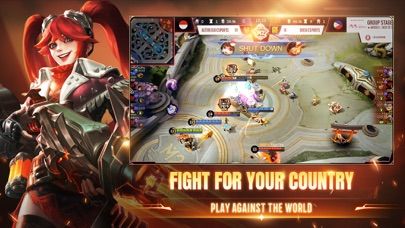
Professional and organized competition demonstrates what Mobile Legends looks like when communication and hero knowledge reach a much higher level. Watching skilled teams changed how I understood rotations, objective preparation, and draft strategy.
Actions that look quiet in public matches become clearly intentional. A player may sacrifice personal resources because the team has identified another win condition. I do not expect ordinary matches to reproduce professional coordination, but competitive play reveals the depth hidden beneath the accessible controls.
Balance Changes Keep Mastery Temporary
Hero strength, equipment efficiency, and strategic priorities can shift through updates. A familiar character may receive altered numbers or mechanics that change matchups significantly. This keeps the game active but also means knowledge requires maintenance.
I may return after a break and discover that a trusted build no longer performs the same way. Adaptation is part of the experience. The game rewards players who understand why a build worked rather than memorizing it permanently.
New Heroes Create Excitement and Information Pressure
A new hero adds visual variety and strategic possibilities, but every addition increases the amount of knowledge required from players. Even when I do not plan to use the character, I need to learn the main abilities and danger zones.
Early encounters can feel confusing because unusual movement or effects appear before I understand the counterplay. This discovery period is enjoyable when both teams are experimenting. It is less enjoyable when one specialist has already mastered the character and everyone else is still reading the ability descriptions.
Power Creep Is a Constant Design Risk
Large hero rosters need new characters to feel appealing without making older ones irrelevant. This balance is difficult. A new hero with mobility, protection, damage, and crowd control may appear to perform several older roles at once.
Updates and reworks can restore neglected characters, but constant adjustment may also destabilize familiar matchups. I prefer designs with clear strengths and weaknesses. A hero is more interesting when opponents can identify a meaningful response.
Reworks Can Feel Like Losing and Gaining a Hero Together
When a familiar character receives major changes, the updated version may become stronger or more modern while losing part of the original rhythm. Players who invested time in old mechanics need to learn again.
I understand why reworks are necessary in a long-running competitive game. Some designs age poorly as the rest of the roster becomes more complex. The best reworks preserve the fantasy that attracted players while improving responsiveness and counterplay.
The Game Respects Short Sessions Until Matches Become Serious
Mobile Legends is designed around relatively compact matches, which suits mobile play well. I can complete a full competitive experience without committing to an entire evening.
However, a match cannot be paused when real life interrupts. A phone call, low battery, or unstable connection affects four teammates as well as me. The mobile format creates convenience before the match and responsibility after it begins.
Battery and Heat Are Hidden Match Resources
Long sessions, high frame rates, and bright visual effects can place significant demand on a phone. Device heat may reduce comfort or performance, while battery loss can turn the final minutes into an unexpected countdown.
I learned not to begin ranked play with minimal charge and no nearby power source. These concerns sound unrelated to strategy, yet mobile hardware is part of the competitive environment.
The Tutorial Teaches Buttons Better Than Team Culture
New-player instruction explains movement, attacking, abilities, lanes, and basic objectives. The more difficult lessons involve rotation timing, resource distribution, team composition, and emotional control after mistakes.
Those systems are often learned through experience or outside guides. I would welcome more advanced interactive tutorials that demonstrate wave control, objective setup, vision, and role responsibility. Mechanical accessibility brings players into the game. Strategic education helps them remain useful after the beginner phase.
AI Matches Are Useful but Create False Confidence
Playing against computer-controlled opponents provides a safe environment for testing abilities and builds. I use these matches when learning a new hero’s basic sequence. The problem is that predictable opponents do not behave like real players. They may react differently to pressure, ambushes, and uncertain fights. Success against AI confirms that I understand the controls. It does not prove that I understand the matchup.
Classic Mode Is the Best Experimental Space
Classic matches allow players to practice the main battlefield without direct ranked consequences. The mode is useful for trying heroes, builds, and roles under real multiplayer conditions. It can also become chaotic because teammates may be experimenting simultaneously. I approach Classic with lower expectations for perfect composition. The purpose is partly learning, and learning includes visible mistakes.
Ranked Mode Reveals My Habits
Competitive pressure exposes tendencies that casual play can hide. I may become too cautious after one early defeat or too aggressive after gaining a lead. I may stop checking the map while focusing on a difficult opponent.
Ranked matches make these habits costly enough to notice. The most valuable progress is not always reaching a higher division. It is identifying one recurring decision that prevents the team from using an advantage.
Solo Carrying Is Less Reliable Than It Looks
Some heroes and players can dominate public matches through strong mechanics and resource control. This creates the fantasy that one person can always overcome an uncoordinated team.
In reality, even a highly developed hero can be controlled, surrounded, or forced to defend several lanes at once. I enjoy carrying a match when the opportunity appears, but building every strategy around personal domination creates fragile teams. The strongest advantage is one the group can convert together.
Feeding Is Often a Pattern, Not One Mistake
Repeated deaths rarely happen because a player suddenly forgets every control. They often come from returning to the same location, matchup, or emotional decision without adapting.
A losing lane may require safer positioning, assistance, defensive equipment, or abandoning the expectation of winning every direct encounter. I have made poor situations worse by trying to recover immediately. Each failed attempt gives the enemy more resources. Sometimes the correct response to losing is reducing the size of the loss.
Objective Trading Is Better Than Arriving Late
When the enemy team has already secured control of one area, contesting may be impossible. A weaker team can often take something elsewhere: a tower, jungle resources, lane pressure, or preparation for the next objective. I improved when I stopped treating every enemy action as a command to gather in the same place. Arriving after the objective is gone creates no value. Trading prevents the map from becoming completely one-sided.
Map Awareness Is the Most Transferable Skill
Hero mechanics differ, but checking the minimap improves almost every role. It reveals missing enemies, exposed lanes, objective movement, teammates needing assistance, and opportunities to pressure structures. I still catch myself staring at a local fight while the larger match changes elsewhere. Strong map awareness turns isolated information into prediction. I may not see the enemy moving toward me, but I can notice that several portraits have disappeared from the map.
Timing Is More Important Than Speed
Mobile Legends feels fast, which can create the belief that every action should happen immediately. Some of the strongest decisions involve waiting. An assassin waits for a defensive ability to be used. A tank waits until teammates are close enough to follow. A marksman waits for the frontline to establish space. Speed executes the decision. Timing determines whether the decision was correct.
Retreating Is an Active Skill
Players often treat retreat as failure, especially when an enemy has little health remaining. Leaving can preserve resources, prevent a counterattack, and prepare the next objective. The retreat command is one of the most useful signals in the game and one of the most frequently ignored. I have won more matches after learning that survival can maintain pressure better than an uncertain final attack.
The Base Is Strong Until It Suddenly Is Not
Defensive structures create the impression that a losing team still has several layers of protection. Once those layers fall, the match can end within seconds. I respect base pressure more now because late-game heroes destroy structures quickly. One missing defender or poorly timed fight may remove the last safe area. The transition from stable defense to defeat can be shockingly short.
Victory Screens Hide the Messy Route
A final victory presents a clean result. It does not show how close the team came to surrendering, which player nearly disconnected, or how one accidental fight reversed the match. This is part of Mobile Legends’ appeal. Every match creates a compact story shaped by decisions that will never happen in exactly the same order again. Some victories feel controlled. Others feel like surviving a chain of mistakes one moment longer than the enemy.
Defeat Can Still Contain My Best Play
One of the difficult truths of team competition is that excellent personal moments do not guarantee victory. I may execute a combination perfectly, steal an objective, or protect a teammate during a crucial fight and still lose the base later. This can feel unfair when I focus only on the final result. It becomes easier to accept when I treat each match as both competition and practice. The defeat remains real, but useful decisions can still be carried into the next game.
Why Mobile Legends: Bang Bang Keeps Pulling Me Back
I continue returning because the game creates strategic variety from one familiar battlefield. The lanes, jungle entrances, towers, and objectives remain recognizable, but the hero combinations and player decisions change every match.
From my perspective as a gamer, Mobile Legends succeeds because it compresses many of the pleasures of a full team-based arena into a mobile format. Drafting matters. Resource control matters. Mechanical execution matters. Communication, patience, timing, and emotional discipline matter just as much.
The game is accessible enough for a new player to move, attack, and contribute within the first sessions. Its depth appears gradually through map awareness, matchups, item adaptation, wave control, objective timing, and team composition.
Its weaknesses are equally visible. The monetization can feel aggressive, event menus become crowded, matchmaking creates uneven experiences, and competitive frustration can turn teammates against one another quickly. Balance changes may disrupt favorite heroes, while technical performance depends on hardware and network stability. None of those issues completely removes the satisfaction of a coordinated match.
There is a particular moment when five strangers begin behaving like a team without needing a long discussion. The roamer checks the dangerous entrance. The jungler prepares the objective. A lane creates pressure on the opposite side, and the damage dealers wait instead of revealing their positions too early. The resulting fight lasts only seconds, but it reflects several minutes of preparation.
That is the version of Mobile Legends I enjoy most. Not the match where one player collects every elimination, but the match where separate decisions connect into one clear movement across the map.
The game often tests patience more than reflexes. It asks whether I can stop chasing, change an item, help another lane, give up one objective, or admit that the current plan has failed. Every hero enters with dramatic abilities, but the most powerful skill belongs to the player who can read what the match needs next.
Mobile Legends: Bang Bang may fit inside a phone, yet its competitive pressure never feels small. One tap can begin a fight, one missed signal can expose a lane, and one final coordinated push can erase twenty minutes of apparent defeat. That combination of accessibility, speed, frustration, and possibility is exactly why one quick match so rarely remains only one.
Pros:
- Engaging graphics and audio that elevate the gaming experience
- Wide array of heroes that cater to diverse play styles
- Regular updates and seasonal events keep the content fresh
- Cross-platform accessibility on mobile and PC via emulators
- Strong community engagement and proactive developer support
- Balanced competitive gameplay that appeals to both beginners and experienced players
Cons:
- In-app microtransactions may pressure players towards cosmetic purchases
- Occasional technical issues on lower-end devices or during peak gameplay moments
- Steep learning curve for new players due to the strategic depth

How much storage do you need?
 Mobile Legends: Bang Bang








Recent Reviews

Minecraft

Grand Theft Auto V

Toca Boca World

Roblox

Leave a comment
Your comment is awaiting moderation. We save your draft here
0 Comments