Review
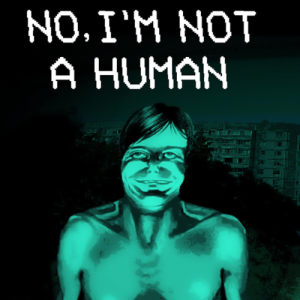
No, I’m not a Human immediately caught my attention because it treats ordinary human contact as a source of suspicion. The game places...




Beyond Humanity: An Odyssey into the Digital Enigma of No, I'm not a Human
No, I’m not a Human immediately caught my attention because it treats ordinary human contact as a source of suspicion. The game places me inside an isolated house during a catastrophic period when going outside has become dangerous and strangers begin appearing at the door after sunset. Some of them may genuinely need protection, while others may only look human. Every conversation therefore becomes a test in which compassion, paranoia, and survival compete for control.
The premise sounds simple: decide who is allowed to enter and identify the Visitors hiding among ordinary people. In practice, the game rarely gives me enough information to feel completely confident. A guest may behave awkwardly because they are frightened, exhausted, or traumatized, but those same details can also suggest that something is wrong. I often had to make permanent decisions based on incomplete evidence and then continue living with whoever remained inside the house.
From my perspective as a gamer, No, I’m not a Human feels like a social deduction game played without a reliable team. I am the investigator, gatekeeper, witness, and possible victim at the same time. There is no comfortable distance between solving the mystery and suffering the result of a mistake. The people I examine are standing in my rooms, consuming resources, and waiting to discover whether I trust them.
The Sun Changed From Comfort Into a Threat
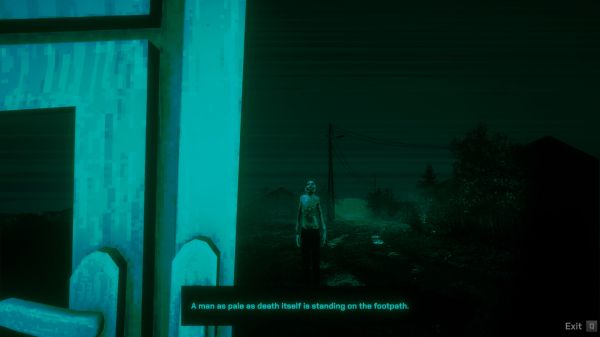
The game’s world has been altered by an extreme solar catastrophe that makes daytime exposure dangerous. Instead of representing safety, sunlight becomes something people avoid, forcing survivors to travel and seek shelter after dark. This reversal immediately creates an unsettling atmosphere because familiar rules no longer apply. Night belongs to desperate humans, possible Visitors, and anyone willing to knock on an unknown door.
I liked how the disaster remains larger than the house without requiring constant exterior action. News reports, conversations, and environmental details suggest that society is collapsing beyond the walls. The player receives only fragments, which makes the crisis feel both massive and difficult to verify. I never had enough information to know whether official instructions were trustworthy or already outdated.
The Front Door Became the Most Important Interface
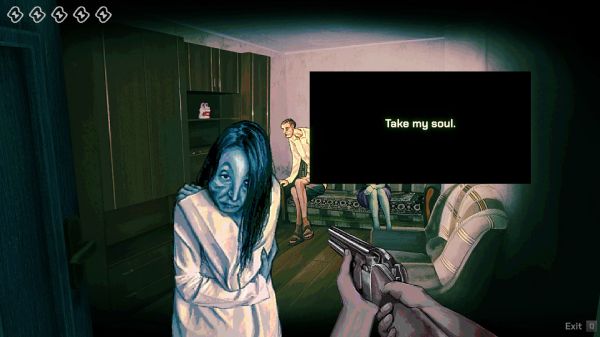
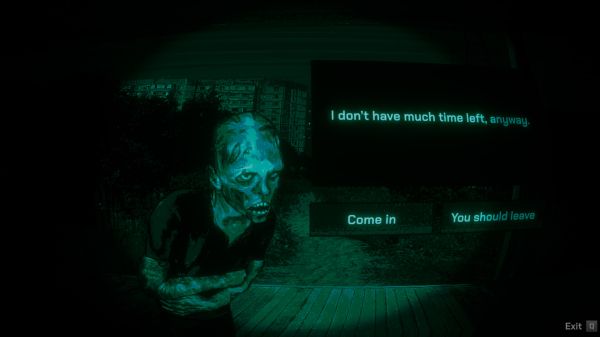
Most games treat a door as a simple transition between locations, but here it becomes the central boundary between temporary safety and unpredictable danger. Every knock interrupts the routine and forces me to evaluate a person before knowing their complete story. Opening the door creates the possibility of gaining an ally, receiving information, or inviting a threat directly into the house. Refusing entry may protect the household, but it can also condemn an innocent person outside.
The tension comes from how ordinary the interaction looks. A stranger stands beneath the porch light and explains why they need shelter. There may be no dramatic transformation or obvious attack warning, only a face, a voice, and details that do not fit together perfectly. The game makes a basic conversation feel more dangerous than many combat encounters.
Every Visitor Arrived With a Story
The people seeking shelter rarely introduce themselves as simple categories. They bring explanations, relationships, professions, fears, and personal habits that may support or weaken their claims. Some stories sound suspicious because they are unusual, while others sound suspicious because they are too carefully constructed. I quickly learned that a convincing narrative does not automatically indicate humanity.
These introductions also made rejection emotionally difficult. A person may describe losing their family or escaping from a dangerous district, and the game leaves me to decide whether the pain is authentic. Even when I suspected deception, I could not always separate caution from cruelty. The strongest conversations made me feel that either decision could become morally indefensible later.
The Visitors Were Frightening Because They Looked Almost Correct
The game does not depend only on grotesque creatures announcing themselves through obvious physical differences. Visitors imitate people closely enough that identification requires attention to smaller inconsistencies. Teeth, eyes, nails, behavior, and other bodily details can provide clues, but no single sign always feels emotionally safe to trust. The horror comes from examining something familiar until familiarity begins to look artificial.
I found this much more effective than facing a clearly visible monster. A creature with an unmistakable design creates a direct objective, while a nearly human figure creates doubt. The person may smile, respond politely, and still make the entire room feel unsafe. No, I’m not a Human builds fear through the possibility that recognition itself has become unreliable.
Examinations Turned Hospitality Into Investigation
Allowing someone inside does not end the decision process. I can inspect residents and search for signs that suggest they are Visitors, turning the house into an improvised screening facility. These examinations feel invasive because I am checking intimate physical details without possessing perfect medical knowledge. The process may be necessary, but it never becomes comfortable.
From a gameplay perspective, inspections provide structure to the deduction system. I collect clues, compare them with warnings, and decide whether enough evidence exists to act. Emotionally, however, the system remains unstable because innocent people may also appear unusual. Stress, poor hygiene, injury, and exhaustion can resemble the abnormalities I have been told to fear.
Teeth Became More Disturbing Than Any Weapon
One of the game’s cleverest achievements is making normal body parts feel threatening. A request to show teeth or hands should be simple, yet the close attention turns every feature into possible evidence. Slight irregularities become difficult to interpret because real human bodies are not perfectly uniform. I often stared longer than necessary, hoping that certainty would appear if I examined the detail carefully enough.
This mechanic changed how I viewed every character afterward. Once I had inspected someone, I could no longer return to treating them as an ordinary guest. Their body had become part of a case file, and every later conversation was filtered through what I had seen. The game makes suspicion cumulative even when the evidence remains inconclusive.
The House Was a Shelter and a Trap
My home initially appeared to be the safest place available, but each new resident changed its function. More people brought information, companionship, and possible protection, yet they also reduced privacy and increased the number of uncertain relationships inside. A Visitor invited earlier could remain nearby while I continued opening the door to others. Safety therefore depended on decisions that could not always be reversed cleanly.
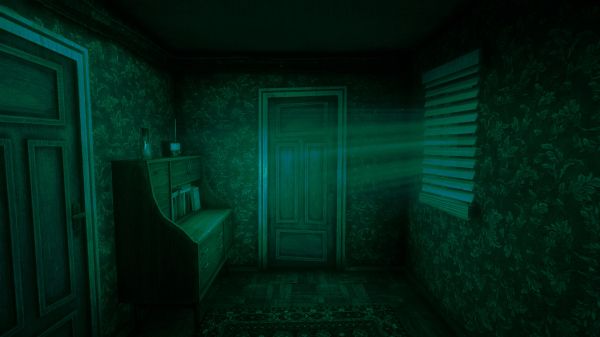
I liked how the rooms gradually felt different as the population changed. An empty space could seem lonely during one night and dangerously crowded during the next. Characters occupied familiar areas, making the house feel alive while also limiting the sense that any corner belonged entirely to me. The player is technically the host, but control becomes less convincing with every arrival.
Resource Management Added Pressure to Compassion
Sheltering people is not only an emotional decision because every additional resident may consume limited supplies. Food, energy, and other necessities make generosity materially expensive. A person who appears harmless can still weaken the household’s ability to survive. This forces the player to evaluate need and risk through the same uncomfortable calculation.
I appreciated that the game does not allow kindness to remain abstract. Saying yes at the door affects future options and may create shortages. Saying no preserves resources but leaves a human being outside during a deadly crisis. The mechanics make morality costly enough to feel meaningful.
Sleep Was Never Completely Safe
Nighttime decisions eventually lead toward rest, but sleeping means surrendering awareness inside a house filled with uncertain guests. I could make the best judgment available and still wonder what would happen once the character became vulnerable. The transition between days therefore carried more tension than relief. Surviving until morning did not always confirm that every earlier decision was correct.
The game understands that horror often becomes strongest during moments when the player cannot actively intervene. A quiet room, closed eyes, and an unexplained sound can create more fear than a visible chase. I rarely experienced sleep as recovery alone. It felt like allowing the simulation to reveal consequences I might not be able to prevent.
Government Broadcasts Offered Guidance Without Trust
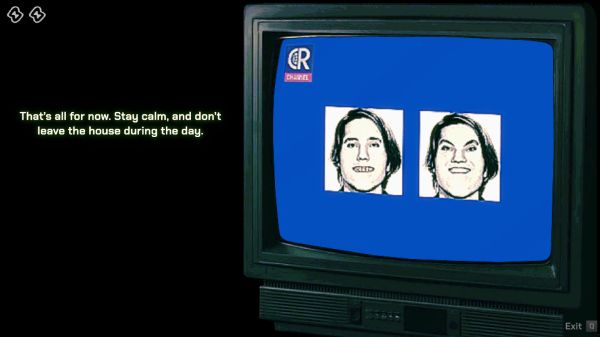
Official announcements provide rules, warnings, and descriptions that supposedly help identify Visitors. These messages are useful because they give the player a framework for investigation. At the same time, the collapsing world makes every source of authority questionable. Information may be incomplete, delayed, manipulated, or designed to create fear.
I found myself relying on broadcasts while also resenting how strongly they shaped my suspicions. Once an announcement identified a particular trait, every resident possessing it became harder to trust. The game captures how quickly emergency information can become social judgment. Guidance may save lives, but it can also turn ordinary differences into reasons for rejection.
The Emergency Services Felt Both Necessary and Dangerous
Outside organizations may claim to protect survivors, investigate threats, or maintain order. Their presence offers the possibility that someone else understands the crisis better than I do. However, allowing authorities into the situation can reduce the player’s control over residents and decisions. Help may arrive with its own agenda.
This ambiguity made external contact more interesting than a simple rescue system. I could not assume that uniforms, procedures, or official language guaranteed safety. In a world where imitation is central to the threat, institutions can become another type of mask. The player must evaluate systems with the same suspicion applied to individuals.
Conversation Was the Main Combat Mechanic
No, I’m not a Human does not need constant action because dialogue carries the strategic tension. Questions can reveal contradictions, emotional reactions, and details that become important later. Choosing what to ask matters because time and attention are limited. A conversation that appears unimportant may contain the clue that changes an entire judgment.
I enjoyed how the game made listening feel active. I was not selecting dialogue only to reach the next scene; I was building a mental model of each person. Tone, hesitation, and consistency mattered alongside direct statements. The most dangerous response was sometimes the one that sounded completely reasonable.
Memory Became a Survival Skill
As more characters entered the house, remembering their stories became increasingly important. Someone might refer to an earlier event, relationship, or personal detail, and inconsistency could suggest deception. The game rarely stopped to announce every contradiction clearly. I had to maintain attention across several conversations and days.
This made even minor details feel potentially significant. A profession, family member, location, or reason for traveling could become useful later. I occasionally distrusted someone because I remembered a statement incorrectly, which added another layer of uncertainty. The player’s own memory can become as unreliable as the information being collected.
Paranoia Was Useful Until It Became the Entire Strategy
Suspicion is necessary because accepting everyone would expose the household to obvious danger. However, treating every strange behavior as proof of inhumanity can lead to equally serious mistakes. The game repeatedly pushes the player toward fear and then asks whether fear has begun replacing evidence. I found that balance more difficult than identifying any specific physical sign.
A paranoid strategy may produce temporary safety by reducing the number of residents. It can also destroy opportunities for cooperation, information, and human connection. The player may survive while becoming the kind of person who sees survival as the only remaining value. No, I’m not a Human makes this transformation feel possible without ever forcing it through one explicit choice.
Compassion Could Become a Dangerous Bias
The opposite problem appears when a character’s story becomes emotionally persuasive. I sometimes wanted someone to be human because I liked them, understood their fear, or appreciated the information they provided. That attachment made suspicious evidence easier to dismiss. The game shows how empathy can improve judgment in one situation and distort it in another.
This conflict prevented deduction from becoming a purely logical exercise. Characters were not anonymous files containing clues; they were people sharing the same confined space. Removing someone after several conversations felt different from rejecting a stranger at the door. Emotional investment increased the cost of acting on evidence.
The Art Style Made Faces Feel Unstable
The game’s visual presentation uses exaggerated features, heavy shadows, and unusual expressions that prevent any character from looking completely neutral. This supports the central uncertainty because normal people can appear disturbing even before they provide a reason for suspicion. Faces feel familiar enough to read emotionally but stylized enough to remain uncomfortable. The result is a world where humanity is visually difficult to define.
I liked how the art avoids polished realism. Perfectly realistic models might encourage players to search for technical imperfections rather than engage with the atmosphere. The stylized designs make every close inspection feel subjective. A smile can look warm in one scene and threatening in another without the character changing completely.
The House Used Color Like a Warning System
Lighting plays a major role in shaping the emotional tone of each room. Warm interior colors suggest shelter, but shadows and narrow spaces prevent that warmth from becoming reassuring. Exterior light often feels harsh or unnatural, reinforcing the idea that the world outside has become physically hostile. The contrast makes the doorway especially powerful because both visual environments meet there.
As more uncertain residents entered, even familiar lighting began to feel deceptive. A person sitting peacefully in a warm room could still represent the greatest threat inside the house. The game uses comfort as camouflage rather than proof of safety. I stopped trusting visual warmth almost as quickly as I stopped trusting friendly dialogue.
The Sound Design Made Silence Suspicious
Ambient noise, distant movement, knocks, and subtle interior sounds create tension without overwhelming the conversations. The game often allows quiet moments to continue long enough that I begin expecting an interruption. This makes ordinary household sounds feel like evidence of unseen activity. A sound from another room can become more frightening when several possible explanations exist.
I appreciated that the audio does not constantly announce danger through dramatic music. Restraint allows the player’s imagination to complete the threat. When stronger cues appear, they feel more significant because the game has already trained me to listen closely. Silence becomes part of the investigation rather than empty space.
The Character Designs Encouraged Unfair Judgments
Some guests look nervous, unhealthy, aggressive, or socially unusual before they speak. These designs create immediate impressions that may have nothing to do with whether the character is human. I often caught myself forming a conclusion based on appearance and then searching for dialogue that supported it. The game quietly exposes how easily investigation can become confirmation bias.
This is especially effective because Visitors are expected to imitate ordinary people imperfectly. Every unusual feature therefore appears relevant even when it may simply belong to the character. The player is placed inside a system that rewards observation while making observation ethically dangerous. Looking carefully does not guarantee looking fairly.
Some People Were Difficult Without Being Inhuman
Not every threatening personality belongs to a Visitor. Human survivors can be selfish, rude, unstable, secretive, or manipulative because catastrophe does not improve everyone’s behavior. This distinction makes the deduction system stronger because moral unpleasantness cannot be treated as biological evidence. A person may be entirely human and still make the house less safe.
I appreciated this complication because it prevents the game from dividing residents into good humans and evil impostors. Humanity is not presented as automatic virtue. The player sometimes needs to choose between different types of danger rather than simply finding the hidden creature. The hardest guest may be human enough to deserve protection and harmful enough to regret sheltering.
Helpful Characters Could Still Be Suspicious
A resident who provides valuable information naturally earns trust, but usefulness is not proof of identity. A Visitor may understand that cooperation creates protection and access. The game made me question whether every helpful gesture contained another motive. Even genuine kindness became difficult to receive without analysis.
This damaged the social atmosphere in a way that felt intentional. The more I needed other people, the more suspicious dependence became. Accepting assistance meant allowing someone influence over later choices. The crisis transforms cooperation from a simple advantage into another possible vulnerability.
The Game Rarely Offered Perfect Evidence
Strong deduction games become boring when one clue provides an automatic answer. No, I’m not a Human works best when several signs point in different directions. A suspicious physical feature may conflict with a convincing history, while an apparently normal guest may behave inconsistently. The player is pushed toward probability rather than certainty.
I often delayed decisions because I hoped another day would reveal more information. Waiting could help, but it also meant keeping a possible threat inside. Acting early reduced danger while increasing the chance of punishing an innocent person. This timing dilemma made investigation feel connected directly to survival.
Limited Actions Made Every Check Important
The player cannot investigate everyone endlessly without cost. Available actions, time, and energy restrict how much information can be collected during a cycle. This prevents the optimal strategy from becoming a complete examination of every person. I had to decide who appeared most dangerous and which clue would provide the greatest value.
I enjoyed this system because scarcity creates meaningful prioritization. Inspecting one resident may mean postponing another conversation or task. A wrong priority can leave the actual threat unchecked. The game makes information itself feel like a resource.
Energy Management Created Vulnerability
Investigations and household actions can exhaust the protagonist, creating another limit on control. The character cannot remain permanently alert simply because the player wants more certainty. Eventually, rest becomes necessary even when the situation remains unresolved. This physical limitation adds credibility to the psychological pressure.
I found it frustrating in a productive way. I often knew exactly what I wanted to check next but lacked the ability to continue safely. The game forced me to accept that survival decisions are made by a tired person rather than an unlimited detective. Exhaustion becomes another condition the Visitors may exploit.
The Daily Cycle Built a Strong Routine
Each day creates a recognizable sequence of information, visitors, conversations, examinations, and eventual rest. Repetition makes the house feel familiar while changing the people and risks inside it. I began developing habits, such as checking certain residents first or comparing new reports with earlier observations. The routine created comfort, but the game constantly introduced reasons to distrust that comfort.
This structure also made consequences easier to feel. A decision made during one evening could influence several later cycles. New arrivals interacted with existing residents, and earlier assumptions became harder to maintain. The house accumulated history even though the physical space remained largely unchanged.
Failure Often Began Several Decisions Earlier
When a run collapsed, the final event was not always the true cause. A dangerous resident may have been admitted days earlier because I ignored one inconsistency. A shortage may have developed after accepting too many people without planning resources. The visible failure was only the final result of a longer chain.
I enjoyed reviewing these sequences because they made the game feel less arbitrary. Even when I could not identify one perfect answer, I could usually find a decision worth reconsidering. The challenge was determining whether the mistake involved bad evidence, poor priorities, or a reasonable gamble that simply failed. Not every tragic result proved that the earlier choice was irrational.
Different Outcomes Encouraged Replaying the Crisis
The combination of character choices, investigations, and branching consequences gives the game strong replay value. A person rejected during one attempt may become important in another, while a trusted guest can reveal a different side under changed conditions. I wanted to test how alternative decisions reshaped the household. Replaying felt less like repeating the same story and more like examining another version of the crisis.
Knowledge from earlier runs creates an advantage, but it can also become dangerous. Remembering one character’s behavior may encourage assumptions that do not fit the current situation perfectly. I had to distinguish between useful experience and overconfidence. The game remains strongest when previous knowledge improves attention without eliminating uncertainty.
Knowing Too Much Changed the Emotional Experience
During the first attempt, every person felt genuinely unknown. Later runs naturally reduced some of that mystery because I remembered clues, possible identities, or consequences. The deduction system became more strategic as the emotional surprise decreased. This is a common challenge for narrative games built around hidden information.
However, replaying still offered value because I could focus on characters I had ignored previously. Different household combinations changed conversations and practical pressures. The game contains enough social variation to keep familiar people interesting. My relationship with them changed because I was no longer reacting only to fear.
The Horror Came From Responsibility
No, I’m not a Human rarely needed to make me feel powerless in a traditional sense. The protagonist owns the house and controls many important decisions. The horror comes from knowing that those decisions affect everyone inside and outside the door. Authority becomes frightening when reliable knowledge is unavailable.
I could not blame a superior officer, party leader, or scripted hero for the outcome. Every admission, rejection, examination, and accusation passed through my judgment. The game made control feel heavier than helplessness. Having the final word does not create confidence when every option may harm someone.
The Game Asked What Humanity Actually Means
The practical objective involves separating humans from Visitors, but the narrative repeatedly complicates the moral meaning of that division. Some humans behave selfishly or violently, while a suspicious figure may show patience, fear, or apparent kindness. Biological identity and humane behavior do not always align. The player can protect humanity while gradually abandoning compassion.
I liked that the game never reduced its title to a simple identification puzzle. The phrase No, I’m not a Human can describe a literal revelation, an accusation, or a psychological collapse. It may also reflect how survivors begin viewing one another after enough fear. The crisis threatens the definition of humanity long before every Visitor is discovered.
Isolation Made Every Relationship More Intense
The protagonist cannot casually leave the house and meet another community whenever tension rises. The dangerous exterior traps residents together and gives every disagreement greater weight. A person I distrust may still be the only available source of company or information. Someone I like may become impossible to ignore after suspicious evidence appears.
This confinement makes relationships develop quickly. Strangers become household members because normal social stages no longer exist. Trust must be granted or withheld under emergency conditions. The game captures how catastrophe compresses emotional distance without necessarily creating genuine intimacy.
The Door Created a Repeating Moral Trap
Every new arrival restarts the same basic question without making it easier. I know that accepting strangers creates danger, but I also know what refusing shelter may mean. Previous success can make me generous, while a previous betrayal can make me cruel. The decision is shaped by memory as much as current evidence.
I appreciated that the game keeps returning to this moment instead of replacing it with increasingly complicated systems. The door remains powerful because the context changes. One night I may have resources and empty rooms, while another night the house is crowded and unstable. The same request can therefore demand a different answer.
Deaths Felt More Personal Than Statistical
Characters are introduced through distinctive appearances, voices, and stories, so losing one rarely feels like watching a generic counter decrease. I remembered who they were, why they arrived, and what I had believed about them. A death could create guilt even when I had made a reasonable choice. The game allows uncertainty to survive after the consequence.
This emotional ambiguity is important because clean confirmation would simplify grief into feedback. Sometimes I wanted the game to tell me immediately whether I had been right. Instead, it often left room for doubt. The absence of certainty made the next decision harder rather than easier.
Violence Was Treated as a Decision, Not a Power Fantasy
When the player acts against a suspected Visitor, the moment does not feel like defeating an ordinary enemy in combat. The target may still look and speak like a person. The action represents the end of investigation and the acceptance that doubt can no longer delay judgment. This makes violence uncomfortable even when it appears necessary.
I respected that the game avoids turning these moments into triumphant rewards. Removing a threat may protect the house, but the emotional atmosphere does not automatically improve. Other residents may react, and the player must continue living in the same space. Survival does not erase what happened.
The Slow Pace Strengthened the Dread
No, I’m not a Human allows conversations and quiet routines to occupy significant time. Players expecting constant action may initially find the pace restrained. I thought the slower structure helped because suspicion needs time to develop. A character becomes frightening after several small inconsistencies rather than one dramatic reveal.
The pace also makes interruptions more effective. A knock at the door matters because it breaks a period of relative stillness. A sudden development inside the house carries weight because I have spent time learning the residents’ routines. The game understands that horror often grows during waiting.
Some Clues Felt Intentionally Ambiguous
The identification system depends on details that may not always produce a satisfying logical conclusion. This ambiguity supports the atmosphere, but it can occasionally make outcomes feel difficult to evaluate. I sometimes wondered whether I had missed a clue or whether the game deliberately withheld enough information to prevent certainty. That distinction matters when a decision has permanent consequences.
For me, the uncertainty generally improved the experience because the story is about unreliable judgment. However, players who prefer deduction puzzles with one provable solution may find the system frustrating. No, I’m not a Human values emotional pressure more than courtroom-level evidence. Its questions are often designed to remain uncomfortable after the choice.
The Writing Made Strange Characters Feel Believable
Many residents possess unusual personalities, but their dialogue usually contains enough emotional logic to prevent them from becoming random collections of quirks. People speak according to fear, pride, exhaustion, or personal history. Even characters I disliked often had understandable reasons for their behavior. This made social judgment more difficult and the house more memorable.
I especially enjoyed moments when a conversation changed my earlier interpretation without completely reversing it. A rude person could reveal genuine vulnerability, while a sympathetic guest might become controlling. The writing allows characters to shift depending on context. They feel like unstable relationships rather than fixed puzzle pieces.
Humor Made the Horror More Uncomfortable
The game occasionally includes strange, awkward, or darkly funny interactions. These moments provide relief, but they also make the characters feel more human and therefore harder to judge. Laughing with someone creates a small bond that later suspicion can damage. Humor becomes another way the game increases emotional investment.
I liked that the comedy rarely destroyed the atmosphere. It emerged from personality, absurd circumstances, or the discomfort of social interaction during disaster. The world remains frightening even when characters behave ridiculously. In fact, the humor often makes the next serious development feel sharper.
The Protagonist Was Defined Through My Decisions
The central character does not need an enormous prewritten personality because the player’s choices gradually create one. Accepting frightened strangers produces a different version of the protagonist than rejecting nearly everyone. Repeated inspections, accusations, and acts of violence also shape how I interpreted the person controlling the house. The game turned strategy into characterization.
I often asked whether my choices reflected the protagonist’s survival needs or my own discomfort with uncertainty. A suspicious decision might be tactically sensible while revealing how quickly I wanted emotional relief. The game makes the player responsible not only for results but also for the attitude behind them. By the end, the household reflects the type of person I became under pressure.
The Best Runs Were Not Necessarily the Safest
A run with very few residents may reduce certain risks, but it can also remove much of the game’s emotional and narrative richness. Accepting people creates danger while opening new conversations, relationships, and possible forms of support. I found the most memorable attempts were those where the house felt crowded with competing personalities. Complete safety would undermine the social horror that makes the game distinctive.
This created an interesting conflict between optimization and experience. The smartest survival strategy may not reveal the most compelling story. I sometimes accepted someone because I wanted to understand their character, even when the evidence suggested caution. The game rewards curiosity with information and punishes it with risk.
Why I Kept Opening the Door
No, I’m not a Human stayed with me because it transformed a simple act of hospitality into a repeated crisis of judgment. Every stranger could be a survivor, a liar, a dangerous human, or something wearing humanity convincingly enough to enter. The game gave me tools for investigation but never enough control to remove fear entirely. Each decision felt like an attempt to survive without becoming morally unrecognizable.
From my perspective as a gamer, the house functions like a base-management system where the most important resources are trust and information. Residents are not ordinary party members because their identities, motives, and future behavior remain uncertain. Examining them may produce useful clues, but every check consumes time and changes the relationship. The player manages people who can never be reduced safely to statistics.
The stylized art, oppressive lighting, restrained sound design, and slow conversational pacing create a form of horror that rarely needs constant pursuit. I felt pressure while standing at the door, walking through familiar rooms, and looking at another person’s teeth. The game understands that close attention can make ordinary features frightening. It also understands that suspicion changes the observer as much as the person being examined.
Some deductions remain deliberately unclear, and repeated play naturally reduces part of the first run’s mystery. Players looking for a perfectly logical identification puzzle may become frustrated when evidence points in several directions. However, that uncertainty supports the larger theme. The protagonist is not operating a flawless detection machine; they are making irreversible choices during social collapse.
The strongest moments occurred when I liked someone I no longer trusted or distrusted someone who had done nothing clearly wrong. Those situations forced me to decide whether survival justified acting before certainty. Waiting could place everyone in danger, while acting could punish an innocent person. The game offered no comfortable moral interface separating tactical choices from human consequences.
No, I’m not a Human is ultimately less interested in whether I can memorize the correct signs than in what I do when signs remain incomplete. The Visitors threaten the house by imitating people, but paranoia threatens it by making real people impossible to recognize. I could keep the door closed, remove every suspicious resident, and still lose something essential. The game’s most unsettling possibility is that identifying every nonhuman presence may not be enough to preserve my own humanity.
Pros:
- Innovative gameplay mechanics combining puzzle-solving, strategic combat, and exploration.
- Stunning visuals that blend retro aesthetics with futuristic design elements.
- Immersive audio experience with an eclectic soundtrack and dynamic sound effects.
- Strong community integration with multiplayer modes and extensive mod support.
- Seamless cross-platform accessibility with a streamlined installation process and unblocked versions available.
- Unique and thought-provoking narrative that challenges traditional definitions of identity.
Cons:
- The unconventional controls and mechanics have a steep learning curve.
- Transitions between story-driven and free exploration segments can sometimes feel jarring.
- Certain narrative segments may appear esoteric for players seeking straightforward action.









Recent Reviews

Minecraft

Grand Theft Auto V

Toca Boca World

Roblox

Leave a comment
Your comment is awaiting moderation. We save your draft here
0 Comments