Review
S.T.A.L.K.E.R. 2: Heart of Chornobyl pulled me back into the Zone with a mixture of excitement and unease that few open-world games can...

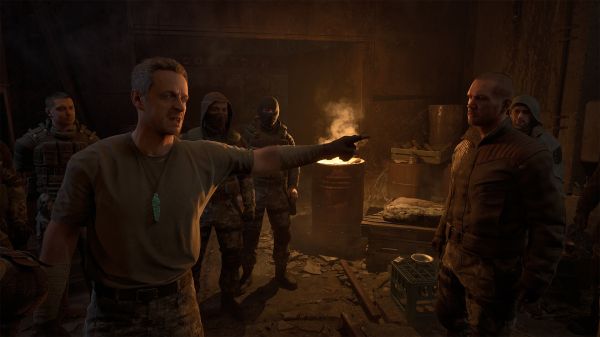
Navigating the Post-Apocalyptic Enigma: A Deep Dive into S.T.A.L.K.E.R. 2: Heart of Chornobyl
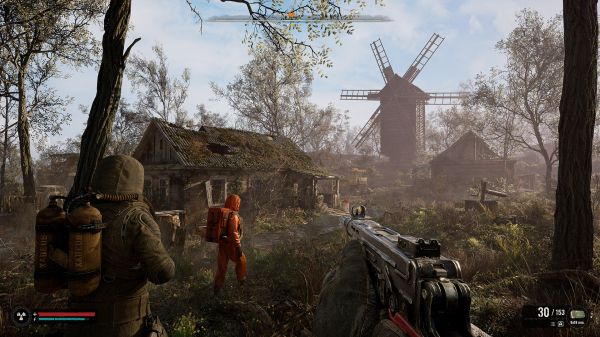
S.T.A.L.K.E.R. 2: Heart of Chornobyl pulled me back into the Zone with a mixture of excitement and unease that few open-world games can create. This is not a landscape designed to make exploration comfortable or constantly reward curiosity with clean victories. Every abandoned building, distant gunshot, radiation warning, and strangely quiet field suggests that something valuable may be nearby, but reaching it could cost ammunition, medical supplies, equipment durability, or the entire expedition. The Zone feels less like a traditional map and more like an unpredictable organism that tolerates my presence only temporarily.
I entered expecting a larger and more modern version of the original S.T.A.L.K.E.R. formula, and that is broadly what the game delivers. The world is more visually detailed, the environments are broader, and the first-person presentation has far more physical weight than before. However, the game still preserves the series’ central discomfort: I am never completely powerful, informed, or safe. Even after collecting better weapons and protective equipment, one careless route through an anomaly field or one badly planned encounter can send me back to an earlier save.
From my perspective as a gamer, Heart of Chornobyl works best when I stop treating it like a conventional heroic shooter. Skif is capable, but the Zone does not exist to celebrate him. It continues producing conflicts, emissions, mutant attacks, faction disputes, and environmental hazards whether I am prepared or not. The most satisfying progress comes from learning how to survive its rules rather than expecting the world to adjust itself around my character.
Entering the Zone Felt Like Accepting a Bad Contract
The opening establishes Skif as someone with a personal reason to enter the Chornobyl Exclusion Zone, but the journey quickly becomes larger than his original objective. A relatively direct mission develops into a chain of betrayals, missing information, competing organizations, and questions about what the Zone is becoming. The game gives Skif enough motivation to move forward without making him a legendary figure from the beginning. I appreciated that he enters as an outsider who must earn access, information, and trust rather than receiving automatic authority.
The early hours made every piece of equipment feel important because my inventory was limited and my understanding of the world was incomplete. I did not know which buildings were worth searching, which characters were reliable, or how much ammunition the next encounter might require. The Zone immediately punished the assumption that resources would always be available nearby. That scarcity gave small discoveries real value, especially when I found medicine, food, ammunition, or an intact weapon after a difficult fight.
Skif Is Defined More by Decisions Than Speeches
Skif has a clear personality, but the game leaves enough space for the player to shape how he responds to the Zone. Dialogue choices allow him to be cooperative, skeptical, aggressive, practical, or unexpectedly sympathetic depending on the situation. These decisions do not always produce an obvious notification explaining how the world has changed. I often continued playing without knowing whether one conversation had quietly closed another route or changed how a faction viewed me.
I liked that uncertainty because it made dialogue feel less like selecting the correct answer from a visible morality chart. Characters have their own motives, and the most pleasant response is not always the safest one. A person offering help may be protecting a larger agenda, while an openly hostile character may be more honest about what they want. Skif’s survival depends on reading people almost as carefully as he reads anomaly fields.
The Zone Is the Game’s Strongest Character
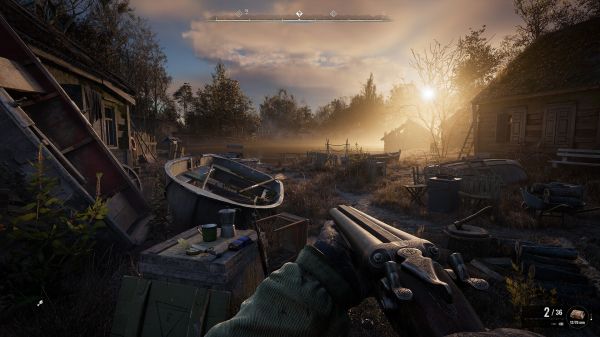
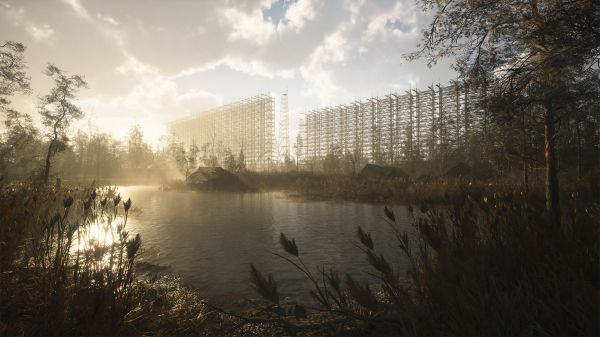
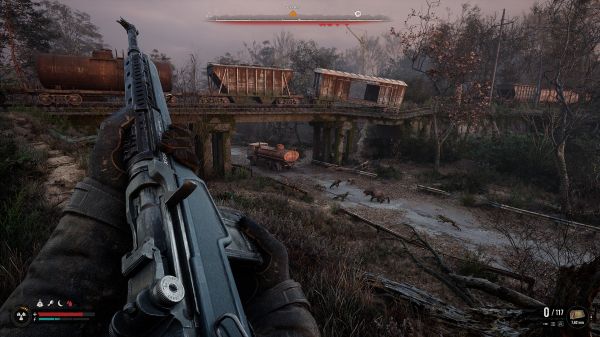
The open world is filled with swamps, industrial facilities, ruined settlements, underground structures, forests, military sites, laboratories, and landscapes altered by supernatural forces. These locations are not separated into neat theme-park regions that always announce the type of activity waiting inside. A quiet farmhouse may contain useful supplies, a group of bandits, a mutant nest, or nothing except environmental storytelling. That uncertainty makes exploration feel dangerous even when the map appears calm.
I rarely moved across the Zone without checking the horizon, nearby cover, and available escape routes. Distant sounds often mattered before anything appeared visually. Gunfire might indicate a faction clash, a mutant attack, or survivors fighting over resources. The world feels active because I am not always the cause of what happens inside it.
Walking Is a Major Part of the Experience
Heart of Chornobyl expects the player to spend significant time traveling on foot. There are long stretches between major locations, and those journeys can feel slow if I focus only on reaching the next quest marker. The game becomes more enjoyable when I treat travel itself as part of the mission. Weather changes, distant structures, random encounters, and hidden supply caches turn a direct route into a sequence of smaller decisions.
The weight system makes these journeys more complicated because carrying too much equipment reduces mobility and stamina efficiency. I constantly had to decide whether another weapon, artifact, or collection of supplies was worth the additional burden. An overloaded inventory may represent profit, but it also makes escaping danger far more difficult. The trip back to a settlement can become more stressful than the expedition that produced the loot.
The Visual Design Makes Ruins Feel Recently Abandoned
The environments contain an impressive amount of physical detail. Peeling walls, rusted machinery, broken furniture, scattered personal objects, damaged vehicles, and overgrown structures create a world where human activity has not disappeared completely. Many locations feel as though their occupants left quickly or adapted the ruins for temporary survival. The result is more convincing than a landscape built entirely from generic destroyed buildings.
I especially enjoyed interiors where small details suggested how people had lived before or after the disaster. A room might contain improvised sleeping arrangements, religious objects, discarded equipment, or signs of an interrupted struggle. These details rarely stop the game for a long explanation. They allow the environment to communicate without turning every discovery into a collectible text file.
Weather Changes the Emotional Meaning of a Location
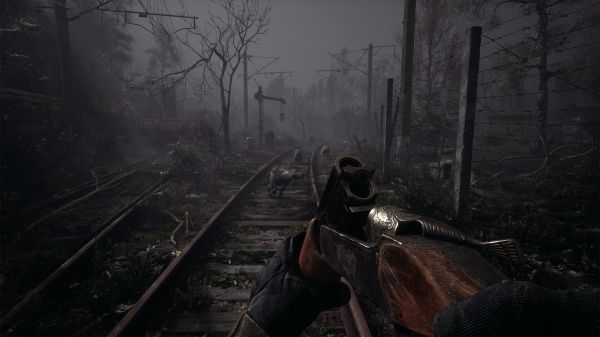
The same road can feel completely different depending on the time of day and current weather. Clear daylight offers visibility but may expose me to distant enemies, while fog creates concealment at the cost of awareness. Rain makes abandoned industrial areas feel heavier and more hostile, while darkness turns familiar routes into uncertain territory. The Zone gains atmosphere through these shifts rather than remaining visually static.
I found nighttime exploration especially tense because artificial light can reveal my position while darkness hides both threats and useful landmarks. The flashlight helps with navigation, but it also narrows attention toward one visible cone. Everything outside that area becomes a possible danger. The game repeatedly creates situations where seeing more also means becoming easier to notice.
Emissions Remind Me That the World Controls the Schedule
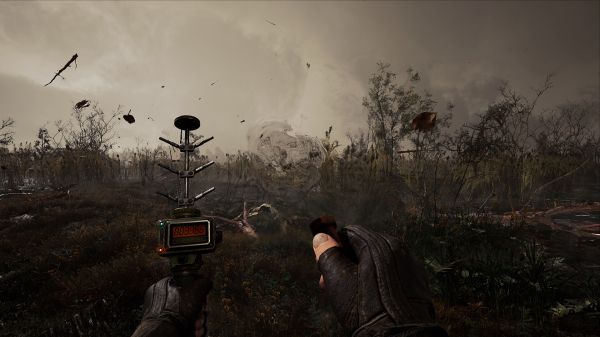
Emissions interrupt exploration with a threat that cannot be defeated through ordinary combat. When the sky changes and the warning arrives, the priority becomes finding suitable shelter before the event reaches full strength. This can force me to abandon a promising route, postpone a fight, or enter a building I would otherwise avoid. The Zone temporarily takes control of the mission and demands immediate respect.
I like emissions because they prevent the player from treating the open world as a completely predictable workspace. A carefully planned expedition can change within seconds. Nearby characters may also react, making the event feel like a shared environmental crisis rather than a scripted challenge created only for Skif. Surviving an emission produces relief even when no traditional reward appears.
Anomalies Turn Navigation Into Puzzle Solving
Anomalies are among the most recognizable features of the series, and they remain central here. Some distort gravity, release fire, generate electricity, or create other dangerous effects that can rapidly damage an unprepared stalker. The player can use bolts and observation to test a path, but successful navigation still requires patience. Running directly toward a visible objective is often the worst possible approach.
I enjoyed anomaly fields most when the route was readable but not immediately obvious. A safe path might require moving between dangerous zones, using elevation, or waiting for a cycle to change. These sections become environmental puzzles without pausing the first-person survival experience. The threat feels physical because one incorrect step can damage equipment and health instantly.
Artifacts Make Danger Financially Attractive
Artifacts give stalkers a reason to approach places that sensible people would avoid. They can provide valuable effects, generate income, or improve a particular build, but retrieving them usually means entering an anomaly field. This creates a strong risk-and-reward loop because the player understands that the valuable object exists precisely where survival is least comfortable. I often promised myself that one more artifact would justify the expedition before nearly losing everything while trying to reach it.
Artifact management also adds equipment decisions beyond ordinary weapon statistics. Useful effects may come with radiation or other disadvantages that need to be balanced through protection and additional artifacts. A powerful combination can improve endurance or survivability, but it may require specific armor or careful resource use. The system encourages experimentation without transforming Skif into a supernatural action hero.
The Detector Makes Exploration Feel Physical
Searching for artifacts requires active attention rather than simply following a bright icon. The detector responds as I move closer, encouraging slower movement and careful interpretation of the surrounding danger. I liked holding a weapon and detector while trying to understand whether the signal justified another step. The process creates tension because both hands feel occupied by survival tasks.
The detector also changes how I read empty spaces. A field that appears visually unremarkable may contain invisible value or danger. Sound and rhythm become part of navigation, forcing me to listen rather than rely entirely on the screen. This makes artifact hunting feel like a genuine activity instead of automatic collection.
Weapons Feel Powerful but Unreliable
Firearms have substantial weight, recoil, sound, and animation. Shooting does not feel like releasing harmless effects into enemies with large health bars. A well-placed shot can end a fight quickly, but poor accuracy, armor, distance, and weapon condition can change the result. I appreciated that even familiar rifles demanded attention to handling rather than functioning like identical damage tools.
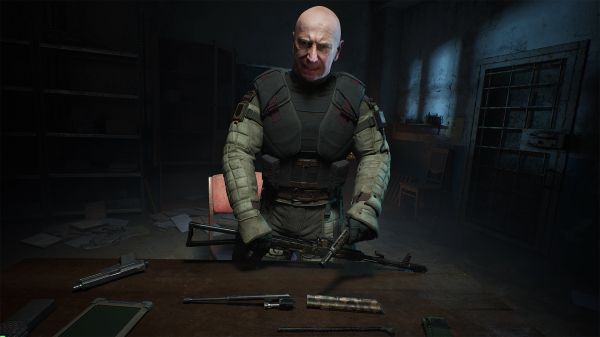
At the same time, weapon reliability creates constant maintenance pressure. Equipment condition declines, and a damaged gun may behave badly during the exact encounter where I need consistency. Repairing valuable weapons can become expensive, forcing difficult decisions about whether to maintain, replace, or sell them. I developed stronger attachments to dependable equipment because every functioning rifle represented money and preparation.
Gunfights Are Most Effective When They Remain Short
Combat becomes tense because both Skif and many enemies can be removed quickly. Cover, positioning, and the first accurate shots matter greatly. Entering an exposed area without understanding enemy locations often leads to immediate punishment. The game feels strongest when a firefight develops from observation and movement rather than prolonged exchanges with durable targets.
I learned to avoid standing in one location for too long because enemies can reposition, throw explosives, or pressure from another angle. Retreating to better cover is often smarter than defending an uncomfortable position. The Zone provides many irregular spaces where broken walls, vehicles, trees, and elevation shape the encounter. A successful fight often feels like using the environment better rather than simply dealing more damage.
Human Enemies Are Dangerous Because They Use Familiar Tactics
Bandits, soldiers, mercenaries, and faction fighters use firearms, cover, and coordinated pressure. Their behavior can be inconsistent at times, but strong encounters still create the feeling of fighting people who understand the same basic survival rules. They can flank, reposition, and punish exposed movement. This makes human combat different from mutant encounters, where behavior is more physically direct.
I appreciated moments when enemies communicated or reacted to losses because it made the fight feel less mechanical. Hearing movement behind a wall or a voice from another room creates uncertainty about numbers and position. Clearing a building becomes a careful process rather than a simple run toward visible markers. The tension remains high even when only a few opponents are present.
Mutants Change the Rules of Engagement
Mutants cannot be approached like armed humans because they rely on speed, numbers, physical strength, or unusual abilities. Some rush directly, while others hide, confuse, or attack from angles that are difficult to predict. Their presence can turn an ordinary exploration sequence into sudden panic. The player may hear a warning sound before understanding what type of creature is nearby.
I found mutant encounters most effective when they were rare enough to remain surprising. A creature appearing inside a dark underground space can create more fear than a large number of enemies placed openly in a field. Ammunition efficiency also matters because using expensive rounds on every mutant can destroy the economics of an expedition. Sometimes survival means escaping rather than winning.
Bloodsuckers Create Fear Through Uncertainty
Bloodsuckers are memorable because their ability to remain difficult to see transforms combat into a reaction test. I often knew one was nearby before I knew exactly where it would attack. Sound, distortion, and movement became more important than clear visual targeting. The creature forces the player to maintain awareness while resisting the urge to waste ammunition in every direction.
These encounters can be frustrating when visibility and movement become too difficult to read, but they preserve the series’ horror identity. A bloodsucker is not frightening only because it can deal damage. It is frightening because it removes confidence from the player’s normal shooting skills. The fight becomes a contest against uncertainty rather than a simple target.
Underground Areas Deliver the Strongest Horror
Laboratories, tunnels, bunkers, and basements reduce visibility and limit escape options. The open world may be dangerous, but it usually allows movement in several directions. Underground spaces force me to continue through narrow corridors where every sound appears closer. The contrast makes these sections feel like concentrated horror campaigns inside the larger game.
I liked how environmental storytelling becomes more intense underground. Scientific equipment, sealed rooms, damaged containment areas, and evidence of experiments suggest that the Zone’s dangers were not all natural accidents. The player rarely receives every answer immediately, which allows imagination to fill the gaps. Darkness becomes more effective when the location already implies that something should have remained hidden.
Inventory Management Is a Constant Strategic Layer
Skif can carry weapons, ammunition, food, medicine, armor, artifacts, and valuable items, but the available weight is limited. I spent significant time comparing items and deciding what deserved space. A second rifle may provide tactical flexibility, but its weight could reduce stamina during travel. Additional ammunition feels essential until the return journey becomes painfully slow.
This system occasionally interrupts the pace, but it also supports the survival identity. Every expedition requires preparation, and every discovery creates another decision. I cannot collect everything simply because it exists. The Zone forces me to establish priorities based on distance, equipment condition, and likely threats.
Ammunition Is More Than a Counter Beside the Weapon
Different weapons and ammunition types make preparation important. Carrying too many incompatible rounds wastes weight, while bringing too little for the selected gun can make a good weapon useless. Armor penetration and enemy type also influence which ammunition is most valuable. I gradually created preferred loadouts instead of carrying every firearm I found.
The economy makes missed shots feel expensive, especially during the early hours. Firing without confidence may solve the immediate problem while creating another one later. This encouraged me to use stealth, distance, or avoidance when possible. The strongest weapon is not always the one with the greatest damage if maintaining it consumes too many resources.
Food and Medicine Keep Survival Grounded
Healing items, bandages, food, drinks, and anti-radiation supplies create a practical survival routine. The systems are not as complex as a dedicated simulation, but they influence preparation and recovery. After a difficult encounter, the inventory may disappear quickly as I treat bleeding, restore health, and manage radiation. Surviving the fight does not mean leaving it without cost.
I liked that these supplies remain physically connected to animations and first-person actions. Using an item takes time and can leave Skif vulnerable. Healing in the open during combat is rarely safe, so retreat and cover become part of medical management. The game makes recovery feel like an action rather than an instant menu correction.
Settlements Feel Like Temporary Safe Zones
Reaching a populated settlement after a long expedition creates genuine relief. Traders, technicians, beds, storage, and conversations provide a chance to reorganize before returning to danger. These locations feel active because stalkers discuss events, gather near fires, and move according to their own routines. The safety is never complete, but it is enough to reduce tension temporarily.
I enjoyed the contrast between crowded bases and the loneliness of the open world. Selling artifacts, repairing equipment, and listening to local conversations creates a rhythm between risk and recovery. The settlements also reveal how different groups interpret the Zone. For some people it is a scientific mystery, while others see profit, freedom, duty, or spiritual meaning.
Technicians Turn Repairs Into Economic Decisions
Equipment maintenance can consume a significant amount of money, especially after extended combat or environmental exposure. I frequently returned with valuable loot only to discover that repairs would absorb much of the profit. This creates a believable survival economy where successful exploration does not automatically produce wealth. Every damaged weapon represents a future expense.
Upgrades add another layer because improving a weapon or suit may increase long-term usefulness while delaying other purchases. I preferred investing in a small number of reliable items rather than upgrading everything. The system rewards commitment, but it can also punish experimentation when trying new equipment becomes too expensive. Choosing a loadout therefore feels like a financial relationship as much as a tactical one.
Traders Make Loot Valuable Through Context
An object’s value depends on condition, rarity, current needs, and the trader receiving it. I rarely collected weapons only because they looked powerful. Weight, repair cost, ammunition availability, and resale value all mattered. A damaged rifle may not justify carrying it across several kilometers even if it appears attractive during the fight.
This made looting more thoughtful than opening every container automatically. I learned to prioritize compact valuable items, useful ammunition, medicine, and artifacts. Large equipment required stronger justification. The inventory became a record of what I believed the return journey could support.
Side Quests Often Reveal the Zone Better Than the Main Story
Optional missions introduce stalkers, local conflicts, strange locations, and moral decisions that expand the world beyond Skif’s personal objective. Some begin with ordinary requests and develop into situations where every participant is hiding part of the truth. I enjoyed side quests that allowed investigation before choosing a response. They made the Zone feel populated by people pursuing their own survival strategies.
The strongest side stories avoid simple divisions between innocent clients and obvious enemies. A person requesting help may have manipulated the situation, while the target may possess a convincing explanation. Rewards can influence the decision, but information and future relationships may matter more. These quests made me hesitate before accepting anyone’s first version of events.
Quest Choices Do Not Always Announce Their Importance
Heart of Chornobyl allows decisions to affect later events, faction relationships, and available routes. The game does not always pause to display a large warning that a major branch is being selected. This creates tension because ordinary dialogue can carry more weight than expected. I sometimes reconsidered a response only after realizing how another character interpreted it.
I appreciated the lack of a visible morality meter because the Zone is not interested in clean ethical categories. Helping one group may weaken another, and a decision that appears compassionate can create dangerous consequences. The player must choose based on limited information and personal priorities. The resulting story feels more like a chain of commitments than a collection of isolated choices.
Factions Give the Zone Competing Philosophies
Different organizations view the Zone through military, scientific, ideological, economic, and personal perspectives. Some want to control it, others study it, and others believe freedom within the Zone matters more than external authority. These philosophies influence how characters justify violence and cooperation. The conflict is not only about territory but also about what the Zone should become.
I enjoyed situations where no faction appeared completely trustworthy. Each group could provide useful support while demanding compromises. A disciplined organization may offer stability but reduce individual freedom, while a looser group may protect independence without controlling internal chaos. Skif’s alliances therefore become statements about which risks he is willing to accept.
Old Names and New Faces Connect the Sequel to the Series
The game contains references, locations, and characters that reward familiarity with earlier S.T.A.L.K.E.R. titles. These connections create a sense that the Zone has continued developing rather than restarting for a new audience. At the same time, Skif’s outsider perspective gives new players a way into the setting. The story does not require complete historical knowledge to understand the immediate conflict.
As someone familiar with the series, I enjoyed recognizing names and ideas without wanting the game to depend entirely on nostalgia. The strongest returning elements are those that influence the current world rather than appearing only as references. The Zone should remember its history, but it also needs new mysteries. Heart of Chornobyl usually balances those expectations effectively.
Dialogue Gives the World Regional Identity
The voice performances and language choices contribute strongly to the setting. Conversations feel connected to a specific place rather than a generic post-apocalyptic world assembled from familiar genre elements. Character delivery ranges from tired and practical to ideological, threatening, humorous, or openly suspicious. This variety helps minor figures feel like residents rather than quest machines.
I appreciated listening to background conversations because they often revealed how ordinary stalkers interpreted larger events. Not everyone speaks in dramatic terms about the future of the Zone. Some people care about money, food, equipment, missing friends, or the next safe route. These smaller concerns give the larger conflict human scale.
The Main Story Becomes Increasingly Political
Skif’s personal investigation gradually connects with groups competing over information and power. The deeper he moves into the Zone, the harder it becomes to separate personal motives from institutional agendas. Characters may help him because their goals temporarily align rather than because they trust him. This creates a narrative where alliances remain useful but unstable.
I liked how the story avoids making Skif the center of every organization immediately. He must navigate structures that existed before his arrival and will continue beyond individual conversations. However, the number of names, groups, and shifting motives can become difficult to track during longer breaks between sessions. Paying attention to dialogue is essential if I want later decisions to feel informed.
The Open World Sometimes Competes With Narrative Urgency
The main plot often suggests that important events require immediate action, while the open world invites long detours through ruins, anomaly fields, and side quests. This creates a familiar tension in large games. Skif may be chasing information that appears urgent, yet I can spend hours collecting artifacts and repairing equipment before continuing. The world design encourages exploration even when the story implies that delay should matter.
I accepted this contradiction because the exploration is one of the game’s greatest strengths. Still, stronger narrative integration could make detours feel more natural. Side activities occasionally seem disconnected from the urgency of the current objective. The player must create a personal reason for postponing the main mission.
Stealth Exists but Does Not Always Feel Reliable
Darkness, distance, cover, and suppressed weapons create opportunities to avoid direct combat. I enjoyed approaching camps slowly and identifying patrol routes before acting. Removing one enemy quietly can significantly improve the encounter. The system works best when visibility and enemy awareness are easy to understand.
At other times, detection can feel inconsistent. Enemies may notice Skif from surprising distances or fail to react to nearby events that seem obvious. This makes stealth less dependable than careful gunplay. I still used it to shape encounters, but I rarely trusted a complete stealth plan without a backup route.
Enemy Behavior Can Shift Between Impressive and Awkward
Some fights create convincing pressure through flanking, grenades, movement, and coordinated fire. In these moments, enemies force me to change cover and reconsider the approach. Other encounters reveal pathfinding or awareness issues that weaken the illusion. A character may behave intelligently one moment and become confused by terrain during the next.
This inconsistency can be noticeable because the rest of the world aims for such strong immersion. When artificial behavior appears, it stands out against the detailed environment and grounded combat. However, the unpredictable nature of encounters sometimes hides these weaknesses inside general chaos. The system remains capable of producing memorable unscripted battles even when individual reactions are uneven.
Technical Roughness Can Interrupt the Atmosphere
Heart of Chornobyl is ambitious, and that ambition occasionally becomes visible through bugs, performance fluctuations, animation issues, or interactions that do not behave as expected. In a game built heavily around immersion, even a small technical problem can disrupt tension. A character behaving strangely during an important conversation or an object failing to respond may remind me that the Zone is a simulation. These moments are especially noticeable after long sections of convincing atmosphere.
Despite that roughness, I found myself returning because the underlying world remained compelling. Technical issues could damage individual scenes without removing the desire to explore another location. The experience is strongest when systems cooperate naturally and weakest when one malfunction becomes impossible to ignore. Patience may be necessary, particularly for players expecting complete polish.
Performance Settings Matter More Than Visual Excess
The game’s detailed environments, lighting, weather, and large world place significant demands on hardware. Smooth aiming and consistent movement are more valuable to me than maximizing every visual setting. Gunfights and anomaly navigation become frustrating when performance changes unexpectedly. I preferred adjusting settings until the experience felt stable rather than chasing the most impressive screenshot.
The visual design remains strong even when some options are reduced because atmosphere depends on composition, sound, weather, and environmental detail as much as raw resolution. The Zone does not need every surface at maximum quality to feel threatening. Consistency helps maintain immersion more effectively than occasional visual brilliance interrupted by unstable performance. This is especially important during longer expeditions where technical distraction accumulates.
The User Interface Tries to Remain Practical
Inventory screens, weapon management, health information, and quest markers provide the tools necessary for a complex survival experience. The interface is more modern than in earlier titles, but it still avoids turning the screen into a constant collection of bright instructions. I appreciated having enough information without losing the sense that Skif must observe the physical world. The compass and markers guide without completely replacing navigation.
Inventory management can still become time-consuming, particularly when comparing weapon condition, ammunition, attachments, and weight. This friction partly supports the survival design, but repeated sorting after every expedition may feel slow. I wanted clearer comparison tools in some situations. The interface works, though it occasionally makes practical decisions more laborious than necessary.
The PDA Keeps Information Connected to the World
Maps, tasks, messages, and recorded information are presented through equipment that belongs naturally within the setting. This helps navigation feel like something Skif performs rather than an abstract pause outside the world. Checking the map remains necessary because routes, settlements, and objective locations can be widely separated. I often planned travel according to shelter, traders, and known danger zones rather than drawing a straight line.
The map becomes more meaningful as personal knowledge expands. Locations that initially appeared as unknown structures gain emotional history after quests or dangerous encounters. A marker may remind me of a successful artifact hunt, an ambush, or equipment I had to abandon. The Zone becomes easier to navigate without becoming emotionally safer.
Sound Is One of the Best Survival Tools
Heart of Chornobyl uses environmental audio to communicate danger before visual confirmation. Distant gunfire, mutant calls, anomaly sounds, footsteps, weather, and structural noises all influence movement decisions. I often stopped walking simply because something sounded wrong nearby. The game rewards headphones and careful listening.
Audio also gives empty spaces emotional weight. Wind moving through a ruined building or metal shifting somewhere in the dark can create tension without producing an enemy. These sounds make the environment feel unstable and occupied by forces I may never see. The Zone rarely becomes completely silent, and that constant presence supports immersion.
Music Appears Without Overpowering Isolation
The soundtrack supports exploration, danger, and narrative moments while allowing environmental sound to remain central. I appreciated that the game does not fill every journey with continuous dramatic music. Long quiet stretches make sudden musical changes more noticeable. The score can suggest that a location or event matters without explaining exactly why.
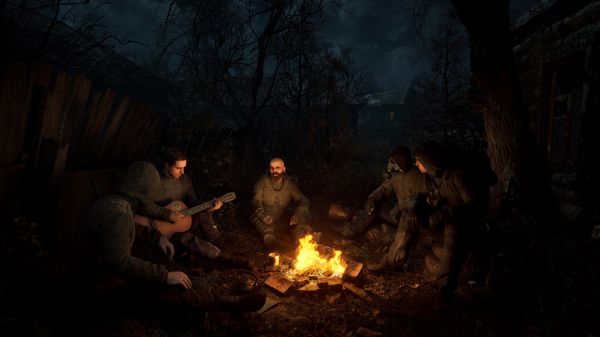
Music around settlements and personal spaces also provides emotional contrast. A song near a fire can make a temporary camp feel almost peaceful, even when danger exists beyond the light. These moments help explain why stalkers remain in the Zone despite the risk. Community and freedom may exist there in forms unavailable outside.
Campfires Restore the Human Scale
Stalkers gathering near fires create some of the game’s most memorable quiet scenes. People rest, talk, play music, and temporarily behave like the Zone is a place where ordinary life can continue. These moments do not remove danger, but they show how humans adapt to it. I often stayed longer than necessary because the atmosphere provided relief after a difficult expedition.
The campfire also symbolizes the temporary nature of safety. Its light reaches only a limited distance, and the darkness beyond remains uncontrolled. A small group can create warmth without changing the Zone itself. That contrast captures much of the series’ emotional identity.
The Economy Makes Survival Feel Like Employment
Exploration, artifact hunting, contracts, looting, repairs, and supply purchases create a continuous financial cycle. I often returned from a dangerous mission with valuable items only to spend most of the earnings restoring equipment. The Zone offers profit, but it extracts payment through damage and resource use. Becoming wealthy requires more than surviving one successful expedition.
I liked this pressure because it prevents money from becoming meaningless too quickly. Ammunition, repairs, and upgrades remain connected to tactical decisions. However, repair costs can occasionally feel severe enough to discourage using certain equipment. The system is strongest when it encourages planning and weakest when it makes experimentation feel financially irresponsible.
Saving Frequently Becomes Part of Survival
The Zone can produce sudden danger through combat, anomalies, emissions, or unexpected technical problems. Saving regularly protects progress, but it also changes how I approach risk. A recent save may encourage experimentation, while a long gap creates extreme caution. This tension is familiar to long-time players of the series.
I tried to avoid turning every dangerous step into constant save manipulation because that weakened the atmosphere. At the same time, losing a long expedition to one unpredictable event can be exhausting. The ideal balance depends on personal tolerance for repetition. Heart of Chornobyl allows flexibility, but the player must decide how much uncertainty to preserve.
The Difficulty Is Strongest When It Feels Systemic
I enjoyed difficult situations that emerged from interacting systems rather than artificially durable enemies. A firefight during bad weather, limited ammunition, damaged armor, and nearby anomalies can create natural pressure. The challenge feels connected to preparation and awareness. Success in these situations produces a genuine sense of survival.
Difficulty becomes less satisfying when enemies absorb too much damage or spawn in ways that feel disconnected from the environment. The series is most convincing when danger appears to belong to the Zone. Artificial pressure can reduce the grounded tension into ordinary shooter frustration. The best encounters remain those where every system supports the same reality.
The Zone Encourages Curiosity and Punishes It Equally
Almost every unusual structure or distant light creates the desire to investigate. The game knows that players will enter dangerous places simply because they might contain something interesting. Sometimes curiosity produces artifacts, weapons, stories, or valuable information. Other times it produces radiation, mutants, and a repair bill.
This balance makes exploration meaningful because rewards are not guaranteed. An empty room may still provide atmosphere, while a rich cache may require a dangerous escape. I rarely felt completely cheated by a location that lacked major loot because the journey itself could reveal something about the world. The Zone turns curiosity into both progression and vulnerability.
Backtracking Can Feel Different After the World Changes
Returning through familiar territory does not always produce the same experience. Weather, time, enemies, random encounters, and quest developments can alter a previously safe route. This prevents the open world from becoming completely solved. A location I crossed confidently earlier may become dangerous after sunset or during faction activity.
I appreciated this unpredictability because large maps often lose tension once the player memorizes them. Heart of Chornobyl preserves uncertainty through changing conditions. Familiarity helps, but it does not create complete control. The Zone allows experience without granting ownership.
The Game Is Not Constantly Generous With Rewards
Modern open-world games often fill every route with icons, collectibles, and visible completion percentages. Heart of Chornobyl is more restrained in how it rewards exploration. A difficult journey may produce only modest supplies or environmental information. This can feel disappointing if I expect every activity to increase a progression meter.
For me, the limited generosity supports the setting. The Zone is not a theme park built around player satisfaction. Valuable discoveries feel stronger because they are not guaranteed. The game asks whether exploration itself is meaningful enough to justify the risk.
The Story Benefits From Moral Uncertainty
Major characters often provide arguments that make sense from their own perspective. Scientific progress, security, independence, control, and survival can all justify different actions. The player is rarely choosing between a clearly heroic faction and a completely irrational enemy. Every route involves consequences that may not become visible immediately.
I liked that the game allowed me to disagree with someone while understanding why others followed them. The Zone attracts people who believe ordinary rules no longer apply, and each group builds a philosophy around that freedom. Skif’s decisions become meaningful because no solution can satisfy everyone. The story asks which danger appears acceptable rather than which future is perfect.
The Ending Depends on More Than One Final Button
The path toward the conclusion is shaped by earlier alliances, conversations, and decisions. This makes the final stages feel connected to the version of Skif developed throughout the campaign. I appreciated that the game does not reduce every consequence to one obvious selection immediately before the credits. Earlier commitments continue influencing what remains possible.
The branching structure also increases replay value because another route may reveal different motivations and information. However, the campaign is substantial enough that replaying requires a serious time investment. I wanted to understand alternative outcomes, but returning meant accepting the long survival journey again. The game earns curiosity about its branches even when completing all of them may not be practical for every player.
The Length Can Strengthen and Weaken Immersion
A long campaign gives the Zone time to become familiar and emotionally significant. Settlements develop meaning, equipment choices become personal, and repeated travel creates geographic memory. I began recognizing routes without checking the map constantly. This long-term relationship with the world is one of the game’s strongest achievements.
The same length can create pacing problems when story momentum slows or travel becomes repetitive. Extended sessions of inventory management, repairs, and movement may separate major narrative events. Players who want constant action may find the rhythm demanding. Heart of Chornobyl expects patience and works better when approached as a long expedition rather than a sequence of immediate rewards.
It Preserves the Series Without Remaining Frozen in the Past
The sequel modernizes visual quality, world scale, animation, and presentation while retaining the atmosphere that made the original games distinctive. It still values uncertainty, scarcity, faction conflict, environmental storytelling, and moments when the player feels insignificant. The experience is more accessible in some areas but refuses to become a standard power fantasy. That balance is difficult, and the game often achieves it.
Some older players may miss particular systems or the rougher unpredictability of earlier entries. New players may find the deliberate travel, equipment maintenance, and limited guidance unusual. Heart of Chornobyl does not completely satisfy either group through imitation. It builds a new version of the Zone while preserving enough discomfort to remain recognizable.
What I Would Improve Inside the Zone
I would begin with technical consistency because atmosphere depends heavily on the world behaving convincingly. Better performance stability, more reliable quest interactions, and fewer animation or pathfinding problems would strengthen almost every part of the experience. The underlying environments and sound design are already capable of exceptional immersion. Technical interruptions are frustrating precisely because the game can feel so convincing immediately before they appear.
I would also refine stealth feedback and enemy awareness. A clearer understanding of when and why Skif has been detected would make careful infiltration more dependable. The economy could allow slightly more experimentation with equipment without removing the importance of repairs. Finally, certain long travel sections would benefit from additional dynamic encounters or stronger narrative context.
My Most Memorable Moments Were Rarely Scripted Spectacles
The game contains major story scenes and visually dramatic events, but my favorite memories often emerged from ordinary exploration. One expedition involved escaping a mutant with almost no ammunition, crossing an anomaly field during worsening weather, and reaching a settlement while overloaded with equipment. None of those events alone was extraordinary. Together, they created a personal survival story that felt impossible to reproduce exactly.
This is where Heart of Chornobyl separates itself from more controlled shooters. The systems create situations that belong partly to the player. A planned mission can become a rescue, retreat, or desperate search for shelter. The game’s strongest narrative tool is the Zone itself.
Why I Continued Going Deeper
S.T.A.L.K.E.R. 2: Heart of Chornobyl kept pulling me forward because every completed journey suggested that the next location might reveal something stranger, more valuable, or more dangerous. The world does not constantly praise exploration, but it creates enough mystery to make caution difficult. I wanted to understand abandoned facilities, faction motives, artifact fields, and the larger transformation occurring within the Zone. Curiosity repeatedly overruled common sense.
From my perspective as a gamer, the game succeeds when all of its systems reinforce the same emotional state. Limited resources make combat expensive, equipment damage makes victory temporary, anomalies make navigation uncertain, and faction politics make information unreliable. The player is never managing only health or ammunition. I am managing confidence, risk, distance, and the possibility that the current plan is based on incomplete knowledge.
The game’s technical roughness, inconsistent enemy behavior, demanding performance, and occasional pacing problems can interrupt the experience. These are not minor concerns in a title built so heavily around immersion. Yet the strength of the Zone often survives those interruptions. I still wanted to repair my equipment, organize another loadout, and leave the settlement before the weather changed.
Heart of Chornobyl is most rewarding when played patiently. Running directly between objectives misses much of what gives the world character, while collecting everything creates unbearable weight and repair costs. The ideal rhythm involves preparation, cautious exploration, selective greed, and knowing when to retreat. The Zone rewards bravery occasionally, but it rewards attention far more consistently.
I never felt that Skif conquered the Zone, even after gaining better weapons and learning its routes. He becomes more experienced, connected, and capable, but the world remains larger than his equipment. An emission can still force him into shelter, an anomaly can still punish one careless step, and a familiar road can still produce an unexpected threat. Progress reduces ignorance without eliminating vulnerability.
That is why the game stayed memorable for me. Many open worlds eventually become lists of completed tasks and controlled territory. The Zone resists that transformation. I can learn it, profit from it, and influence parts of its future, but I can never make it completely safe.
S.T.A.L.K.E.R. 2: Heart of Chornobyl is not a smooth journey through a welcoming world. It is a long, atmospheric expedition through a place where beauty and danger frequently occupy the same field. Every return to safety feels earned because the game makes departure uncertain. I entered the Zone looking for answers, but the strongest reason to stay was the feeling that it would never reveal everything.
Pros:
- Deep narrative that evolves with player decisions
- Robust gameplay mechanics emphasizing survival and exploration
- Customizable experience through mods and cheats
- Rich audio design that heightens tension and immersion
- Expansive world-building with detailed environments and engaging faction interactions
- Immersive atmosphere with dynamic weather and realistic lighting effects
Cons:
- High system requirements that necessitate powerful hardware
- Occasional technical bugs and glitches that can disrupt gameplay
- Steep learning curve that can overwhelm new players

How much storage do you need?
 S.T.A.L.K.E.R. 2: Heart of Chornobyl








Recent Reviews

Minecraft

Grand Theft Auto V

Toca Boca World

Roblox

Leave a comment
Your comment is awaiting moderation. We save your draft here
0 Comments