
Review
Car Dealership Simulator 2 starts with a fantasy that sounds simple until I begin paying attention to the numbers. I search for an affo...















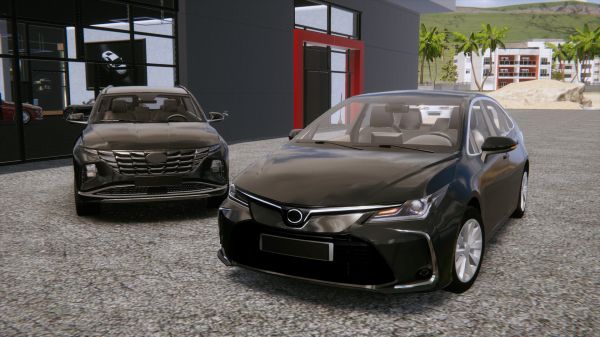
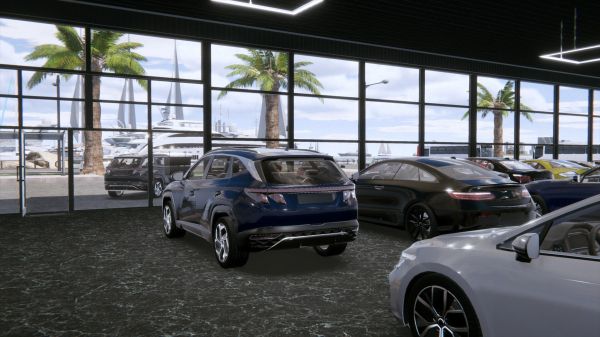
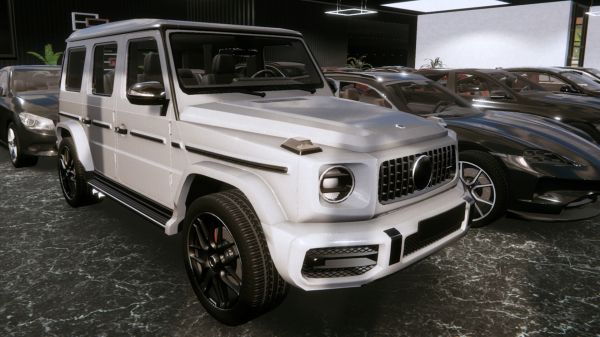
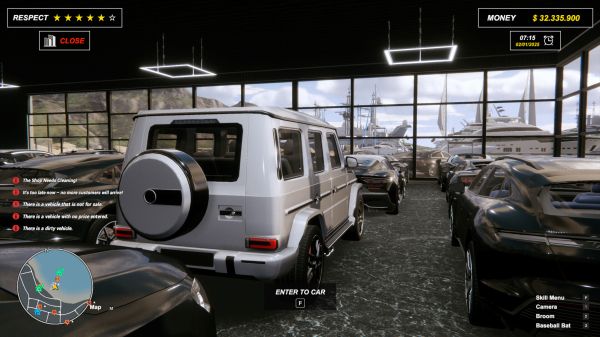











Accelerating Business Brilliance: Mastering Car Dealership Simulator 2
Car Dealership Simulator 2 starts with a fantasy that sounds simple until I begin paying attention to the numbers. I search for an affordable vehicle, inspect it for visible problems, estimate how much work it needs, and decide whether the possible resale price justifies the risk. Every purchase feels like a small gamble because a cheap car can become a profitable project or an expensive object occupying valuable space. The game finds its strongest rhythm in that uncertainty between spotting an opportunity and discovering how much effort the opportunity actually requires.
This is not a detailed mechanical simulation built for players who want to disassemble an entire engine bolt by bolt. It is a first-person business game where cars function as products, investments, restoration projects, and visible signs of progress. I spend as much time thinking about purchase prices, presentation, and available dealership space as I do driving or repairing vehicles. That balance makes the experience approachable, although players expecting highly realistic automotive engineering may find some systems intentionally simplified.
The Search for a Good Deal Is the Most Important Part
Buying the correct car matters more than performing every later task perfectly. A vehicle purchased at an inflated price leaves little room for repairs, customization, and negotiation, while a neglected car bought cheaply may provide an excellent return after several improvements. I learned to slow down and inspect each opportunity rather than treating every available vehicle as guaranteed profit. The excitement comes from identifying the difference between visible neglect and a genuinely poor investment.
The open-world structure supports this process because useful deals are found through movement rather than selected from one static menu. Driving around the city, visiting markets, and discovering new sellers gives the business a physical scale. A promising car may appear far from the dealership, forcing me to consider transport, fuel, available cash, and whether another vehicle is already waiting for attention. The city is not especially dense with meaningful activity, but it gives each acquisition enough context to feel like a trip rather than a spreadsheet entry.
Repetition becomes noticeable after several hours because the basic search process follows a familiar pattern. I travel to a location, study a car, compare the asking price with its condition, and decide whether to proceed. The loop remains satisfying when the vehicles and financial risks vary enough to create different decisions. It becomes less interesting when I already know that nearly every cheap purchase can be converted into profit through the same sequence of improvements.
Inspection Turns Enthusiasm Into Calculation
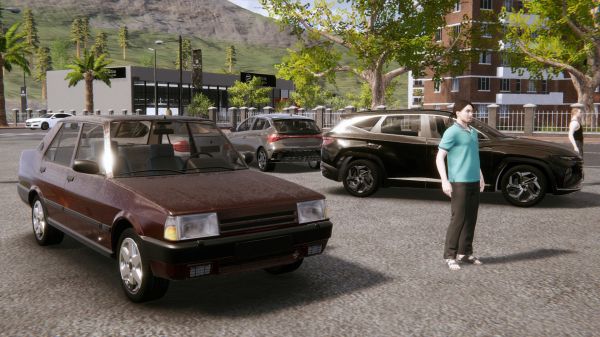
The inspection process is where I stop looking at a car as something attractive and begin treating it as a collection of costs. Exterior damage, dirt, mechanical condition, and missing improvements all affect the amount of work required before the vehicle can be advertised confidently. A model I personally like may still be a poor business choice if too much money must be spent before the resale value increases. The game encourages emotional distance even while giving each vehicle enough visual personality to make that distance difficult.
I appreciate that inspection is understandable without requiring professional automotive knowledge. The relevant problems are communicated clearly enough that I can make a decision without consulting an external guide for every component. This accessibility keeps the business loop moving, but it also limits the possibility of surprising technical discoveries. Once I understand the available condition categories, evaluations can become routine rather than investigative.
A deeper history system could make purchases more interesting in the future. Previous owners, uncertain service records, hidden faults, accident history, and regional demand could create more varied risk. At present, the inspection mechanics work well as a foundation because they give purchasing more substance than simply comparing two prices. The challenge is expanding that foundation without turning every transaction into tedious diagnostic work.
Negotiation Gives Every Purchase a Personal Moment
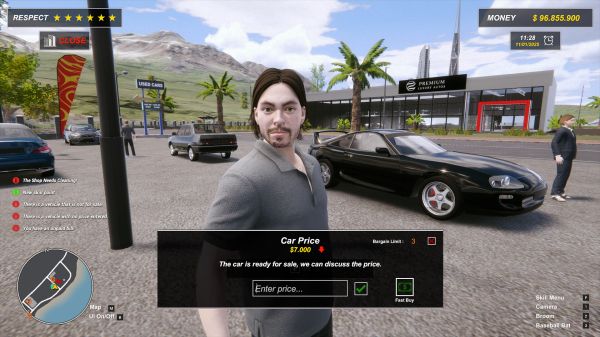
A listed price is only the beginning of a transaction, and negotiation adds some personality to the buying process. Offering too little risks ending the discussion, while accepting too quickly may remove much of the eventual profit. I enjoy the tension of deciding how aggressively to bargain when a vehicle appears unusually valuable. The system makes money feel earned through judgment rather than produced automatically by completing a task.
The negotiation mechanics are not complex enough to simulate a detailed conversation with an experienced seller. Most exchanges revolve around learning the acceptable range and deciding how close to the limit I am willing to push. This is entertaining during early purchases, but repeated interactions can begin feeling mechanical once the patterns become familiar. Greater variation in seller personality and motivation would make bargaining more unpredictable.
A seller who urgently needs money should behave differently from someone offering a rare car with several interested buyers. Vehicle knowledge, reputation, previous transactions, and time spent on the market could also affect the conversation. These additions would reinforce the idea that I am participating in a living automotive market rather than repeating one isolated minigame. The existing system succeeds mainly because it gives every major purchase a moment of commitment.
Driving the Cars Makes the Inventory Feel Physical
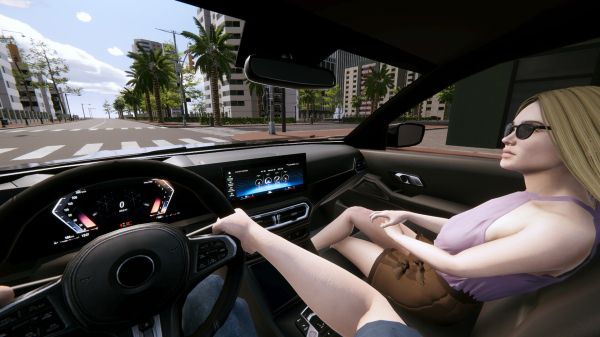
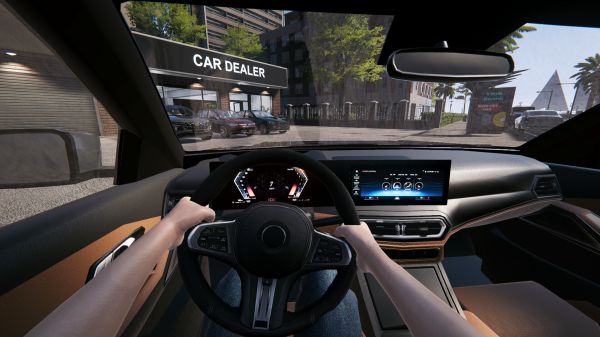
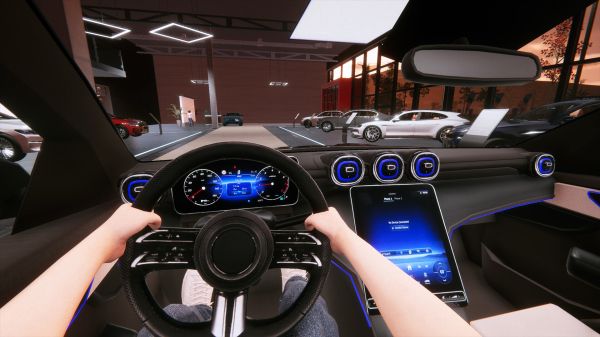
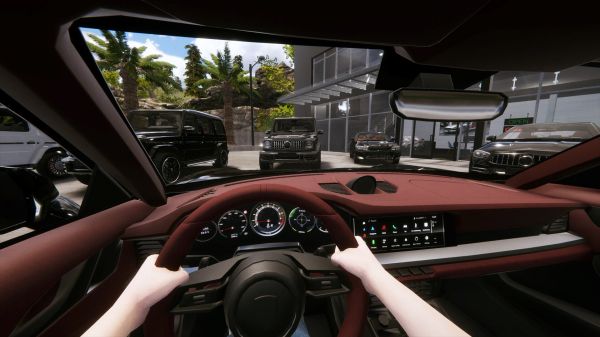
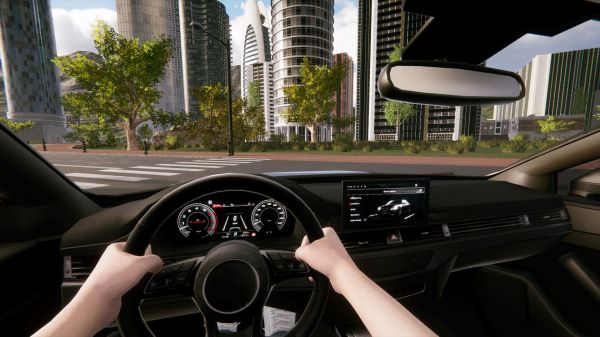
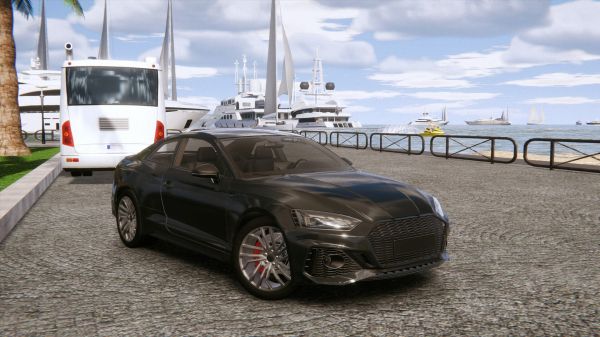
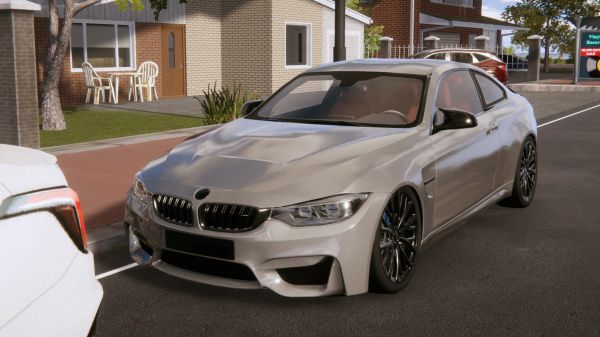
One advantage of the first-person format is that purchased cars do not exist only as icons inside a management screen. I can enter them, drive through the city, park them at the dealership, and notice how different vehicles occupy the available space. Bringing a newly purchased car home creates a small sense of ownership before any repair work begins. Even an unattractive vehicle feels more personal after I have physically transported it across the map.
The driving is functional rather than sophisticated. Cars provide enough response to make travel and parking active tasks, but the game is not attempting to compete with a dedicated racing or driving simulator. Vehicle behavior can feel light, and collisions do not always communicate convincing weight. This simplicity is acceptable because driving supports the dealership loop rather than replacing it.
Long trips may become repetitive when the same roads are used frequently. More varied traffic behavior, roadside events, vehicle delivery options, and location-specific opportunities could make the city feel less like space between transactions. The ability to hire transport services would also create a useful business decision, allowing me to save time by sacrificing part of the profit. For now, driving keeps each car physically connected to the world, even when the world itself could offer more activity.
Cleaning Is a Small Task With a Clear Financial Reward
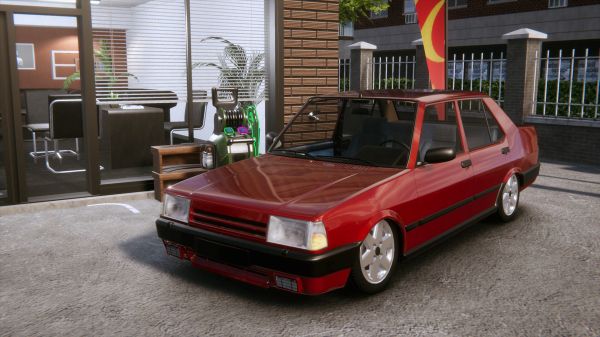
Washing a dirty car is one of the simplest improvements available, yet it provides immediate visual satisfaction. Dust and neglect disappear, bodywork becomes easier to evaluate, and the vehicle starts resembling something a customer might want to purchase. I like that presentation has financial value because real buyers often respond to condition before considering deeper technical details. The cleaning process turns a modest amount of labor into a visible increase in appeal.
The activity can become repetitive when every vehicle requires the same treatment. I rarely need to reconsider how cleaning should be performed because the task follows a predictable routine. Additional detailing options could create more decisions, including interior cleaning, stain removal, polishing, headlight restoration, or premium presentation packages. Those systems would allow me to decide how much preparation is justified by the value of the car.
Cleaning works best as one stage in a larger transformation rather than as a major feature by itself. A neglected vehicle arriving at the dealership and leaving as a polished showroom product provides a satisfying before-and-after contrast. The game understands that visual improvement is part of selling, even if the process currently offers limited depth. It also gives me a useful low-cost option when repair funds are temporarily limited.
Repairs Make Profit Dependent on Restraint
Repairing every possible issue may seem like the responsible choice, but it is not always the most profitable one. A cheap vehicle can absorb enough repair expenses to erase the advantage of buying it below market value. I need to consider which improvements significantly raise the selling price and which merely make the car nicer than the target customer expects. The best business decision is not necessarily producing a perfect vehicle.
This calculation gives the repair system strategic value even when the actual mechanical interactions remain accessible. I can compare the cost of work with the expected increase in value and decide whether the margin remains healthy. A more expensive vehicle may justify extensive restoration, while a basic model may be ready for sale after only essential maintenance. The game rewards understanding the economic role of the car rather than applying one universal restoration standard.
I would welcome more uncertainty in the relationship between repair and value. Some customers might prioritize mechanical reliability, while others may care more about exterior appearance or modifications. Different market segments could make the same repair decision correct for one vehicle and wasteful for another. The present system provides a clear and satisfying loop, but additional customer preferences would make it less predictable.
Modification Adds Personality but Can Become an Expensive Distraction
Customization allows me to improve the exterior and turn an ordinary purchase into something more visually distinctive. Changing parts, appearance, or presentation can increase my attachment to a vehicle and make the dealership look less like a collection of identical used cars. This creative freedom is enjoyable because it gives me something to consider beyond pure numerical efficiency. A successfully modified car feels like a project rather than inventory.
The danger is spending according to personal taste rather than customer demand. I may enjoy a particular style, but that does not guarantee the modification will produce a worthwhile return. Expensive cosmetic choices can reduce the margin while making it emotionally harder to accept a reasonable offer. Car Dealership Simulator 2 quietly demonstrates how easily a business owner can become attached to stock.
A stronger market preference system would give modifications greater strategic depth. Some buyers could search for understated family vehicles, others might prefer aggressive styling, and collectors could value originality over customization. This would force me to match the project to a potential audience rather than assuming every upgrade increases desirability. The current options are enjoyable, but they are most engaging when I create my own rules about which vehicles deserve special treatment.
Photography Turns Presentation Into Part of the Sale
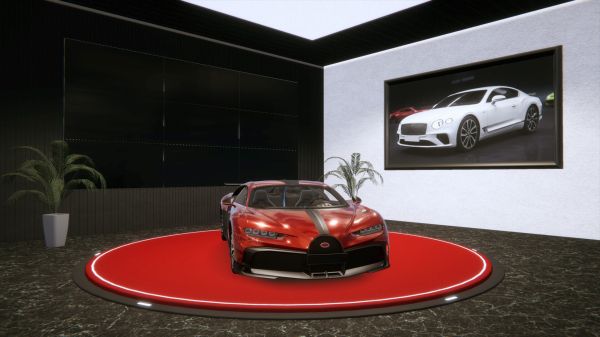
The photo system is one of the more appropriate features for a modern dealership simulator. I can position a vehicle, select useful angles, capture images, and use them in the listing rather than having the game generate an advertisement automatically. This creates a direct connection between showroom presentation and the way customers first encounter the car. A clean background and flattering angle make the listing feel more intentional.
I enjoyed experimenting with placement because the dealership becomes a temporary photography studio. Cars parked too closely together create clutter, while poor lighting can make an otherwise attractive vehicle look less impressive. The mechanic also gives customized vehicles an opportunity to display the work invested in them. It is a small creative task that breaks up the repetition of repairs and financial calculations.
The system could become even more meaningful if photo quality influenced the type and number of inquiries more strongly. Poor images might attract fewer buyers or produce lower initial offers, while professional listings could improve reputation. Written descriptions, highlighted features, and optional disclosure of known problems would add another layer of sales strategy. The existing tool is enjoyable because it allows me to participate in the listing process rather than simply clicking a sale button.
Creating the Listing Feels Like the Moment the Investment Is Tested
Once a vehicle is repaired, cleaned, modified, and photographed, I must decide how much it is worth. Pricing too low may produce a quick sale but leave potential income unused, while pricing too high can keep capital trapped in a car that occupies valuable dealership space. I frequently found myself checking the total amount invested before choosing the final figure. The sale price is where every earlier judgment becomes measurable.
This part of the loop is strongest when cash is limited. Holding several expensive cars may make the dealership look successful while leaving too little money for new opportunities. Accepting a smaller profit can sometimes be better than waiting indefinitely for an ideal buyer. The game encourages me to think about turnover rather than judging success only through the margin on one vehicle.
Market conditions could provide more variety as development continues. Demand for certain vehicle categories, seasonal changes, fuel prices, local events, and competitor inventory could affect how long a listing remains attractive. Without those fluctuations, pricing gradually becomes easier to predict. The existing system still creates satisfying tension because every sale determines what I can afford to purchase next.
Customers Give the Business a Human Face
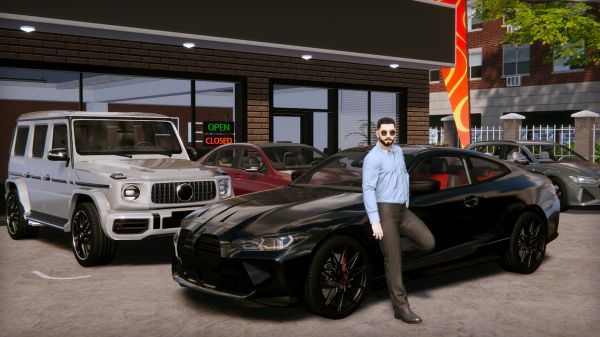
Potential buyers prevent the dealership from feeling like an automated resale machine. They arrive, inspect vehicles, consider prices, and create the final negotiation between my expectations and the market’s willingness to pay. A customer’s presence gives the car one last moment of uncertainty before it leaves the lot. I may be confident in the asking price until an actual buyer begins pushing it downward.
Customer behavior can sometimes feel repetitive because the personalities and purchasing logic are not always distinct enough. Greater variation would make selling more memorable, especially if buyers arrived with specific budgets, preferences, and tolerance for vehicle problems. A parent looking for practical transportation should evaluate the stock differently from an enthusiast searching for a modified model. These differences would also reward maintaining a diverse inventory.
Reputation could play a larger role in this relationship. Honest descriptions, reliable repairs, and fair transactions might attract better customers, while repeated poor sales could generate distrust or demands for lower prices. This would create long-term consequences beyond the immediate profit. The current interactions provide enough life to support the sales process, but they have room to become a deeper management system.
The Dealership Lot Becomes a Visible Measure of Progress
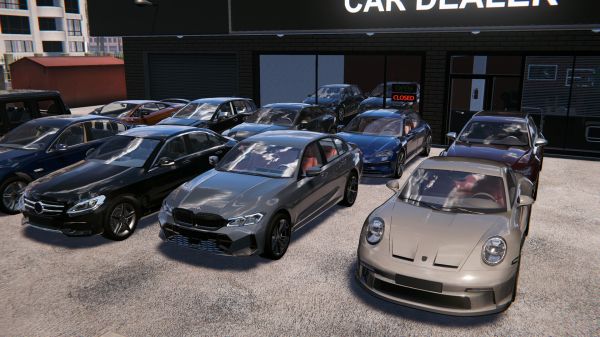
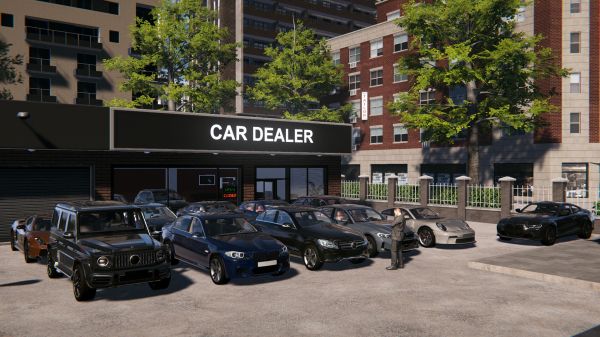
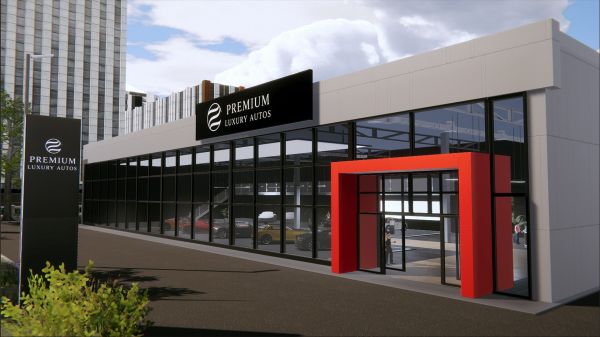
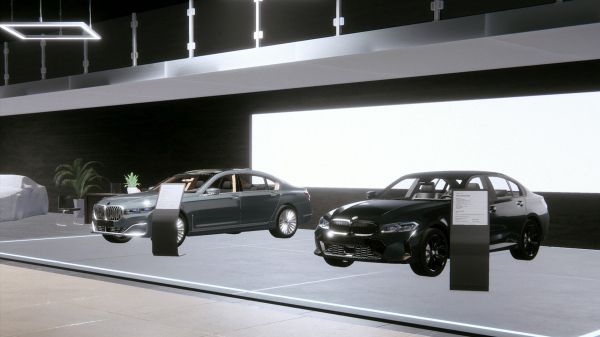
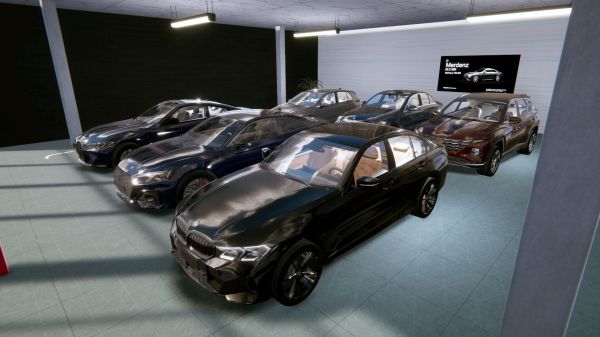
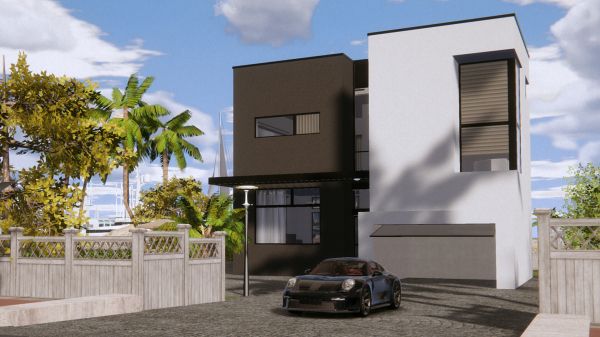
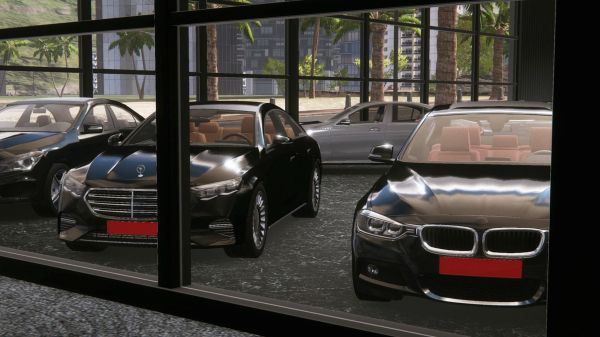
Expansion feels rewarding because the business changes physically rather than existing only through larger numbers. More space allows additional cars, improved presentation, and a broader range of projects. An early lot containing one uncertain vehicle looks very different from a developed dealership filled with cleaned and organized inventory. The environment becomes a record of successful transactions.
Additional capacity also creates new management pressure. More cars require more money, preparation time, parking organization, and attention to listings. A larger dealership can become inefficient when vehicles are placed carelessly or capital is divided across too many slow-selling projects. Expansion is valuable only when the underlying buying and selling process remains disciplined.
I like walking through the lot after several successful sales because every vehicle represents a separate decision. Some were purchased cheaply and required little work, while others became expensive restorations that may take longer to sell. The first-person perspective makes this progress more tangible than a traditional tycoon interface. I am not merely reading that the company has grown; I can stand inside the result.
Cash Flow Is More Important Than the Value of the Inventory
It is easy to feel wealthy while owning several valuable cars, but those vehicles do not provide usable money until customers buy them. This creates a meaningful difference between assets and liquidity. I may identify an excellent deal in the city and still be unable to purchase it because too much cash is tied up in existing stock. The game becomes more strategic when I begin protecting enough money for unexpected opportunities.
This also affects repair decisions. Spending the last available funds on one ambitious restoration may produce a strong eventual profit, but it can leave the dealership unable to operate efficiently in the meantime. Selling a modest vehicle quickly may be more valuable than waiting for a premium offer on the most impressive car. The business grows through repeated circulation rather than one perfect transaction.
A more detailed expense system could strengthen this pressure. Rent, utilities, advertising, employee wages, loan payments, and vehicle storage costs would make slow inventory more dangerous. The current economy is accessible and provides a clear sense of progression, but additional operating costs could give expansion more weight. Such systems should remain readable so that financial depth does not bury the satisfying hands-on work.
The Open World Needs More Reasons to Explore
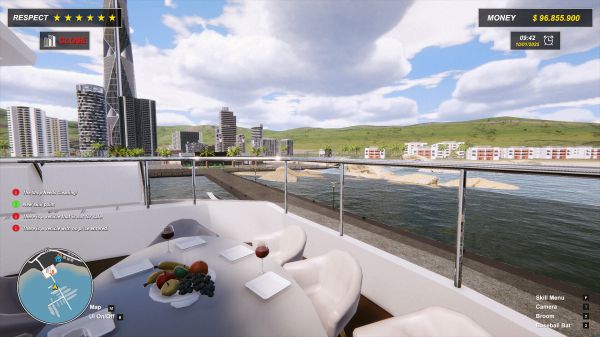
The city provides the roads, markets, sellers, and locations required for the business loop. Traveling between them makes opportunities feel geographically separated and gives vehicle ownership practical value. However, large parts of the environment can feel quiet once I learn the major routes. Exploration is useful, but it is not always surprising.
Random events could make the world more active. A vehicle might appear temporarily at an unusually low price, a roadside seller could offer incomplete information, or a local auction might attract several competing buyers. Accidents, abandoned cars, dealership closures, and time-limited offers could turn driving into a source of unexpected business decisions. These events would help the city feel like an automotive market that continues operating independently of me.
More functional businesses would also strengthen the setting. Specialist repair shops, paint services, inspection centers, banks, insurance companies, auctions, and parts suppliers could create different approaches to each project. The current map supports the central mechanics, but its long-term value will depend on how many meaningful systems are connected to it. A large world is most effective when distance leads to new choices rather than repeated travel.
The Daily Routine Can Become Comfortably Repetitive
Car Dealership Simulator 2 belongs to a growing group of first-person business simulators where ordinary tasks create a relaxing progression loop. I purchase stock, improve it through direct labor, prepare it for customers, and watch the resulting profit unlock a larger operation. The repetition can be calming because each stage has a clear purpose and visible result. I always understand how the current task contributes to the business.
The same structure can become monotonous when vehicles require nearly identical treatment. Washing, repairing, photographing, listing, and selling remain satisfying only when individual cars create different economic questions. A larger range of faults, customer preferences, market conditions, and restoration paths would help each project feel distinct. Without enough variation, I begin following an efficient routine rather than making interesting decisions.
The game is well suited to players who enjoy gradual improvement and self-directed goals. It does not create constant pressure through disasters or complex narrative events. I can choose whether to maximize profit, collect appealing vehicles, design an attractive lot, or specialize in particular projects. That flexibility makes repetition easier to accept because the pace remains largely under my control.
The Visual Presentation Is Functional but Familiar
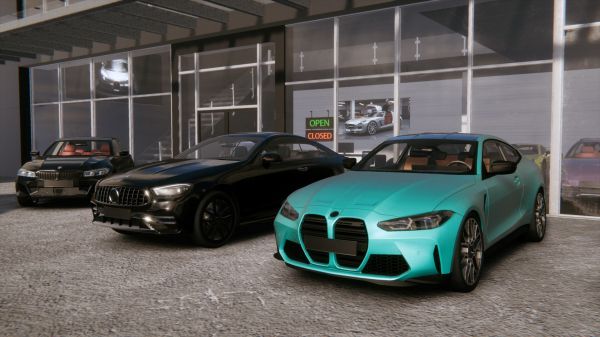
The game uses the recognizable visual style of many modern first-person shop and business simulators. Vehicles are clear enough to inspect, dealership spaces are easy to navigate, and the city communicates its main functions without excessive detail. The presentation supports the mechanics, but it does not always create a distinctive atmosphere. Some streets and interiors can feel generic compared with the personality of the cars themselves.
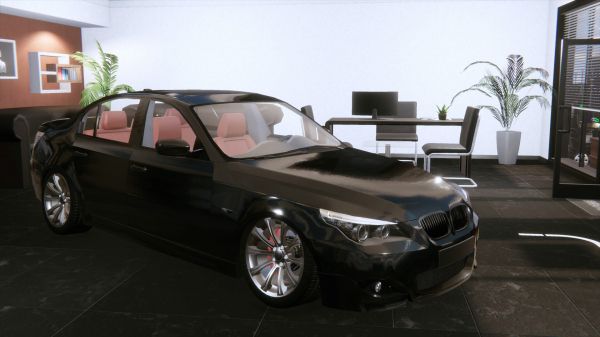
Vehicle transformations provide the strongest visual satisfaction. A dirty and damaged purchase can become a polished car positioned carefully in the showroom. The contrast makes the work feel meaningful even when individual repair animations remain simple. Cosmetic customization also gives the inventory enough variety to prevent the dealership from looking completely repetitive.
Character animations, traffic behavior, and environmental detail still show the limitations expected from an Early Access production. These rough edges rarely prevent progress, but they reduce immersion during close interactions. Continued improvements to lighting, sound, traffic, and customer behavior could make the dealership feel more professional as the business expands. The cars should remain the visual focus, but the surrounding world needs enough polish to support them.
Sound Provides Useful Feedback Without Strong Identity
Engine noise, cleaning equipment, workshop actions, doors, and general city ambience give the tasks necessary physical feedback. Starting a newly repaired car is satisfying because sound confirms that the project has moved from static inventory to functioning vehicle. Different engines could benefit from stronger individual character, especially when the dealership contains several categories of car. Audio should help each acquisition feel mechanically distinct.
The city itself can sound unusually quiet, which reinforces the sense that some areas exist mainly as functional locations. More traffic variation, customer conversation, workshop noise, radio, and dealership ambience would make the environment feel active. None of these additions needs to overwhelm the relaxed tone. They would simply provide the impression that other businesses and residents continue operating around mine.
The current audio does its job without becoming a major part of the experience. I remember the visual transformation of a car more clearly than the way it sounded. For an automotive game, stronger sound design could add significant personality without requiring deeper mechanical complexity. A vehicle should communicate value not only through condition and appearance but also through the experience of starting and driving it.
Early Access Explains Both the Potential and the Roughness
Car Dealership Simulator 2 already contains a complete central loop involving purchasing, inspection, repair, modification, cleaning, photography, listing, negotiation, and expansion. These systems are connected clearly enough to support long sessions and visible business growth. The foundation does not need to be reinvented because the fantasy of finding undervalued cars and reselling them is naturally compelling. Future development mainly needs to increase variety, polish, and economic depth.
The Early Access status remains noticeable through repeated interactions, limited world activity, visual roughness, and systems that feel ready for further expansion. Players expecting a technically detailed automotive simulator or a fully developed tycoon economy may find the current version too light. Those who enjoy direct first-person tasks and gradual business progression will have an easier time accepting its limitations. The game is most successful when approached as an evolving dealership sandbox rather than a finished professional management simulation.
Updates could strengthen the experience through employee management, auctions, loans, deeper repairs, reputation, more customer types, market fluctuations, additional properties, and improved open-world events. The risk is adding many disconnected features without improving the decisions inside the existing loop. Every new mechanic should influence how I evaluate, prepare, price, or sell a vehicle. Depth matters more than simply increasing the number of available cars.
The Best Projects Create Their Own Small Stories
The most memorable vehicles are not always the ones that generate the highest profit. I remember the car purchased with nearly all my remaining money, the damaged model that looked like a terrible mistake, and the ordinary vehicle that sold immediately after only a wash and minor repair. Each project creates a beginning, transformation, and final decision. The dealership becomes interesting because its inventory carries short histories.
These stories are largely produced by the player rather than written into scripted missions. I choose how much money to risk, whether a car deserves customization, and when an offer is good enough to accept. A poor decision may occupy space for several days, while a lucky purchase can finance a major expansion. The business grows through a mixture of planning and imperfect judgment.
I would like the game to preserve more of that history after a sale. Records showing previous vehicles, purchase prices, repair costs, photographs, buyers, and final margins would give the dealership a stronger sense of continuity. A wall of successful sales or an album of memorable projects could make progression feel personal rather than purely financial. The photo system already provides a natural foundation for such a feature.
A Promising Dealership Simulator Built Around a Reliable Loop
Car Dealership Simulator 2 succeeds because the central process is immediately understandable and consistently rewarding. I find a vehicle, judge whether it is worth the risk, improve its condition, present it professionally, and attempt to sell it for more than the total investment. Every stage contributes visibly to the final transaction. The first-person perspective makes the business feel physical rather than abstract.
The game is currently stronger as a relaxed progression experience than as a complex economic or mechanical simulation. Inspection and repairs are accessible, negotiation can become predictable, and the open world needs more varied activity. Repeated projects may begin feeling similar once an efficient routine has been established. These weaknesses are important, but they are also areas the Early Access development can realistically improve.
I enjoy the game most when I resist expanding automatically and treat every vehicle as a separate business decision. A cheap purchase may hide too many costs, an attractive modification may not improve the margin, and a fast sale may be more valuable than an ambitious restoration. The game continually asks whether I am operating a dealership or simply collecting cars I like. That conflict gives the simple buy-repair-sell loop more personality than it initially appears to contain.
Car Dealership Simulator 2 is not yet the definitive automotive business simulator, but it already captures the pleasure of turning neglected vehicles into desirable stock. The dealership grows one transaction at a time, and every expansion reflects risks that successfully produced profit. With deeper markets, more distinct customers, stronger world activity, and continued technical polish, the game could develop into a particularly absorbing first-person tycoon experience. Even in its current form, watching an empty lot become a functioning dealership provides a satisfying reason to search the city for one more questionable car.
Pros:
- Detailed dealership management experience with realistic economic simulations.
- Robust customization options that allow for personal playstyle adjustments.
- Dynamic visual and audio effects that enhance overall realism.
- Strong community interaction with online features and leaderboards.
- Responsive game updates and mod support that extend replayability.
- Highly immersive gameplay that keeps you engaged.
Cons:
- Occasional performance issues on lower-end systems.
- Some repetitive gameplay elements might limit long-term variety.
- Steep learning curve for players new to simulation games.









Recent Reviews

Minecraft

Grand Theft Auto V

Toca Boca World

Roblox

Leave a comment
Your comment is awaiting moderation. We save your draft here
0 Comments