Review
Counter-Strike 2 reminded me why a game does not need dozens of character abilities, complicated progression trees, or a constantly exp...
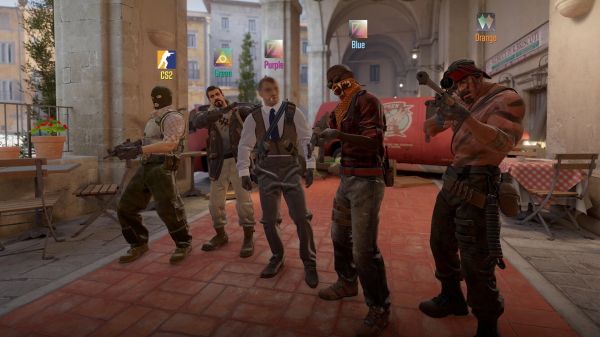
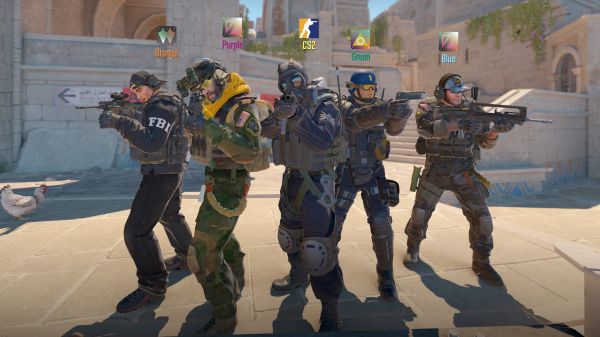
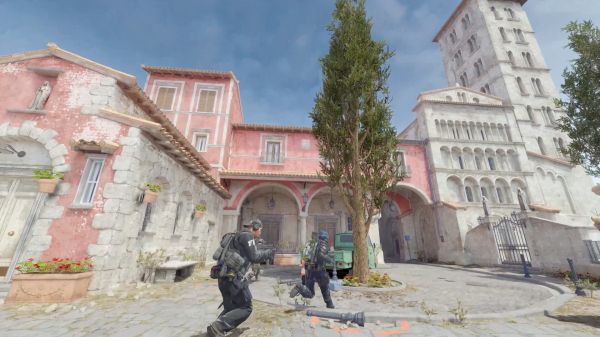
Counter-Strike 2: Bridging Legacy Tactics and Next-Gen Innovation
Counter-Strike 2 reminded me why a game does not need dozens of character abilities, complicated progression trees, or a constantly expanding open world to remain endlessly replayable. Most competitive matches still revolve around two teams, a small collection of carefully designed maps, limited equipment, and objectives that can be explained within a few minutes. The real complexity comes from the players, because every position, sound, grenade, rotation, and financial decision changes what the opposing team believes is happening. Even after learning the basic rules, I never feel as though I have completely solved a match.
I entered Counter-Strike 2 with years of habits developed in earlier versions of the series, so the transition felt familiar and uncomfortable at the same time. The weapons, bomb sites, movement principles, and tactical language remained recognizable, but the Source 2 presentation changed lighting, smoke behavior, audio, visual clarity, and the physical atmosphere of several maps. Some improvements were immediately impressive, while other differences required me to rebuild muscle memory that had once felt automatic. Counter-Strike 2 is not a completely different competitive shooter, yet it changes enough details to make old confidence unreliable.
From my perspective as a gamer, the game’s greatest strength is the relationship between simple rules and severe consequences. I can purchase equipment, move toward a site, and press the same basic controls as everyone else, but one poorly timed step may reveal the entire plan. A missed grenade can expose teammates, an unnecessary purchase can damage the next round, and one player surviving with a valuable rifle may influence the team’s economy long after the current objective ends. Counter-Strike 2 makes small decisions feel important because every round belongs to a larger financial and psychological battle.
The First Round Already Contains a Complete Strategy
The pistol round may use cheaper equipment and fewer utility options, but it is not a disposable introduction to the match. Winning it can create an early economic advantage, while losing it forces the team to decide whether to purchase immediately, save resources, or attempt a risky response. Players need to consider armor, grenades, pistols, routes, and the possibility that the opposing side will use an unexpected setup. I like that the match begins with meaningful pressure instead of allowing several harmless warm-up rounds.
Pistols also expose mechanical weaknesses quickly because there is less equipment available to compensate for poor aim or positioning. A player who moves carelessly can be removed before the team has enough information to adjust. At the same time, coordinated movement and close-range trades can overcome an individually stronger shooter. The pistol round teaches the central lesson of Counter-Strike 2 immediately: personal skill matters, but the team still needs a plan capable of converting it.
The Economy Makes Every Round Remember the Previous One
Counter-Strike 2 would feel much shallower if every player received the strongest weapons and full utility at the beginning of each round. Instead, money connects victories, defeats, saved equipment, bomb plants, purchases, and individual rewards into a continuous strategic system. The team must decide whether it can afford a complete purchase, a weaker force attempt, or a full save designed to improve future chances. These decisions create tension before anyone leaves the spawn area.
I have lost matches because my team treated personal money as though it belonged only to the individual player. One person bought an expensive rifle while everyone else saved, leaving the team with an uncoordinated mixture of equipment and no clear win condition. A disciplined economy requires players to compare resources and accept that one weak round may create a stronger opportunity later. Counter-Strike 2 rewards patience in a genre that constantly tempts me to purchase something and search for immediate action.
Buying a Rifle Is Also a Promise
An expensive weapon represents more than increased firepower because losing it may strengthen the opposing team. Purchasing a rifle means accepting responsibility for how it will be used, protected, and possibly recovered. A careless early defeat can transfer valuable equipment to an enemy who invested far less. This makes weapon ownership feel temporary rather than guaranteed.
I began playing more thoughtfully when I stopped viewing each purchase as a personal upgrade and started treating it as a team resource. Dropping a weapon for a teammate can improve the entire formation, while saving one after a lost objective may preserve the next round’s economy. The strongest purchase is not always the most expensive item I can afford. It is the equipment that fits the team’s plan without destroying the following round.
Movement Is Restrained for a Reason
Counter-Strike 2 does not allow accurate rifle fire while sprinting freely through every engagement. Movement and shooting are connected through momentum, accuracy recovery, positioning, and the ability to stop at the correct moment. I can understand this concept quickly, but executing it consistently requires enormous practice. The difference between stopping correctly and firing slightly too early often decides an encounter before I recognize the mistake.
This restraint gives the game its deliberate rhythm. Entering a dangerous angle requires commitment because I cannot rely on constant speed and perfect accuracy simultaneously. Counter-strafing, controlled peeks, and careful crosshair placement reduce the amount of correction needed after an opponent appears. Counter-Strike 2 rewards players who prepare their shot before the target becomes visible.
Crosshair Placement Saves More Time Than Fast Reactions
I used to believe that strong aim depended mainly on moving the mouse toward an enemy faster than the other player. Counter-Strike taught me that the better solution is often placing the crosshair where the opponent is likely to appear before the engagement begins. Correct height, distance from the corner, and awareness of common positions reduce the movement required during the actual encounter. This turns map knowledge into mechanical speed.
Poor crosshair placement creates unnecessary work and makes every surprise more dangerous. Looking at the ground, following walls too closely, or aiming at unlikely positions gives the opponent additional time. I improved most when I began treating every cleared angle as part of a sequence rather than moving through the map casually. The game’s mechanical depth grows directly from understanding where another player is most likely to stand.
Recoil Turns Familiar Weapons Into Long-Term Projects
Rifles in Counter-Strike 2 do not remain perfectly accurate during sustained fire. Recoil patterns and spread force me to decide whether to tap, use short bursts, or control a longer spray according to distance and urgency. Learning the beginning of a pattern is relatively easy, but maintaining control during a stressful encounter is much harder. Practice becomes visible when a weapon stops feeling unpredictable and begins responding to deliberate correction.
I appreciate that different firearms encourage distinct habits rather than functioning as cosmetic variations of one universal rifle. Some weapons reward precise first shots, while others become more useful in close spaces or financially limited rounds. Weapon preference therefore reflects both mechanical comfort and strategic context. A familiar rifle can improve confidence, but relying on only one option leaves me vulnerable when the economy changes.
Headshots Feel Decisive Because Positioning Created Them
The satisfaction of a clean headshot comes partly from the immediate result, but it also reflects everything that happened before the shot. I needed the correct angle, crosshair height, movement timing, and enough information to expect the opponent. A successful engagement often feels like the conclusion of good preparation rather than a lucky flick. This makes mechanical precision deeply connected to tactical awareness.
The same system can feel unforgiving when I am removed before having time to correct a mistake. Counter-Strike 2 rarely protects players from poor positioning with large health pools or emergency abilities. The severity may frustrate newcomers, but it also makes improvement clear. When I survive a position that previously defeated me, I can usually identify what changed.
Sound Is a Second Minimap
Footsteps, reloads, grenade bounces, scope sounds, weapon fire, surface materials, and objective interactions provide information beyond the visible screen. A careful player can estimate direction, distance, player count, and likely intention without seeing anyone directly. This makes unnecessary noise a strategic mistake rather than a harmless part of movement. I often reveal more through one rushed step than through several seconds of visual exposure.
Listening also allows teams to hold positions with less risk. One player can watch a narrow angle while using audio to monitor another route, creating a larger zone of awareness. However, sound information is never complete because opponents may walk slowly, use utility, or deliberately create false signals. Counter-Strike 2 turns hearing into interpretation rather than simple detection.
Silence Can Be an Offensive Tool
Walking slowly sacrifices speed to reduce audible information, which creates an important tactical trade. A team moving quietly may approach a site without confirming its presence, forcing defenders to divide attention across several possibilities. The slower pace also gives rotations more time to develop elsewhere. Silence therefore creates uncertainty while increasing the danger of arriving too late.
I enjoy rounds where nothing happens for several seconds because the absence of information becomes stressful. Defenders begin questioning whether they should rotate, gather more information, or remain patient. Attackers know that one accidental sound may reveal the plan. Counter-Strike 2 can create intense pressure without a single shot being fired.
Map Knowledge Is a Form of Mechanical Skill
Learning a map involves much more than memorizing the routes between spawn areas and bomb sites. I need to understand common angles, grenade lineups, timing windows, wall penetration opportunities, safe plant positions, rotation paths, and how sound travels through nearby spaces. Every piece of knowledge reduces uncertainty during a round. The map gradually changes from an environment into a tactical language.
This is why experienced players appear faster even when their movement speed is identical. They spend less time deciding where to look and which route is likely. Familiarity allows them to aim before entering, throw utility without searching for the correct position, and rotate according to timing rather than panic. Counter-Strike 2 rewards memory by converting it directly into usable time.
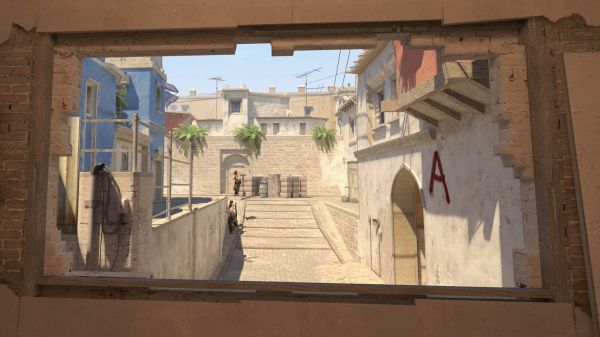
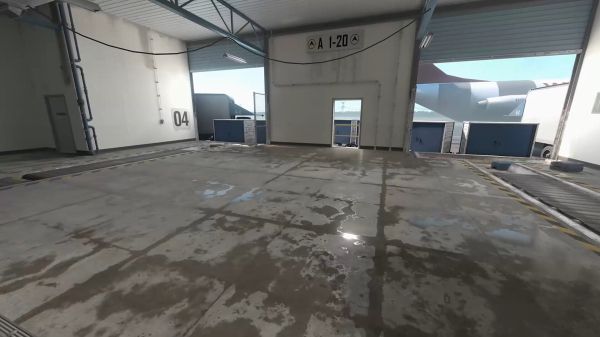
Dust II Remains Simple Without Being Solved
Dust II is one of the most recognizable competitive maps because its basic routes are easy to understand. Long corridors, central control, two sites, and visible rotation paths give new players a readable structure. However, familiarity does not eliminate strategic depth because timing, utility, economy, and player tendencies constantly change how those routes are used. A map can be widely known and still produce unpredictable rounds.
I enjoy Dust II when both teams respect information rather than treating every round as an immediate duel. Mid control, long pressure, short movement, tunnels, and defensive rotations create a constant exchange of signals. The map becomes frustrating when players repeat the same aggressive route without adjusting. Its simplicity exposes decision-making because there are fewer unusual systems available to hide poor habits.
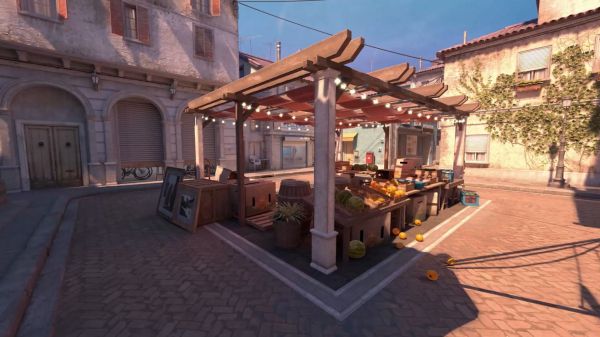
Mirage Rewards Teams That Understand Space
Mirage divides attention between narrow entrances, vertical positions, central control, and several opportunities for utility-based site entry. Mid is especially important because control there can threaten both bomb sites and complicate defensive rotations. I often feel that the map expands or contracts depending on which team owns the central areas. Losing that space makes every defensive decision feel slower.
The map also demonstrates how grenades can transform a difficult site into a manageable objective. Smokes can remove long sightlines, flashes can disrupt common positions, and incendiary utility can force defenders away from strong cover. Executing this cleanly requires coordination, but even partial knowledge creates opportunities. Mirage made me appreciate how tactical preparation can reshape a map without changing its physical layout.
Inferno Turns Narrow Routes Into Utility Battles
Inferno contains several confined areas where grenades can control movement for long periods. Banana, apartments, and site entrances become contests over timing, damage, and remaining utility. Moving through these spaces without preparation can expose several players to one defender. The map rewards teams that understand when to fight for territory and when to preserve resources.
Rotations on Inferno can feel expensive because the routes between sites require time and information. A false signal may pull defenders away and leave a site vulnerable, while rotating too slowly can make assistance irrelevant. I enjoy the psychological pressure created by this geography. Every sound and grenade can suggest a larger commitment than the attacking team has actually made.
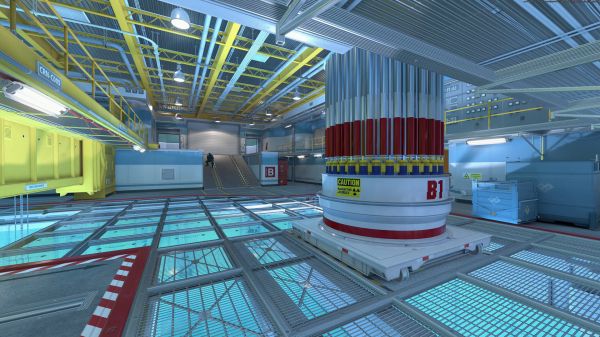
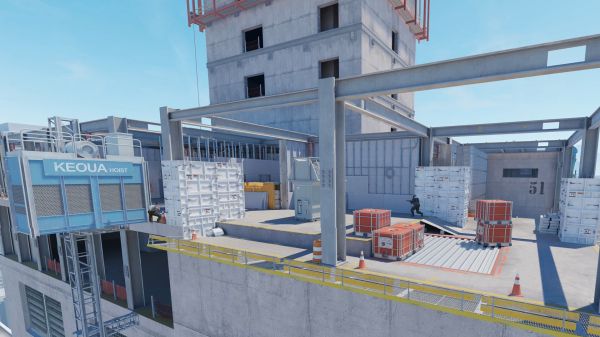
Nuke Makes Vertical Information Essential
Nuke challenges players because action can occur above or below another position without being immediately visible. Sound becomes more difficult to interpret, rotations use several vertical routes, and outside control can influence interior sites indirectly. New players may understand where the objectives are while remaining confused about how opponents arrived there so quickly. The map demands a three-dimensional mental model.
I found Nuke frustrating until I began treating it as a network of transitions rather than separate rooms. Vent routes, ramps, ladders, doors, and outside movement create rapid changes in elevation. A player disappearing from one area may become relevant somewhere completely different within seconds. The map rewards teams that communicate location precisely instead of using vague warnings.
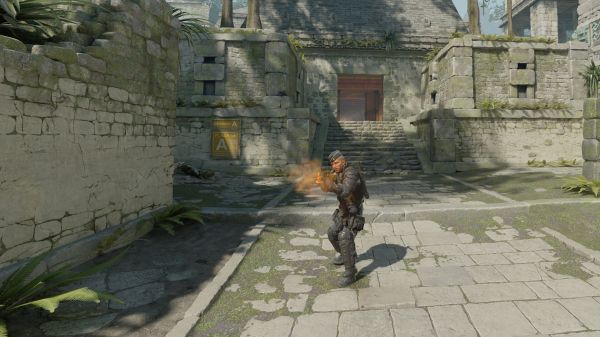
Ancient Combines Tight Angles With Difficult Visibility
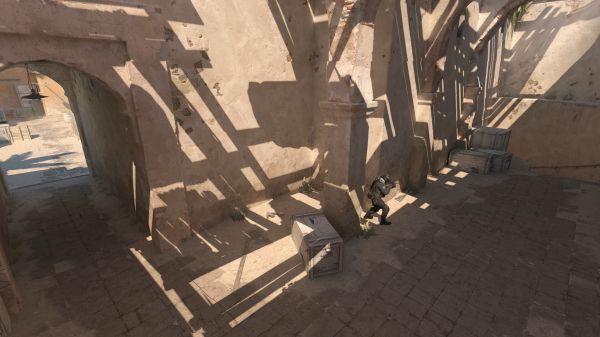
Ancient uses dense architecture, narrow approaches, and layered routes that create frequent close engagements. Controlling central space can influence both sites, while utility becomes essential for clearing corners and delaying pushes. The visual atmosphere is distinctive, although some areas can make character recognition more demanding than on cleaner maps. I needed time to build confidence in the common positions.
The map becomes satisfying once the team understands how to trade space rather than defending every meter permanently. Giving up one position does not automatically mean losing the site if the next defensive layer is prepared. Attackers must clear several possible threats while preserving enough utility for the final objective. Ancient rewards structured progress more than uncontrolled rushing.
Dynamic Smoke Grenades Changed Familiar Situations
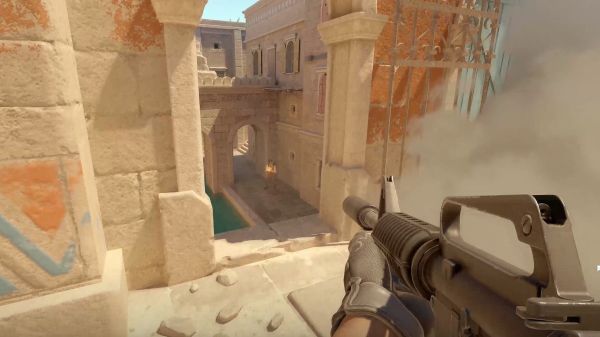
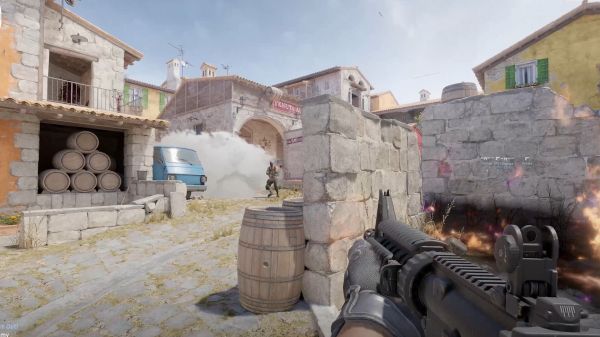
Smoke grenades in Counter-Strike 2 behave like volumetric objects that interact with the environment, nearby lighting, bullets, and explosive effects. The smoke fills spaces more naturally than a simple flat visual wall, creating shapes influenced by doors, windows, corridors, and surrounding geometry. This makes each placement feel physically connected to the map. Familiar lineups can still matter, but the resulting cloud may create new opportunities and weaknesses.
The ability to alter smoke temporarily with gunfire or grenades introduces additional risk. A player who assumes complete visual safety may suddenly become exposed through a brief opening. Teams can create a momentary sightline, gather information, or attack through the disruption. Dynamic smoke makes one of Counter-Strike’s oldest utility tools feel more active without turning it into a character ability.
Smoke Is Information Denial, Not Permanent Safety
Throwing a smoke grenade does not guarantee that an area becomes harmless. Opponents may move through it, wait inside, fire according to sound, or use another piece of utility to challenge the position. The cloud hides information for both teams, which means the player who created it may also lose awareness. A good smoke supports a plan, while a careless one can protect the opposing side.
I began using smoke more effectively when I stopped thinking only about which sightline it blocked. I also considered how long it delayed movement, whether teammates could watch the edges, and what happened after it disappeared. Utility should create a temporary advantage with a clear follow-up. Without that follow-up, the grenade may only postpone the same problem.
Flashbangs Reward Communication and Punish Optimism
A well-timed flashbang can create a safe entry, force an opponent away from an angle, or protect a teammate during a difficult peek. The same grenade thrown without warning can blind the entire attacking group and destroy the planned timing. This gives communication a direct mechanical value. Announcing a flash is often as important as throwing it correctly.
I appreciate that flashes can be used creatively according to geometry, distance, and where opponents are likely to look. A grenade does not need to blind every player completely to be useful. Forcing someone to turn away may provide enough time to cross an angle or gain position. Counter-Strike 2 rewards utility that changes behavior even when it does not produce an immediate statistic.
Incendiary Utility Controls Time and Territory
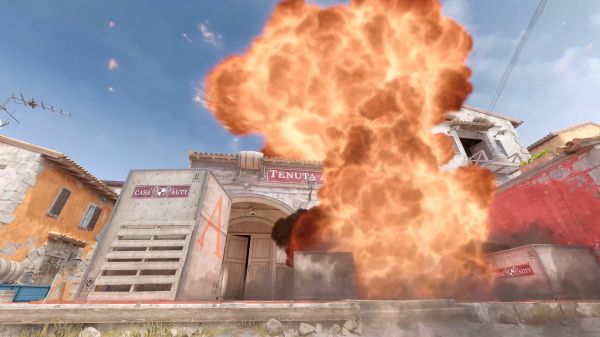
Molotovs and incendiary grenades can force players away from cover, delay movement, and isolate parts of a site. Their strongest value often comes from controlling when an opponent is allowed to move. A defender trapped behind fire may be unable to assist another position, while an attacker may need to wait until an important timing window has passed. The grenade converts a physical area into temporary scheduling pressure.
Using fire carelessly can also block teammates or remove a route the team intended to use. I have watched promising attacks collapse because one grenade separated players who needed to trade together. Effective utility requires understanding the plan beyond the immediate target. Counter-Strike 2 constantly reminds me that powerful tools can damage coordination without directly harming a teammate.
High-Explosive Grenades Reward Collected Information
Explosive grenades are most effective when the team has a reason to believe an opponent occupies a particular space. Throwing them randomly may produce little value and reveal the player’s position. Combining audio, previous utility, and map tendencies turns the grenade into a precise punishment. Even partial damage can change the next engagement by reducing the opponent’s confidence.
I enjoy coordinated grenade damage because it demonstrates teamwork without requiring direct visibility. Several players can target a known position and weaken an opponent before the rifle fight begins. This strategy is especially valuable in narrow areas where movement options are limited. The damage represents information converted into resources.
The Bomb Creates Two Different Games Within One Round
Before the bomb is planted, attackers usually need to gain territory, create uncertainty, and reach a site with enough time to complete the objective. After the plant, responsibility reverses because defenders must retake while the attacking side protects a countdown. Positions that were weak during entry may become powerful during post-plant defense. The same map changes strategically without changing visually.
I like how planting location influences the entire final phase. A safe plant may be easier to complete but difficult to defend from certain positions, while a more exposed plant can support stronger sightlines later. The player carrying the bomb therefore controls a major tactical decision. Treating the objective as an afterthought can waste an otherwise successful site entry.
Retakes Require Structure Under Severe Time Pressure
A retake begins with incomplete information, limited time, and defenders who may already occupy prepared positions. Entering one at a time usually gives the attacking side several isolated encounters. Successful retakes require players to gather, exchange utility, and approach from routes that create simultaneous pressure. The difficulty lies in remaining coordinated while the bomb timer demands speed.
I have lost many retakes because the team waited too long for perfect information. I have also lost them by rushing before everyone arrived. Counter-Strike 2 forces a difficult balance between preparation and urgency. The strongest teams appear calm because they make this decision collectively rather than allowing each player to follow a separate timer.
Saving a Weapon Can Be the Correct Form of Retreat
Not every planted bomb should be challenged. If the team lacks time, equipment, or enough surviving players, preserving valuable weapons may improve the next round more than attempting an unlikely retake. This decision can feel unsatisfying because it requires leaving the objective without direct resistance. However, Counter-Strike measures success across the match rather than through constant heroism.
Saving still carries risk because the opposing team may search for surviving players and remove their equipment. The player must identify a defensible location, avoid predictable exits, and understand the economic value of survival. I enjoy this phase because it extends the tactical round after the main objective appears decided. Both teams continue influencing the next purchase.
Trading Converts Individual Defeats Into Team Progress
Moving close enough to respond when a teammate is eliminated is one of the most important habits in Counter-Strike 2. A trade prevents the opposing player from gaining an encounter without immediate cost. It also allows the team to inherit information about position, weapon, and remaining health. Proper spacing makes aggression more sustainable.
Poor spacing creates isolated duels that the opposing team can win repeatedly. Standing too close may allow one spray or grenade to affect several players, while standing too far removes the possibility of an immediate response. The correct distance depends on the route and available cover. Counter-Strike transforms basic movement between teammates into a cooperative mechanic.
Entry Players Create Space That Statistics May Undervalue
The first player entering a defended site accepts the greatest uncertainty. They may need to clear several positions, draw defensive fire, and reveal information for teammates following behind. Even when that player is removed quickly, the entry can still be successful if the team trades and gains the site. Basic scoreboards do not always communicate the value of this sacrifice.
I respect players who enter decisively after utility lands because hesitation can destroy the team’s timing. However, entering without support is not bravery; it is usually an isolated donation of equipment. The role depends on trust that teammates will follow and use the information. Counter-Strike 2 makes aggressive success inseparable from group movement.
Anchoring a Site Requires Patience Without Passivity
A defensive anchor may spend long periods seeing little action while teammates exchange information elsewhere. The role requires remaining prepared without rotating at the first sign of pressure. Leaving too early can create an empty site, while staying too long may make the eventual rotation useless. Anchoring is a psychological test because the player must act on incomplete information.
I find the role satisfying when I correctly identify a false attack and preserve the defense. Holding against several opponents can also create enough delay for teammates to arrive, even if I cannot stop the entire push personally. Survival is valuable, but time may be even more important. A successful anchor changes the round by making the attacking team spend resources and seconds.
Rotations Are Predictions Disguised as Movement
Moving between sites is not only a response to confirmed information. Strong rotations often begin when players interpret utility, sound, bomb location, and remaining time before the full attack becomes visible. Rotating early can create a numerical advantage, while rotating incorrectly may abandon another objective. The movement itself is simple, but the decision contains the entire strategic problem.
I became less reactive when I started asking what the opposing team wanted me to believe. Repeated grenades in one area may signal a real commitment or create space elsewhere. Counter-Strike 2 encourages teams to manipulate defensive expectations rather than attack only through mechanical strength. A successful fake can win territory without requiring an elimination.
Clutches Turn Information Into Isolation
A clutch situation places one player against several opponents with limited support and severe time pressure. Winning rarely depends on challenging everyone simultaneously. The surviving player needs to divide the opponents, create separate encounters, and use sound or utility to hide the next decision. The psychological pressure affects both sides because the larger team knows that losing would be embarrassing.
I enjoy clutches because they reveal how much information the round has accumulated. Weapon locations, remaining utility, bomb position, health, and previous movement all influence the possible solution. Mechanical accuracy is necessary, but calm decision-making often determines whether the opportunity survives long enough to matter. Counter-Strike 2 creates heroic moments without granting special abilities to the final player.
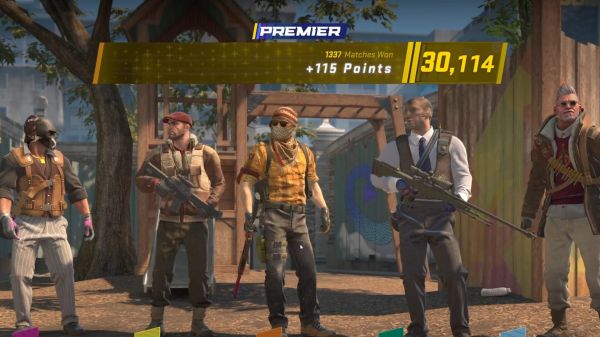
Premier Mode Gives the Competitive Map Pool a Clear Structure
Premier mode uses a pick-and-ban process that makes map selection part of the match. Teams can remove uncomfortable options, target perceived weaknesses, and interpret the opposing side’s preferences before the first round begins. This creates strategy before the server loads fully. A team with a broad map pool gains flexibility that cannot be replaced by one excellent favorite.
The visible CS Rating gives Premier progression a direct numerical form. Watching the number change can make improvement satisfying, although it can also make individual defeats feel more important than they deserve. Rating reflects results across many matches rather than the complete value of one performance. I enjoy it most when I treat the number as a long-term direction instead of a judgment of every evening.
Competitive Mode Offers a More Focused Map Journey
Traditional Competitive matchmaking allows players to develop rank experience around individual maps rather than depending entirely on one combined rating. This can be useful when learning a specific location because repeated matches create faster familiarity. It also allows me to avoid maps I am not ready to play seriously. The experience feels more controlled than Premier’s broader map-selection pressure.
The limitation is that confidence on one map may not transfer fully to another. Strong mechanics remain useful, but rotations, grenade knowledge, and common positions change significantly. Counter-Strike rewards players who expand gradually without assuming that general aim solves every tactical problem. A broad map pool remains one of the clearest signs of competitive maturity.
Prime Status Changes the Matchmaking Environment
Counter-Strike 2 can be entered without purchasing a conventional full-price game, but Prime Status provides access to Prime-focused matchmaking benefits and eligibility for certain item drops. For a player planning to invest serious time in competitive modes, the upgrade can make the account feel more complete. It also connects the player more directly with the game’s cosmetic reward ecosystem. I view it as a practical account upgrade rather than a mechanical advantage during a round.
Prime does not guarantee perfect teammates, balanced matches, or an environment without suspicious behavior. Competitive matchmaking remains dependent on player population, region, rating, and individual conduct. The upgrade can improve the intended experience without removing every social problem. Counter-Strike’s greatest variable will always be the people entering the server.
Matchmaking Can Produce Completely Different Games
One match may contain teammates who communicate, share equipment, understand utility, and remain calm after losing early rounds. The next may include several silent players, conflicting roles, or arguments beginning before the pistol round ends. This variability changes the difficulty more than many map or weapon adjustments. Counter-Strike 2 is a structured game played by unpredictable teams.
I cannot control whether strangers cooperate, but I can make useful communication easier by keeping information brief and specific. Calling a location, opponent count, damage estimate, or dropped bomb helps more than describing frustration. A calm voice can also prevent one mistake from becoming an entire team conflict. Social discipline is a competitive skill even though the game does not measure it directly.
Toxic Communication Can Destroy More Than Morale
Arguments consume attention that should remain on sound, positioning, economy, and the next plan. A player typing during a round is also temporarily reducing mechanical control. Hostile communication encourages teammates to stop sharing useful information or begin making emotional decisions. One negative exchange can therefore change the tactical quality of several future rounds.
I mute players when conversation becomes more distracting than informative. This is not an ideal solution because useful calls may also disappear, but protecting concentration can be more valuable than continuing an unwinnable debate. Counter-Strike 2 demands enough mental attention without adding unnecessary social pressure. The strongest teams communicate mistakes through adjustments rather than personal attacks.
Playing With Friends Reveals the Game’s Full Strategy
A regular group can assign positions, practice grenades, coordinate purchases, and develop shared language around common situations. This reduces the time needed to explain basic intentions during every round. Familiar teammates also understand whether a player prefers entry work, support utility, defensive anchoring, or late-round decisions. The game becomes much more structured once these roles emerge naturally.
Losses also become easier to review because the group can discuss a failed plan without depending on strangers remaining calm. I enjoy matches where we identify one repeated problem and adjust before the opposing team exploits it again. Counter-Strike becomes most satisfying when the team learns during the match rather than waiting until afterward. Familiarity turns communication into speed.
Death Does Not Remove Participation
After being eliminated, the player can still observe teammates and prepare information for the next round, although communication rules and competitive fairness limit what should be shared. Watching from another perspective can reveal positioning mistakes or utility opportunities that were invisible during personal play. I often learn more from spectating a patient teammate than from immediately blaming the final result. Death can become a short analysis phase.
The danger is offering constant instructions to someone who needs to hear the game. Excessive commentary can cover footsteps and create pressure during an already difficult situation. Useful dead communication should remain concise and respect the surviving player’s decision-making. Counter-Strike 2 teaches that helping sometimes means becoming quiet.
The Source 2 Lighting Makes Maps Feel Cleaner and More Physical
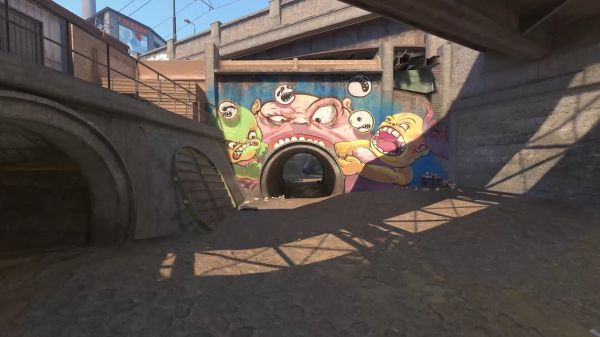
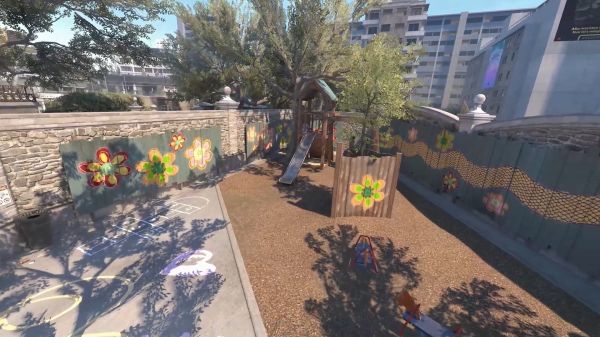
Counter-Strike 2 uses brighter materials, updated shadows, reflections, and more physically convincing environmental lighting than its predecessor. Several maps feel easier to read because dark corners are less dominant and surfaces respond more naturally to light. The presentation is modern without abandoning the strong visual identity required for competition. I can appreciate environmental detail while still recognizing important routes quickly.
Not every visual change automatically improves competitive clarity for every player. New effects, brighter surfaces, and different contrast relationships can require adjustment, particularly on familiar maps. I spent time changing brightness and graphics settings until enemy silhouettes felt readable without making the world unpleasant. Visual quality matters, but consistent recognition matters more during serious play.
Performance Is Part of Competitive Preparation
Counter-Strike 2 demands more hardware than Counter-Strike: Global Offensive did, which can affect players using older systems. A visually attractive configuration is not useful if frame times become unstable during smoke, utility, or crowded site engagements. I prefer lowering demanding settings until aiming and movement remain consistent. Competitive confidence depends heavily on the game responding the same way during every round.
Average frame rate does not tell the complete story because sudden drops can disrupt critical moments. Stable performance during the most demanding scenes matters more than a high number while standing alone in spawn. Counter-Strike exposes technical inconsistency immediately because every small delay affects mechanical timing. Hardware settings become another part of the player’s preparation routine.
Sub-Tick Input Aims to Record Actions More Precisely
Counter-Strike 2 uses a sub-tick architecture intended to register movement and shooting actions according to when they occur between server updates. The concept is designed to make input less dependent on waiting for the next traditional tick boundary. In theory, this allows the server to understand the timing of an action with greater precision. In actual play, the overall feeling still depends on latency, performance, animation, and network consistency.
I experienced moments that felt extremely responsive and others where visual feedback did not match my expectation perfectly. Competitive players notice these inconsistencies more strongly because years of muscle memory create very specific timing assumptions. The system is ambitious, but technical precision must also feel visually understandable. Counter-Strike 2 continues to be judged not only by what the server records but by whether players trust what they see.
Networking Problems Feel Personal in a Precision Shooter
Packet loss, unstable latency, and inconsistent connections can make movement or engagements feel unreliable. In a slower game, a brief network problem may be inconvenient without deciding the entire match. In Counter-Strike 2, one delayed action can remove a player and change the team’s economy. This makes connection quality part of competitive readiness.
I avoid serious matchmaking when my network behaves unpredictably because the disadvantage affects four teammates as well as me. Diagnostic information can help separate mechanical mistakes from connection problems, but it cannot repair the match after an important interruption. Stable networking does not guarantee victory, yet instability can make meaningful improvement difficult to evaluate. Counter-Strike requires trust in the connection before I can judge my own timing fairly.
The Visual Feedback Is More Dramatic Without Becoming Excessive
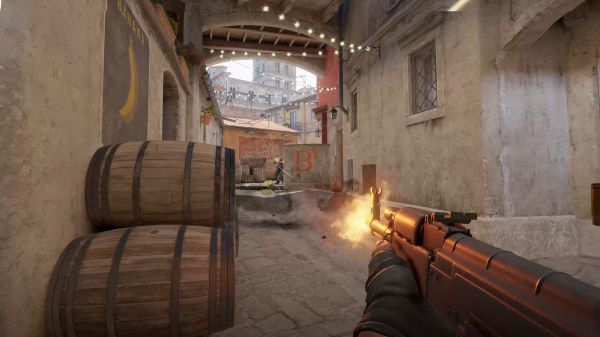
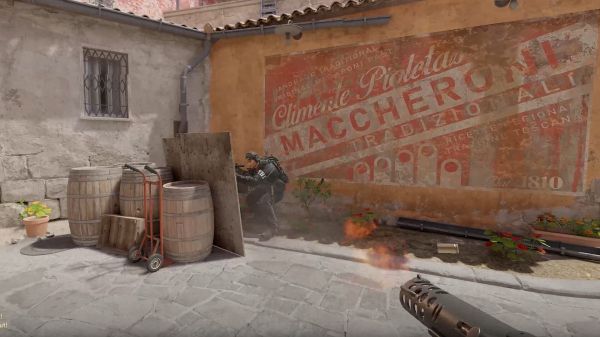
Weapon effects, smoke reactions, fire, environmental materials, and impact feedback give Counter-Strike 2 a stronger sense of physical presence. The game remains restrained compared with shooters filled with constant ability effects and large interface notifications. This is important because competitive readability depends on distinguishing useful information from spectacle. Most effects exist within the environment rather than covering it completely.
I appreciate that the game can look modern without turning every successful action into a large celebration. The round itself provides enough emotional weight. A clean entry, successful retake, or narrow clutch does not require an animated reward screen to feel important. Counter-Strike trusts the match to create its own excitement.
Weapon Sounds Affect Confidence More Than I Expected
Different firearms have recognizable audio signatures that communicate distance, location, and likely equipment. Hearing a powerful rifle on the opposing side changes how the team evaluates the economy. A suppressed weapon may provide different positional information than a louder alternative. Sound therefore contributes to both atmosphere and tactical prediction.
The emotional effect also matters because certain weapons immediately create pressure. Hearing an AWP fire confirms that a long angle may be controlled, even if the shot misses. The team must decide whether to challenge, use utility, or redirect the attack. Counter-Strike 2 allows one sound to reshape an entire plan.
The AWP Changes How Both Teams Use Space
The AWP can remove an opponent with one accurate shot in many situations, making long sightlines especially dangerous. Its power is balanced by cost, movement limitations, recovery timing, and vulnerability when overwhelmed. A skilled player can control a major area, but missing the first shot may create an opening. The weapon turns positioning into a visible threat before it fires again.
I enjoy playing around an AWP even when I am not using it because the team must gather information and spend utility intelligently. Smokes can block the sightline, flashes can force the user away, and coordinated movement can reduce the value of one shot. Challenging repeatedly without adjustment usually strengthens the sniper’s confidence. Counter-Strike 2 rewards teams that solve the weapon tactically rather than hoping for a better duel.
SMGs Give Economic Rounds Their Own Identity
Submachine guns provide mobility, lower cost, and useful reward potential against weaker purchases. They can become excellent tools during anti-eco rounds where opponents lack strong armor or long-range weapons. However, relying on them against a full rifle purchase can create difficult distance problems. Their value changes sharply according to economy and map position.
I like that cheaper weapons are not merely inferior versions of expensive rifles. They create different movement and engagement strategies. Close corners, aggressive pushes, and unexpected timing can make an SMG dangerous. Counter-Strike’s economy works because every price category has situations where it can become strategically relevant.
Shotguns Reward Position More Than Flexibility
Shotguns can dominate narrow spaces and produce strong economic value when used in the correct location. Their limited range makes them less adaptable across open areas, so purchasing one is also a commitment to a style of engagement. A defender can use a tight corner to create an encounter where the weapon’s weakness barely matters. The challenge is surviving after opponents identify the setup.
I enjoy occasional shotgun rounds because they disrupt expectations and force the opposing team to clear space differently. Repeating the same position removes much of the surprise, while moving elsewhere may expose the weapon’s limitations. The purchase works best as part of a planned defensive idea. Counter-Strike 2 allows unusual equipment to succeed without pretending every weapon is equally universal.
Eco Rounds Are Opportunities to Create Disproportionate Damage
A low-money round does not need to produce a complete victory to be useful. Removing expensive enemy weapons, planting the bomb, or forcing heavy utility use can improve the economic situation. This gives weaker purchases a clear objective beyond hoping for a miracle. The team can define success according to the larger match.
I enjoy eco rounds when everyone commits to the same plan. Five players moving together with simple pistols can overwhelm one isolated defender, while five separate attempts usually achieve nothing. Coordination becomes more important when equipment is weaker. Counter-Strike 2 turns disadvantage into a problem that can be reduced even when it cannot be erased immediately.
Anti-Eco Rounds Punish Careless Confidence
After gaining a weapon advantage, teams often assume the next round will be easy. This confidence encourages isolated movement, close-range fights, and unnecessary pursuit. Weaker opponents can exploit exactly those decisions with pistols or inexpensive weapons. The favored team must remain structured despite expecting victory.
I have watched more expensive rounds collapse because nobody respected the possibility of an ambush. Keeping distance, moving together, and avoiding unnecessary weapon donations are essential. The objective is not to prove mechanical superiority through risky duels. It is to convert the economic advantage without giving the opposing team a shortcut back into the match.
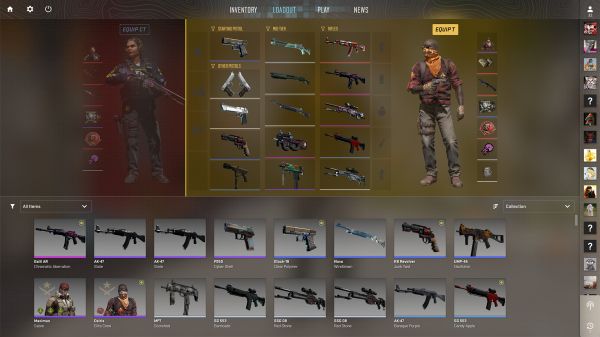
Skins Change Appearance Without Changing the Rifle
Counter-Strike 2 has an enormous cosmetic economy built around weapon finishes, gloves, knives, stickers, agents, cases, and collectible variations. These items can make an inventory feel personal, but they do not improve weapon statistics during a match. I appreciate this separation because competitive performance remains tied to play rather than cosmetic ownership. A basic rifle functions exactly as effectively as an extremely valuable version.
The visual appeal can still influence how players feel about equipment. A favorite skin may make a weapon more enjoyable to use, while rare items create social status within the community. This emotional value is real even though it has no mechanical effect. Counter-Strike’s cosmetic system succeeds because the items appear constantly during play without interrupting the competitive rules.
The Skin Market Can Become a Separate Hobby
Trading, collecting, inspecting patterns, following prices, and building themed inventories can consume as much attention as the matches themselves. Some players approach skins mainly as visual customization, while others treat them as digital assets with changing market value. The system creates a large community beyond competitive strategy. It also introduces financial risk and speculation that should not be confused with ordinary game progression.
I prefer choosing items according to appearance and a fixed budget rather than expecting value to increase. Prices can move unpredictably according to supply, updates, trends, and community interest. A cosmetic purchase should remain optional entertainment rather than a financial plan. Counter-Strike 2 provides an active marketplace, but the competitive game does not require participation in its expensive extremes.
Cases Use Excitement More Effectively Than Value
Opening cases creates suspense through rarity, animation, and the possibility of receiving an unusual item. The emotional design is powerful because the player sees several attractive outcomes while receiving only one. Most openings do not produce an item equal to the total cost of repeated attempts. The system is entertainment built around uncertainty rather than a reliable way to obtain a specific cosmetic.
I prefer purchasing a desired skin directly when possible because the cost is visible and the result is guaranteed. Case opening may be enjoyable as an occasional spectacle, but repetition can become expensive quickly. The game makes the rare reward memorable while hiding how many ordinary outcomes surround it. Setting strict limits is essential for anyone interacting with this part of the economy.
Workshop Support Preserves Community Creativity
The Steam Workshop allows community creators to publish maps and other content that expand the game beyond official matchmaking. Training maps can help with aim, recoil, grenade practice, movement, and specific mechanical skills. Community environments also provide unusual modes and visual ideas that would not fit the main competitive pool. I value this ecosystem because Counter-Strike has always grown through player-created experimentation.
Workshop content also reduces the distance between noticing a weakness and practicing it directly. Instead of waiting for a matchmaking situation to repeat, I can enter a controlled map and focus on one skill. This does not replace real matches because opponents behave unpredictably, but it builds the mechanical foundation. Counter-Strike 2 becomes easier to learn when the community provides tools the standard tutorial cannot cover completely.
Deathmatch Is Useful When I Give It One Purpose
Deathmatch provides rapid engagements and immediate respawns, making it useful for warming up or practicing a specific weapon. The mode can become chaotic because enemies appear from many directions and survival has little strategic value. Treating it like a normal competitive round creates frustration. I enjoy it most when I focus on crosshair placement, recoil, or first-shot accuracy.
Score is less important to me than whether the selected mechanical habit improves. I may deliberately use one rifle, hold the crosshair at head height, and avoid panic spraying even when that lowers the result temporarily. Practice becomes valuable when it has a narrow objective. Counter-Strike rewards focused repetition more than simply spending time in a busy server.
Casual Mode Is Accessible but Strategically Crowded
Casual matches allow more players and reduce some of the economic pressure associated with serious competition. This makes them easier to enter, especially when learning controls or maps. The additional players also create more utility, sound, and unpredictable engagements than the standard competitive format. Tactical lessons do not always transfer cleanly.
I use Casual to explore unfamiliar spaces without worrying about rating, but I avoid treating it as a perfect simulation of Premier play. Positions that work against a crowded team may be unsafe in a standard five-player match, while rotations follow different timing. The mode offers useful familiarity rather than complete preparation. Its strongest value is lowering the emotional cost of experimentation.
Wingman Compresses Counter-Strike Into a Smaller Partnership
Wingman uses smaller teams and reduced map areas, creating faster rounds with greater individual responsibility. One mistake leaves the remaining teammate in an immediate clutch situation, while strong coordination can control the compact space effectively. The mode removes some large-map rotation complexity without removing the importance of economy and utility. I enjoy it when I want serious tactical play without committing to a full five-player match.
The two-player format makes communication especially direct. Every purchase, position, and sound affects both members clearly. There is nowhere for a silent player to disappear inside a larger team structure. Wingman reveals whether two people can adapt together rather than relying on several teammates to repair the plan.
Practice Bots Teach the Map Better Than Human Behavior
Bot matches allow new players to learn controls, routes, weapon purchases, and objective interactions without social pressure. They are useful for discovering where doors, ladders, sites, and rotation paths lead. However, computer-controlled opponents do not reproduce the full psychological behavior of human teams. They cannot teach every timing habit, fake, or unconventional position encountered online.
I treat bots as an environment tutorial rather than complete competitive preparation. Once the map feels understandable, real players become necessary because they adapt and exploit mistakes differently. Human unpredictability is the central content of Counter-Strike. Bots help me learn the board before participating in the actual strategic game.
The Learning Curve Is Steep Because Knowledge Accumulates Everywhere
New players must learn aiming, movement, recoil, economy, maps, weapons, grenades, communication, sound, objectives, and competitive etiquette simultaneously. The basic controls may be familiar from other shooters, but the consequences are much stricter. A player can understand how to fire a rifle while having no idea why every encounter begins from a disadvantage. Improvement requires separating these layers instead of trying to correct everything at once.
I recommend focusing on a small map pool and a limited group of weapons initially. Learning common positions and basic utility creates more usable progress than memorizing advanced lineups across every location. Mechanical practice should support actual match decisions rather than become an isolated activity. Counter-Strike 2 becomes less overwhelming when improvement has one clear target per session.
Aim Training Cannot Replace Decision-Making
Strong aim can rescue poor situations, but relying on mechanical superiority alone creates inconsistent results. A player entering every angle without utility or support may win several encounters and still teach the opposing team how to punish the pattern. Tactical preparation reduces the number of difficult shots required. The best aim often appears effortless because positioning created an easy target.
I use aim practice to increase confidence, but match review reveals why those mechanics were or were not available. If I constantly need a dramatic flick, my earlier crosshair placement may be wrong. If I am removed while holding a grenade, the timing decision matters more than raw accuracy. Counter-Strike links mechanics and strategy too closely for either one to develop completely alone.
Watching Better Players Changes How the Map Looks
Professional and high-level players reveal routes, timing, utility, and positioning ideas that may never appear in ordinary matchmaking. Watching them made me understand that many quiet movements are deliberate. A player may hold an area without seeing anyone because the position prevents a rotation or protects information. Tactical value is not always visible through eliminations.
The challenge is adapting advanced ideas to the coordination level of normal matches. A strategy requiring perfect utility and synchronized movement may collapse when strangers do not understand the purpose. I borrow principles rather than copying every setup exactly. Counter-Strike knowledge becomes useful only when the current team can execute it.
Professional Matches Demonstrate the Game’s Spectator Strength
Counter-Strike 2 remains compelling to watch because the objectives, economy, and map positions create understandable stakes. Even viewers without professional-level mechanics can recognize a planted bomb, a numerical disadvantage, or a player attempting a clutch. The round structure provides regular beginnings and endings without removing long-term economic consequences. This makes individual moments dramatic while preserving match-wide strategy.
Professional utility usage and team movement reveal an extraordinary level of preparation. Smokes, flashes, and timing combine so precisely that a difficult site entry can appear temporarily controlled. The opposing team responds with its own preparation, creating layers of prediction. Counter-Strike works as an esport because its complexity remains visible rather than hidden entirely behind character abilities.
Balance Changes Matter Because the Foundation Is So Stable
Counter-Strike evolves through map adjustments, weapon changes, economy updates, bug fixes, and system refinements rather than rebuilding its identity every season. Small changes can influence professional play and public matchmaking because players have studied the existing systems so deeply. Altering a price, route, or grenade interaction may reshape common strategies. Stability makes subtle updates meaningful.
I appreciate that the game does not need to introduce a new playable hero every few months to remain active. The maps and weapons gain longevity from player adaptation. However, a stable foundation also makes unresolved technical problems more noticeable because the community understands how the game is expected to feel. Counter-Strike 2 is judged against decades of accumulated standards.
Anti-Cheat Trust Is Essential to the Competitive Experience
A precision shooter depends on players believing that opponents are succeeding through legitimate information and mechanical skill. Suspicious behavior damages more than one match because it makes future strong performances harder to trust. Even an honest player can appear questionable after several unusual shots, especially when frustration is already high. Effective anti-cheat protection is therefore part of the game’s emotional foundation.
I try not to accuse opponents simply because they played well or understood a common position. Replay review and consistent evidence are more useful than reacting to one impressive moment. However, players need confidence that reports and detection systems matter. Competitive improvement becomes difficult when every defeat is explained through suspicion rather than analysis.
Replay Tools Turn Frustration Into Evidence
Watching a match again allows me to see decisions that were impossible to evaluate during live play. I can inspect crosshair placement, utility timing, rotations, positioning, and what information the opposing team actually possessed. A moment that felt unfair may become understandable from another perspective. Replay review reduces emotional assumptions by replacing them with observable events.
I learn most when I focus on one repeated mistake rather than reviewing only dramatic rounds. Dying in the same position, rotating too early, or holding utility until after the attack begins may explain more than one missed shot. Counter-Strike improvement becomes efficient when review produces a specific adjustment. Simply watching the match without a question can turn into passive entertainment.
The Game Can Be Mentally Exhausting
A full competitive session demands constant attention to sound, economy, teammates, time, map control, and personal mechanics. Losing several close matches can create more fatigue than playing a longer single-player game. Every round offers new information, and one moment of distraction may have visible consequences. Counter-Strike 2 rarely becomes relaxing when I care strongly about the result.
I play better when I limit serious sessions and stop after concentration declines. Continuing only to recover rating usually produces rushed purchases, unnecessary aggression, and weaker communication. The desire to repair a loss can become another competitive disadvantage. Knowing when to leave is part of maintaining consistent performance.
One More Match Is a Dangerous Promise
Counter-Strike rounds create natural emotional hooks that make stopping difficult. A loss may feel recoverable, while a victory creates confidence that another match will continue the momentum. Rating changes and close results increase the sense that unfinished business remains. The game turns competitive repetition into a powerful routine.
I try to decide the number of matches before beginning rather than after an emotional result. This prevents one difficult evening from expanding indefinitely. Counter-Strike 2 is most enjoyable when competition remains intentional instead of becoming an attempt to erase frustration. The game will always provide another match, but my concentration may not survive it.
The Community Is Both the Game’s Strength and Weakness
Players create tactics, workshop maps, professional competition, cosmetic markets, guides, community servers, and the constantly changing strategic identity of Counter-Strike. The game would not remain as relevant without this enormous shared investment. At the same time, public matches can expose hostility, impatience, and resistance toward inexperienced players. The community can teach quickly or discourage just as quickly.
I have had memorable matches with strangers who communicated clearly and adapted without argument. I have also experienced games where one early mistake caused the team to stop cooperating. Counter-Strike 2 amplifies social behavior because every player depends on the others. The same structure that creates exceptional teamwork also gives conflict immediate tactical consequences.
Why Counter-Strike 2 Still Feels Different
Many shooters provide faster movement, larger weapon collections, characters with unique powers, and more visible progression. Counter-Strike 2 remains distinctive because it removes most emergency solutions. I cannot activate an ultimate ability to escape poor positioning or change characters after every lost fight. The player enters with shared tools and must create an advantage through information, economy, timing, and execution.
This equality makes defeat difficult to excuse and improvement deeply satisfying. Opponents use the same weapon rules, hear similar sounds, and move through the same map. Small differences in preparation become visible because the foundation is shared. Counter-Strike 2 turns fairness into pressure.
The Best Round May Contain Very Little Shooting
Some of my favorite rounds involve controlling space, forcing rotations, denying information, and completing the objective with only a few engagements. These rounds feel successful because the plan reduced the need for mechanical risk. Utility, sound, and timing created a route through the defense. The team won by understanding the map rather than defeating every opponent directly.
This is where Counter-Strike 2 becomes more than an aim contest. Shooting remains essential, but the strongest strategy determines when and where those shots occur. A player who creates an easy engagement has already completed much of the work. Tactical intelligence makes mechanical performance more reliable.
A Difficult Match Can Become a Strategy Puzzle
When the opposing team controls the early rounds, the match begins revealing patterns. One defender may push aggressively, another may rotate too quickly, or the attackers may repeat the same late-round setup. Identifying those habits creates a path back into the game. The score matters, but adaptation can change the emotional direction before the numerical result catches up.
I enjoy matches where the team stops complaining and begins testing solutions. A slower default may punish aggression, a faster attack may disrupt utility, and a different site may expose weak rotations. Counter-Strike 2 rarely provides one universal answer. The correct response belongs to the particular opponents in the server.
Comebacks Feel Possible Because the Economy Can Change Quickly
A team with a strong lead may lose several expensive weapons and suddenly face a weaker purchase. One successful round can damage the opposing economy enough to create another favorable opportunity. This prevents the score from representing complete control. Momentum exists, but it must be protected through disciplined purchases and survival.
I have seen teams become careless after building a large advantage, giving the losing side several isolated engagements and free rifles. The comeback begins psychologically before it becomes visible on the scoreboard. Counter-Strike 2 rewards teams that continue respecting every round. Confidence should support execution without replacing caution.
The Final Rounds Expose Emotional Control
As the match approaches its conclusion, every mistake feels larger because fewer opportunities remain. Players may become too cautious, force unnecessary plays, or abandon the strategy that created earlier success. The team capable of maintaining normal communication gains an important advantage. Pressure changes behavior even when the game mechanics remain identical.
I try to treat the final round like any other purchase and plan, although that is easier to say than perform. Remembering the economy, utility, and opponent tendencies remains more useful than thinking about the match point constantly. Counter-Strike 2 creates tension without altering the rules because the players understand the consequence. The scoreboard turns familiar actions into emotional tests.
What I Would Improve
I would prioritize performance consistency, networking trust, and clearer feedback around moments where visual results do not match player expectations. Counter-Strike depends on confidence that movement, shooting, and server registration behave reliably. Even rare inconsistencies attract attention because the competitive foundation is so precise. Technical improvement strengthens every map and mode simultaneously.
I would also continue expanding accessible training tools inside the main client
Pros:
- Enhanced visuals and immersive environments that elevate the gaming experience.
- Robust online multiplayer support with stable servers for competitive play.
- Extensive customization options including a variety of mods and adjustable settings.
- Balanced ranking system paired with a strong anti-cheat mechanism ensuring fair competition.
- User-friendly interface and accessible tutorials that help players quickly adapt to the game.
- Refined tactical gameplay that challenges both new and veteran players.
Cons:
- Performance issues may arise on lower-end or older devices, limiting accessibility.
- Reliance on community mods and occasional unofficial cheats can sometimes complicate the competitive integrity of matches.
- The steep learning curve may deter completely new players from fully enjoying the experience.








Recent Reviews

Minecraft

Grand Theft Auto V

Toca Boca World

Roblox

Leave a comment
Your comment is awaiting moderation. We save your draft here
0 Comments