
Review
My early hours in Wuthering Waves were dominated by familiar open-world habits. I activated fast-travel points, gathered every resource...
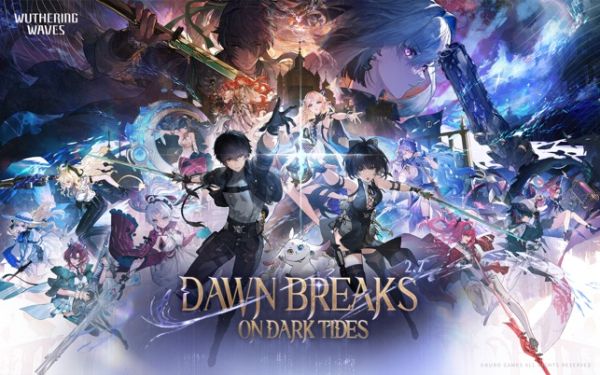





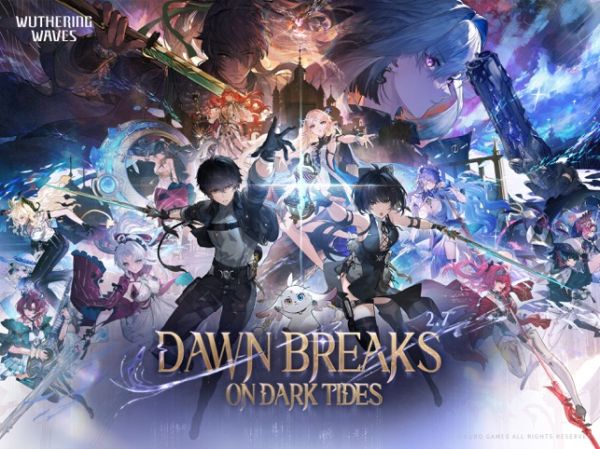

Navigating Storms and Legends: An Epic Journey Through Wuthering Waves
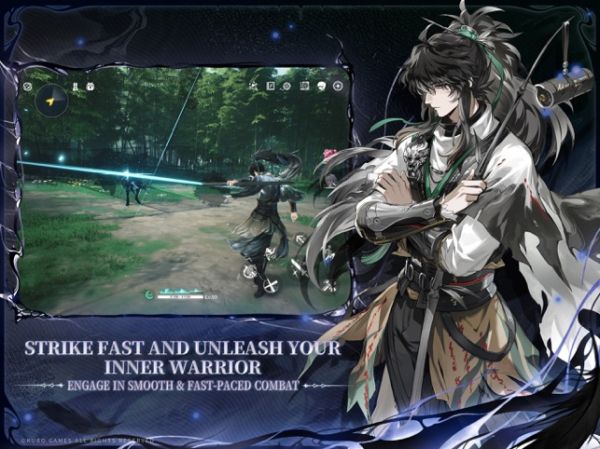
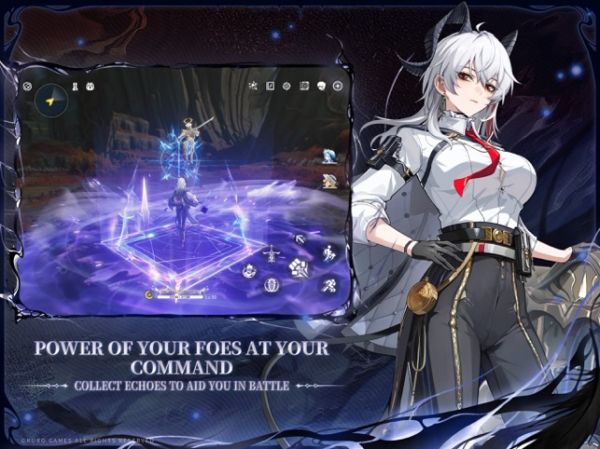
My early hours in Wuthering Waves were dominated by familiar open-world habits. I activated fast-travel points, gathered every resource within reach, opened scattered chests, and followed quest markers through a post-apocalyptic landscape filled with terminology I barely understood. Then I encountered an enemy whose attacks demanded more attention, timed one dodge correctly, triggered a counterattack, and immediately understood where the game’s real personality lived. Exploration provides the scale, characters provide the commercial attraction, and the story gives me a reason to travel, but the combat is what makes Wuthering Waves feel distinct.
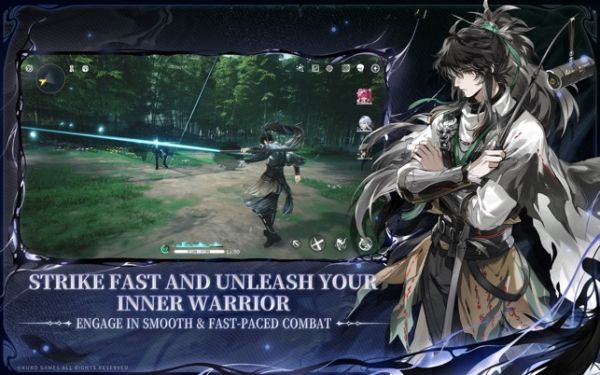
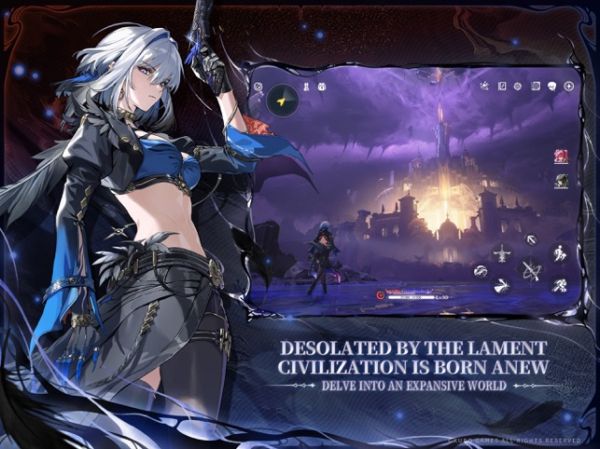
The game casts me as Rover, an amnesiac figure connected to the strange forces shaping Solaris-3 after a civilization-altering catastrophe known as the Lament. Along the journey, I meet Resonators who manipulate different attributes and join three-character teams built around rapid swapping, Intro Skills, Outro Skills, Echo abilities, and carefully timed attacks. The structure resembles other free-to-play open-world RPGs, yet the emphasis on parries, evasions, aerial movement, and character-specific mechanics gives encounters a faster and more technical rhythm. When a team rotation works properly, combat feels less like controlling three separate heroes and more like performing one continuous sequence through several bodies.
Rover Is Both a Flexible Protagonist and a Convenient Narrative Center
Rover begins without reliable memories, which allows the game to explain its world, factions, terminology, and history through the player’s discovery. This is a familiar storytelling device, but it suits a world where memory, sound, identity, and altered creatures are connected thematically. Rover is treated as unusually significant almost immediately, and many characters respond with respect or curiosity before the protagonist has earned much public reputation. That treatment can make the story feel flattering, although later revelations provide stronger reasons for Rover’s central role.
I appreciate that Rover is not permanently restricted to one combat element. New Resonance forms become available through story progress, allowing the protagonist to occupy different positions within a team without requiring a completely separate character. This flexibility makes Rover more useful than the free protagonist in many character-collection games, especially when a new form supports mechanics that my account lacks elsewhere. The weakness is that Rover’s adaptable identity sometimes makes the character feel like a narrative key designed to fit every lock rather than an individual with strong personal limits.
The Story Improves Dramatically After a Confusing Beginning
The opening chapters ask the player to absorb too many unfamiliar names, organizations, historical events, scientific concepts, and fantasy terms before providing enough emotional context. Conversations frequently stop to define another concept, while characters speak as though every piece of information carries enormous significance. I understood the broad situation, but individual details passed through my memory without finding a stable place. The result is a beginning that feels denser than it is genuinely complex.
Later regions improve the storytelling by giving conflicts stronger local identities and allowing characters to express personal goals beyond explaining the setting. Political struggles, cultural traditions, damaged relationships, and individual sacrifices become easier to follow because they are attached to places and people I have spent time with. Cinematic direction also grows more confident, with stronger transitions, expressive character animation, and battle scenes that communicate urgency without depending entirely on dialogue. I became invested once the game stopped asking me to admire its terminology and began showing how the world affects the people living in it.
Solaris-3 Feels Rebuilt Rather Than Simply Ruined
Wuthering Waves takes place after catastrophe, but its world is not an endless field of abandoned cities and hopeless survivors. Communities have adapted, built defenses, created new technology, studied dangerous phenomena, and developed cultures around the conditions left by the Lament. This makes exploration more interesting because I am not only uncovering what disappeared; I am also seeing what humanity constructed afterward. The environment carries damage without treating collapse as the only available visual idea.
Each major region uses architecture, terrain, weather, music, and local technology to establish a separate identity. Jinzhou balances military preparation with mountains and traditional architectural influences, while later areas become more theatrical, politically elaborate, or technologically strange. Mengzhou continues expanding the visual range of the game instead of repeating the same ruined landscape with a new color palette. Some regions feel more coherent than others, but the world steadily becomes more memorable as Kuro Games gains confidence in regional storytelling.
Traversal Is Fast Enough That Exploration Rarely Feels Like Punishment
Rover can sprint, climb walls, vault obstacles, use a grappling tool, glide, perform aerial actions, and move across terrain with fewer restrictions than many open-world protagonists. Running does not constantly consume stamina during ordinary travel, which removes one of the most irritating limitations common to the genre. Climbing is generous, and the grappling mechanic helps maintain momentum instead of forcing me to search for one intended path. Later mobility systems, including flight and high-speed vehicles in appropriate regions, make returning to older movement rules feel surprisingly slow.
This freedom changes how I approach the map. A cliff is usually a route rather than a barrier, and a rooftop may contain resources or puzzles instead of existing only as scenery. I spend less time circling mountains while looking for a path approved by the level designer. The system is not completely frictionless, since characters can catch awkwardly on geometry or lose momentum near complicated surfaces, but exploration generally respects my desire to keep moving.
The World Rewards Curiosity but Still Relies on Familiar Checklists
Exploration produces chests, currencies, upgrade resources, puzzles, environmental challenges, local objectives, enemies, collectibles, and progress toward regional completion. These rewards create a clear reason to investigate ruins, caves, rooftops, coastlines, and unusual landmarks. I often find one puzzle while travelling toward another objective, then notice a chest or powerful enemy nearby and abandon the original plan. The game handles this chain of distractions well because movement remains fast and rewards contribute directly to account progression.
The structure still becomes repetitive after many hours. Activating travel points, collecting region-specific objects, completing short puzzles, and raising exploration percentages follow a recognizable open-world formula. Some environmental challenges are clever, but others repeat simple movement or matching tasks with minimal variation. Wuthering Waves makes checklist exploration more enjoyable through movement and combat, though it does not completely escape the checklist itself.
Combat Is the Main Reason I Continue Building Characters
Every active team contains three Resonators who can switch rapidly during battle. Each character has basic attacks, a Resonance Skill, a Resonance Liberation, Forte mechanics, Echo abilities, and Intro or Outro effects that influence the next character. This creates multiple overlapping layers without requiring a huge number of buttons. The complexity comes from understanding when to use each action, how long to remain on one character, and which teammate benefits from entering next.
A well-designed team develops a recognizable rotation. One character prepares buffs or enemy debuffs, another deals damage during a short window, and a main attacker converts those advantages into a longer field sequence. Other teams use frequent swaps, coordinated attacks, summons, shields, counters, or unusual resource systems that change the rhythm completely. I enjoy building new characters because they often introduce mechanical behavior rather than simply presenting higher numbers in a different costume.
Perfect Dodges Make Defense Feel Like an Attack
Enemy strikes often provide clear visual or audio timing, allowing a precise dodge to trigger a powerful counter. This turns defensive movement into an active part of the damage cycle rather than a period where I am waiting for permission to attack again. Against aggressive bosses, a series of successful evasions creates a satisfying rhythm where danger and opportunity arrive together. The mechanic is accessible enough to use casually but consistent enough to reward serious practice.
Camera distance and visual effects can occasionally interfere with readability. Large enemies, bright Resonance Liberations, Echo animations, and environmental effects may hide the attack I need to avoid. Some bosses also move beyond the useful camera angle or attack from a position that makes timing harder to judge. These problems do not undermine the mechanic, but they are most frustrating in difficult content where one missed dodge can break an entire attempt.
Parrying Gives Boss Battles Their Sharpest Moments
Certain attacks display a parry opportunity that can be interrupted by striking at the correct time. A successful parry damages the enemy’s stagger meter, prevents the incoming attack, and creates an immediate feeling of mechanical control. Repeated parries can turn a threatening boss sequence into a fast exchange where I am actively challenging the enemy rather than escaping. Few moments in the game feel better than breaking a boss after reading several attacks correctly.
Parry consistency varies by character and animation. Some attacks connect naturally with the required timing, while slower, ranged, or unusually shaped moves can feel less dependable. Character positioning also matters because a visually correct attack may miss the active parry point if I stand at an awkward angle. I sometimes select a character partly because their attack sequence handles parries more comfortably, which reveals both the depth and the inconsistency of the system.
Character Switching Is More Than Cancelling Animations
Switching characters allows certain attacks to continue after the original Resonator leaves the field. This supports swap-cancelling, where I begin a longer animation and move to another teammate while the first action continues. Skilled play therefore involves recognizing which abilities require active control and which can safely persist in the background. The result is a team system where several characters can appear to fight together even though I control only one at a time.
Intro and Outro Skills add another layer by rewarding the buildup of Concerto Energy. When enough energy is available, the incoming character performs an Intro Skill while the departing character triggers an Outro effect. Some Outro Skills provide direct damage or healing, while others enhance a specific attribute or attack type for the next Resonator. Team construction becomes more interesting because field time, energy generation, buff duration, and swap order all need to support one another.
Forte Mechanics Give Each Resonator a Personal Rulebook
The Forte Circuit is the system that most clearly separates one character from another. A Resonator may build a special gauge, alter attacks after collecting stacks, enter a transformed state, consume marks placed on enemies, or create resources shared with teammates. Understanding that mechanic is usually more important than memorizing the basic attack string. Characters who initially feel ordinary can become much more engaging once I understand how their Forte changes the intended sequence.
The drawback is that descriptions can become dense. Skill text may contain several named states, unique resources, conditional bonuses, and exceptions spread across multiple menus. Trial stages demonstrate the basic concept, but they do not always explain advanced rotations clearly. I often understand a character better after practical experimentation than after reading the official description several times.
Echoes Are an Excellent Idea Attached to a Demanding Gear System
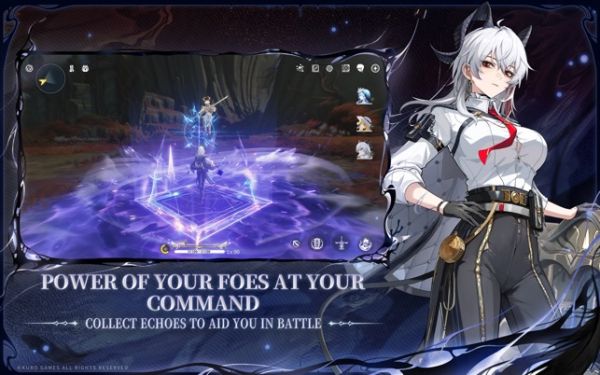
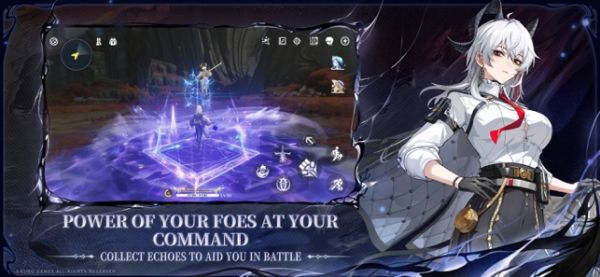
Defeated Tacet Discords can leave behind Echoes that serve as equippable gear and active abilities. The first Echo in a set can be summoned or transformed into during battle, producing attacks, movement, shields, buffs, healing, or other effects. This connects world exploration directly with combat because enemies are potential equipment rather than only sources of ordinary materials. Capturing a powerful boss Echo and using its signature attack creates a satisfying sense that the world’s creatures become part of my team.
Echoes also carry main statistics, substatistics, costs, and Sonata set effects, turning them into the game’s primary randomized equipment system. Building a strong set requires the correct combination of main stat, substats, cost distribution, and set bonus. The system creates long-term progression, but it also creates long-term frustration because a promising Echo can become useless after poor upgrades. I enjoy hunting specific creatures far more than repeatedly rolling random statistics on the pieces they drop.
Echo Farming Respects My Time Until Upgrading Begins
The Data Bank increases the rarity of Echo drops and rewards the collection of different creatures. Once the account reaches a high enough level, finding useful base pieces becomes relatively manageable because enemies can be farmed in the open world without consuming the main stamina resource. This is generous compared with systems where every equipment attempt costs limited daily energy. I can target a route, defeat several relevant enemies, and leave with a meaningful collection of candidates.
The real bottleneck comes from Echo experience and tuning materials. Testing many pieces consumes resources rapidly, and most upgraded Echoes will not produce the substats I need. Recycling systems reduce waste, but they do not remove the disappointment of investing in an item that develops poorly. The system encourages patience, yet it sometimes makes character progression feel less connected to skill than to repeated statistical chances.
Bosses Are Designed to Be Learned, Not Merely Out-Damaged
Story and overworld bosses introduce attack patterns, parry windows, area hazards, movement changes, and phase transitions that reward observation. Even when my characters are strong, careless play can lead to repeated interruptions or heavy damage. This prevents combat from becoming a simple race to press every ability as quickly as possible. The strongest bosses feel dangerous while remaining readable enough that improvement is visible across attempts.
Some encounters rely too heavily on invulnerability, extended movement, or cinematic transitions that interrupt the rotation I prepared. A boss may leave the targetable area while buffs continue expiring, then return after the team’s strongest window has ended. This creates frustration because the game teaches efficient rotations and then occasionally prevents them from functioning. I prefer bosses that challenge execution while remaining available for interaction.
Tactical Holograms Reveal the Full Potential of the Combat System
Tactical Hologram challenges present stronger versions of bosses with expanded patterns, greater damage, and stricter expectations. These fights are among my favorite activities because they reduce distractions and ask whether I truly understand movement, parries, team rotation, and enemy behavior. A failed attempt usually teaches me something specific, especially when the boss adds attacks or combinations at higher difficulty levels. Clearing a demanding Hologram feels more satisfying than completing many hours of routine resource farming.
The mode can expose account limitations as well as player limitations. Damage checks, survivability, and character availability matter increasingly at higher levels, so mechanical success does not always compensate for weaker investment. This balance is expected in an RPG, but it complicates the claim that difficult combat is purely skill-based. The best clears combine account preparation with precise execution rather than replacing one with the other.
Tower of Adversity Turns Team Building Into an Account-Wide Puzzle
Tower of Adversity presents timed combat floors and limits how often individual characters can be used across the structure. This encourages the development of several teams instead of one dominant trio. I need to decide which floors deserve my strongest characters and where a cheaper composition can preserve valuable stamina. The mode gives long-term purpose to support characters and alternative damage dealers who might otherwise remain unused.
Timer-based difficulty inevitably favors damage output. Defensive play, unusual strategies, and careful survival matter only if the team still clears quickly enough. This can make character value feel overly connected to efficient damage windows and investment levels. I enjoy the account-planning aspect more than the pressure of watching seconds disappear while a boss performs an extended animation.
Whimpering Wastes Demands More Than One Strong Team
Whimpering Wastes expands endgame pressure through encounters that require broader account preparation and adaptation to changing conditions. The mode encourages several developed teams, an understanding of buffs, and efficient use of the available Resonators. I appreciate content that makes my full roster relevant because a collection game should reward more than one perfected composition. It also gives older characters a chance to return when a particular rule favors their mechanics.
The investment requirement can become severe for newer or free-to-play accounts. Raising characters, weapons, skills, and Echoes takes time, while several teams multiply every resource cost. Players who enjoy long-term account development may find this motivating. Anyone who wants difficult combat without months of material planning may find the structure restrictive.
Depths of Illusive Realm Is the Best Place to Experiment
Depths of Illusive Realm uses a run-based format where characters gain temporary enhancements, Echo abilities, and unusual effects. The mode allows familiar Resonators to behave in exaggerated ways that would be impossible in ordinary content. A character I rarely use may become the center of a powerful build after receiving the right upgrades. This experimentation makes each run feel more playful than standard endgame modes built around strict optimization.
Random upgrade selection means some runs develop more smoothly than others, but the mode usually gives enough flexibility to adapt. Permanent and temporary objectives provide additional reasons to return during new versions. I enjoy it because it celebrates character mechanics rather than only testing their normal damage output. It also gives players access to different play styles without requiring complete ownership and investment in every Resonator.
Events Provide Variety but Frequently Disappear Too Soon
Version events introduce combat challenges, minigames, temporary stories, photography, exploration tasks, puzzles, and experimental mechanics. Some become permanent after their initial appearance, while others remain available only during a limited period. I enjoy events most when they test a new interpretation of the core combat or add meaningful character interaction. Smaller activities are pleasant breaks, although they rarely remain memorable after collecting the rewards.
Limited availability creates pressure for players who care about story context or exclusive items. Missing an event may mean losing scenes that help develop a character beyond the permanent quests. The archive and permanent-content approach has improved over time, but not every meaningful interaction remains accessible. I would prefer more story events to become replayable even after their reward period ends.
The Character Roster Is Mechanically Diverse but Visually Predictable
Resonators use swords, broadblades, gauntlets, pistols, and rectifiers, yet weapon category does not fully determine play style. Two sword users may have completely different ranges, resources, movement options, and team roles. Character animation is consistently strong, with detailed idle behavior, expressive ultimates, and combat sequences built around each personality. New releases usually provide a clear mechanical identity rather than functioning as direct visual replacements.
The roster also follows familiar anime character-collection priorities. Attractive young characters dominate, elaborate outfits often prioritize style over practicality, and body-type variation remains limited. Older characters, heavily armored designs, visibly unconventional heroes, and broader physical diversity remain underrepresented. The designs are polished, but the range of people considered commercially desirable can feel narrow.
Five-Star Animations Are Spectacular and Occasionally Obstructive
Resonance Liberation animations give major characters short cinematic moments filled with detailed effects, camera movement, and strong sound design. These sequences make new characters feel valuable and help communicate personality through motion rather than dialogue alone. I still enjoy seeing a well-produced Liberation after many repetitions because the best ones transition smoothly back into active combat. They are a major part of the game’s visual appeal.
The camera can become a problem when the cinematic ends. My character may face a different direction, the boss may have moved, or an incoming attack may be difficult to read beneath the remaining effects. Repeated Liberations from several team members also fill the screen with light and particles during already complicated encounters. Visual spectacle is impressive, but the game occasionally needs stronger restraint to preserve mechanical clarity.
Companion Stories Are More Effective Than Many Main-Quest Introductions
Companion quests focus on individual Resonators and usually provide better emotional context than their initial banner appearances. These stories explore personal responsibility, past decisions, relationships, cultural duties, and the cost of each character’s abilities. I enjoy them because they give heroes time to exist outside combat rotations and promotional cinematics. A character who initially seems built around one visual idea can become much more sympathetic after a focused quest.
The quality is uneven, and some stories still prioritize praising Rover or creating romantic ambiguity over developing the companion independently. The protagonist’s importance can distort relationships because characters quickly place unusual trust in someone they have known briefly. Stronger quests allow the featured Resonator to make decisions Rover cannot control. Those are the moments when the cast feels like a group of people rather than an account collection.
The English Localization Has Improved but Still Sounds Artificial at Times
Wuthering Waves uses extensive text and voice acting to explain a world built around specialized concepts. Later localization is generally clearer than the earliest material, and character dialogue has become more natural across updates. Voice performances often carry emotion effectively, especially during major cinematics and companion quests. The game deserves credit for improving rather than leaving the original weaknesses untouched.
Some conversations remain longer than the ideas they communicate. Characters may repeat a point using several abstract phrases, while subtitles introduce proper nouns faster than I can process them. The auto-advance and dialogue controls help, though skipping a dense explanation can create confusion later. The writing is strongest when it trusts actions, environment, and performance instead of asking every character to describe the meaning of the scene.
The Music Gives Each Region a Stronger Memory Than Its Map Icons
The soundtrack combines orchestral themes, electronic textures, regional instruments, vocal pieces, and quieter environmental music. Major boss encounters benefit from tracks that escalate with the action rather than functioning as neutral background sound. Cities and landscapes also receive musical identities that make returning to them emotionally recognizable. I often remember a region through its music before remembering the exact location of every activity.
Sound design is equally important during combat. Parry signals, dodge cues, weapon impacts, Resonance Skills, and Echo attacks communicate timing while reinforcing the force of each action. Crowded effects can become noisy, but the essential cues usually remain understandable. Playing with headphones improves both atmosphere and mechanical awareness.
The Graphics Are Beautiful, but Character Presentation Receives More Attention Than Ordinary Life
Wuthering Waves uses detailed character models, polished animation, dramatic lighting, large landscapes, weather effects, and carefully staged cinematics. Newer regions are especially impressive because architecture and natural formations create strong silhouettes visible from a distance. Photo mode benefits from expressive poses and visually elaborate Resonators. The world can produce striking images without requiring a cinematic cutscene.
Ordinary settlements sometimes feel less alive than the central characters. Non-player residents repeat limited routines, public spaces can be quiet, and everyday objects receive less interaction than the visual scale suggests. The world is designed primarily for traversal, quests, combat, and screenshots rather than complex social simulation. I admire the view frequently, but I do not always believe every city continues functioning when Rover leaves.
PC Performance Is Better Than at Launch but Still Hardware-Sensitive
The original PC release developed a reputation for stuttering, unstable performance, loading problems, and inconsistent behavior across hardware. Repeated updates have improved shader handling, frame pacing, graphical options, storage management, and support for newer technologies. My experience is now substantially smoother than during the earliest versions, particularly on an SSD with sufficient memory. The game can look excellent while maintaining responsive combat when the system is configured correctly.
Performance remains demanding, and major updates may temporarily introduce new issues. Dense cities, rapid traversal, large combat effects, and background asset loading can still create frame drops or brief stutters. The official storage requirement has also grown significantly as regions, voice files, and cinematics accumulate. Wuthering Waves is no longer defined by its launch problems, but technical confidence depends heavily on platform and configuration.
The PS5 Version Makes Combat Comfortable on a Large Screen
The PlayStation 5 version offers controller-focused play, DualSense vibration, cross-platform account support, and stable access without mobile hardware limitations. Combat works naturally on a controller because character switching, dodging, attacks, and skills fit the available buttons well. The larger display highlights environmental detail and cinematic animation, while console consistency removes much of the configuration work associated with PC. It is an excellent option for players who prefer a living-room action RPG.
Interface navigation still reflects the game’s multi-platform design. Some menus contain many layers, cursor-like selections, and small information panels that feel more efficient with a mouse or touch input. Text density can also become tiring when viewed from a distance. The core action translates better than the account-management interface.
Mobile Play Is Impressive and Mechanically Compromised
Running a world of this scale on a phone or tablet is technically impressive, and the mobile version provides access to the same account progression and major content. Touch controls are acceptable for exploration, daily tasks, and ordinary encounters. Automatic targeting and customizable layouts help reduce some of the difficulty. For casual sessions, the ability to complete activities without being near a PC or console is valuable.
High-level combat exposes the limitations quickly. Precise camera control, rapid swaps, parries, dodge timing, and small interface buttons are harder to manage on a touchscreen. Heat, battery consumption, storage demands, and performance vary substantially between devices. I can complete routine work comfortably on mobile, but I prefer a controller or keyboard setup for demanding bosses.
Co-op Is Useful for Farming but Not a Shared Campaign
After reaching the required progression, players can enter another person’s world with a small cooperative group. This allows friends to defeat bosses, collect certain materials, fight overworld enemies, and explore together. Combat becomes visually chaotic but entertaining when several Resonators attack one target simultaneously. Co-op is particularly useful when a player needs help with an overworld challenge or wants company during resource routes.
The limitations prevent it from becoming a true cooperative RPG. Many story activities remain solo-only, world progress belongs primarily to the host, and certain interactions are restricted while another player is present. Friends cannot simply begin the entire story together and develop shared quest progress. The mode is a helpful social layer rather than the foundation of the game.
Daily Energy Keeps Progress Organized and Artificially Limited
Waveplates function as the energy resource required for many upgrade activities. Character materials, weapon resources, skill items, credits, and certain boss rewards consume this limited supply. The system creates a clear daily routine and prevents highly active players from completing every character immediately. It also encourages regular logins because unused energy eventually reaches its limit.
The restriction becomes frustrating when I obtain a new character and discover that several days of materials stand between acquisition and practical use. Pre-farming helps only when requirements are known and the relevant region is accessible. Additional storage and overflow improvements reduce pressure, but the system still controls progression through time. Wuthering Waves wants me to build an account gradually, even when I would prefer to focus intensely on one new project.
Character Development Multiplies Materials Faster Than Expected
Building a Resonator involves character levels, ascension, weapon levels, skill upgrades, Echo sets, and sometimes specialized team requirements. Each layer seems reasonable alone, but a complete team multiplies the cost quickly. Endgame modes requiring several teams expand the demand further. I regularly finish one upgrade only to reveal another resource category that needs attention.
The process provides long-term goals and makes a completed character feel valuable. It also discourages spontaneous experimentation because raising an unfamiliar Resonator requires a significant investment before their real potential becomes visible. Trial stages and temporary event builds help, but they cannot fully represent ordinary account performance. I would use more of the roster if baseline development were cheaper.
The Convene System Is Generous in Some Areas and Still Gambling in Structure
Wuthering Waves uses separate banners for characters and weapons, with premium currency converted into different Convene items. Limited character banners guarantee a high-rarity result within a defined number of pulls, but the first high-rarity character may not be the featured Resonator. Losing that selection chance guarantees the featured character the next time. Progress toward the guarantee carries between banners of the same type, which allows careful planning.
Weapon banners are friendlier because the selected featured weapon is guaranteed when the high-rarity result arrives. This makes signature weapons more predictable than in several competing games. The system also provides currencies that can be exchanged for additional pulls or selected Wavebands under specific conditions. These improvements reduce uncertainty without changing the underlying reality that desirable characters are distributed through randomized purchases.
The Game Is Not Pay-to-Win in a Competitive Sense, but Spending Buys Power
Wuthering Waves does not contain direct competitive multiplayer where a paying player defeats a free player through account investment. The main story, exploration, events, and most combat can be completed without purchasing currency. Free characters and earned pulls can build effective teams, while mechanical skill has real value in difficult encounters. I never felt that payment was required simply to experience the world.
Spending still provides more characters, signature weapons, Wavebands, additional team options, and faster access to powerful combinations. Endgame scores and clear times can improve substantially when an account contains highly invested limited units. Calling the game completely free of purchased advantage would therefore be misleading. The better description is that monetized power exists inside a primarily personal progression system.
Duplicates Create Powerful Upgrades and Uncomfortable Incentives
Obtaining an additional copy of a Resonator unlocks a Waveband that may improve damage, energy generation, rotation flexibility, or quality of life. Early upgrades vary in importance, while the final levels can transform performance dramatically. This gives dedicated fans a reason to continue pulling after acquiring the base character. It also means the complete mechanical version of a hero may require several expensive successes.
Most characters function well without duplicates, and I evaluate them primarily at their base state. The existence of powerful later Wavebands still influences design because the game can reserve especially convenient features for additional copies. A character may feel complete at acquisition while becoming noticeably smoother after one or two upgrades. The system rewards spending without making every base character unusable, which is commercially effective and ethically uncomfortable.
Limited Banners Turn Character Attachment Into Scheduling Pressure
Featured Resonators remain available for a limited period before leaving and eventually returning in reruns. This creates urgency because a player who enjoys a character’s design, story, or mechanics may not know exactly when another opportunity will appear. Saving premium currency becomes a planning activity shaped by previews, leaks, official announcements, and account needs. Successfully preparing enough pulls feels satisfying, though it also demonstrates how much mental attention the system demands.
Selectable rerun banners and free Convene opportunities introduced in later versions improve access to older characters. They allow players to target missed Resonators more directly instead of waiting through an uncertain schedule. These events are genuinely useful, but they remain temporary solutions inside a structure based on scarcity. A permanent expanded character selection would respect late players more fully.
The Monthly Subscription and Battle Pass Offer Predictable Value
The Lunite Subscription provides premium currency gradually through daily login, while the paid battle pass supplies additional pulls, upgrade resources, and a selected weapon. For regular players who intend to spend modestly, these options offer more predictable value than purchasing currency directly. They do not remove the banner system, but they make long-term saving easier. The battle pass also reduces some material pressure for players building several characters.
Both products encourage continued attendance. Missing subscription days wastes part of the purchase, while completing the battle pass requires activity across the version. This changes play from something I choose freely into something I may feel obligated to maintain. The prices can appear small individually, but repeated across many months they become a substantial ongoing cost.
Version Updates Are Generous and Relentless
Major updates regularly introduce story chapters, regions, characters, weapons, bosses, events, quality-of-life improvements, and system changes. This pace keeps the world active and gives returning players something meaningful to examine. Version 3.5 continued that pattern with a new Mengzhou territory, another Rover form, additional Resonators, challenges, and technical improvements. Few open-world RPGs expand this frequently without charging for conventional map expansions.
The pace also makes the game demanding to follow. Players who leave for several months may return to new regions, changed interfaces, unfamiliar upgrade systems, several banners, and a long list of unfinished quests. Fast Track features reduce some narrative barriers, but they can create spoilers or weaken the intended progression. Continuous expansion is generous in quantity while making the complete experience increasingly intimidating.
Power Creep Exists, but Mechanical Identity Slows Its Worst Effects
Newer Resonators often arrive with stronger multipliers, better flexibility, improved movement, broader team synergy, or mechanics suited to current endgame rules. This can make older characters less efficient even when they remain capable of clearing content. The game encourages new pulls by designing challenges around recent attributes or mechanics. Complete immunity from power creep is unrealistic in a long-running character-collection RPG.
Wuthering Waves reduces the problem by giving characters distinctive rotations and by allowing player skill to compensate for some statistical differences. Older teams can remain enjoyable because their movement and combat identity do not disappear when a stronger unit releases. Reruns, system adjustments, new support characters, and occasional enhancements can also restore relevance. I still expect account priorities to change over time, especially for players focused on maximum endgame scores.
The Interface Has Improved but Still Contains Too Many Separate Systems
The Terminal organizes quests, characters, weapons, Echoes, events, guides, mail, shops, achievements, and several progression systems. Search tools, tracking, recommended builds, automatic story advance, resource cleanup, and better Echo information have made account management easier. These improvements matter because the game contains far more systems than it did at launch. I spend less time searching external menus for basic information than I once did.
Complexity continues accumulating. New events may introduce temporary currencies, progression tracks, special shops, tutorials, and upgrade rules that disappear after one version. Returning players can face a screen filled with notification markers and limited-time deadlines. The interface is competent, but no amount of organization can make every overlapping live-service system feel simple.
Accessibility Benefits From Adjustable Difficulty Outside the Endgame
Story encounters and ordinary exploration are generally forgiving enough for players who do not master every combat technique. Healing items, stronger character investment, food buffs, and team composition can compensate for mechanical mistakes. Tutorials explain the central systems, and trial stages allow direct testing of featured Resonators. The open world rarely punishes experimentation severely.
High-level Holograms, timed towers, and advanced challenges become much less forgiving. Rapid visual information, precise dodge timing, camera movement, and several simultaneous mechanics can create accessibility barriers. Control remapping and graphical options help, though the game would benefit from more detailed combat-assistance settings outside strictly ranked score conditions. Its basic experience is approachable, but its mechanical ceiling is intentionally demanding.
My Biggest Frustrations
Echo substat randomness remains my most persistent annoyance because it can erase the value of extensive farming through poor upgrade results. Building several characters requires too many overlapping materials, while daily Waveplate limits prevent me from progressing at my preferred pace. Boss invulnerability and excessive movement occasionally disrupt carefully prepared rotations. The camera and visual effects can also hide important attacks during difficult combat.
The opening story is overloaded with terminology, and later dialogue still takes too long to communicate simple ideas. Co-op remains restricted, mobile controls cannot fully support the combat’s precision, and the growing installation size creates practical problems. Most importantly, the Convene system connects character attachment with randomized spending and temporary availability. Wuthering Waves is generous by the standards of its business model, but the standards of that model are deliberately built around pressure.
Who Should Play Wuthering Waves?
I recommend Wuthering Waves to players who enjoy fast action combat, open-world exploration, character switching, boss pattern learning, anime-inspired science fantasy, and long-term account development. It is especially strong for someone who values dodges, parries, team rotations, and mechanically distinctive characters more than relaxed automatic combat. The free entry provides a substantial story and world without requiring an initial purchase. Players willing to ignore perfect endgame scores can experience an enormous amount of content without paying.
I would be more cautious recommending it to anyone strongly uncomfortable with randomized character acquisition, limited-time banners, duplicate upgrades, daily energy, or equipment statistics based on chance. Players seeking a fully cooperative campaign will find the multiplayer restrictions disappointing, while those wanting a concise story may struggle with the terminology and update schedule. Mobile-only players should also consider whether their device and control preferences can support the faster encounters. The game rewards patience, but it is constantly searching for new ways to occupy that patience.
My Final Verdict
Wuthering Waves has grown into one of the strongest free-to-play action RPGs because its combat offers real mechanical satisfaction beyond character collection. Perfect dodges, parries, swap-cancelling, Intro and Outro Skills, Forte systems, and active Echo abilities make team building feel connected to how I actually play. Fast traversal keeps the expanding world enjoyable to explore, while newer regions and story chapters show much stronger direction than the confusing opening. The soundtrack, boss design, animation, and steady stream of substantial updates give Solaris-3 an identity that continues improving rather than remaining trapped by its launch weaknesses.
The game still carries every major burden of its business model. Echo upgrades depend too heavily on random results, character development consumes extensive materials, daily energy limits progress, and limited banners transform emotional attachment into commercial urgency. Dialogue can be excessive, visual clarity occasionally collapses during elaborate battles, and technical performance remains sensitive to platform and hardware. I rate Wuthering Waves 8.8/10. I return for the characters and new regions, but the reason I stay is simpler: few open-world RPGs make one well-timed dodge feel this satisfying.
Pros:
- Refined gameplay mechanics that cater to both casual and hardcore gamers
- Breathtaking art direction and a captivating soundtrack
- Dynamic environments that offer unpredictable challenges and variety
- Strong community support with continuous updates, mods, and cheats
- Cross-platform availability allowing access on multiple devices
- Engaging storyline with a richly immersive atmosphere
Cons:
- Performance issues on lower-end devices may occur
- The open-ended nature of the game can be overwhelming for some players
- Occasional steep learning curve for newcomers







Recent Reviews

Minecraft

Grand Theft Auto V

Toca Boca World

Roblox

Leave a comment
Your comment is awaiting moderation. We save your draft here
0 Comments