Review
Arena Breakout: Infinite understands that the most frightening part of an extraction shooter is not entering a dangerous location. The...
Arena Breakout: Infinite – Redefining Multiplayer Combat and Creative Tactics
Arena Breakout: Infinite understands that the most frightening part of an extraction shooter is not entering a dangerous location. The real pressure begins after I find something valuable and realize that every additional room creates another opportunity to lose it. A quiet raid can transform into an exhausting test of patience the moment my backpack contains enough equipment to matter. The game builds its identity around that change from curiosity to fear, turning ordinary loot into a reason to question every footstep.
I never feel completely relaxed after entering Kamona because the match does not promise that effort will produce progress. I can spend time selecting ammunition, modifying a rifle, organizing medical supplies, and choosing armor only to lose everything during the first encounter. Another raid may begin with cheap equipment and end with a successful extraction worth far more than I expected. This uncertainty makes preparation meaningful without allowing preparation to become a guarantee.
The Extraction Loop Creates Immediate Emotional Stakes
The central loop is straightforward enough to explain within minutes. I enter a map, search buildings and containers, fight AI enemies or human operators, complete optional tasks, and attempt to reach an available extraction point. The complexity comes from deciding when the current amount of loot is valuable enough to justify leaving. Remaining for one more building may provide an exceptional item, but it may also expose me to the squad that has been following the sounds of combat.
This decision becomes more interesting because extraction points are not always simple exits waiting at the edge of the map. Some locations may require specific conditions, available resources, or a route through areas other players understand just as well as I do. Approaching an exit can therefore be more dangerous than looting because operators expect successful survivors to arrive carrying expensive equipment. I rarely celebrate until the extraction timer has completely finished.
The game is most effective when greed creates the problem. I may already possess enough items to make the raid profitable, yet an unopened safe or distant supply area continues pulling me deeper into danger. When that decision ends badly, I cannot blame a scripted event for the loss. Arena Breakout: Infinite gives me enough freedom to recognize that many failures began when I refused to leave.
Gunplay Feels Heavy Without Becoming Unresponsive
The weapons have enough physical weight to support the tactical tone. Rifles do not rotate like weightless tools, aiming speed depends on the build, and recoil can make sustained fire unreliable without careful control. Short bursts and deliberate shots usually feel more effective than holding the trigger until the magazine is empty. The result is gunplay that rewards preparation and positioning while remaining accessible enough for players who are not dedicated military-simulation experts.
I particularly enjoy the difference between entering a room with a compact weapon and attempting the same movement with a long rifle covered in attachments. The weapon occupies space, the sight picture changes according to equipment, and close obstacles can make a theoretically powerful build feel uncomfortable. A gun selected for open terrain may become a liability during indoor combat. Loadout planning therefore begins with the map and intended route rather than with one universal list of the strongest weapons.
Hit feedback is usually clear enough to make encounters satisfying, although rapid fights can still become difficult to read. Armor, ammunition, body location, and medical condition influence the result, so an opponent does not always fall after the number of shots I expected. This creates tension but can also produce confusion when I am unsure whether inaccurate aim, unsuitable ammunition, or strong protection determined the exchange. Learning to interpret those possibilities is part of the game’s larger progression.
Ammunition Is Often More Important Than the Rifle
Arena Breakout: Infinite taught me quickly that an expensive weapon loaded with unsuitable ammunition can provide false confidence. Ammunition types differ in penetration, damage, price, and practical effectiveness against various levels of protection. Carrying premium rounds can improve my chances in a serious fight, but it also increases the financial value placed at risk. Every magazine becomes another investment that may disappear with the rest of the equipment.
This system gives looting and preparation greater depth because ammunition cannot be treated as one generic resource. I may find rounds that are useful for another weapon, decide whether to keep them for sale, or reorganize the loadout around what is currently affordable. Mixing ammunition inside magazines can create economical combinations, although it also requires attention to the order in which rounds will be fired. The preparation screen can become almost as strategic as the raid itself.
The downside is that new players may underestimate the system and repeatedly lose fights without understanding why. A tutorial can explain penetration, but real understanding usually arrives after several expensive mistakes. Arena Breakout: Infinite is more welcoming than some extraction shooters, yet it still assumes that players will gradually learn a dense collection of equipment relationships. The learning process is rewarding, but it is rarely gentle.
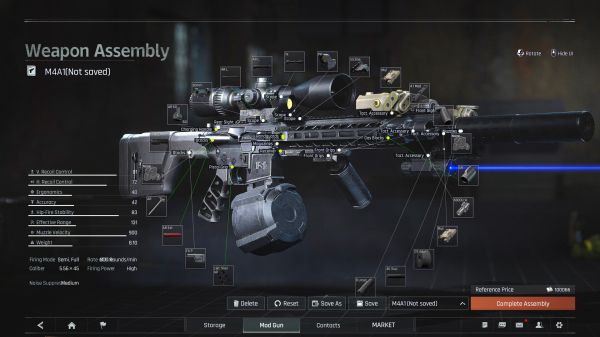
Weapon Customization Is Detailed Enough to Become Its Own Hobby
The modification system allows me to change sights, stocks, grips, barrels, muzzle devices, magazines, rails, and other components according to a specific purpose. Each attachment influences handling, recoil, ergonomics, range, visibility, or total cost. Building a rifle becomes a balance between performance and financial responsibility rather than a simple process of installing the most expensive part in every slot. A perfect weapon that I am afraid to take into a raid has little practical value.
I enjoy creating affordable builds that solve one clear problem. A compact setup may support close indoor fighting, while a heavier rifle can prioritize controlled shots across open terrain. Suppressors reduce obvious noise but increase the value of the loadout and do not make firing completely invisible. Optics provide better target identification while sometimes making close-range movement slower or less comfortable.
The modification interface can initially look intimidating because numerous parts appear compatible with different intermediate components. Once I understand the relationships, experimentation becomes one of the most satisfying activities outside raids. Saving builds and comparing statistics helps reduce repeated work, but the temptation to spend too much remains constant. The game understands that players can become emotionally attached to a weapon before it has fired one shot.
Armor Provides Protection Without Creating Safety
Armor changes the probability of surviving a mistake rather than removing the importance of avoiding one. Better protection may stop weaker ammunition, reduce certain injuries, and give me enough time to return fire. It also adds weight, affects movement, consumes money, and creates confidence that may encourage a more aggressive decision. I have lost expensive equipment because I behaved as though its price made me invulnerable.
Coverage matters alongside protection level. A strong vest may protect the central body while leaving other areas exposed, and helmets cannot guarantee survival against every round or angle. Face protection can provide additional security while reducing visibility or comfort. These trade-offs prevent equipment progression from becoming a simple ladder where every expensive item is universally better.
Damaged armor also creates an economic decision after extraction. Repairing it may reduce long-term effectiveness, selling it may recover part of the cost, and replacing it consumes money that could support another weapon or medical kit. The equipment screen continually forces me to choose between ideal preparation and sustainable preparation. Running premium protection during every raid is possible only when the economy can survive repeated losses.
The Medical System Makes Surviving the Fight Only the First Step
Winning an encounter does not automatically restore my ability to continue. Different injuries require different responses, and treating the wrong problem can waste valuable time while another operator approaches. Bleeding, damaged body parts, pain, and reduced mobility turn the aftermath into a separate tactical situation. I may defeat the immediate opponent and still be unable to reach extraction safely.
Medical supplies occupy space and add cost, so carrying every possible treatment is inefficient. I need enough equipment to address likely problems without filling the backpack with items that prevent profitable looting. Cheap kits may handle minor damage but become inadequate after a serious exchange. More complete preparation improves survival while increasing the financial consequences of losing.
I appreciate how healing creates vulnerability. Opening the inventory, performing an animation, and waiting for treatment requires time during which awareness is reduced. A wounded player cannot simply disappear behind cover and return at full strength several seconds later. The system makes retreat, concealment, and teammate protection important after combat.
Sound Is the Most Reliable Source of Fear
The audio design constantly influences how I move. Footsteps, doors, containers, weapon handling, reloading, healing, and distant shots reveal activity without providing complete certainty about its source. A quiet sound behind a wall may belong to one cautious operator or an entire squad waiting for me to enter. I frequently stop moving simply to determine whether another sound follows.
Headphones and environmental surfaces make direction and distance easier to interpret, but the information still requires judgment. Buildings produce echoes, floors separate players vertically, and weather can reduce clarity. Someone moving slowly may remain almost impossible to track until they interact with an object. The result is an audio system that provides valuable clues without turning every opponent into a visible marker.
Sound also creates psychological pressure through absence. A building that was noisy and suddenly becomes silent often feels more dangerous than one with continuous movement. The other player may have left, changed position, or begun waiting for me. Arena Breakout: Infinite understands that uncertainty is more effective than constant action, and its audio allows an ordinary hallway to become a long negotiation between two people refusing to move first.
The Maps Demand Different Types of Preparation
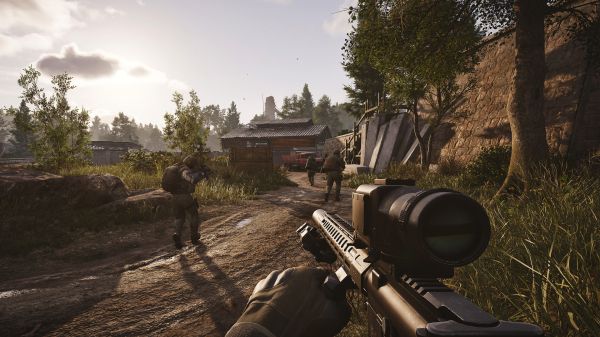
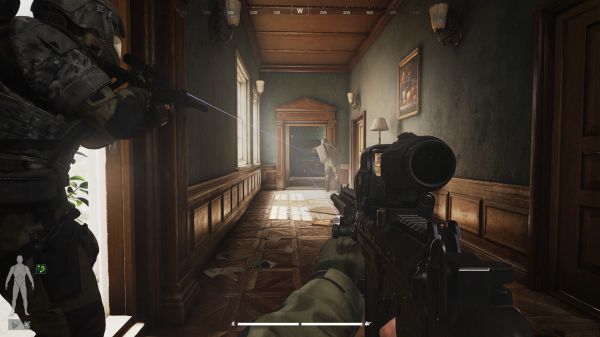
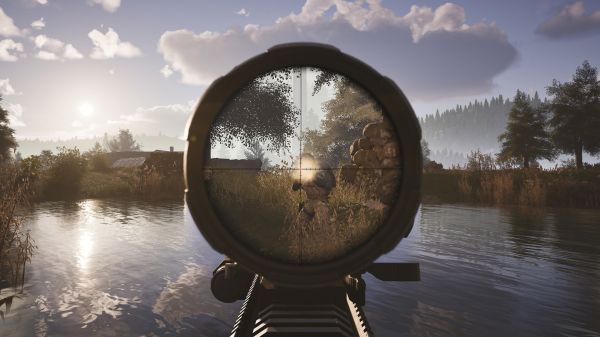
Each environment changes the value of equipment, movement, and information. Open areas reward optics, controlled long-range fire, and careful route selection, while indoor locations emphasize compact weapons, grenades, hearing, and confidence around corners. A loadout that performs well in one setting may feel completely inappropriate in another. This gives map selection meaningful influence over preparation rather than changing only the visual background.
Learning extraction routes, valuable rooms, common approach paths, and dangerous observation points takes time. Early raids often feel confusing because the map provides location information without explaining where experienced players are likely to wait. Gradually, buildings and landmarks become connected to personal memories of previous encounters. A quiet road may remain frightening because I remember losing an expensive loadout there several raids earlier.
The strongest map knowledge does not come from memorizing loot alone. I need to understand how squads rotate after nearby shots, where AI enemies create noise, and which locations offer multiple escape routes. A valuable room with one narrow entrance can become a trap, while a less profitable building may provide safer movement. Arena Breakout: Infinite rewards knowing when a location is useful, not merely knowing that loot exists inside it.
Dynamic Weather Changes More Than the Appearance
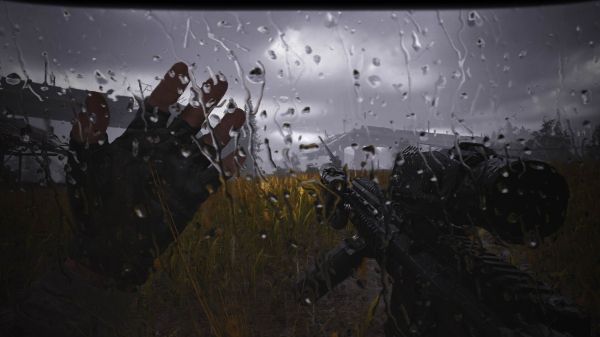
Fog, darkness, storms, and other conditions affect visibility, sound, and the practical value of equipment. An optic that feels excellent under clear daylight may become less useful when the environment limits identification distance. Open terrain can become safer to cross while close ambushes become harder to detect. Weather prevents one route from feeling identical across every raid.
I enjoy the atmospheric effect because the maps can change personality without changing layout. A familiar road under bright conditions supports long observation, while the same route in poor visibility becomes a sequence of short movements between cover. Weather also makes expensive equipment feel situational rather than universally superior. Thermal and visibility advantages may matter greatly in one raid and provide limited value in another.
The system occasionally reduces readability more than I would prefer, especially during encounters where dark silhouettes blend into detailed environments. This tension is partly intentional, but competitive clarity remains important when valuable equipment is at risk. The best weather creates tactical adaptation rather than making opponents difficult to see through visual noise alone. Most conditions achieve that balance effectively.
Tactical Ops Provides the Full Risk-and-Reward Experience
Tactical Ops is where my personally selected equipment enters the raid and can be permanently lost. Every decision before deployment therefore carries economic weight. I choose how much protection, ammunition, medical support, storage, and weapon quality I am willing to risk for the expected rewards of the selected map. Entering with minimal gear reduces the loss but may make profitable areas difficult to contest.
This mode creates the strongest attachment to equipment because every item has been purchased, modified, or recovered previously. A familiar rifle can survive several successful raids and gradually become associated with particular moments. Losing it feels more significant than losing its market price alone. The weapon has become part of the run’s history even though another identical build can technically be created.
The economy works because Tactical Ops continually removes equipment from circulation through failure. Successful extraction produces wealth, while unsuccessful raids create demand for replacements. The balance can become stressful when repeated losses reduce available money, but that pressure gives cheaper builds and alternative modes practical purpose. Financial recovery becomes part of learning rather than evidence that the game has ended.
Covert Ops Is a Useful Recovery Tool
Covert Ops allows me to enter with a temporary character and equipment that I did not purchase. The potential profit is therefore attractive because successful extraction transfers recovered items without exposing my main inventory to the same level of risk. The starting loadout may be weak, incomplete, or poorly suited to the location, forcing me to adapt rather than follow a prepared strategy. This creates a refreshing contrast with carefully planned Tactical Ops raids.
The mode is useful after several expensive failures because it provides a path back into the economy. I can search for abandoned equipment, avoid major conflicts, and leave with enough supplies to support the next serious loadout. A weak starting position can also encourage opportunistic play, since surviving a fight may allow me to replace nearly every item immediately. The possibility of transforming a poor kit into valuable loot creates some of the game’s best unscripted stories.
Covert Ops still requires judgment because having little to lose can encourage careless behavior. Rushing every gunshot rarely produces consistent profit, and AI relationships or other covert players can complicate identification. The mode is most valuable when treated as a different survival challenge rather than a consequence-free deathmatch. Extraction remains the objective even when the initial equipment has no personal cost.
Solo Play Creates a Different Kind of Tension
Entering without teammates provides complete control over movement, noise, loot, and timing. I do not need to coordinate routes or worry that another player will open a door while I am listening. Every item recovered belongs to me, and retreat can be decided instantly. This freedom is balanced by the knowledge that nobody can cover another angle, protect me during healing, or carry equipment after I fall.
Solo encounters against squads require a different approach. A direct exchange may be impossible, so positioning, surprise, and disengagement become more important than mechanical confidence. Defeating one operator does not mean the area is safe because teammates may be watching the body or moving toward another angle. Collecting loot too quickly after a successful shot is one of the easiest ways to turn a victory into a loss.
I find solo raids more emotionally intense because every sound demands a personal response. Squad play distributes attention among several people, while solo play makes one missed angle decisive. Successful extraction feels especially rewarding because every stage of the raid depended on my own judgment. The experience is less forgiving but often more focused.
Squad Play Rewards Clear Communication
A coordinated squad can divide observation, carry specialized equipment, and respond to injuries more effectively. One player can watch a hallway while another searches, and teammates can identify movement that would remain outside my own field of view. Shared information makes complex environments easier to control. It also creates opportunities for flanking and coordinated pressure that are difficult to reproduce alone.
Poor communication can make a squad more dangerous to itself than to the enemy. Teammates block doorways, create noise, confuse positions, and occasionally mistake friendly movement for a threat. Everyone may attempt to loot the same body while nobody watches the surrounding area. The additional firepower provides little benefit when the group behaves like several solo players standing close together.
Simple communication is usually more valuable than constant conversation. Identifying direction, distance, equipment, and intended movement gives teammates information they can use immediately. Long explanations during combat can hide footsteps and create confusion. Arena Breakout: Infinite produces excellent cooperative moments when a team develops a shared language for movement and danger.
Looting Is a Spatial Puzzle Under Pressure
Backpack and rig space make every item compete with something else. A large object may have an attractive value but consume enough room to prevent carrying several smaller items worth more collectively. Containers can sometimes be arranged inside other storage, encouraging careful organization during moments when remaining still is dangerous. Efficient looting becomes a combination of market knowledge, spatial reasoning, and emotional control.
I often make poor decisions immediately after combat because excitement encourages me to take everything. Several minutes later, I discover that the backpack is filled with heavy equipment offering limited profit. Learning approximate values helps, but the market can change and personal needs also matter. An attachment worth less money may still be more valuable if it completes a weapon build I already own.
Searching bodies creates additional danger because inventory management reduces awareness. A defeated operator can become bait for teammates or another squad attracted by the earlier shots. I learned to secure the area, listen, and move useful items into cover before organizing everything carefully. The fastest looter is not always the most successful one.
The Economy Gives Every Decision a Price
Koen connects raids, equipment, repairs, ammunition, medical supplies, and long-term progression. Spending more increases the potential effectiveness of a loadout but also raises the amount lost after failure. This relationship prevents money from functioning only as a progression score. Currency is stored possibility, and every purchase converts part of that possibility into risk.
I enjoy building budgets for different purposes. A cheap recovery kit should allow several attempts without serious financial damage, while a premium loadout may be justified for a difficult objective or coordinated squad. Using the same level of equipment for every raid would ignore the variation in maps, goals, and current finances. Sustainable players understand when to reduce ambition.
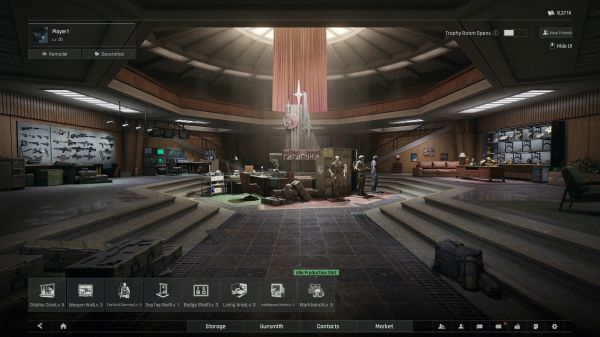
The market can occasionally make menu management feel more important than actual combat. Comparing parts, checking values, and reorganizing storage can consume significant time between raids. These systems support the extraction fantasy, but the interface should always help players return to the battlefield efficiently. The game generally provides useful filters and presets, although inventory maintenance remains a substantial part of the experience.
Monetization Remains Difficult to Ignore
Arena Breakout: Infinite is free to play, so premium systems and cosmetic offers are an expected part of the structure. Character appearances, weapon designs, seasonal items, and other optional purchases give players ways to personalize the experience. Cosmetic monetization is easier to accept when it remains separate from combat effectiveness. The tension appears whenever convenience, storage, progression, or economic support feels connected to payment.
Extraction shooters depend heavily on trust because every opponent represents equipment and time placed at risk. Any perception that money can reduce meaningful friction or provide competitive security damages that trust more than it would in a casual shooter. The game must continually demonstrate that preparation, knowledge, aim, and teamwork remain more important than spending. Even optional advantages can become controversial when the economy is part of the competitive experience.
I prefer treating premium content as decoration rather than as a solution to frustration. A distinctive weapon skin can make a favorite build more personal, but it should not influence recoil, visibility, or economic survival. The free core provides enough depth to support long sessions without requiring payment. The long-term reputation of the game will depend on preserving that boundary clearly.
The Difficulty Tiers Provide a Natural Progression
Normal raids offer a more accessible environment for learning maps, equipment, and extraction routes. The potential rewards are lower, but so is the financial pressure required to enter. Lockdown increases expectations and encourages stronger preparation, while the most dangerous zones attract players willing to risk expensive equipment for exceptional rewards. This structure allows the same map knowledge to remain useful across different levels of intensity.
The tiers are not simply difficulty settings changing enemy health. Entry conditions, player behavior, equipment quality, and expected competition influence the entire atmosphere. A route that feels relatively safe in Normal may become an obvious ambush point when experienced squads enter with better optics and ammunition. Moving upward therefore requires tactical adaptation rather than only stronger equipment.
I like that progression remains partly voluntary. The game does not require me to abandon lower-risk raids simply because the account has advanced. I can return to affordable runs after a bad session or use them to test unfamiliar weapons. The economy and personal confidence determine readiness more naturally than one fixed level requirement.
AI Enemies Add Pressure Without Replacing Human Threats
AI combatants create movement, sound, and uncertainty across the maps. They can reveal a player’s position, interrupt a quiet route, or force me to use ammunition before meeting another operator. Their equipment may provide useful supplies, but engaging them carelessly can attract more dangerous attention. Even a simple encounter becomes a public announcement when gunfire travels through the area.
The AI is not consistently convincing in every situation. Some enemies expose themselves predictably, react slowly, or become dangerous mainly through numbers and accuracy. Others can create surprising pressure by moving around cover or appearing during an already complicated fight. Their greatest value comes from changing the information available to human players rather than functioning as the final challenge.
I frequently use AI behavior as indirect evidence. A living guard suggests that no operator has passed through recently, while a body may indicate a route taken by another player. Sudden gunfire can reveal an approximate location, but it can also become bait. The PvPvE structure works because every group affects how the others interpret the map.
The Killcam Provides Information and Suspicion
Reviewing the final moments of a defeat can explain positioning mistakes that were impossible to understand during the encounter. I may discover that an opponent watched an angle I failed to check, heard a movement I considered quiet, or followed me for longer than expected. This information makes loss educational and reduces the feeling that every sudden defeat was random. It also provides a direct route for reporting suspicious behavior.
The system cannot remove every concern about cheating. Extraction shooters create strong emotional reactions because defeat removes valuable equipment, so unusual accuracy or awareness immediately attracts suspicion. Anti-cheat efforts and compensation help, but player trust depends on consistent enforcement over time. One questionable encounter can affect the way every later death is interpreted.
I try to use the killcam as a learning tool before treating it as evidence of unfair play. Many apparently impossible shots become understandable when I see the opponent’s position. Others remain difficult to explain and deserve investigation. The feature is valuable because it gives players more information than a simple death screen.
The Visual Design Supports Tactical Readability
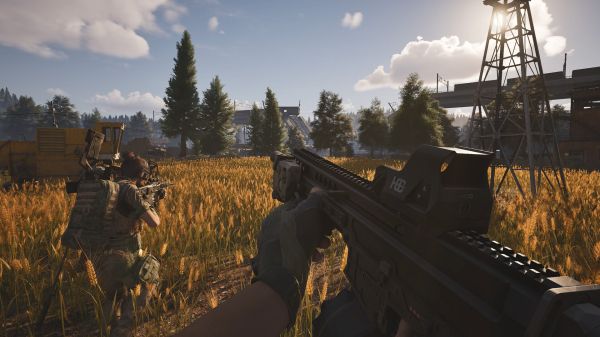
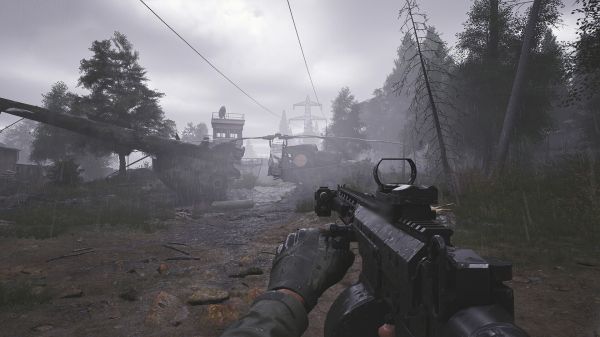
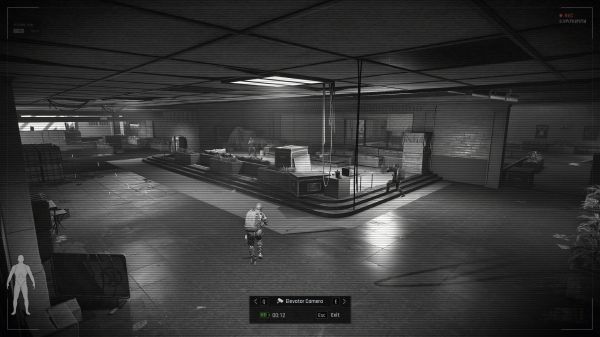
Arena Breakout: Infinite aims for realistic environments without making every location visually identical. Rural areas, industrial spaces, military structures, roads, interiors, and weather conditions provide enough variety to influence movement. Materials and lighting help distinguish cover from decoration, although dense scenes can occasionally hide characters too effectively. The maps generally look believable while remaining functional as competitive spaces.
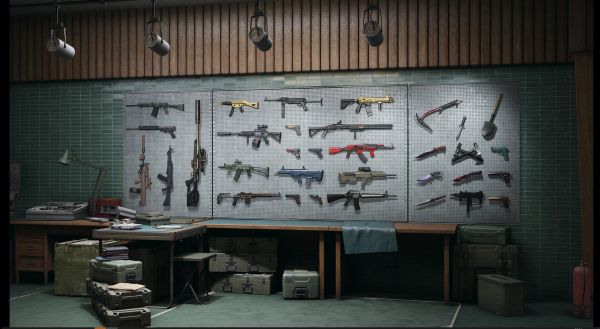
Weapon models and animations receive particularly strong attention. Attachments are visible, reloads reflect the equipment used, and inspecting a completed build provides the visual reward expected after spending time on customization. The first-person presentation makes small mechanical details feel important without requiring the game to become a complete simulation. Equipment looks valuable before its market price is considered.
Performance can vary according to hardware and map conditions. Detailed environments, weather, players, and AI create more demand than a simple arena shooter. Stable frame delivery is essential because minor delays affect aiming and survival. I would always reduce visual settings before accepting inconsistent performance in a game where one lost encounter has persistent consequences.
The Interface Is Helpful but Still Dense
The game provides tutorials, equipment comparisons, market information, presets, and post-raid details intended to make the extraction genre more approachable. These features reduce some of the unnecessary confusion found in more opaque competitors. I can usually understand what an item does and how it connects to the current loadout. The amount of information remains substantial, especially for players entering the genre for the first time.
Inventory management involves containers, rigs, ammunition, medical items, keys, weapon parts, armor, and valuables competing for limited space. Organizing everything can become satisfying after I establish a personal system, but early menus may feel like work performed before the real game begins. Automatic organization helps without always producing the arrangement I prefer. Saved loadouts and purchasing tools reduce repetition once reliable builds have been established.
I would like even clearer explanations of why particular equipment failed during combat. Post-raid information already provides useful damage details, but connecting ammunition, armor, hit location, and final outcome more visibly would improve learning. Extraction shooters become less frustrating when defeat can be translated into a practical change. Information should support adaptation rather than reveal every hidden variable automatically.
The Game Is Accessible Without Becoming Casual
Arena Breakout: Infinite makes several quality-of-life choices that help new players enter raids more quickly. Tutorials explain the central systems, equipment can be assembled through clearer interfaces, and alternative modes provide recovery options after losses. The maps and objectives remain demanding enough that learning never feels complete after the introductory missions. Accessibility comes from better communication rather than from removing consequences.
This approach gives the game a useful position within the extraction genre. It can introduce players who find more opaque competitors intimidating while still providing enough mechanical and economic depth for long-term play. The danger is that experienced players may dominate accessible modes through superior knowledge and equipment. Matchmaking and tier structure must continue separating learning opportunities from high-level farming as effectively as possible.
I appreciate being able to understand the reason for most preparation decisions without studying an external encyclopedia. The deeper relationships still reward research and experimentation, but the basic loop remains readable. The game invites me inside before demonstrating how much remains to be learned. That is a more effective form of difficulty than simply refusing to explain itself.
Seasonal Content Adds Variety but Risks Visual Distraction
New weapons, modes, collectibles, objectives, and collaborations give returning players reasons to revisit familiar maps. Limited events can alter priorities by placing valuable items in different locations or encouraging unusual routes. PvE-focused activities also provide an alternative for players who want the weapon and equipment systems without constant high-level PvP pressure. The seasonal structure gives the game enough movement to avoid feeling permanently fixed.
Collaborations and elaborate cosmetics can conflict with the grounded military atmosphere when their presentation becomes too prominent. Arena Breakout: Infinite is visually strongest when equipment appears practical and connected to the world. Stylized content can still work if it remains optional and does not reduce enemy readability. The game needs to earn money without allowing the store to define the battlefield’s identity.
I prefer seasonal additions that create new decisions inside raids. A cosmetic reward may be attractive, but a new weather pattern, extraction condition, weapon category, or enemy behavior affects the experience more meaningfully. The strongest updates deepen the tension rather than merely expanding the collection screen. Long-term success will depend on maintaining that priority.
Hostile PvE Content Offers a Useful Change of Pace
PvE-focused content allows the game’s movement, weapon building, medical systems, and squad communication to function without every encounter being determined by another highly experienced player. This can provide a better environment for testing equipment and learning cooperation. Strong AI pressure still preserves the need for ammunition management, healing, and extraction planning. The reduced human unpredictability changes the tension without removing it entirely.
I do not want PvE to replace the central PvPvE identity because human operators create the most memorable uncertainty. AI follows systems that can eventually be learned, while another player may wait, retreat, mislead, or make a completely irrational decision. PvE works best as a complementary mode supporting progression and variety. It gives players another reason to engage with the game when competitive raids become exhausting.
Rewards require careful balance so that PvE remains worthwhile without becoming the easiest route to wealth. If it produces too little, players will treat it as temporary novelty. If it provides too much, the economic risk of standard raids becomes less meaningful. The mode’s value lies in offering a different tactical challenge rather than a safer method of bypassing the core loop.
The Best Raids Are Often the Ones Where I Never Fire
A successful raid does not require defeating several operators. Some of my most satisfying extractions involved hearing danger, changing route, finding useful items, and leaving without revealing my position. Avoiding combat can require more discipline than entering it because valuable equipment creates a constant temptation to test the loadout. The game rewards survival even when the final statistics appear uneventful.
Quiet raids also demonstrate how much tension can be created through possibility alone. A distant shot may influence the next ten minutes of movement, while an open door can make me abandon an entire building. I may never confirm whether another operator was nearby. The uncertainty remains meaningful because acting cautiously preserved the equipment.
This is where Arena Breakout: Infinite separates itself from ordinary competitive shooters. Eliminations matter, but they are not the only measure of success. The smartest action may be refusing a fair fight because a fair fight still creates unnecessary risk. Extraction changes courage from a requirement into a resource that should be spent carefully.
Failure Hurts Because Preparation Was Personal
Every lost loadout represents time spent earning money, selecting components, purchasing supplies, and arranging the inventory. That preparation makes defeat emotionally stronger than a standard respawn. I may know that the equipment can be replaced, but the next raid cannot begin with the same confidence if the economy has been damaged. Loss changes future decisions rather than ending only the current match.
This pressure can create gear fear, where expensive equipment remains unused because losing it feels worse than benefiting from it. I have kept powerful weapons in storage while repeatedly entering with cheaper kits, effectively turning valuable gear into decoration. The healthiest approach is remembering that equipment exists to support raids. A weapon preserved forever provides less value than one used intelligently and eventually lost.
The game becomes more enjoyable when I accept that every item is temporary. Successful extraction may extend its history, but no build is guaranteed to remain mine. This attitude does not remove frustration, though it allows loss to become part of progression. The economy is designed around circulation, not permanent ownership.
A Strong Extraction Shooter That Understands the Value of Leaving
Arena Breakout: Infinite succeeds because its shooting, economy, inventory, audio, maps, and medical systems all support one central emotion: the desire to escape before success becomes failure. Finding valuable loot changes how I move, which routes I consider, and how willing I am to engage another player. The game does not need a dramatic story inside every raid because the equipment in my backpack creates an immediate personal objective. Survival becomes more important as the potential reward increases.
The gunplay is physical and satisfying, weapon customization offers enormous room for experimentation, and ammunition choices prevent equipment progression from becoming simplistic. Tactical Ops provides serious risk, Covert Ops supports recovery, and solo or squad play creates meaningfully different approaches. Dynamic environments and strong audio give map knowledge depth beyond memorizing containers. The game is approachable enough to explain its systems while remaining unforgiving when I ignore them.
There are still significant concerns. Monetization must remain carefully separated from competitive power, cheating can damage trust quickly, menu management consumes substantial time, and occasional visual or technical inconsistencies can make expensive defeats difficult to accept. Seasonal cosmetics should also avoid weakening the grounded atmosphere that makes the maps and equipment convincing. These issues matter more in an extraction shooter because every problem affects resources accumulated across multiple sessions.
I continue returning because the game creates tension from decisions rather than constant spectacle. A doorway, distant shot, damaged leg, nearly full backpack, or approaching extraction timer can completely alter the plan. Arena Breakout: Infinite gives me excellent weapons and detailed equipment, then repeatedly reminds me that none of them matter unless I leave the map alive. The most satisfying moment is not finding the rare item or winning the firefight; it is watching the extraction complete while realizing how many opportunities I had to lose everything.
Pros:
- Dynamic sound design that improves gameplay immersion
- Multilayered gameplay mechanics supporting strategic depth
- Customizability with unique avatars, skins, and mod support
- Seamless cross-platform accessibility including unblocked play options
- Active community and developer engagement leading to regular updates
- Crisp, polished graphics that enhance the visual experience
Cons:
- Occasional matchmaking issues pairing players of different skill levels
- Potential for exploits if cheats or mods are not properly managed
- Steep learning curve for new players due to complex mechanics









Recent Reviews

Minecraft

Grand Theft Auto V

Toca Boca World

Roblox

Leave a comment
Your comment is awaiting moderation. We save your draft here
0 Comments