
Review
Ghost of Tsushima Director’s Cut gave me one of those open worlds where I regularly forgot the objective because the landscape itself k...



Ghost of Tsushima Director's Cut: A Journey Through Immersive History and Innovative Gameplay
Ghost of Tsushima Director’s Cut gave me one of those open worlds where I regularly forgot the objective because the landscape itself kept pulling my attention away. I could be riding toward an occupied settlement, notice leaves moving through a field, follow a fox between the trees, and spend the next twenty minutes nowhere near the original destination. The game rarely punishes these distractions because exploration is not treated as time wasted between missions. Tsushima is the main reason I wanted to continue playing, while Jin Sakai’s story gave every journey across it emotional weight.
I entered expecting a polished samurai action game built around sword fights, stealth, and cinematic landscapes. Those expectations were correct, but they did not explain why the experience remained memorable after the final confrontation. Ghost of Tsushima is really about a warrior trying to protect his home while gradually abandoning the code that once defined his identity. The combat, world design, side stories, and progression systems all support that conflict between inherited honor and practical survival.
From my perspective as a gamer, the Director’s Cut feels like a complete adventure rather than a base game with unrelated extras attached. Iki Island expands Jin’s personal history and introduces enemies designed for players who already understand the combat system. Legends offers a completely different cooperative structure built around supernatural missions and class roles. The PC features then provide enough graphical and control flexibility to make the entire package feel comfortable on modern hardware.
The First Ride Into Tsushima Established the Entire Fantasy
The opening hours make it clear that Jin is not beginning from a position of victory. The Mongol invasion overwhelms the samurai defenders, destroys their organized resistance, and leaves Tsushima under occupation. Jin survives, but survival immediately creates a problem because the methods that kept him alive do not match the ideals he was taught to respect. The game builds its central conflict before I have access to most of the map or combat abilities.
I appreciated that the story does not present Jin as an inexperienced fighter who needs to learn basic swordsmanship from the beginning. He already understands combat, discipline, and responsibility, but those skills are insufficient against an enemy willing to use fear, numbers, deception, and unfamiliar tactics. His development therefore involves changing his philosophy rather than simply increasing his strength. Every new Ghost technique represents both a gameplay upgrade and another step away from the person Lord Shimura wants him to remain.
Jin Sakai Is Most Interesting When He Stops Being Certain
Jin begins with a clear understanding of what a samurai should do. He faces enemies openly, protects civilians, obeys his lord, and believes that honorable conduct gives his actions moral legitimacy. The invasion gradually exposes the limitations of that certainty because predictable behavior becomes easy for the Mongols to exploit. Jin must decide whether preserving the code matters more than protecting the people the code was meant to serve.
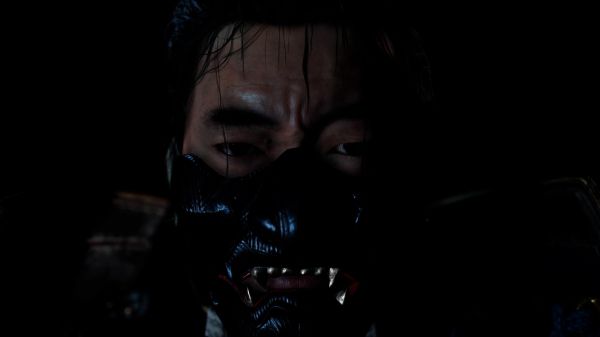
I liked that his transformation is gradual and visibly uncomfortable. Jin does not become the Ghost because stealth suddenly appears more entertaining than direct combat. He adopts new methods because he repeatedly witnesses the cost of refusing them. Even after using poison, assassination, and fear effectively, he continues carrying the emotional burden of knowing what those actions mean to his uncle and his family legacy.
Lord Shimura Is More Than an Obstacle to Progress
Lord Shimura could easily have become a rigid authority figure whose only purpose was to criticize Jin’s useful ideas. Instead, the story gives his worldview emotional and political logic. He believes that samurai authority depends on visible discipline, predictable conduct, and the trust created when warriors follow a recognizable code. If samurai begin using terror and secret attacks, he fears they may become impossible to distinguish from the people they oppose.
This made my disagreements with him much more interesting because neither side felt completely empty. Jin understands the immediate battlefield better, while Shimura worries about the society that must exist after the invasion ends. Their conflict is painful because they care deeply for one another and still cannot reconcile their definitions of duty. The final stages work because the argument has grown through the entire campaign rather than appearing only before the ending.
Khotun Khan Wins Through Understanding People
Khotun Khan is most effective when he studies his opponents instead of simply threatening them. He learns their language, customs, leadership structures, and emotional weaknesses, then uses that information to divide resistance. The Mongol forces remain physically dangerous, but the Khan’s real advantage comes from recognizing that the samurai code can be manipulated. He knows what Jin and Shimura expect from an enemy and refuses to behave according to those expectations.
I enjoyed having an antagonist who appears patient enough to recruit, negotiate, intimidate, or wait depending on the situation. He does not need every encounter to become a loud demonstration of power. His calmness makes him more threatening because it suggests that the invasion is not chaotic from his perspective. He sees Tsushima as a system that can be understood and dismantled piece by piece.
Sword Combat Feels Deliberate Without Becoming Slow
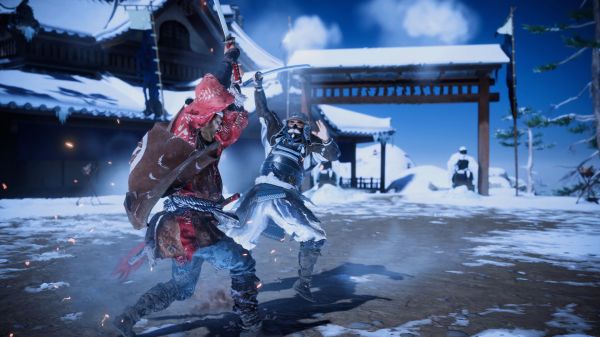
The sword fighting gave me the balance I wanted between cinematic presentation and mechanical control. Attacks have enough weight to make each connection satisfying, but Jin remains responsive enough to move between several opponents quickly. Blocking, parrying, dodging, stance selection, and target awareness all matter during larger encounters. The game rarely feels like I am reducing enemies through a long sequence of harmless hits.
My favorite fights occurred when I maintained rhythm and controlled the space rather than attacking continuously. A clean parry could create an opening, but focusing too heavily on one opponent allowed another to approach from the side. The combat rewards aggression only when it is supported by observation. Once several enemy types appear together, choosing who to pressure first becomes as important as executing the individual moves.
Stances Give Enemy Types Clear Tactical Identities
Jin gradually learns several stances designed for different categories of opponent. Swordsmen, shield carriers, spearmen, and larger enemies require distinct approaches, which prevents one attack pattern from solving every confrontation. Switching stances becomes quick enough that a mixed group can be handled without stopping the action. I liked how the system provides structure while still allowing improvisation.
The correct stance does not create an automatic victory because timing, distance, and enemy behavior still matter. Using the wrong stance makes defense harder to break and often gives surrounding opponents more time to attack. The system taught me to read weapons and body shapes as soon as a fight began. Stance selection eventually became instinctive, which made late-game battles feel more fluid without becoming effortless.
Perfect Parries Became My Favorite Form of Progress
Improved equipment and techniques make Jin stronger, but learning to parry consistently produced the most satisfying sense of personal improvement. The window demands attention without feeling impossibly narrow once enemy animations become familiar. A successful perfect parry creates a brief moment where the entire fight seems to pause around Jin. That pause makes the counterattack feel earned rather than automatically granted.
I appreciated how defensive skill can become visually impressive without requiring complicated button combinations. The combat appears cinematic because the mechanics create the timing naturally. When I failed, the mistake was usually readable through an early input or incorrect reaction to an unblockable attack. This clarity encouraged practice instead of making defeat feel arbitrary.
Standoffs Turn Confidence Into a Mechanical Test
Standoffs allow Jin to confront enemies openly before a larger fight begins. The mechanic asks me to watch the opponent carefully and release the attack only when the real movement starts. Early enemies are relatively easy to read, but later opponents add feints and longer delays designed to punish impatience. The sequence converts samurai composure into a direct reaction challenge.
I enjoyed using standoffs because they preserve Jin’s traditional identity even after stealth becomes central to the story. Beginning a camp with an open challenge feels completely different from entering through the grass and removing guards quietly. Both routes are useful, but they express different versions of the character. The game rarely forces me to choose one style permanently.
The Ghost Tools Make Dishonorable Combat Extremely Useful
Kunai, smoke bombs, explosives, chimes, and other tools allow Jin to interrupt groups and create opportunities that direct sword fighting cannot provide. They are especially valuable when enemies surround civilians, occupy narrow spaces, or include several dangerous types. A smoke bomb can transform a failing confrontation into a series of controlled takedowns. Kunai can disrupt attackers long enough to restore the rhythm of the fight.
The tools are intentionally effective because the narrative needs Jin’s forbidden methods to produce undeniable results. If stealth and deception were weaker than traditional combat, his moral conflict would feel artificial. Instead, the player understands exactly why he keeps adopting them. The discomfort comes from recognizing that the methods Lord Shimura rejects are often the safest way to protect everyone else.
Stealth Is Accessible but Occasionally Too Forgiving
Ghost of Tsushima provides tall grass, rooftops, crawl spaces, distractions, assassination chains, and tools for manipulating guard positions. I enjoyed studying camps from a distance and identifying archers, leaders, alarms, and possible escape routes. The environment usually offers several approaches without turning every location into a giant puzzle. Stealth remains flexible enough that a failed attempt can transition directly into sword combat.
Enemy awareness is not always as convincing as the visual design surrounding it. Guards may fail to notice bodies, movement, or nearby activity that seems obvious from my position. This makes stealth entertaining but less demanding than the strongest dedicated stealth games. I often had to create my own restrictions if I wanted infiltration to remain tense after unlocking advanced abilities.
Fear Becomes a Weapon During the Later Campaign
As Jin’s reputation grows, enemies begin reacting to the Ghost before he directly attacks them. Certain actions can terrify nearby fighters, causing them to hesitate or flee. This gives the legend mechanical presence instead of limiting it to dialogue and cutscenes. Jin’s methods are changing how opponents interpret the battlefield.
I liked this progression because it reflects the campaign’s larger themes. The samurai seek control through visible authority, while the Ghost creates uncertainty through stories and fear. Terrified enemies demonstrate why the identity becomes powerful enough to threaten both the Mongols and the established social order. Jin is no longer only defeating soldiers; he is changing what people believe is possible.
The Guiding Wind Is an Elegant Navigation System
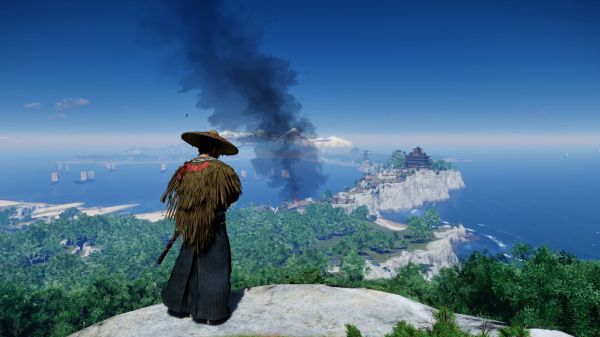
Instead of placing a large directional arrow across the screen, Ghost of Tsushima uses the wind to guide me toward selected objectives. Grass, leaves, smoke, clothing, and particles move in the required direction when I request guidance. This allows navigation to remain part of the environment rather than a layer placed on top of it. I could follow the world itself without constantly staring at a minimap.
The feature sounds cosmetic, but it changed how I explored. My attention remained on roads, hills, trees, and distant structures because those elements communicated direction. I still used the main map for planning longer routes, but moment-to-moment travel felt more natural. The wind is one of the game’s best examples of presentation and utility supporting each other.
Tsushima Is Beautiful Because It Is Not Visually Restrained
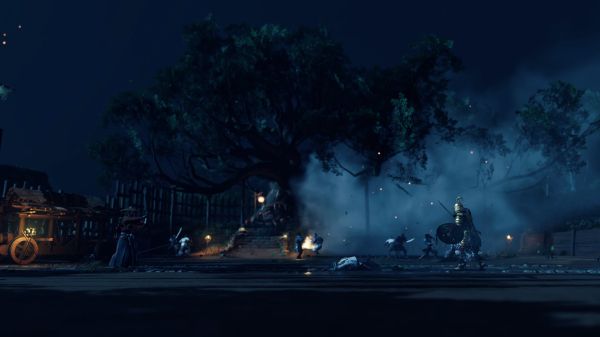
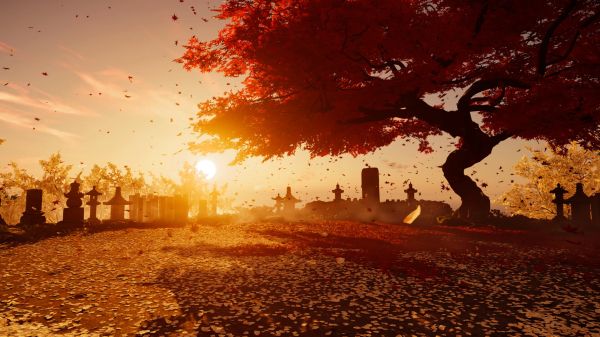
The island uses bold colors, dense fields, dramatic weather, heavy particles, and exaggerated natural movement to create memorable regions. Golden forests, white flower fields, red leaves, foggy marshes, and snowy mountains are designed for emotional clarity rather than strict realism. Every area has a recognizable identity that remains visible even during fast travel or combat. The world often looks like a collection of carefully composed paintings connected by roads.
I did not mind that the island occasionally appears too perfectly arranged. The strong art direction gives every journey a sense of place and keeps the large map readable. A realistic landscape might contain more visual repetition and less immediate contrast. Ghost of Tsushima wants me to remember where events happened through color and atmosphere, and that approach works exceptionally well.
Photo Mode Became Part of Exploration
The visual design makes stopping for screenshots almost inevitable, and the photo mode provides enough controls to turn those pauses into a creative activity. I could adjust weather, wind, particles, camera distance, character expressions, and other elements without losing the game’s visual identity. The moving environment helps images feel alive even before the final frame is captured. I spent more time using the feature than I expected.
Photo mode also changed how I noticed animation and composition during regular play. Duels, sunsets, storms, and quiet rides became possible images rather than only transitions between objectives. The mode does not improve the mechanical campaign, but it deepens my relationship with the island. Tsushima feels designed to be observed as carefully as it is explored.
Fox Dens and Shrines Create Gentle Exploration Goals
Following foxes to Inari shrines provides one of the game’s most recognizable side activities. The mechanic is simple, but it works because the fox moves naturally through areas I might otherwise pass without examining. The reward contributes to charm progression while the journey creates a brief break from combat. These encounters make exploration feel guided without using another visible waypoint trail.
The activity can become repetitive when repeated across the full map. Some routes are memorable, while others follow a familiar pattern toward a nearby shrine. I still enjoyed encountering foxes because the presentation remained charming and the destination often revealed another attractive corner of the environment. The system is strongest when the route itself contains vertical movement or an unexpected view.
Shinto Shrines Turn Climbing Into Environmental Storytelling
Major shrines are often placed in remote or damaged locations that require longer traversal sequences. Jin climbs cliffs, crosses fallen structures, squeezes through gaps, and follows visual clues toward the sacred site. These sections are not mechanically difficult, but they give exploration a physical rhythm. Reaching the shrine feels more meaningful because the player has followed the landscape rather than simply arriving by road.
I liked how the ruined paths suggest that these places once served communities that can no longer access them safely. The reward provides practical value, while the setting reinforces the cultural and spiritual identity of Tsushima. These climbs also create quiet space between intense missions. The island feels larger when sacred locations require commitment to reach.
Haiku Offer Stillness in a Violent Campaign
Haiku locations ask Jin to observe elements of the landscape and assemble a short poem from selected reflections. The activity has almost no mechanical challenge, yet it fits the game’s pacing beautifully. Sitting beside water or beneath trees creates a deliberate pause in a story filled with occupation and personal conflict. The resulting headbands are less important than the act of stopping.
I appreciated that the game allows reflection without turning every quiet moment into a long dialogue. The player looks at the environment through Jin’s perspective and chooses which details matter. These scenes reinforce that he is not defined only by combat. The contrast makes later violence feel heavier because the world being protected contains beauty worth noticing.
Hot Springs Connect Progress With Personal Thought
Resting at hot springs increases Jin’s maximum health, but the scenes also invite him to reflect on people and events. These thoughts are brief enough to avoid interrupting exploration while giving access to emotions he does not always express openly. The practical upgrade encourages discovery, and the reflection adds character context. I preferred this to collecting anonymous health upgrades without narrative meaning.
The repetition can become predictable, but the locations remain visually distinct enough to preserve some atmosphere. Hot springs provide another example of the game making recovery part of the world rather than a menu system. Jin’s strength grows through moments of rest as well as combat. That balance suits a story where emotional pressure is as important as physical danger.
Bamboo Strikes Give Precision a Peaceful Form
Bamboo strikes use short button sequences to increase Jin’s resolve. The challenge depends on memory and quick execution rather than combat timing. Early sequences are simple, while later ones require cleaner input across a longer pattern. Completing one feels satisfying because the activity is brief and immediately understandable.
I liked having a progression challenge that looks ceremonial instead of aggressive. Jin is still practicing discipline, but no enemy needs to be present. The sequences reinforce his training while providing a change of pace from open-world travel. They are small activities, yet their clarity prevents them from feeling like unnecessary filler.
Tales of Tsushima Give the Island Human Scale
Side quests introduce farmers, monks, warriors, thieves, survivors, and families responding differently to the occupation. Not every story ends with a clean rescue or obvious moral reward. People lie, betray one another, seek revenge, and make desperate decisions under pressure. These tales show that the invasion damages society in ways that cannot be repaired through one successful battle.
The quality varies because the game uses several repeated structures involving tracks, conversations, camps, and combat. However, the strongest stories create memorable characters and consequences that remain emotionally relevant later. I appreciated seeing how Jin’s growing reputation changes the expectations placed upon him. He becomes both a source of hope and someone people try to manipulate.
The Supporting Cast Carries Different Versions of Loss
Yuna, Ishikawa, Masako, Norio, Kenji, and other major allies each respond to the invasion through their own history and priorities. Their quest lines explore revenge, responsibility, faith, survival, guilt, and the limits of loyalty. These characters do not exist only to provide combat assistance or send Jin toward another camp. Their stories show alternative ways people can be changed by the same disaster.
I especially liked how their flaws remain visible after Jin begins helping them. Completing one mission does not transform a complicated person into a perfect ally. Ishikawa remains defensive, Masako remains consumed by grief, and Kenji continues creating trouble despite moments of courage. Their imperfections make the relationships feel more credible.
Yuna Is Essential to Jin’s Transformation
Yuna rescues Jin and immediately challenges many of his assumptions about honor and survival. She understands stealth, deception, and practical resistance because she has never possessed the protection of samurai status. Her methods initially appear unacceptable to Jin, yet they repeatedly save lives. The Ghost identity grows partly from his willingness to recognize the value of knowledge the ruling class ignored.
I appreciated that Yuna has objectives independent of Jin’s campaign. Her relationship with her brother and her desire to leave Tsushima give her personal stakes beyond helping the hero. She supports Jin without becoming an automatic follower of every decision. Their connection is strongest when both characters understand that survival has already required them to become people they never planned to be.
Lady Masako’s Story Refuses Easy Comfort
Masako’s quest line begins with overwhelming personal loss and develops into a pursuit shaped by grief and rage. Jin tries to help her remain focused, but he cannot remove the emotional force driving her decisions. Their alliance becomes tense because they share an enemy without sharing the same limits. Masako repeatedly demonstrates how revenge can preserve purpose while damaging judgment.
I found her missions among the most emotionally effective because victory rarely provides complete relief. Discovering the truth does not restore the family or erase what happened. The story understands that solving a mystery and healing from it are different achievements. Masako remains sympathetic even when her actions become difficult to support.
Mythic Tales Make Legends Mechanically Real
Mythic Tales begin as stories about legendary warriors, techniques, armor, or supernatural events. Following musicians and clues leads Jin through more elaborate quests that often end with a distinctive duel or environmental challenge. The rewards unlock abilities or equipment that feel significant enough to justify the journey. These missions give folklore a practical place inside the progression system.
I enjoyed how the presentation allows uncertainty around whether every legend is literally true. The landscapes, weather, and storytelling create a heightened atmosphere without transforming the main world into constant fantasy. Jin often discovers a human reality beneath the myth while still gaining something worthy of the story. The quests feel more handcrafted than many ordinary side activities.
Duels Are the Combat System at Its Purest
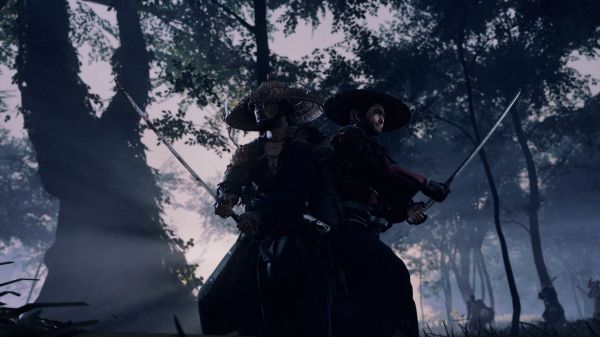
One-on-one duels remove most tools and distractions, placing Jin inside enclosed arenas against skilled opponents. These fights emphasize parries, dodges, spacing, and recognition of attack patterns. The presentation becomes highly cinematic, but the mechanics still demand precise execution. I often entered a duel confidently and discovered that ordinary crowd-control habits provided no help.
The best arenas use weather, leaves, water, or fire to make each confrontation visually distinct. Despite the dramatic surroundings, I remained focused on the opponent because one poor reaction could remove a large portion of health. Winning felt like learning a person’s rhythm rather than overpowering a health bar. These encounters are among the clearest examples of the game combining style and mechanical discipline.
Armor Sets Encourage Different Versions of Jin
Armor provides more than visual customization because each set supports particular strategies. Some improve direct combat, stealth, archery, exploration, or resolve generation. Upgrades strengthen these bonuses while changing the appearance, allowing progression to remain visible. I switched sets according to the activity instead of wearing one outfit throughout the entire campaign.
This flexibility supports the story because Jin does not need to become exclusively samurai or Ghost during ordinary play. I could enter a duel wearing equipment built for honorable combat, then change to stealth-focused armor before infiltrating a camp. The system occasionally encourages excessive menu use when swapping for small advantages. Even so, the distinct identities make collecting and improving armor rewarding.
Charms Allow More Focused Builds
Charms provide bonuses that can increase damage, improve healing, strengthen stealth, alter probability-based effects, or support specialized techniques. Major and minor slots create enough flexibility for experimentation without becoming an overwhelming equipment spreadsheet. I enjoyed building around particular armor sets and changing the configuration when entering Iki Island. The system gave me meaningful customization while preserving the clarity of the core combat.
Some combinations become extremely powerful during the later game, reducing the challenge of ordinary encounters. This is partly a reward for exploration and investment, but it can weaken tension if every ability is optimized simultaneously. Higher difficulty settings help preserve the need for careful timing. The best builds feel expressive without making enemy behavior irrelevant.
Archery Is Reliable Without Replacing the Sword
Bows allow Jin to remove distant enemies, interrupt patrols, and target archers before entering close combat. The concentration ability and equipment upgrades can make ranged attacks extremely effective. I appreciated the responsiveness and clear feedback of successful shots. The bow feels like a complete tool rather than an optional system added for variety.
Ranged strength can make certain camps too easy when ammunition is plentiful and enemy positions are exposed. I often limited its use simply because sword combat was more engaging. The bow works best as part of a combined approach, removing one dangerous target before Jin enters the main fight. Its versatility supports both samurai and Ghost playstyles.
The Horse Makes Travel Emotionally Important
Jin’s horse is more than a movement upgrade because the game gives the relationship time and quiet attention. Riding across fields, resting after missions, and hearing Jin speak to the animal creates attachment gradually. The horse makes Tsushima feel traversable without reducing it to a collection of fast-travel points. I often chose to ride rather than teleport because the journey remained visually rewarding.
The connection also gives later story events greater emotional force. A vehicle can be replaced without changing the player’s relationship to the world, but a named companion carries memory. The game understands this and uses small animations to build affection long before demanding an emotional response. Travel becomes part of Jin’s character rather than only map navigation.
Liberating Camps Is Satisfying but Repetitive
Mongol territories provide clear combat spaces with objectives such as freeing prisoners, destroying supplies, recovering banners, or defeating leaders. These camps allow the full combat and stealth systems to interact freely. I enjoyed approaching them from high ground, observing patrols, and deciding whether the encounter should begin through a standoff or assassination. The freedom of approach keeps many camps entertaining.
Repetition becomes visible across a long campaign because structural differences do not always change the objective meaningfully. Once Jin has unlocked advanced abilities, smaller territories can become routine. The world remains beautiful enough to soften this problem, but clearing every icon eventually feels more mechanical than narrative. The game is strongest when a camp is connected to a character or larger mission.
The Open-World Formula Is Familiar Beneath the Presentation
Ghost of Tsushima contains map regions, enemy camps, collectibles, upgrades, side missions, activity markers, and gradual liberation. Players familiar with modern open worlds will recognize much of the structure immediately. The game does not reinvent every system, but it presents familiar ideas with unusual elegance. Guiding wind, animals, environmental color, and restrained interface design make the formula feel less mechanical during regular play.
I still experienced fatigue when attempting complete map clearance. Following every fox, collecting every banner, and finishing every minor activity can weaken the campaign’s pacing. The experience remains stronger when I follow curiosity rather than treating the island as a checklist. Tsushima invites completion, but it does not require it to feel complete.
The Iki Island Expansion Challenges Jin’s Personal History
Iki Island gives the Director’s Cut its most substantial additional campaign. Jin enters a region connected to his father’s past and encounters people who remember the Sakai name very differently from him. The story forces him to examine inherited loyalty, childhood memory, and the violence associated with samurai rule. This makes the expansion more emotionally relevant than a simple new enemy invasion.
I appreciated that Iki does not treat Jin’s father as a flawless hero whose reputation needs to be restored. The island’s residents have legitimate reasons to distrust the Sakai family. Jin must confront the possibility that the stories shaping his identity excluded the suffering experienced by other people. The expansion deepens the main game’s questions about authority and honor rather than repeating them unchanged.
The Eagle Attacks Jin Through Memory and Fear
The Eagle provides a different type of antagonist by using poison and psychological manipulation. Jin experiences visions, voices, and distorted memories that interrupt exploration and challenge his confidence. These sequences create a more personal threat than another military commander controlling territory. The enemy attempts to weaken the story Jin tells about himself.
I enjoyed the concept, although repeated hallucination interruptions occasionally became intrusive. At their best, they blur Jin’s perception and connect current danger with unresolved childhood trauma. At weaker moments, they temporarily remove control without adding much new information. The mechanic remains memorable because it gives Iki a psychological atmosphere distinct from Tsushima.
Iki’s Enemies Demand More Flexible Combat
The expansion introduces Shamans who strengthen nearby fighters, making target priority immediately important. Enemies also switch weapons and attack patterns more aggressively, reducing the comfort of remaining in one stance. This is a smart response to players arriving with a developed Jin and established habits. The island expects me to understand the base mechanics before challenging their routine use.
I found the increased pressure refreshing after becoming extremely powerful in the main campaign. Removing a Shaman quickly can make a group manageable, while ignoring one allows ordinary enemies to become far more dangerous. Weapon switching also forces faster stance changes during combat. Iki makes the system feel active again without replacing its foundation.
Horse Abilities Give the Companion a Stronger Role
Iki expands the horse’s practical value through abilities that allow more aggressive interaction with enemies. This changes the companion from transportation into part of the combat strategy. Charging through groups creates a satisfying sense of impact and gives mounted movement purpose beyond reaching another location. The feature also reflects Jin’s growing trust and coordination with the animal.
I liked having progression connected directly to a relationship already established in the main campaign. The abilities are powerful but situational enough that sword combat remains central. They work best in open terrain where the approach can be prepared clearly. The expansion makes the horse feel mechanically appreciated as well as emotionally important.
Legends Feels Like a Separate Supernatural Game
Ghost of Tsushima: Legends transforms the grounded visual language of the campaign into a mythological cooperative mode. Demons, supernatural environments, class abilities, gear rarity, and mission roles create a completely different atmosphere. The sword combat remains recognizable, but progression and teamwork become more structured. I could move from Jin’s personal story into a cooperative action game without leaving the larger combat framework.
The mode includes story missions, survival challenges, raids, and competitive elements that support repeated play. Classes encourage different responsibilities, while equipment creates build experimentation beyond the campaign’s charm system. Legends is not necessary to understand Jin’s story, but it adds substantial value for players who enjoy cooperative progression. Its stronger supernatural tone also provides visual ideas the main campaign intentionally avoids.
The PC Version Gives the Island More Display Freedom
The PC release allows Ghost of Tsushima to operate across a wider range of resolutions, frame rates, and display formats. Ultrawide support is especially valuable because the broad landscapes and cinematic duels benefit from additional horizontal space. Unlocked frame rates make sword combat and camera movement feel smoother on suitable hardware. The island’s heavy particles and moving vegetation look particularly impressive when performance remains stable.
Performance naturally depends on resolution, selected settings, upscaling, and hardware. I preferred reducing a few expensive options before sacrificing frame consistency because uneven motion damages parry timing and camera control. The game remains visually attractive below maximum settings due to the strength of its art direction. Stable presentation matters more than forcing every individual option to its highest value.
Upscaling and Frame Generation Expand the Hardware Range
The PC edition includes several modern performance technologies, allowing players to choose the solution that suits their graphics hardware. Upscaling can recover performance at higher display resolutions while preserving much of the image quality. Frame generation can further improve displayed smoothness when the original frame rate already provides a responsive foundation. These tools are useful because the open world can place changing demands on the system.
I still prefer establishing a stable real frame rate before enabling aggressive generation. Sword timing and camera response remain connected to genuine performance, even when additional frames improve the visual output. A smooth counter cannot fully compensate for an unstable base. The strongest configuration balances image quality, input response, and consistency rather than chasing the largest number.
Mouse and Keyboard Work Better Than I Expected
The PC controls allow precise camera movement and archery, while key rebinding helps adapt the large collection of combat and utility actions. Mouse aiming makes bows and throwable tools especially direct. Sword combat still feels natural once stance switching and defensive inputs are arranged comfortably. I appreciated having a complete alternative rather than a basic conversion built around controller assumptions.
A controller remains my preferred choice for general movement and cinematic sword fighting because analog control matches the game’s rhythm. The DualSense features add tactile feedback and adaptive resistance when connected appropriately. Mouse and keyboard are stronger for rapid targeting, while the controller supports the physical flow of riding, exploration, and close combat. The better choice depends on which part of the game I prioritize.
Kurosawa Mode Is More Than a Black-and-White Filter
Kurosawa Mode changes the visual presentation through monochrome imagery, film grain, audio treatment, and stronger cinematic contrast. It creates a striking tribute to classic samurai cinema and can make duels look exceptional. The mode changes the emotional texture of the game rather than simply removing color. Weather and movement gain a rougher, older-film quality.
I did not use it for my entire first campaign because color is one of Tsushima’s strongest navigation and environmental tools. Important flowers, attacks, paths, and region identities become harder to read without their normal visual distinctions. The mode is excellent for selected missions, repeat play, or photo experiments. It provides a meaningful stylistic option without being the clearest default experience.
The Soundtrack Gives Travel and Combat Different Souls
The music uses traditional instruments, orchestral weight, and restrained ambient passages to support Jin’s journey. Exploration often remains quiet enough for wind, birds, rain, and hoofbeats to dominate. Major confrontations introduce stronger themes without making every ordinary battle sound equally important. This variation preserves the emotional scale of the campaign.
I particularly enjoyed how music enters during rides across open landscapes or after significant story developments. It can turn an ordinary journey into a moment of reflection without requiring dialogue. During duels, sharper musical timing reinforces the ritualistic presentation. The soundtrack supports the cinematic identity while allowing the natural world to remain audible.
Japanese Voice Acting Strengthens the Setting
Playing with Japanese dialogue gave the performances and setting a stronger sense of cultural consistency for me. The cast delivers Jin’s restraint, Shimura’s authority, Yuna’s practicality, and Khotun’s calculated confidence effectively. Subtitles require attention during action, but most major conversations provide enough space to read comfortably. The option changes the atmosphere without altering the story.
English performances remain strong and may be easier for players who want to focus completely on visual acting. The facial animation was originally shaped around the English recording, which can occasionally make the Japanese synchronization less natural. I still preferred the Japanese presentation because the emotional tone matched my experience of the world. Having both options allows players to choose the type of immersion they value.
The Director’s Cut Is Best Experienced Without Rushing
The complete package contains enough content to become exhausting if approached as one continuous checklist. The main campaign, character tales, mythic missions, collectibles, Iki Island, New Game Plus, and Legends can easily occupy a large amount of time. I enjoyed the game more when I alternated major story missions with exploration instead of clearing entire regions mechanically. Tsushima rewards attention more than speed.
Iki Island fits best after I have developed Jin’s abilities and understand the emotional significance of his family history. Entering too early can interrupt the momentum of the main invasion and expose information in an unusual order. Legends works well as a separate experience between campaign sessions because its progression follows different rules. Treating each component according to its own rhythm made the Director’s Cut feel substantial rather than bloated.
Why I Kept Returning to the Island
Ghost of Tsushima Director’s Cut remained memorable because it makes movement, combat, and character development feel connected to one central conflict. Jin’s most useful abilities are also the actions pulling him away from the samurai identity he inherited. The player enjoys becoming more effective while the story asks what that effectiveness is costing him. Few open-world progression systems integrate mechanical power and emotional consequence this clearly.
From my perspective as a gamer, sword combat provides the strongest immediate satisfaction. Parries, stance changes, standoffs, Ghost tools, and duels create enough variety to support a long campaign without losing mechanical clarity. The system is accessible at the beginning and still rewards precise timing during the final hours. Higher difficulty settings can preserve tension after Jin’s equipment and charms become extremely powerful.
The island itself is equally important. Guiding wind, moving fields, dramatic colors, wildlife, shrines, storms, and distant smoke make navigation feel connected to the environment. The open-world structure is familiar beneath those ideas, and full completion can become repetitive. Even so, the presentation often makes ordinary travel feel more meaningful than the activity waiting at the destination.
The supporting stories deepen the invasion by showing how different people respond to grief, fear, revenge, and collapsing authority. Yuna challenges Jin’s privilege, Shimura represents the value and danger of rigid tradition, while characters such as Masako and Ishikawa demonstrate how personal pain can distort judgment. These relationships prevent the campaign from becoming only a sequence of liberated territories. Tsushima feels occupied because its people are changing along with the land.
Iki Island strengthens the package by questioning Jin’s understanding of his father and the Sakai legacy. Its new enemies test established combat habits, while the Eagle’s psychological pressure gives the expansion a different identity. The island is smaller but more mechanically concentrated, and its story feels relevant to Jin rather than attached artificially. It is exactly the kind of expansion a Director’s Cut should include.
Legends provides a surprisingly substantial alternative for players who want cooperative combat and supernatural progression. It does not replace the emotional focus of the campaign, but it proves that the sword system can support structured multiplayer encounters. Classes, builds, survival missions, and raids give the package a much longer life. The shift in tone also prevents it from feeling like a simple repeat of Jin’s activities.
The PC edition benefits from unlocked performance, ultrawide presentation, several scaling options, and flexible controls. Technical settings cannot solve every open-world fluctuation, but the port provides enough adjustment to build a strong experience across varied hardware. The art direction remains impressive even when individual settings are reduced. Tsushima does not depend entirely on raw graphical complexity to look beautiful.
My main criticism is that the familiar open-world structure becomes visible whenever I attempt to complete everything. Camps, tracks, foxes, banners, and repeated objectives can weaken the pace when followed without personal curiosity. Stealth also becomes too forgiving after Jin gains advanced techniques. The game occasionally looks more demanding than it mechanically is.
Those weaknesses never removed the pleasure of riding into a storm, hearing steel leave its sheath, or watching leaves move through a field before a duel. Ghost of Tsushima understands how presentation can make a familiar mechanic feel meaningful again. It gives every confrontation enough visual identity to resemble a scene from a larger legend. More importantly, it gives the person inside that legend enough doubt to remain human.
By the end, I did not feel that Jin had discovered one perfect answer to the conflict between honor and survival. He had chosen the responsibility he could continue living with, knowing that every available path required sacrifice. That uncertainty gives the final decisions lasting power. Ghost of Tsushima Director’s Cut is beautiful because its world looks like a legend, but it remains compelling because Jin cannot live inside that legend without changing it.
Pros:
- Expanded storyline and additional missions deepen the narrative and lore.
- Refined combat mechanics offer both tactical depth and fluid gameplay.
- Detailed historical environments and authentic cultural elements add richness.
- Cross-platform compatibility allows for play on consoles and PC, including unblocked environments.
- Robust mod support and customization options enable personalized gameplay experiences.
- Stunning visual enhancements and dynamic weather effects enrich the immersive experience.
Cons:
- Not being free might deter players looking for cost-effective gaming experiences.
- The added complexity in gameplay and bugs in new features might require a steep learning curve for some players.
- The game can be demanding on hardware, potentially affecting performance on lower-end systems.









Recent Reviews

Minecraft

Grand Theft Auto V

Toca Boca World

Roblox

Leave a comment
Your comment is awaiting moderation. We save your draft here
0 Comments