Review
Absolute Insanity wasted almost no time explaining what kind of experience it wanted to deliver. I entered a hostile maze, found a weap...


Absolute Insanity: A Journey into Chaotic Brilliance
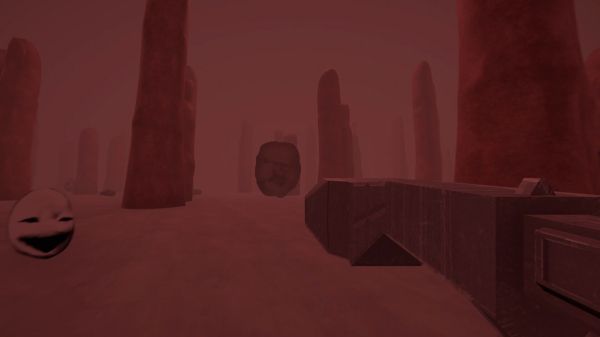
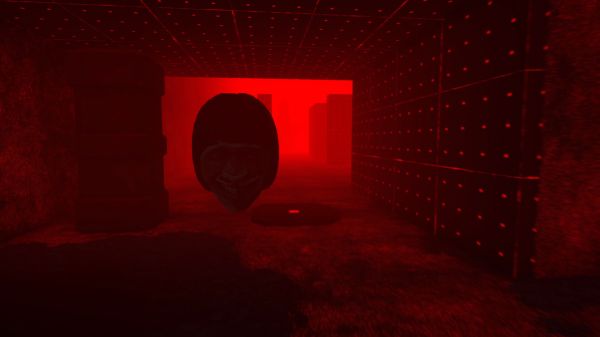
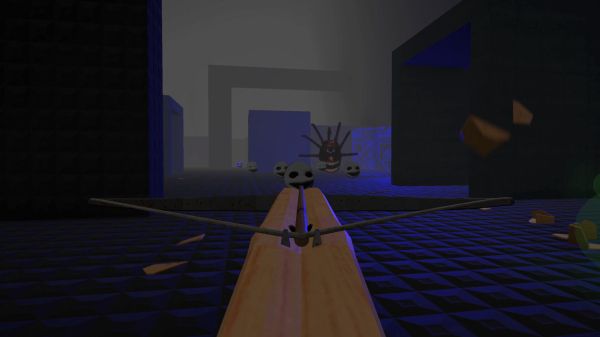
Absolute Insanity wasted almost no time explaining what kind of experience it wanted to deliver. I entered a hostile maze, found a weapon, and immediately began moving through rooms filled with distorted creatures that looked as though they had escaped from a damaged sketchbook. The shooting was fast, the environments changed between attempts, and every encounter encouraged me to keep moving instead of securing one comfortable position. Its rough visual style initially looked simple, but the combination of flat enemies, three-dimensional spaces, aggressive sound, and unpredictable level construction quickly created a personality I could not confuse with a polished military shooter.
I approached the game expecting a compact boomer shooter with roguelite progression, but it proved stranger than that description suggested. The weapons can become absurd, the rooms may be partially destroyed, and enemies gradually develop new properties that change how familiar encounters work. Story Mode provides a structured route through the nightmare, while Arena Mode lets me manipulate many of the systems directly and build encounters around personal preferences. The result feels like an experimental horror sandbox held together by fast movement, constant pressure, and a developer willing to let the mechanics become messy.
From my perspective as a gamer, Absolute Insanity is at its best when several systems collide unexpectedly. A routine room may become dangerous after an environmental hazard appears, an enemy develops an inconvenient modifier, or a weapon combination behaves differently than I expected. The game does not always look refined, and some mechanics communicate themselves more clearly than others. However, that unpredictable energy gives each run enough personality to make immediate repetition appealing.
The First Corridor Established the Mood Immediately
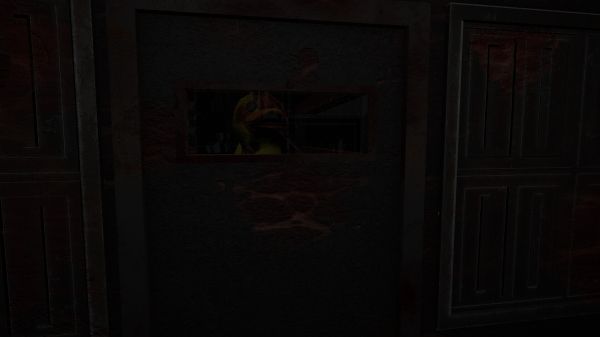
The game begins from a place of confusion rather than heroic confidence. I am placed inside environments that feel artificial, abandoned, and physically unstable, with little reason to assume the next room will follow the logic of the previous one. Walls, floors, objects, and creatures seem connected to the same corrupted experiment. This gives exploration a dreamlike quality even when the objective remains as direct as reaching another exit.
I liked that the game does not bury its identity beneath a long cinematic introduction. The first encounters teach movement, aiming, and resource collection while the environment communicates the larger atmosphere. I understand quickly that remaining still is dangerous and that supplies cannot be taken for granted. The world becomes readable through pressure rather than formal instruction.
The Enemies Look Like Drawings That Refuse to Stay Flat
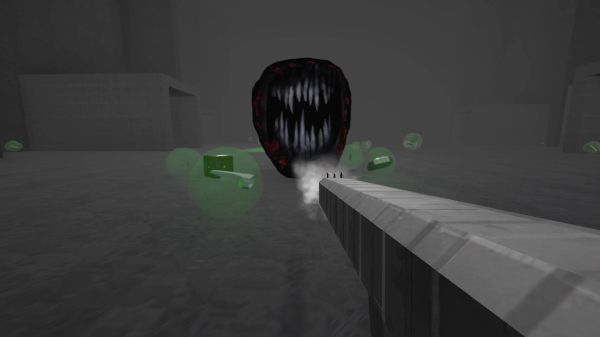
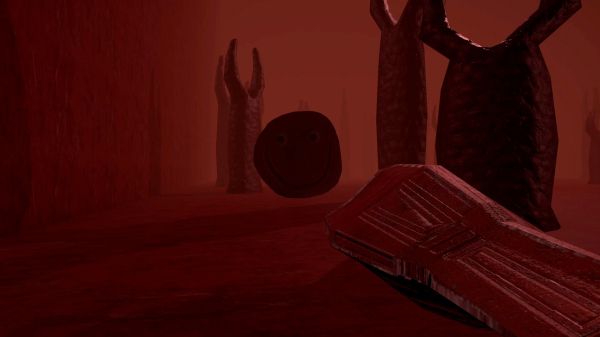
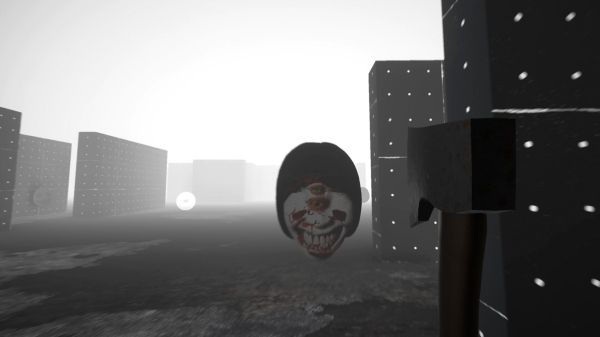
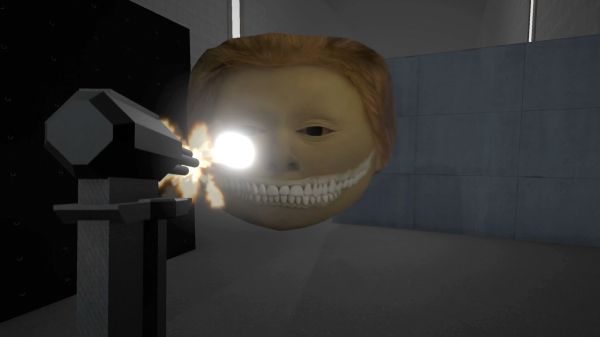
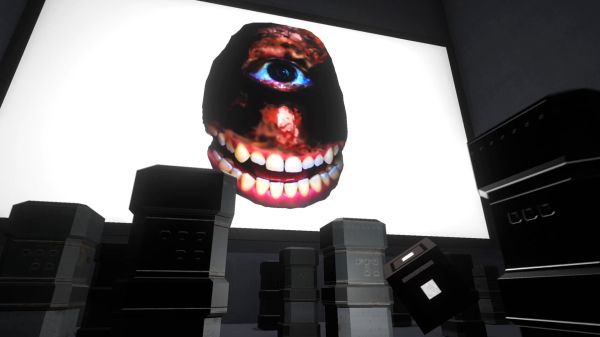
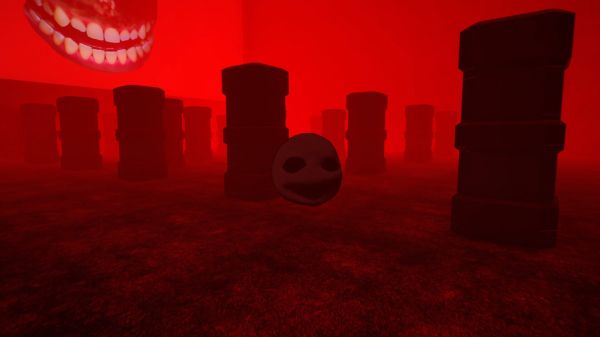
One of the game’s most distinctive choices is the use of unsettling two-dimensional creatures inside three-dimensional spaces. Their movement creates an unnatural relationship with perspective because they can appear thin, distorted, or strangely disconnected from the rooms they occupy. This makes even simple opponents visually uncomfortable. They look less like biological creatures and more like hostile images that have learned how to move toward me.
The design also helps Absolute Insanity stand apart from other low-budget horror shooters. Detailed realistic models would place direct pressure on production quality and animation, while the illustrated creatures transform limitation into style. Their roughness becomes part of the fiction rather than something I need to ignore. I often found the simpler figures more disturbing than polished monsters because their lack of physical depth made them difficult to interpret.
Movement Is the Most Reliable Form of Defense
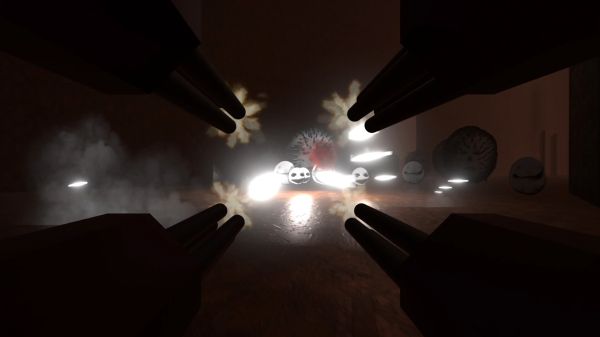
Absolute Insanity rarely encourages a slow exchange of fire from behind secure cover. Enemies close distance quickly, projectiles occupy sections of the room, and environmental hazards can make one position unsafe without warning. I survived longer once I began treating every arena as a movement puzzle rather than a shooting gallery. The safest route usually involved circling, changing elevation, and passing through openings before enemies could trap me.
This rhythm feels connected to classic arena shooters, but the procedural layouts make navigation less predictable. I cannot always rely on memorized routes or carefully designed circles around a permanent room. A doorway may create an escape in one attempt and lead directly into another dangerous space during the next. Learning to read geometry quickly became more useful than remembering individual maps.
The Shooting Feels Best When the Weapon Has a Clear Identity
The arsenal contains enough variety to support different approaches, but the most satisfying weapons are the ones whose behavior becomes immediately understandable. A fast automatic weapon encourages sustained pressure while moving, whereas a heavier option rewards timing and distance. Explosive or unusual weapons can control groups but may create danger when used in confined areas. Each weapon becomes more interesting when the surrounding level forces me to adapt rather than relying on one favorite tool.
Some weapons naturally feel more reliable than others, and balance is not always the main attraction. Absolute Insanity seems comfortable allowing equipment to become excessive, awkward, or temporarily dominant. That fits the game’s experimental tone, especially once upgrades and custom weapon systems enter the progression. I often chose a strange option because discovering its limitations was more entertaining than selecting the safest one.
The Custom Weapon Creator Changes the Relationship With the Arsenal
The custom weapon creator lets me approach firearms as modular projects rather than fixed objects found during a run. Different components and statistics allow experimentation with damage, handling, capacity, and other behavior. This gives long-term progression a creative direction because accumulated points can be converted into something personally designed. A successful build feels satisfying partly because I understand why it works.
The system is equally enjoyable when the result is impractical. A weapon may consume resources too quickly, handle awkwardly, or produce far more force than the current room requires. Testing these creations in Arena Mode removes some of the pressure and lets the sandbox qualities become more visible. I appreciated having a progression feature that gives me a tool to use rather than only increasing an invisible account number.
Weapon Points Create a Reason to Revisit Familiar Encounters
Collecting resources for custom weapon development gives ordinary combat another purpose. Defeating weaker enemies may no longer feel like empty repetition when their presence contributes toward a future creation. This encourages experimentation across Story and Arena modes instead of treating one completed route as the end of useful progression. The reward loop remains straightforward, but it connects directly to a feature I can see and test.
I still had to resist turning every session into pure resource farming. The game is most enjoyable when I focus on movement, discovery, and surviving unusual situations. Repeating the easiest encounter only for points can expose the limited variety of one area quickly. The creator works best as a reward growing naturally from play rather than the only reason to continue.
Procedural Levels Prevent Complete Comfort
The altered layouts give each run a slightly different rhythm. Rooms, pathways, hazards, and item positions may force me to change the route even when I recognize the general visual theme. This keeps exploration uncertain and prevents one perfect sequence from solving every attempt. I always needed to inspect the next opening instead of assuming it contained the same safe path as before.
Procedural construction can also produce spaces that feel less deliberate than handcrafted shooter arenas. Some rooms provide excellent movement opportunities, while others appear awkward or visually repetitive. I accepted that inconsistency because unpredictability is part of the game’s identity. Absolute Insanity values surprise and replayability more than perfectly composed combat architecture.
Environmental Hazards Make the Rooms More Than Background
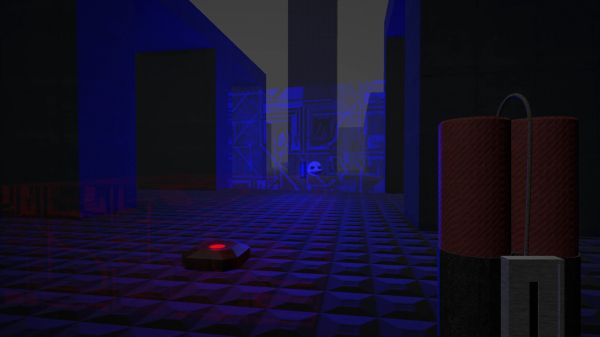
The levels are not passive containers waiting for enemies to enter. Hazards can restrict movement, damage careless players, or turn an otherwise manageable encounter into a crisis. I had to notice the floor, nearby objects, and structural layout while also tracking enemies. The most dangerous situations often occurred when I reacted correctly to one threat and moved directly into another.
This interaction gives failure a readable cause. The game may look chaotic, but many defeats can be traced to a bad route or poor awareness rather than raw enemy strength. I improved by identifying dangerous sections before committing to a fight. Entering a room without checking the environment was often more damaging than choosing the wrong weapon.
Destructible Objects Add Useful Disorder
Destruction supports the aggressive atmosphere by making rooms feel less permanent. Objects and sections of the environment can break during combat, changing visibility and adding debris to already chaotic encounters. This makes weapons feel physically present instead of producing damage only through numbers. The level appears affected by the same violence threatening the player.
The destruction is not a complete simulation where every structure can be dismantled strategically. Its value comes from feedback, unpredictability, and occasional tactical opportunity. Clearing an obstruction may open a line of sight, while breaking objects can expose resources or remove visual cover. Even when the result is mostly cosmetic, it strengthens the sense that the environment is participating in the encounter.
Enemies Evolve in Ways That Interrupt Routine
One of the more interesting systems allows the creatures to develop characteristics that respond to continued play. A familiar enemy may return with altered speed, durability, attacks, or another modifier that changes its tactical role. This prevents visual recognition from becoming complete understanding. I may know the basic creature while still needing to identify what has changed.
The system works especially well when the modification is immediately visible through behavior. A faster opponent changes movement priorities, while a more durable one affects ammunition management and target selection. Less obvious changes can create confusion if I do not understand why an enemy survived or behaved differently. Clear communication is important because adaptation becomes meaningful only when I can recognize it.
The Game Turns Repetition Into Escalation
Roguelite shooters often rely on repeated runs through related content, and Absolute Insanity embraces that structure. The difference between attempts comes from altered rooms, randomized supplies, evolving enemies, unlocks, and the equipment I bring or construct. Repetition remains visible, but it rarely feels completely static. Each run contains enough variables to create a new tactical problem.
I found the loop strongest when I unlocked something that changed my possible approach rather than merely making existing actions more efficient. A new weapon, enemy, level option, or Arena setting gives the next attempt a clear identity. Small statistical upgrades are useful, but they cannot create the same curiosity. The game understands that replayability needs novelty as well as increased power.
Story Mode Gives the Chaos a Direction
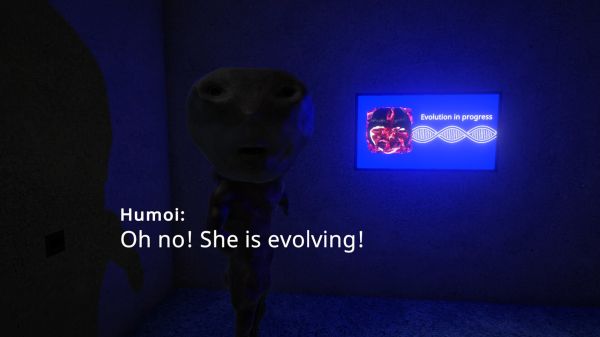
Story Mode provides context for the creatures and the world while giving the player a sequence of levels to complete. The narrative is delivered through a deliberately strange atmosphere rather than constant cinematic exposition. I learned enough to remain curious without expecting a conventional character-driven campaign. The mystery supports the action by making every new area feel connected to a larger experiment.
The writing and presentation can be rough, but that roughness often matches the unstable world. I did not need every question answered because the lack of certainty preserved the horror tone. Story Mode works best as a route through the game’s systems rather than the only reason to play. Its main value is giving progression a destination before Arena Mode opens the structure more widely.
Arena Mode Reveals the Game’s Sandbox Core
Arena Mode allows me to customize important parts of the experience, including enemies, item drops, difficulty, and level behavior. This turns the game from a sequence of developer-defined challenges into a personal combat laboratory. I can create manageable scenarios for testing weapons or build overwhelming encounters simply to see how long I survive. The mode gives lasting value to the unlock system because each new element becomes another tool for experimentation.
I enjoyed Arena Mode most when I stopped searching for the most efficient configuration. Creating a balanced challenge is useful, but deliberately absurd combinations better match the game’s personality. A room filled with incompatible threats can produce spectacular failure while revealing which equipment remains dependable under pressure. The mode feels like permission to create the type of encounter that would be unreasonable inside the campaign.
Difficulty Customization Improves Accessibility
Fast shooters can become frustrating when one fixed challenge level prevents players from learning the movement and weapon systems comfortably. Arena customization provides a softer entry point because I can control enemy density and other conditions. It also supports experienced players who want greater pressure after mastering Story Mode. The range of options makes the game easier to adapt to personal goals.
I appreciate difficulty systems that change the situation rather than only increasing enemy durability. More enemies, altered hazards, restricted items, or different level behavior can create new tactical demands. Absolute Insanity provides enough control to experiment, even if some combinations feel less balanced than others. Balance matters less when the player intentionally created the encounter.
Random Item Placement Makes Loot Part of Navigation
Supplies and weapons do not always appear where I expect them, so exploration remains connected to survival. Entering an optional room may reveal ammunition or a better weapon, but it can also consume health and resources. I often had to decide whether the possibility of loot justified leaving a direct route. The procedural structure turns collection into another gamble.
This works because the game does not give me unlimited capacity to recover from every mistake. Ammunition and health remain meaningful enough that finding supplies can change the momentum of a run. Randomness occasionally creates attempts where the available equipment feels poorly matched to the enemies. Those runs can be frustrating, but they also encourage adaptability rather than dependence on one ideal loadout.
Resource Pressure Keeps the Action From Becoming Thoughtless
Despite the aggressive pace, firing continuously without considering ammunition can create serious problems. A strong weapon becomes useless when its supply disappears before the next major room. I learned to use weaker options against manageable threats and preserve more specialized equipment for difficult encounters. This resource planning adds structure to what might otherwise become constant uncontrolled shooting.
The pressure is most effective when supplies feel scarce but recoverable through intelligent exploration. Extreme shortages can slow the game excessively, while excessive abundance removes the need to choose. Absolute Insanity occasionally moves between both extremes depending on random placement. The uncertainty fits the roguelite design, though individual runs can feel uneven.
The Horror Comes From Design More Than Traditional Suspense
The game contains unsettling environments and creatures, but it rarely depends on slow cinematic fear. Horror emerges through distorted visuals, aggressive pursuit, strange sound, and the possibility that the next room will contain an unfamiliar threat. The creatures feel wrong even when they are clearly visible. This gives the game a surreal horror identity rather than a conventional haunted-house structure.
I found the contrast between fast action and disturbing imagery effective because combat does not remove discomfort completely. Defeating one group only creates a brief pause before another room. The visual world remains unstable regardless of how powerful my weapon becomes. The game allows mechanical confidence and atmospheric unease to exist at the same time.
The Minimalist Creatures Preserve Readability During Chaos
The flat enemy designs are visually strange, but they also make silhouettes easy to recognize during fast movement. I can often identify the general threat without studying detailed textures. This is useful when several creatures enter from different directions and environmental hazards already occupy attention. Strong shapes become more valuable than realistic animation.
Some enemies can blend into complex backgrounds or overlap awkwardly because of their two-dimensional presentation. Perspective may make distance harder to judge, especially during quick movement. I see this partly as a mechanical limitation and partly as an intentional source of discomfort. The creatures are difficult to interpret because they do not appear to belong naturally in the space.
The Soundtrack Pushes the Action Toward Panic
Music and sound contribute heavily to the game’s aggressive tone. Weapons need enough force to remain satisfying, while enemy cues help me understand danger beyond the current field of view. Distorted ambient audio keeps the quieter rooms from feeling completely safe. The soundtrack rarely allows the world to become emotionally neutral.
I enjoyed the sound most when it provided tactical information without becoming overwhelming. Hearing an approaching creature before seeing it gave me time to reposition. During larger fights, effects can overlap and create an intentionally exhausting wall of noise. That intensity fits the title, although extended sessions may become tiring without occasional breaks.
The Visual Effects Support the Surreal Atmosphere
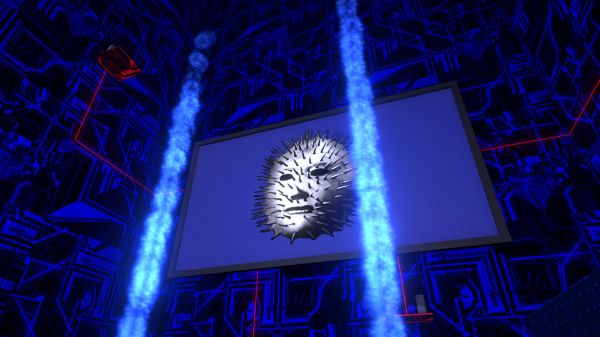
Post-processing, color shifts, particles, and environmental effects make the game look unstable and hostile. These options can create strong atmosphere, especially when combined with the illustrated enemies. They can also reduce clarity or cause discomfort for players sensitive to heavy visual processing. I appreciated having settings that allow parts of the presentation to be adjusted.
Reducing a few effects did not remove the game’s identity because the underlying designs remained strange enough on their own. I preferred a configuration where enemies and hazards remained clearly readable during movement. Excessive distortion can make failure feel disconnected from decision-making. The best balance preserves discomfort without hiding essential information.
Performance Options Matter During Busy Encounters
The game’s recommended requirements are relatively modest, but procedural rooms, destruction, particles, and high enemy counts can still create demanding moments. Stable responsiveness is essential because movement and aiming depend on quick reactions. I would rather reduce visual effects than accept inconsistent performance during an Arena encounter. The simple art style remains effective even when some settings are lowered.
I liked having optimization controls rather than one fixed presentation. Solo-developed games can behave differently across hardware, and adjustable effects provide useful flexibility. My strongest experience came from prioritizing stable frame pacing over maximum visual intensity. Absolute Insanity already looks intentionally rough, so reduced settings do not damage an expectation of realism.
Key Rebinding Makes the Fast Controls Easier to Personalize
Fast shooters need controls that become instinctive, and the ability to rebind keys helped me create a comfortable layout. Weapon switching, movement, interaction, and other actions need to remain accessible without looking away from the fight. A poor default arrangement can make an otherwise responsive game feel awkward. Customization removes that barrier.
I especially value control options in a title built by one developer because they demonstrate attention to practical play rather than only creative ideas. The game contains enough unusual systems that accessibility through controls becomes important. Once the layout matched my habits, I could focus more completely on room geometry and enemy movement. Good customization disappears from attention after solving the problem.
The Interface Is Functional but Not Always Elegant
Menus and information screens provide the necessary access to settings, unlocks, Arena options, and weapon creation. The presentation is consistent with the game’s rough visual identity, but some information could be organized more clearly. I occasionally needed additional time to understand how one progression element connected to another. The systems are more interesting than the interface explaining them.
This is one area where additional refinement would improve the experience substantially without changing the core gameplay. Clearer descriptions, comparisons, and navigation would make experimentation easier. The custom weapon creator especially benefits from immediate feedback about how components influence performance. A sandbox becomes more inviting when its tools are easy to understand.
The Game Feels Proudly Solo-Developed
Absolute Insanity carries signs of being created by one developer with a specific personal vision. Its systems are ambitious, its visual choices are unconventional, and some areas receive more polish than others. I could often feel the difference between a carefully refined mechanic and an experiment that had been allowed to remain strange. That unevenness is part of both the charm and limitation.
I prefer this personality to an indie game imitating a larger shooter without introducing any distinctive ideas. The custom weapons, evolving enemies, illustrated creatures, destructible rooms, and extensive Arena control demonstrate genuine experimentation. Not every feature reaches the same level of execution, but the complete project feels authored rather than assembled from current trends. The game is memorable because it is willing to appear imperfect.
The Roughness Sometimes Interferes With Combat Clarity
Unusual enemy designs and procedural environments can create moments when hit detection, distance, or threat direction feels difficult to judge. A creature may overlap with another object or approach from an angle where its flat appearance becomes confusing. During slower exploration, this supports the surreal atmosphere. During a demanding encounter, it can make failure feel less precise.
I improved by keeping greater distance and using movement patterns that provided wider visibility. The game rewards constant repositioning partly because remaining close to enemies exposes these visual limitations. Clear audio cues also help compensate for what the image does not communicate perfectly. Even so, combat would benefit from stronger feedback around certain attacks and impacts.
Some Weapons Create Better Feedback Than Others
The most enjoyable weapons produce a clear relationship between input, sound, recoil, impact, and enemy reaction. Others feel lighter or less informative, making it harder to judge their effectiveness without watching health or repeated results. This inconsistency becomes more visible when experimenting with many custom combinations. Strong feedback is essential because the game moves too quickly for uncertainty about basic weapon behavior.
I would like future refinement to strengthen impact rather than only adding more numerical options. A weapon can possess excellent statistics and still feel unsatisfying if enemies do not respond convincingly. The game’s destruction and aggressive sound already provide a strong foundation. More consistent reactions would make every part of the arsenal feel physically connected to the world.
Arena Mode Can Become Overwhelming Very Quickly
The customization tools allow players to create encounters far beyond the balance of Story Mode. Increasing enemy density, hazards, and difficulty can transform an arena into visual chaos almost immediately. This is entertaining when the objective is experimentation, but it can also stress performance and readability. The game gives me enough freedom to create situations it was never meant to present elegantly.
I appreciate that the developer does not prevent unreasonable combinations. Sandbox modes become memorable when they allow players to make mistakes at the configuration level. The responsibility shifts toward me to understand what the selected options will produce. Absolute Insanity lets the word “insanity” become an adjustable setting rather than only a title.
The Game Rewards Short, Intense Sessions
The fast combat and heavy audiovisual pressure make Absolute Insanity suitable for concentrated play. I enjoyed completing a few runs, testing a weapon, or building one Arena scenario without committing an entire evening. The immediate action makes returning easy because I do not need to remember a complicated narrative state. Each session can begin with a clear mechanical objective.
Longer play exposes repetition in enemy behavior, environmental pieces, and progression loops more clearly. The chaotic presentation can also become exhausting after extended exposure. Taking breaks preserved the game’s energy and made new unlocks feel more interesting. This is a title I prefer revisiting regularly rather than consuming in one continuous campaign.
Progression Makes Early Struggle Feel Useful
Completing levels and defeating enemies gradually expands available equipment and options. Even a difficult attempt can contribute knowledge or resources toward future improvement. This softens frustration because failure rarely feels entirely empty. The player develops alongside the account, learning movement while gaining more tools.
The progression is strongest when new unlocks produce a tactical possibility that did not exist earlier. Another numerical increase is helpful but less memorable than a new weapon type or Arena element. I wanted each reward to change how the next run could be approached. Absolute Insanity usually provides enough functional variety to maintain that curiosity.
Experimentation Is More Important Than Optimization
The game allows players to search for efficient builds, but I enjoyed it more when I treated every new option as an experiment. A strange weapon combination, dangerous Arena configuration, or unfamiliar upgrade could create an experience worth remembering even when it failed. Perfect optimization reduces some of the chaos that gives the game personality. The systems are built to be tested, not merely solved.
This attitude also makes balance problems easier to accept. One item may be clearly stronger under particular conditions, while another exists mainly because its behavior is entertaining. A competitive shooter would need stricter equality. Absolute Insanity benefits from allowing excess and impracticality to remain part of the sandbox.
The Best Encounters Feel Like Improvised Survival Stories
My favorite runs were not necessarily the ones completed most efficiently. One encounter began with limited ammunition, moved through a partially destroyed room, and ended with me using an unfamiliar weapon while several modified enemies approached from different directions. The situation was not scripted, but the combination of systems created a clear narrative. I remembered the decisions because the game allowed them to emerge naturally.
This is where procedural action games justify repetition. The general mechanics remain stable while the exact sequence becomes personal. Another player may enter a similar room without receiving the same enemies, items, or hazards. Absolute Insanity creates stories through systems rather than relying only on written scenes.
The Title Accurately Describes the Late-Run Experience
Early encounters allow enough breathing room to understand the current weapon and environment. Later situations can fill the screen with moving enemies, effects, hazards, and destructible objects. The game becomes difficult to process through complete conscious planning. I begin reacting through patterns developed during previous attempts.
This escalation gives the title meaning without requiring every second to remain maximally chaotic. The quieter periods make later pressure more noticeable. A game that begins at full intensity has nowhere to grow. Absolute Insanity becomes more effective when it allows me to understand the room before gradually removing control.
What I Would Improve First
I would focus on combat feedback, enemy readability, and interface clarity before adding more major systems. Stronger visual and audio responses would help every weapon feel more consistent. Clearer enemy modifiers would make the evolution system easier to understand during fast encounters. Better menu organization would also make weapon construction and Arena setup more inviting.
I would then refine procedural rooms to reduce awkward layouts while preserving unpredictability. More environmental themes and recognizable tactical structures could increase variety without requiring an enormous amount of new content. The game already contains enough systems to support a larger range of situations. Refinement would make those systems interact more cleanly.
Why Absolute Insanity Stayed Interesting
Absolute Insanity stayed interesting because it never felt like a completely safe interpretation of the retro shooter formula. The developer mixes fast combat with horror, procedural environments, evolving enemies, destruction, permanent unlocks, and a surprisingly flexible sandbox. Some of these systems are rough, but they create combinations that more polished shooters rarely attempt. The game’s identity comes from experimentation rather than technical perfection.
From my perspective as a gamer, the movement provides the foundation. Staying alive means reading room geometry, recognizing escape routes, preserving ammunition, and refusing to become trapped by several creatures. Weapons add personality, while procedural layouts prevent one strategy from remaining reliable forever. The combat improves noticeably once I stop expecting cover-based pacing and begin treating every encounter as a moving pattern.
The custom weapon creator became one of my favorite long-term features because it transforms progression into experimentation. Building a practical firearm is useful, but creating something excessive or awkward fits the game even better. Arena Mode then provides a place to test those creations under controlled or completely unreasonable conditions. Together, these systems give the game life beyond the campaign.
The two-dimensional enemies are another major reason the experience remains memorable. Their rough appearance avoids comparison with realistic horror creatures and makes them feel like intrusions from another visual language. They can create readability problems at close range, but the discomfort is effective. I rarely felt that I was fighting ordinary biological opponents.
Story Mode gives the action enough structure to create forward momentum, although the narrative is not the main attraction. The mystery supports the atmosphere and unlock progression without taking control away from the shooting. Arena Mode ultimately reveals the game’s deeper identity as a customizable action toy. I spent more time thinking about combinations than following a single perfect route.
The project’s solo-developed nature remains visible through uneven polish, occasional awkwardness, and systems that feel more ambitious than their presentation. Those limitations should matter to players who expect the smooth feedback and precise encounter design of a large production. However, they also make the successful ideas feel personal. Absolute Insanity looks like somebody followed a strange concept much further than a cautious team might have allowed.
I would not recommend it as a universal replacement for the strongest boomer shooters or roguelites. Its movement, feedback, procedural design, and balance do not always reach the consistency of more established games. I would recommend it to players who value unusual ideas, aggressive pacing, horror imagery, and the freedom to create absurd weapons and encounters. Patience with rough edges is part of the experience.
The game works particularly well in shorter sessions where one new unlock or Arena experiment provides a clear purpose. Extended play can expose repeated pieces and make the audiovisual intensity tiring. Returning later restores the surprise because I am more willing to test another configuration. Absolute Insanity behaves like a box of dangerous toys rather than one perfectly structured campaign.
My strongest memory is not one story revelation or final objective. It is the repeated moment when I enter a room, believe I understand the situation, and watch several systems make that understanding useless. An enemy changes, an object breaks, the planned route closes, and the weapon in my hands suddenly becomes inappropriate. The game is built around recovering from that collapse.
Absolute Insanity is rough, creative, fast, and frequently excessive. It does not hide the limitations of its production, but it uses a distinctive visual style and interconnected systems to create something recognizable. I kept playing because I never knew whether the next room would produce a satisfying combat puzzle or a completely unfair disaster. In this game, both outcomes feel like part of the intended experiment.
Pros:
- Dynamic and adaptive enemy AI that creates unique challenges
- Multiple gameplay modes catering to diverse playstyles
- Extensive support for cheats and mods for creative exploration
- Seamless performance across various platforms
- Engaging narrative with complex character development
- Immersive gameplay with richly detailed environments
Cons:
- Early game pacing can feel overwhelming for those seeking gradual progression
- Certain gameplay segments could benefit from smoother transitions
- Complex controls may present a steep learning curve for newcomers









Recent Reviews

Minecraft

Grand Theft Auto V

Toca Boca World

Roblox

Leave a comment
Your comment is awaiting moderation. We save your draft here
0 Comments