Review
My relationship with Euro Truck Simulator 2 began with a delivery that looked almost insultingly simple. I accepted a short job, attach...


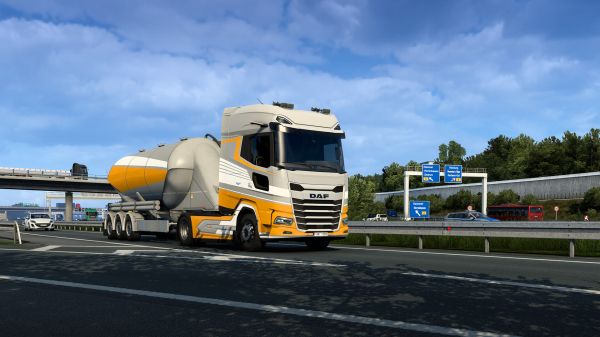



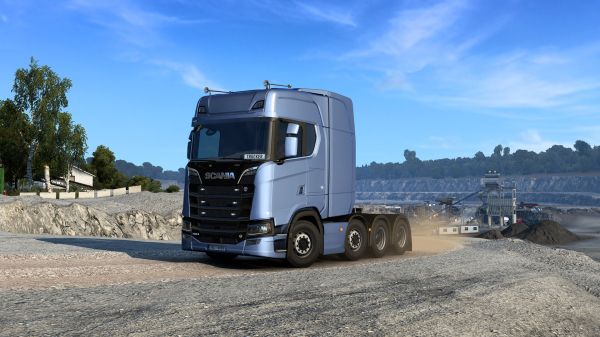

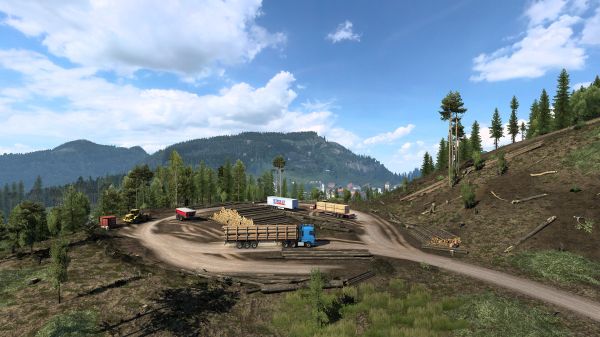

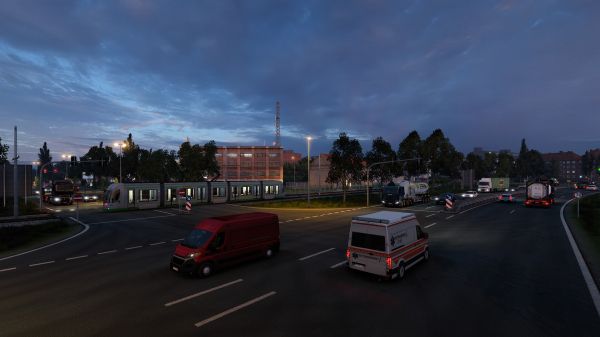


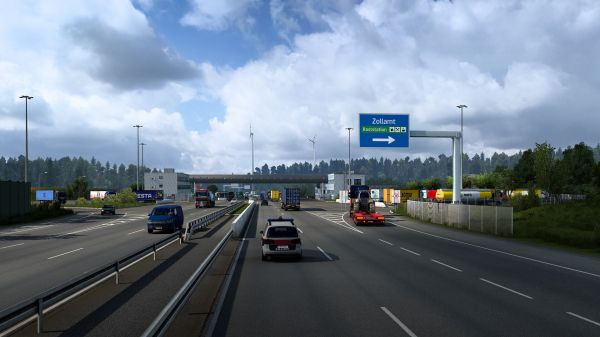
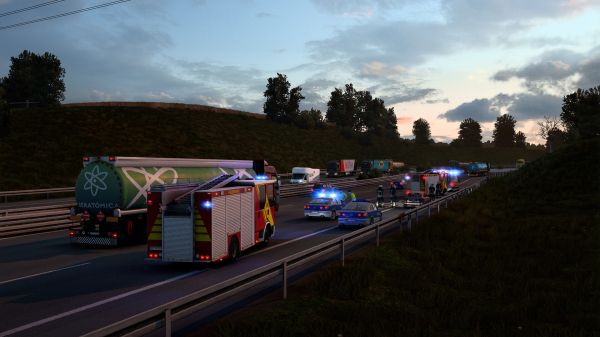
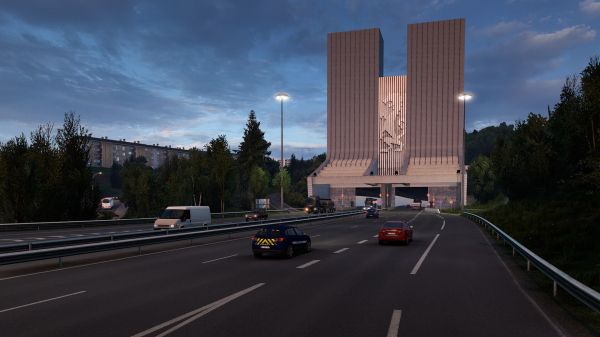
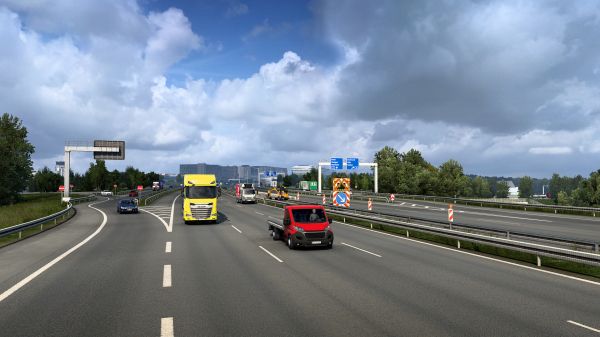





Digital Highways: Navigating the Immersive World of Euro Truck Simulator 2
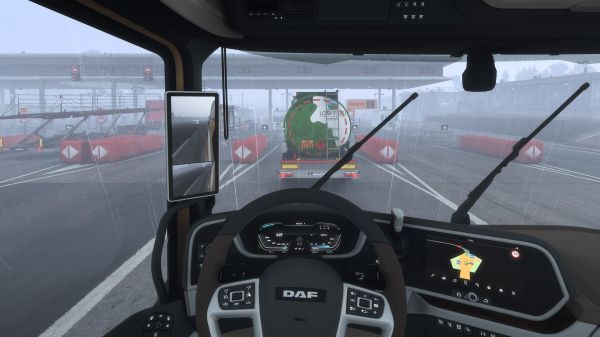
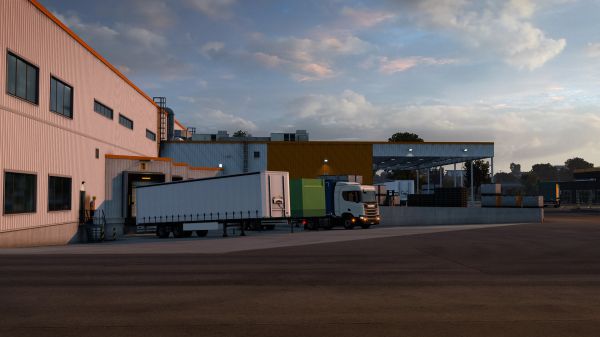
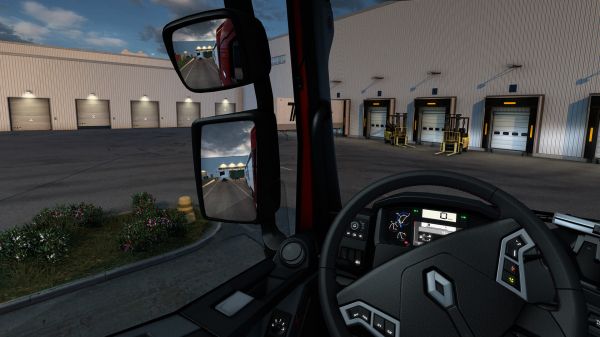
My relationship with Euro Truck Simulator 2 began with a delivery that looked almost insultingly simple. I accepted a short job, attached a trailer, followed the navigation line, and assumed I would finish before the game had enough time to reveal anything interesting. Instead, rain began falling near sunset, traffic slowed around a junction, and I found myself adjusting mirrors while carefully guiding the trailer through a narrow entrance at the destination. By the time the cargo was unloaded, the journey had turned an ordinary route into a small personal story built from weather, road design, engine noise, and my own unnecessary concern about scratching a virtual truck.
That transformation remains the game’s greatest achievement. Euro Truck Simulator 2 rarely gives me dramatic objectives, scripted disasters, or conventional victories, yet a long delivery can become absorbing because every stage requires steady attention. I plan the route, choose fuel and rest stops, manage speed, obey traffic rules when patience allows, and eventually attempt to place the trailer without embarrassing myself. The game makes professional routine feel meaningful by allowing enough time for small details to accumulate.
Driving Feels Accessible Before It Feels Like a Simulation
Euro Truck Simulator 2 can be played with a keyboard, controller, steering wheel, or a more elaborate simulator setup. The basic controls are forgiving enough that I can leave the depot within minutes, especially when using automatic transmission and simplified parking. Braking distances, trailer movement, steering response, engine power, and vehicle weight still create a convincing difference between driving a truck and controlling an ordinary car. The game allows me to begin casually, then increase realism as I become more comfortable.
This flexibility is one of the reasons the game has remained approachable for so long. I can disable fines, fatigue, air-brake simulation, speed restrictions, and difficult parking when I want a relaxed road trip, or activate more demanding settings when I want every mistake to matter. Neither style feels completely invalid because the central pleasure is the journey rather than proving mechanical superiority. Euro Truck Simulator 2 respects players who want a simulation without excluding those who mainly want peaceful travel across Europe.
The Truck Has Weight Without Becoming Exhausting to Control
A loaded truck accelerates slowly, requires space to stop, and resists sudden changes in direction. The trailer follows with enough delay that every tight corner becomes a question of positioning rather than simply steering toward the exit. I need to watch the rear wheels, use mirrors constantly, and remember that the vehicle occupies far more road than the cabin suggests. These physical qualities make even low-speed maneuvers satisfying because success depends on understanding the full length of the vehicle.
The simulation remains selective rather than absolute. Damage is represented through percentages, mechanical failures are simplified, and many interactions occur through menus rather than physical procedures. I do not inspect brake lines manually, secure individual cargo straps, or manage every legal document associated with international freight. The game focuses on the parts of trucking that translate well into a long-form driving experience while simplifying the systems that would create more administration than enjoyment.
Manual Transmission Changes the Rhythm Completely
Automatic transmission makes the game comfortable, but a manual or range-splitter setup gives the vehicle a stronger mechanical identity. Choosing gears while climbing, using engine braking during descents, and keeping the engine within an efficient range turn ordinary roads into active problems. A heavy trailer that barely affects an automatic drive can become a constant consideration when every shift belongs to me. The additional workload also makes successful hill starts and smooth junction entries feel genuinely earned.
A proper steering wheel and shifter improve this experience dramatically, though they are not required. Force feedback communicates road texture and steering resistance, while pedals make controlled braking easier than digital inputs. The cost and physical space required for a complete setup can become substantial, so I would not treat hardware as a requirement for enjoying the game. A controller provides a strong middle ground, offering analog steering and triggers without turning a desk into a vehicle cabin.
Trailer Reversing Is Where Confidence Goes to Disappear
Forward driving becomes comfortable quickly, but reversing a long trailer exposes every weak habit. Steering input moves the trailer in the opposite direction, corrections need to begin earlier than expected, and a poor initial angle can make the entire maneuver unnecessarily difficult. The hardest parking locations require me to use mirrors, pull forward repeatedly, and accept that a clean result may take several attempts. I still find this satisfying because the challenge emerges from understandable geometry rather than artificial difficulty.
The game allows me to skip parking or choose easier options, which prevents one bad maneuver from blocking the entire career. I usually attempt the difficult space because parking provides a meaningful conclusion to a long delivery. Arriving at the destination is not enough; I want the trailer placed correctly and the final screen to acknowledge the additional effort. Few experiences in the game produce as much relief as seeing the parking prompt disappear after a slow, imperfect reversal.
The European Map Is Both Enormous and Uneven
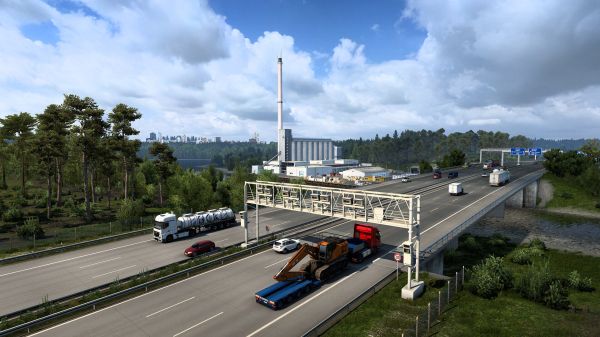
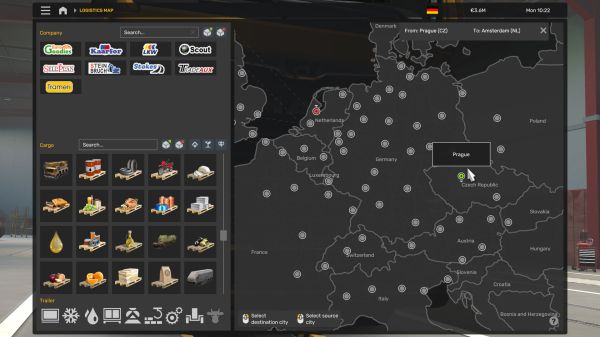
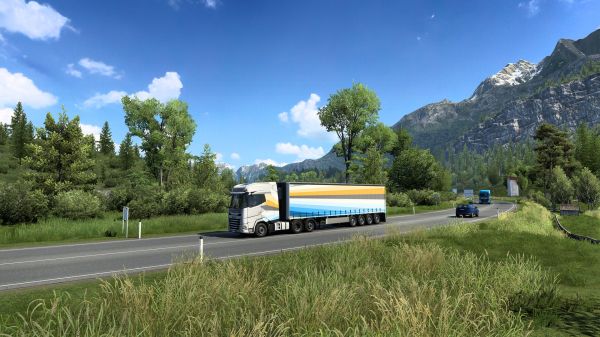
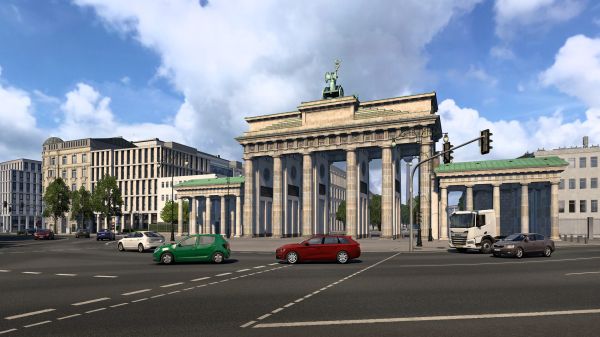
Euro Truck Simulator 2 has expanded far beyond its original map through free reworks and paid regional DLC. I can travel from familiar industrial centers into Scandinavia, the Balkans, Iberia, the Baltic region, the Black Sea area, the western Balkans, northern landscapes, and many other territories depending on the content installed. Long routes create a convincing sense of crossing national and environmental boundaries, especially when road signs, architecture, vegetation, and driving conditions change gradually. The full map feels less like a set of disconnected levels and more like an enormous transport network.
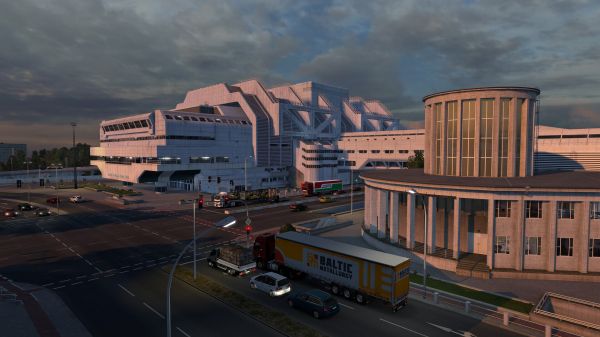
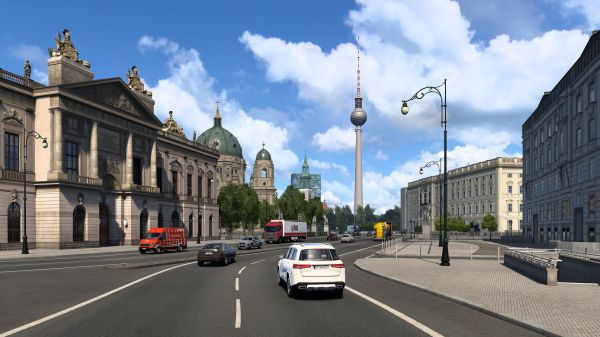
Age remains visible across the world. Recent DLC regions contain detailed cities, unique intersections, modern vegetation, local industries, and carefully modeled landmarks, while older sections can appear sparse and simplified. Free rework projects have substantially improved original territories such as Germany and the Benelux countries, but the quality gap has not disappeared completely. Driving from a modern region into an untouched older area can feel like moving between different generations of the same game.
Benelux Shows How Much the Map Team Has Improved
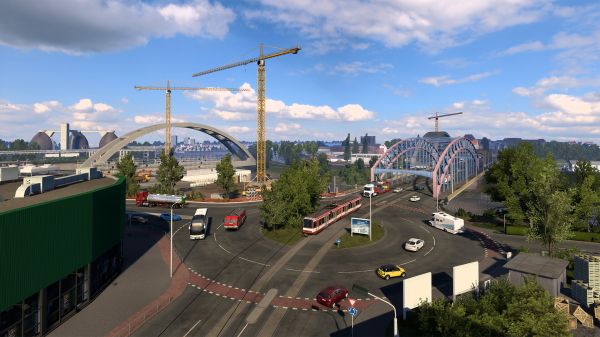
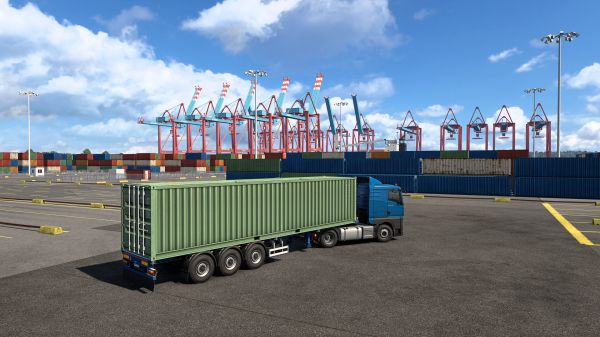
The rebuilt Netherlands, Belgium, and Luxembourg demonstrate a far stronger approach to urban density and regional identity than the original versions. Cities feel less like a few roads attached to generic depots and more like recognizable transport environments with layered junctions, local architecture, waterways, and industrial areas. Rotterdam now communicates the scale and complexity expected from a major port, while Brussels and Luxembourg provide more specific visual personalities. The rework gives familiar routes a reason to become interesting again.
These improvements also reveal the limitations of the map scale. Major cities must still be compressed into a small number of roads, and distances between recognizable landmarks are dramatically shortened. The developers compensate through careful selection, presenting the features that communicate a city most efficiently. I accept the compression because the alternative would make a single country require hundreds of real driving hours, but the illusion works best when transitions are designed smoothly.
The Road Network Is the Main Character
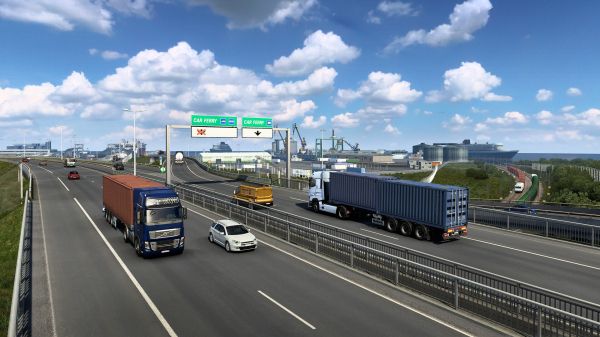
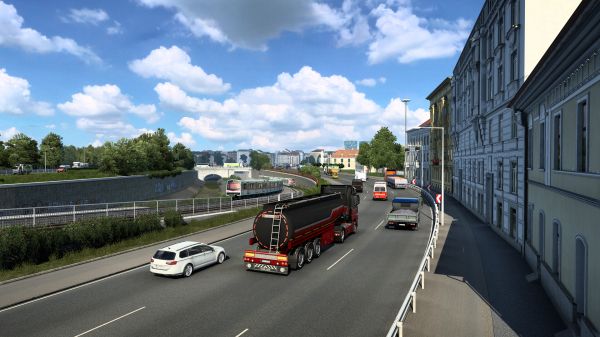
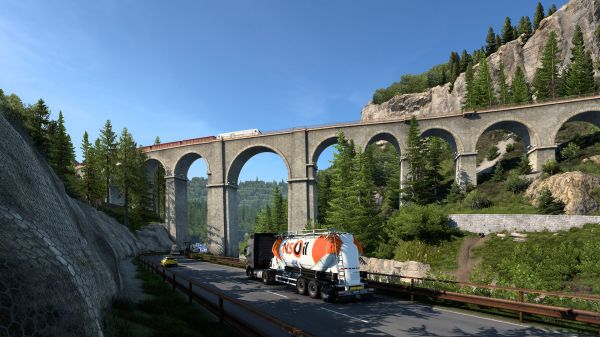
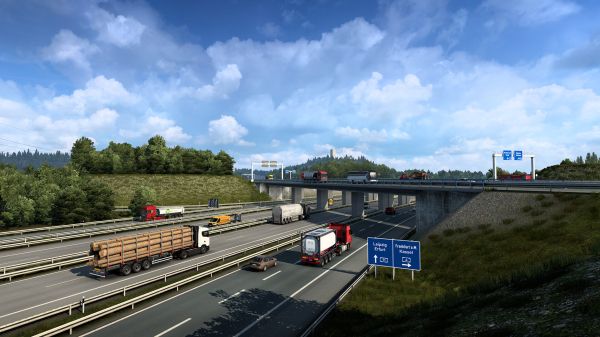
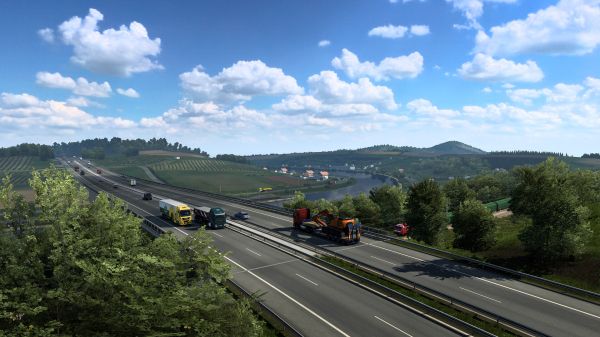
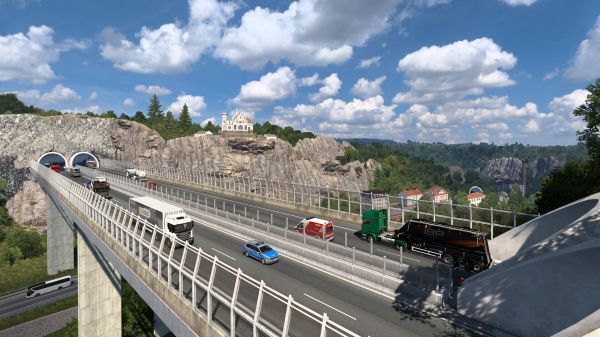
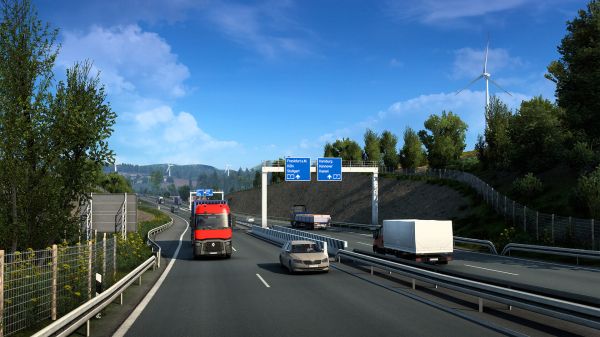
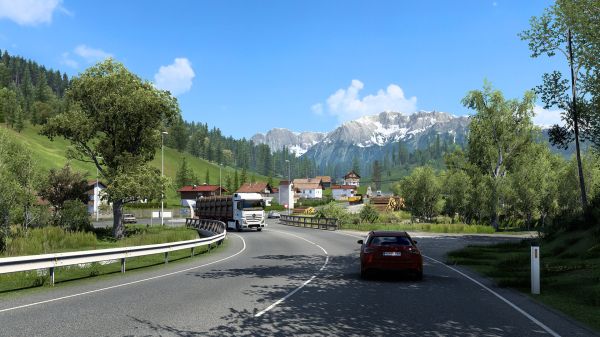
Countries are represented through motorways, rural roads, tunnels, bridges, border crossings, mountain routes, ports, service areas, and industrial streets. I spend more time interacting with road design than with any traditional character, so variety in junctions and landscapes matters enormously. A route through Norway feels different from a Spanish motorway, while narrow Balkan roads demand a different kind of attention from broad German highways. The best regions establish identity through the driving itself rather than relying only on scenery.
Motorways can become monotonous during very long deliveries, especially when traffic is light and the landscape changes slowly. That monotony is not necessarily a design failure because real freight work contains long periods of repetition. The game succeeds when those quiet stretches create anticipation for an approaching city, mountain pass, ferry, or difficult delivery point. I often select a slightly less efficient route simply because the smaller roads offer more active driving.
Cities Look Convincing From the Cab but Rarely Feel Alive
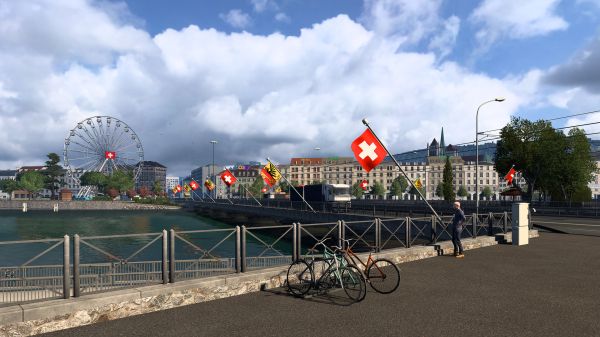
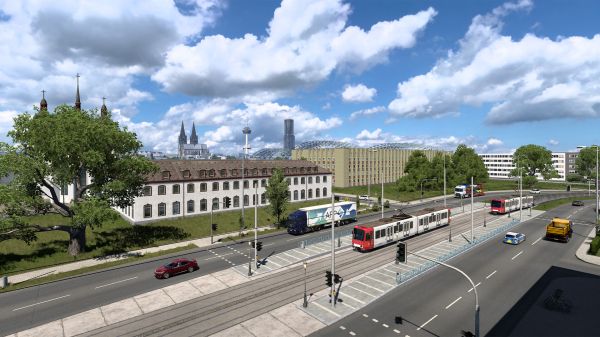
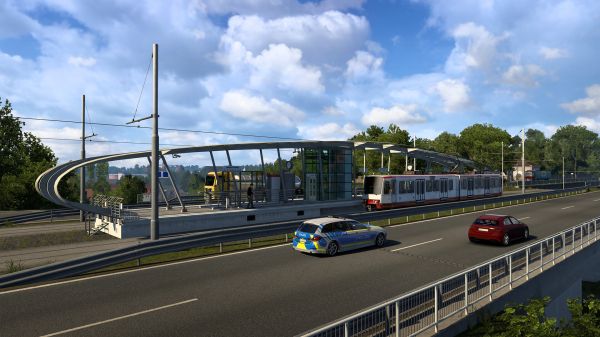
Urban areas contain traffic, pedestrians, public transport, construction sites, shops, landmarks, and industrial activity. From inside the cab, these elements produce enough movement to sell the impression of entering a functioning city. Traffic lights, lane changes, tight turns, and speed restrictions also change the driving rhythm after long motorway sections. Reaching a dense urban area at the end of a journey feels like a natural escalation before unloading.
The illusion weakens when I look closely. Pedestrians follow limited routines, businesses are mostly decorative, and the city cannot be explored freely outside the road network. There are no detailed customer relationships, loading workers, local economies, or meaningful conversations with residents. Euro Truck Simulator 2 simulates Europe as seen through a driver’s windscreen, and anything beyond that viewpoint remains comparatively thin.
Traffic Creates Atmosphere and Frequent Irritation
Artificial intelligence traffic follows lanes, observes signals, changes speed, enters roundabouts, and reacts to incidents well enough to make roads feel occupied. Heavy traffic can turn an easy arrival time into a genuine scheduling concern, particularly near cities and toll stations. Cars passing on the motorway add a sense of movement, while slower vehicles force me to consider overtaking with a long trailer. The road would feel empty and artificial without this constant shared activity.
Traffic behavior is also one of my most regular frustrations. Cars may brake unexpectedly, enter a junction without enough space, merge awkwardly, or remain beside the trailer while a lane disappears. The game frequently assigns responsibility to me even when another vehicle behaves irrationally, resulting in fines or damage that feel undeserved. Defensive driving reduces these incidents, but some situations remain difficult to interpret as anything other than artificial intelligence confusion.
Weather Changes the Mood More Than the Difficulty
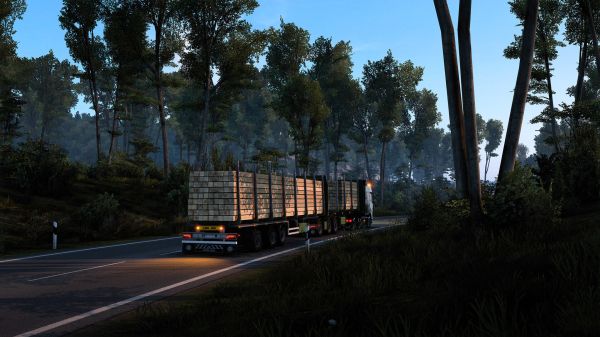
Rain reduces visibility, covers the windscreen, changes lighting, and makes night driving more demanding. Fog, cloud cover, sunrise, sunset, and seasonal scenery can transform a familiar road without changing its geometry. I enjoy the way weather affects the cabin, especially when reflections and dashboard lighting become more prominent during a storm. A route driven under clear daylight can feel completely different when completed through heavy rain after dark.
The physical consequences remain limited compared with a dedicated harsh-weather simulation. Roads do not regularly become dangerous through deep snow, flooding, severe crosswinds, or rapidly changing surface conditions. Mods can increase weather complexity, but the base game prioritizes accessibility and atmosphere. I would welcome stronger regional weather systems as long as they remained adjustable for players who prefer calm driving.
Night Driving Is Beautiful and Surprisingly Tiring
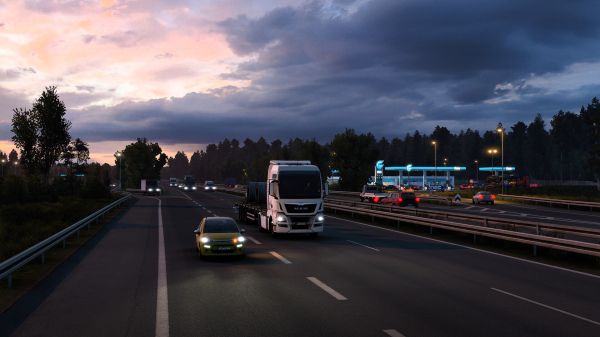
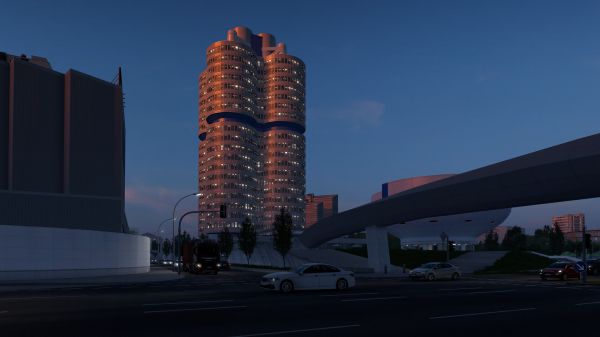
Driving after sunset changes how I process the road because the headlights reveal only a small part of the environment. Dashboard illumination, oncoming vehicles, reflective signs, and distant city lights become more important than the landscape. The quiet concentration suits the game especially well, and long nighttime routes often produce my strongest sense of being alone inside a working vehicle. Radio or engine noise becomes more noticeable when the world outside the cabin is mostly darkness.
Visibility can become too limited on poorly lit roads, particularly with rain or older truck lighting. This creates tension without introducing enemies or scripted danger, which is appropriate for the simulation. I need to reduce speed, anticipate turns from the navigation display, and resist the temptation to drive as though daytime conditions still apply. The experience becomes genuinely tiring during long sessions, which unintentionally supports the role-playing fantasy.
The Expanded Rest System Makes Scheduling More Believable
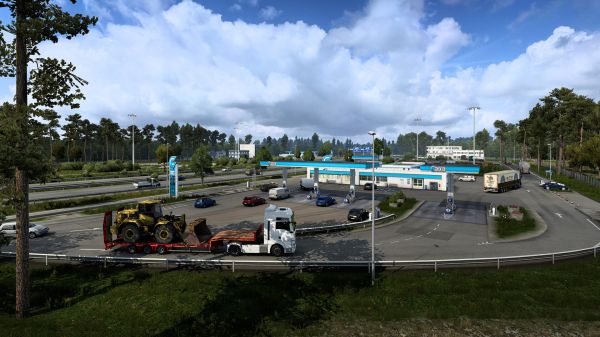
Fatigue requires me to monitor both the driver’s condition and mandatory breaks rather than continuing indefinitely. Rest areas, hotels, service stations, and parking locations become part of route planning because reaching the destination quickly is not always possible within legal driving limits. The expanded system separates general rest state from the formal break requirement, providing clearer information about when the driver needs recovery and when regulations require a stop. This adds structure without turning every journey into a legal spreadsheet.
Rest timing can still become awkward because available parking does not always align with the ideal stopping point. I may pass a suitable area too early and then discover that the next one lies beyond the remaining legal window. The game usually allows enough flexibility to avoid severe consequences, but route planning matters more during long contracts. I enjoy the system because it makes service areas meaningful instead of decorative.
Cargo Variety Gives the Same Roads Different Stakes
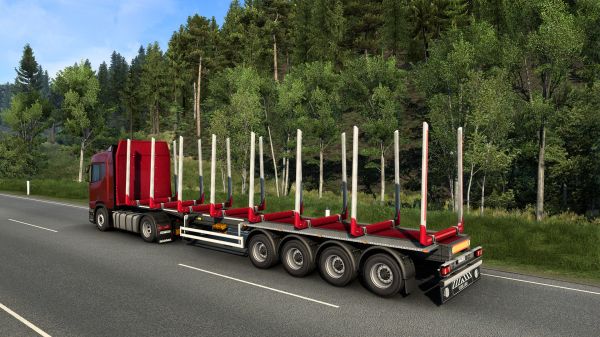
Standard trailers carry food, machinery, construction materials, chemicals, consumer goods, vehicles, and many other products. Specialized DLC adds heavy equipment, oversized loads, forest machinery, yachts, industrial structures, and unusual cargo requiring different trailers or route considerations. A lightweight shipment feels different from a heavy machine that slows every climb and extends braking distance. Cargo selection therefore affects more than the model visible behind the cab.
Special Transport jobs provide escorted oversized deliveries along controlled routes. These contracts require careful lane positioning, attention to escort vehicles, and patience through narrow sections. They are more scripted than ordinary freight work, but they provide memorable challenges and give large cargo a proper sense of consequence. I would like even more dynamic route preparation and roadside interaction, yet the existing jobs remain an effective change of pace.
Heavy Haulage Makes Engine Choice Matter
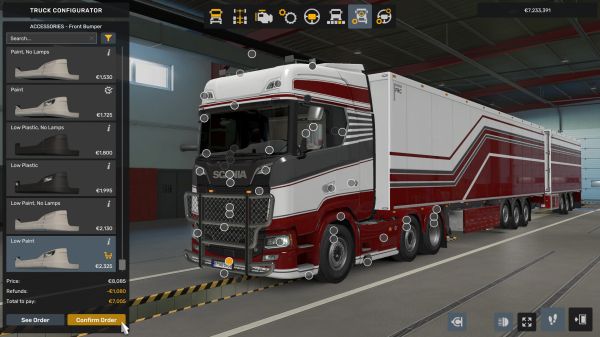
A powerful engine may appear unnecessary during ordinary cargo work, but steep roads and heavy trailers expose the difference immediately. Acceleration becomes slower, gears need more attention, and maintaining momentum can determine whether a climb remains smooth. Chassis configuration, transmission choice, and axle arrangement also influence stability and traction. The truck configuration screen becomes more meaningful when I build a vehicle for a particular type of work rather than selecting parts only for appearance.
Maximum power is not always the most satisfying answer. A highly capable truck can make ordinary jobs feel too easy and reduce the importance of route planning. I enjoy maintaining several trucks with different roles, including a comfortable long-distance vehicle and a heavier configuration for demanding cargo. The game’s economy eventually makes this specialization affordable, even if it is rarely financially necessary.
Buying My First Truck Changed the Game
Quick Jobs provide a simple beginning by supplying the vehicle, fuel, maintenance, and cargo. They allow me to learn different truck brands without financial risk, but the experience becomes more personal after purchasing my own vehicle. I choose the cabin, engine, transmission, paint, interior accessories, and preferred route type, then begin every job from the same familiar seat. Damage, fuel, and maintenance now belong to my company rather than an anonymous employer.
Ownership creates continuity between deliveries. The scratches, mileage, dashboard accessories, and chosen interior make the truck feel like a persistent space rather than disposable equipment. Upgrading is gradual at first, which gives each new component emotional value. Later, when money becomes abundant, customization becomes less economically meaningful but remains an important expression of identity.
The Truck Brands Feel Different Enough to Encourage Loyalty
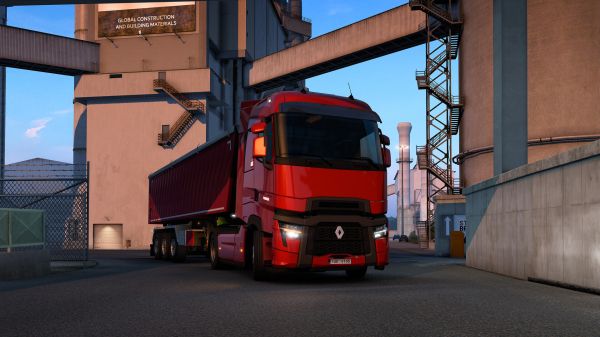
Licensed manufacturers include DAF, MAN, Mercedes-Benz, Renault Trucks, Scania, Volvo, Iveco, and others represented through several generations and configurations. Cabin layouts, mirror design, dashboard displays, engine sounds, visibility, and customization options create noticeable differences between models. These distinctions are not as extreme as choosing vehicles in a racing game, but they matter during hundreds of hours spent inside one cabin. I developed preferences based on seating position and dashboard readability as much as engine performance.
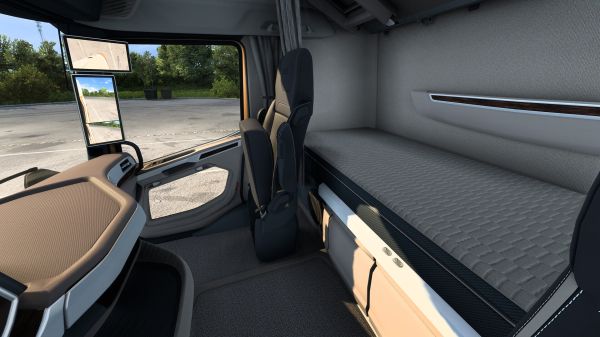
Newer truck models often contain more detailed interiors and modern digital systems than older vehicles. The improved material system introduced in version 1.60 strengthens the appearance of leather, fabric, plastic, and metal in selected cabins, with broader adoption planned over time. This gradual implementation creates another visual gap between updated and untouched trucks. The best interiors now look excellent, while some older models show their age clearly.
Cabin Customization Makes Long Journeys Personal
Interior accessories include navigation devices, mugs, flags, toys, curtains, lights, food, hanging decorations, and event rewards. None of these objects improves delivery performance significantly, but they make the cabin feel occupied. I enjoy adding a few meaningful items without filling every available point, because excessive decoration can obstruct visibility and turn the dashboard into a souvenir shop. The system succeeds by giving me something personal to look at during long motorway sections.
Paint jobs, external lights, bull bars, wheels, sunshields, and branded parts provide further customization. Some options are sold through small DLC packs, while others arrive through events, updates, or truck-specific content. The number of purchasable cosmetic packs can look excessive when viewed from the store page, though most are inexpensive and completely optional. I care more about official tuning packs that add detailed manufacturer parts than simple themed paint collections.
The Company Management Game Is Simple but Effective
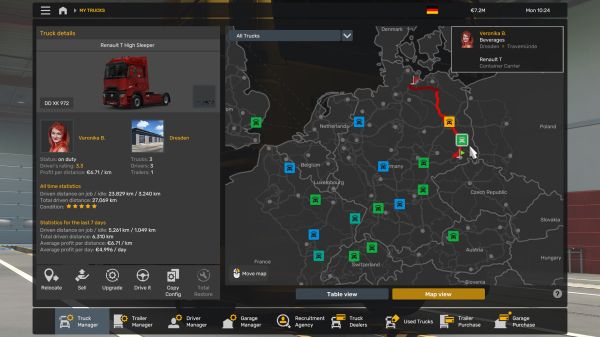
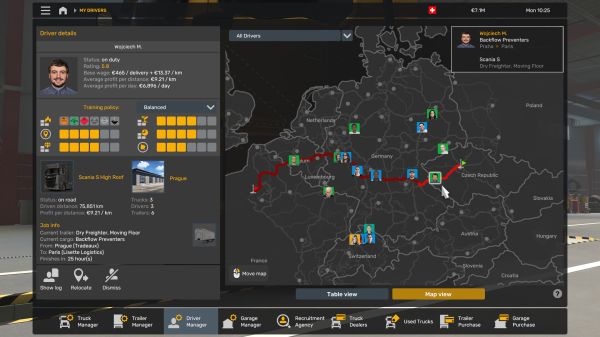
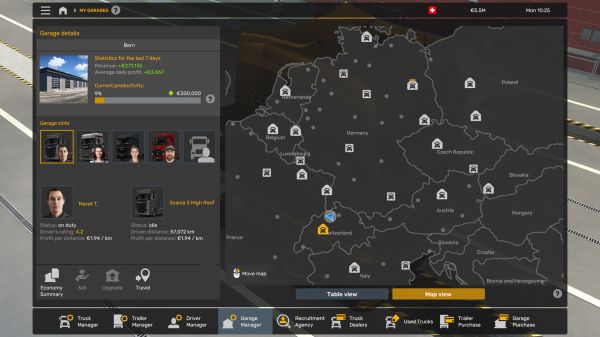
After buying garages and hiring drivers, I can expand from one truck into a transport company operating across Europe. Employees gain skills, complete automated jobs, and generate income while I continue driving personally. This system gives money a purpose beyond purchasing one ideal truck because expansion requires additional vehicles, garage slots, and strategic placement. Watching the company grow provides satisfying long-term progression during the middle of a career.
The management layer eventually becomes too easy. Reliable employees generate substantial passive income, loans lose their risk, and expensive trucks become routine purchases. I do not negotiate contracts, manage detailed expenses, compete with rival companies, or respond to changing regional markets in a meaningful way. The economy provides motivation and structure, but it does not become a deep business simulation.
Employees Feel Like Numbers Rather Than Colleagues
Drivers have ratings, skill levels, assigned trucks, and income histories, but they possess little personality. I never speak with them, respond to problems, review driving behavior, or build relationships with individual employees. Their work appears through financial reports rather than visible activity on the road. This keeps management efficient but prevents the company from feeling like a genuine organization.
I would like future updates to introduce employee preferences, training decisions, maintenance incidents, contract specialization, and occasional direct requests. Seeing company trucks physically active in the world would also create a stronger connection between management and driving. The current system works as a progression mechanism, yet it becomes emotionally invisible once the income stabilizes. My garage may contain dozens of drivers, but the career still feels largely solitary.
The Economy Becomes Relaxing Because It Stops Being Dangerous
Early career decisions have weight because fuel, repairs, loans, and truck purchases can consume most available funds. A damaged delivery or poorly timed upgrade matters when the account balance is limited. This period produces the strongest business tension because every successful job moves me closer to independence. I choose cargo carefully and accept routes that may not be ideal simply because the payment is useful.
Once several employees are working, financial pressure disappears quickly. Passive income can cover mistakes, and there is little threat of genuine business failure. This makes late-game play peaceful but removes strategic urgency. Difficulty settings and mods can create a harsher economy, though the base game clearly prefers allowing players to build a successful company without constant punishment.
World of Trucks Gives Ordinary Deliveries a Shared Context
World of Trucks connects the game with external contracts, community events, personal statistics, and cosmetic rewards. Seasonal events ask players collectively to deliver specific cargo or visit particular locations, turning solitary driving into participation in a broader community goal. I enjoy these events because they provide reasons to revisit regions or use cargo I might normally ignore. The reward is usually decorative, but the journey itself becomes the meaningful part.
External contracts use real-time limits and impose certain restrictions, which make them different from standard freight-market jobs. They are convenient for event participation but less flexible for players who pause frequently or use extensive modifications. The web-connected layer remains optional, preserving the offline career for anyone uninterested in community goals. It adds social context without transforming the game into a constantly competitive service.
Convoy Mode Makes Long Routes Social
Official Convoy multiplayer allows friends to share sessions, accept synchronized jobs, communicate, and travel through the same world. Driving with a group changes the atmosphere immediately because fuel stops, junctions, and parking become shared events. A simple delivery can turn into a carefully organized procession or a collection of avoidable collisions depending on the people involved. The mode works best when the group agrees on speed, route, and realism settings beforehand.
Synchronization is generally reliable, though large mod collections and unstable connections can complicate setup. Traffic behavior may also react strangely when several player-controlled trucks occupy the same junction. I enjoy Convoy because it preserves artificial intelligence traffic and the standard economy rather than turning the roads into a separate competitive environment. The social experience remains cooperative and relaxed unless someone decides every motorway entrance is a racing opportunity.
TruckersMP Provides Scale at the Cost of Predictability
The community-created TruckersMP platform places many real players on shared servers and creates traffic conditions impossible in the official small-group mode. Busy routes can contain long convoys, crowded service stations, organized events, and genuine congestion caused by human decisions. This makes the world feel populated in a way artificial intelligence cannot reproduce. Encountering another driver on a remote road also carries more meaning when I know a real person is behind the wheel.
Human traffic creates its own problems. Reckless driving, intentional interference, crowded depots, and server rules can turn a peaceful route into frustration. The experience depends heavily on location, time, and server culture. I appreciate TruckersMP as a remarkable community achievement, but I use it when I want unpredictable social roads rather than the controlled calm of my main career.
Mods Have Extended the Game Beyond Any Normal Lifespan
The Steam Workshop and external modding community provide maps, trucks, trailers, sounds, weather systems, traffic changes, economy adjustments, graphics improvements, company branding, navigation voices, and countless smaller additions. A carefully selected mod list can make the game more realistic, more difficult, more beautiful, or simply more personal. Map projects expand the drivable world far beyond official regions, while sound mods can transform the character of an individual truck. The community has played an enormous role in keeping Euro Truck Simulator 2 relevant for more than a decade.
Mods also create maintenance work. Major updates can break compatibility, cause crashes, corrupt saved configurations, or require waiting for authors to release new versions. Large map combinations may need specific loading orders and dependency files that are not obvious to new players. I maintain a stable profile separately from experimental modded saves because convenience disappears quickly when dozens of modifications stop cooperating.
The Base Game Remains Affordable, but the Complete Map Is Expensive
Euro Truck Simulator 2 is frequently discounted and provides a substantial experience even without regional DLC. The original map, updated free areas, licensed trucks, career systems, Convoy mode, and Workshop support can easily provide many hours. New players can begin with the base game and purchase expansions only after understanding which directions they want to travel. This is a more reasonable approach than buying the entire catalogue immediately.
The full geographic experience costs considerably more because major regions are sold separately. Bundles and seasonal sales reduce the total, but new players viewing the complete store can still find the number of DLC entries intimidating. Most paint packs and tuning accessories are optional, while map expansions provide the greatest practical value. I consider the DLC model fairer than subscription access, though the accumulated price reflects more than a decade of development.
Map DLC Usually Provides the Best Value
Regional expansions add roads, cities, industries, landscapes, border systems, ferry routes, landmarks, and sometimes new cargo opportunities. They extend the central activity rather than decorating it, which makes them the strongest purchases for most players. Newer maps also display the developer’s current design standards, often containing richer environments and more distinctive local details than original regions. A single expansion can support many long deliveries and connect several existing areas more effectively.
Value depends on geographical interest and ownership of connecting regions. A distant DLC may be awkward to reach naturally without the territories between it and the base map. Bundles help new players build connected networks, but the store does not always make route dependencies immediately clear. I prioritize expansions that improve continuity across the map rather than purchasing every area only for completion.
Nordic Horizons Represents the Modern Standard
Recent northern content demonstrates how far environmental design has advanced. Long distances, remote settlements, dramatic coastlines, changing vegetation, regional industries, and carefully built towns create journeys that feel distinct from central European transport. Roads themselves become attractions, with bridges, tunnels, weather, and elevation shaping the experience. These regions justify the slower pace because looking through the windscreen remains rewarding.
The increasing detail also creates pressure on performance and development time. Modern DLC takes longer to produce, while older territories appear more basic beside it. The studio must balance expansion into new regions with rebuilding the foundation of the existing map. I value both, although free reworks are especially important for keeping the entire network coherent.
Soul of Anatolia Could Change the Geographic Character of the Game
The announced Anatolian expansion extends travel beyond Istanbul into Asian Türkiye, including Ankara, Antalya, Alanya, major bridges, coastal roads, mountains, farmland, and the region around Tuz Gölü. This is important because it moves the playable network beyond the European side of the Bosporus and introduces landscapes unlike much of the current map. Long routes between central Europe and southern Türkiye could become some of the game’s most varied journeys. The expansion also strengthens the sense that Euro Truck Simulator 2 has evolved into a broader regional transport platform despite retaining its original name.
My main concern is how convincingly the map will represent long distances within the established scale. Türkiye contains enormous geographic and climatic variation that cannot be reproduced fully. Careful landmark selection and road design will need to communicate transition without making the country feel compressed into a short drive. Recent SCS work gives me confidence, though the final value will depend on route density and industrial variety rather than landmark quantity alone.
Coaches Could Turn the Game Into a Broader Road Simulator
The upcoming Coaches expansion introduces passenger transport with licensed vehicles from manufacturers such as Volvo, Scania, and MAN. Carrying passengers changes the fantasy because comfort, stations, schedules, and route consistency matter differently from freight delivery. Existing bus stations are being expanded across the map in preparation, suggesting that the feature will connect with the whole road network rather than one isolated area. This could provide the most significant change to the game’s core activity in years.
The addition also raises questions about how deeply passengers will be simulated. Simply replacing a trailer with invisible customers would not be enough to support long-term interest. Boarding, luggage, route stops, comfort, service quality, and passenger reactions could create a meaningful alternative career. I am interested in the concept, but its success will depend on whether it offers a new management rhythm rather than only a different vehicle model.
Version 1.60 Improves the Cabin More Than the Road
The updated material system changes how selected interiors respond to light, making leather, plastic, fabric, and metal easier to distinguish. This improvement matters because the cabin occupies most of the screen during normal play. Subtle reflection and lighting changes make modern trucks feel more physical without requiring a completely new graphics engine. Only certain vehicles support the system initially, so the benefit remains uneven across the fleet.
Global lighting adjustments improve exposure and contrast, particularly during poor weather and changing daylight. The effect is not a dramatic visual replacement, but the world appears more consistent and readable. I appreciate this gradual modernization because the game needs technical renewal without abandoning players on modest hardware. The developers are improving selected systems in stages rather than demanding an expensive upgrade from the entire community at once.
Game Radio Finally Gives New Players a Built-In Soundtrack
Version 1.60 introduces five curated radio stations covering rock, electronic music, pop, roots-influenced tracks, and lo-fi listening. This makes the first long drive feel less empty for players who have not configured internet radio streams or personal music. A dedicated widget displays station and track information, while one station is designed to be safer for creators concerned about copyright claims. The feature gives the game a more complete out-of-the-box atmosphere.
I still appreciate the freedom to add external radio streams and personal files. Trucking is especially compatible with podcasts, talk radio, and long playlists because the driving rhythm leaves mental space for listening. The built-in stations are a useful foundation rather than a replacement for customization. After dozens of hours, any fixed catalogue will repeat, so openness remains essential.
The Sound of the Truck Matters More Than the Music
Engine tone, turbo noise, transmission behavior, indicators, brakes, rain, tires, and cabin vibration create the constant mechanical soundtrack. Different trucks have recognizable audio identities, although quality varies between older and newer models. A strong engine sound can make an otherwise familiar route enjoyable because acceleration and gear changes become satisfying events. Poor or repetitive audio becomes equally noticeable during a long delivery.
Environmental sound is quieter but important. Tunnels change engine resonance, rain strikes the cabin, traffic passes at different distances, and ferry terminals create a different atmosphere from rural roads. The soundscape rarely becomes dramatic, which suits the game’s routine nature. Mods remain popular partly because players develop strong opinions about what specific engines should sound like under load.
Graphics Have Aged Gracefully Because the Art Direction Prioritizes Distance
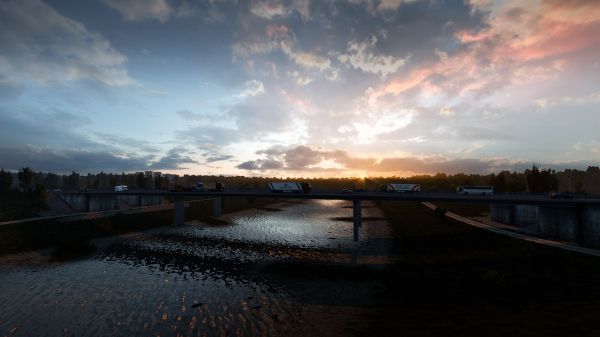
Euro Truck Simulator 2 does not compete with the most advanced modern games in character animation, dense city simulation, or close-up object detail. Its visual strength comes from the view through the windscreen, where roads, weather, lighting, landscapes, and vehicle interiors create a coherent travelling experience. Recent regions can look beautiful, particularly during dawn, sunset, rain, or mountain travel. The game understands that distant scenery and changing atmosphere matter more than perfect pavement texture at walking distance.
Older areas, repeated assets, limited pedestrians, and simple vegetation remain visible. Anti-aliasing and mirror quality can also affect image clarity, especially at lower resolutions. Higher scaling improves the picture but increases performance demands considerably. The visual experience is adjustable enough to work across many systems, though achieving a very sharp image may require more hardware power than the age of the game suggests.
Performance Is Excellent Until Mirrors and Mods Become Ambitious
The game runs on a wide range of PC hardware and can maintain smooth performance at reasonable settings. Large cities, dense traffic, high mirror distance, heavy scaling, and detailed weather can reduce frame rates more than open motorway travel. Mirrors are particularly expensive because they require additional scene rendering. Lowering their quality often provides a meaningful improvement without damaging the main view.
Mods introduce greater uncertainty. High-resolution textures, complex map combinations, traffic packs, advanced weather, and detailed truck models can transform a stable profile into a demanding one. The game’s older technical foundation has received extensive modernization, but certain limitations remain visible under extreme configurations. I prefer consistent frame pacing over maximum detail because one stutter during a tight corner is more distracting than slightly simpler vegetation.
Steam Deck Play Is Surprisingly Convincing
Euro Truck Simulator 2 works well on a handheld because deliveries can be completed in short or long sessions without rapid combat inputs. The smaller screen reduces the impact of some visual limitations, while suspend functionality suits a game built around extended journeys. Controller-style input maps naturally to steering, acceleration, braking, camera movement, and common cabin functions. It is an appealing way to continue a career away from a desktop setup.
The number of available controls remains a challenge. Lights, indicators, wipers, cruise control, differential lock, axle functions, navigation, camera options, and transmission inputs exceed the convenient buttons on a handheld. Radial menus and future multi-function interface work can reduce this problem. The game remains more comfortable with a full setup, but handheld play is far more practical than the concept initially suggests.
The Interface Has Improved but Still Reveals Its Age
Recent updates have redesigned the Route Advisor, added modular widgets, improved quick information screens, and introduced clearer job, finance, damage, and rest details. These changes make essential information easier to arrange without forcing every player to use the same layout. Navigation with a controller has also improved gradually. The interface now feels more modern, though several management screens still contain the dense structure of an older PC simulator.
New players face many settings and key bindings before understanding which ones matter. Functions such as air suspension, axle control, retarder behavior, and trailer connection may remain unused for hours. An optional multi-function display could make these commands easier to access without removing advanced bindings. Accessibility should come from presenting complexity clearly rather than deleting it.
Driving Academy Is a Better Teacher Than the Early Career
Driving Academy provides structured scenarios for basic control, maneuvering, parking, and specialized trailer handling. These exercises allow me to practice without risking money, cargo, or a long route. Double-trailer modules are particularly useful because reversing and positioning articulated combinations require habits that ordinary jobs do not teach safely. The controlled environment turns vague frustration into specific mechanical learning.
The career still assumes players will discover many systems independently. Tutorials explain basic navigation and job selection, but advanced economy, truck configuration, and realism settings receive less practical guidance. Community videos and guides often become the real education. Driving Academy is a strong foundation that could expand further into mountain driving, fuel efficiency, adverse weather, and realistic legal procedures.
The Game Is Relaxing Because It Requires Continuous but Limited Attention
Euro Truck Simulator 2 occupies a useful mental space between passivity and intense concentration. I cannot ignore the road entirely, yet normal driving does not demand constant rapid decisions. This leaves enough attention for music, podcasts, conversation, or simple reflection while still providing a clear activity. The routine can be especially effective after more demanding games because progress does not depend on defeating another player or mastering a difficult sequence.
Relaxation disappears immediately when I miss an exit, approach a toll booth too quickly, or discover that the delivery entrance is much narrower than expected. These brief spikes of attention prevent the experience from becoming completely automatic. The game’s pacing works because tension arrives naturally from mistakes and road conditions rather than being imposed constantly. A quiet hour can contain several small moments of panic without changing the overall calm.
Long Journeys Can Become Genuinely Monotonous
The same qualities that make the game soothing can also make it dull. Motorway travel may involve long periods of maintaining lane position with limited interaction, while familiar service areas and junction assets repeat across countries. A player who needs constant novelty may understand the entire gameplay loop within the first hour and see no reason to continue. The game does not hide its repetition behind elaborate progression.
I manage this by varying cargo, regions, trucks, weather, and route types. Short rural deliveries offer active steering, while long international jobs provide atmosphere and scale. Convoy sessions and community events add social goals, and mods can refresh systems that have become predictable. Euro Truck Simulator 2 expects the player to participate in shaping the experience rather than supplying constant entertainment automatically.
My Biggest Frustrations
Artificial intelligence traffic remains the most frequent source of undeserved damage, sudden braking, and awkward junction behavior. Older map regions look noticeably simpler than current DLC, while cities remain visually convincing but socially shallow. Company management becomes too easy once hired drivers generate reliable income, and employees never develop into recognizable people. Long motorway routes can become monotonous when weather, traffic, and cargo provide little variation.
The complete DLC catalogue is intimidating and expensive without sales or bundles. Mods extend the game enormously but require compatibility management after updates, while high graphical scaling and detailed mirrors can demand surprising performance. The simulation simplifies mechanical damage, loading procedures, company competition, and freight negotiation more than some players may expect. Euro Truck Simulator 2 models the experience of travelling and handling a truck better than it models the complete profession surrounding that vehicle.
Who Should Play Euro Truck Simulator 2?
I recommend Euro Truck Simulator 2 to players who enjoy driving, long-form simulation, vehicle customization, relaxed progression, open-ended careers, European roads, community mods, and games that create satisfaction through routine. It works equally well as a casual controller game and as the foundation for an elaborate steering-wheel setup. The base game offers enough content to test the experience before committing to regional expansions. Players who enjoy podcasts or music while gaming may find it particularly compatible with their habits.
I would be more cautious recommending it to anyone who needs constant action, a strong narrative, deep company management, or highly interactive cities. The economy becomes forgiving, the roads repeat, and many hours are spent doing exactly what the title promises: transporting cargo steadily from one location to another. Console players also need to consider the status and feature set of upcoming versions rather than assuming complete parity with the established PC release. The game rewards patience more than excitement.
My Final Verdict
Euro Truck Simulator 2 remains one of the most successful simulation games because it turns ordinary professional movement into a personal journey. The driving is accessible but scalable, the trucks have convincing weight, the map has grown into an enormous transport network, and regional DLC continues improving the quality and variety of the roads. Convoy mode, World of Trucks, community events, Driving Academy, extensive customization, and one of gaming’s strongest mod scenes provide reasons to continue far beyond the original career. Recent updates show that SCS Software is still modernizing the cabin, interface, lighting, audio, fatigue rules, and older map regions rather than treating the game as finished.
Its age remains visible through uneven geography, limited city life, simplistic employees, inconsistent traffic intelligence, and a business economy that eventually loses all financial pressure. The game can become monotonous, and owning the full map requires a substantial DLC investment. Those weaknesses matter, but they do not remove the unusual peace of completing a difficult delivery through rain, darkness, traffic, and several countries before parking the trailer correctly. I rate Euro Truck Simulator 2 9.1/10, because few games have made me feel so satisfied about arriving somewhere slightly later than planned with a trailer full of ordinary household appliances.









Recent Reviews

Minecraft

Grand Theft Auto V

Toca Boca World

Roblox

Leave a comment
Your comment is awaiting moderation. We save your draft here
0 Comments