Review
EA SPORTS FC 26 gave me one of the strangest first impressions I have experienced in this long-running series because the game does not...
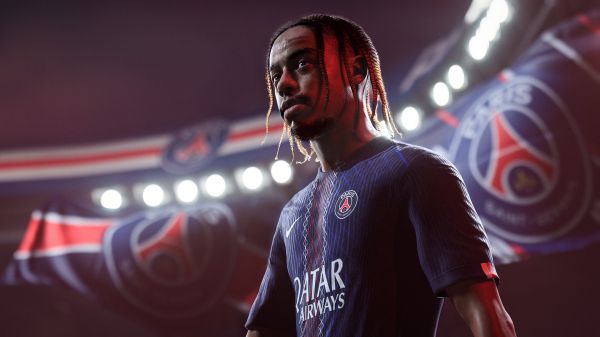
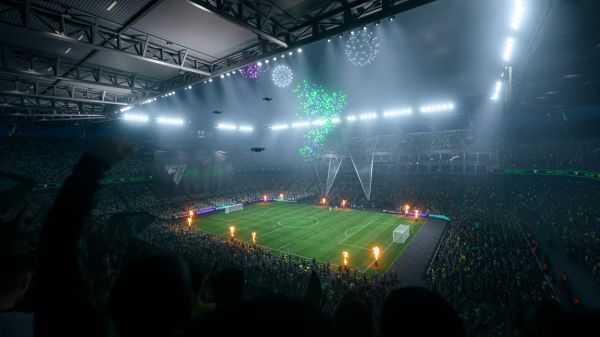
EA SPORTS FC™ 26: Redefining Virtual Football with Ultimate Immersion
EA SPORTS FC 26 gave me one of the strangest first impressions I have experienced in this long-running series because the game does not really offer one universal interpretation of football. Competitive matches are fast, responsive, direct, and designed around immediate control, while the Authentic preset slows the action and gives positioning, physical fatigue, and imperfect movement more influence. Switching between them can feel like moving between two related games that share the same controls, animations, teams, and stadiums. I appreciate the attempt to satisfy different audiences, although the separation also exposes how difficult it has become for one annual release to serve competitive players, offline managers, casual fans, collectors, and football purists at the same time.
The foundation remains immediately recognizable to anyone who has spent years with FIFA or the newer FC branding. Matches still revolve around familiar passing patterns, timed runs, defensive switching, skill moves, PlayStyles, tactical instructions, and the constant search for space around the penalty area. The improvements are noticeable, particularly in responsiveness and attacking support, but this is an evolution rather than a completely rebuilt football game. FC 26 feels more willing to admit what different groups want, yet it continues carrying many of the structural habits, interface frustrations, monetization systems, and animation inconsistencies inherited from previous entries.
Competitive Gameplay Is Faster, Cleaner, and Less Patient
The Competitive preset is clearly designed to reduce the feeling that my inputs are being delayed by heavy animation. Players turn more sharply, accelerate into open space with greater urgency, and move the ball quickly enough to support aggressive combinations around the box. This responsiveness is valuable in online matches because losing possession after an animation I did not intend feels far worse than losing it through a poor decision. FC 26 generally gives me a stronger sense that the selected action belongs to my input, even though collisions and animation transitions can still produce moments that feel outside my control.
The downside is that Competitive football often becomes excessively direct. Fast attackers receive frequent support, passing lanes open quickly, and transitions can move from one penalty area to the other before either team establishes a stable shape. Defending therefore feels less like controlling space over time and more like surviving repeated bursts of acceleration, directional changes, and rapid passes. This produces entertaining matches, but it can also reduce the value of patient midfield possession because a simpler vertical attack often creates danger more efficiently.
I had the most fun when both teams tried to play intelligently rather than relying entirely on speed and repeated skill actions. Quick passing can produce excellent football when players recognize movement and use the extra responsiveness to escape pressure. The problem appears when every attack follows the same pattern of forcing the ball toward the fastest forward, cutting inside, and waiting for a defender or goalkeeper to react imperfectly. Competitive gameplay is polished and immediately enjoyable, but its pace encourages habits that can make several matches blend together.
Authentic Gameplay Finally Gives Career Mode Its Own Rhythm
The Authentic preset is the most important addition for my personal experience because offline football no longer has to follow every adjustment made for Ultimate Team competition. Matches are slower, defensive lines behave with greater positional responsibility, physical fatigue matters more, and goalmouth situations contain more imperfect rebounds and crowded movement. The pace allows me to observe the shape of both teams instead of constantly reacting to sprinting attackers. It does not transform FC 26 into a strict simulation, but it creates enough space for tactical decisions to feel visible.
Possession feels more meaningful under this preset because recycling the ball is not automatically a sign that an attack has failed. I can move opponents across the field, wait for a fullback to advance, and use midfielders to create an overload rather than forcing every pass toward the penalty area. Defensive teams are more willing to retain their structure, making central spaces harder to enter without preparation. A goal built through several patient passes consequently feels different from one produced by winning a sprint after possession changes.
Authentic football still has inconsistencies. AI teams can become passive, certain animations remain too slow for the situation, and physical contests do not always produce believable results. The slower pace can also emphasize weaknesses in teammate intelligence because a delayed run becomes more noticeable when the entire attack depends on it. Despite these issues, I would not want the series to return to one shared gameplay model after experiencing this separation.
Dribbling Feels More Responsive Without Becoming Effortless
FC 26 improves ordinary dribbling by making direction changes and acceleration feel less heavy. I can receive the ball, adjust my body, and move away from pressure without waiting through an unnecessarily long transition. This is especially useful for central midfielders who need to turn before a passing lane closes. Faster players also feel more explosive, which helps distinguish them from opponents who should not be able to match every run.
Responsiveness does not remove the importance of body orientation. Receiving a pass while facing the wrong direction can still invite pressure, and attempting a sharp turn with a physically limited defender remains risky. Shielding is more useful when I establish position early, although the outcomes of contact can vary depending on animations. The best dribbling feels connected to reading space before the ball arrives rather than correcting every mistake afterward.
Online play naturally pushes the system toward more aggressive manipulation. Skilled opponents chain quick movements, sudden stops, and changes of direction until one defender commits incorrectly. This can feel rewarding when I successfully predict the move, but it also produces moments where the attacker appears to rotate faster than the surrounding football context should allow. FC 26 improves control while continuing the series’ complicated relationship with realistic momentum.
Attacking Teammates Make More Useful Decisions
One of the most noticeable improvements is the willingness of attacking teammates to move into available space without requiring constant manual commands. Wingers can recognize opportunities to enter the box, supporting players offer safer passing options, and runs are less restricted by one fixed interpretation of a tactical role. This makes possession feel less lonely because the player carrying the ball usually has several possible continuations. The additional movement is particularly helpful against defensive opponents who would otherwise wait comfortably for an isolated attacker.
The movement is not always intelligent, and more activity does not automatically create better positioning. Two teammates may attack similar spaces, a midfielder can leave the center exposed, or a forward may begin a run just as I decide to slow the attack. These mistakes are understandable within football, but they become frustrating when a tactical instruction suggests the player should behave differently. FC 26 works best when its AI feels flexible without appearing disconnected from the structure I selected.
I enjoyed learning how different formations interact with the improved movement. Narrow systems create quick combinations but can crowd the center, while wide formations provide clearer passing lanes at the cost of fewer immediate options near goal. The game gives enough attacking variety for team selection to matter beyond player ratings. A strong tactical setup cannot replace execution, but it can make the difference between a team that supports possession and one that constantly abandons the ball carrier.
Defending Still Demands More Work Than Attacking
Defending remains the area where FC 26 can feel least consistent. Manual positioning matters, and I am rewarded for controlling a midfielder, protecting central space, and avoiding unnecessary challenges. However, the attacking game contains so much speed and directional freedom that one small defensive error can create a clear chance immediately. Competitive matches often feel designed to generate goals rather than preserve the value of disciplined defensive structure.
Player switching continues to be crucial because controlling the wrong defender for one second can destroy the entire shape. The system generally responds well, but crowded areas can still produce a selection I did not expect. Right-stick switching offers more control, although it requires rapid interpretation when several players overlap. A football game built around such quick attacks needs nearly perfect defensive selection, and FC 26 does not always achieve that standard.
Tackling can be satisfying when timing and body position align correctly. Winning the ball cleanly and immediately beginning a counterattack provides one of the best transitions in the game. The frustration comes when the tackle succeeds physically but the ball rebounds toward another attacker, leaving the defender temporarily unable to respond. These loose-ball situations happen in real football, yet their frequency and direction can make a correct defensive action feel unrewarded.
Goalkeepers Are Better Positioned but Still Create Strange Moments
Goalkeepers received substantial attention, including improved positioning, handling decisions, animations, and greater control over deflections. In many situations, the difference is visible because keepers set themselves more naturally and react with movements appropriate to the shot. They are less likely to produce the same repeated save animation regardless of distance or angle. Their positioning against ordinary attacks is generally more believable than in several previous entries.
No goalkeeper system can remain convincing in every situation because the game must balance realism, player skill, shot assistance, and competitive fairness. FC 26 still contains shots that pass strangely close to the keeper, rebounds that return directly to an attacker, and dramatic saves followed by weak responses to easier attempts. These inconsistencies become especially irritating during close online matches. A keeper can feel intelligent for eighty minutes and then behave unpredictably during the one moment that decides the result.
I prefer the general direction because goalkeepers now appear more involved in the physical situation rather than functioning as fixed animation triggers. Their improved movement makes finishing angles more important, and careless central shots are less reliable. The system still needs tuning, but I trust ordinary goalkeeping behavior more than I did in the previous game. The remaining problems are memorable precisely because the baseline performance has improved.
Passing Is Satisfying Until Assistance Makes the Wrong Choice
Short passing feels sharp in Competitive play and more measured under Authentic settings. I can build quick combinations, use first-time passes to escape pressure, and move the ball across midfield without every reception becoming heavy. The improved attacking movement gives passing a clearer purpose because teammates actively create new angles. When the system correctly interprets my direction and power, the game produces fluid football that looks and feels natural.
Pass assistance can still select a different target than the one I intended, particularly when several teammates occupy similar directions. A gentle ball toward the nearest player may travel farther, while a through pass can be drawn toward a runner whose route I was not trying to use. These mistakes are difficult to separate from imperfect input because the system constantly interprets intention. More manual settings provide additional control, but they also make online consistency harder to maintain.
I found the most reliable results by slowing down enough to establish body position before passing. Rushed inputs naturally create greater uncertainty, while facing the target improves both animation and direction. FC 26 encourages faster football, yet its passing often works best when I resist that pressure and give the player one extra moment. The tension between speed and precision defines much of the gameplay.
Shooting Produces Spectacular Goals and Familiar Exploits
Shooting offers enough variety to support different attacking situations. Controlled finishes, powerful strikes, headers, volleys, and shots across goal all have useful roles depending on distance and body position. A properly constructed chance usually feels more reliable than a desperate attempt, which is essential for rewarding good buildup. The improved movement also creates more opportunities for first-time finishes after cutbacks or low crosses.
As players learn the game, certain angles and techniques inevitably become more effective than others. Online matches gradually reveal repeated patterns, and opponents begin searching for those situations regardless of what the broader attack requires. This is not unique to FC 26, but it limits the variety promised by the large collection of players and tactical options. A football game can simulate many styles while its competitive community reduces them to the most efficient handful.
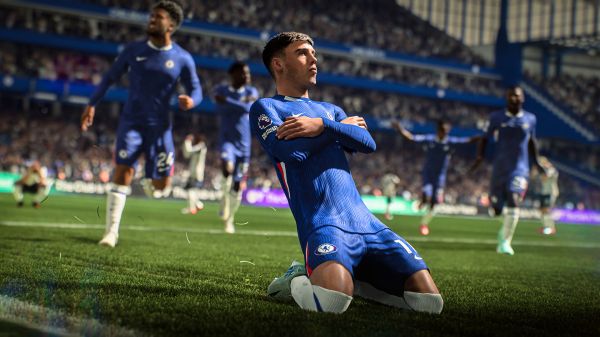
I still enjoy finishing because the animation, sound, crowd reaction, and visual presentation give goals appropriate weight. A long-range strike feels different from a simple finish after a passing combination. The game remains excellent at turning a successful shot into a brief spectacle. It simply needs careful balancing to ensure that spectacle does not become a repeated formula.
Manager Career Benefits From Live Challenges
Manager Live Challenges provide scenarios based on real-world situations and alternative football stories, ranging from short objectives to longer managerial projects. They give Career Mode a useful structure for players who do not always want to begin another unrestricted multi-season save. Taking control of a struggling club under specific conditions creates immediate context, while rewards provide an additional reason to experiment. The format also allows EA to introduce new scenarios across the season rather than leaving Career Mode entirely static after release.
I enjoy these challenges most when the restrictions change how I manage the squad. A transfer limitation, difficult league position, injury problem, or unusual objective can force me to use players I would normally ignore. The shorter scenarios also reduce the pressure to maintain one save for hundreds of matches. They are less satisfying when the objective feels like a standard match task placed inside a menu with a new label.
Traditional Manager Career remains the mode where Authentic gameplay has the greatest impact. Slower matches make tactical choices easier to observe, and managerial movement allows club identities to evolve as coaches change. A team can alter its approach over time rather than repeating one tactical personality forever. This adds variety across longer saves, although transfers, negotiations, and menus still contain awkward systems that prevent the mode from feeling completely modern.
Career Mode Still Carries Too Much Administrative Friction
Managing a club should involve difficult decisions, but difficulty should come from football strategy rather than slow menus and repetitive interactions. FC 26 continues to make certain tasks feel heavier than necessary, especially when handling transfers, contracts, scouting reports, and squad development across several weeks. The interface contains large amounts of useful information, yet reaching the exact detail I need can require too many transitions. This friction becomes more noticeable during long saves because the same procedures repeat every season.
Player development remains rewarding when a young prospect gradually earns a role in the first team. Training plans and tactical positions can shape growth, while match performance provides emotional context that a rating increase alone cannot create. The problem is that development can sometimes feel too predictable once the most efficient plans are understood. Greater uncertainty connected to form, coaching quality, personality, and playing time could make every prospect feel less like a controlled project.
The mode is capable of producing excellent unscripted stories. A substitute may become essential after an injury, a veteran can guide a young squad through an unexpected cup run, and a failed transfer may force me to redesign the formation. FC 26 provides enough systems for these stories to emerge, but it often places them behind administrative routines that have changed less than the on-pitch gameplay. Career Mode is improved, though it still feels like a major experience waiting for a deeper structural overhaul.
Player Career Gains Identity Through Archetypes
Archetypes give Player Career and Clubs a clearer progression identity by allowing me to begin with a football style inspired by recognizable types of elite player. I earn experience, improve attributes, and unlock perks that strengthen the intended role. This approach is more meaningful than simply increasing every statistic until the player becomes universally excellent. A specialist should feel different from a balanced footballer, and the system encourages me to commit to strengths and weaknesses.
The structure makes early development more interesting because I have to decide what kind of player I want to become. A creative midfielder requires different movement and decision-making from a direct scorer or defensive organizer. The best progression systems influence behavior rather than existing only in menus, and Archetypes often achieve that goal. I began evaluating matches according to whether I performed my chosen role instead of chasing goals and assists in every position.
The limitation is that progression systems can become optimization puzzles. Once the community identifies the strongest perks and attribute combinations, variety may decrease as players copy the same efficient builds. Frequent balancing will be necessary in Clubs, where small statistical advantages affect competition. In Player Career, I can ignore the meta more easily and use the system as a framework for personal storytelling.
Clubs Remains the Best Social Football Experience
Clubs creates something the other modes cannot reproduce because every human controls one footballer and must contribute to a shared structure. A well-organized team can build attacks through movement, communication, and patience, while an uncoordinated group quickly becomes a crowd chasing the same ball. The individual perspective makes defensive work and supporting runs feel valuable even when they do not appear in the final statistics. FC 26 strengthens this identity with Archetypes, rotating Live Events, alternate rules, and the ability to affiliate with multiple clubs.
Live Events provide useful variety by changing entry conditions and match rules. They give a regular team reasons to adjust builds and roles rather than using one lineup throughout the entire season. Modified Rush events can be particularly entertaining because they compress the action and create immediate responsibilities. The quality naturally depends on matchmaking, teammates, and connection stability more than on the event structure itself.
The revised goalkeeper role is a welcome attempt to make one of the most difficult positions more engaging. Human goalkeeping has often felt unforgiving because limited information and unusual animations could make reasonable decisions look foolish. Improvements help, but the position still requires patience from the entire team. A human goalkeeper can create unforgettable saves, yet one mistake is often judged more harshly than several missed chances by attackers.
Ultimate Team Is More Varied but Still Built Around Pressure
Football Ultimate Team contains new Live Events, tournaments, revised competitive structures, Bounties, and the Challengers competition for players outside the highest divisions. These additions provide more ways to use different squads and reduce the feeling that every card must exist only for one main competitive ladder. Challenges that encourage alternative team construction can make lower-rated or unusual players temporarily relevant. The mode is at its best when it rewards experimentation rather than demanding the same elite lineup.
The fundamental structure remains inseparable from monetized packs, limited campaigns, market values, daily objectives, and fear of missing time-sensitive content. Progress can feel generous during certain events and restrictive during others, but the interface continually reminds me that another card, reward tier, or upgrade is available. The football is enjoyable enough to support the collection loop, yet the collection loop frequently attempts to become the primary reason to play. Critics continued to identify monetization and pressure toward spending as significant weaknesses despite improvements to rewards and mode variety.
I enjoy building a squad from players I like, experimenting with chemistry, and improving less fashionable cards through Evolutions. The problem appears when competitive matchmaking turns personal squad building into a disadvantage against teams assembled around market efficiency. Ultimate Team promises unlimited creative combinations while constantly encouraging convergence toward the strongest available options. FC 26 improves the routes through the mode without changing that central contradiction.
Bounties and Challengers Create Better Intermediate Goals
Bounties offer additional objectives that can accelerate progress or provide rewards beyond the standard weekly structure. They give individual matches a secondary purpose, which can be useful when ordinary division progress feels slow. Challengers creates a lower-tier weekend competition for players who are not ready for or interested in the most demanding level of competition. Both systems attempt to make Ultimate Team useful to a broader range of skill levels.
The danger is objective-driven behavior that conflicts with winning naturally. When a reward requires a specific action, teammates or opponents may spend the match forcing that action regardless of the football situation. Objectives work best when they reward broad performance rather than unusual behavior that damages the match. FC 26 generally provides enough alternatives that I can avoid tasks I dislike, although the constant collection of goals still makes the mode feel like a schedule.
Challengers is a sensible addition because not every player benefits from entering a competition dominated by highly optimized squads and experienced opponents. A second tier can create more achievable pressure without removing the excitement of a limited weekend event. Its long-term success depends on matchmaking and reward balance. The rewards must feel worthwhile without making the lower competition another mandatory grind.
Rush Is Better as a Side Mode Than a Replacement
Rush condenses football into smaller teams and a more immediate structure. The reduced space creates constant involvement, making it useful when I want a short session without the tactical patience of a full match. In Clubs, it can help players develop individual movement and quick decision-making because everyone receives more touches. The format also supports alternate rules and limited events more naturally than traditional eleven-a-side football.
The mode becomes frustrating when players refuse to defend or pass. With fewer teammates available, one selfish participant has a much larger effect on the result. Every player must recognize when to protect space, support possession, or remain behind the attack. Rush exposes poor teamwork more quickly than the standard format because there is less tactical structure available to hide it.
I enjoy Rush in limited sessions and themed competitions, but I would not want it to dominate the larger game. Full football offers greater positional variety, tactical buildup, and long-term tension. Rush works best as a concentrated alternative that changes the pace without pretending to replace the main sport. FC 26 uses it effectively when events introduce rules that suit the smaller format.
The Presentation Remains Among the Series’ Strongest Features
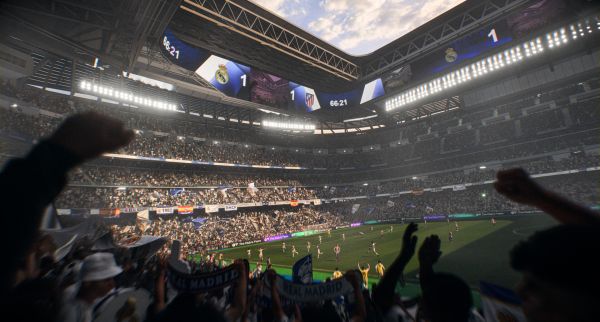
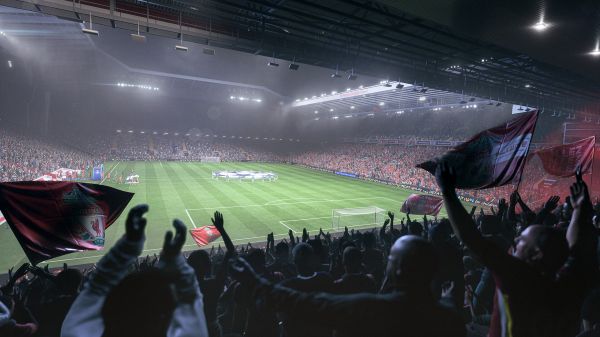
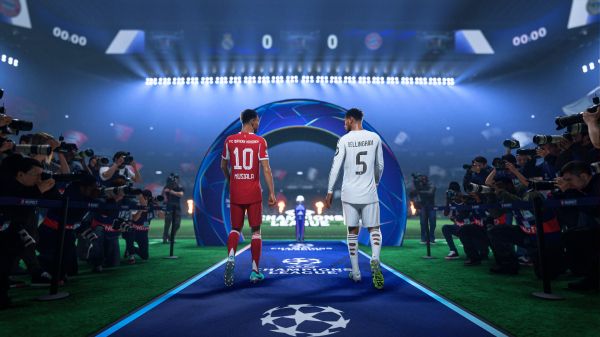
FC 26 continues delivering detailed stadiums, recognizable players, licensed competitions, broadcast packages, crowd reactions, and match-day atmosphere across a huge selection of clubs and leagues. EA reported more than 20,000 players, over 750 clubs and national teams, more than 130 stadiums, and over 35 leagues at launch. This scale gives Career Mode and tournament play an authenticity that smaller football games cannot easily reproduce. Moving between leagues can genuinely change the visual and audio character of a save.
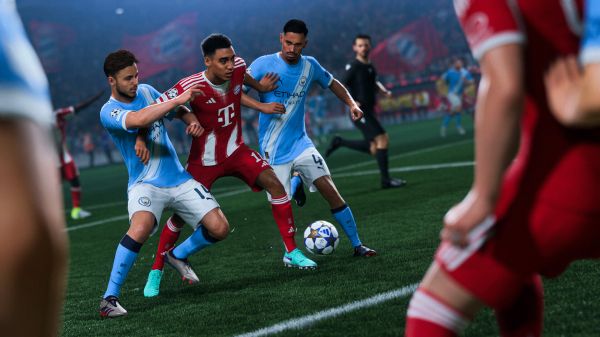
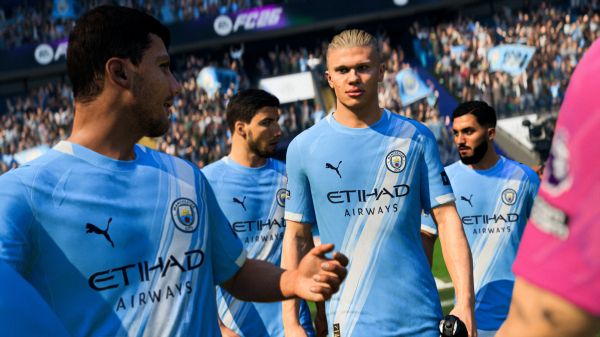
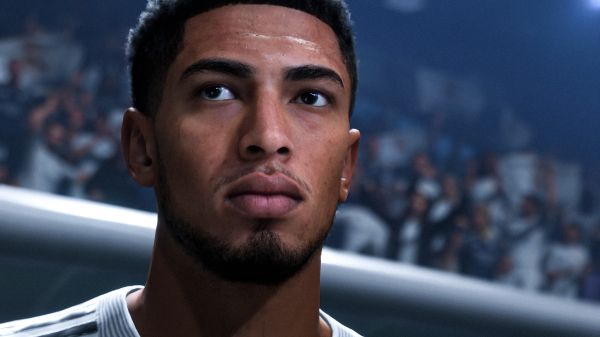
Lighting, kits, pitch wear, weather, and stadium architecture create excellent screenshots, particularly on current hardware. Player faces vary in quality, with major stars receiving impressive detail while less prominent footballers may appear more generic. Animation transitions have improved, yet close celebrations and collisions can still reveal the limits of the character models. The game looks most convincing from the standard broadcast camera where the entire presentation works as one system.
Menus are less successful than matches. Large panels, layered tabs, delays, and promotional elements can make navigation feel heavier than necessary. Ultimate Team is especially crowded because events, packs, objectives, Evolutions, squad tools, and competitions all compete for attention. FC 26 presents football beautifully once a match begins, but reaching the correct match can still involve too much interface friction.
Licensing Creates Immersion but Cannot Replace Identity
The number of licensed teams, competitions, stadiums, and players gives FC 26 enormous immediate credibility. Hearing familiar chants, entering a recognizable stadium, and playing through official tournaments creates a connection that fictional clubs cannot easily reproduce. Career Mode benefits most because league context and visual authenticity help a long save feel connected to real football culture. The variety also allows players to begin projects far beyond the most famous European teams.
Licensing can hide how similar some teams feel once the match begins. Tactical roles and player attributes provide differences, but the same effective attacking patterns can work across many squads. A club’s identity should emerge from movement, defensive behavior, buildup preferences, and risk tolerance rather than kits and logos alone. FC 26 improves AI positioning, yet it still has room to make opponents feel more connected to their real tactical personalities.
Managerial movement is a useful step because changing coaches can alter tactics over time. This prevents a club from remaining permanently attached to one approach throughout a long career. It also creates natural changes in league difficulty, as familiar opponents may become more aggressive or cautious after a new appointment. The feature needs further depth, but it gives the football world more movement beyond player transfers.
Women’s Football Is Integrated Rather Than Treated as a Side Feature
FC 26 continues including major women’s leagues and the UEFA Women’s Champions League alongside the men’s competitions. This integration gives players access to a broader football world rather than isolating women’s teams inside one small exhibition mode. Different squads and player profiles provide additional team-building possibilities in Ultimate Team and authentic competitions elsewhere. The scale of licensing strengthens the sense that the game is representing modern football rather than one narrow part of it.
The quality of representation depends on more than listing leagues. Accurate faces, stadium atmosphere, commentary, tactical identities, and meaningful mode support determine whether the content feels equally valued. FC 26 continues moving in the correct direction, although differences in presentation depth remain visible between the most commercially prominent teams and others. Continued investment should focus on detail rather than simply increasing the number of available licenses.
Accessibility Options Are a Meaningful Improvement
High-contrast presentation, pitch saturation adjustments, and other accessibility settings make the game more usable for players who may struggle with default visual information. Football games contain many moving characters, overlapping indicators, kits, shadows, and stadium colors, so readability can directly affect performance. These options are not merely cosmetic because they determine how easily a player can follow possession and identify teammates. EA’s decision to expand them reflects useful community feedback.
I would like accessibility to remain a continuing priority rather than a one-year feature announcement. Menu narration, control remapping, subtitle clarity, color separation, reaction timing, and difficulty customization can all influence whether someone can enjoy the game comfortably. The split gameplay presets also function as a form of choice, allowing offline players to select a style closer to their preferred pace. More control over the experience is generally better when it does not compromise competitive fairness.
Online Connection Quality Still Influences Too Much
FC 26 can feel excellent in a responsive match and frustratingly heavy when connection conditions deteriorate. The same dribbling movement or pass may seem immediate in one game and delayed in another. Competitive football depends on short timing windows, so even a small difference changes tackling, shooting, and defensive switching. Improvements to animations cannot fully solve the experience when network performance is inconsistent.
The connection indicator provides more information, but information does not remove the competitive effect. A player can recognize that delay exists and still lose because the response arrives too late. This makes online evaluation difficult because gameplay balance and server conditions become mixed together. I often needed several matches before deciding whether a problem came from the mechanic, the opponent, my own input, or the connection.
Stable online performance should remain more important than another layer of seasonal content. Ultimate Team and Clubs depend on players trusting that their decisions will be represented consistently. When that trust disappears, every unusual animation feels suspicious. FC 26 improves responsiveness at the gameplay level, but the full benefit is visible only when the network allows it.
Annual Releases Continue to Limit the Series
FC 26 contains meaningful improvements, particularly the split between Competitive and Authentic gameplay. The problem is that every annual entry must introduce features, update content, maintain licenses, rebalance modes, and prepare another commercial cycle within a limited period. Systems that need deep redesign often receive additions instead because rebuilding them carries greater risk. Career menus, Ultimate Team monetization, and animation inconsistencies survive even while the on-pitch game improves.
A longer development cycle could allow EA to rethink areas that have accumulated years of complexity. Career Mode could receive a completely redesigned management interface, Clubs could gain deeper social tools, and Ultimate Team could separate competitive progression more clearly from spending. The annual model instead encourages visible features that can be explained quickly. FC 26 shows both the strengths and limitations of that approach.
I do not consider the game a simple roster update because the two-preset system changes how different modes feel. At the same time, it still resembles the previous release in structure, menus, progression, and commercial strategy. Players who spend most of their time in one familiar mode may judge the value according to how much that specific area changed. The answer varies significantly between an offline Career player and someone already exhausted by Ultimate Team.
The Two-Preset Solution Is Smart but Reveals a Divided Audience
Separating Competitive and Authentic gameplay solves a long-standing tuning problem. Online players can receive faster response and greater consistency without forcing offline Career matches to adopt the same pace. Simulation-focused changes can be added to Authentic play without disrupting the competitive community. EA can now tune each environment independently, which may become one of the most important foundations for future entries.
The separation also admits that the audience no longer agrees on what the game should be. Some players want realistic positioning, fatigue, imperfect touches, and patient buildup. Others want direct control, rapid attacks, consistent skill execution, and competitive responsiveness. Neither group is necessarily wrong, but serving both creates a product with two identities.
I prefer this honest division to a compromised middle ground that satisfies nobody. Authentic play gives me the slower offline experience I have wanted, while Competitive matches remain familiar enough for online players. The danger is that one preset may receive more attention because it supports the most profitable mode. The long-term success of the system depends on both styles continuing to receive serious tuning.
A Stronger Football Game Still Carrying Familiar Problems
EA SPORTS FC 26 is one of the more meaningful gameplay updates in the recent history of the series. Responsive movement, improved attacking support, better goalkeeper behavior, and the separation between Competitive and Authentic presets create noticeable differences on the pitch. Career Mode benefits from slower football and Live Challenges, while Archetypes give Player Career and Clubs a clearer sense of individual identity. These changes do not reinvent the series, but they address several complaints that had become increasingly difficult to ignore.
The weaknesses are equally familiar. Defending can feel less reliable than attacking, rebounds occasionally punish correct decisions, menus remain crowded, and online performance varies with connection quality. Ultimate Team continues combining enjoyable squad building with relentless monetization pressure and limited-time engagement systems. Career Mode offers better scenarios and match rhythm without completely modernizing its repetitive administrative structure.
I enjoyed FC 26 most when I stopped expecting one mode to provide everything. Authentic Career matches gave me patient tactical football, Competitive play offered immediate online intensity, and Clubs delivered the strongest cooperative experience. Ultimate Team provided variety but continually tested my tolerance for objectives, packs, and market-driven progression. The game’s greatest improvement is recognizing that these experiences should not all behave identically.
FC 26 is not the complete transformation that annual football games periodically promise, and it does not escape the commercial systems that continue defining the franchise. It is, however, a better-designed football game than its immediate predecessor and a useful foundation for future development. The two gameplay identities may feel divided, but they give different players room to enjoy the sport on their own terms. For the first time in several years, I felt that EA was not merely adjusting the same football formula but acknowledging that the formula needed more than one answer.
Pros:
- Immersive audio effects and dynamic crowd noise create a realistic stadium atmosphere
- Diverse game modes offer something for both casual play and deep strategic engagement
- Highly customizable gameplay with support for mods and community cheats
- Seamless multiplayer experience with robust matchmaking and community integration
- Optimized performance across multiple platforms and various hardware configurations
- Stunning graphics and lifelike animations enhance the visual experience
Cons:
- In-game tutorials and onboarding may feel insufficient for new players
- Occasional performance dips on lower-end or outdated systems
- Server latency issues can occur during peak times








Recent Reviews

Minecraft

Grand Theft Auto V

Toca Boca World

Roblox

Leave a comment
Your comment is awaiting moderation. We save your draft here
0 Comments