Review
My first proper Battlefield 6 match began with a disciplined plan that survived for approximately thirty seconds. I joined my squad, ma...
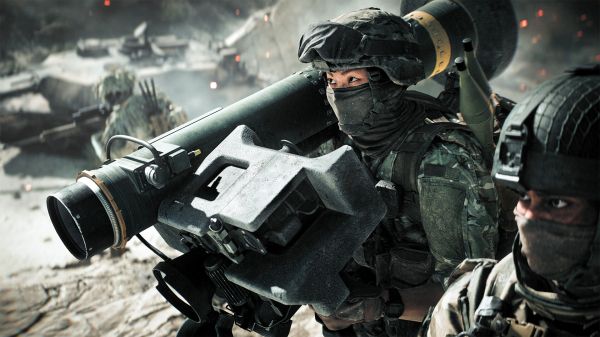
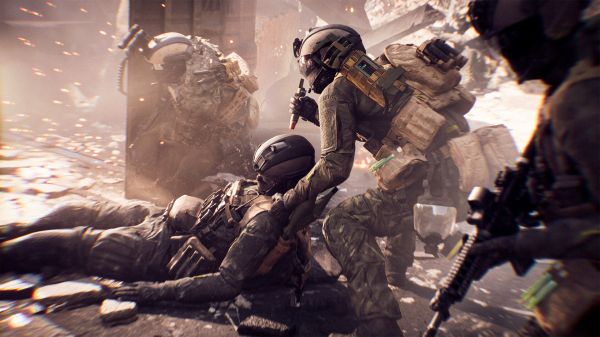
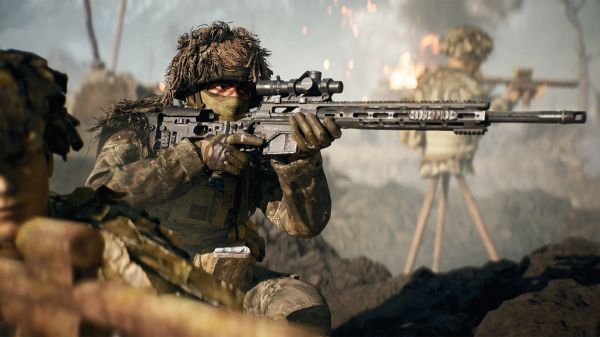
Battlefield™ 6: Redefining Modern Warfare with Tactical Innovation and Customization
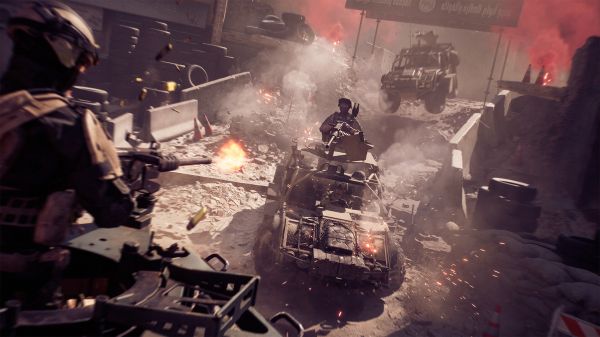
My first proper Battlefield 6 match began with a disciplined plan that survived for approximately thirty seconds. I joined my squad, marked an objective, climbed into an armored vehicle, and expected a controlled push through the center of the map. A helicopter appeared above the rooftops, part of the building beside us collapsed, smoke covered the road, and our driver decided that the safest route involved accelerating directly through a damaged storefront. By the time I reached the objective on foot, the original plan no longer mattered, but the improvised battle happening around me felt more exciting than anything we could have organized beforehand.
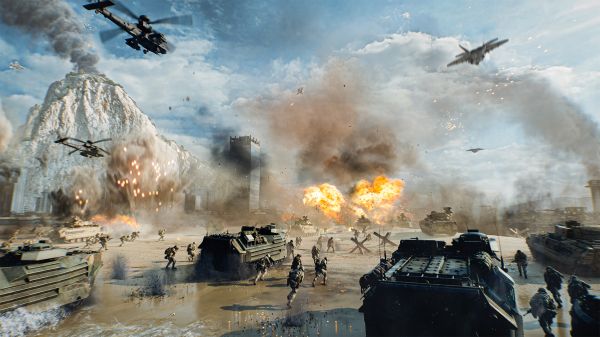
That mixture of structure and disorder is the reason Battlefield remains different from most multiplayer shooters. The maps are large enough to support infantry combat, armored vehicles, aircraft, long-range weapons, close interior battles, and completely unexpected encounters inside the same match. Battlefield 6 understands that scale alone is not enough; the environments need to react, the objectives need to move players into conflict, and squads need reasons to cooperate. When those elements align, the game produces stories that no scripted sequence could reproduce exactly.
The Gunplay Is Fast, Heavy, and More Controlled Than It Looks
Weapons feel immediate without becoming weightless, and the best firefights reward controlled bursts, positioning, and awareness rather than constant movement. Recoil is readable, hit feedback is clear, and different weapon categories have distinct effective ranges. I can use an assault rifle aggressively inside a damaged building, but the same setup becomes less reliable when an enemy controls a long street with a marksman rifle. Attachments improve specific qualities, although they do not remove the need to understand what each weapon is designed to do.
The overall pace is faster than some older Battlefield entries, especially when players use slides, quick stance changes, and aggressive movement around cover. This makes infantry combat responsive, but it can occasionally feel closer to a conventional competitive shooter than a large military sandbox. I enjoy the speed when attacking a crowded objective because movement gives me options beyond waiting behind one wall. I enjoy it less when repeated sliding and rapid direction changes make soldiers appear disconnected from the heavy equipment and grounded visual style surrounding them.
Movement Gives Me Freedom but Sometimes Too Much Confidence
Running, sliding, vaulting, crouching, going prone, and moving through broken structures all feel smoother than in Battlefield 2042 at launch. I can cross windows, climb low obstacles, adjust my stance quickly, and use damaged environments as routes instead of treating debris as decoration. Dragging a downed teammate toward cover is particularly useful because a revive no longer requires standing in the most dangerous possible location. These improvements make squad support feel practical rather than ceremonial.
The danger is that responsive movement encourages players to treat every encounter like a solo assault. I often see teammates sprint into a defended room, ignore available smoke or cover, and expect mechanical speed to replace coordination. Battlefield 6 allows aggressive play, but its most satisfying victories still come from combining roles and approaching from several angles. The movement system works best when it supports tactical decisions rather than becoming the entire strategy.
Classes Finally Matter Again
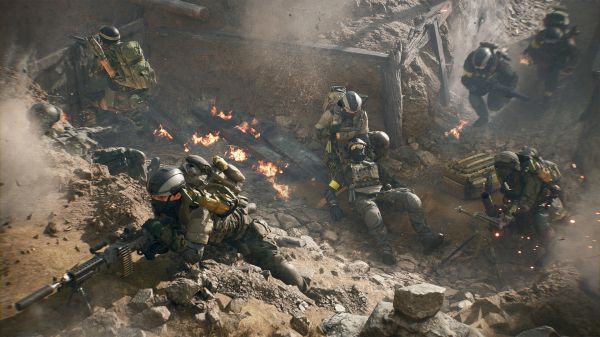
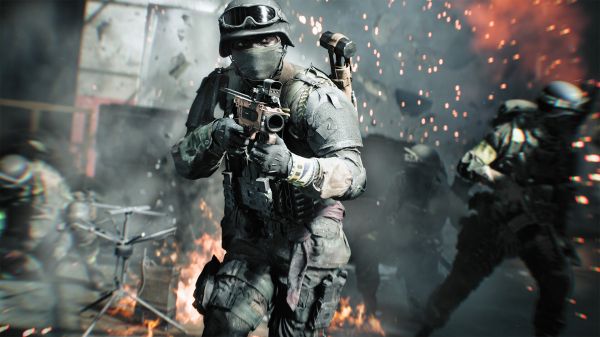
The class system restores a clearer division between Assault, Engineer, Support, and Recon. Each class has a recognizable purpose, preferred equipment, and responsibilities that affect the whole squad. Assault creates pressure and opens routes, Engineers deal with vehicles and repair friendly equipment, Support supplies ammunition and revives allies, while Recon gathers information and controls longer sightlines. This structure makes squad composition easier to understand and gives me a reason to change class when the battle changes.
I appreciate having identity return to loadouts because unrestricted systems can make every soldier feel interchangeable. When enemy armor begins controlling an objective, I know the squad needs Engineers rather than four players carrying slightly different assault rifles. When a push fails because nobody has ammunition or smoke, a Support player can change the entire rhythm. The system is not perfectly rigid, but it creates enough specialization that teamwork becomes visible.
Assault Is More Useful Than a Simple Frontline Role
Assault works best for players who want to move toward objectives and create openings for the squad. Its equipment supports aggressive positioning, rapid pressure, and entry into defended spaces. I found the class especially useful on urban maps where buildings, alleys, and damaged walls create many short engagements. A good Assault player does not simply collect eliminations; the class should force defenders to turn, retreat, or abandon comfortable positions.
The weakness is that Assault can feel self-sufficient enough to attract players who have little interest in the squad. Strong weapon options and mobility make it tempting to play independently, especially in smaller modes. I still prefer the class when another teammate provides ammunition and an Engineer handles nearby armor. Battlefield 6 becomes more interesting when Assault is the point of a larger formation rather than a one-person solution.
Engineer Decides Whether Vehicles Dominate the Match
Engineer is essential whenever tanks, helicopters, transport vehicles, or other armored threats begin controlling open ground. Launchers, mines, repair equipment, and anti-vehicle tools give the class influence far beyond direct infantry fights. I have played matches where one coordinated Engineer squad made a road unusable for enemy armor, then repaired a friendly tank long enough for it to break through the next sector. Those moments show why Battlefield needs specialized roles rather than universal equipment.
Vehicle balance can make the class frustrating. A single Engineer rarely feels powerful enough against a well-supported tank, while several Engineers can remove vehicles almost immediately. This creates a strong dependence on squad cooperation, which is appropriate but inconsistent in public matchmaking. I often carry anti-vehicle equipment and discover that nobody else is willing to help, leaving me to repeatedly damage a target that retreats and repairs before the next attempt.
Support Is the Class That Keeps a Push Alive
Support provides ammunition, revives, suppression, and sustained presence around contested objectives. I enjoy the class because its value remains visible even when my aim is not perfect. Supplying several teammates, reviving someone behind cover, and maintaining pressure through smoke can contribute more than chasing one isolated opponent. The ability to drag injured allies makes revives safer and creates memorable rescue attempts in the middle of heavy fire.
The class also exposes poor team awareness. Players sometimes respawn immediately while I am already moving toward them, wasting a safe revive and returning far from the objective. Others ignore ammunition even when their equipment is nearly empty. Support is strongest when the squad understands that staying alive together is more efficient than repeatedly attacking alone.
Recon Is Most Valuable When It Shares Information
Recon can operate at long range, but the class becomes much more useful when spotting, sensors, and surveillance equipment support the entire team. A player sitting far from every objective may achieve an impressive personal result while contributing very little to the match. By contrast, a Recon specialist who marks movement, watches flanking routes, and relocates when the frontline changes can shape several engagements without firing constantly. Battlefield 6 gives the class enough tools to become intelligence support rather than only a sniper category.
Long-range weapons feel satisfying because bullet travel and distance require adjustment, but large sightlines can encourage passive play. Some maps include elevated positions that attract too many players, leaving the attacking force short of people willing to enter objectives. I prefer using Recon from medium range, where information and precision can support an active squad. The class has more strategic depth than its public reputation suggests.
Conquest Remains the Purest Battlefield Mode
Conquest spreads teams across several objectives and allows the frontline to change continuously. Vehicles, aircraft, infantry, and squad spawns create a battlefield where no single route remains safe for long. I may defend one flag from infantry, move to another in a transport helicopter, and then return to discover that the original area has been transformed by destruction. The mode provides enough freedom for spontaneous decisions while maintaining a clear strategic goal.
The quality depends heavily on the map and team distribution. When players concentrate around one central flag, large parts of the environment can become empty and the strategic layer disappears. A balanced match needs squads attacking several positions, defending important routes, and responding to vehicle movement. Conquest is at its best when I feel part of a war larger than the fight directly in front of me.
Breakthrough Creates the Strongest Frontlines
Breakthrough divides teams into attackers and defenders, concentrating the battle around sectors that advance through the map. This structure creates clear momentum and more intense objective fights than Conquest. Smoke, revives, vehicle support, and destruction become especially important because defenders can establish layered positions around the limited objectives. I often prefer Breakthrough when I want immediate action without searching across a large map.
The mode can become oppressive when one team gains a strong advantage. Defenders may trap attackers near their entry area, or attackers may use vehicles and explosives to overwhelm a sector before defenders establish positions. Map boundaries and spawn design matter enormously because concentrated combat exposes every imbalance. Even so, successful pushes feel dramatic because the entire team can see the frontline move.
Rush Remains Simple and Effective
Rush focuses on attacking or defending communication objectives with a smaller and more directed battlefield. The mode removes some of Conquest’s strategic freedom but gives every life a clearer purpose. I enjoy approaching an objective with smoke, setting the device, and then defending it while the enemy team attempts to reach the location. The tension comes from knowing that one successful plant can change the whole round.
Map layouts need strong flanking options to prevent Rush from becoming a narrow corridor. When defenders can cover every approach from a few safe positions, attackers spend too much time repeating the same unsuccessful push. The better layouts allow infantry to use buildings, elevation, vehicles, and destruction to create alternative routes. Rush may be smaller than the headline modes, but it preserves the series’ combination of teamwork and environmental change.
Smaller Modes Show That the Gunplay Can Stand Without Vehicles
Battlefield 6 includes compact modes designed around faster infantry encounters and limited team sizes. These playlists are useful when I want direct combat without crossing a huge map or dealing with tanks and aircraft. The weapon handling remains strong enough to support this style, and destruction can make small environments change quickly. Tactical Obliteration adds focused bomb-based combat where positioning and protection of the carrier matter more than raw lobby size.
I still consider these modes secondary because the game loses part of its identity when vehicles and large maps disappear. Plenty of shooters offer tight competitive arenas, while Battlefield’s distinctive strength comes from combined arms. Smaller modes provide variety and improve weapon practice, but I rarely play them for an entire evening. They work best as a change of pace between larger battles.
Vehicles Feel Powerful Without Becoming Completely Independent
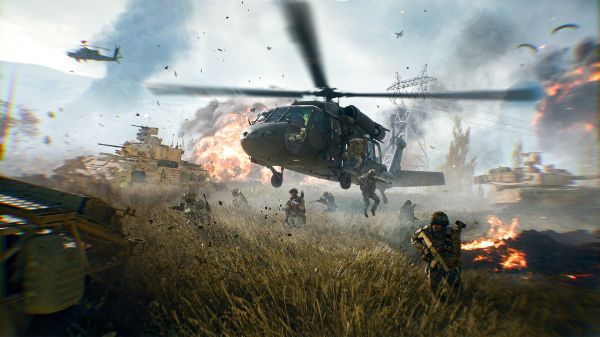
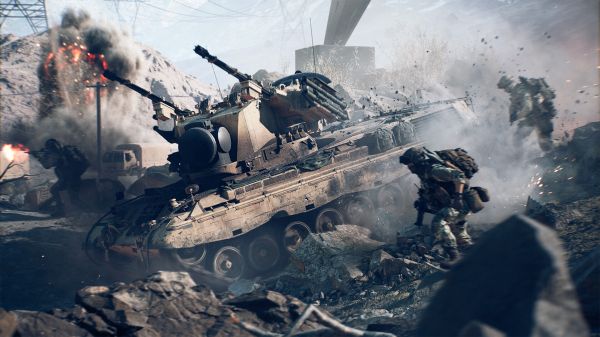
Tanks, armored transports, helicopters, jets, and support vehicles can dominate open areas when operated carefully. They have enough weight and visual presence to change how infantry moves through the map. A tank entering a street forces defenders to seek cover, switch equipment, or attack from several directions. Aircraft can interrupt vehicle pushes, move squads rapidly, and create pressure across areas that infantry cannot reach quickly.
Vehicles still depend on support. A tank without infantry awareness can be surrounded, while a helicopter that remains predictable becomes vulnerable to coordinated anti-air equipment. Engineers repairing from cover can extend a vehicle’s influence dramatically, and passengers who mark threats make every platform more effective. Battlefield 6 understands that vehicles should feel dangerous without becoming invulnerable rewards for one player.
Tank Combat Rewards Position More Than Constant Movement
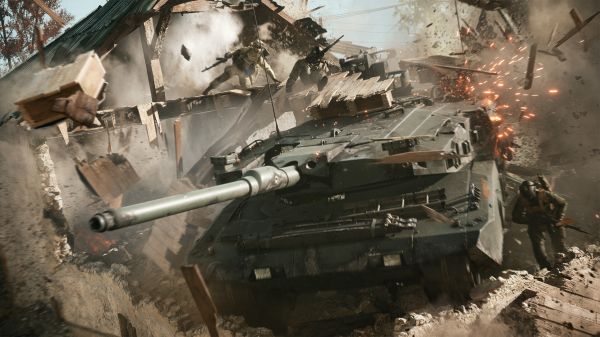
Driving a tank effectively requires understanding sightlines, cover, repair opportunities, and where enemy Engineers are likely to approach. Moving directly into an objective may produce a few impressive moments before explosives arrive from every side. I achieve better results when supporting infantry from a nearby position and advancing only after the team clears close threats. The weapon systems feel powerful, but reload timing and limited awareness prevent careless aggression.
Tank encounters can become frustrating when both sides repeatedly retreat to repair. This creates long exchanges where damage matters less than the ability to break line of sight. Coordinated infantry or air support usually decides the result, which reinforces combined arms. I enjoy tank combat most when it influences a larger push rather than becoming a separate duel away from the objectives.
Aircraft Produce Spectacle and a Severe Skill Gap
Jets and helicopters create some of the most impressive moments in Battlefield 6. Seeing aircraft move between buildings, release countermeasures, and engage vehicles makes the map feel genuinely three-dimensional. Skilled pilots can support several objectives during one life, while inexperienced players may leave the playable area or collide with the environment almost immediately. The difference between those outcomes is enormous.
Learning aircraft is difficult because public matches provide little safe practice. The firing range and Portal experiences help, but real combat introduces anti-air threats, experienced pilots, and unpredictable terrain. I appreciate the high ceiling because mastery should matter, yet the gap can make aircraft feel unavailable to ordinary players. A strong enemy pilot can also influence a match so heavily that the ground team becomes dependent on specialized counters.
Destruction Is Back, but It Is Controlled Rather Than Universal
Buildings lose walls, facades collapse, cover disappears, and streets become filled with debris during heavy fighting. This destruction changes combat routes and prevents defenders from relying on one position forever. I have opened a route through a wall rather than entering a guarded door, and I have watched a secure room become exposed after a vehicle attacked the exterior. These moments restore the physical improvisation associated with the best entries in the series.
Not every structure can be reduced completely, and the system follows designed limits. This is understandable because maps need stable landmarks, performance budgets, and readable objective spaces. I occasionally notice the boundary when one wall reacts dramatically while another nearby surface remains untouched. The destruction is convincing enough to shape matches, even if it does not simulate every material independently.
The Maps Are Strongest When Infantry and Vehicles Need Each Other
Battlefield 6 launched with environments ranging from dense urban areas to open mountain terrain and large construction zones. The best maps contain several types of combat without separating them completely. Infantry can move through buildings and alleys while vehicles control roads or fields, and both groups can influence the same objectives. This creates shifting pressure instead of one part of the team playing an unrelated game.
Maps become weaker when open ground lacks useful cover or when indoor areas are so dominant that vehicles remain outside with little influence. Starting positions also matter because long travel times can make one failed push feel unnecessarily expensive. I prefer maps with transport options, destructible cover, and several routes between objectives. Battlefield scale works only when players can reach the interesting parts consistently.
Urban Maps Produce the Best Destruction and the Worst Visual Clutter
City environments provide windows, rooftops, stairwells, alleys, bridges, tunnels, and interiors that support constant flanking. Destruction creates new openings and gradually removes recognizable cover, making late-match streets look different from their original state. I enjoy this evolution because experience with the map does not guarantee that every route remains available. A familiar building may have lost the wall I normally use for protection.
The same density can make enemies difficult to identify. Smoke, debris, particles, lighting, friendly markers, and moving architecture compete for attention. I have been eliminated by someone standing in an area I had already checked because their silhouette disappeared into the visual noise. Stronger readability options help, but urban chaos remains both the attraction and the problem.
Open Maps Need Transport or They Become Running Simulators
Large mountain and rural maps create space for tanks, aircraft, long-range weapons, and wide flanking routes. They can produce excellent combined-arms combat when transport vehicles and squad spawns remain available. I enjoy moving across these spaces inside a convoy or helicopter because the scale becomes part of the experience. The approach to an objective can feel like an operation rather than a short walk between arenas.
When transport disappears, the same distance becomes frustrating. Running through open ground for several minutes only to be eliminated by a distant player does not create meaningful scale. Vehicle distribution and spawn logic therefore determine whether large maps feel strategic or empty. Battlefield 6 generally provides options, but public teammates have a remarkable talent for driving away alone in vehicles containing several empty seats.
The Campaign Has Spectacle but Little Freedom
The single-player campaign follows Dagger 13, a squad of US Marine Raiders fighting the private military organization Pax Armata during a global crisis. Missions move across locations such as Brooklyn, Cairo, and Tajikistan, delivering the explosions, vehicle sequences, collapsing environments, and dramatic transitions expected from a modern military campaign. I enjoyed several set pieces because the production quality is high and the shooting remains responsive. The campaign also provides a useful place to learn weapons and movement without multiplayer pressure.
Its structure is much more controlled than the multiplayer sandbox. Objectives, squad movement, and destruction usually follow predetermined sequences, reducing the improvisation that defines Battlefield at its best. I may be surrounded by vehicles and large environments, but the mission often wants one specific route. The result is entertaining but familiar, relying more on spectacle than memorable tactical choice.
Dagger 13 Works Better as a Squad Than as Individual Characters
The campaign tries to establish a close team operating under extreme pressure, and the actors give the group enough energy to keep conversations moving. Commands, arguments, and battlefield reactions create the impression of experienced soldiers who understand each other’s habits. I believed the squad as a functional unit before I became deeply invested in every individual member. The chemistry supports the missions even when the personal writing remains conventional.
Character development is often delivered between large action sequences, leaving limited time for quieter relationships. The story uses familiar military-drama themes involving loyalty, sacrifice, duty, and distrust of leadership. These ideas are performed competently without creating many surprises. I completed the campaign satisfied by the action but thinking more about specific locations than the people who moved through them.
Pax Armata Is Visually Effective but Politically Thin
Pax Armata provides a modern enemy force with advanced equipment, significant funding, and influence created by a weakening NATO alliance. The organization allows the campaign and multiplayer to use contemporary technology without tying every battle directly to one real country. Its soldiers, vehicles, and facilities give the conflict a coherent visual identity. The basic setup is easy to understand and supports battles across several regions.
The political background remains simplified. Private military power, collapsing alliances, and financial instability could support a more detailed story about modern conflict, but the campaign usually uses them to justify the next operation. Characters describe high stakes without exploring the civilian or political consequences deeply. The fiction creates scale, though it rarely becomes thoughtful enough to challenge the action surrounding it.
Portal Is the Game’s Most Important Long-Term Feature
Portal gives players tools to modify rules, create custom experiences, control equipment, build unusual modes, and reshape the Battlefield formula. It can support serious community servers, training spaces, infantry-only matches, vehicle experiments, or deliberately absurd scenarios. I enjoy browsing community creations because they reveal which parts of Battlefield different players value most. Some want slower tactical combat, while others want constant explosions and highly modified movement.
The quality depends on discovery and server support. Excellent experiences can disappear beneath temporary novelty modes, while unclear descriptions make it difficult to know what a server actually changes. Persistent servers and a stronger browser are essential for communities that want regular rules and recognizable administrators. Portal has enormous potential, but potential only matters when players can find and revisit the experiences they enjoy.
The Missing Traditional Server Browser Was a Serious Mistake
At launch, matchmaking emphasized playlists and automated selection rather than the full persistent server structure many Battlefield players expected. This approach is convenient for entering a popular mode quickly, but it reduces control over map rotation, latency, rules, and community identity. Players in lower-population regions are affected especially strongly because automated matchmaking may prioritize filling a lobby over providing the ideal connection. A traditional browser would allow me to choose a familiar server rather than repeatedly entering unknown conditions.
The planned addition of persistent servers and improved browsing is therefore more than a minor quality-of-life feature. Community servers help a multiplayer game survive after official playlists change or population declines. They also create stable spaces with preferred rules and active moderation. Battlefield 6 launched without fully respecting how important that structure has been to the series, and the later roadmap appears to recognize the gap.
REDSEC Expands the Game but Divides Attention
REDSEC introduces battle royale and related competitive experiences alongside the traditional Battlefield package. The larger survival structure benefits from the game’s weapons, vehicles, environmental scale, and squad communication. Moving through a changing combat area with limited resources creates a different type of tension from respawning objective modes. Ranked battle royale also gives highly competitive groups a clear progression path.
I do not consider REDSEC the main attraction. Battlefield already has a distinctive identity, while battle royale competes with several established games designed entirely around that format. Development attention spent on REDSEC may produce excellent content, but it can also concern players waiting for maps, balance changes, and server improvements in the main game. I enjoy the mode occasionally without wanting it to define Battlefield’s future.
Progression Provides Constant Rewards and Too Much Menu Work
Weapons, attachments, class equipment, cosmetic items, challenges, seasonal tasks, and account levels provide steady goals across matches. I like unlocking practical attachment options because they encourage me to use a weapon long enough to understand it. Class progression also gives structure to support roles that may not receive constant personal highlights. The game rarely leaves me without another item or challenge approaching completion.
The number of systems can become excessive. After a match, several progress bars, pass levels, weapon requirements, event tasks, and notifications compete for attention. I sometimes spend more time clearing interface markers than examining whether an unlock is useful. Progression should support the battle rather than make every match feel like maintenance of several parallel reward tracks.
Weapon Attachments Encourage Experimentation but Invite Optimization
The attachment system allows sights, barrels, grips, magazines, and other components to change weapon handling. I enjoy adapting one rifle for close urban combat, then creating another setup for open maps. The differences are clear enough to matter without making the base weapon unusable. Testing builds in the firing range helps separate actual performance changes from assumptions based on stat bars.
Competitive communities quickly identify efficient combinations, and those setups can dominate public matches. When one attachment package offers better control with limited disadvantage, experimentation becomes less attractive. Regular balance updates are therefore necessary to keep variety meaningful. I prefer systems where several builds support different play styles rather than one mathematically superior answer.
The Battle Pass Is Predictable Live-Service Design
Seasonal passes contain cosmetic rewards, currency, boosters, and progression goals connected to ongoing content. Gameplay-impacting additions are generally free or earnable, which protects competitive access. I can play new maps and modes without purchasing every premium track. This is the correct foundation for a paid multiplayer shooter.
The presentation still creates pressure through limited availability and frequent reminders. A military game with a strong grounded identity can also lose visual consistency if cosmetic designs become increasingly theatrical. Early outfits remain relatively coherent, but live-service stores usually become more aggressive over time. I would prefer the game to preserve recognizable class silhouettes and avoid turning every season into a costume exhibition.
The Monetization Is Not Pay-to-Win, but It Is Always Present
Optional currency can be used for character skins, weapon cosmetics, bundles, and premium seasonal content. These purchases do not directly improve weapon damage, vehicle armor, or movement speed. Competitive success still depends on aim, positioning, equipment choice, and squad coordination. I never felt that purchasing a cosmetic bundle would solve a difficult match.
The store remains visually prominent inside a full-price game. New bundles, limited offers, and premium editions occupy space that could have been devoted to clearer server tools or progression information. Cosmetic monetization may be preferable to paid map packs dividing the player base, but it is not invisible or neutral. Battlefield 6 asks for an initial purchase and then behaves with many of the habits of a free-to-play service.
The Sound Design Is One of the Game’s Greatest Strengths
Gunfire changes character depending on whether I am outdoors, inside a building, or near reflective surfaces. Explosions have weight, vehicles can be identified by sound, and damaged structures communicate instability before they collapse. The audio creates direction and distance strongly enough that headphones provide a genuine tactical advantage. I often hear a tank approaching before it enters view and can prepare equipment or move away.
Battlefield’s soundscape also sells scale. Distant aircraft, nearby rifle fire, squad callouts, falling debris, and heavy weapons overlap without becoming completely unreadable. The mix can become overwhelming during concentrated Breakthrough matches, but that intensity supports the experience. Few shooters make a crowded battlefield sound this physical.
The Visual Presentation Is Impressive Without Being Completely Clear
Lighting, materials, smoke, weather, particle effects, character models, and destruction create a convincing modern battlefield. Maps can look especially striking when explosions illuminate interiors or dust moves through damaged streets. Vehicles have detailed surfaces, and the environment changes visibly during long matches. The game often produces cinematic images without removing control from the player.
Readability suffers when too many effects occupy the same area. Dark interiors, smoke, debris, lens effects, and distant lighting can hide enemies or make friendly markers difficult to follow. Accessibility and interface options improve the situation, though I still adjust settings to reduce unnecessary visual noise. A competitive shooter needs beauty and clarity, and Battlefield 6 sometimes prioritizes spectacle.
PC Performance Is Better Than the Scale Suggested
The PC version is relatively well optimized for its visual detail and player counts, provided the system meets the CPU, memory, and graphics requirements. Battlefield remains demanding on processors because large matches track many players, vehicles, projectiles, and destruction events simultaneously. Stable frame rates matter more than maximum visual quality, so I reduce expensive settings before accepting inconsistent performance. The game still looks strong at balanced settings because its art direction does not depend entirely on ultra-level effects.
Shader compilation, driver behavior, background applications, and crowded combat can affect smoothness. Some players also encounter stuttering or unusual performance after updates, which is common in a game changing this frequently. The storage requirement is comparatively manageable for a modern blockbuster shooter, though seasonal updates gradually increase the installation. PC players should also understand the security requirements before purchasing.
Secure Boot and Kernel-Level Anti-Cheat Create a Real Barrier
The PC version uses EA’s Javelin anti-cheat and requires specific system security settings. Secure Boot, compatible firmware configuration, and related Windows features may prevent the game from launching on machines that otherwise meet the performance requirements. For many modern systems, enabling these options is straightforward. For older hardware or unusual installations, it can require firmware changes that some players are uncomfortable making.
I understand why a large competitive shooter needs aggressive protection, especially with cross-platform play and ranked modes. Kernel-level systems still raise privacy, compatibility, and trust concerns. A player should not discover these requirements only after downloading the game. Clear setup guidance and reliable error messages are essential because anti-cheat protection is useless if legitimate users cannot understand why the game refuses to start.
Network Problems Are Most Visible When I Reach Cover and Still Fall
Large online battles create difficult synchronization demands, and Battlefield 6 has continued receiving netcode improvements. Most firefights feel responsive, but occasional delayed damage, unusual hit feedback, or apparent eliminations behind cover remain noticeable. These moments are especially frustrating because the player’s screen and the server appear to disagree about the final second of movement. Competitive trust depends on reducing such differences as much as possible.
Recent patches have improved damage timing, server synchronization, bandwidth prioritization, and rubberbanding behavior. I can feel the benefit during dense fights where several players exchange fire simultaneously. The experience is not flawless, and connection quality remains important. I avoid treating every defeat as a network problem, but a few situations are visually difficult to explain any other way.
Cross-Play Keeps Matchmaking Healthy but Creates Input Debates
Cross-platform matchmaking helps maintain strong populations across PC, PlayStation 5, and Xbox Series consoles. It also makes squad formation easier because friends do not need identical hardware. I value this convenience, particularly for large modes that need many players. Cross-progression and shared accounts further reduce the sense that one platform is isolated.
Mouse and keyboard players have advantages in precision and rapid turning, while controller users receive aim assistance designed to compensate. Balance between these systems is always controversial because small adjustments can change how each group experiences close combat. Input-based matchmaking options could reduce conflict, although they may divide the population. I prefer broad cross-play with enough control for players who strongly dislike mixed inputs.
Updates Improve the Game and Constantly Change What I Learned
Battlefield 6 receives balance changes, new maps, modes, events, weapon adjustments, vehicle tuning, and technical fixes. This keeps the game active and gives returning players new situations to explore. The 2026 roadmap expands the battlefield further with reimagined classic maps, naval warfare, ranked competition, and additional server features. The amount of support suggests a long-term commitment rather than a short launch window.
Frequent changes can also make established knowledge temporary. A weapon setup, vehicle counter, or map route may behave differently after a large update. I appreciate improvements but dislike having to check patch notes simply to understand why familiar equipment suddenly feels weaker. Live-service development is most successful when it corrects problems without making the game’s identity unstable.
Naval Warfare Is Exactly the Kind of Expansion the Sandbox Needs
The planned return of large-scale naval combat fits Battlefield better than another small infantry playlist. Aircraft carriers, operational flight decks, sea vehicles, aircraft, and dynamic waves can add a new layer to combined arms. Water maps also create strategic spaces that cannot be controlled entirely by tanks or infantry. I am especially interested in whether ships will function as true team platforms rather than oversized personal vehicles.
The challenge is maintaining interaction between sea and land. Naval combat becomes less useful if players on ships and players around objectives barely influence one another. Wake Island provides a familiar setting where aircraft, boats, vehicles, and infantry can converge naturally. The success of this content will depend less on visual spectacle than on whether every role contributes to the same match.
My Biggest Frustrations
The absence of a traditional persistent server browser at launch limited player control and weakened community identity. Visual clutter can hide enemies during the most intense urban fights, while network inconsistencies remain painful whenever they decide a close encounter. Some large maps depend too heavily on transport availability, and public teammates frequently ignore class responsibilities. The game provides excellent teamwork tools, but matchmaking cannot force players to use them.
The live-service interface is crowded with passes, challenges, bundles, events, and progression notifications. Cosmetics risk weakening the grounded presentation, while weapon and vehicle balance changes can make the experience unstable between seasons. The campaign is polished but more restrictive and conventional than the multiplayer sandbox. Battlefield 6 often reaches greatness during matches while surrounding that greatness with systems that feel designed by separate committees.
Who Should Play Battlefield 6?
I recommend Battlefield 6 to players who enjoy large multiplayer shooters, objective-based modes, vehicle combat, destructible environments, class teamwork, and matches capable of producing unscripted stories. It works especially well with a regular squad that communicates and changes equipment according to the battle. Conquest and Breakthrough provide enough scale for infantry, vehicle crews, pilots, and support players to contribute differently. Portal also gives communities the tools to create experiences beyond official playlists.
I would be more cautious recommending it to players who want a slow tactical simulation, a deep single-player campaign, or a multiplayer experience free from seasonal monetization. Solo players can still enjoy public squads, but the game becomes far more frustrating when teammates ignore objectives and support roles. PC users should verify anti-cheat and Secure Boot compatibility before purchasing. Players interested only in compact competitive gunfights may find more focused alternatives elsewhere.
My Final Verdict
Battlefield 6 is the strongest modern expression of the series’ large-scale formula in years. Its gunplay is responsive, classes have meaningful identities, vehicles reshape the battlefield, destruction creates new routes, and the best maps allow infantry and machinery to influence the same objectives. Conquest and Breakthrough remain the main attractions, while Portal provides the foundation for community creativity and long-term variety. The campaign delivers expensive spectacle, though it never matches the freedom and unpredictability of multiplayer.
The game is weakened by crowded live-service systems, cosmetic pressure, uneven map flow, visual clutter, occasional network disagreement, and the delayed return of server features that should have been present from the beginning. Smaller competitive modes and REDSEC provide additional options, but Battlefield is most convincing when squads, tanks, helicopters, collapsing buildings, and changing objectives all occupy one enormous match. I rate Battlefield 6 8.8/10. My best sessions do not make me feel like the most accurate player in the lobby; they make me feel like one useful part of a battle that would have continued, changed, and collapsed around me even if I had never arrived.
Pros:
- Stunning visuals and detailed environments that elevate realism
- Responsive and fluid gameplay mechanics for both solo and multiplayer modes
- Extensive customization options including mods and controlled cheats
- Robust cross-platform performance with flexible optimization settings
- Highly engaging multiplayer modes supported by a vibrant community
- Immersive narrative and engaging storyline that enhances the overall experience
Cons:
- A steep learning curve that may challenge newcomers
- Limited official cheat options and certain network restrictions in controlled environments
- Occasional performance issues on older or less powerful hardware








Recent Reviews

Minecraft

Grand Theft Auto V

Toca Boca World

Roblox

Leave a comment
Your comment is awaiting moderation. We save your draft here
0 Comments