Review
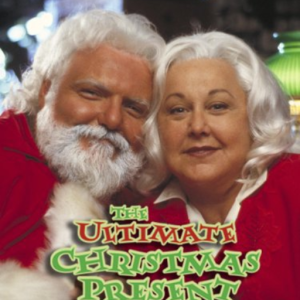
The Ultimate Christmas Present begins with the kind of wish that makes perfect sense to a child living in Los Angeles. Allie Thompson w...
Embracing the Magic: A Timeless Journey with The Ultimate Christmas Present
The Ultimate Christmas Present begins with the kind of wish that makes perfect sense to a child living in Los Angeles. Allie Thompson wants a white Christmas, but warm weather has made snow feel like something belonging to television, postcards, and places far away from her own neighborhood.
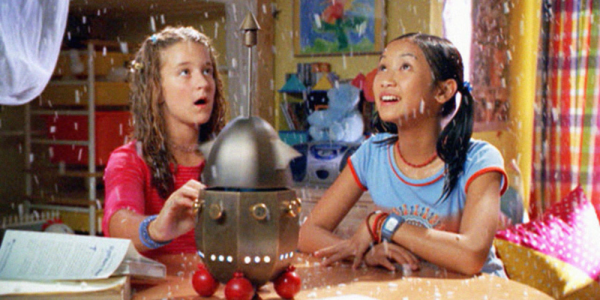
When Allie and her best friend Sam discover a mysterious machine hidden in the woods, they realize it can control the weather. Instead of reporting the device or asking why advanced technology has been abandoned near their homes, they use it to create snow.
At first, the result feels perfect. School closes, the streets turn white, and Christmas suddenly looks the way Allie has always imagined it should. The problem is that the machine does not produce one gentle afternoon of snow. It creates a growing weather emergency that threatens the city and reveals the device belongs to Santa Claus.
As a critic, I found the premise charming because it understands a very specific childhood frustration. Allie does not want money, fame, or an elaborate gift. She wants control over an experience that geography has denied her.
The film turns that innocent wish into a lesson about consequences. Allie receives exactly what she asks for and discovers that beauty becomes dangerous when separated from limits.
Allie Wants Snow, but She Really Wants Christmas to Feel Important
Allie’s obsession with snow initially appears superficial. She has absorbed the idea that a proper Christmas requires cold weather, white streets, warm coats, and children building snowmen outside decorated homes. Living in California makes her holiday feel incomplete by comparison.
I understood that dissatisfaction. Popular Christmas imagery often presents one climate as the official version of the season. Children in warmer places can feel as though they are receiving an imitation.
Allie wants visual proof that Christmas has arrived. Snow would transform ordinary streets and make the holiday impossible to ignore. Her wish is also connected to control. Family obligations, schoolwork, and adult decisions continue around her. The weather machine gives her the power to redesign the world according to one personal desire. That power becomes exciting precisely because adults usually control everything else.
Hallee Hirsh Gives Allie Confidence Without Making Her Completely Unlikable
Hallee Hirsh plays Allie as energetic, impatient, creative, and convinced that enthusiasm can substitute for caution. Allie is not malicious. She wants fun, believes she can solve problems quickly, and assumes the machine will respond exactly as expected. Hirsh gives the character enough warmth that I continued supporting her even after her choices became increasingly irresponsible.
I especially liked the moments when Allie attempted to maintain confidence after realizing the situation was beyond her control. She wants Sam to believe she still has a plan because admitting fear would mean admitting responsibility.
The performance retains a recognizably youthful quality. Allie can understand that the storm is dangerous while still hoping one clever adjustment will restore everything before adults discover what happened.
Sam Is the Friend Who Notices the Problem First
Brenda Song plays Sam Kwan, Allie’s closest friend and the more cautious member of the pair. Sam shares the excitement of finding the machine, but she becomes concerned earlier when the snow continues intensifying.
I appreciated that she is not written as a boring voice of reason who refuses every adventure. She participates, enjoys the result, and shares responsibility. The difference is that Sam recognizes limits sooner.
Brenda Song gives her lively comic timing and a practical intelligence that balances Allie’s impulsiveness. She can challenge her friend without ending the friendship every time they disagree. The film also allows Sam to become frustrated. Loyalty does not require pretending that Allie’s decisions are harmless.
The Weather Machine Looks Exactly Like Something Children Would Touch
Santa’s weather machine is colorful, mechanical, mysterious, and covered with controls that invite experimentation. It does not resemble a dangerous industrial device protected by serious security. It looks like an elaborate toy waiting to be activated.
I found the design appropriate for the film’s world. Santa’s technology must feel magical enough for children while remaining physical enough to operate through switches, settings, and repairs.
The machine gives the story a science-fiction quality without requiring detailed explanations. It controls weather because Santa needs global Christmas conditions, and that is essentially all the film asks me to accept. The lack of security is harder to ignore. A device capable of creating a major storm is left where two children can discover it. That carelessness becomes part of the comedy, but it also makes Santa’s operation appear surprisingly disorganized.
The First Snowfall Captures the Film’s Best Sense of Wonder
When snow begins falling across Los Angeles, the film briefly allows Allie’s dream to become genuinely beautiful. Children run outside, families look upward, and familiar streets become visually new. I enjoyed this sequence because the excitement is not presented as foolish. Snow really does create wonder for people who rarely experience it.
The film needs that joy before the consequences arrive. Without it, Allie’s choice would seem obviously reckless from the beginning. The snowfall also demonstrates why weather can feel magical even when technology produces it. The machine creates the conditions, but people create the emotional meaning through their reactions.
A Snow Day Is Allie’s Immediate Reward
The unexpected weather closes school, giving Allie another reason to believe the plan has worked perfectly. A snow day represents freedom from routine. Homework, schedules, and ordinary expectations disappear temporarily. I understood why she becomes even more confident after this result. Every early consequence appears positive.
The film uses this progression effectively. The machine does not punish Allie immediately. It rewards her first, allowing the mistake to grow. That is often how irresponsible decisions become dangerous. Initial success creates the belief that caution was unnecessary.
The Storm Becomes Serious Faster Than the Characters Do
Snow continues falling, roads become unsafe, travel is disrupted, and the weather system grows beyond the neighborhood. Allie and Sam attempt to reverse the machine, but operating it proves easier than understanding it. I liked the basic idea that complex systems may be simple to activate and difficult to stop. One button can begin a process whose consequences require knowledge the user does not possess.
The film’s depiction of the weather emergency remains suitable for a young audience. Danger is visible, but the atmosphere never becomes truly terrifying. This limits the tension. Los Angeles experiences a major snowstorm, yet the consequences remain cleaner and more manageable than such weather would realistically produce. The story wants enough danger to teach responsibility without making Allie’s mistake unforgivable.
Santa Is Less Prepared Than I Expected
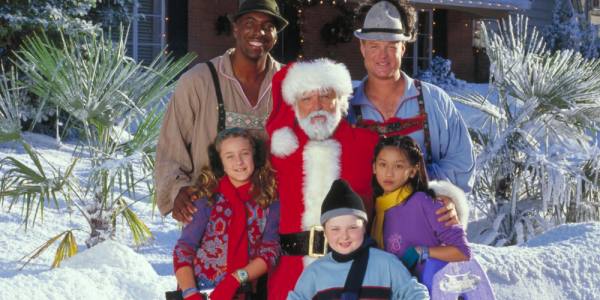
John B. Lowe plays Santa as a warm but increasingly concerned figure who realizes his weather machine is missing. This Santa operates with assistants, equipment, schedules, and practical responsibilities. Christmas depends on infrastructure as much as magic. I enjoyed seeing him respond to a technical crisis rather than simply appearing with complete knowledge.
At the same time, the missing machine raises obvious questions. How can Santa lose control of equipment powerful enough to affect an entire region? The film treats the mistake lightly, but Santa’s limited preparation creates most of the danger. Allie is responsible for using the machine. Santa’s organization is responsible for leaving it available.
Crumpet and Sparky Turn the Search Into a Workplace Comedy
Santa sends elves Crumpet and Sparky to recover the weather machine. Their search introduces a parallel storyline built around incompetence, frustration, and the difficulty of operating unnoticed in the human world. I found the elves amusing in small doses. Their contrasting personalities give the film extra movement while Allie and Sam attempt their own repairs. Crumpet is more serious and focused. Sparky creates additional confusion through impulsive decisions and misunderstandings.
The comedy is broad, clearly designed for younger viewers, and sometimes slows the central story. I preferred scenes where the elves’ mistakes had direct consequences for the weather-machine search rather than existing as separate comic routines.
Peter Scolari Makes Crumpet the Film’s Most Anxious Adult
Peter Scolari gives Crumpet the energy of an employee who knows one workplace mistake may destroy the most important day of the year. He approaches the mission with urgency but lacks the authority to make every person around him cooperate. I enjoyed his exasperation with Sparky because it feels like a familiar professional relationship. One person is attempting to maintain procedure while the other creates new variables. Crumpet’s seriousness also helps establish that the weather problem is not merely a child’s adventure. Santa’s entire delivery operation may be affected.
Sparky Is Funny Until His Mistakes Become Repetitive
Sparky functions as the less competent elf whose behavior creates physical comedy and delays the search. His enthusiasm is appealing, and the performance keeps him from feeling malicious.
Still, several jokes follow the same pattern. Crumpet explains the task, Sparky misunderstands or becomes distracted, and the situation worsens. I laughed occasionally, but the character would be stronger with one area of unexpected competence. A partnership becomes more satisfying when both people contribute differently. Sparky often exists mainly to make Crumpet’s work harder.
Allie’s Mother Represents the Ordinary Christmas Being Ignored
Allie’s family already has traditions, responsibilities, and plans before the snow begins. Her mother attempts to manage work and home while keeping Christmas organized. The unexpected storm disrupts tasks that Allie rarely notices. This creates an important contrast. Allie wants a more magical Christmas, but adults are already performing the labor required to create the one she has. I wanted the film to explore this more deeply.
Allie focuses on weather because weather is visible. Shopping, cooking, planning, transportation, and family coordination are less exciting but equally important. Her mother’s frustration demonstrates that one person’s perfect snow day can become another person’s logistical crisis.
Steve Thompson Is Present but Underdeveloped
Allie’s father participates in the family storyline, but he receives less emotional definition than the central children and elves. He reacts to the storm, supports the household, and becomes part of the consequences created by the weather.
I would have welcomed more attention to his relationship with Allie. A film about a child changing the environment could use family conversations about control, responsibility, and trust. Instead, the parents often function as adults affected by events without understanding their cause. This preserves the children’s secret adventure but limits the family drama.
Allie and Sam’s Friendship Survives Because Sam Refuses to Become a Sidekick
Sam does not simply follow Allie through every decision without protest. She voices concern, challenges the plan, and becomes angry when Allie continues treating the problem as manageable. I liked this dynamic because it gives the friendship boundaries.
Sam’s loyalty includes helping repair the damage, but it does not require accepting Allie’s excuses. Allie must eventually listen rather than assuming that being the person with the idea makes her the leader forever. The film’s strongest friendship scenes occur when the girls disagree honestly while continuing to cooperate.
The Movie Understands That Wishes Become Responsibilities
Allie receives the white Christmas she wanted. The wish becomes real before she understands the work required to control it. This is the central lesson of The Ultimate Christmas Present.
A desire can seem harmless when its consequences remain imaginary. Once the world begins changing, the person who made the choice becomes responsible for people who never agreed to participate. I appreciated that the film does not criticize Allie for wanting snow. It criticizes her for continuing after evidence shows the situation is unsafe. The distinction matters. Curiosity creates the first mistake. Pride extends it.
The Weather Reporter Gives the Storm a Public Scale
A local meteorologist becomes increasingly excited and confused by the impossible weather. These scenes allow the film to show how adults outside the family understand the event. The reporter initially treats the snow as a career opportunity. An unusual forecast creates attention, professional relevance, and the possibility of recognition.
I enjoyed the satire, though it remains very gentle. Media excitement grows alongside public danger. The weather coverage also reminds Allie that her decision has expanded beyond one neighborhood. She can see strangers responding to something she caused.
Spencer Breslin Adds Familiar Disney Channel Energy
Spencer Breslin appears as Joey, Allie’s younger brother, bringing the disruptive curiosity expected from a sibling in a Disney Channel comedy. Joey notices more than Allie wants him to know and has his own relationship with the unusual weather. I found him entertaining, though the character often exists to complicate secrecy.
The sibling relationship could have carried more emotional weight. Allie’s actions affect Joey directly, yet their eventual conversation remains secondary to the machine’s repair.
The Film’s Los Angeles Snow Looks Artificial, Which Somehow Helps
The snow effects vary in quality. Some outdoor scenes create a convincing winter atmosphere, while others clearly reveal artificial material and controlled production spaces. I did not find the inconsistency entirely damaging.
The story itself involves manufactured weather, so slightly unreal snow fits the premise accidentally. The visual contrast between palm trees and white streets remains the film’s defining image. Los Angeles never fully disappears beneath winter. Familiar architecture, plants, and bright skies remain visible, reminding me that the weather does not belong there naturally.
The Early Disney Channel Style Is Everywhere
The Ultimate Christmas Present carries the visual and narrative identity of a Disney Channel production from 2000. The lighting is bright, performances are broad, danger remains controlled, and the music tells the audience when adventure or emotion is beginning. Clothing, hairstyles, household technology, and television presentation give the film a specific period charm.
I found this dated but pleasant. The film does not possess the polished visual scale of a theatrical Christmas production. Its personality comes from compact sets, practical effects, energetic young actors, and a premise more inventive than the budget.
The Music Keeps the Story Moving Without Becoming Memorable
The score supports discovery, comedy, danger, and Christmas wonder through clear emotional cues. It does the necessary work, especially during weather montages and elf-related scenes.
I rarely noticed a musical theme developing enough to remain with me afterward. The soundtrack belongs to the film’s television style: functional, cheerful, and direct. Quieter scenes between Allie and Sam often work better because their disagreement provides enough tension without musical emphasis.
The Comedy Is Aimed Squarely at Younger Viewers
Most of the humor comes from elf incompetence, sibling interruptions, adults misunderstanding strange events, and children attempting to hide an increasingly impossible secret. The jokes are broad but harmless. I smiled at the basic escalation. Hiding a machine is possible. Hiding a citywide snowstorm is not.
The film is funniest when Allie continues behaving as though one more adjustment will solve everything. Some elf scenes continue beyond their strongest moment, and the supporting adult characters occasionally react with more exaggeration than necessary.
The Storm Never Feels Quite Dangerous Enough
The machine creates severe weather capable of disrupting transportation and threatening Christmas operations. Yet the film avoids showing serious injury, major property damage, or sustained public fear. This makes sense for the intended audience, but it reduces urgency.
Allie’s mistake needs to feel large enough to demand growth. The movie often presents the storm as an inconvenient adventure rather than a genuine emergency. I could see characters worrying, but I rarely felt that the city was beyond control.
Santa’s Christmas Mission Raises the Stakes
The weather machine is not only affecting Los Angeles. Its malfunction may interfere with Santa’s ability to complete Christmas deliveries. This connects Allie’s personal wish with a global consequence. I liked the enlargement of scale, though the rules remain vague. Santa possesses extraordinary transportation and technology, yet one missing device places the entire operation at risk.
The film asks me to accept that the North Pole functions like a workplace where one misplaced piece of equipment can create chaos. That idea is amusing and gives the elves’ search greater urgency.
Allie’s Confession Matters More Than Repairing the Machine
Technical repair is necessary, but the emotional resolution requires Allie to admit what she did. She spends much of the story hiding the truth because she wants to avoid punishment and preserve control. Every delay increases the damage.
I appreciated that the film connects responsibility with honesty. Fixing a mistake secretly may restore the situation, but it does not rebuild trust. Allie must accept that good intentions do not remove consequences. Her confession also changes the power dynamic. She stops behaving like the owner of the problem and allows others to help.
Santa Is Kinder Than the Situation Deserves
When Allie finally faces Santa, he responds with patience rather than severe punishment. He recognizes that curiosity and longing produced the mistake, even though the consequences became dangerous. I found his kindness appropriate for the genre, but his organization shares responsibility for losing the machine.
The film does not spend much time on that point. Adults in magical Christmas stories often receive less accountability than the children learning lessons. Santa’s forgiveness still works because Allie has already experienced fear and guilt. Additional punishment would add little.
The Ultimate Present Is Not Snow
The title initially appears to refer to the weather machine’s ability to create the white Christmas Allie wants. By the end, the ultimate present is closer to perspective. Allie learns that Christmas does not become meaningful only when it matches a familiar visual image. Her family, friendship with Sam, ordinary traditions, and ability to celebrate safely already mattered before snow appeared.
I liked this lesson because it questions the holiday imagery the film also enjoys reproducing. The movie gives Allie snow and then teaches her that snow was never the essential part.
The Ending Is Predictable but Emotionally Appropriate
The weather is corrected, Santa’s operation survives, and Allie receives another opportunity to experience Christmas without controlling every detail. I never doubted that the story would restore order. The pleasure comes from seeing Allie understand why order matters.
The film does not transform her into a completely cautious person. She remains curious and energetic, but she has learned that power requires limits. That is enough growth for a compact Disney Channel adventure.
What Frustrated Me
The storm rarely feels dangerous enough to match the scale described by the characters. Santa’s organization appears extremely careless with powerful technology. Allie’s parents receive limited development and remain outside the central truth for too long. Several elf jokes become repetitive.
Sparky is used mostly as a source of mistakes rather than a balanced partner for Crumpet. The emotional consequences inside Allie’s family receive less attention than the mechanical problem. The visual effects vary noticeably in quality.
What Still Works
The premise is imaginative and easy to understand. Hallee Hirsh gives Allie enough warmth to keep her sympathetic after serious mistakes. Brenda Song makes Sam a genuine friend with opinions and boundaries.
The warm Los Angeles setting creates a refreshing alternative to the usual snowy Christmas town. The story presents weather control as both exciting and dangerous. Its central lesson about wishes becoming responsibilities remains clear without becoming excessively moralistic.
Who Should Watch The Ultimate Christmas Present?
I recommend The Ultimate Christmas Present to families who enjoy early Disney Channel films, magical Christmas technology, childhood friendships, light weather disasters, Santa stories, and warm-climate holiday settings.
Fans of Hallee Hirsh and Brenda Song may enjoy seeing them lead a simple adventure built around believable friendship chemistry. Younger viewers can follow the clear cause-and-effect story without facing intense danger. Adults who watched Disney Channel around 2000 may find considerable nostalgia in the clothing, humor, effects, and television production style. Viewers seeking sophisticated fantasy rules or realistic disaster stakes will find the film too gentle.
My Final Verdict
The Ultimate Christmas Present is a cheerful, dated, and inventive Disney Channel film that turns a child’s wish for snow into a lesson about control, honesty, and unintended consequences.
Hallee Hirsh carries the story with lively confidence, while Brenda Song gives Sam enough independence to prevent the friendship from becoming one-sided. Peter Scolari adds anxious comic energy as Crumpet, although the elf storyline occasionally distracts from Allie’s more meaningful conflict. The film suffers from inconsistent effects, repetitive comedy, underdeveloped parents, and weather danger that never feels as severe as the dialogue suggests.
I rate The Ultimate Christmas Present 7.4/10. It is not one of Disney’s most emotionally powerful Christmas films, but its premise remains memorable and its sunny setting gives the story a distinct seasonal identity.
Allie believes the perfect Christmas needs snow. After nearly burying Los Angeles beneath her wish, she discovers something more useful. A holiday does not become magical because the weather finally obeys you.
Pros:
- Heartfelt narrative that balances humor with poignant moments
- Stellar performances and authentic character portrayals
- Visually captivating cinematography that merges classic and modern holiday aesthetics
- Layered symbolism encouraging reflection on deeper societal and personal values
- Enchanting musical score that elevates emotional storytelling
- Versatile digital accessibility with multiple streaming and download options
Cons:
- Some scenes may appear overly sentimental for viewers seeking a more subdued experience
- Complex symbolism might be lost on casual viewers
- Pacing can feel slow for audiences preferring a brisk narrative flow









Movie Reviews

Minecraft

Grand Theft Auto V

Toca Boca World

Roblox

Leave a comment
Your comment is awaiting moderation. We save your draft here
0 Comments