
Review
All I Want for Christmas felt like watching two children discover that the holiday wish they care about most cannot be ordered, wrapped...


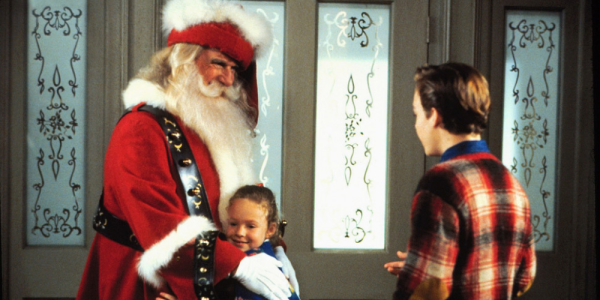
Holiday Magic Reimagined: A New Perspective on All I Want for Christmas
All I Want for Christmas felt like watching two children discover that the holiday wish they care about most cannot be ordered, wrapped, or placed beneath a tree. Ethan and Hallie do not want a rare toy or an expensive trip. They want their divorced parents to become a family again, and they are convinced that Christmas offers the perfect opportunity to make it happen.
That objective gives the movie a warmer emotional center than its light comedy initially suggests. Ethan and Hallie are surrounded by adults who have already accepted the separation as part of life. Their mother Catherine is moving toward another marriage, their father Michael continues running his diner, and everyone appears to be adjusting. The children are the only players refusing to accept that the current family arrangement represents the final ending.
From my perspective as a gamer, All I Want for Christmas resembles a holiday co-op mission designed by two young players who understand the emotional objective but underestimate the complexity of the relationship system. Ethan approaches the plan through observation and strategy. Hallie brings confidence, spontaneity, and a willingness to ask Santa for assistance. Together, they try to restore a family save file that the adults believe has already been closed.
Holiday Mission Briefing: Reunite the Parents
The movie establishes its central wish quickly. Ethan and Hallie still spend time with both parents, but they experience the family as divided between separate homes, routines, and expectations.
The children do not interpret the separation with the same practical distance as the adults. To them, their parents still appear connected. Catherine and Michael can speak comfortably, share memories, and demonstrate enough warmth to suggest that something remains unresolved.
This creates the foundation for the children’s plan. They are not trying to manufacture affection between two people who dislike each other completely. They believe the affection already exists beneath pride, hesitation, and the new lives their parents are building.
I found this emotionally convincing even when the plan became unrealistic. Children often evaluate relationships through visible moments. One smile, familiar joke, or gentle conversation can look like undeniable evidence that the adults are making the wrong decision.
Ethan Became the Reluctant Mission Leader
Ethan is old enough to recognize that Hallie’s wish cannot be completed simply by asking Santa. He understands schedules, adult embarrassment, romantic competition, and the possibility that interfering may create consequences. At the same time, he wants the same outcome. Ethan’s hesitation is therefore not evidence that he has accepted the divorce. It shows that he knows enough about adults to understand how difficult the mission will be.
As the older sibling, he naturally becomes responsible for transforming Hallie’s emotional wish into a practical plan. He studies opportunities, responds to complications, and attempts to keep their activities hidden from the adults.
I liked that Ethan never felt like a tiny professional strategist. His plans contain obvious weaknesses, emotional assumptions, and the confidence of someone who believes timing can solve a problem that honest conversation has not.
Hallie Treated Santa Like a Direct Support Channel
Hallie approaches Christmas with much greater certainty. She believes wishes matter, Santa listens, and extraordinary outcomes remain possible. Thora Birch gives Hallie enough personality to make her more than the cute younger sibling. She is direct, intelligent, and willing to challenge Ethan whenever his caution threatens the mission. Her wish is emotionally simple: she wants her parents together.
From her perspective, the request should be easier than manufacturing and delivering presents across the world. Santa already has access to impossible transportation, detailed knowledge of children, and a reputation for producing Christmas miracles.
I enjoyed the logic because it makes perfect sense inside Hallie’s understanding of the holiday. Adults may consider relationships too complicated for magic. Hallie sees that complexity as another excuse.
The Sibling Partnership Carried the Movie
Ethan and Hallie have different approaches, but the movie works because their shared objective keeps them aligned. Ethan handles more of the planning. Hallie provides the emotional certainty required to keep moving when the plan looks ridiculous. They tease each other, disagree, and occasionally create additional problems, yet their partnership never feels fragile. Each sibling understands why the other cares so much.
From a co-op perspective, Ethan has stronger planning and social awareness, while Hallie possesses higher confidence and persuasion. Ethan can see complications before they arrive. Hallie can enter an interaction without becoming trapped by embarrassment. Their abilities complement each other, although neither child has enough experience to understand the full emotional history between their parents.
Catherine Appeared Ready to Select a New Future
Catherine is not presented as a mother who has forgotten her family. She loves Ethan and Hallie and has built a stable life around them. Her engagement to Tony represents an attempt to move forward. He appears successful, polished, and capable of offering a predictable future.
The children see the engagement as a threat because marriage would make the current separation feel permanent. Catherine no longer appears to be waiting for Michael, even if part of their connection remains visible.
I appreciated that Catherine’s position contains real emotional logic. Remaining attached to a former relationship indefinitely would not automatically be healthy. She has reasons to seek companionship and stability. The movie’s challenge is proving that her decision is based on genuine love rather than the belief that choosing a safe future is more responsible than reconsidering the past.
Michael Was Comfortable in a Life That Had Stopped Progressing
Michael runs a diner and maintains a close relationship with his children. He appears warmer and less formal than Tony, which naturally makes him easier for Ethan and Hallie to support. His limitation is passivity.
Michael may still care about Catherine, but he has not turned that feeling into a clear decision. He allows the relationship to remain inside memories, familiar conversations, and moments that can be explained as friendship.
I found this frustrating in a useful way. Michael’s emotional position allows him to avoid rejection. As long as he never states what he wants, he can continue imagining that another outcome might have been possible. From my perspective, he is a player who keeps the relationship quest active in the background but refuses to select the dialogue option that would advance it.
The Diner Felt More Like Home Than the Formal Apartment
Michael’s diner gives the movie an environment filled with movement, food, conversation, and ordinary familiarity. It is not glamorous, but people appear comfortable there. The location reflects Michael’s personality: practical, friendly, and connected to daily community life.
Catherine’s world feels more polished, particularly as her future with Tony becomes increasingly formal. The contrast helps the children’s preference feel emotional rather than purely nostalgic. They associate Michael’s life with warmth and accessibility. Tony’s environment appears planned according to adult expectations.
The movie does not argue that expensive spaces are automatically cold. It uses the two environments to show the difference between a life already inhabited emotionally and one still being presented as an ideal arrangement.
Tony Looked Like the Approved Adult Choice
Tony represents a familiar obstacle in family romantic comedies. He is the new partner who appears suitable according to adult standards but lacks the connection the audience sees between the original couple. He offers Catherine security, social compatibility, and a future that does not require reopening old emotional conflicts.
The children judge him more harshly because his presence threatens their preferred outcome. Every polished gesture becomes evidence that he does not understand their family.
I wanted the character to receive slightly greater complexity. Giving him a deeper relationship with Catherine or more sincere attempts to connect with the children would have increased the emotional difficulty of the final choice. Instead, he often functions as the clearly less appealing route. That keeps the story light, but it also removes some uncertainty from the romance.
The Engagement Created a Visible Countdown
Ethan and Hallie are not planning in an unlimited period. Catherine’s approaching marriage gives them a deadline. This transforms their wish into an urgent operation. Once the wedding occurs, they assume their father’s opportunity will disappear permanently.
From a gameplay perspective, the engagement activates a timed quest. Every family gathering, shopping trip, holiday event, and private conversation becomes a possible mission window. The children cannot simply wait for their parents to recognize their feelings naturally. They believe adult hesitation has already consumed too much time.
Grandmother Lillian Understood More Than She Said
Lauren Bacall’s Lillian gives the movie a calm, elegant adult presence. She observes the family with enough experience to recognize emotions the younger characters cannot explain clearly. She is not controlled by the children’s urgency, but she does not dismiss their wish as meaningless.
I liked the way Lillian’s presence connected generations. She understands that adult relationships involve disappointment and compromise, yet she also sees that practicality should not become an excuse for emotional dishonesty.
Her support is valuable because the children need at least one adult who can recognize the heart of their plan without treating every method as sensible. In gaming terms, Lillian is the experienced guide who never completes the quest for the players but occasionally confirms that they are moving toward a real objective.
New York Supplied the Perfect Holiday Map
The city gives All I Want for Christmas much of its seasonal personality. Decorated stores, crowded sidewalks, winter clothing, taxis, apartments, restaurants, and public holiday events create an environment where the children’s plan can move through several social worlds. New York feels large enough for adventure but connected enough that characters can keep encountering one another at useful moments.
I enjoyed how the city’s holiday atmosphere supported both fantasy and practicality. Santa can appear inside a department store while parents continue worrying about work, relationships, transportation, and schedules outside. The streets are not an escape from reality. They are where Christmas imagination and adult complications overlap.
The Department Store Santa Became an Unexpected Ally
Leslie Nielsen’s Santa is one of the movie’s most memorable supporting elements because he approaches Hallie’s wish with more seriousness than expected. He does not simply smile, promise to check the list, and move to the next child. He listens. Nielsen brings a slightly unusual quality to the role. His Santa feels warm but observant, as though he understands that Hallie’s request belongs to a more complicated category than ordinary presents.
I liked that the movie preserves uncertainty around how much influence he actually possesses. He may be an exceptionally caring department store performer, a symbol of the holiday, or someone capable of helping the story move in ways the children cannot explain. The ambiguity keeps the film grounded while allowing space for Christmas magic.
Santa Could Not Simply Deliver the Parents
Hallie’s request exposes the difference between receiving an object and changing another person’s heart. A toy can be manufactured, selected, and delivered. A relationship requires both adults to participate voluntarily. This limitation gives the story its moral structure. Santa may help create an opportunity, but he cannot force Catherine and Michael to love each other correctly.
The children must also learn that wanting the family reunited does not give them complete authority over their parents’ choices. The movie handles this issue gently. It celebrates their hope without fully declaring that children should always interfere in adult relationships.
The Plan Expanded Beyond One Simple Conversation
Ethan and Hallie initially seem to need only one successful reunion. If their parents spend enough time together, perhaps the old connection will become obvious. Predictably, the situation becomes more complicated.
The children begin arranging encounters, redirecting schedules, and creating circumstances designed to separate Catherine from Tony while placing her near Michael. Each step requires another explanation. A harmless manipulation becomes a chain of secrecy.
I enjoyed the escalating structure because it matches the logic of young planners. They believe the next successful moment will make every previous deception unnecessary. Instead, every temporary success increases the consequences if the adults discover what is happening.
Ethan Experienced the Burden of Knowing the Plan
Hallie’s belief allows her to approach the mission with joy. Ethan carries more of the anxiety because he understands how badly things could go. He has to monitor adults, protect Hallie, and decide how far they can continue before the plan becomes harmful. This responsibility gives Ethan a stronger emotional arc than simply being the older child who helps his sister.
He wants the family restored, but he also begins recognizing that children cannot control every adult outcome. From my perspective, Ethan is the player holding the complete mission map while the younger teammate keeps activating optional encounters.
Hallie’s Confidence Was Both the Team’s Strength and Weakness
Hallie rarely doubts that the plan should succeed. Her certainty motivates Ethan and keeps the movie playful. It also encourages risk. Because she believes the objective is unquestionably good, she does not always consider whether every action used to reach it is fair.
This is one of the movie’s more interesting ideas. A loving goal can still produce manipulative behavior. Hallie is not acting from selfishness in the usual sense. She wants something she believes will help everyone. The problem is assuming that good intentions guarantee a good method.
The Children Viewed Their Parents Through Edited Memories
Ethan and Hallie remember the family as something that worked. They focus on laughter, familiarity, and the emotional comfort of having both parents together. They do not have complete access to the conflicts that caused the separation. This creates an important gap between their wish and the adults’ hesitation. Catherine and Michael know details the children may never have heard.
The movie leans toward proving the children correct, but I still appreciated the underlying tension. Nostalgia can preserve the best scenes while removing the arguments that occurred outside a child’s view. A restored relationship must be based on who the adults are now, not only on the family the children remember.
Catherine and Michael’s Chemistry Made the Plan Believable
The entire premise depends on the audience seeing something unfinished between the parents. Harley Jane Kozak and Jamey Sheridan create enough comfort and emotional hesitation to support the children’s theory. Their characters know each other’s habits and can fall into familiar conversation without effort. The most effective moments are not grand romantic scenes. They are small exchanges where years of shared history become visible.
A look, joke, or pause communicates that the relationship cannot be categorized as simple friendship. I believed that reconciliation was possible because the actors allowed affection to remain present beneath caution.
The Romantic Problem Was Pride, Not Absence of Feeling
Neither Catherine nor Michael appears completely free of the past. Their difficulty lies in admitting what remains and accepting the possibility of repeating earlier pain. Catherine has built a new plan. Abandoning it would require acknowledging that the old relationship still has emotional authority. Michael must risk direct rejection rather than waiting for circumstances to solve the problem for him.
This makes the children’s interference effective in one limited sense: it removes the comfortable distance that allows both adults to avoid a decision. The children cannot repair the relationship, but they can create situations where the parents must stop pretending there is nothing to discuss.
The Ice-Skating Sequence Delivered the Expected Holiday Warmth
Winter activities allow the movie to place characters in a festive setting where normal routines become less rigid. Skating creates physical closeness, movement, and the possibility of looking slightly undignified in public. It gives adults an excuse to behave more playfully. I enjoyed these scenes because they support the children’s belief without requiring direct romantic dialogue.
The visual language is simple: the family looks natural together. That image may not solve the reasons behind the divorce, but it reminds Catherine and Michael of a connection that still feels available.
The Children’s Scheme Became a Social Stealth Mission
Much of the comedy comes from Ethan and Hallie moving information between adults while trying to remain unsuspected. They need to know where Catherine will be, how Michael might respond, and whether Tony has noticed unusual behavior.
Unlike a physical stealth game, the danger comes from conversation. One incorrect detail can reveal the entire operation. I liked watching the children improvise when adults asked questions they had not prepared for. Their explanations often sound reasonable only because the adults do not yet know they are part of a plan.
Tony’s Presence Increased the Difficulty Without Creating Real Mystery
Tony complicates the logistics because Catherine has made a commitment to him. He cannot simply disappear when Michael and Catherine share a warm moment. Emotionally, however, the movie rarely convinces me that Catherine’s future with Tony is equally attractive. This makes the final direction predictable.
A stronger version of the story would allow Tony to be genuinely kind, emotionally available, and respected by the children while still being the wrong person for Catherine. That would force the movie to distinguish between a good partner and the right partner rather than making the decision easier through contrast.
The Adult Romance Needed More Honest Conversation
The children create opportunities, but Catherine and Michael still spend much of the movie avoiding direct communication. Their hesitation fits the plot, though I occasionally wanted a longer scene where they discussed what caused the marriage to fail and what would need to change.
Without that conversation, reconciliation risks feeling like a victory for nostalgia rather than evidence of real growth. The film provides enough chemistry for a family comedy, but a deeper discussion would make the final reunion more convincing beyond Christmas morning.
The Movie Understood a Child’s Fear of Replacement
Catherine’s new marriage does not only introduce another adult. It threatens to redefine the family structure. Ethan and Hallie may worry that accepting Tony means accepting that Michael belongs outside the central family unit. This fear gives their scheme emotional urgency beyond simply preferring one adult.
They are trying to protect continuity. I appreciated that the movie allows the children to express this through action because children may not always possess the language required to discuss changing family roles directly.
Michael’s Diner Gave Him an Emotional Community
Michael is not completely isolated. His workplace connects him with customers, employees, and the everyday rhythm of the city. This makes him appear emotionally accessible, but it may also allow him to avoid building a more personal future.
The diner provides constant activity. There is always another order, conversation, or practical task. In that sense, it functions like a safe hub where Michael can remain useful without confronting the relationship quest waiting outside.
Catherine’s Independence Deserved Respect
The film’s romantic destination should not erase the life Catherine built after the divorce. She has managed work, parenting, and a new relationship. Her decision to reconsider Michael is meaningful only if it comes from her own understanding rather than surrendering to the children’s pressure. I liked the moments where she evaluates the situation independently.
The children may create chaos, but the final choice belongs to her. A successful reunion cannot mean returning to the exact arrangement that failed previously. It must involve two adults selecting a different version of their relationship.
The Christmas Deadline Made Emotion Move Faster
Holiday films often compress major decisions into a few days because Christmas functions as both emotional amplifier and narrative deadline. Characters gather, routines change, and people feel pressure to resolve conflicts before the holiday passes. All I Want for Christmas uses that compression openly. Ethan and Hallie believe the season offers a rare window when their parents may become more receptive to memory and hope.
The result is emotionally satisfying, though not completely realistic. Divorce, remarriage, and family reconciliation involve issues that cannot always be resolved through one successful holiday adventure. The movie chooses fairy-tale momentum over extended family therapy.
The Humor Stayed Gentle
The comedy comes from secret planning, unexpected meetings, sibling disagreements, adult confusion, and the increasing difficulty of maintaining the scheme. The film rarely becomes cruel or chaotic enough to threaten its warm tone.
I enjoyed that restraint because the children’s wish is emotionally vulnerable. Excessive humiliation or conflict would make the family reunion feel less appealing. Leslie Nielsen contributes a slightly unusual comedic presence without turning Santa into a parody. His performance supports the fantasy while keeping one foot inside ordinary New York life.
The Early-1990s Atmosphere Added Warmth
The movie’s clothes, interiors, city streets, department stores, and family routines place it clearly inside the early 1990s. There are no smartphones, location sharing, or constant digital communication to simplify the children’s planning. They must coordinate through physical movement, telephone calls, observation, and personal messages.
From a gaming perspective, the mission contains no automatic objective tracker. Ethan and Hallie need to remember schedules and reach locations without live updates. This gives the adventure a more physical quality. New York becomes something they must navigate rather than a background accessed through screens.
The Department Store Preserved a Public Version of Magic
The Santa display exists inside a commercial environment filled with shoppers, decorations, employees, and holiday products. Yet Hallie’s interaction creates a private emotional space within it.
I liked this contrast. Christmas magic does not require leaving the city for a hidden fantasy kingdom. It can appear inside an ordinary seasonal tradition when an adult decides to listen seriously to a child. The scene also reflects the movie’s larger message. Objects surround Hallie, but her wish concerns people.
Lauren Bacall Added Authority Without Taking Control
Lillian could have become the adult who directly manipulates Catherine and Michael into reuniting. The film wisely allows the children to remain central. Bacall’s presence gives the supporting role unusual weight. Lillian can communicate approval, concern, or amusement without a long speech.
She understands that the children’s methods may be questionable while recognizing that the adults have left important emotions unresolved. Her perspective gives the plan a small amount of adult legitimacy without converting it into an organized family intervention.
Thora Birch Made Hallie More Than a Holiday Mascot
Hallie could easily have become a character defined only by cuteness and belief in Santa. Birch gives her determination, intelligence, and emotional force. Hallie can persuade Ethan, confront adults, and continue moving when the older characters become trapped by embarrassment.
Her confidence makes the scheme possible. It also reveals how vulnerable she is. Hallie believes in the reunion so completely that failure would mean more than losing one Christmas wish. It would require accepting that love does not always restore the family shape she remembers.
Ethan Embry Gave the Older Sibling Real Conflict
Ethan wants to support Hallie, but he understands the social risks more clearly. Embry gives him the awkwardness of a child approaching adolescence while still remaining deeply attached to family traditions.
Ethan is embarrassed by certain parts of the plan, cautious around adults, and occasionally frustrated by Hallie’s confidence. That tension prevents the siblings from feeling like one perfectly coordinated character divided between two bodies. His participation matters because he chooses hope despite understanding how unlikely the plan appears.
The Parents’ Separation Was Treated More Lightly Than It Deserved
The movie provides enough information to establish that Catherine and Michael remain emotionally connected, but it does not examine the original marital problems in much detail. This makes the reunion easier to support while leaving practical questions unanswered. Why did they separate? What has changed? How would they prevent the same pattern from returning?
A family comedy does not need to become a detailed drama, but one deeper conversation could have strengthened the ending significantly. Without it, the children appear correct largely because the film’s romantic design places the parents together visually and keeps Tony emotionally distant.
The Story Risks Suggesting That Every Divorce Should Be Reversed
Children commonly wish for separated parents to reunite, but that outcome is not always possible or healthy. All I Want for Christmas works within its specific fictional family because Catherine and Michael continue caring for each other and appear capable of reconsidering the relationship. The story should not be treated as a general lesson that children can repair every separation through enough effort.
I viewed the movie as a fantasy about one family with unfinished affection, not a universal model for divorced parents. That distinction allows the emotional wish to remain warm without turning it into unrealistic advice.
The Final Plan Required the Adults to Stop Performing Certainty
Catherine has been acting as though her new future is settled. Michael has been behaving as though accepting her decision is the responsible choice. The children’s scheme disrupts both performances.
Once the adults are placed together repeatedly, their emotional certainty becomes harder to maintain. The plan succeeds not because Ethan and Hallie directly create love. It succeeds because they make avoidance inconvenient.
The Reunion Worked as a Christmas Reward
The final romantic movement delivers the outcome the title promises. Ethan and Hallie receive the family connection they wanted rather than another physical gift. The scene is satisfying because the movie has framed the wish as sincere from the beginning.
Even when the children behave deceptively, their motivation remains connected to love, security, and the fear of permanent separation. I accepted the fairy-tale resolution because the film never pretends to be a realistic study of divorce. It is a holiday story about people receiving another chance to say what pride prevented them from saying earlier.
Santa’s Role Remained Small Enough to Preserve Choice
The department store Santa can encourage, listen, and create a sense that the children’s wish matters. He does not directly control Catherine or Michael.
This limitation protects the emotional meaning of the ending. The parents choose each other. Christmas magic may arrange timing or give Hallie confidence, but the relationship cannot become genuine without adult consent.
The Movie’s Greatest Strength Was Its Family Warmth
All I Want for Christmas is not built around complex visual effects, an elaborate mythology, or unpredictable twists. Its appeal comes from siblings working together, parents rediscovering familiarity, a grandmother observing with affection, and a Santa who listens to a difficult request.
The film creates a version of New York where a family problem can move through crowded streets and still feel personal. I found the warmth strongest in the quieter interactions. The major plan provides structure, but small signs of connection make the reunion believable.
The Predictability Became Part of the Comfort
I never seriously believed Catherine would marry Tony and permanently close the possibility of reconciliation. The casting, chemistry, title, and holiday genre all point toward the same destination.
The entertainment comes from the route rather than uncertainty about the ending. As with a familiar seasonal game event, I know the main reward before beginning. I return for the atmosphere, characters, and sequence of challenges leading toward it.
What I Would Change in the Family Quest
I would give Catherine and Michael a longer private conversation about the failure of their marriage. Their attraction is visible, but reconciliation should require more than remembering that they still enjoy each other’s company. I would also make Tony slightly more sympathetic. If he sincerely cared for Catherine and attempted to connect with the children, the final choice would carry greater emotional weight.
The children could then learn that a person does not need to be terrible to be the wrong addition to a family. Finally, I would allow Ethan to confront the possibility that the plan may not work. That conversation with Hallie could deepen their sibling relationship and acknowledge the risk behind their hope.
Why I Followed Ethan and Hallie Through New York
I enjoyed All I Want for Christmas because it transforms a child’s emotionally simple wish into a city-wide relationship puzzle.
From my perspective as a gamer, Ethan and Hallie begin with a clear objective but incomplete information. They know their parents still care about one another. They do not know every reason the marriage ended or whether affection is enough to rebuild it. Ethan responds by developing a plan. Hallie responds by trusting Christmas.
Their mission requires timing, secrecy, transportation, persuasion, and the help of adults who understand more than they initially reveal. The children create opportunities, but Catherine and Michael must eventually decide whether the connection belongs only to the past.
The film’s world is gentle enough to reward their hope. Tony is never developed strongly enough to make the romantic outcome uncertain, and the original marital problems remain mostly outside the story. Those choices keep the movie light while reducing some of its emotional complexity.
What remains is an appealing early-1990s Christmas comedy with a strong sibling partnership and a clear understanding of how children experience changing family structures. Ethan and Hallie do not want wealth, luxury, or the season’s most popular toy. They want evidence that their family has not passed a point of no return.
Their wish matters because it cannot be delivered directly. Santa can listen. Lillian can understand. The children can create encounters. None of them can replace the choice Catherine and Michael must make.
By the end, the adults finally stop treating emotional distance as maturity. They recognize that moving forward does not always mean continuing in the direction already selected.
Sometimes it means returning to a relationship with greater honesty than the first attempt contained. All I Want for Christmas offers that possibility with snow, department-store magic, New York energy, and enough family warmth to make the predictable ending feel like the correct present.
Pros:
- Engaging storyline that blends humor with heartfelt moments
- Well-crafted narrative with subtle meta-commentary on modern media
- Stunning cinematography that artistically captures the winter and festive spirit
- Balanced mix of lighthearted scenes and poignant life lessons
- Wide accessibility with options to watch, stream, or download online
- Family-friendly content that appeals to diverse age groups
Cons:
- Some modern references might not resonate with all audiences
- Occasional pacing issues during transitions between narrative segments
- Limited development of secondary characters may detract from the overall depth









Movie Reviews

Minecraft

Grand Theft Auto V

Toca Boca World

Roblox

Leave a comment
Your comment is awaiting moderation. We save your draft here
0 Comments