Review
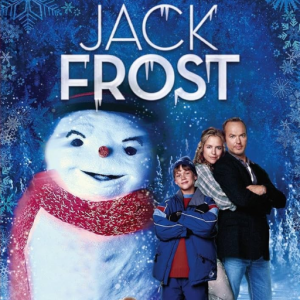
Jack Frost asks me to accept an idea that should be almost impossible to take seriously. A musician dies in a car accident, returns thr...
Embracing Winter's Warmth: A Journey Through Jack Frost's Transformative Tale
Jack Frost asks me to accept an idea that should be almost impossible to take seriously. A musician dies in a car accident, returns through a snowman built by his son, and receives one final opportunity to repair the relationship he neglected while alive.
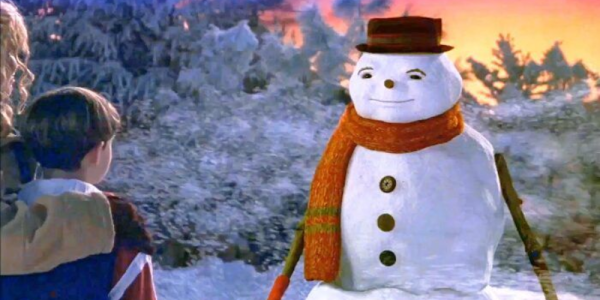
The snowman has moving eyebrows, flexible branches for arms, a wide mouth, and a face caught somewhere between friendly mascot and unfinished dream. His appearance is often unintentionally unsettling. Yet the longer I watched, the less the design bothered me.
The real discomfort came from Charlie Frost, a child who receives exactly what grief has taught him not to request openly: one more conversation with his father.
As a critic, I found Jack Frost far more emotionally direct than its broad family-comedy packaging suggests. The film contains snowboarding sequences, neighborhood bullies, musical performances, physical jokes, and a magical harmonica. Beneath those elements is a story about a father who repeatedly promised to be present and understood the value of those promises only after time had run out.
The film is uneven, sometimes manipulative, and occasionally too eager to turn sorrow into another snow-related gag. It still reaches a painful truth. Children do not measure parental love only through intention. They measure it through arrival.
Jack Frost Loves His Family but Keeps Treating Love Like a Future Appointment
Jack is not introduced as a cruel or indifferent father. He loves his wife Gabby, adores Charlie, and imagines that his musical ambitions will eventually create a better life for all of them. His central failure is postponement.
He misses events because the band needs him. He makes plans that depend on work ending at the correct time. He promises to compensate later, assuming another weekend, holiday, or hockey game will always be available.
I understood how Jack justifies himself. Music is not merely a hobby. It is his work, identity, and the dream around which he has organized adulthood. Walking away from an important opportunity might feel like betraying years of sacrifice.
The problem is that Charlie cannot experience an explanation as presence. A reasonable excuse still leaves an empty seat.
Jack believes affection can cover inconsistency because his feelings are sincere. The film gradually teaches him that sincerity without dependable action places the emotional burden on the people waiting.
Michael Keaton Makes Jack Charming Enough to Explain the Family’s Patience
Jack needs charisma. Without it, his repeated absences would make him difficult to forgive before the supernatural story even begins.
Michael Keaton gives him warmth, restless energy, humor, and the confidence of a performer accustomed to recovering from disappointment through personality. Jack enters rooms as though he expects momentum to follow him.
His affection for Charlie feels genuine. Their conversations have the informal rhythm of a father who wants to be his son’s friend but has not fully accepted the less entertaining parts of parenthood.
Keaton is strongest before Jack becomes a snowman. I can see the conflict between the musician and father without needing a speech to identify it. He wants both lives and refuses to calculate what each requires from the other. As the snowman, Keaton’s voice carries much of the character. He shifts between comic frustration and increasing awareness that this second chance has an ending.
The performance prevents Jack from becoming an idealized dead parent. He returns with the same humor, impulsiveness, and tendency to treat problems like temporary obstacles. The difference is that mortality has removed his confidence that time will wait.
Charlie’s Anger Is More Important Than His Belief
Charlie does not begin the story as a child waiting happily for Christmas magic. He is disappointed with his father before grief makes that disappointment permanent.
After Jack’s death, sadness does not appear only as crying. Charlie becomes distant, irritable, and less interested in activities that once connected him with his father. I appreciated that the film allows anger to exist inside grief. Charlie misses Jack and remains furious with him. Death has not erased the missed games, broken promises, or feeling that music repeatedly came first.
When the snowman begins speaking with Jack’s voice, Charlie does not accept the situation immediately. Recognition emerges through private memories and familiar language rather than appearance.
The magical return gives him something ordinary grief never provides: an opportunity to confront the person who caused both love and pain. This is where the film becomes more meaningful than its premise. Charlie does not merely receive his father back. He receives the chance to tell him what his absence did.
The Harmonica Carries a Promise Jack Could Not Keep
Jack gives Charlie a harmonica and tells him it possesses a special connection between them. The instrument eventually becomes the object through which the supernatural return occurs.
I liked the choice because a harmonica requires breath. It produces music through air moving across metal, making it an appropriate bridge between a dead musician and a snow figure dependent on winter.
The object also represents Jack’s habit of replacing presence with symbolic gestures. The gift is meaningful, but it cannot attend a hockey game or sit beside Charlie during disappointment. After Jack returns, the harmonica gains the emotional value he originally wanted it to possess. It becomes connected with an experience rather than only a promise.
The film occasionally explains its magic too little for viewers interested in rules. Why does the harmonica work? Why this snowman? Why can Jack return now? I did not need a detailed answer. The magic follows emotional logic. Charlie calls because he needs his father, and Jack returns because he has unfinished work.
Gabby Has Already Been Carrying the Family Alone
Gabby is placed in a difficult position even before the accident. She loves Jack and supports his ambition while repeatedly managing the domestic consequences of his absence. She reassures Charlie, adjusts plans, absorbs disappointment, and prevents Jack’s professional choices from becoming open family conflict every time.
I found her patience believable but underexamined. The film understands that she is tired, yet it remains more interested in Jack’s regret than the labor that made his lifestyle possible.
After his death, Gabby must grieve while becoming Charlie’s only present parent. She cannot withdraw completely because he still needs meals, school routines, emotional guidance, and reassurance. Her grief is quieter than Charlie’s. She continues functioning, which can make her pain less visible.
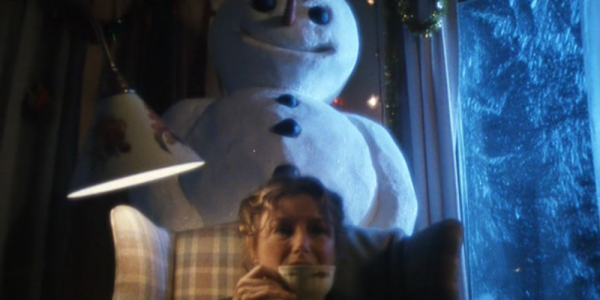
The supernatural reunion primarily belongs to father and son, leaving Gabby outside the truth for much of the story. This creates practical comedy, but it also feels unfair. Jack receives extra time with Charlie while his wife continues carrying the household without knowing that he is nearby.
Kelly Preston Gives Gabby More Emotional Life Than the Screenplay Provides
Gabby could easily have become the endlessly understanding wife whose role is to forgive the ambitious husband.
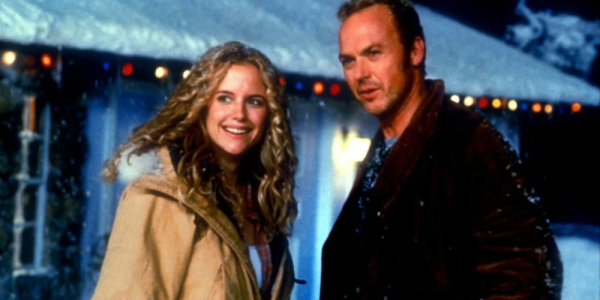
Kelly Preston gives her more tension than that structure requires. Affection and frustration can occupy the same reaction. Gabby knows Jack’s talent and understands why music matters, but she also recognizes the pattern of excuses.
I wanted the film to give her a direct confrontation with Jack before the accident. Their marriage contains conflict that deserves more than brief disappointment. Preston’s strongest scenes occur after the family has changed permanently. Gabby moves through the house as though ordinary objects have become emotionally heavier.
She tries to protect Charlie without demanding that he grieve according to her timetable. That restraint makes her a credible parent. The eventual recognition of Jack’s presence gives Preston a difficult emotional task. Gabby must accept an impossible event while understanding that the reunion will be temporary.
The Accident Arrives After Jack Finally Makes the Correct Choice
Jack receives an important musical opportunity at the same time he has promised to spend Christmas with his family. His initial decision follows the familiar pattern: career first, explanation later. He eventually turns back.
This is essential. Jack dies while attempting to return home, meaning the tragedy does not punish him simply for ambition. It interrupts the beginning of change. I found that choice both effective and emotionally manipulative. The film wants me to know that Jack had finally understood what mattered before the accident removed his chance to prove it consistently.
One corrected decision cannot erase years of unreliability, but it reveals that transformation was possible. Charlie never sees that decision. From his perspective, Jack left again and never returned. The snowman therefore becomes the only way Jack can complete an action his son has no reason to believe he attempted.
The Snowman Design Is Impossible to Ignore
The central snowman is expressive enough to speak, move, drive, snowboard, hide, and participate in physical comedy. He is also visually peculiar. His rounded face, moving mouth, stone-like features, and flexible body often appear stranger than the gentle story surrounding him.
I never found him conventionally cute. The design seems to search for a compromise between a real snow figure and a human performer, landing in a middle area where every expression looks slightly incorrect. That awkwardness has become part of the film’s identity. A smoother digital character might have aged more quickly or looked more generic.
The physical presence matters. Jack leaves marks in snow, occupies space beside Charlie, and appears vulnerable to weather. The design is a flaw and a source of personality at the same time. I laughed at several emotional scenes before the performances pulled me back into them.
Temperature Gives the Reunion a Natural Deadline
Jack’s new body can survive only while winter remains cold enough. Warm rooms, sunlight, and approaching seasonal change become physical threats.This gives the story urgency without introducing a conventional villain. Time is already taking Jack away again.
I liked how ordinary warmth becomes dangerous. A fireplace, heated car, or sunny day can damage the person Charlie has just recovered. The condition also prevents the film from offering permanent resurrection. Jack cannot simply join the family as a snowman and continue daily life indefinitely.
His return has one purpose: complete the emotional work left unfinished. The melting imagery is obvious, but effective. Grief already teaches Charlie that people cannot be held forever. Watching snow disappear turns that abstract truth into something visible.
The Hockey Story Is Really About Charlie Losing His Confidence
Hockey connects Charlie with his father and with the social world outside his home. After Jack’s death, the game becomes associated with absence. Charlie’s performance suffers because the person whose approval mattered most is no longer watching.
I appreciated that the film does not portray grief as separate from ordinary competence. Emotional pain changes concentration, motivation, and the willingness to participate. Jack’s return helps Charlie reconnect with the game, but the solution is not purely technical. He needs to believe that effort matters even when his father cannot remain present.
The hockey material occasionally follows familiar sports-film rhythms. A child loses confidence, receives guidance, and faces an important moment where personal growth becomes visible. Its value comes from the father-son context rather than sporting originality.
Mac Is the Friend Jack Needed While Alive
Mac is Jack’s bandmate and close friend, someone who understands both the musical dream and its consequences. He supports the family after the accident and becomes one of the adults capable of recognizing that Charlie’s behavior is connected with more than ordinary childhood moodiness.
I liked the character because he represents a version of loyalty Jack took for granted. Mac was present inside the career that repeatedly pulled Jack away, yet he understands the family deserved greater priority. His involvement also prevents the band from appearing like a faceless source of temptation. Music itself is not the enemy.
Jack’s problem was not loving performance. It was failing to establish boundaries around it. Mac could have received more development. His grief, guilt, and future relationship with the family remain secondary to the magical reunion.
The Bullies Belong to a Simpler Film
Charlie faces a group of older boys whose hostility gives the story an external source of conflict. Their behavior provides opportunities for snowball fights, humiliation, competition, and eventual resistance.
I found these characters much less interesting than the family drama. They operate through familiar bully logic and rarely possess motives beyond making Charlie’s life more difficult. The main antagonist is already grief. Adding aggressive neighborhood children gives the film action, but it also pulls attention from the more specific emotional problem.
The bullying becomes useful when Jack helps Charlie rebuild confidence without solving every conflict for him. Still, several scenes feel imported from a conventional 1990s children’s comedy.
The Snowboarding Sequence Is Ridiculous and Necessary
A living snowman snowboarding down a mountain should destroy the emotional credibility of almost any drama. Here, the sequence briefly succeeds because it gives Jack and Charlie something they were missing before the accident: uncomplicated shared time.
Jack is no longer rushing toward another performance. Charlie is no longer waiting for him to arrive. They are physically present inside the same experience. The scene is broad, heavily designed around spectacle, and disconnected from realism. It also creates a memory Charlie can carry after the second goodbye. I enjoyed it more as emotional wish fulfillment than comedy. The father finally gives his son an adventure without checking the time.
Jack Learns to Parent Only After He Can No Longer Control the Future
While alive, Jack treats parenting as something that can be balanced around professional opportunity. As a snowman, his time is visibly limited. This changes every decision. He cannot assume another conversation will be available tomorrow. Jack begins listening more carefully because explanation is no longer enough. He must give Charlie what can actually survive his departure: confidence, honesty, and the understanding that absence was never evidence of insufficient love. I found this growth moving and frustrating. Jack becomes the father Charlie needed only when consequences remove every distraction.
The film never fully asks whether this transformation would have lasted if he had survived. Mortality creates clarity that ordinary life may have complicated again. That uncertainty makes the story more honest than a simple redemption tale.
Charlie Must Lose His Father Twice
The magical return offers comfort, but it also creates another separation. Charlie has begun adapting to Jack’s death when the snowman restores hope. He must then confront the disappearance again, now with full awareness. I found this emotionally difficult. The film presents the reunion as a gift, yet gifts can carry costs.
The difference is that Charlie receives agency during the second goodbye. The first loss happened suddenly and without explanation. The second allows him to speak, listen, and understand that Jack is not leaving through choice. This does not make the pain smaller. It changes its shape. Closure is not the end of grief. It is the removal of questions that prevent grief from moving.
The Final Journey Strips Away the Comedy
As Jack’s snow body becomes increasingly vulnerable, the story moves toward a final location where the family can acknowledge what is happening. The physical journey mirrors Jack’s emotional movement. He began as a performer always leaving home. He ends by using his remaining time to reach the people waiting for him.
The film reduces the jokes as the farewell approaches. I appreciated this restraint. The snowman design remains visible, but the voices and reactions become more important than appearance.
Jack cannot promise to return again. Any attempt to preserve hope through another guarantee would repeat his original failure. He must finally offer love without attaching it to a future appointment.
Gabby Deserved More Time With Jack
The film’s emotional structure prioritizes Charlie, which makes sense for a father-son story. Still, Gabby’s loss is equally significant. She has lost her partner after years spent waiting for the relationship to receive more of his attention.
Jack’s return gives her only a limited opportunity to process unresolved feelings. I wanted a longer conversation acknowledging the strain in their marriage, her anger, and the future she had expected them to build.
The movie moves quickly toward forgiveness because Christmas family drama prefers emotional unity. Kelly Preston communicates enough beneath the dialogue to suggest greater complexity. Gabby loves Jack and remains hurt by the life they were living before the accident.
The Film Understands That Apology Cannot Recover Time
Jack can apologize to Charlie. He can explain why he made certain choices and demonstrate that he finally understands their effect. He cannot attend the missed games retroactively.
This limitation gives the apology meaning. Jack is not asking Charlie to pretend the past was different. He is asking him to believe that the love inside it was real, even when the behavior failed to express it reliably. I appreciated that distinction. Forgiveness does not require rewriting history. Charlie can remain angry about what happened while releasing the belief that his father left because he was unimportant.
The Music Is Part of Jack’s Identity and Part of the Problem
Jack’s band gives him energy, belonging, and a sense of purpose. Performance scenes show why he finds the musical life difficult to abandon. The songs are warm and accessible, fitting the family-film atmosphere rather than creating a detailed portrait of the music industry. I liked that music remains emotionally valuable. The film does not demand that Jack reject his talent to prove he loves his family.
Instead, it criticizes the way he organizes priorities around opportunity. Music also survives him. Charlie can hear Jack’s voice, remember his performances, and eventually separate the joy of the songs from the pain of waiting.
The Winter Photography Creates Beauty and Emotional Threat
Snow-covered streets, frozen fields, mountains, decorated houses, hockey areas, and blue winter light give Jack Frost a strong seasonal atmosphere. The landscapes are inviting until I remember that warmth could end Jack’s return. This gives the scenery a useful contradiction. Cold weather protects the reunion while placing everyone inside a temporary world.
The film often looks like a bright family Christmas card, especially during outdoor adventures. Quieter scenes inside the Frost home carry more emotional texture. Empty spaces remind me that Jack’s absence existed before his magical return.
The Score Works Hard to Tell Me When to Cry
The music pushes firmly toward wonder, sadness, family warmth, and final acceptance. At its best, the score supports the fairy-tale tone and helps connect broad comedy with grief. At its weakest, it announces emotion before the performances have completed the work.
Several conversations between Jack and Charlie would be more powerful with less musical guidance. Michael Keaton and Joseph Cross communicate enough through their voices. The film rarely trusts silence for long, which contributes to its sentimental reputation.
The Comedy and Grief Do Not Always Share the Same Movie
Jack Frost moves between bereavement drama and snowman comedy with limited warning. One scene may explore Charlie’s anger about losing his father. The next may involve physical jokes about Jack’s unusual body. I sometimes admired the tonal confidence. Children often move between sadness and play more quickly than adults expect.
At other times, the jokes weaken the emotional aftermath of the previous scene. The film is strongest when comedy emerges from Jack adapting to his new form while continuing to relate naturally to Charlie. It is weaker when the snowman becomes the entire joke.
The 1990s Style Gives the Film Charm and Visible Age
The clothing, music, household technology, school environment, practical effects, and family-comedy pacing identify Jack Frost immediately with the late 1990s. I found this nostalgic without considering every element timeless. The bullying material, broad physical reactions, and occasional body-centered humor feel dated.
The practical snowman remains memorable precisely because he does not resemble a modern digital character. His strange physicality gives actors something present to respond to. The film’s emotional directness also belongs to its era. Characters explain feelings openly, music emphasizes every major turn, and the ending seeks complete release rather than ambiguity.
Joseph Cross Gives Charlie the Film’s Most Difficult Performance
Charlie must respond convincingly to a father who is absent, dead, and then physically present as a talking snowman. Joseph Cross keeps the character grounded through anger and hesitation. He does not spend every scene looking amazed by the fantasy. His grief gives the magical situation emotional rules. Charlie cares less about how Jack returned than whether he will remain.
Cross is especially effective when happiness becomes cautious. Even during enjoyable moments, Charlie appears aware that this experience may disappear. The performance prevents the film from becoming only a showcase for Michael Keaton’s voice and the snowman effects.
The Ending Is Manipulative and Still Works
Jack Frost builds deliberately toward a second farewell. The weather, melting body, unfinished conversations, and family tension all signal what must happen. I knew the film was arranging every element to produce tears. It produced them anyway. The ending works because Charlie receives emotional information he lacked after the accident. Jack did turn back. He did want to come home. He understood too late that presence mattered more than intention, but he understood.
The film does not allow the snowman to remain as a permanent replacement for the dead father. That would turn grief into avoidance. Jack leaves after helping Charlie begin living without him.
What Frustrated Me
Gabby receives too little emotional attention compared with Charlie, even though she also loses Jack and carries the family afterward. The snowman design frequently distracts from scenes intended to be tender. The neighborhood bullies are generic and belong to a less interesting storyline. The film shifts awkwardly between serious grief and broad physical comedy.
Jack’s professional ambitions remain simplified. I understood that music pulled him away, but the financial and personal pressures surrounding that career receive limited detail. The score pushes emotion too aggressively. Several scenes make Jack’s redemption feel easier because death prevents him from proving whether his change would have continued.
What the Film Gets Right About an Absent Parent
A parent can love a child deeply and still make choices that leave the child feeling secondary. Jack’s affection is never the central mystery. His reliability is. The film does not claim that good intentions should erase disappointment. Charlie is allowed to confront him. Jack’s final gift is not the snowboarding adventure or magical appearance. It is the decision to stop defending himself and listen to what his absence created.
Who Should Watch Jack Frost?
I recommend Jack Frost to families who enjoy sentimental Christmas fantasy, stories about fathers and sons, magical transformations, winter sports, music, and films willing to place grief inside a broad holiday adventure.
Michael Keaton fans may appreciate the warmth and restless humor he gives Jack, especially before the transformation. Younger viewers can enjoy the talking snowman, snowboarding, hockey, snowball battles, and winter setting. Adults may respond more strongly to Gabby’s patience, Jack’s regret, and Charlie’s need to understand why love did not always produce presence.
Children who are processing bereavement may find the story comforting or emotionally intense. The central fantasy involves a dead parent returning temporarily and leaving again. Viewers seeking subtle drama may find the music and emotional messaging too forceful.
My Final Verdict
Jack Frost is a strange, flawed, and surprisingly affecting Christmas film about a father who receives the impossible second chance ordinary grief never provides.
Michael Keaton gives Jack enough charm to make his family’s patience understandable and enough regret to prevent the character’s return from feeling purely comic. Joseph Cross anchors the fantasy through Charlie’s anger, while Kelly Preston gives Gabby emotional depth that deserved more screen time.
The movie struggles with an awkward snowman design, generic bullies, inconsistent tone, and music that works too hard to control my response. Its emotional structure is transparent, and I could see the final farewell approaching from a considerable distance.
I rate Jack Frost 7.9/10. It is not a perfectly balanced family film, but its central relationship remains sincere enough to survive the strangest parts of its presentation. Jack spends his life believing he can make up for missed time later. After death, he finally learns the truth. Later was never a promise he had the authority to make.
Pros:
- Heartwarming narrative that resonates with audiences
- Stunning visual aesthetics that capture the magic of winter
- A compelling blend of humor and deep emotional moments
- Well-crafted musical score that enhances the overall experience
- Strong lead performance that brings authenticity to a fantastical role
- Thoughtful exploration of universal themes like redemption and renewal
Cons:
- Predictable plot elements that may not surprise all viewers
- Occasional pacing issues that affect the emotional buildup
- Some underdeveloped supporting characters that leave potential untapped







Movie Reviews

Minecraft

Grand Theft Auto V

Toca Boca World

Roblox

Leave a comment
Your comment is awaiting moderation. We save your draft here
0 Comments