
Review
Coraline gave me the same feeling as entering a beautifully designed game area that looks harmless until I notice one detail that does...
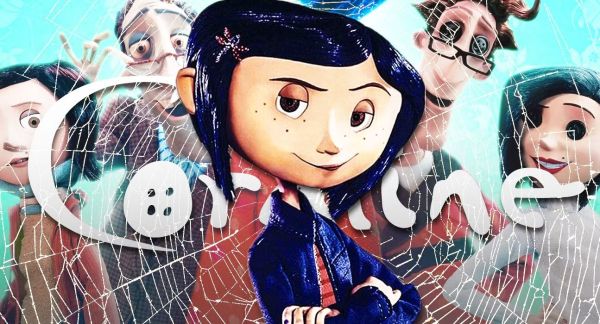


A Labyrinth of Shadows and Wonder: The Unforgettable World of Coraline
Coraline gave me the same feeling as entering a beautifully designed game area that looks harmless until I notice one detail that does not belong. The colors are inviting, the rooms are carefully arranged, and every character seems eager to make me comfortable. Then the smiles last too long, the rules begin changing, and the pleasant environment reveals itself as a trap.
I had expected a dark children’s fantasy with unusual visuals. What stayed with me was how effectively the film turns ordinary childhood frustrations into something dangerous. Coraline is bored, ignored, and disappointed by the adults around her. The Other World offers her exactly what she believes is missing: attention, entertainment, better food, and parents who appear delighted by everything she does.
That offer is much more frightening than a simple monster attack because it is built from genuine desire. Coraline does not enter the hidden world because she is foolish. She enters because it seems designed specifically for her.
The Pink Palace Felt Like a Small Exploration Hub
The Pink Palace Apartments immediately reminded me of a compact game hub filled with unusual residents, blocked routes, and locations that become more important after repeated visits. The building is not large, but it feels full of hidden information.
Coraline’s family occupies one section, while Miss Spink and Miss Forcible live below and Mr. Bobinsky occupies the space above. Each resident seems exaggerated enough to belong in a different story, yet the house connects them naturally.
I liked how the film encourages me to study the environment. A small door, an old well, a garden, a strange doll, and a series of eccentric neighbors all appear before their full significance becomes clear.
Nothing feels placed randomly. Even when a detail seems like a joke or decorative flourish, I expect it may return later with a different meaning.
The Pink Palace is also an ideal setting for Coraline’s emotional state. It is interesting enough to promise adventure but quiet enough to make her feel trapped. She has space to explore, yet none of the people around her provide the attention she wants.
Coraline Is Brave, but She Is Not Careful
I liked Coraline because her courage is mixed with impatience, pride, and curiosity. She does not behave like a perfectly sensible hero waiting for danger to reveal itself. She actively searches for something more interesting than her current life.
Her frustration with her parents is understandable. They are busy, distracted, and repeatedly postpone the attention she asks for. Coraline interprets this as evidence that they do not care enough, even though the problem is more complicated than that.
She also dislikes being treated like a child while frequently making decisions based on immediate emotion. When someone warns her about danger, she wants proof. When the Other World offers excitement, she focuses on the reward before considering the cost.
This made her feel more believable to me. Her bravery is not the absence of fear or poor judgment. It is the ability to keep acting after she finally understands how serious the situation has become.
I often compared her to a player who ignores the main path because an unusual door looks more interesting. That curiosity creates the entire adventure, but it also gives her the knowledge and determination needed to finish it.
The Little Door Changed Meaning Every Time It Opened
The small door begins as an ordinary disappointment. When Coraline first sees it opened, the passage appears blocked. It looks like another object in the house that promises something and delivers nothing.
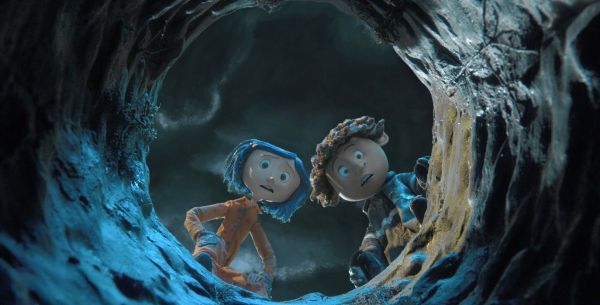
When the tunnel later appears, the door becomes an invitation. Its size makes the act of entering feel personal and secretive. Coraline cannot walk through casually. She has to crawl, leaving the familiar house behind one movement at a time.
The passage itself is visually strange without becoming immediately threatening. Its soft shape and unusual colors make it feel alive, but the destination initially appears more important than the journey.
After Coraline understands the truth, the same door becomes a security risk. It is no longer a private route into a better world. It is an entrance through which the danger may continue reaching her.
I appreciated this transformation because the object never physically changes very much. Coraline’s knowledge changes, and that completely alters how I interpret it.
The Other Mother Understands Personalization Better Than Most Villains
The Other Mother frightened me because she does not begin with open aggression. She presents herself as an improved version of someone Coraline already knows.
She cooks better meals, listens carefully, smiles constantly, and creates activities designed around Coraline’s interests. The house is brighter, the garden is more imaginative, and the entertainment feels personal rather than generic.
This is not simple generosity. Every experience is carefully constructed to make the real world seem inferior.
The Other Mother studies dissatisfaction and turns it into a product. She understands that Coraline does not merely want toys or food. She wants to feel important. Every performance and surprise communicates the same message: this world exists because you deserve more attention.
I found this much more effective than a villain who simply wants power. The Other Mother wants dependence. She does not need Coraline to visit once. She needs Coraline to believe that leaving would be a mistake.
The Buttons Were Disturbing Before Anyone Explained Them
The button eyes create immediate discomfort because they remove something essential from every face. The Other Mother, Other Father, and other residents can smile and move normally, but their expressions never feel completely readable.
Eyes usually reveal hesitation, affection, fear, and dishonesty. Buttons replace that emotional information with a fixed surface.
At first, Coraline treats the buttons as part of the Other World’s unusual style. Everything there is more theatrical, so the difference appears strange rather than immediately dangerous.
The proposal to replace Coraline’s own eyes changes the symbol completely. The buttons are not decoration. They represent ownership and permanent surrender.
The horror works because the Other Mother presents the procedure as a small condition attached to an otherwise perfect life. She does not initially describe it as punishment. She describes it as the final step required for belonging.
I could almost imagine the scene as a game menu offering an apparently powerful upgrade while hiding the fact that accepting it permanently removes player control.
The Other Father Made the Trap More Complicated
The Other Father initially seems like a cheerful improvement over Coraline’s real father. He is energetic, musical, and willing to focus entirely on her.
What made him interesting was the gradual evidence that he was not acting freely. His behavior becomes less confident whenever he risks revealing something the Other Mother does not want Coraline to know.
This gave him a tragic quality. He is part of the trap, but he also appears trapped within it.
His musical performance is entertaining because it is designed to flatter Coraline. The song turns her name and personality into the center of the room, giving her the kind of celebration she does not receive at home.
Later, the same character becomes physically threatening while showing signs of resistance. I could see that the creature attacking Coraline was being controlled, which made the encounter more unsettling than a straightforward chase.
The Other Father demonstrated that the Other Mother does not create genuine people. She creates roles. Those roles exist to satisfy Coraline until they are required to enforce the rules.
The Garden Was a Perfect Save-File Preview
The garden shaped like Coraline’s face is one of the clearest examples of how the Other World manipulates her. It presents a huge visual declaration that she is the center of everything.
I interpreted it like a personalized game world generated from player data. The environment has studied Coraline and rearranged itself around her identity.
The result is beautiful, but it is also deeply narcissistic. A world that constantly reflects one person may feel flattering at first, yet it leaves no space for anyone else to exist independently.
The real garden is unfinished and neglected. The Other garden appears magical because it removes effort, waiting, and uncertainty. It offers the complete result immediately.
That instant perfection later feels artificial. Nothing in the Other World grows naturally. It performs growth because Coraline is watching.
Wybie Became More Important by Refusing to Impress Her
Wybie does not enter Coraline’s life as the ideal friend. He talks too much, laughs at his own jokes, and irritates her almost immediately.
That awkwardness makes him valuable. Unlike the residents of the Other World, Wybie is not designed around Coraline’s preferences. He has his own personality, family history, fears, and reasons for being near the Pink Palace.
The contrast becomes even clearer when Coraline meets the silent Other Wybie. At first, removing his voice seems like an improvement because he can no longer annoy her.
Very quickly, the silence becomes disturbing. The Other Wybie cannot challenge Coraline, explain himself, or reveal inconvenient information. He is more pleasant only because part of his independence has been removed.
I liked how the film used this difference to show the value of imperfect relationships. Real people can be frustrating because they are not programmable. That same independence is what makes their support meaningful.
The Cat Behaved Like a Player Who Already Knew the Map
The cat was the character I trusted most because it never tried to appear more helpful than it really was. It offered information, criticism, and occasional assistance without pretending to be Coraline’s obedient companion.
Inside the Other World, the cat can speak, but its personality remains unchanged. It is sarcastic, independent, and clearly familiar with the rules of the environment.
I saw it as the equivalent of an experienced player entering a new session with someone who has ignored every warning. It understands shortcuts, recognizes the enemy, and knows that the beautiful scenery is temporary.
The cat does not solve every problem for Coraline. It provides clues and intervenes at important moments, but Coraline must still make decisions herself.
This balance prevented the character from becoming a convenient source of answers. The cat knows more than it explains and helps only when doing so aligns with its own judgment.
Miss Spink and Miss Forcible Felt Like Optional Quest Givers
Miss Spink and Miss Forcible initially appear to be comic neighbors who spend most of their time discussing their former theatrical careers and caring for their dogs.
Their warnings about danger are easy to dismiss because they arrive through theatrical language, fortune-telling, and eccentric behavior. Coraline treats them as amusing rather than authoritative.
I liked that their usefulness was hidden inside their personalities. They do not suddenly transform into completely serious guides. Their advice remains strange, but parts of it become essential later.
The seeing stone they give Coraline functions like a quest item that appears unclear when first received. Its purpose becomes obvious only after she enters a challenge designed around finding what has been hidden.
Their Other World performance also reveals another part of the trap. The Other versions are grander, younger, and more spectacular. Their private memories of theatrical success have been turned into entertainment for Coraline.
Even the neighbors’ dreams have been copied and repackaged.
Mr. Bobinsky Made the Real World Strange Enough to Matter
Mr. Bobinsky is already so unusual that his Other World version does not need a complete transformation to become memorable. His exaggerated body, circus-like movement, and claims about performing mice make him seem as though he belongs in a fantasy before Coraline ever opens the small door.
This was important because it prevented the real world from becoming completely dull. The Other World is more polished and responsive, but the Pink Palace already contains imagination.
The difference is that real-world strangeness is inconvenient and incomplete. Bobinsky’s mouse performance is not ready when Coraline wants to see it. Miss Spink and Miss Forcible talk more than they perform. The garden has potential but requires work.
The Other World gives immediate versions of all these possibilities. It removes waiting and imperfection.
Coraline’s journey teaches her that unfinished does not mean worthless. The real world contains creativity, but it does not appear on demand.
The Ghost Children Changed the Story From Escape to Rescue
Before Coraline discovers the ghost children, her goal is mainly personal. She needs to reject the Other Mother and return to her real life.
The trapped children reveal that the danger has existed long before her arrival. Coraline is not the first person who wanted something better and accepted the invitation.
Their stories add consequences to the Other Mother’s method. She does not merely frighten children. She studies them, creates appealing worlds, and gradually removes their freedom.
I found the ghost children effective because their sadness is quiet. They are not presented through an extended tragic history. Their appearance and requests communicate enough.
Helping them transforms Coraline’s role. She is no longer only defending herself. She becomes responsible for ending a pattern that has already harmed others.
This also makes the final challenge feel more like a true mission. Coraline must find hidden eyes, rescue her parents, understand the environment, and defeat an opponent who controls the entire world around her.
The Game With the Other Mother Had Excellent Rules
Coraline’s decision to challenge the Other Mother is one of my favorite parts because she cannot overpower her physically. She needs to create a structure the villain will accept.
The search game establishes clear objectives and consequences. Coraline must locate the ghost children’s eyes and find her parents. Winning means freedom. Losing means remaining forever.
The Other Mother agrees because she is arrogant. She believes that control over the environment guarantees victory.
This reminded me of negotiating a boss encounter through dialogue before the battle begins. Coraline cannot choose the arena, but she can define enough rules to create a possible path out.
Each search area also functions like a distorted version of an earlier attraction. The theater, garden, and mouse performance were once designed to entertain her. During the game, those spaces become hostile and unstable.
The film reuses familiar locations while changing their purpose, which makes the progression satisfying. Coraline is forced to revisit the pleasures that originally tempted her and recognize what was hiding beneath them.
The Other World Started Losing Texture
As Coraline resists the Other Mother, the world gradually stops maintaining its illusion. Colors fade, spaces become empty, and previously elaborate environments reveal themselves as incomplete constructions.
I loved this visual idea because it shows that the world has no life beyond its purpose as bait. Areas Coraline is not meant to explore may be unfinished or nonexistent.
The Other Mother creates enough detail to attract attention, not a complete reality.
This reminded me of walking beyond the intended boundary of a game map. The polished environment suddenly ends, textures disappear, and the illusion of a full world collapses.
Coraline’s curiosity initially led her into danger, but that same curiosity helps her discover the limitations of the trap. She stops viewing the Other World as magical and starts examining how it has been constructed.
The Transformation of the Other Mother Felt Like a Boss Phase
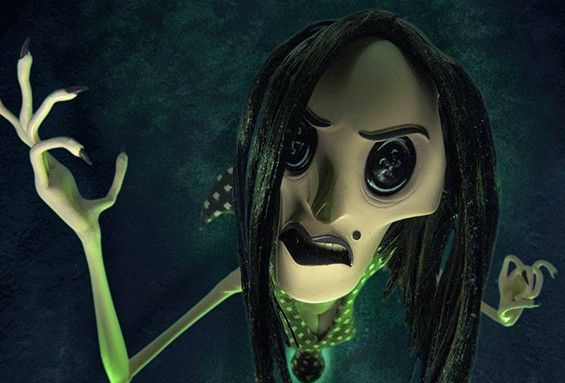
The Other Mother’s physical transformation mirrors the collapse of her emotional performance. She begins as a polished imitation of Coraline’s real mother, then gradually becomes taller, thinner, sharper, and more insect-like.
Each stage reveals less interest in appearing loving. Once Coraline refuses the fantasy, the Other Mother no longer needs to maintain the same disguise.
I read the transformation like a multi-phase boss battle. The first phase relies on manipulation and rewards. The second introduces threats and punishment. The final phase abandons persuasion and reveals the creature’s true form.
The design becomes frightening because it retains traces of the motherly appearance. The character is not replaced by a completely unrelated monster. Familiar features are stretched into something predatory.
The transformation also exposes the central lie. The Other Mother claimed to want Coraline as a daughter, but her real goal was possession. Love was only the appearance used to make surrender feel voluntary.
Food Was One of the Most Effective Traps
The meals in the Other World are warm, colorful, and prepared with obvious attention. They contrast sharply with the quick or disappointing food Coraline receives at home.
This is a simple difference, but it communicates exactly what she believes she is missing. The Other Mother does not begin with grand promises. She begins by providing a better dinner.
I liked how the film uses sensory comfort. The food looks satisfying enough that Coraline’s interest feels natural. The scene appeals to taste, warmth, and the experience of having someone prepare something specifically for her.
Later, the meals become part of the broader pattern. Every improvement has been selected because it makes the real parents appear inadequate.
The trap does not need to invent Coraline’s disappointment. It only needs to exaggerate it.
The Real Parents Were Flawed Without Being Cruel
Coraline’s parents are distracted, impatient, and often emotionally unavailable. The film does not pretend that Coraline imagined every problem.
At the same time, they are not uncaring villains. They are working under pressure, adjusting to a new home, and trying to complete responsibilities that Coraline does not fully understand.
This distinction matters because the story would be simpler if the real parents were perfect and Coraline merely failed to appreciate them. Instead, the film presents a more difficult truth: people can love someone and still disappoint them.
The Other Mother uses those disappointments as evidence that real love is inferior. Coraline eventually learns that attention without freedom is not love, even when it arrives with better food and more exciting entertainment.
The real parents do not become completely different people at the end. Their relationship improves through shared attention and effort, not magical perfection.
The Animation Made Every Surface Feel Handcrafted
The stop-motion animation gives Coraline a physical texture that supports the story perfectly. Fabrics, hair, walls, food, plants, and faces appear tangible enough to touch.
This makes the contrast between worlds more effective. The real world uses muted colors and imperfect spaces, while the Other World initially appears richer and more carefully arranged.
Because both worlds are physically constructed, the difference does not feel like switching from reality to digital fantasy. It feels like someone rebuilt reality using brighter materials and slightly incorrect measurements.
The character movement also contains a subtle irregularity that suits the unsettling atmosphere. Gestures are expressive, but they never feel completely smooth or ordinary.
I often noticed tiny details in the sets that might pass quickly on screen. The film rewards repeated viewing because the environments contain visual information beyond the main action.
From a gamer’s perspective, the art direction felt like exploring a handcrafted indie world where every prop had been placed deliberately rather than generated only to fill space.
The Music Made Curiosity Sound Dangerous
The score creates a strange balance between childhood wonder and unease. Voices and melodies can sound playful, but they rarely feel fully comforting.
The music often suggests danger before Coraline recognizes it. A beautiful scene may carry an arrangement that feels slightly too distant or unnatural.
I appreciated that the soundtrack did not rely only on loud warning cues. It allows quiet moments to remain uncertain.
The invented vocal sounds also suit the Other World because they feel meaningful without being completely understandable. The music seems to communicate in the same way the environment does: familiar enough to attract me, strange enough to prevent trust.
The Film Never Needed Constant Jump Scares
Coraline creates fear primarily through expectation, transformation, and loss of control. It rarely depends on a sudden object entering the frame with a loud sound.
The most disturbing scenes are often conversations. The Other Mother speaks calmly while proposing something horrifying. Characters smile while behaving as though Coraline’s objections are unreasonable.
This emotional pressure made the horror more memorable for me. Coraline is repeatedly asked to doubt her own discomfort because everything around her appears pleasant.
The film understands that a safe-looking place can become frightening when escape is restricted. Once Coraline realizes the door may not remain open, every attractive room becomes part of a prison.
The Hand Outside the Door Extended the Final Level
Returning home does not immediately end the danger. The Other Mother’s severed hand follows Coraline into the real world and continues searching for the key.
This final threat works like a post-boss sequence where the player believes the mission is complete but one unresolved mechanic remains active.
The hand is smaller than the Other Mother, yet it feels dangerous because it can move through Coraline’s real environment. The boundary between worlds has already been crossed.
Coraline and Wybie must use the well, the key, and their understanding of the enemy’s goal to create a final trap.
I liked that Wybie becomes essential here. Coraline’s victory is not presented as pure individual heroism. She needs help from someone real, independent, and imperfect.
The Ending Did Not Pretend Everything Was Perfect
The garden celebration gives the ending warmth without suggesting that Coraline has entered another fantasy.
Her parents are more attentive, the neighbors gather together, and Coraline finally participates in shaping the real garden rather than escaping into a finished version created for her.
The work matters. The real garden becomes beautiful through time, cooperation, and physical effort.
This directly contrasts with the Other garden, which appeared instantly and existed only to flatter Coraline.
Wybie’s grandmother also becomes part of the final emotional resolution. The story does not completely erase the history connected to the Pink Palace, but it allows truth and community to replace secrecy.
Why Coraline Still Feels Unsettling
Coraline remains effective because the danger is built around a temptation I can understand. Almost everyone has imagined an improved version of home, family, school, work, or daily life.
The film asks what happens when that improved version requires surrendering choice.
The Other World does not reveal itself as evil immediately. It gives Coraline time to compare it favorably with reality. The trap works because the real world genuinely contains boredom, frustration, unfinished tasks, and imperfect people.
From my perspective as a gamer, Coraline feels like an exploration adventure where the optional hidden area initially appears more rewarding than the main world. It contains better visuals, personalized activities, responsive characters, and immediate rewards.
Then the hidden cost becomes clear. The world is not offering Coraline more freedom. It is studying her preferences so it can build the most attractive possible prison.
That idea stayed with me more than any individual creature or chase. Coraline’s victory does not come from deciding that curiosity was wrong. Her curiosity helps her notice patterns, find secrets, and understand the rules of the Other World.
What changes is her understanding of value. She learns that real people may be distracted, annoying, incomplete, and difficult to control. Those imperfections are evidence that they exist beyond her desires.
The Other Mother can provide perfect attention because she does not love Coraline as a separate person. She wants to absorb her into a world where every relationship follows one design.
Coraline begins by searching for a life built entirely around her. She ends by choosing a life in which other people have needs, flaws, histories, and choices of their own. That decision is what makes her escape feel larger than simply closing a small door.
Pros:
- The richly layered narrative encourages multiple viewings and deep interpretation.
- Its thoughtful exploration of themes such as identity, coming of age, and the nature of desire adds complexity to the story.
- Exceptional voice performances bring depth and nuance to each character.
- A haunting musical score and detailed sound design enhance the overall atmospheric impact.
- The film showcases exquisite stop-motion craftsmanship that creates a tactile and immersive viewing experience.
- It seamlessly blends elements of whimsy and darkness, appealing to a broad audience.
Cons:
- The complexity of the storyline might be confusing for viewers who prefer a simple, straightforward plot.
- The dark themes and intense moments may be too unsettling for younger or more sensitive viewers.
- The pacing can feel slow due to the film's intricate narrative and attention to detailed craftsmanship.









Movie Reviews

Minecraft

Grand Theft Auto V

Toca Boca World

Roblox

Leave a comment
Your comment is awaiting moderation. We save your draft here
0 Comments