
Review
I reopened Crossy Road expecting to spend a few minutes revisiting a familiar mobile game. I remembered the basic idea clearly: move a...
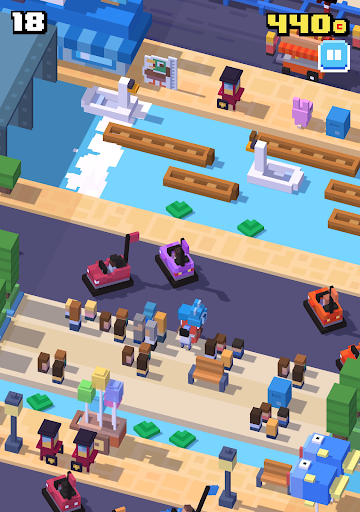
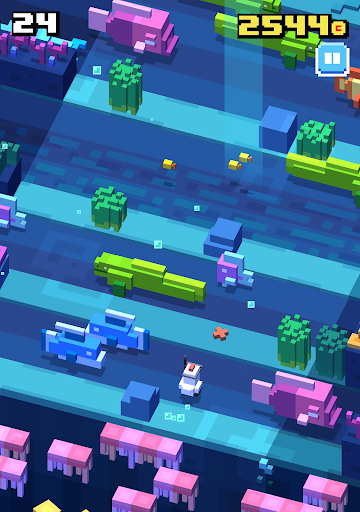
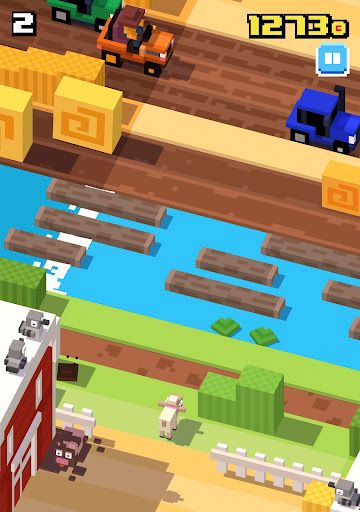
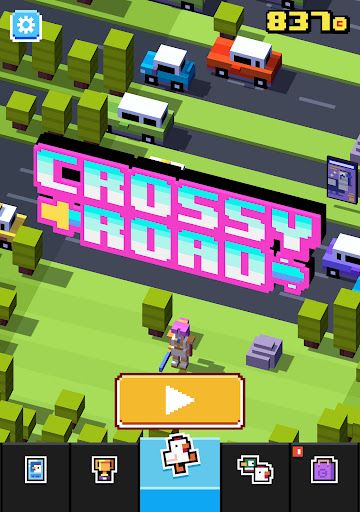
Crossy Road Unleashed: A Deep Dive into Casual Gaming Mastery
I reopened Crossy Road expecting to spend a few minutes revisiting a familiar mobile game. I remembered the basic idea clearly: move a blocky character across busy roads, avoid traffic, jump over rivers, and continue until one bad decision ends the run. It sounded too simple to hold my attention for long.
Then I missed a safe opening by half a second, restarted immediately, reached a new personal best, and spent the next hour telling myself that the following attempt would be the last one.
Crossy Road has the kind of design that looks almost effortless from the outside. The controls require only a few gestures, the objective can be explained in one sentence, and an unsuccessful run may last less than a minute. Beneath that simplicity, however, there is an unusually precise arcade rhythm. Every hop is a small commitment, every pause creates new pressure, and every line of traffic asks me to make another quick calculation.
The First Road Taught Me Everything
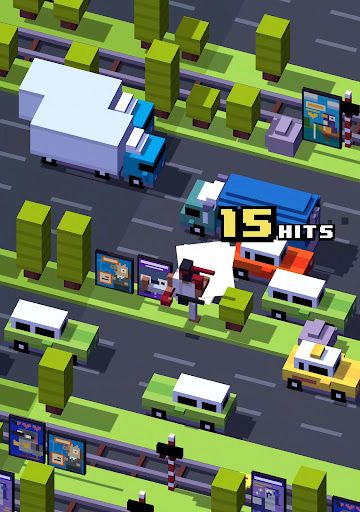
Crossy Road did not need a long tutorial to explain itself. I tapped the screen, my chicken moved forward, and the traffic immediately showed me why timing mattered. Swiping left or right allowed me to reposition, while moving backward offered a temporary escape from a poor decision.
The controls felt responsive from the beginning. Each input moved the character one clear space, so I rarely wondered whether the game had understood my command. When a run ended, I could usually identify the exact mistake. I had moved too early, waited too long, ignored a vehicle approaching from the edge of the screen, or jumped onto a log without checking where it would carry me.
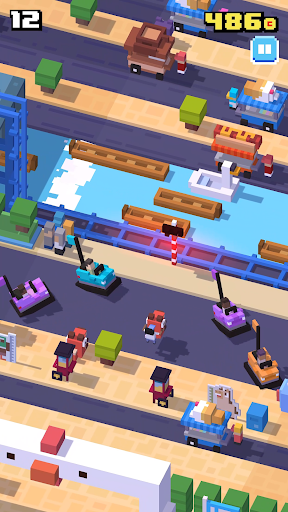
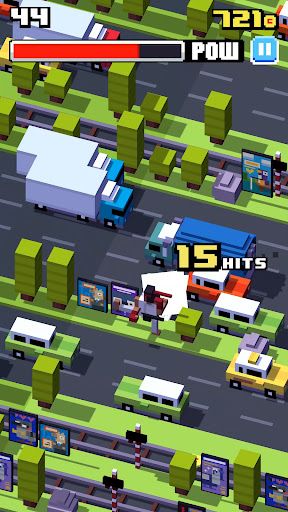
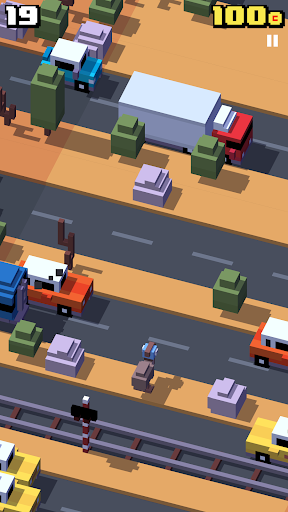
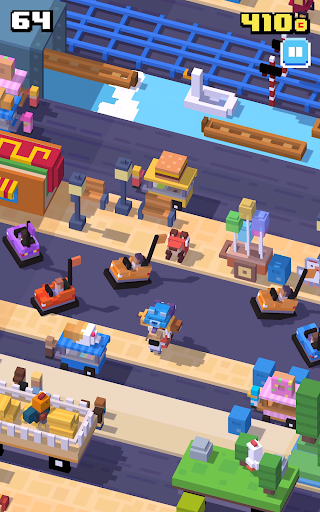
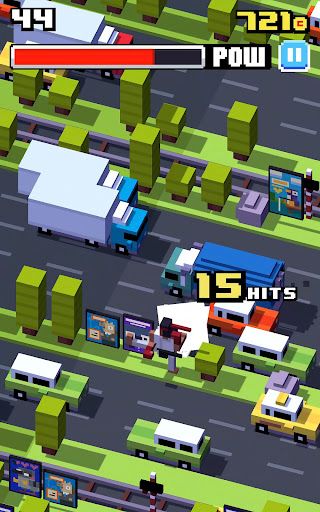
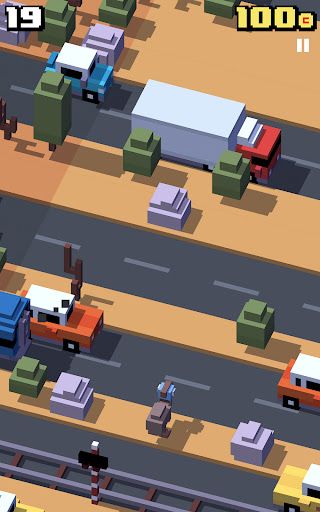
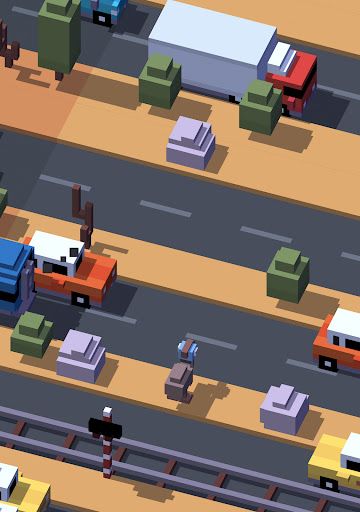
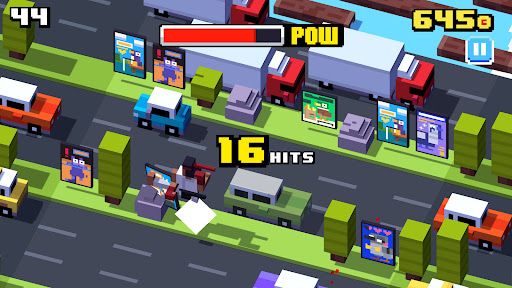
This clarity made failure easier to accept. Crossy Road is demanding, but it generally does not hide its rules. Cars follow visible lanes, trains provide warning signals, rivers require moving platforms, and open fields create short opportunities to plan. The challenge comes from reading several systems quickly rather than discovering an invisible trap.
My Runs Developed a Three-Part Rhythm
After enough attempts, I noticed that most of my successful sessions followed the same emotional pattern.
The Careful Opening
During the first section, I played patiently. I checked both directions before crossing, avoided unnecessary sideways movement, and treated every lane like a separate puzzle. My previous score was still far away, so there was no reason to rush.
The Confident Middle
Once I established a rhythm, my inputs became faster. I started reading several lanes at once and moving through openings without stopping after every hop. This was when Crossy Road felt most satisfying. The character appeared to flow through the environment, and obstacles that had previously demanded concentration became part of one continuous sequence.
The Nervous Record Attempt
Everything changed when I approached my best score. I began thinking about the number instead of the road. Safe opportunities suddenly looked suspicious, and simple crossings became stressful. Sometimes I became too cautious and allowed the screen pressure to catch up with me. On other attempts, I rushed because I wanted to secure a few more points before something went wrong.
The game did not change during this final phase. My own awareness of the score changed how I played. That psychological shift gave each record attempt far more tension than the cheerful visuals initially suggested.
Standing Still Is Not a Real Strategy
My first instinct was to wait for perfectly safe openings. That worked briefly, but Crossy Road does not allow endless hesitation. The camera continues moving forward, creating pressure on players who remain too far behind.
I liked this system because it prevented me from solving every road through unlimited patience. I could stop long enough to inspect traffic, but I could not transform the game into a slow turn-based puzzle. Eventually, I had to choose a route and commit.
This pressure also created some of my worst decisions. When I heard the warning that I was falling behind, I often made several desperate moves at once. A lane that would have been manageable with calm timing became dangerous because I was trying to recover lost distance.
Over time, I learned that efficient movement was more important than constant speed. The best approach was not to hop forward as quickly as possible. I needed to identify sections where several safe moves could be chained together, then use quieter areas to reset my attention.
Traffic Became a Pattern Instead of a Threat
At first, every vehicle felt unpredictable. I focused on whichever car was closest to my character and reacted to it individually. This worked on simple roads but became unreliable when several lanes moved at different speeds.
I improved when I started reading traffic as a complete pattern. Slow vehicles created moving barriers, while faster lanes required earlier decisions. Trucks occupied more visual space and could hide the timing of objects behind them. Some crossings rewarded a quick sequence of inputs, while others required me to stop on a narrow safe strip and wait.
I also stopped assuming that moving forward was always the best choice. A sideways hop could align me with a better opening several lanes ahead. Moving backward occasionally saved a run when I had entered a lane too early. The scoring system encourages progress, but the movement system gives enough flexibility to recover from imperfect positioning.
Those recovery moments were often more satisfying than clean crossings. Escaping from a poor route with several precise hops made me feel as though I had solved a problem in real time rather than simply memorized a pattern.
The River Changed the Rules Without Changing the Controls
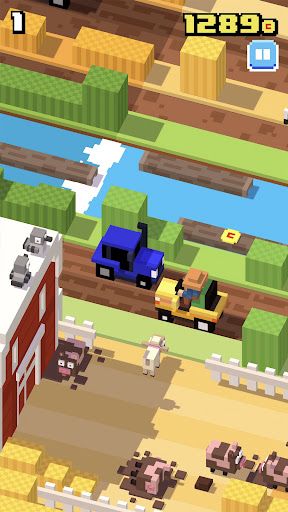
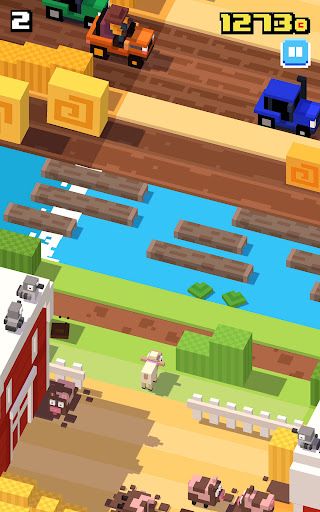
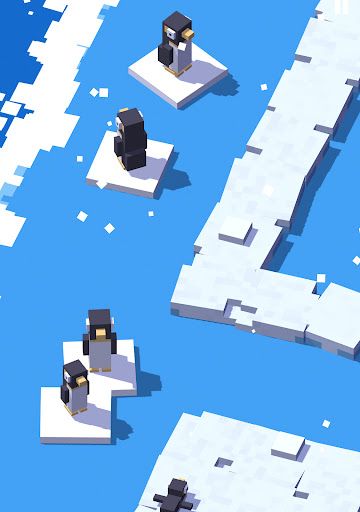
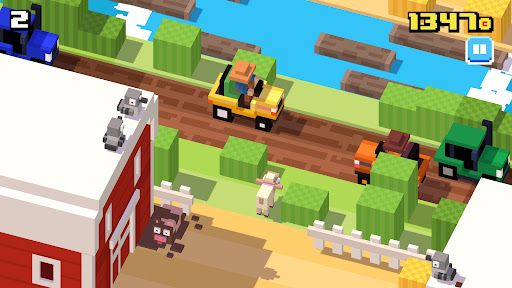
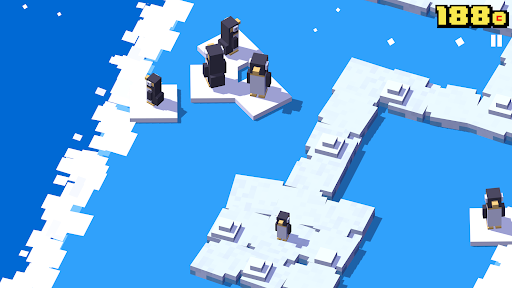
Roads taught me to avoid moving objects. Rivers required me to use them. Logs and other platforms became temporary pieces of safe ground, but they carried my character sideways while I planned the next move.
I enjoyed how the river reused the same basic controls while creating a completely different challenge. On a road, standing still can be safe for a moment. On a floating platform, standing still may move me toward the edge of the playable area. I had to think about both my current position and the direction of the object beneath me.
The most common mistake I made was focusing only on the next log. I would make a safe landing and then discover that the platform was carrying me away from every useful follow-up position. Better runs required me to look several moves ahead before entering the water.
The river also punished panic. Rapid taps sometimes moved me beyond the intended platform, while hesitation allowed a useful route to drift away. Finding the correct tempo felt like playing a tiny rhythm game hidden inside the larger arcade loop.
The Train Tracks Created My Favorite Kind of Tension
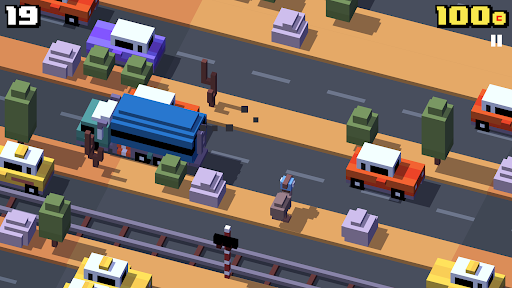
Railway sections were rarely complicated from a mechanical perspective. The warning signals gave me enough information to understand when a train was approaching. The difficulty came from deciding whether I had enough time to cross.
I frequently reached the tracks while concentrating on another obstacle and noticed the warning later than I should have. The sound immediately changed my priorities. A planned sequence of movements became an emergency decision between advancing, retreating, or finding a safer position.
These moments worked because the danger was clearly communicated. I did not feel that the game was relying on surprise alone. It showed me the warning, trusted me to respond, and allowed my own impatience to create the problem.
Crossing immediately before a train passed gave me a brief rush, even when the decision had been unnecessarily risky. Waiting safely was smarter, but it never produced quite the same feeling.
The Characters Gave Me Reasons to Care About Coins
My score was the main reason to continue playing, but collecting characters gave each run a second purpose. Coins appeared throughout the environment, encouraging small detours away from the safest route. Gathering enough of them allowed me to use the prize system and add another character to my collection.
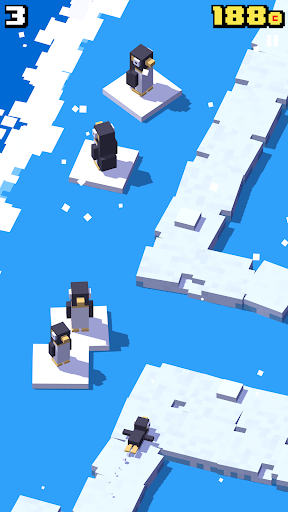
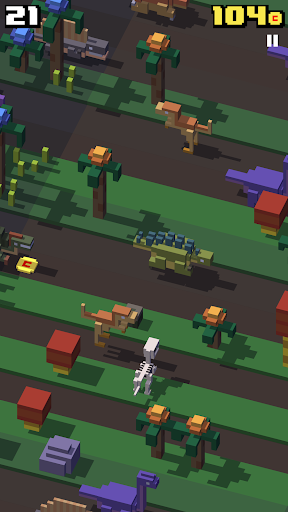
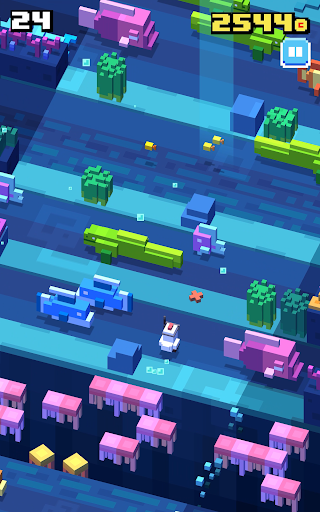
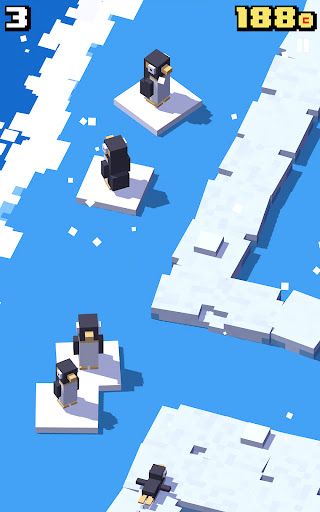
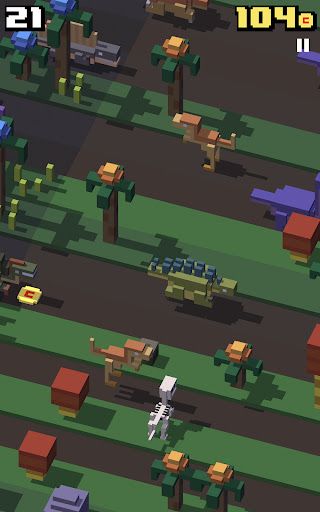
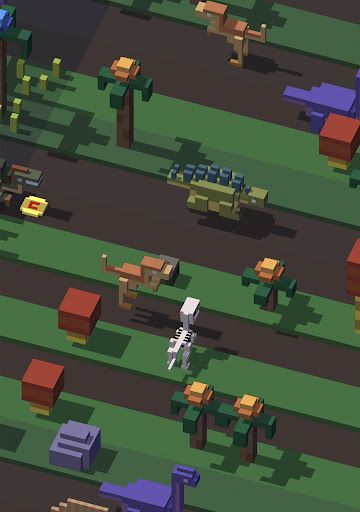
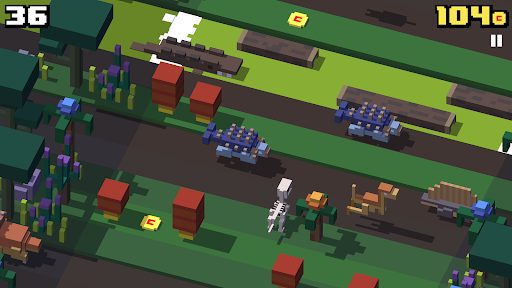
I liked that the characters were more than simple menu portraits. Many of them changed the appearance, sounds, atmosphere, or small details of the world. A new character could make a familiar run feel different even though the core rules remained unchanged.
This transformed collection into a form of visual discovery. I wanted to see how each character moved, what environment appeared around it, and whether it introduced any unusual effects. Some became favorites because of their design, while others were entertaining for a few attempts before I returned to a more readable model.
The blocky style allowed the roster to become wonderfully strange. Animals, people, objects, and unexpected creatures could all exist together without looking as though they belonged to completely different games.
How My Priorities Changed During a Run
- At the beginning, I focused on finding a stable rhythm;
- After spotting a coin, I considered whether the detour was reasonably safe;
- Near my personal best, I ignored most optional pickups;
- With a newly unlocked character, I paid more attention to environmental changes;
- During challenge attempts, I adjusted my route around the specific objective.
This shifting motivation kept the endless format from feeling completely empty. I was always moving forward, but the reason for taking a particular path could change from one session to the next.
Some Characters Were Harder to Read
Not every unlock improved my performance. Certain character designs, visual effects, or themed environments made the screen busier than the default presentation. A larger model could make positioning feel less precise, while unusual lighting occasionally made approaching hazards harder to notice.
I did not consider this a serious problem because most characters were clearly designed for personality rather than competitive advantage. Still, when I wanted to challenge my best score, I usually selected a character and environment that allowed me to read traffic quickly.
This created two distinct ways to play. Collection sessions were about novelty, experimentation, and discovering unusual presentation changes. Record sessions were more focused, and I chose whichever setup made the environment easiest to understand.
The Voxel Style Has Aged Better Than I Expected
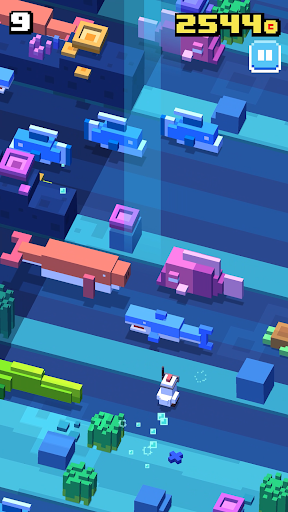
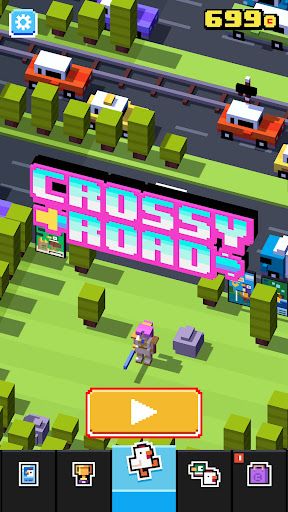
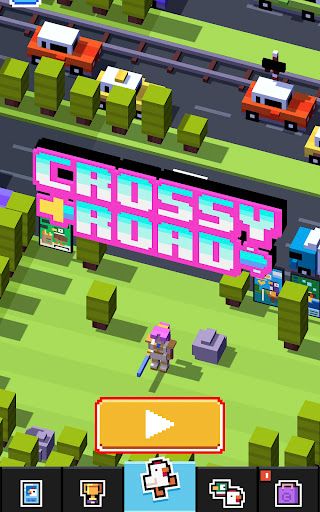
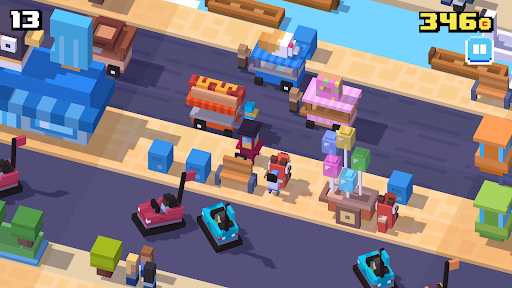
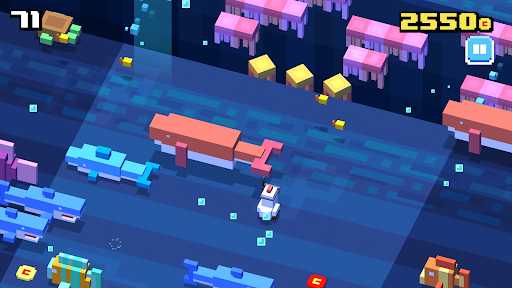
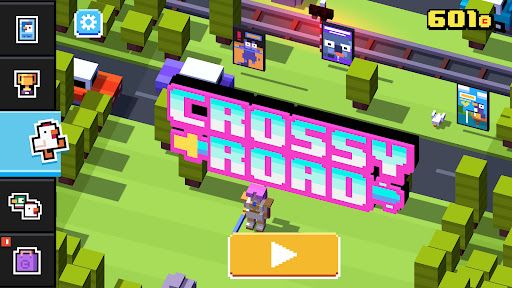
Crossy Road’s visual design remains one of its strongest features. The characters and environments are built from chunky shapes that are immediately recognizable on a small screen. Vehicles have clear silhouettes, lanes are easy to identify, and interactive objects remain visually separate from the background.
The style is playful without becoming visually confusing. Bright colors support the arcade atmosphere, while simple geometry helps me understand movement at a glance. Even during faster runs, I could usually distinguish safe spaces from incoming hazards.
The block-based presentation also gives the game a timeless quality. It does not depend on realistic textures or detailed character models that quickly reveal their age. Crossy Road looks intentionally simplified rather than technically limited.
Small animation details add personality. Characters bounce forward with each movement, vehicles cross the screen with exaggerated clarity, and unsuccessful attempts often end with a brief visual joke. These reactions are quick enough that they do not interrupt the restart rhythm.
Restarting Was Almost Too Easy
One reason I played far longer than planned was the speed of restarting. After a run ended, I could begin another attempt almost immediately. There was very little downtime between failure and the next decision.
This matters in a game where runs can be extremely short. A long results sequence would have made repeated attempts frustrating. Instead, Crossy Road preserves momentum. I was often back on the first field before fully processing the previous mistake.
The downside is that the game makes it easy to enter an automatic cycle. I would finish a run, restart without thinking, and only later realize that several supposed final attempts had passed. The design is excellent for short sessions, but it also encourages those sessions to expand.
I eventually began setting a simple stopping rule. I would play until I unlocked one prize, completed a selected challenge, or made three serious record attempts. Without a clear endpoint, the phrase “one more run” had very little meaning.
Advertisements Interrupted the Arcade Flow
The free-to-play structure was most noticeable when advertising appeared between parts of the experience or when optional rewards encouraged me to watch a video. I understood why these systems existed, but they contrasted sharply with the otherwise fast rhythm.
Crossy Road feels best when I move directly from one attempt to the next. Any interruption becomes more noticeable because the actual gameplay is so immediate. A long advertisement can last as long as several unsuccessful runs.
I appreciated having choices around some reward opportunities. Watching a video could provide an extra benefit, while ignoring it allowed me to return to the game. However, the collection system made certain rewards tempting, especially when I was close to another character unlock.
My enjoyment improved when I treated optional advertising as genuinely optional rather than feeling obligated to maximize every reward. The game’s strongest motivation remained personal improvement, not the speed at which I completed the collection.
Challenge Modes Gave My Skill a Direction
Endless score chasing was enough to keep me engaged, but additional objectives helped break my usual habits. A challenge could encourage a different character choice, ask for a particular performance, or place my result within a more specific competitive context.
I noticed that focused objectives changed how I evaluated risk. During a standard run, I wanted to preserve progress for as long as possible. During a challenge, I sometimes accepted dangerous routes because the required target mattered more than the final distance.
These modes also provided a useful answer to the question of what to do after reaching a score that felt difficult to improve. Instead of repeatedly chasing the same number, I could work toward a smaller and more immediate target.
The core mechanics remained identical, but a different objective changed the meaning of each decision. That is an efficient way to add variety without making Crossy Road lose its simple identity.
I Became Better When I Stopped Watching My Character
One of the most important improvements in my play came when I stopped staring directly at the character. The current position was usually easy to understand. The more valuable information existed farther ahead.
I began watching incoming traffic, identifying gaps in future lanes, and noticing which side of the river offered better platform alignment. This gave me more time to prepare and reduced the number of emergency corrections.
The technique felt similar to driving games where looking only at the front of the vehicle makes every corner harder. Crossy Road rewards attention that extends beyond the immediate tile.
I still checked my character during complicated sideways movement, but my main focus shifted toward the space I wanted to occupy next. Once that happened, the game felt slower even though the obstacles had not changed.
My Personal Rules for Better Runs
- I avoid entering a lane unless I already see a possible exit;
- I use sideways movement before a crossing rather than during the most dangerous part;
- I ignore coins when collecting them would place the run at obvious risk;
- I do not remain on logs longer than necessary;
- I treat train warnings as immediate information rather than background sound;
- I stop checking the score when I approach my personal record;
- I keep moving often enough that screen pressure never becomes the main problem.
None of these rules guarantee a high score. Procedural layouts still create difficult combinations, and a single impatient tap can erase several minutes of careful play. They simply reduced the number of attempts that ended because of habits I could control.
Crossy Road Worked Best in the Spaces Between Other Games
I rarely opened Crossy Road because I wanted a long gaming session. I played while waiting for a download, before joining friends online, during a short break, or after finishing a more demanding game. Its immediate controls made it easy to begin without remembering a story or complicated control layout.
That flexibility became one of its greatest strengths. I could play for two minutes and still complete a meaningful attempt. I could also continue for much longer when I became interested in improving a score or unlocking another character.
The game never asked me to manage a large inventory, follow a quest journal, or study upgrade statistics. Every returning session began with the same understandable question: how far could I move this time?
Why the Simple Formula Still Worked on Me
Crossy Road held my attention because every input mattered. There were no meaningless stretches where I could stop paying attention. Even the quietest field was preparing me for the next road, river, or railway section.
The procedural layout created enough variation that I could not follow one memorized route. At the same time, the individual obstacles remained familiar enough for skill to matter. I learned traffic patterns, improved my awareness, and became more confident at planning several moves ahead.
The character collection added charm without replacing the arcade foundation. New visual themes made repeated attempts feel fresher, but I continued playing because movement itself felt responsive and readable.
Crossy Road is not a game I completed. It became a score I continued negotiating with. Every personal record looked impressive for a few minutes, then transformed into another target waiting to be passed. I could close the app satisfied, but I always remembered the lane where the last attempt went wrong.
That unfinished feeling was exactly what brought me back. I never needed a complicated reason to begin again. I only needed to believe that the next opening in traffic would be slightly better—or that I would finally be patient enough to use it.
Pros:
- Simple and intuitive controls that allow for easy pick-up and play.
- Optimized cross-platform compatibility ensuring smooth performance on mobile, PC, and web.
- Nostalgic pixel art style combined with modern design aesthetics.
- Frequent content updates including seasonal events and new characters that keep the game fresh.
- Free to download with accessibility features such as unblocked access in restricted environments.
- Engaging and addictive gameplay that appeals to both casual and seasoned gamers.
Cons:
- Limited depth in gameplay mechanics may not satisfy hardcore gamers.
- Potential interruptions from in-app purchases or ads may detract from the seamless experience.
- Repetitive gameplay can lead to reduced interest for long-term players.









Recent Reviews

Minecraft

Grand Theft Auto V

Toca Boca World

Roblox

Leave a comment
Your comment is awaiting moderation. We save your draft here
0 Comments