
Review
Fortnite Battle Royale is one of the few games where taking a long break can make returning feel like arriving in another timeline. Fam...
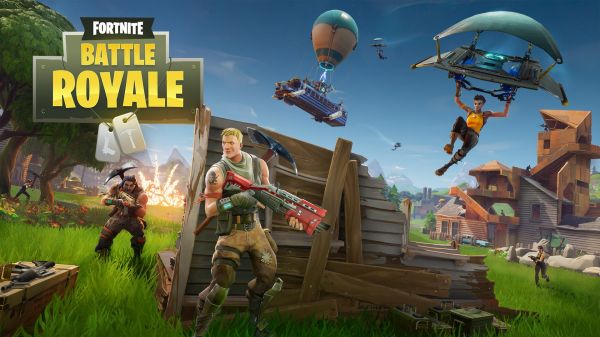

Fortnite Unleashed: Mastering the Art of Battle, Creativity, and Community
Fortnite Battle Royale is one of the few games where taking a long break can make returning feel like arriving in another timeline. Familiar weapons may have disappeared, entire districts can be replaced, movement systems change, and a new seasonal mechanic may suddenly define how every player approaches the middle of a match. The basic objective remains wonderfully clear: land on an island, gather useful equipment, survive the shrinking storm, and become the final player or squad standing. Everything surrounding that objective is allowed to change so aggressively that Fortnite rarely feels completely settled.
I originally understood it as a colorful battle royale with an unusual building mechanic, but that description has become increasingly incomplete. Fortnite now contains Zero Build, Reload, ranked competition, creator-made experiences, concerts, social spaces, racing, rhythm modes, and collaborations drawn from almost every recognizable corner of popular culture. Even when I focus only on Battle Royale, the larger platform affects its identity through cosmetics, progression, events, and the constant expectation that another major change is approaching. The game’s greatest strength is its ability to evolve, although that same restlessness can make it difficult to love one specific version before it disappears.
The Battle Bus Still Creates an Excellent Opening Decision
Every standard match begins above the island in the Battle Bus, giving me a short period to examine the route and decide where the next story will begin. I can jump toward a popular location filled with immediate danger, choose a quiet edge of the map, or adjust the destination after seeing how many players leave early. This decision looks simple, but it influences available loot, storm distance, nearby opponents, mobility options, and the amount of time available before the first serious encounter. A thoughtful landing can create a stable match, while a rushed one may end before I have found a suitable weapon.
I enjoy the uncertainty created during the descent because every visible glider represents another calculation. One opponent may be heading toward the same rooftop, a full squad could be approaching from behind, and another player might abandon the area after recognizing the competition. Landing first matters, but selecting the correct object on the ground can matter even more. A powerful weapon is useful only if I reach it before the person landing through the next window.
The Battle Bus also makes every part of the island relevant eventually. A location ignored during one route may become the central early destination in the next match. Daily quests, seasonal objectives, and unusual loot can encourage me to leave familiar landing spots without permanently forcing one approach. The opening remains effective because it combines freedom with incomplete information.
Landing Locations Create Different Types of Matches
Named locations usually offer dense loot, recognizable structures, vehicles, NPCs, and enough activity to support several players. Landing there can provide a strong inventory quickly, but it also creates immediate competition before anyone has established a reliable loadout. Smaller landmarks offer fewer resources but more time to organize. Choosing between them is one of the most consistent strategic pleasures in Fortnite.
I often prefer landing near a major location rather than directly inside it. A nearby structure may provide enough equipment to approach the larger area after its earliest chaos has passed. The surviving players may carry better items, but they are also likely to have damaged shields and reduced ammunition. This approach is less exciting than contesting the central building immediately, yet it produces more consistent results.
The most memorable locations combine practical design with strong personality. A district should provide recognizable routes, height differences, interiors, cover, and escape options without becoming visually confusing. Fortnite has produced cities, castles, forests, resorts, temples, industrial areas, underground spaces, and surreal landmarks that support very different encounters. The strongest maps feel like collections of tactical neighborhoods rather than decorative themes spread across empty land.
Looting Is Fast Enough to Maintain Momentum
Weapons and supplies are found in chests, containers, buildings, eliminated players’ inventories, NPC services, and special seasonal objectives. Items are communicated through recognizable shapes, sounds, rarity colors, and clear inventory slots, allowing me to evaluate most discoveries quickly. I rarely need to study a long statistics window while another player is approaching. Fortnite understands that looting should prepare combat rather than delay it.
The limited inventory space creates useful decisions because carrying several weapons reduces room for healing and mobility. A balanced setup may include options for short and medium distance, one recovery item, and a tool for escaping or repositioning. Seasonal powers and unusual equipment make that structure less predictable. I frequently carry something entertaining instead of something statistically safe because Fortnite rewards experimentation more than rigid realism.
Inventory organization becomes part of muscle memory. I place similar weapon types in consistent slots so that switching during pressure requires less thought. A poorly arranged inventory can turn one simple action into the wrong item appearing at the worst moment. The game never explains how personal these habits become, but experienced players often organize their equipment before they consider the area completely safe.
The Weapon Pool Gives Every Season Its Combat Identity
Fortnite changes its available arsenal regularly, introducing new weapons while returning others to storage. This rotation prevents one permanent set of equipment from defining every year of play. A season dominated by precise rifles feels different from one built around fast movement and powerful close-range options. Learning the current arsenal becomes part of returning after each major update.
I enjoy weapon variety most when every category has a clear purpose. A shotgun should reward control at close distance, assault rifles need dependable flexibility, precision weapons should provide value for careful aim, and explosive tools should influence structures or defended positions. Problems appear when one item performs too many roles without a meaningful weakness. The community identifies those outliers quickly, and popular matches can begin revolving around whoever finds the dominant option first.
Frequent balancing keeps the game active but can make improvement feel temporary. I may spend weeks understanding one weapon’s timing only for its behavior to change or for the item to disappear completely. This encourages broader mechanical skill rather than attachment to one loadout. It also means that the game occasionally removes the exact combat rhythm I was enjoying.
Gunplay Is Accessible Without Being Mechanically Empty
Fortnite’s shooting is easy to understand because weapon roles, crosshair feedback, hit information, and animation remain visually clear. The colorful presentation does not prevent encounters from demanding strong aim, movement, positioning, and prediction. Recoil and accuracy vary by weapon, while movement and distance affect how confidently I can maintain pressure. The game welcomes new players without guaranteeing that they can immediately compete with experienced opponents.
Third-person perspective provides valuable awareness but also creates corner-peeking behavior. I can gather information while remaining mostly protected, especially around buildings, terrain, or player-created structures. This makes positioning important before either person fires. A player controlling the better camera angle can force the opponent to reveal themselves first.
Encounters feel best when weapon feedback and server response agree clearly. Occasional latency, visual obstruction, or unusual projectile behavior can make a result difficult to understand. These frustrations matter because a single exchange may end the entire match. Fortnite generally communicates combat well, but its speed leaves little room for technical inconsistency.
Shotguns Define the Most Intense Encounters
Close-range fights often revolve around one carefully timed shotgun attack followed by rapid weapon switching, movement, or building. Accuracy matters because missing creates a short period where the opponent can take control. A successful hit may not end the encounter, but it changes who can afford to remain aggressive. This creates compact duels where confidence and restraint compete constantly.
Different shotgun designs alter the rhythm substantially. Some reward one deliberate shot, while others provide faster follow-up attacks with less individual impact. Magazine size, reload behavior, range, and spread determine whether the weapon supports sudden aggression or controlled defensive play. The strongest seasonal balance allows several versions to remain useful according to personal style.
I find these encounters satisfying because they expose mechanical hesitation immediately. Entering a room without understanding where the opponent stands can become expensive. Jumping constantly may make movement unpredictable while reducing my own accuracy. Good close-range play looks chaotic from outside but usually depends on very precise decisions.
Long-Range Combat Rewards Patience and Position
Rifles and precision weapons allow players to influence encounters before committing to close combat. Height, cover, storm direction, and visibility determine whether a distant shot creates a real advantage or merely reveals my location. Damaging one member of a squad can delay its movement while teammates provide healing. A patient player can control open terrain without needing to pursue every target immediately.
The island’s visual style makes distant players relatively readable, although vegetation, effects, and seasonal environments occasionally create concealment. Projectile travel and weapon-specific behavior require leading moving targets rather than placing the crosshair directly on them in every situation. The satisfaction of predicting a gliding or sprinting player is considerable. Missing several shots can consume ammunition and invite another team to approach from behind.
I rarely remain focused on one distant opponent for too long because gunfire attracts attention. Another squad may use the exchange as an opportunity to move closer or attack whichever side appears weaker. Fortnite’s battles frequently expand beyond the two players who began them. Long-range pressure is useful, but complete awareness remains more valuable than one impressive shot.
Building Remains Fortnite’s Most Transformative Mechanic
Building allows players to place walls, floors, ramps, and roofs using collected materials. These simple pieces can create instant cover, vertical routes, defensive boxes, bridges, observation platforms, and elaborate structures assembled under pressure. A player caught in open ground is not limited to searching for natural protection. The battlefield can be reshaped in seconds.
This mechanic changes the meaning of aim because dealing damage does not guarantee continued visibility. An opponent can block the next shot, heal, move upward, or create a protected path toward a better position. Pressure depends on understanding structures and resource limits rather than firing continuously. Every encounter becomes partly a contest over who controls the available space.
Building is also the game’s largest barrier for new players. Experienced builders place and edit pieces with a speed that can make the mechanic appear impossible to follow. Someone entering because of a recognizable collaboration may discover that ordinary shooting skill does not prepare them for rapid construction. Fortnite eventually addressed this divide through Zero Build, but the original mode remains mechanically unique.
Editing Separates Basic Construction From Mastery
Placed structures can be modified to create doors, windows, openings, and altered shapes. Editing allows me to attack through one controlled angle and then restore protection immediately. It can also provide faster movement through a structure or trap an opponent inside an unfavorable route. The mechanic transforms basic walls into interactive tactical objects.
Strong editing requires memory, precision, timing, and awareness of ownership. A piece controlled by the opponent cannot be manipulated in the same way, making structure replacement and pressure essential. High-level encounters become a rapid argument over who owns one wall and which opening will appear first. These exchanges are difficult to appreciate fully until I understand the decisions hidden behind the speed.
The learning curve is severe, but successful improvement feels rewarding because the skill is highly visible. A route that once required several hesitant inputs eventually becomes one smooth action. Creative training maps help isolate these mechanics outside normal matches. The game’s broader platform has become one of the best places to practice the exact systems that make its primary mode intimidating.
Build Battles Can Be Brilliant and Absurd
Two players can begin fighting in an empty field and create a large vertical structure within seconds. Each person attempts to gain height, protect vulnerable angles, and predict the other’s next placement. The resulting construction may look chaotic, but its shape records the sequence of tactical decisions. Every ramp and wall exists because someone needed protection or access at one specific moment.
These battles become excessive when height grows without producing meaningful pressure. Players may spend large amounts of material climbing above one another while the storm approaches or another team begins attacking the structure. The entire construction can collapse after its lower support is removed. Fortnite constantly reminds ambitious builders that gravity and third parties remain part of the match.
I enjoy building most when it solves an immediate problem rather than becoming a performance. One protective wall, a short ramp, or a fast box can matter more than an elaborate tower. Mechanical ability should support awareness rather than replace it. The strongest players know when construction is useful and when it merely announces their position.
Zero Build Reveals How Strong the Underlying Shooter Has Become
Zero Build removes player construction and replaces part of that lost protection with overshield and additional movement options. Terrain, existing buildings, vehicles, and portable defensive tools become significantly more important. Players cannot create safety in open space whenever they want, so route planning begins earlier. The mode feels more familiar to players arriving from traditional shooters while remaining recognizably Fortnite.
I enjoy Zero Build because it emphasizes natural cover and coordinated movement. Crossing a field without mobility or defensive equipment can be extremely dangerous. Height remains valuable, but reaching it depends on terrain, ziplines, launch tools, vehicles, or seasonal items rather than instant ramps. The map becomes more important because its original geometry cannot be rewritten completely.
The mode also proves that Fortnite’s success no longer depends entirely on building. Weapon design, movement, map readability, seasonal mechanics, and squad communication can support the experience independently. Zero Build is not simply an easier version because mistakes in positioning can be harder to repair. It trades construction complexity for stronger commitment to routes and cover.
Movement Has Become One of the Game’s Best Features
Sprinting, sliding, mantling, swimming, ziplines, launch devices, vehicles, and seasonal mobility items make crossing the island fluid. Fortnite no longer feels like a character moving stiffly between shooting positions. I can combine a sprint with a slide, climb over an obstacle, and continue toward cover without interrupting the rhythm. These actions make both exploration and combat more expressive.
Movement tools also influence loadout decisions. Carrying a mobility item may reduce the number of weapons or healing supplies available, but it can save the match when the storm changes direction. Some items support controlled repositioning, while others launch players dramatically and reveal their route to everyone nearby. The best options provide escape without guaranteeing safety.
Seasonal mobility occasionally becomes too dominant. When one item allows rapid travel with limited risk, ordinary terrain and vehicles lose value. Removing or adjusting that tool can then make the next version of the game feel much slower. Fortnite continually experiments with movement, and not every experiment preserves the same balance.
The Storm Gives Every Match a Necessary Direction
The storm gradually closes around the island, damaging players who remain outside the safe zone. This simple system prevents indefinite hiding and forces separate groups toward overlapping routes. Early circles allow freedom, while later ones turn small pieces of terrain into contested objectives. The match gains structure without prescribing one exact journey.
Storm awareness begins long before damage is applied. Landing far from the next circle may require early movement, a vehicle, or enough healing to survive a delayed route. Ignoring the map because one area contains good loot can create a difficult journey later. A strong inventory provides little comfort when the safe zone is several minutes away.
Late circles create the most intense strategic pressure because movement becomes visible and dangerous. One ridge, building, or small patch of cover may determine which squad controls the next rotation. In build modes, materials provide additional flexibility, while Zero Build makes natural terrain even more valuable. The storm turns survival into movement rather than allowing the strongest position to remain permanent.
Vehicles Change More Than Travel Speed
Cars and other vehicles provide fast movement, temporary protection, storage opportunities, and enough noise to attract everyone nearby. Driving across open terrain can save time while revealing the squad’s position from a considerable distance. A vehicle may become an escape tool, improvised weapon, elevated platform, or dangerous object ready to explode. Its usefulness depends on how much attention the squad is willing to attract.
I enjoy using vehicles when the storm requires decisive movement. A full squad can cross a large distance quickly and arrive with enough time to choose a position. The danger appears when everyone exits into an area already watched by another team. Fast travel solves distance but does not guarantee a safe destination.
Vehicle handling has changed across different seasons and specialized modes, but the core Battle Royale implementation generally prioritizes accessibility over simulation. Cars are easy to drive, recover from minor collisions, and use across uneven terrain. This supports the game’s fast rhythm. The physics still create enough unpredictability for a routine journey to become a memorable accident.
NPCs Make the Island Feel Less Empty
Non-player characters can offer services, items, information, challenges, or assistance depending on the season. Their presence gives locations small points of identity beyond architecture and loot. A character may sell a useful weapon, provide healing, reveal future storm information, or accompany the player temporarily. These services create strategic reasons to visit quieter parts of the map.
The system works best when NPCs support rather than dominate the match. Hiring assistance can provide useful pressure, but AI behavior should not determine an encounter more strongly than player decisions. Boss-style characters and guarded locations can create high-risk loot opportunities. Their value depends on whether the reward justifies announcing my presence through a long fight.
Seasonal narrative often appears through these characters. Dialogue, map changes, quests, and live events gradually explain why the island has transformed again. I rarely follow every detail, but the recurring cast gives longtime players a sense of continuity. Fortnite’s story behaves like a comic event stretched across years, with characters disappearing and returning whenever the next season needs them.
Seasonal Powers Can Reinvent the Entire Match
Fortnite frequently introduces temporary abilities connected to its current theme or collaboration. These can provide movement, protection, destructive attacks, information, or unusual environmental interaction. One powerful item may change how players approach open terrain and final circles. The season becomes memorable because of the situations that tool creates.
I enjoy these mechanics when they are strong enough to feel special but limited enough that ordinary weapons remain relevant. A seasonal power should create another tactical option rather than become mandatory equipment for every serious player. Availability matters as much as strength because one rare item can give a lucky player an enormous advantage. Competitive modes often need a more restrained version of the same sandbox.
Temporary content gives Fortnite permission to be playful. An idea does not need to support the game forever because it can disappear when the season ends. This encourages experiments that a more permanent shooter might avoid. It also means that a favorite mechanic may vanish before I am ready to stop using it.
Sprites Add Collection to the Survival Loop
The seasonal Sprite system changes the meaning of discovering one unusual creature during a match. Extracting it can add the Sprite to a wider collection and allow its ability to influence later deployments. Some support defense or mobility, while rarer examples can affect an encounter more dramatically. This creates progression connected directly to actions performed on the island.
I like the risk involved because extraction requires surviving long enough for the discovery to matter. Finding a desirable Sprite creates another reason to avoid unnecessary combat and protect the current run. The player is no longer carrying only weapons and healing supplies; the match contains something that may affect future ones. This introduces a light extraction-style tension without replacing the Battle Royale objective.
The system can become unbalanced if collected powers create too large a difference between experienced and returning players. Fortnite works best when every participant begins with the same empty inventory and earns power through the current match. Persistent advantages need careful limits so that collection remains exciting without weakening that equality. The seasonal nature makes experimentation easier, though fairness still matters immediately.
Reload Provides a Faster Version of the Same Tension
Reload uses a smaller environment, quicker encounters, familiar locations, and a team-based return mechanic that allows eliminated players to re-enter while squad conditions remain active. Matches develop faster because nearby combat begins almost immediately. The mode reduces the long recovery time after an early mistake. It is useful when I want Battle Royale pressure without committing to the complete pacing of the main island.
The ability to return changes squad behavior. One player may retreat to preserve the team while others wait for another opportunity. Aggressive pushes become less final during the early stages, but survival becomes increasingly important as the match approaches its end. The mode retains consequence while allowing more action per session.
I consider Reload a strong alternative rather than a replacement. Standard Battle Royale offers broader travel, more varied locations, and a slower shift from preparation toward conflict. Reload concentrates the same mechanics into repeated encounters. Having both allows Fortnite to support different session lengths without abandoning its central identity.
Squad Play Turns Information Into a Shared Resource
Playing with a coordinated team changes every stage of a match. Squad members can mark enemies, share ammunition, distribute healing, watch different directions, and carry complementary equipment. One person may specialize in mobility while another carries tools suited to defended positions. The inventory of the squad becomes more important than the inventory of one player.
Communication matters most during movement and recovery. A player beginning an attack without warning may expose everyone, while a clearly marked target allows the squad to focus pressure. Reviving a teammate requires protection, and recovering a reboot card can become more dangerous than abandoning the area. Team survival frequently depends on whether everyone understands the same immediate objective.
Fortnite supports communication through markers and contextual information even when voice chat is unavailable. I can identify locations, items, threats, and intended movement without speaking. This makes public squads more manageable, although it cannot guarantee cooperation. Some players follow their own route regardless of every marker placed in front of them.
Reboot Vans Give Squads a Reason to Take Risks
A fully eliminated teammate can return if the squad recovers their card and reaches an available Reboot Van. This prevents one early mistake from forcing a player to watch the rest of a long match. The mechanic also creates clear rescue objectives that may pull the surviving team back into a dangerous location. Loyalty becomes a tactical choice rather than a purely emotional one.
Rebooting is rarely quiet because the van creates visible and audible signals. Nearby teams can approach while the returning player arrives with limited equipment. The surviving squad must prepare weapons, healing, and a safe route before beginning the process. A successful reboot can restore the match, while a careless attempt can remove everyone still alive.
I enjoy how the system creates comeback stories without making elimination meaningless. Cards expire, vans may be exposed, and the storm can prevent recovery. The squad still pays a substantial price for the original defeat. The opportunity exists, but success requires another risky decision.
Solo Matches Produce a Cleaner Form of Pressure
Solo play removes the possibility of rescue and makes every encounter final. I control the landing, route, inventory, and decision to engage without needing to negotiate with teammates. This creates a focused relationship with the island. Every unexplained sound and open door belongs to a threat I must evaluate personally.
The lack of squad communication makes third-party attacks especially dangerous. Two players may begin an encounter only for someone else to approach after hearing the exchange. Finishing quickly is useful, but rushing can create a larger mistake. Solo matches reward players who know when to leave an unresolved fight.
I find solo victories satisfying because the entire sequence reflects one continuous set of decisions. A strong landing means little without careful movement, and excellent aim cannot repair every poor position. Random loot still affects the match, but judgment determines how effectively I use it. The mode exposes personal habits without teammates available to compensate for them.
Ranked Play Gives Familiar Matches a Different Emotional Weight
Ranked playlists track progression separately across Battle Royale, Zero Build, and Reload. Placement and eliminations influence movement through the tiers, giving every decision a visible competitive consequence. A reckless early fight may provide quick progress or end the match before survival contributes anything. The same island feels more serious when the result affects a seasonal rank.
I enjoy ranked play when it encourages disciplined movement and stronger opponents. Later circles become more crowded because players value survival, creating dense final encounters that ordinary public matches do not always reproduce. The disadvantage is that efficient rank strategies can reduce experimentation. Players naturally prefer reliable equipment and routes when every mistake has a measurable cost.
The separation between modes is sensible because building and Zero Build demand different skills. Reload also has its own rhythm and should not share one rating with the larger island. Competitive identity becomes more accurate when players can specialize. The system still depends on healthy matchmaking populations, particularly in less active regions and team sizes.
Fortnite’s Competitive Ceiling Is Remarkably High
Professional and high-level play combines aim, building, editing, movement, resource management, storm prediction, communication, and rapid decision-making. Endgames can contain many players operating inside a tiny moving safe zone. Structures overlap, materials disappear, and every route must be created while opponents contest the same space. The mechanical density is far greater than the game’s playful presentation initially suggests.
I find competitive Fortnite impressive even when it becomes difficult to read as a spectator. Experienced viewers understand layers of positioning and material control that appear chaotic to newcomers. Broadcast tools and player perspectives help, but the game’s speed remains a challenge. One decisive edit may happen before the audience fully recognizes why it mattered.
The competitive scene also influences public balance discussions. An item that is entertaining in casual matches may become overwhelming when used by coordinated experts. Removing every unpredictable tool would weaken Fortnite’s personality, while leaving all of them in serious tournaments can reduce competitive consistency. Epic continually maintains different rules and item pools to manage that tension.
The Map Is a Seasonal Character
Fortnite’s island changes through updates, events, destruction, reconstruction, and complete chapter transitions. Locations develop histories because players remember what used to occupy the same space. A new district may contain references to an older landmark, while a returning area can trigger nostalgia immediately. The map becomes part of the game’s long-term cast.
This approach keeps exploration fresh but removes environments that players may still love. Traditional multiplayer maps can remain available for years, while Fortnite often treats impermanence as part of the experience. Screenshots and memories become the only way to revisit certain versions. The changing island creates excitement by accepting loss.
I enjoy discovering a new map most during the first weeks, when common routes and reliable loot patterns have not been established completely. Every hill and building invites investigation. Over time, the community optimizes landings and rotations until surprise decreases. Another seasonal transformation then begins the learning process again.
Collaborations Have Become Part of Fortnite’s Language
Fortnite regularly includes characters, items, music, and events connected to films, comics, television, sports, games, and public figures. The island can place completely unrelated fictional worlds beside one another without attempting to preserve a serious shared logic. This creates a digital toy-box atmosphere where visual contradiction becomes normal. A serious character can perform a ridiculous dance beside an animated mascot, and the game treats both as equally valid.
I understand why this has become one of Fortnite’s strongest attractions. Players can represent personal interests while participating in the same accessible multiplayer structure. A collaboration may introduce someone to the game who would never have downloaded a conventional shooter. The cosmetic collection becomes a social history of popular culture.
The scale can also weaken Fortnite’s original identity. Original characters occasionally feel less important than the next famous guest, and the store can resemble a rotating advertisement platform. The game is strongest when collaborations are adapted creatively rather than inserted without context. Fortnite should remain the setting that transforms these characters, not merely the menu displaying them.
Cosmetics Provide Expression Without Direct Combat Power
Outfits, back accessories, harvesting tools, gliders, wraps, emotes, shoes, companions, and other cosmetic categories allow extensive personalization. These purchases do not normally improve weapon damage, protection, or movement. Competitive fairness is therefore preserved at the level of direct statistics. The value comes from appearance, collection, and social recognition.
Some cosmetics still affect practical visibility through size, color, animation, or visual complexity. Players may prefer understated outfits because they are less distracting, while large accessories can obstruct part of the screen. Epic adjusts items that create serious problems, but complete equality is difficult across such an enormous collection. The difference is usually minor compared with mechanical skill.
I enjoy changing outfits according to the season or current group. Matching a squad can create a sense of shared identity before the match begins. Emotes provide communication, celebration, and comedy without requiring voice chat. Cosmetic expression is one reason Fortnite feels more socially flexible than shooters built around fixed military characters.
The Item Shop Uses Familiar Live-Service Pressure
Cosmetics rotate through a storefront purchased with V-Bucks, creating uncertainty about when one item will return. This encourages quick decisions and can make a desired outfit feel temporarily urgent. The store does not provide competitive power, but emotional pressure remains part of the business model. Younger players may find that urgency especially difficult to evaluate.
I prefer purchasing cosmetics connected to characters or designs I will use regularly rather than collecting everything that appears limited. Fortnite contains far too many items for completion to remain realistic. The interface continually presents new possibilities, collaborations, bundles, and discounts. Setting a personal budget is more useful than attempting to follow every release.
The shop’s success finances an extraordinary amount of free gameplay content, platform development, and live events. That context explains the model without removing concerns about scarcity and spending habits. Cosmetic monetization is more acceptable than paid combat advantages. It still deserves careful attention from players and parents.
The Battle Pass Gives Each Season a Visible Progression Path
The Battle Pass provides cosmetic rewards, currency, and seasonal goals connected to account progression. Ordinary matches, quests, exploration, and other Fortnite experiences contribute experience, allowing different playstyles to advance. Unlocking new pages gives each season a sense of movement beyond individual victories. The pass becomes a visual record of participation.
I enjoy it most when progression occurs naturally through matches I already wanted to play. Excessive quest requirements can push me toward repetitive actions or modes that do not interest me. Limited time creates pressure near the end of a season, especially when higher pages contain the most desirable styles. The system rewards regular engagement while making absence feel costly.
Fortnite has adjusted pricing, bonus structures, and subscription relationships over time, but the central appeal remains consistent. One purchase can provide a broad cosmetic collection if I play enough during the season. That final condition is important because value depends on available time. A pass purchased without realistic participation can become an obligation rather than a reward.
Quests Are Useful Until They Interrupt the Match
Seasonal and weekly quests encourage exploration, introduce mechanics, and direct players toward changing locations. They can give a disappointing match some progress even when victory remains distant. Story quests provide additional context for characters and island events. The system makes the map feel like more than a competitive arena.
Problems appear when an objective requires behavior that conflicts with survival. A player may ignore the squad, carry an unsuitable item, or enter a crowded location only because one task demands it. Public teammates cannot always know that another person is following a private checklist. The match becomes a shared competition containing several unrelated goals.
I prefer quests that reward normal play or encourage broad experimentation without requiring one rare situation. Visiting a new location, trying a weapon category, or interacting with a seasonal system fits naturally. Repeating one awkward action several times does not improve understanding. Quest design should reveal the season rather than distract from it.
Creator Experiences Turn Fortnite Into a Platform
Creative tools and user-generated islands allow players to build combat maps, obstacle courses, social spaces, role-playing experiences, simulations, and entirely different genres. This gives Fortnite enormous variety beyond Epic’s official modes. I can move from Battle Royale into mechanical practice or a casual social session without leaving the same application. The platform identity has become impossible to separate from the original game.
Creator maps also help players improve. Aim training, building courses, edit practice, team fights, and realistic endgame simulations isolate skills more efficiently than waiting for the correct situation in a full match. The best training experiences provide immediate repetition. They have become an unofficial educational layer surrounding competitive play.
Discovering quality content is more difficult because the interface contains an enormous number of thumbnails and rapidly produced experiences. Popular ideas are copied, titles compete aggressively for attention, and genuinely original maps may be difficult to find. Better discovery and moderation are essential for the platform’s credibility. Quantity alone does not guarantee meaningful variety.
The User Interface Carries Too Many Different Games
Fortnite’s lobby must now present official modes, creator islands, ranked options, quests, passes, cosmetics, social tools, events, tournaments, subscriptions, and news. The result can feel crowded for someone who only wants Battle Royale. Finding a familiar playlist is not always as immediate as it should be. The interface reflects the platform’s success while reducing the simplicity of its original purpose.
Inside a match, information is generally communicated more clearly. Health, shields, inventory, ammunition, squad condition, storm timing, and directional sound indicators remain readable. Contextual markers support teamwork without filling the center of the screen. Epic has refined this combat interface through years of iteration.
Menu navigation needs the same discipline. Recommended content and promotions frequently occupy more attention than personal favorites. I would prefer a strongly customizable home screen focused on selected modes. Fortnite can remain a platform without requiring every player to view the entire platform before each session.
Cross-Platform Play Keeps the Community Connected
Fortnite supports play across consoles, PC, mobile platforms, and cloud services, allowing friends with different hardware to join the same party. Account progression and cosmetics can remain connected through an Epic account. This accessibility is one of the main reasons the game functions as a social meeting place. Hardware differences become less important than whether everyone can enter the lobby.
Input methods naturally create balance debates. Keyboard and mouse provide rapid aiming and many building commands, while controllers use aim assistance and different editing habits. Touch controls introduce another set of challenges entirely. Matchmaking and competitive rules attempt to manage these differences without creating perfect equality.
I value the social benefit more than I dislike the compromises. A multiplayer game becomes far more useful when platform ownership does not divide friends automatically. Performance differences still affect visibility and responsiveness, particularly on older devices. Fortnite’s broad compatibility remains technically impressive considering how frequently the game changes.
Performance Mode Shows How Seriously Competition Is Taken
PC players can reduce visual complexity to improve frame delivery and make important structures easier to read. Competitive players often prioritize responsiveness and clarity over the island’s highest graphical settings. This can create a substantial visual difference between promotional footage and serious tournaments. Both versions remain recognizably Fortnite.
The game scales remarkably well across hardware, but updates occasionally introduce performance problems or shader-related stuttering. Large environmental changes, special effects, and new mechanics add technical pressure. Stable input response matters more than visual spectacle when one exchange decides the match. Optimization needs to remain a continuous priority rather than a completed task.
On stronger hardware, Fortnite can be visually impressive through modern lighting, detailed environments, reactive effects, and broad draw distances. The stylized art direction prevents graphical improvements from making older cosmetics look completely incompatible. Technical ambition supports the island without replacing readability. The game’s visual flexibility is one of its quieter achievements.
The Sound Design Provides Essential Information
Footsteps, gliders, vehicles, gunfire, healing, chests, building, and environmental interactions all produce recognizable cues. Directional sound can reveal activity before the opponent becomes visible. Visualized audio offers another accessibility option by displaying directional indicators. This information significantly influences how I clear buildings and approach unfamiliar areas.
The amount of audio can become overwhelming during large squad encounters. Several weapons, structures, vehicles, and seasonal effects may overlap until one important footstep disappears. Experienced players learn which sounds deserve immediate attention. The system is strongest when each action remains distinct without becoming unnaturally loud.
Music is used more selectively inside Battle Royale, allowing environmental and tactical information to remain central. Events and special locations may introduce stronger themes. Emotes can also bring music directly into the match, occasionally creating strange peaceful moments between opponents. Fortnite’s soundscape supports both competition and social comedy without fully separating them.
Live Events Turn the Island Into a Shared Stage
Fortnite has used major events to transform maps, reveal seasonal threats, host performances, and move the story into new chapters. These moments gather enormous audiences into a synchronized experience that may exist only once or for a limited period. Watching the island change around the player creates a sense of participation that an ordinary trailer cannot reproduce. The game becomes a live venue rather than only a match.
The events vary in interactivity. Some allow movement and participation, while others function more like cinematic sequences delivered through the game engine. Technical capacity and queue access can also determine whether players experience them smoothly. Missing a one-time event can feel disappointing when later seasons assume familiarity with it.
I still admire the ambition because these moments make the world’s impermanence feel deliberate. A location does not simply disappear during maintenance; players may witness the event responsible. The island becomes a stage capable of changing while millions of people watch. Few games operate confidently at that scale.
Fortnite’s Story Is Fascinating and Difficult to Follow
The narrative includes loops, alternate realities, factions, scientists, ancient powers, invading forces, reconstructed worlds, and characters who return in revised forms. Important information may appear through quests, dialogue, events, trailers, comics, and environmental clues. Longtime fans can identify a complicated continuity beneath the seasonal chaos. Casual players can also ignore nearly all of it and continue enjoying matches.
This flexibility is useful because the story rarely blocks gameplay. I do not need to understand why one region appeared before I can use its loot and movement systems. The disadvantage is that emotional events may involve characters whose importance is unclear to anyone returning after a break. Narrative accessibility has not kept pace with the number of transformations.
A strong in-game archive could make the history easier to understand. Players should be able to review chapters, major factions, and previous island changes without searching external videos. The story has become part of Fortnite’s identity even when it remains secondary to combat. Preserving it would make new seasons feel connected rather than randomly themed.
Frequent Change Creates Excitement and Instability
Fortnite rarely allows one dominant strategy to remain untouched forever. Maps change, weapons rotate, mobility evolves, and seasonal mechanics alter priorities. This keeps the community discussing new possibilities and gives returning players reasons to investigate. The game behaves more like an evolving sport with changing rules than a fixed competitive product.
Change can also invalidate knowledge abruptly. A favorite landing location may disappear, one weapon can be removed, and reliable routes may no longer exist. Players who enjoy mastery may feel that the game interrupts improvement to create novelty. Competitive preparation becomes partly a test of adapting quickly.
I appreciate the updates most when they preserve foundational skills while changing tactical context. Aim, awareness, teamwork, positioning, and resource management should remain valuable even when the current equipment changes. A healthy season asks me to apply those skills differently. A weaker one makes success depend too heavily on understanding one temporary mechanic.
The Game Can Feel Completely Different Depending on the Era
Players frequently discuss favorite chapters and seasons because Fortnite’s identity is not one permanent experience. Earlier versions emphasized simpler loot and building, while later eras introduced advanced movement, vehicles, NPCs, powers, and broader systems. Nostalgia is therefore attached to mechanics as much as to locations. Remembering an old map means remembering how the entire game behaved around it.
Fortnite OG and returning content demonstrate the demand for earlier pacing. Simpler versions can feel cleaner and easier to read, though they may also reveal how many modern conveniences have improved movement and accessibility. Returning temporarily is different from maintaining that structure forever. Nostalgia works because the older version eventually leaves again.
I do not believe one era can satisfy every part of the audience. Builders, Zero Build players, competitive specialists, casual squads, and collaboration-focused fans value different qualities. Multiple playlists allow some of these identities to coexist. The challenge is preventing the overall platform from becoming so fragmented that each community feels secondary.
The Early Match and Final Circle Feel Like Different Genres
The opening minutes involve improvised looting, uncertain opponents, and rapid decisions based on whatever equipment appears first. The middle of the match becomes an exercise in movement, upgrades, objectives, and choosing which conflicts deserve attention. Final circles compress surviving players into a small area where every piece of cover and every mobility item matters. One match contains three distinct strategic phases.
I enjoy the middle phase least when the player count drops too quickly. A successful early area can lead to several quiet minutes of travel before another opponent appears. Bounties, objectives, mobility, and central locations help reduce that emptiness. Smaller modes such as Reload provide a useful alternative when I want less downtime.
The final circle justifies the slower preparation because the inventory becomes a record of every earlier choice. Healing saved during the opening may decide the final storm movement, while one mobility item can create the safest route. Materials collected long ago become immediate protection. Fortnite’s match structure rewards preparation without guaranteeing that preparation will survive first contact.
Third Parties Keep Every Victory Temporary
Winning one encounter often creates noise, damaged shields, reduced ammunition, and visible dropped loot. Another player may approach before recovery is complete. This makes combat decisions extend beyond defeating the immediate opponent. The safest moment to attack is frequently when two other groups are already occupied.
I learned to heal and reposition before inspecting every item on the ground. Valuable loot creates powerful temptation, but standing still over it is one of the most predictable behaviors on the island. Building or natural cover can provide temporary security. Complete safety rarely exists after a loud exchange.
Third parties can feel unfair when they arrive after a difficult fight, yet they are a fundamental part of the genre. Awareness should include teams not currently visible. A long battle gives the rest of the lobby time to react. Finishing efficiently or disengaging becomes a strategic skill rather than an act of cowardice.
Victory Royales Remain Special Because They Are Rare
A standard match contains many participants, and only one player or squad earns the Victory Royale. Even experienced players cannot expect every strong performance to end successfully. Random loot, storm movement, opposing skill, and third-party timing introduce enough uncertainty to prevent complete control. Winning therefore feels like the conclusion of an entire sequence rather than one isolated duel.
The final exchange is often less mechanically impressive than an earlier battle. One side may possess better position, more healing, or a clearer route through the storm. Those advantages were built through decisions made across the match. The ending rewards consistency as much as dramatic aim.
I still feel a brief increase in tension when the remaining player count becomes small. Every movement seems louder and every open area more dangerous. The victory screen is familiar after years of play, but the path toward it remains personal. No two successful matches require exactly the same recovery, movement, and improvisation.
Fortnite Works as a Social Space Even Before the Match Begins
Parties gather in the lobby, compare cosmetics, use emotes, select modes, and discuss plans before entering the Battle Bus. For many players, Fortnite is as much a place to spend time with friends as it is a competition. A session may involve several different modes and long conversations unrelated to the game. The platform supports this behavior through persistent parties and broad cross-platform access.
The social side helps explain why cosmetics matter so much. An outfit is visible during shared waiting spaces, matches, replays, and creative experiences. Emotes become jokes or greetings associated with particular friends. The collection provides a language for identity inside the platform.
Social openness requires strong safety tools. Voice chat, creator content, public parties, and younger audiences create moderation challenges. Parental controls and communication settings are therefore essential parts of the ecosystem. A platform this large must treat social protection as seriously as combat balance.
New Players Receive More Options and More Confusion
Zero Build, training maps, bot-supported early matches, and numerous casual experiences make Fortnite more approachable than its reputation suggests. A player can learn weapons and movement without immediately mastering rapid construction. Tutorials and quests provide basic direction. The broad visual language also makes important objects easy to recognize.
The menu presents a much harder introduction. Someone searching for Battle Royale may encounter countless creator thumbnails, passes, currencies, events, and modes before understanding what belongs to the original game. Weapon pools and seasonal systems also change faster than many beginner guides can remain current. Learning Fortnite now includes learning how to filter Fortnite.
I would recommend beginning with one mode and ignoring most of the platform temporarily. Zero Build teaches map movement and gunplay, while standard Battle Royale can introduce construction gradually through practice outside public matches. Attempting to understand every system at once creates unnecessary pressure. The game becomes clearer when reduced to landing, looting, moving, and surviving.
Fortnite Is Generous With Gameplay and Aggressive With Attention
The central Battle Royale experience remains free, and every major gameplay update is available without purchasing a seasonal pass. Players can compete using the starting cosmetics and receive the same weapon statistics as someone with an enormous collection. This provides excellent practical value. Skill and time matter more than direct spending inside a match.
The surrounding platform constantly asks for attention through quests, shop rotations, event timers, passes, collaborations, and new experiences. None of these is required to enjoy one match, but together they create a strong sense that something is always being missed. The game has mastered the ability to offer optional activities that feel temporarily urgent. Managing that pressure is part of maintaining a healthy relationship with it.
I enjoy Fortnite more when I choose one immediate reason to play. That may be improving in ranked, exploring a new season, completing a few quests, or spending time with friends. Attempting to follow every reward stream turns the platform into work. Its abundance is valuable only when I remain comfortable ignoring most of it.
Its Bright Style Hides a Demanding Competitive Game
Fortnite’s animated characters, dances, colorful environments, and absurd collaborations can make it appear mechanically lightweight. Underneath that presentation is a game demanding rapid aim, spatial reasoning, inventory control, movement, prediction, and adaptation. Building adds another complete mechanical language for players who choose the original mode. The cheerful appearance makes competition accessible without reducing its ceiling.
This contrast is one of the reasons the game reaches such a broad audience. A casual squad can enjoy unusual items and social moments, while competitive players analyze rotations and structure control in extraordinary detail. Both groups use the same island differently. Few multiplayer games support that range without separating the audience into completely unrelated products.
The conflict between those audiences can influence updates. A chaotic item may create wonderful public matches while frustrating competitive players. A strict balance change may improve tournaments while making casual play less expressive. Fortnite survives by maintaining several versions of itself at once.
A Battle Royale That Became Larger Than Its Own Genre
Fortnite Battle Royale remains compelling because its foundation is extraordinarily durable. The Battle Bus creates an immediate decision, looting builds short-term plans, the storm gives every match direction, and the final circle compresses hours of practiced skill into a few intense moments. Building provides a mechanical identity no competitor has reproduced at the same scale, while Zero Build demonstrates that the movement, maps, and gunplay can succeed without it. Reload, ranked modes, seasonal systems, and creator experiences offer additional rhythms around that central loop.
The constant evolution produces real weaknesses. Favorite locations and weapons disappear, balance changes can destabilize familiar strategies, menus are overcrowded, and the commercial systems place heavy pressure on attention. Collaborations sometimes overshadow Fortnite’s own characters, while the expanding platform makes the original Battle Royale mode less visible than it should be. Returning players may need to relearn both the island and the interface.
I continue enjoying the game because adaptation feels central rather than accidental. One season may reward careful precision, another may emphasize mobility, and the next can introduce a collectible creature capable of changing how I approach every deployment. The island refuses to become a solved space for long. Familiar skills remain useful, but they must constantly be applied to unfamiliar conditions.
Fortnite Battle Royale is no longer simply the colorful building game that challenged an emerging genre. It has become a platform, competitive sport, social venue, cultural crossover space, and continuously revised multiplayer sandbox. That enormous identity can be exhausting, but the essential experience remains remarkably direct. I jump from the Battle Bus with nothing, land beside strangers searching for the same equipment, and attempt to turn one unpredictable route across a changing island into a Victory Royale.
Pros:
- Unique building mechanics add strategic depth to combat scenarios.
- Colorful and accessible art style appeals to a wide range of players.
- Cross-platform play ensures accessibility on various devices.
- Strong community engagement with regular events and challenges.
- Flexible in-game economy offers customization while balancing fairness.
- Constant updates provide fresh content and evolving gameplay.
Cons:
- Reliance on microtransactions may be off-putting for some.
- Occasional technical issues or disruptive updates can affect the gaming experience.
- Fast-paced gameplay can be overwhelming for new players.







Recent Reviews

Minecraft

Grand Theft Auto V

Toca Boca World

Roblox

Leave a comment
Your comment is awaiting moderation. We save your draft here
0 Comments