Review
Grand Theft Auto: Vice City remains one of the clearest examples of a game using atmosphere to become larger than its actual map. Vice...
Reviving the Neon Legacy: Exploring the Timeless World of Vice City
Grand Theft Auto: Vice City remains one of the clearest examples of a game using atmosphere to become larger than its actual map. Vice City is not the biggest open world I have explored, and many of its missions now reveal the limitations of early three-dimensional action design. Yet the combination of neon streets, pastel hotels, tropical weather, period music, criminal ambition, and Tommy Vercetti’s rise gives the game an identity that still feels immediate. I rarely remember individual road layouts as strongly as I remember the mood of driving beside the beach while the radio turns an ordinary trip into a scene from an exaggerated 1980s crime film.
I returned expecting the controls, shooting, checkpoints, and mission structure to feel old, and they absolutely do in several places. A failed objective can demand another long drive, motorcycles are dangerous for reasons that are not always entertaining, and certain timed missions feel less flexible than the open world surrounding them. However, the game moves quickly, communicates its ambitions clearly, and rarely forgets that criminal progress should be visible. Tommy begins as a recently released outsider performing unpleasant work for other people and gradually becomes the owner of businesses, properties, vehicles, and influence across the city.
From my perspective as a gamer, Vice City works because it treats style as part of progression. New weapons and money matter, but so do the mansion, the tailored clothes, the businesses, and the sense that Tommy is physically changing the city around him. The game does not simply tell me that he has become powerful. It allows me to drive past buildings I now own and enter locations that once belonged to other people’s plans.
The Airport Arrival Establishes Tommy’s Position Immediately
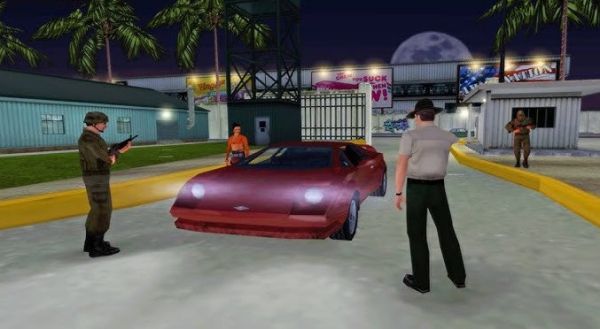
Tommy Vercetti reaches Vice City expecting to complete a drug deal for the Forelli family and prove that he can operate effectively after years in prison. The deal collapses, the money and merchandise disappear, and Tommy is left responsible for explaining the failure to people who are not interested in excuses. This gives the story a direct starting pressure without requiring a long introduction. He needs to recover what was lost while learning who controls the city and which relationships can be used safely.
I appreciated that Tommy is not presented as a complete beginner. He understands criminal hierarchy, recognizes manipulation, and responds to threats with confidence shaped by experience. What he lacks is local power. Vice City therefore becomes a map of people he must study, tolerate, use, or remove before he can operate independently.
Tommy Vercetti Is Ambitious Without Pretending to Be Innocent
Tommy rarely behaves like someone accidentally drawn into crime. He understands the work, accepts violence as part of it, and becomes increasingly comfortable with the idea of building his own organization. This gives him a different energy from protagonists whose main conflict involves escaping criminal life. Tommy’s problem is not whether he should become powerful, but whether he can stop serving people who underestimate him.
I liked how his anger remains controlled most of the time. He can be sarcastic, impatient, threatening, and unexpectedly professional depending on the person in front of him. His personality gives even basic mission briefings momentum because he often reacts to absurd instructions in ways that match the player’s own disbelief. Tommy does not need to be morally sympathetic to remain compelling.
Ray Liotta Gives Tommy a Distinctive Presence
Tommy’s performance is central to the game’s identity because his voice carries confidence, frustration, suspicion, and dry humor without turning every scene into a speech. He often sounds like the only person in the room aware of how ridiculous the situation has become. This makes interactions with unstable, theatrical, or incompetent characters especially entertaining. The protagonist remains grounded while the city performs around him.
I found the delivery strong enough that even simple exchanges remain memorable. Tommy’s reactions help connect missions that would otherwise feel like unrelated errands for another eccentric contact. His voice gives the campaign consistency. Vice City contains many exaggerated personalities, but Tommy’s presence keeps the story from becoming completely weightless.
Vice City Is Built From Color, Heat, and Criminal Fantasy
The city combines beaches, hotels, shopping districts, wealthy islands, residential streets, industrial zones, nightclubs, construction sites, docks, and an airport into a compact map. Its scale is modest by modern standards, yet every district has enough visual identity to remain recognizable. Palm trees, art-deco architecture, bright signs, sports cars, and ocean views create an environment designed around immediate atmosphere. The map feels like a stylized memory of Miami rather than an attempt at strict realism.
I enjoyed how quickly the city changes between day and night. Daylight emphasizes tropical colors and open spaces, while darkness brings neon signs, headlights, club entrances, and radio-driven night journeys. The same street can feel relaxed in the afternoon and dangerous several hours later. Vice City understands that lighting can change the emotional meaning of familiar geography.
Ocean Beach Creates the Strongest First Impression
The eastern side of the city introduces the beach, hotels, apartments, shops, and nightlife that define the public image of Vice City. It looks wealthy, relaxed, and commercially attractive even while criminal work happens nearby. Driving along the coast makes the game’s fantasy immediately understandable. This is a city where danger hides behind tourism rather than replacing it.
I liked how the area feels visually open compared with later industrial and residential districts. Long roads make early driving comfortable, while recognizable buildings help with navigation. The beach also provides one of the strongest contrasts between Tommy’s violent work and the apparently carefree people around him. Vice City continues selling pleasure while its criminal networks fight over ownership.
Downtown Feels Like a Different City After Sunset
Downtown contains clubs, offices, shops, larger roads, and several properties tied to Tommy’s later expansion. The area becomes especially effective at night when lights and music make travel feel connected to the city’s entertainment economy. It looks like a place built for public excitement and private deals. The district suits Tommy’s progression because it contains both respectable businesses and criminal opportunities.
I enjoyed moving through Downtown after acquiring more properties because the environment began reflecting Tommy’s growing influence. Locations that initially felt like anonymous businesses gained personal meaning. The city became easier to understand as ownership replaced observation. Vice City’s progression works because the map gradually turns into a record of decisions.
Little Havana and Little Haiti Add Social Texture
These neighborhoods provide a different atmosphere from the polished hotels and wealthier islands. Smaller homes, local businesses, gang presence, and community spaces make the city feel socially divided. Missions involving local groups reveal conflicts that do not depend entirely on the larger criminal families. Vice City becomes more believable when its neighborhoods possess their own rivalries and identities.
I appreciated the visual and musical transition when crossing into these areas. The game uses architecture, clothing, vehicles, and radio to suggest distinct communities without needing extensive exposition. Some characterizations reflect the exaggerated style and limitations of the period in which the game was written. Even with that roughness, the neighborhoods prevent the map from becoming one uniform tourist fantasy.
Starfish Island Represents the Power Tommy Wants
The wealthy island contains mansions, private roads, and the kind of physical separation that money can purchase. Diaz’s estate dominates the area and becomes one of the campaign’s most important symbols. Tommy initially enters as a useful outsider working for someone who already owns the lifestyle he wants. The mansion later becomes evidence that criminal progress can be expressed through geography.
I liked how taking control of the estate feels more significant than receiving a large payment. The building changes Tommy’s relationship with the city and provides a visible headquarters. It is not merely another save location. The mansion represents the moment when he begins operating from a position of ownership rather than temporary access.
Ricardo Diaz Is Dangerous Because His Power Is Unstable
Diaz controls money, property, armed men, and a reputation strong enough to make people tolerate his unpredictable behavior. His anger, paranoia, and insecurity reveal that this power is less stable than it appears. Tommy works for him while gradually recognizing both his resources and weaknesses. The relationship becomes a practical lesson in how Vice City’s hierarchy operates.
I enjoyed Diaz because he is theatrical without becoming harmless. His outbursts are funny, but the people around him treat them as genuine threats. He demonstrates that power built entirely on fear creates constant anxiety for the person holding it. Tommy’s eventual move against him feels like an ambitious calculation rather than an impulsive betrayal.
Lance Vance Begins as a Partner and Becomes a Warning
Lance shares Tommy’s desire to recover from the failed deal and confront the people responsible for his brother’s death. His style, confidence, and emotional intensity make him an appealing ally during the early story. However, he wants recognition as much as he wants revenge, and Tommy’s growing authority makes that insecurity difficult to hide. Their partnership becomes less stable as success changes the balance between them.
I liked that Lance’s problems are visible before they become decisive. He acts impatiently, resents being treated as secondary, and repeatedly needs Tommy to solve situations created by poor judgment. The betrayal therefore feels connected to character rather than inserted only for surprise. Vice City presents ambition as something that can unite people temporarily and divide them once power becomes real.
Ken Rosenberg Is Useful, Anxious, and Permanently Overwhelmed
Ken introduces Tommy to Vice City’s criminal world while clearly lacking the confidence to control any part of it. He talks constantly, panics easily, and survives by connecting stronger personalities to one another. His office becomes an early center for missions and information. Ken is not powerful, but he understands enough of the city to remain useful.
I enjoyed the contrast between Tommy’s controlled irritation and Ken’s nervous energy. Their conversations communicate the imbalance immediately. Ken needs Tommy’s protection, while Tommy needs local contacts and legal knowledge. The relationship is functional even when neither person fully respects the other.
Avery Carrington Turns Development Into Organized Crime
Avery presents property development as a respectable business while assigning tasks based on intimidation, sabotage, and manipulation. His missions connect the city’s physical growth with corruption. Construction sites and real-estate deals become another battlefield for power. The game uses him to show that legal wealth and criminal methods are often separated only by presentation.
I liked how Avery’s work expands the satire beyond drug deals and gang conflict. He behaves like a cheerful entrepreneur while discussing actions that damage lives and reshape neighborhoods. Vice City is not controlled only by armed criminals. It is also controlled by people who place criminal behavior inside business language.
Colonel Cortez Makes International Crime Feel Casual
Cortez operates from a yacht and treats political conflict, smuggling, military equipment, and betrayal as ordinary professional concerns. His calm hospitality contrasts with the dangerous work he provides. Tommy becomes another capable contact within a much larger network. The missions suggest that Vice City is connected to international corruption rather than existing as an isolated criminal playground.
I enjoyed Cortez’s scenes because they expand the scale without overwhelming the main story. He remains polite even when the conversation involves serious danger. This creates a form of authority different from Diaz’s volatility. Cortez appears powerful because he rarely needs to prove it loudly.
Kent Paul Knows Everyone and Controls Almost Nothing
Kent Paul operates around clubs, musicians, rumors, and the city’s entertainment scene. He presents himself as a highly connected figure while frequently becoming nervous when real danger appears. His information is often useful despite the exaggeration surrounding it. Tommy tolerates him because social access can be as important as formal power.
I liked how Kent represents a type of character found in every entertainment economy: someone whose identity depends on appearing close to influential people. His confidence changes according to who is present. Vice City uses him for comedy while also showing how information travels through nightlife. Clubs are not separate from criminal business; they are where many relationships begin.
Love Fist Adds Musical Chaos to the Campaign
The fictional rock band brings exaggerated celebrity behavior, ego, substance use, and theatrical panic into Tommy’s work. Their missions are less grounded than the central criminal storyline, but they fit the game’s 1980s excess. Tommy becomes responsible for solving problems that have little to do with building an empire. The contrast keeps the campaign from becoming emotionally uniform.
I enjoyed these missions mostly because of the characters and music rather than mechanical sophistication. The band behaves as though every inconvenience is an international crisis. Tommy responds with the exhausted professionalism of someone who has accepted that influence requires tolerating absurd people. Vice City becomes funnier when criminal competence is redirected toward celebrity maintenance.
The Radio Is the Game’s Greatest Atmospheric System
Vice City’s stations cover pop, rock, metal, new wave, hip-hop, Latin music, talk programming, and advertisements that immediately establish the period. Selecting a station changes the emotional meaning of driving more strongly than most visual settings could. A slow journey can feel glamorous, energetic, dangerous, ridiculous, or reflective depending on what is playing. The radio turns transportation into one of the main rewards.
I often continued driving after reaching a destination because a song had not finished. This is especially important in a game containing many trips between mission markers. Music reduces the feeling that travel is empty time. Vice City’s soundtrack is not an accessory attached to the world; it is one of the main reasons the world remains memorable.
Flash FM Defines the Bright Side of the City
Flash FM provides the polished pop energy that matches beaches, shopping districts, sports cars, and neon hotels. The station makes the city feel confident and commercially irresistible. Driving through daylight with this music creates the version of Vice City tourists are supposed to see. The criminal activity happening nearby becomes part of the contrast.
I enjoyed how the station can make even an ordinary vehicle feel connected to the period. The songs transform the road into a montage without requiring a scripted camera. This is one of the game’s most effective achievements. Player-controlled travel gains cinematic rhythm through music alone.
V-Rock Gives Missions a More Aggressive Pulse
V-Rock suits fast driving, gunfights, motorcycles, and the louder parts of the campaign. Its heavier sound adds energy to journeys through industrial areas or high-speed pursuits. The station also connects naturally with Love Fist and the game’s parody of rock excess. Music becomes part of the same entertainment culture the missions are mocking.
I often selected V-Rock when I expected a mission to become chaotic. The music does not improve the controls or mission design, but it changes how failure and repetition feel. A long return journey becomes easier to tolerate when the radio remains entertaining. Vice City understands that atmosphere can carry mechanical inconvenience surprisingly far.
Emotion 98.3 Makes the City Unexpectedly Melancholic
Vice City is usually remembered for excess and color, but its slower music can reveal a more reflective mood. Driving at night while the city lights pass across the vehicle creates a sense of loneliness beneath the criminal fantasy. Tommy’s rise may be exciting, yet he spends much of the game moving between people he does not trust. The softer stations make that emotional distance easier to notice.
I appreciated these quieter drives because they gave the campaign room to breathe. The game does not contain many long introspective scenes. Music supplies the emotional space the script often avoids. Vice City can feel beautiful without becoming comfortable.
Talk Radio Completes the Satirical World
The talk stations parody politics, psychology, celebrity culture, relationships, consumerism, and public outrage. Hosts and callers behave with exaggerated confidence while revealing insecurity and ignorance. These programs make the city feel culturally active beyond the mission characters. Everyone appears to be selling an identity, product, or explanation.
I enjoyed listening during long journeys because the satire provides another layer of writing. Some jokes are tied strongly to the period and have aged unevenly. The broader themes of media performance and commercial self-invention remain recognizable. Vice City talks constantly because silence would reduce the opportunity to advertise.
Driving Is Arcade-Like but Still Demands Attention
Cars respond more quickly than the heavy vehicles of Grand Theft Auto IV, making the driving easier to understand immediately. Different classes still have distinct speed, turning, and durability characteristics. Fast cars can lose control during sharp turns, while larger vehicles feel slower and more resistant to impacts. The system supports quick travel without making every vehicle identical.
I enjoyed the directness because Vice City often expects rapid movement through busy streets. The driving rarely feels realistic, but it fits the game’s colorful action tone. Collisions can still destroy a mission plan, especially at high speed. Learning traffic routes and vehicle behavior remains useful even within the arcade structure.
Motorcycles Offer Freedom and Constant Risk
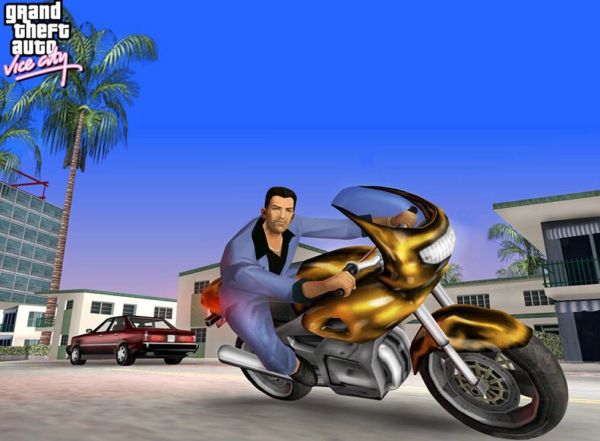
Motorcycles move quickly through traffic and provide easier access to narrow routes. They also leave Tommy extremely vulnerable to collisions, gunfire, and small mistakes. A minor impact can remove him from the vehicle and expose him immediately. The speed advantage therefore always carries the possibility of losing more time than it saves.
I used motorcycles frequently because they make the city feel open and energetic. The frustration appears during missions where one collision causes failure or severe health loss. The controls and physics are not always precise enough to make every fall feel deserved. Even so, bikes remain central to the Vice City fantasy.
Boats Finally Make the Water Part of the Map
Vice City’s islands and coastline give boats a natural place inside travel and missions. They provide alternative routes, support smuggling stories, and make the map feel connected to a larger ocean environment. Water is not only a decorative boundary around the city. It becomes another transportation space with its own risks.
I appreciated boat missions when they used the city’s geography rather than simply reproducing road travel on water. Narrow passages, docks, bridges, and open sections create different navigation challenges. Boats can feel slower and less responsive than cars, but they expand the criminal fantasy. A coastal city should not ignore the possibilities of maritime work.
Helicopters Change My Understanding of the City
Gaining reliable access to helicopters transforms travel and reveals how compact the map actually is. Roads that felt distant become closely connected when viewed from above. Rooftops, islands, beaches, and hidden spaces gain new strategic meaning. Flight turns the city from a sequence of streets into one complete environment.
I enjoyed helicopters despite the unusual controls because they provide freedom that feels genuinely earned. Reaching locations from the air can simplify travel and create new approaches to exploration. They also support several memorable missions and stunts. Vice City becomes more visually impressive when seen from above at sunset.
Tommy’s Inability to Swim Is the Most Famous Limitation
Water surrounds much of the city, yet falling into it causes immediate failure rather than beginning a swimming system. This makes boats, docks, and bridges far more dangerous than they should be. A small driving mistake near the coast can end a mission instantly. The limitation now feels especially strange because the setting constantly encourages interaction with water.
I learned to approach edges carefully and avoid risky shortcuts near canals. The rule becomes predictable, but it never becomes natural. A modern version would need swimming to make the city’s geography feel fully coherent. Vice City’s tropical fantasy is weakened whenever the ocean behaves like an invisible instant-failure zone.
Gunplay Is Functional but Visibly Old
Shooting relies heavily on target lock, weapon selection, movement, and understanding which enemies need immediate attention. Tommy cannot aim every weapon with the flexibility expected from modern third-person games. Close-range encounters can become chaotic when the lock selects an unintended target. The system works best in open areas where enemies are clearly separated.
I adapted by using movement, distance, armor, and suitable weapons rather than expecting precise manual control. Powerful firearms can end encounters quickly, which reduces the time spent fighting the targeting system. The combat supports the campaign without becoming its deepest mechanic. Vice City’s personality carries gunfights that might otherwise feel mechanical.
Melee Weapons Are More Entertaining Than Essential
Bats, clubs, blades, and other close-range weapons provide variety but place Tommy in dangerous positions. The animations and impact can be satisfying during small encounters. Larger groups expose the limitations of targeting and movement quickly. Firearms remain safer and more practical for most serious missions.
I still enjoyed using melee weapons during open-world experimentation because they suit the game’s exaggerated violence. The lack of deep combos keeps the system approachable. It functions as another toy inside the sandbox rather than a complete combat style. Vice City rarely demands mastery of close-range mechanics.
Armor and Health Pickups Encourage Route Knowledge
Body armor and health become valuable resources during difficult missions because the game does not automatically restore Tommy after every encounter. Knowing where to purchase or collect them can determine whether another attempt begins prepared. The city gradually becomes a network of useful locations rather than only streets and landmarks. Preparation matters more because checkpoints are limited.
I often collected armor before starting a mission even when the objective did not clearly advertise combat. The extra journey could prevent a complete restart later. This creates a rhythm where knowledge reduces frustration. Vice City rewards players who understand its systems outside the mission marker.
Wanted Levels Turn the City Into an Obstacle Course
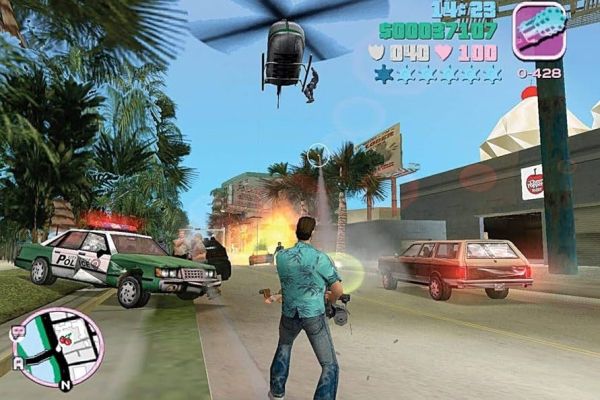
Police response escalates from local patrols to roadblocks, helicopters, and stronger forces. Escaping often requires speed, route knowledge, vehicle changes, or collecting police bribes placed around the map. The system is less geographically structured than later entries but creates immediate chaos. Higher wanted levels can transform an ordinary road into a wall of incoming vehicles.
I enjoyed shorter pursuits because they encourage improvisation without becoming exhausting. Long chases can feel unfair when police vehicles appear aggressively or block narrow routes. The game’s traffic and physics make every escape slightly unpredictable. Vice City is at its funniest when a planned journey becomes a citywide pursuit through one unnecessary collision.
Pay ’n’ Spray Is a Criminal Reset Button
Driving a suitable vehicle into Pay ’n’ Spray repairs damage, changes its color, and can remove police attention. The service provides a clear destination during pursuits and rewards remembering its locations. Reaching one with a damaged car can feel like completing a small survival challenge. The building becomes more valuable than many formal mission rewards.
I liked how this system integrates the wanted mechanic with map knowledge. Escaping is not always about driving aimlessly until the police disappear. A clear service can solve the problem if I reach it without being observed at the wrong moment. Vice City turns ordinary businesses into tactical resources.
Mission Variety Is Stronger Than the Controls Supporting It
The campaign includes driving, shooting, chasing, protecting, racing, flying, boating, sabotage, surveillance, remote-control vehicles, and asset management. This variety keeps the story moving and gives different parts of the city practical use. The problem is that several mechanics are introduced for one mission without being polished enough for demanding conditions. Ambition sometimes exceeds control quality.
I respect how frequently the game tries something new. Even frustrating missions are memorable because they break from the standard pattern. Vice City is rarely afraid of asking the player to learn another system. The strongest missions use familiar mechanics creatively, while the weakest depend on precise performance from awkward controls.
Demolition Man Remains Infamous for a Reason
The remote-control helicopter mission asks the player to move explosive charges through a construction site while managing time and difficult flight controls. The concept is creative and fits Avery’s sabotage-focused work. The execution can become frustrating because the small helicopter responds awkwardly and the environment contains many obstacles. Repeating the entire sequence after failure makes the difficulty feel heavier.
I eventually appreciated the need to plan the route and eliminate threats efficiently, but the mission still feels more demanding than its importance justifies. It teaches a control scheme that does not become central afterward. Vice City’s willingness to experiment creates memorable ideas and occasionally painful results. This mission represents both qualities at once.
The Driver Demands Precision From Unforgiving Traffic
Street races and timed driving missions can become difficult because ordinary traffic introduces unpredictable obstacles. A clean route may be ruined by one car changing position at the wrong moment. Vehicle choice, acceleration, and cornering matter, but luck can influence the final result. The city’s liveliness becomes an additional opponent.
I enjoyed racing once I learned the roads and selected suitable vehicles. The frustration appears when another driver behaves perfectly while traffic punishes only the player. Repetition gradually improves route knowledge, but long restart cycles reduce experimentation. Vice City’s races are exciting when the city cooperates and exhausting when it does not.
All Hands on Deck Uses the Yacht Setting Well
This mission turns Cortez’s departure into a large defensive sequence involving boats, attackers, helicopters, and movement across the yacht. The location creates clear urgency because escape depends on protecting one vessel under sustained pressure. Weapons, positioning, and target priority all matter. The mission feels larger than an ordinary street fight.
I enjoyed how the sequence gives Cortez’s international criminal connections a visible consequence. Tommy is no longer solving one local dispute. He is helping a powerful contact survive an organized attack before leaving the city. The mission combines character closure with action effectively.
Rub Out Marks Tommy’s Real Rise
The attack on Diaz’s mansion changes the campaign from recovery into direct expansion. Tommy and Lance move against someone whose property and organization represent established power. The mission has personal and strategic significance because success provides more than revenge. It gives Tommy the base from which he can build his own empire.
I liked how the mansion remains afterward as a permanent reward. The story does not return Tommy to another temporary apartment after the confrontation. Control of the property changes the player’s daily experience. Vice City understands that important victories should reshape the world visibly.
The Print Works Turns Money Into a Story Objective
Purchasing the print business eventually supports the larger plan to create counterfeit money. This connects asset ownership with the final stage of Tommy’s independence. The business is not simply another passive income source. It becomes part of the criminal infrastructure required to resist outside control.
I appreciated this integration because it gives property acquisition narrative meaning. The player needs to establish businesses before the campaign can move toward its conclusion. Tommy’s empire is therefore mechanically relevant rather than discussed only in cutscenes. Ownership becomes the bridge between open-world activity and main-story progress.
Assets Are the Game’s Best Progression System
Tommy can purchase properties and complete associated missions to turn them into functioning businesses. These include a nightclub, taxi company, film studio, print works, vehicle showroom, ice-cream operation, docks, and other locations. Each asset creates a small thematic storyline while adding income and ownership. The city gradually becomes a network of personal investments.
I enjoyed this structure more than simply receiving another mission contact. A property gives a physical headquarters, unique tasks, and a reason to revisit the area. Completing an asset feels like establishing another department of Tommy’s organization. Vice City’s criminal rise becomes visible through architecture and routine.
The Malibu Club Feels Like a Criminal Headquarters in Public
The nightclub represents money, entertainment, social access, and the glamorous side of Tommy’s empire. Its missions involve assembling a crew and preparing for one of the campaign’s major robberies. The property connects nightlife with organized crime naturally. Tommy is not hiding in an abandoned warehouse; he owns a location designed to be seen.
I liked how the club reflects the city’s culture of performance. It makes money through entertainment while supporting operations that remain invisible to ordinary visitors. The bright public image and criminal purpose coexist without contradiction. Vice City repeatedly shows that respectable business and organized crime can share the same entrance.
The Bank Robbery Feels Like a Reward for Building a Crew
The robbery storyline requires recruiting people with different specialties before the operation can begin. This creates a preparation structure distinct from ordinary mission chains. The final job combines disguise, crowd control, police pressure, and escape. It feels larger because the game has spent time assembling the team.
I enjoyed the sense that Tommy is organizing rather than simply following instructions. He chooses the goal, gathers the necessary people, and deals with the consequences. The mission represents his transition into leadership. Even when parts of the plan fail, the operation belongs to him.
Kaufman Cabs Turns Taxi Work Into a Business Conflict
The taxi company initially appears like a practical transportation asset, but its missions develop into competition with a rival service. Ordinary driving becomes part of a larger battle for territory and customers. The storyline uses familiar city mechanics while giving them commercial context. Tommy’s empire expands through businesses that require active defense.
I liked how the asset changes the meaning of taxis across the city. They become associated with one part of Tommy’s organization rather than remaining background traffic. The missions are simpler than major story operations but contribute to the feeling of diversified ownership. Vice City allows criminal power to appear through several industries.
InterGlobal Films Embraces the Game’s Strangest Humor
The film studio missions involve celebrity ambition, publicity, stunt work, and exaggerated production problems. They are intentionally ridiculous and show Tommy investing in entertainment rather than only traditional criminal businesses. The studio gives the western island another distinctive property. Its missions use helicopters, vehicles, and city landmarks in unusual ways.
I enjoyed the change of tone because the asset system should make each business feel different. The studio does not behave like another warehouse or nightclub. It expands the city’s satire of fame and commercial entertainment. Tommy’s empire becomes stranger as it becomes larger.
Sunshine Autos Gives Car Collection a Practical Home
The vehicle showroom supports races, car lists, and the fantasy of controlling part of the city’s automotive culture. Collecting specific vehicles creates another reason to explore traffic and recognize models. Completing lists increases the property’s value and unlocks useful rewards. The asset turns ordinary car theft into structured progression.
I appreciated having a destination for vehicles that would otherwise remain temporary. The game still lacks the deep personal garage systems of newer titles, but Sunshine Autos provides more ownership than most properties. It encourages knowledge of the vehicle catalogue. The showroom becomes a museum of criminal acquisition.
Cherry Popper Ice Cream Factory Hides Its Real Business Poorly
The factory presents a colorful public identity while supporting distribution work that is clearly less innocent. Its missions involve driving and selling in different areas while avoiding unwanted attention. The contrast between cheerful branding and criminal purpose fits Vice City’s satire perfectly. A harmless-looking business becomes another part of Tommy’s network.
I enjoyed the idea more than the repeated delivery mechanics. The missions can become slow and vulnerable to police interference. However, the property contributes strongly to the empire fantasy. Tommy’s organization spreads through businesses that look ordinary from the street.
Passive Income Makes Ownership Feel Useful
Completed assets generate money that can be collected from the property. This gives the player a practical reason to establish businesses beyond unlocking the final story. The income is not always large enough to transform the economy immediately, but it creates a visible reward for completion. Each property becomes another place worth revisiting.
I liked the physical collection because money remains tied to locations rather than appearing automatically in an account. Traveling between assets makes ownership part of the map. The system could become repetitive when many properties are active, yet it reinforces the sense of a distributed empire. Vice City makes wealth geographic.
The Economy Becomes Generous Once the Empire Is Established
Early purchases can feel expensive because missions provide limited money and properties require significant investment. Later assets and story rewards make cash easier to obtain. Once the major businesses are operating, money stops limiting most ordinary decisions. The player’s financial growth matches Tommy’s narrative rise.
I appreciated this curve because being wealthy should feel different from surviving the opening hours. The game does not maintain artificial poverty forever. However, the number of meaningful late-game purchases remains limited. Additional customization, vehicles, or property improvements could have given excess money more purpose.
Safehouses Turn the Map Into a Personal Network
Purchasable apartments and homes provide save points, garages, and locations across the city. Acquiring them reduces travel inconvenience and gives Tommy visible presence in different districts. Some properties are practical, while others exist mainly for style or geography. The system supports both optimization and fantasy.
I liked choosing safehouses near difficult mission areas or useful roads. A well-placed property could make repeated attempts less painful. Garages also provide limited vehicle preservation. Vice City’s property system encourages the player to think about where influence should be established.
Clothing Is Used More as Narrative Costume Than Full Customization
Tommy changes outfits for missions, social roles, and different stages of the story. Clothing can remove police attention in certain situations or provide access to a disguise-based objective. The system does not allow detailed combinations of shirts, trousers, shoes, and accessories. Outfits function as complete character states.
I enjoyed the iconic designs because they contribute strongly to Tommy’s visual identity. The turquoise shirt, suit, work clothes, and specialized costumes make different parts of the campaign recognizable immediately. Greater customization would provide more freedom, but it might reduce the strength of the established look. Vice City treats clothing as cinematic shorthand.
The Hawaiian Shirt Became Part of Gaming History
Tommy’s default outfit communicates the setting and character instantly. It looks casual enough for the tropical city while remaining distinctive beside the more formal clothing of several contacts. The design helps separate him from the urban protagonists of other crime games. It also fits the period without becoming a complete costume.
I rarely felt the need to change it permanently because the outfit belongs so strongly to the game’s identity. Even players who remember little of the plot often recognize Tommy’s silhouette and colors. This is a successful form of character design. Simplicity becomes iconic when every element supports the world.
The Open World Contains More Activities Than It First Appears
Taxi work, vigilante missions, paramedic tasks, firefighting, pizza delivery, street races, vehicle lists, property missions, hidden packages, stunt jumps, rampages, and other challenges provide reasons to explore beyond the main campaign. Some activities improve health, armor, running, or other practical abilities. The city rewards players who engage with its systems deeply. Optional work can change later missions noticeably.
I enjoyed discovering that side content was not only decorative. Completing service missions could provide permanent benefits that made Tommy more capable. The tasks are repetitive, but they create mastery through route knowledge and vehicle control. Vice City’s side activities form a training system hidden inside ordinary city jobs.
Paramedic Missions Demand Patience and Perfect Routes
The ambulance activity requires collecting injured people and returning them to the hospital while managing time and vehicle damage. Higher levels increase the number of patients and make route planning essential. One poor collision can destroy a long attempt. The mission tests knowledge of the city more than medical skill.
I found the activity satisfying when the route worked and extremely frustrating when traffic created unexpected problems. The permanent reward makes completion valuable, but the time investment is significant. It represents the game’s older approach to challenge: long repetition with limited forgiveness. Success feels earned partly because failure can be so expensive.
Vigilante Work Turns Police Vehicles Into Tools
Using law-enforcement vehicles allows Tommy to pursue criminal targets across the city. The missions combine driving, shooting, navigation, and wanted-level risk. Each target may move unpredictably through traffic, creating unscripted complications. The activity makes police equipment useful beyond escape.
I enjoyed the contradiction of building Tommy’s strength through unofficial law enforcement. Vice City treats institutions as systems that can be borrowed for personal benefit. The missions become easier with stronger vehicles and better weapons, encouraging experimentation. Route knowledge again matters as much as combat ability.
Pizza Delivery Is Stranger and More Useful Than Expected
The pizza activity asks Tommy to deliver food from a scooter while managing time and several destinations. The premise contrasts sharply with his larger criminal ambitions. Completing enough levels provides a permanent health benefit, making the humble task strategically valuable. Vice City repeatedly hides meaningful progression inside absurd jobs.
I enjoyed the activity because the scooter changes the pace and requires careful positioning. Throwing deliveries accurately while navigating traffic creates a simple but distinctive challenge. It also makes Tommy’s career look temporarily ridiculous. A future crime boss spends part of his rise delivering pizza because the reward is worth it.
Hidden Packages Encourage Complete Map Exploration
Collectibles are placed across rooftops, alleys, islands, interiors, and unusual environmental spaces. Finding enough unlocks weapons and vehicles at useful locations. This makes collection more meaningful than increasing a percentage alone. The player gradually creates a stronger equipment network through exploration.
I appreciated how packages reveal parts of the city that missions may never use. Rooftops, hidden courtyards, narrow paths, and coastal areas become relevant. The limited map size makes systematic searching possible without turning it into an endless task. Vice City rewards attention to geography.
Stunt Jumps Make the City a Vehicle Playground
Ramps, stairs, bridges, construction areas, and unusual terrain create opportunities for cinematic jumps. Successfully completing one requires the correct speed, angle, and vehicle. The slow-motion presentation gives the attempt more spectacle. Failure can still be entertaining when the landing becomes completely chaotic.
I enjoyed stunt jumps because they turn environmental design into an optional challenge. The city contains spaces that are useful for more than ordinary traffic. Learning where a fast vehicle can gain enough speed creates another form of map knowledge. Vice City encourages reckless experimentation without needing a mission marker.
Rampages Create Short Bursts of Arcade Violence
Rampages provide a weapon, target type, and limited time to complete a destructive objective. They remove the narrative context and focus entirely on mechanical chaos. The challenge depends on positioning, enemy availability, and efficient use of the selected weapon. These activities feel connected to the arcade roots of the series.
I found them useful as brief changes of pace between longer missions. Failure costs little compared with a campaign objective, making experimentation easier. The violent simplicity also contrasts with Tommy’s business progression. Vice City can be a crime story and a score-driven action sandbox within the same map.
Saving Is Simple but Not Always Convenient
Progress is stored at safehouses rather than through constant automatic checkpoints. This makes property location important and encourages saving before risky missions. It also creates frustration when several activities occur far from a convenient point. The player needs to remember manual saving as part of the routine.
I adapted by saving after major purchases, difficult missions, or long periods of side activity. Forgetting could turn one mistake into significant lost progress. Modern games often protect the player more aggressively. Vice City expects responsibility and occasionally punishes distraction rather than poor gameplay.
Mission Checkpoints Reveal the Game’s Age
Most missions need to be restarted from the beginning after failure. Long drives, conversations, vehicle searches, and early combat may need to be repeated even when the mistake happened near the end. This creates tension but also discourages creative approaches. The safest known method becomes more attractive than experimentation.
I would consider improved checkpoints the most important modernization. They could preserve challenge while removing unnecessary repetition. The current structure makes several missions feel harder because of time loss rather than mechanical complexity. Vice City’s atmosphere often makes another attempt tolerable, but it should not need to carry this much inconvenience.
Difficulty Is Frequently Created by Control Limitations
Some missions are challenging because they demand good driving, target selection, or route planning. Others become difficult because aiming, camera movement, flight control, or vehicle physics do not communicate enough precision. The distinction becomes more visible when revisiting the game after modern action titles. Not every failure feels connected to a meaningful decision.
I learned to prepare heavily with armor, weapons, and suitable vehicles to reduce the number of variables. Knowledge often compensates for rough controls. The game rewards players who understand its limitations as carefully as its intended mechanics. Mastery includes learning what not to trust.
The Camera Can Become Another Opponent
Driving and shooting sometimes place the camera at an awkward angle, especially in narrow areas or during rapid changes in direction. Manual adjustment is possible but not always smooth. Buildings, vehicles, and scenery can briefly block important information. These issues are manageable in open streets and more frustrating inside tight mission spaces.
I became more cautious when approaching corners or entering compounds because visibility could change suddenly. The camera rarely destroys the complete experience, but it contributes to the feeling of an older three-dimensional game. Modern camera behavior is easy to take for granted until returning to Vice City. Spatial awareness sometimes requires fighting the presentation itself.
The Definitive Edition Changes the Presentation Without Replacing the Original Mood
Modern releases can provide higher resolutions, updated lighting, revised models, interface changes, and broader platform availability. These improvements make the city easier to access on current hardware. They can also alter character appearance, atmosphere, and visual details that players strongly associate with the original version. Technical updates do not automatically preserve artistic identity perfectly.
I prefer evaluating each edition according to stability, controls, music availability, and visual consistency rather than assuming the newest release is always the best. Vice City’s mood depends on color, fog, lighting, and period presentation as much as texture quality. A cleaner image can still feel less accurate emotionally. The ideal version is the one that preserves atmosphere while removing technical frustration.
Music Licensing Affects Different Releases
Licensed songs are central to Vice City’s identity, but later versions may not contain every track associated with the original release. This can change radio playlists and alter the rhythm of familiar drives. A missing song may seem like a minor legal detail until it removes a moment strongly connected to memory. The soundtrack is too important to treat as interchangeable background audio.
I noticed that nostalgia often depends on specific combinations of road, weather, vehicle, and song. Changing one element affects the complete scene. Players selecting a version should understand that content differences may extend beyond graphics. Vice City is partly a musical time capsule.
The PC Version Benefits From Mouse Aiming
Mouse control improves precision with weapons that support manual targeting and makes menu navigation straightforward. Keyboard driving is less natural because steering lacks analog range. Fast vehicles can feel too sensitive when direction is controlled only through digital inputs. The platform therefore provides strong aiming and less comfortable vehicle handling.
I preferred using a controller for general travel and a mouse when precision became important. The ideal setup depends on version and support. Vice City’s controls were designed around an earlier era, so modern expectations may require adjustment. No input method completely removes the limitations of the original mechanics.
Performance Is Easy for Modern Hardware but Timing Still Matters
The original game is not demanding by current technical standards, yet very high frame rates can cause unusual behavior in some releases. Mission timing, physics, vehicle handling, or animation may not behave as intended when the engine runs far beyond its original assumptions. A stable cap can provide a more reliable experience. Maximum output is less important than correct behavior.
I prioritize consistency because Vice City’s missions already contain enough unpredictability. Technical timing problems make difficult objectives feel unfair for reasons unrelated to design. Older games often need to be treated according to their historical engine. Smoothness is valuable only when it does not change the rules.
The Visuals Are Dated but Artistically Coherent
Character models, textures, facial animation, and environmental geometry reveal the age of the game immediately. However, the strong palette, architecture, vehicle design, weather, and lighting preserve a recognizable world. Vice City does not need realism to communicate heat, nightlife, wealth, and criminal glamour. Its stylization remains more important than polygon count.
I appreciate how easily the city can be identified from one screenshot. Pink hotels, turquoise water, palm trees, sports cars, and glowing signs form a visual language rather than a collection of technical features. Many newer games look more realistic without being as immediately recognizable. Vice City survives through direction rather than detail.
Rain Changes the Driving and the Mood
Tropical rain arrives quickly and covers streets with darker surfaces, reduced visibility, and a heavier atmosphere. Vehicle handling can become more difficult, especially at speed. The city’s bright colors remain visible but appear temporarily subdued. Weather creates contrast inside a game usually remembered for permanent sunshine.
I enjoyed rainy nights because neon reflections made the streets look more dramatic. The music and weather combine to create moments that feel unexpectedly cinematic. Rain is not a deep simulation system, but it changes familiar journeys enough to remain noticeable. Vice City’s atmosphere depends on these short environmental shifts.
Pedestrians Give the Streets Comedic Unpredictability
People walk, argue, react to danger, carry weapons, enter fights, and occasionally create disorder without direct player involvement. Their limited animation and repeated dialogue are obvious, yet the streets rarely feel completely static. One collision or gunshot can trigger a chain of reactions. The city becomes a stage for unscripted comedy.
I often stopped to watch minor incidents because the simulation produced situations more entertaining than another planned activity. Pedestrians can also interfere with missions or traffic in frustrating ways. Their unpredictability gives life and inconvenience simultaneously. Vice City’s streets feel active because they refuse to remain purely decorative.
Emergency Services Create Their Own Chaos
Police, ambulances, and fire trucks respond to incidents across the city. Their vehicles can collide with traffic, block roads, or create additional accidents while attempting to help. These reactions make the world feel connected through simple systems. One small event can attract several services and transform the street.
I enjoyed the unintended comedy because the city’s institutions appear only partially competent. The response may solve a problem or create another one. Vice City rarely behaves like a clean simulation. Its rough interactions produce personality from technical simplicity.
The Story Moves Quickly Compared With Modern Open Worlds
Vice City does not spend dozens of hours introducing every system slowly. Characters, districts, weapons, and properties become available at a steady pace. Missions are often short enough that one session can include several meaningful developments. The campaign feels focused even when optional activities extend the total playtime.
I appreciated the momentum because modern games can delay ownership and freedom behind lengthy tutorials. Vice City wants Tommy to begin rising quickly. The smaller map and compact mission structure support that pace. Progress is visible without requiring endless resource collection.
The Final Act Requires an Empire, Not Only Story Completion
Advancing toward the conclusion depends partly on purchasing and completing enough assets. This can surprise players who focus only on the central mission contacts. The requirement reflects Tommy’s need to establish independent income and influence before confronting the Forelli family. The final conflict becomes credible because he has built something worth defending.
I like the thematic logic even though the game could communicate the requirement more clearly. Asset missions are among the strongest parts of the experience and deserve integration with the main story. The player should understand why business ownership matters before progress appears to stop. Vice City’s structure is intelligent but occasionally too quiet about its expectations.
Sonny Forelli Represents the Past Demanding Ownership
Sonny expects Tommy to remain subordinate because the Forelli family originally sent him to Vice City. As Tommy becomes wealthier and more independent, Sonny interprets that success as stolen value rather than personal achievement. The conflict is not only about money. It is about whether Tommy is allowed to become more powerful than the people who once controlled his future.
I appreciated how Sonny remains threatening largely through distance until the final stage. Phone calls and demands remind Tommy that his rise is being observed. The past does not disappear simply because he has acquired a mansion. Vice City’s final conflict becomes a struggle over ownership of Tommy’s success.
Keep Your Friends Close Delivers a Strong Final Defense
The final mission brings conflict directly into Tommy’s mansion, turning his greatest symbol of success into a battlefield. Money, betrayal, and old loyalties converge inside the property he seized earlier. The setting gives the confrontation emotional and geographic meaning. Tommy is not attacking another person’s empire; he is defending his own.
I enjoyed the circular structure because the mansion has evolved from Diaz’s headquarters into Tommy’s home and operational center. Fighting through it makes every room familiar and vulnerable. The mission confirms that ownership creates something worth losing. Vice City ends its rise story by forcing Tommy to prove he can keep what he built.
The Ending Celebrates Victory Without Promising Peace
Tommy survives the immediate threats and remains in control of his organization. The conclusion gives him the criminal independence he pursued throughout the campaign. However, the city remains full of rivals, unstable allies, and industries built around exploitation. Power solves subordination without creating safety.
I liked the confidence of the ending because Vice City is not structured as a moral redemption story. Tommy wanted control and achieved it through the same methods used against him. The game does not pretend that this victory makes him a better person. It allows the criminal fantasy to succeed while preserving the world’s cynicism.
The Game Is Lighter Than Grand Theft Auto IV and Darker Than It Looks
Vice City uses brighter colors, faster pacing, exaggerated characters, and more obvious cinematic inspiration than Grand Theft Auto IV. Beneath that presentation, the story still involves betrayal, exploitation, addiction, violence, and people using friendship as leverage. The color does not remove darkness; it makes the darkness easier to consume. Criminal ambition appears glamorous because the city is designed to sell glamour.
I enjoyed this balance because the game can be entertaining without becoming emotionally empty. Tommy’s rise is satisfying even when the methods remain destructive. The satire prevents wealth from looking completely admirable. Vice City celebrates the fantasy and questions the culture producing it at the same time.
Its Film Influences Are Obvious but Productive
The game draws heavily from 1980s crime cinema, television, music videos, and popular images of Miami. Drug empires, pastel clothing, mansions, nightclubs, speedboats, and synth-driven journeys create a familiar fantasy. The influences are not hidden, yet the game recombines them into an interactive city with its own characters. Vice City feels inspired rather than merely copied.
I appreciated how the cinematic language supports gameplay. A helicopter flight at sunset, a sports car beside the beach, or a mansion confrontation already carries genre meaning before dialogue begins. The player performs scenes normally watched from a distance. This makes style mechanically valuable.
Scarface Comparisons Explain Only Part of the Experience
Tommy’s mansion, criminal rise, drug economy, and final defense clearly invite comparison with Scarface. However, Vice City contains a broader mixture of comedy, radio satire, side businesses, eccentric contacts, and open-world experimentation. Tommy is influenced by familiar crime protagonists without becoming a direct recreation of one. The city’s humor gives the story a different emotional rhythm.
I liked how the game uses recognizable imagery as a foundation and then allows the player to interrupt it through ordinary sandbox chaos. A dramatic drive can end with a traffic collision or police chase unrelated to the mission. Interactive unpredictability prevents the cinematic influence from becoming rigid imitation. Vice City is most itself when genre fantasy meets game-system disorder.
The Smaller Map Helps Every Property Matter
Modern open worlds can contain dozens of businesses without making any of them feel personally important. Vice City’s compact geography means assets become familiar landmarks quickly. I regularly passed the club, showroom, taxi company, studio, and mansion during normal travel. Ownership remained visible because the city did not hide properties across enormous distances.
I appreciated this density because it supports memory and attachment. Every part of Tommy’s empire occupies a recognizable place inside daily movement. The map becomes richer through changing meaning rather than constant expansion. Vice City proves that size is not the same as significance.
Repetition Becomes Easier to Accept Because the City Is Familiar
Failed missions often require driving the same roads again, which can become frustrating. The compact map reduces the travel burden and allows route knowledge to improve quickly. I learned shortcuts, useful vehicle locations, armor pickups, and safe approaches through repetition. Familiarity becomes a practical reward.
The radio further softens repeated journeys by giving each attempt a different soundtrack. Weather and traffic also change the exact trip. The mission structure remains old, but the city provides enough variation to prevent every restart from feeling identical. Atmosphere performs work that checkpoints should have handled more directly.
Cheat Codes Turn the Game Into a Different Sandbox
Vice City’s cheat codes can provide weapons, vehicles, weather changes, character models, chaos, and other effects. They allow players to ignore the campaign temporarily and treat the city as an experimental playground. Some combinations create situations the normal progression would never support. The culture around cheats became an important part of the game’s history.
I enjoyed how easily the experience could shift from serious mission progress into complete nonsense. A saved game should be protected before experimentation because certain effects can disrupt progression or create lasting problems. Used carefully, cheats reveal how flexible the open world can be. Vice City became memorable partly because players created their own stories beyond the intended rules.
The Sandbox Encourages Self-Directed Challenges
After understanding the map, I could invent races, escape routes, stunt attempts, vehicle collections, or wanted-level survival challenges. The game does not need a formal mission for every activity. Its traffic, police, vehicles, weapons, and geography create enough interacting systems for personal goals. The city becomes a toy after functioning as a story setting.
I appreciated this freedom because it extends the experience after asset completion. A finished campaign does not make the map irrelevant. Tommy’s wealth and unlocked equipment provide greater freedom for experimentation. Vice City’s open world remains useful after its narrative purpose is complete.
What I Would Modernize First
I would add reliable mission checkpoints, improved aiming, a more responsive camera, swimming, smoother flight controls, and better vehicle recovery. These changes would remove frustration without weakening the city’s style or progression. I would also make asset requirements clearer and allow easier mission restarting from the point of failure. The original challenge could remain while respecting the player’s time.
I would preserve the compact map, radio structure, property system, vehicle handling style, and visual palette. Expanding the city excessively could dilute the familiarity that makes ownership meaningful. Vice City does not need to become a huge modern checklist. It needs its existing strengths supported by controls that no longer compete with them.
Why Vice City Still Feels Like a Complete Fantasy
Grand Theft Auto: Vice City stayed memorable because every major system supports Tommy’s rise. Missions introduce contacts and enemies, properties turn success into ownership, vehicles provide freedom, radio creates period identity, and the compact city makes progress visible. The game does not separate story, atmosphere, and open-world play cleanly. They reinforce one another constantly.
From my perspective as a gamer, the asset system is its strongest long-term idea. Purchasing a business, completing its mission chain, collecting income, and seeing it remain part of the map gives criminal progression physical weight. Tommy’s empire is not an invisible statistic. It is a series of buildings I can visit and recognize.
The soundtrack remains equally important. Driving would feel far more ordinary without the carefully selected stations, advertisements, hosts, and talk programs. Music transforms repetitive travel into memory. Vice City’s identity is heard as strongly as it is seen.
Tommy Vercetti gives the campaign a protagonist confident enough to survive the city’s exaggerated personalities. He is ambitious, capable, impatient, and willing to become the same kind of powerful figure who once controlled him. The story does not require moral innocence to create satisfaction. His rise is compelling because every stage changes his position visibly.
The game’s age appears most clearly through gunplay, camera behavior, checkpoint design, flight controls, and the inability to swim. Several missions remain difficult for reasons that feel disconnected from strategic skill. Repetition can become exhausting when a late mistake demands another long setup. These weaknesses should not be ignored simply because the atmosphere remains excellent.
Yet the atmosphere does remain excellent. A sunset over the water, a helicopter crossing between islands, a sports car beside the hotels, or a rainy night outside the Malibu Club can still create a powerful scene with minimal technical detail. The art direction knows exactly what emotional response it wants. Vice City rarely looks accidental.
The supporting cast gives every part of the city a human personality. Ken represents nervous access, Cortez controlled international influence, Diaz unstable wealth, Avery respectable corruption, Lance wounded ambition, and Kent Paul entertainment-world performance. Tommy moves through these relationships while learning which forms of power are useful. The city becomes understandable through the people benefiting from it.
My favorite part of the campaign is the point where the game stops making Tommy only an employee. Purchasing assets changes the rhythm from accepting work to building infrastructure. Missions become investments in a larger organization. This shift gives the open world a purpose beyond travel and destruction.
Grand Theft Auto: Vice City is not a realistic simulation of criminal life or 1980s Miami. It is a highly concentrated fantasy assembled from music, film imagery, satire, tropical architecture, arcade driving, and an empire-building story. Its limitations are obvious, but so is its confidence. Few games establish a complete personality so quickly.
By the end, I did not simply feel that Tommy had completed another list of missions. I felt that the city had changed ownership around him. The mansion, clubs, businesses, vehicles, and money all served as evidence that the outsider from the failed deal had become the person other criminals needed to negotiate with. Vice City remains powerful because its final reward is not only survival but visible control of the world that once treated Tommy as expendable.
Pros:
- Engaging narrative with memorable characters and witty dialogues
- Expansive open-world that encourages exploration and side missions
- Rich, nostalgic soundtrack that perfectly complements the immersive environment
- Robust modding community offering constant updates and creative gameplay variations
- Innovative gameplay mechanics that influenced future open-world titles
- Iconic 80s themed atmosphere that transports players to a bygone era
Cons:
- Occasional technical glitches and compatibility issues on newer systems
- Control schemes and mission designs might seem clunky for players accustomed to contemporary titles
- Graphics and textures may feel outdated compared to modern standards

How much storage do you need?
 Grand Theft Auto: Vice City







Recent Reviews

Minecraft

Grand Theft Auto V

Toca Boca World

Roblox

Leave a comment
Your comment is awaiting moderation. We save your draft here
0 Comments