Review
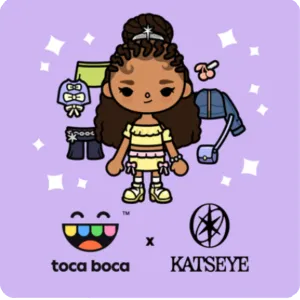
Toca Boca World x KATSEYE gave me exactly the kind of crossover that fits this game’s creative structure. Instead of placing the music...


Immersive Fusion: A Journey Through Toca Boca World x KATSEYE
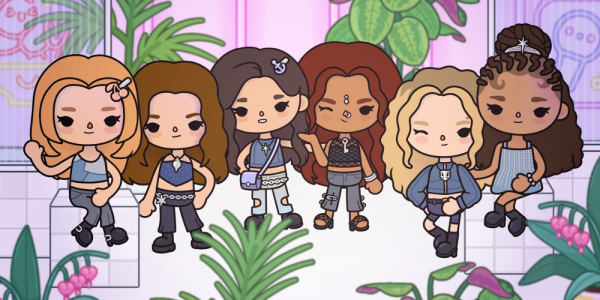
Toca Boca World x KATSEYE gave me exactly the kind of crossover that fits this game’s creative structure. Instead of placing the music group inside a rigid campaign with a list of missions, the collaboration supplied a festival stage, themed outfits, songs, and decorative items that I could use in my own stories. I could organize a polished performance, create a chaotic rehearsal, design a fan event, or completely ignore realism and turn the entire festival into a strange backstage comedy. The crossover provides recognizable material while allowing the player to decide what actually happens.
I approached the collaboration as someone who regularly notices how licensed content can disrupt a game’s established identity. Some crossovers feel like advertisements placed inside an unrelated world, especially when they introduce temporary menus and reward systems that do not match normal play. KATSEYE fits Toca Boca World more naturally because music, clothing, performance, friendship, and personal expression are already central themes. The collaboration expands activities the game supports rather than asking it to become a different genre.
From my perspective as a gamer, the Voxella Festival stage is the strongest part of the experience because it converts the music collaboration into a location for storytelling. The themed songs give the stage energy, but the environment still works after I stop treating it as an official KATSEYE performance. My own characters can become singers, dancers, stage managers, photographers, stylists, fans, or completely unprepared performers who have arrived at the wrong event. Toca Boca World remains successful whenever a licensed idea becomes another flexible toy rather than a single scene that can only be watched.
The Festival Stage Creates an Immediate Story
The Voxella Festival setting gives the collaboration a clear visual center. A stage naturally suggests preparation, performance, audience reactions, costumes, lighting, music, and activity behind the scenes. I did not need a written objective to understand what kind of stories could happen there. The environment itself provides enough context to begin arranging characters and deciding who belongs in each role.
I liked how the stage could support several moods without requiring any structural changes. It could become a major music festival filled with fans, a private rehearsal before opening, or a small performance where almost everything goes wrong. The same screens, equipment, and viewing areas gain different meaning depending on who is present. This flexibility helps the location remain useful after the initial excitement of seeing the collaboration fades.
KATSEYE Fits the Game’s Focus on Personal Style
Toca Boca World has always treated clothing as a storytelling tool rather than a simple statistical upgrade. An outfit can turn a character into a performer, student, celebrity, stylist, customer, or guest within seconds. The KATSEYE-themed clothing supports this approach because it brings polished stage-inspired fashion into the Character Creator and role-play systems. The pieces feel connected to performance while remaining flexible enough to use in unrelated stories.
I enjoyed combining individual items with clothing already available in my collection rather than recreating one official look exactly. One character could wear a complete performance outfit, while another used only one accessory inside a casual design. The collaboration becomes more valuable when its pieces can survive outside the event that introduced them. Toca Boca World encourages remixing, and the KATSEYE material benefits from that freedom.
The Style Pack Works Like a Creative Starter Kit
The Style Pack provides an immediate foundation for players who want to build a group of performers without searching through a large wardrobe first. Coordinated clothing can establish that several characters belong to the same act, while differences in accessories help each person retain an individual identity. This is especially useful when arranging a stage scene with several participants. Visual organization matters because Toca Boca World communicates most stories through appearance and placement rather than dialogue.
I still preferred treating the pack as a starting point instead of a complete set of rules. Matching every character perfectly can create a professional group image, but mixed designs often produce more memorable stories. A rehearsal outfit, stage costume, casual arrival look, and post-show clothing can all use the same themed pieces differently. The pack becomes a wardrobe for an entire music storyline rather than one finished costume selection.
The Music Player Extends the Collaboration Beyond Voxella
Adding KATSEYE songs to the in-game music experience makes the crossover useful outside the festival stage. I could play music while decorating a home, arranging a dressing room, preparing a party, or building a completely different performance location. This gives the collaboration a wider presence without requiring branded decorations in every scene. Sound can establish the theme while the visual environment remains personally designed.
I appreciated this portability because a music collaboration should not be trapped inside one building. The songs can support a dance practice, bedroom listening session, fashion show, café event, or fan celebration. A familiar track changes the energy of an ordinary room immediately. The Music Player turns the crossover into something I can carry through the larger world.
Music Changes the Rhythm of Decorating
Home Designer can involve long periods of moving furniture, comparing objects, and making small adjustments. Music gives that process momentum and makes repeated rearrangement feel less mechanical. While using the KATSEYE tracks, I naturally began designing rooms that looked connected to performance, creativity, and social gatherings. The soundtrack influenced the type of story I imagined before any characters had entered.
This demonstrates how audio can become a creative tool without changing the building mechanics. The same furniture options remain available, but the emotional direction feels different. A quiet room becomes a practice studio, and an empty living space starts resembling a fan meeting venue. Toca Boca World allows music to inspire design rather than simply accompany it.
The Post Office Gifts Add Small Details With Large Uses
The four themed Post Office gifts provide another way for players to remember the collaboration and incorporate it into personal scenes. Small objects are extremely useful in Toca Boca World because they can become decorations, gifts, merchandise, backstage supplies, or important items inside an invented story. Their value does not depend entirely on size or mechanical complexity. One recognizable object can establish the theme of an entire room.
I liked placing the gifts in a display area as though they were official festival souvenirs. They could also become presents exchanged between fans or items prepared for a signing event. Because objects can travel between locations, the gifts are not restricted to Voxella. They help the collaboration continue inside apartments, shops, studios, and other personal spaces.
Collecting the Gifts Feels More Personal Than Earning a Score
Many music crossovers in games rely on tasks, points, limited passes, and competitive progression. Toca Boca World uses a gentler approach by giving players objects they can immediately use in creative play. There is no need to prove skill before beginning a KATSEYE story. The reward becomes valuable through what the player invents around it.
I prefer this structure for a children’s role-playing game because it keeps attention inside the imaginative world. The player is not asked to repeat one activity until a progress bar becomes complete. Receiving a gift creates a new possibility rather than another obligation. The collaboration respects the game’s usual absence of scores and rankings.
I Could Build an Entire Concert Day
The crossover becomes especially entertaining when I treat the performance as only one part of a longer schedule. Characters can wake up in an apartment, prepare breakfast, select outfits, travel to the festival, rehearse, perform, meet fans, and return home afterward. Each stage uses locations and objects from the broader game. The KATSEYE content provides the central event while Toca Boca World supplies the surrounding life.
I enjoyed creating these longer sequences because they made the performers feel like characters rather than decorations placed on a stage. A concert can be exciting, but preparation and recovery give it context. Someone might lose an accessory before leaving, another character may arrive late, and the audience may begin entering while the group is still practicing. These small complications create a story without requiring a scripted mission.
Backstage Role-Play Is More Interesting Than a Perfect Performance
A polished concert is visually satisfying, but backstage stories provide more opportunities for interaction. Characters need outfits, food, music, equipment, schedules, and places to wait. A stylist may disagree with a performer, a fan may reach a restricted area, or an important item may disappear before the show. The festival stage becomes the destination while backstage preparation becomes the actual game.
I liked assigning different responsibilities to characters who were not part of the main group. One could manage clothing, another handled music, and someone else organized gifts or audience access. These roles make the collaboration inclusive because every character does not need to become a singer. Toca Boca World is strongest when a single event creates many different ways to participate.
The Audience Can Become a Story of Its Own
Fans are not simply visual background because I can choose who attends, what they wear, where they stand, and how they react. Some characters may arrive as devoted supporters, while others attend only because a friend invited them. One group can prepare matching outfits, and another may bring the Post Office gifts as festival accessories. The audience becomes another creative project beside the performance.
I enjoyed arranging different reactions throughout the venue. Some characters looked excited near the stage, while others behaved as though the event was too loud or confusing. These contrasts make the scene feel more human than a perfectly synchronized crowd. The game allows every audience member to have an imagined reason for being there.
The Collaboration Encourages Group Character Design
Creating one attractive character is easy, but designing an entire performance group requires a different type of thinking. The characters should look connected without becoming visually identical. Clothing, hairstyles, colors, and accessories can establish a shared concept while preserving individual personalities. The KATSEYE Style Pack provides useful pieces for experimenting with that balance.
I found myself considering how each character would appear when standing beside the others rather than only evaluating one design in isolation. A dramatic accessory may look excellent alone and distract from the group when placed on stage. Coordinated styling becomes a small visual-design exercise. Toca Boca World turns fashion into composition without ever presenting it as a formal lesson.
Character Creator Remains the Real Creative Engine
The official collaboration supplies inspiration, but Character Creator determines how personally the player can interpret it. Hair, faces, outfits, accessories, and other appearance options allow the music concept to be adapted rather than copied. I could create original performers who seemed influenced by the collaboration without representing the real group directly. This gave my story more freedom.
I appreciated that the crossover does not replace the player’s own characters with only fixed celebrity figures. Recognizable content is exciting, but user-created characters keep the experience connected to Toca Boca World’s central identity. The player can build a new group, add a guest performer, or create a fan who dreams of joining the stage later. The official event becomes a starting point for original storytelling.
Home Designer Can Become a Training Academy
The collaboration inspired me to turn an ordinary Home Designer property into a rehearsal and preparation space. One room became a dance studio, another held clothing and accessories, while a smaller area worked as a place for interviews and planning. The music player tied the rooms together through the KATSEYE songs. A standard house became part of a larger performance world without needing an official branded building.
I enjoyed creating practical details that would never appear during the actual concert. Food, storage, resting areas, mirrors, and casual furniture made the space feel used rather than displayed. The performers needed somewhere to spend time when they were not standing on stage. These ordinary details made the fantasy more convincing.
A Fashion Show Is an Easy Alternative to a Concert
The themed outfits naturally support stories focused on styling and presentation rather than music. The Voxella stage can become a runway, while backstage areas hold clothing changes and accessories. Characters can model different combinations made from KATSEYE pieces and ordinary wardrobe items. The collaboration remains recognizable without repeating the same concert setup.
I liked this alternative because it gives the Style Pack a more active role. Instead of selecting clothing once before the performance, the outfits become the main subject of the event. A stylist character can create looks for several models, and an audience can respond to each one. Toca Boca World allows one collaboration to become several types of creative production.
The Festival Can Become a Fan-Meet Event
A smaller social event provides another useful scenario after the main concert. Characters can exchange gifts, take imagined photographs, sign objects, and interact with fans in a calmer environment. The Post Office items work particularly well as souvenirs or presents during this type of story. The music can continue playing while the stage becomes a meeting space.
I enjoyed this setup because it focuses on character relationships rather than spectacle. A nervous fan may prepare a gift, while another character behaves confidently and tries to organize the group. The event can include misunderstandings, friendship, excitement, and humorous reactions without any formal dialogue. Visual arrangement carries the complete story.
The Crossover Supports Dance Practice Stories
Music and group styling make a dance-rehearsal scenario almost automatic. Characters can practice in casual clothes before changing into performance outfits. I can move them into different positions, repeat formations, and invent moments where one person needs additional help. The lack of scoring means the rehearsal can focus on storytelling instead of rhythm-game accuracy.
This is important because Toca Boca World is not a dedicated dance simulator. It does not need complex timing mechanics to make the activity meaningful. The player creates the idea of practice through movement, music, costumes, and character reactions. Imagination fills the space where a traditional game would place a performance rating.
There Is No Pressure to Recreate the Real Group Perfectly
Some fans may enjoy building scenes that closely resemble official performances, while others may prefer using the collaboration loosely. The game does not judge either approach. A character can wear the exact themed outfit selected by the player or combine one item with something completely unrelated. The crossover remains flexible enough to support recognition and invention simultaneously.
I liked not having to follow a fixed script. The official KATSEYE theme gives the event emotional direction, but Toca Boca World never insists that every detail remain accurate. My story can include fictional performers, new locations, and situations that have nothing to do with reality. Licensed content becomes more valuable when the player is allowed to transform it.
Younger Players Can Enjoy It Without Knowing Every Detail
The collaboration works even for players who recognize the style and music more than the full history of KATSEYE. A festival, fashionable outfits, songs, and gifts are easy concepts to understand independently. The game does not require background knowledge before the content becomes usable. Familiarity adds excitement, but it is not required for play.
I appreciate this accessibility because crossovers can sometimes exclude players who do not understand every reference. Here, the content remains a functional music and fashion set on its own. A child can create a performance group without identifying every official inspiration. The collaboration works at several levels of familiarity.
Fans Receive More Emotional Value From the Same Objects
Players who already enjoy KATSEYE are likely to recognize details and connect songs or styles with personal memories. The Voxella appearance becomes more exciting because it feels like the group has entered a world the player already uses for storytelling. Themed gifts become keepsakes rather than ordinary decorative objects. Familiarity transforms simple game content into something emotionally specific.
I found that this personal connection is the main advantage of licensed content when handled carefully. The mechanics may remain simple, but recognition creates motivation. Fans want to arrange the stage, select outfits, and play the songs because those elements already matter outside the game. Toca Boca World gives them a safe creative space for expressing that interest.
The Visual Adaptation Matches Toca Boca’s Style
KATSEYE-inspired content needs to look recognizable without appearing disconnected from the rounded, colorful design of Toca Boca World. The collaboration succeeds by translating the fashion and performance energy into the game’s established visual language. Outfits remain detailed enough to feel special while still looking natural beside ordinary characters and locations. The result resembles part of the world rather than an image placed on top of it.
I liked that the collaboration does not chase realism. Toca Boca characters are expressive because of simplified faces, strong silhouettes, and bright design choices. A realistic celebrity model would feel strange inside that environment. Stylization allows the crossover to remain playful and consistent.
Bright Colors Help the Stage Read Clearly
Festival scenes can become crowded with performers, equipment, decorations, and audience characters. Strong colors and clear object shapes help important elements remain visible. The stage has enough visual energy to feel special without becoming impossible to understand. This is especially important on mobile screens where small details can disappear easily.
I enjoyed experimenting with clothing colors that separated characters from the background. A visually dramatic outfit can lose its effect if it blends into the stage design. Character placement and color selection become part of arranging the performance. The collaboration quietly encourages basic ideas about visual contrast and composition.
The Songs Give Repeated Scenes New Energy
Without music, moving the same characters across a stage several times could become repetitive quickly. The KATSEYE tracks give those movements an emotional rhythm and make small changes feel more purposeful. I could imagine one part of the song representing an entrance and another becoming the main dance section. The soundtrack provides structure even though the game does not enforce it mechanically.
I liked replaying scenes with different character arrangements because the music made them feel like revised performances. One version focused on the full group, while another centered on a single character before bringing everyone together. The same stage became useful repeatedly. Audio extends the life of a visually fixed location.
The Lack of Competitive Scoring Protects Creative Freedom
A conventional music-game crossover might ask players to tap notes, complete challenges, and earn ranks. Toca Boca World avoids that structure completely. There is no perfect concert recognized by the system and no failed performance that needs to be restarted. The player determines whether the event was successful.
I prefer this approach inside Toca Boca World because scoring would change the purpose of the collaboration. The stage is meant to support stories, not evaluate reaction speed. A chaotic show can be just as entertaining as a polished one. Creative interpretation remains more important than mechanical accuracy.
The Collaboration Does Not Need an Online Audience
Toca Boca World is a single-player environment, so performances do not involve communication with strangers or public ranking systems. The player can create a fan event or imagined social-media story without actually entering an open online space. This is particularly suitable for the game’s young audience. Celebrity role-play remains private and controlled.
I appreciate that a music collaboration can feel socially exciting without requiring real online exposure. Characters can represent audiences, photographers, and fans inside the game. The player receives the fantasy of a public event while the actual experience stays personal. This separation supports safer creative play.
Touch Controls Keep the Event Easy to Direct
Characters and objects can be moved directly around the stage, allowing quick changes to positions and roles. There is no complex editing timeline or camera tool that needs to be learned before creating a performance. I can arrange a scene, play music, and begin role-playing almost immediately. This accessibility keeps attention on the story.
Precise formations can be harder on smaller phone screens because fingers cover part of the scene. A tablet gives more space for arranging several performers and audience members. The game’s forgiving movement makes errors easy to fix. Direct touch control still feels more like moving physical figures than operating a professional production program.
Recording Personal Stories Becomes an Optional Creative Layer
Players who enjoy creating short videos can use the stage, outfits, and music theme as the basis for personal Toca Boca stories. Characters can enter, change positions, react, and move between backstage and public areas. The collaboration provides a recognizable concept that viewers can understand quickly. A simple concert story needs less explanation than a completely original world.
I enjoyed thinking about each scene as part of a longer visual sequence. The apartment could provide the opening, the rehearsal space built tension, and Voxella delivered the final event. Even without advanced editing mechanics inside the game, the locations support a clear structure. Toca Boca World becomes a stage-design tool for players who enjoy external storytelling.
Temporary Music Access Can Limit Long-Term Recreation
Music collaborations may involve content that remains available only during a specific period or changes as the in-game music schedule rotates. This means a story built around particular songs may not remain identical forever. The outfits and gifts can preserve the visual theme, but the original audio experience may become less dependable over time. Players should enjoy the musical portion while it is available rather than assuming every track will remain permanent.
I find this one of the less satisfying parts of modern licensed collaborations. Creative worlds feel more stable when their key components remain accessible. Licensing naturally complicates music availability, but players can become attached to the exact atmosphere a song creates. The crossover has greater lasting value when visual items survive beyond the promotional window.
Themed Packs Add Value and Also Create Purchase Decisions
Toca Boca World can be downloaded without charge, while many expansion packs are sold separately. A licensed Style Pack may be appealing to fans who want the full fashion experience, but it should still be evaluated like any other optional purchase. The collaboration remains playable at a basic level through event content and gifts, while the paid material expands customization. Families should check exactly what is included before buying.
I appreciate when free and paid elements are clearly separated. A player should understand whether an item comes from the Post Office, the event, or an optional pack. The Style Pack provides the strongest value for children who regularly use Character Creator and fashion role-play. Players interested only in hearing songs or visiting the festival may not need every additional item.
The Pack Has Greater Value Outside One Event
An optional clothing pack becomes easier to justify when its items can be used across many stories. KATSEYE-inspired outfits can appear at birthday parties, fashion shows, school performances, music practice, holidays, and ordinary social scenes. They do not need to remain permanently attached to Voxella. Reusability is more important than the number of pieces alone.
I tested the clothing in locations with no direct connection to the collaboration and found that many items still worked naturally. A performance jacket could become part of a stylish everyday outfit, while accessories added personality to existing characters. This flexibility helps the pack avoid feeling like a temporary digital souvenir. Good themed content continues working after the official event is over.
It Inspires Stories About Friendship and Teamwork
A performance group needs communication, preparation, shared responsibility, and the ability to recover when plans change. These ideas can become part of role-play even without written dialogue. One character may encourage another before the show, while the group works together to repair a stage problem. The collaboration creates opportunities for stories about cooperation rather than only celebrity.
I liked using the music theme to create emotional situations behind the bright festival appearance. A nervous performer may need help, and a disagreement about costumes can be resolved before everyone enters the stage. The concert becomes the final reward for teamwork. Toca Boca World allows these ideas to remain gentle and easily reversible.
It Can Also Support Stories About Individual Expression
Although the collaboration centers on a group, each character can still be designed with a distinct appearance and role. One may enjoy dancing, another prefers singing, and someone else may feel more comfortable working behind the scenes. The Style Pack supports a shared visual direction without removing individuality. This balance reflects one of Toca Boca World’s most consistent strengths.
I enjoyed creating a character who initially attended only as a fan and later joined a rehearsal. Nothing in the official event required this development. The clothing, stage, and music simply provided enough material for the idea to emerge. Personal expression becomes a storyline rather than a menu option.
Ordinary Locations Become Part of the Music World
The collaboration does not need every story to happen at Voxella. A café can host a small acoustic event, an apartment can become a listening party, and a clothing store can prepare stage looks. The Post Office can distribute fan gifts, while another Home Designer property becomes a rehearsal studio. The larger world absorbs the crossover naturally.
This is why the collaboration feels more substantial than a single interactive screen. Toca Boca World already contains enough locations to support the practical life surrounding a music career. The official content provides recognition and inspiration. The player’s existing collection supplies scale.
The Best Story I Created Began With a Missing Outfit
My favorite scenario started before the performance when one character’s main costume could not be found. The group searched the rehearsal room, checked several bags, visited another location, and eventually created a replacement using unrelated clothing. The improvised design looked different from the original plan but became the central look of the final concert. A simple wardrobe problem developed into a complete multi-location story.
Nothing in the game identified the missing outfit as an official objective. I created the problem because the Style Pack made clothing feel important to the event. The solution emerged from the freedom to transport characters and objects across the world. This is where the collaboration works best: it inspires stories without dictating them.
What I Would Add to the KATSEYE Event
I would add more interactive backstage objects, including rehearsal equipment, stage schedules, customizable signs, dressing-room furniture, and fan merchandise displays. These items would support stories surrounding the performance instead of focusing only on the stage itself. A dedicated Home Designer pack could allow players to create their own music venue or training studio. The collaboration already provides enough inspiration to justify a broader creative set.
I would also include simple optional performance controls that allow characters to switch between several dance poses or group formations. These should remain free of scoring and timing requirements. The goal would be visual storytelling rather than competition. More controlled movement could make concerts easier to direct while preserving open-ended play.
A Longer Character Story Could Deepen the Collaboration
The event focuses primarily on music, fashion, gifts, and creative role-play. A small guided story involving festival preparation could provide additional context for players who prefer some direction. It might involve arranging the stage, preparing outfits, welcoming fans, and helping the show begin. Every part could remain replayable after the guided sequence ended.
I would not want a long campaign that replaces imaginative freedom. A brief introduction could simply demonstrate possibilities and help younger players understand how the collaboration’s pieces connect. Afterward, the stage should return to being an unrestricted play area. Guidance works best when it invites creativity rather than controlling it.
Why the Collaboration Feels Natural
Toca Boca World x KATSEYE succeeds because the crossover grows from activities already supported by the game. Players already create characters, choose outfits, decorate spaces, play music, organize parties, and invent celebrity stories. KATSEYE adds a recognizable performance identity to those systems. The collaboration does not need to introduce combat, competition, or another mechanic that would feel disconnected.
From my perspective as a gamer, the Voxella stage gives the event a strong immediate hook, while the Style Pack and gifts create better long-term value. The music establishes atmosphere, but clothing and objects can continue appearing in personal stories afterward. Every component supports a different creative layer. The stage provides place, songs provide energy, fashion provides identity, and gifts provide detail.
The collaboration is especially successful for players who enjoy directing group scenes. Designing several coordinated characters, arranging a crowd, preparing backstage areas, and choosing music creates a more complex project than decorating one room. The game remains mechanically simple, yet the resulting story can involve many locations and roles. Complexity emerges from imagination rather than controls.
I also appreciate how the event remains private and noncompetitive. A child can imagine a major public concert without communicating with unknown players or comparing performance scores. Characters inside the world become the group, staff, and audience. The fantasy of popularity exists without the risks of a public social platform.
The most significant limitation is the temporary nature that can accompany licensed music content. Songs create a powerful atmosphere, but rotating access may make exact recreation difficult later. Themed packs also introduce optional purchase decisions that families should review carefully. The collaboration is strongest when its objects and clothing remain broadly reusable.
Players who do not care about KATSEYE may still enjoy the festival location and performance-focused items. Fans receive an additional layer of recognition that makes the same content more exciting. This dual value is important because a good crossover should remain functional even when the player does not understand every reference. Toca Boca World keeps the material accessible through universal themes of music, fashion, creativity, and friendship.
My favorite part was not trying to reproduce one official concert perfectly. It was using the collaboration as the center of a completely original day involving rehearsals, costume decisions, fans, gifts, food, travel, and a final performance. The event gave my characters a reason to move through the world. Every existing location became part of the same story.
Toca Boca World x KATSEYE does not transform the app into a traditional music game, and that restraint is its main strength. There are no rhythm scores, public rankings, or strict performance objectives. The collaboration trusts players to decide what a successful show looks like. A polished concert, a chaotic rehearsal, and a tiny bedroom performance are all equally valid.
The crossover ultimately feels like a box of music-themed creative tools rather than a short promotional mission. It provides enough recognizable style for fans while preserving the freedom that defines Toca Boca World. I could celebrate KATSEYE, create an original group, or mix both ideas inside one story. The collaboration works because it brings a new source of inspiration into the world without trying to take control of it.



Recent Reviews

Minecraft

Grand Theft Auto V

Toca Boca World

Roblox

Leave a comment
Your comment is awaiting moderation. We save your draft here
0 Comments