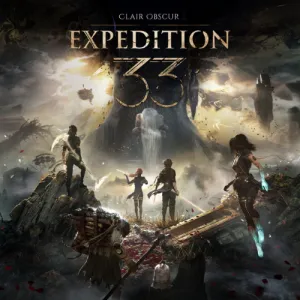
Review
Clair Obscur: Expedition 33 pulled me into its world with one of the most unsettling ideas I have encountered in a role-playing game. E...


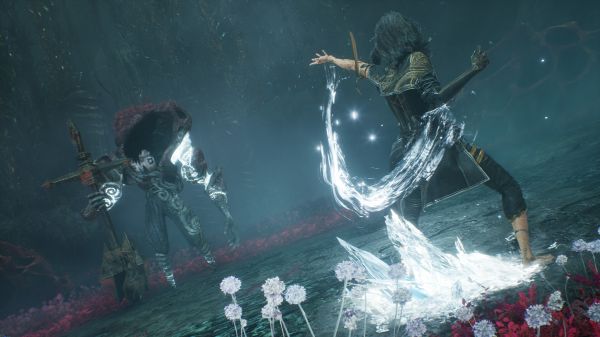
Clair Obscur: Expedition 33 – Unveiling the Mysteries of Immersive Adventure and Strategic Gameplay
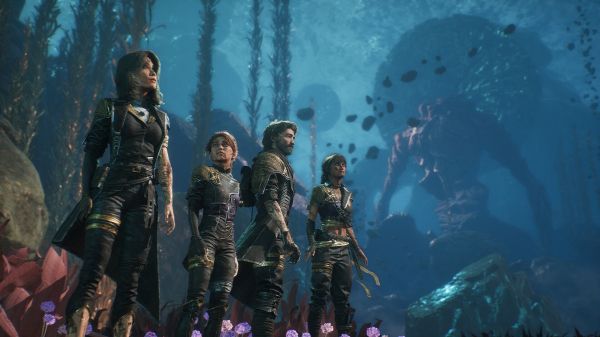
Clair Obscur: Expedition 33 pulled me into its world with one of the most unsettling ideas I have encountered in a role-playing game. Every year, a mysterious figure known as the Paintress writes a lower number on a distant Monolith, and everyone who has reached that age disappears. When the number reaches thirty-three, another expedition leaves the city of Lumière to confront her, fully aware that every group before them has failed. That premise gives the journey urgency before I have equipped one weapon or entered my first serious battle.
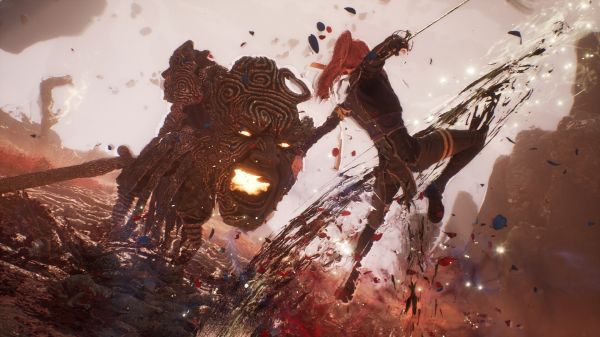
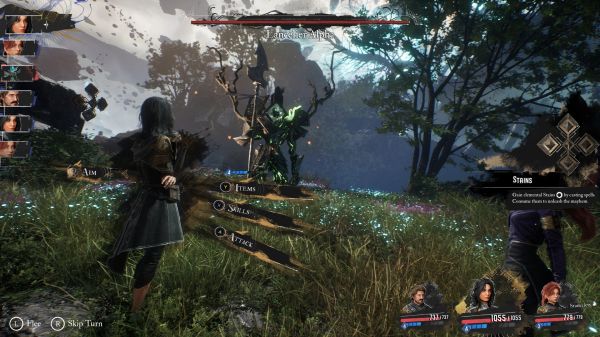
I expected the game to rely heavily on its artistic presentation, but the combat quickly proved that this was not simply a beautiful story with ordinary turn-based encounters attached to it. Every enemy turn demanded my attention because I could dodge, parry, jump over particular attacks, or counter after reading the correct rhythm. My own abilities also asked for timed inputs, aiming, resource management, and an understanding of how each party member creates opportunities for the others. The result felt like a turn-based RPG designed for someone who enjoys planning but does not want to put the controller down between commands.
From my perspective as a gamer, Clair Obscur: Expedition 33 succeeds because its narrative, visual design, music, and combat all seem interested in the same themes. Beauty exists beside grief, hope exists beside resignation, and mechanical confidence exists beside constant danger. The game rarely presents its world as completely hopeless, even when almost every location contains evidence of people who tried and disappeared before Expedition 33 arrived. That tension made the adventure emotionally heavy without turning every hour into the same note of misery.
Lumière Makes the Departure Feel Personal
The opening hours establish Lumière as more than a city waiting to provide a mission. It is a community that has spent generations adapting to a countdown everyone can see but nobody can stop. People celebrate, form relationships, create art, and prepare expeditions even though the yearly Gommage continues reducing the age anyone can expect to reach. This combination of ordinary life and unavoidable loss gives the city an atmosphere unlike a typical fantasy capital.
I appreciated that the game allows time for small interactions before the expedition leaves. Conversations, public spaces, visual details, and personal relationships make the citizens feel connected to the number painted on the Monolith. The tragedy is not abstract because the people disappearing have families, memories, routines, and plans. Expedition 33 begins as a heroic mission, but it also feels like a response from a society that has run out of safer ideas.
The Gommage Is Frightening Because It Is Treated as Routine
The annual disappearance is presented with ceremony because Lumière has lived with it long enough to develop customs around the event. That acceptance makes the situation more disturbing than constant panic would have. Characters know the rules, understand the date, and prepare themselves emotionally even when preparation cannot make the loss reasonable. The world has normalized something that should never feel normal.
I found this approach much stronger than relying only on a frightening villain. The Paintress remains distant, but her influence is visible in every age calculation and interrupted relationship. People measure their futures according to a number that becomes smaller every year. The story gains emotional force because the threat shapes daily life long before the party reaches its source.
Gustave Begins as a Man Running Out of Time
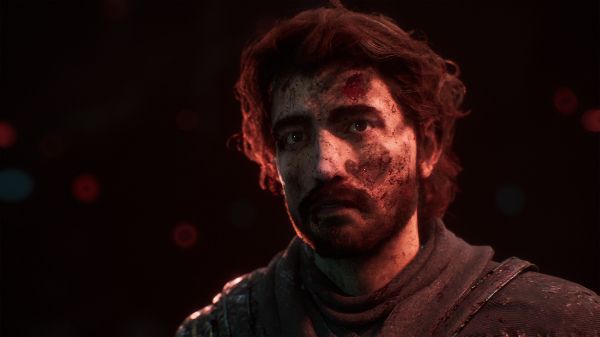
Gustave enters the expedition with the knowledge that thirty-three is not only the group’s number but the limit placed directly on his remaining life. He is technically capable, emotionally controlled, and focused on giving younger people a future he may never see. His prosthetic arm and engineering skills give him a practical identity, but his strongest quality is the quiet weight carried through ordinary conversations. He does not need to announce his fear constantly for it to remain visible.
I liked playing as a character whose motivation was not based on discovering personal greatness. Gustave already understands what he is sacrificing and why the mission matters. His relationship with Maelle gives the journey additional emotional responsibility because he is not only fighting for a city in the abstract. He wants someone close to him to inherit more possibilities than he received.
Maelle Gives the Expedition a Younger Perspective
Maelle begins with less experience and a much longer theoretical future than many expedition members, but she is far from a passive companion waiting to be protected. Her curiosity, frustration, courage, and complicated relationship with Lumière make her essential to the emotional structure. She views parts of the expedition with wonder while also carrying personal reasons for wanting another life. This gives her scenes a different energy from Gustave’s restrained sense of duty.
I enjoyed how her combat style reflects adaptability. She changes between stances, and the value of an ability often depends on the position she currently occupies. This made her feel like a fighter who grows stronger through momentum and intelligent sequencing rather than one fixed routine. Learning her system was slightly demanding at first, but successful stance transitions became some of the most satisfying turns in the game.
Lune Feels Like a Scholar Who Must Act Under Pressure
Lune brings scientific curiosity and elemental versatility to the expedition. She wants to understand the Paintress, the world outside Lumière, and the remains of earlier groups rather than treating every discovery as another obstacle. Her calm intelligence helps the party interpret locations that might otherwise remain purely mysterious. At the same time, the game allows her confidence to exist beside grief and uncertainty.
Her combat system revolves around elemental skills that create Stains, which can then satisfy the requirements of stronger abilities. I enjoyed this because each spell contributes to a future turn instead of existing only for immediate damage. Building the correct elemental sequence made her feel deliberate and powerful. Poor planning could leave me with an impressive ability that lacked the necessary resources to become fully effective.
Sciel Turns Foretelling Into a Tactical System
Sciel has an outward warmth that makes her easy to trust, but she also understands the emotional cost of the expedition clearly. Her personality can be playful without ignoring the seriousness of the journey. She brings maturity to the group while remaining capable of surprise, humor, and vulnerability. This balance prevents her from becoming only the calm senior member explaining everything to younger characters.
In combat, Sciel applies Foretell marks and then consumes them through other abilities, creating a rhythm of preparation followed by release. Her Sun and Moon mechanics add another layer, eventually opening stronger states when used effectively. I liked how her turns could begin modestly and develop into major combinations after the correct setup. She rewards players who think beyond the current action and understand when to preserve marks for a later opportunity.
Verso Changes the Emotional and Mechanical Direction
Verso enters with knowledge, confidence, and history that make him difficult to evaluate immediately. He understands parts of the world that remain unfamiliar to the expedition, yet his calm behavior creates as many questions as answers. The writing avoids making him a simple mysterious stranger whose only purpose is delivering exposition. His relationships and personal contradictions become increasingly important as the journey continues.
His combat revolves around building rank through successful actions while losing progress when the battle turns against him. This made every turn feel connected to performance rather than only resource collection. At a high rank, his abilities become dramatically stronger, encouraging aggressive and precise play. I enjoyed the pressure because one poorly handled enemy sequence could undo several turns of careful preparation.
Monoco Is More Than Comic Relief
Monoco initially appears to provide a lighter and stranger presence in a party surrounded by grief. His design, speech, and enthusiasm make him immediately memorable, especially beside the more human expedition members. However, the game gives him cultural history and emotional relevance rather than using him only for jokes. His connection to the Gestrals expands the world beyond Lumière’s perspective.
Mechanically, Monoco can learn enemy abilities and use a rotating Bestial Wheel that changes the effectiveness of his techniques. This made him one of the most flexible characters in my roster. His large selection of skills encouraged experimentation, but it also required more preparation than a straightforward damage dealer. I enjoyed turning familiar enemy attacks into tools for the party, especially when one learned ability solved a weakness in my current team.
Esquie Brings Warmth to the World Map
Esquie quickly became one of my favorite companions because the character combines enormous practical importance with an almost innocent personality. His abilities gradually expand world-map travel, opening paths across water, through the air, and toward locations that were previously unreachable. These upgrades make exploration feel tied to friendship rather than represented by an anonymous vehicle. Traveling becomes more charming simply because Esquie is involved.
I also appreciated how his presence prevents the world map from feeling emotionally empty. The journey between major locations includes conversation, humor, and a sense that the expedition has gained another genuine friend. His design fits the surreal world while remaining instantly lovable. In a game filled with beautiful sadness, Esquie provides relief without feeling disconnected from the setting.
The Party Feels Like People Learning to Trust One Another
Expedition 33 is not presented as a perfectly united group from the beginning. Members carry different experiences, expectations, secrets, and attitudes toward the mission. Camp conversations allow relationships to grow outside immediate danger, giving disagreements and affection more time to develop. The party becomes convincing because trust is built through shared travel rather than declared automatically.
I enjoyed returning to camp after major story events because characters often processed what had happened in different ways. One conversation might provide emotional context, while another reveals humor or a personal history that would not fit naturally inside a battle scene. These moments made the team feel less like six combat systems arranged in a menu. Their mechanical synergies became more satisfying because I cared about the people creating them.
The Paintress Is Powerful Before She Speaks
The Paintress dominates the story through scale, ritual, and distance. Her figure appears beyond the world, while the Monolith displays a number that governs every life in Lumière. She does not need to pursue the party constantly because the entire expedition exists in response to her action. This makes her influence feel almost divine even before the story provides deeper context.
I liked how the game resists explaining everything immediately. The visual idea of a giant artist deciding who remains alive is already strong enough to carry mystery. Every new location raises questions about whether she is a ruler, prisoner, creator, destroyer, or something more complicated. The gradual answers strengthen the story because they challenge the assumptions established during the opening.
The Narrative Benefits From Entering With Limited Information
Clair Obscur contains major revelations that change the interpretation of characters, locations, and the expedition’s purpose. I found the story most effective when I allowed those discoveries to arrive naturally. The game carefully places visual clues and unusual details that seem decorative at first and become meaningful later. Understanding transforms previous scenes without making them feel dishonest.
This structure encouraged me to reconsider what I had already accepted as normal. The world is surreal enough that I initially treated many impossible details as simple fantasy design. Later developments gave some of those details a more precise significance. The story rewards attention while remaining emotionally understandable even when every piece of lore has not been collected.
Reactive Turn-Based Combat Demands Constant Attention
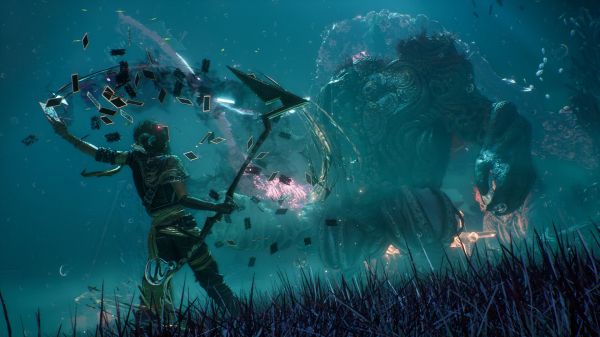
The basic battle structure gives each character a turn, but enemy actions require real-time defensive inputs. I can dodge most attacks, parry with stricter timing, jump over selected patterns, and eventually respond with counters under the right conditions. This means I am never completely safe while the opponent acts. The turn-based structure provides planning time, while the defensive mechanics create immediate pressure.
I loved this combination because it solved one problem I occasionally have with traditional turn-based systems. Watching a long enemy animation can make me feel detached when no meaningful response is possible. Expedition 33 turns every animation into information I need to read. A delayed movement, musical cue, camera shift, or unusual pause may reveal the timing of the next strike.
Dodging Is Reliable but Gives Up Offensive Momentum
The dodge window is generally more forgiving than the parry window, making it the safer defensive option while learning an enemy. A successful dodge prevents damage without demanding complete knowledge of the attack rhythm. It became my default response during the first encounter with a complicated boss. Surviving long enough to observe the pattern was more valuable than attempting perfect defense immediately.
The limitation is that dodging usually provides less offensive reward. Parrying can create counters and preserve stronger momentum, so remaining permanently cautious may extend battles significantly. I enjoyed deciding when I had learned enough to stop avoiding risk. Progress became visible when a terrifying sequence changed from something I barely survived into an opportunity for additional damage.
Parrying Makes Enemy Knowledge Feel Powerful
Parrying requires tighter timing and becomes especially difficult when enemies use delayed attacks, false movements, or long combinations. Missing one input can expose the active character to serious damage. Successfully reading the entire sequence may produce a counter that turns defense into offense. This makes mastery feel immediately valuable rather than represented only by higher statistics.
I found myself practicing certain enemies because their patterns were enjoyable to learn. The first attempt often looked impossible, but repeated observation revealed a consistent rhythm beneath the spectacle. When I finally parried every part of a major combination, the result felt closer to mastering an action-game encounter than selecting the correct command in a menu. The satisfaction came from knowledge and execution working together.
Attack Animations Deliberately Disrupt Easy Rhythm
Enemies rarely attack with one universal timing. Some strike immediately, others pause after raising a weapon, and several use combinations where every hit follows a different interval. Visual effects can also distract from the exact movement that matters. This prevents defensive play from becoming one repeated button press.
I appreciated how different creatures establish their own rhythm and personality through attacks. A graceful enemy may move almost like a dancer, while a heavier creature uses slow pressure followed by sudden acceleration. Learning the pattern also teaches something about the enemy’s visual identity. Combat animation therefore supports both mechanics and world building.
Jumping Adds Another Defensive Language
Certain attacks cannot be treated like ordinary strikes because the party needs to jump over them. These sequences introduce a distinct response and occasionally allow a follow-up action under the correct circumstances. The visual cue is usually connected to a sweeping or ground-focused attack, but complex encounters can combine jumps with parries and dodges. This keeps late battles from relying on one defensive skill exclusively.
I liked how jumping makes the party appear physically involved in the battle despite the turn-based structure. Characters are not standing in fixed positions while effects pass through them. They respond dynamically to what the enemy is doing. The system adds spectacle while preserving tactical readability.
Timed Attacks Make My Own Turns Interactive
Many abilities include an input during the animation that increases damage, adds hits, extends a combo, or activates another benefit. The timing varies according to the character and skill, so learning a new ability involves more than reading its description. Missing the input does not always waste the entire action, but it reduces the value noticeably. My own turn therefore remains active instead of becoming a command followed by observation.
I enjoyed how the input often matches the animation’s rhythm. A character may prepare, pause, and then strike at the moment the button prompt appears. After enough use, I could perform several abilities by watching the movement rather than focusing on the interface. This created a satisfying connection between mechanical memory and character animation.
Free Aim Makes Weak Points Tactically Important
Every active character can use a free-aim system to target visible enemy parts or environmental elements during battle. Shooting a weak point may interrupt an ability, remove armor, disable a support object, or create additional damage. This makes the enemy model part of the tactical puzzle. I needed to look carefully rather than treating every opponent as one health bar.
I especially liked encounters where free aim solved a mechanic instead of simply adding bonus damage. Closing a dangerous structure, breaking an exposed component, or removing an enemy advantage made precision meaningful. The system also gives ranged attacks a distinct role without requiring a separate action combat mode. Aiming remains quick enough to fit naturally inside a turn.
Action Points Create a Clear Combat Economy
Skills consume Action Points, while basic attacks, Pictos, weapon effects, and other systems can generate or preserve them. This creates a constant decision between using a powerful ability immediately and preparing a larger future sequence. Characters with strong resource generation can support expensive builds, while inefficient teams may spend several turns recovering. The economy becomes especially important during long boss encounters.
I enjoyed building characters who could maintain their own momentum rather than waiting passively for points. One Picto might refund a cost, another rewards successful parries, and a weapon may gain power from a particular status or stance. These small effects can combine into a complete rotation. The strongest builds feel less like one overpowered skill and more like an engine that keeps supplying itself.
Break Turns Pressure Into Opportunity
Enemies have a Break bar that can be filled through particular attacks and effects. Once the threshold is reached, a suitable ability can place the target into a vulnerable state, interrupting its momentum and creating a major offensive opportunity. This gives some characters a specialized role beyond raw damage. A party that coordinates Break effectively can control encounters that initially appear overwhelming.
I liked saving a strong sequence for the moment after the Break. The target becomes vulnerable, Action Points have been prepared, and character synergies can finally be released together. This creates a rhythm of setup and execution across several turns. Boss encounters feel more tactical when I am building toward a clear opening rather than reducing health at one constant rate.
Weapons Change More Than Basic Statistics
Each character has access to weapons with different scaling, elemental properties, and passive abilities unlocked through upgrades. A new weapon can completely change which statistics and skills deserve investment. Some reward a particular stance or resource, while others improve status effects, critical hits, defensive timing, or elemental interactions. Equipment therefore influences the complete build rather than providing only a larger attack number.
I spent significant time comparing weapons because an apparently weaker option could support my strategy better. A passive effect that generated resources or amplified a reliable mechanic often provided more value than slightly higher damage. Upgrading weapons also reveals additional bonuses that may justify long-term commitment. The system encourages experimentation without requiring every item to be kept permanently relevant.
Attributes Let Each Character Move Toward a Specific Role
Leveling provides points that can be assigned to attributes affecting health, power, speed, defense, and luck. Weapon scaling makes these choices more complicated because one piece of equipment may reward a different distribution from another. Speed also influences turn order, which can change whether a support action happens before or after the damage dealer needs it. Small statistical decisions therefore affect the party’s rhythm.
I enjoyed specializing characters instead of distributing points evenly. A fast support character could prepare the field before the main attacker acted, while a critical-focused build benefited from luck and suitable weapon scaling. Respecialization options made experimentation less frightening. I could test unusual ideas without feeling that one early decision had damaged the entire save.
Pictos Become a Brilliant Long-Term Progression System
Pictos function like equipment pieces that provide statistics and one associated passive effect called a Lumina. After winning enough battles with a Picto equipped, its Lumina becomes learned permanently and can later be activated without occupying the original equipment slot. This means every discovered Picto has potential long-term value even after stronger statistical options appear. The system rewards using equipment rather than merely storing it.
I found this progression extremely satisfying because experimentation contributes directly to future flexibility. Equipping a weaker Picto for several encounters may unlock a passive that completes another character’s build later. The party gradually accumulates a library of learned behaviors. Discovery becomes exciting because one small accessory may eventually influence every expedition member.
Lumina Points Prevent Every Character From Using Everything
Learned Lumina abilities are not automatically active because each character has a limited number of points available for equipping them. Strong passives may require a significant portion of the total capacity. This forces prioritization even after the library becomes large. I needed to decide which effects defined the build and which ones were merely convenient.
I liked how this limitation preserves character identity. Without a capacity system, every party member could eventually equip the same collection of universally strong passives. Lumina Points encourage specialization and difficult choices. Increasing the capacity through exploration and progression feels meaningful because every additional point may enable another important interaction.
Character Skills Create Distinct Combat Languages
Every expedition member uses a system that changes how I think about turns. Maelle manages stances, Lune creates and consumes Stains, Sciel places Foretell, Verso builds rank, Monoco rotates through masks and learned abilities, while Gustave develops Overcharge through his actions. These mechanics are different enough that switching the active party changes the entire rhythm of battle. I could not treat everyone as a variation of the same damage dealer.
This distinction became one of my favorite parts of the game. Learning a new character felt like discovering another tactical layer rather than replacing a party member with higher numbers. The systems also interact through status effects, Break, Action Points, and turn order. Building a team becomes a question of how three different languages can form one coherent conversation.
Maelle’s Stances Reward Sequencing
Maelle can enter Offensive, Defensive, and Virtuose stances through different abilities. The stance affects damage and other properties, making the order of skills extremely important. A modest opening move may exist mainly to place her in the position required for a devastating follow-up. Using the wrong ability can remove the state before its value has been fully used.
I enjoyed planning her turns several actions ahead. The ideal sequence depends on enemy weakness, available Action Points, and whether the party can keep her safe while she prepares. Reaching Virtuose stance and releasing a well-supported attack produces enormous satisfaction. Her build makes tactical rhythm visible through animation and damage.
Lune’s Stains Make Elemental Rotation Matter
Lune’s elemental abilities generate different Stains that can be consumed by later spells. This prevents me from repeating one strong element without considering the larger rotation. A skill may become cheaper, stronger, or mechanically enhanced when the correct Stains are available. The system makes elemental variety part of resource management.
I liked constructing a sequence where one spell prepared exactly what the next needed. Enemy resistances and weaknesses could disrupt the preferred rotation, requiring another path through the available elements. Lune feels strongest when the entire spell list is understood as one connected system. She rewards preparation without becoming predictable.
Sciel’s Foretell Creates Delayed Value
Foretell marks do little by themselves, but other abilities consume them for stronger effects. This means Sciel often invests one turn in creating future potential. The decision becomes more interesting when an enemy may disappear, change phase, or become vulnerable before the marks are used. Timing matters as much as quantity.
I enjoyed combining Foretell with effects that spread, multiply, or reward consumption. A carefully prepared target could become the center of a devastating sequence. Her Twilight state adds another reason to balance Sun and Moon skills intelligently. Sciel became one of my most reliable characters once I understood that patience was part of her strength.
Verso Turns Consistency Into Power
Verso’s rank improves when he performs successfully and falls when he receives damage. This makes defensive execution directly connected to offensive potential. A player comfortable with enemy timing can maintain a high rank and access stronger versions of his abilities. A difficult encounter can reduce him quickly if several attacks connect.
I appreciated that the mechanic makes my real-time performance part of the build. Better equipment helps, but clean defensive play remains essential. Verso feels powerful because the player has earned the state during the encounter. His rank system makes confidence visible without guaranteeing safety.
Monoco Encourages a Collector’s Approach to Combat
Monoco learns techniques from particular enemies, giving exploration and combat collection another purpose. Discovering a new creature can mean finding a future ability rather than only another entry in a journal. His Bestial Wheel then modifies skills according to the current mask, adding another tactical consideration. The result is broad flexibility with a demanding learning curve.
I liked creating different Monoco loadouts for Break, support, elemental coverage, or direct offense. His appearance and personality suggest improvisation, and his mechanics support that idea completely. He may not provide the immediate clarity of Maelle or Gustave, but he becomes extremely useful when the right tools have been collected. Mastering him feels like understanding the wider enemy ecosystem.
Status Effects Give Team Composition More Depth
Burn, Mark, Powerless, Defenceless, and other conditions create opportunities beyond direct damage. One character may apply a status that another weapon or skill uses for a larger bonus. Certain enemies respond differently to these effects, making flexible party construction valuable. The strongest combinations often involve preparing a condition before the main attacker acts.
I enjoyed building around Mark because it creates a clear target for a powerful follow-up. Burn-focused strategies offered another direction through repeated application and synergy. Status effects rarely felt like minor background numbers when the build supported them intentionally. They became the connection between character kits that otherwise appeared unrelated.
Party Size Makes Every Selection Important
Only a limited number of expedition members fight actively at once, so selecting the party requires commitment. A character left outside the initial formation may still matter under particular conditions, but the main strategy depends on the chosen trio. This creates meaningful tension when several excellent builds compete for the same position. I often changed the party according to the boss rather than keeping one permanent team.
I liked how each combination produced a different flow. One group focused on rapid Break and exploitation, while another built status effects and delayed damage. A defensive team made learning new patterns safer, and an aggressive team shortened encounters after mastery. The roster is small enough for every member to remain relevant and distinct.
Bosses Test Mechanics Rather Than Only Statistics
The strongest bosses combine unusual attack timing, phase changes, weak points, status interactions, and high pressure. Increasing level and weapon strength helps, but raw numbers cannot replace understanding the defensive patterns. A boss that appears impossible may become manageable after recognizing one visual cue or learning when a long sequence actually begins. This makes repeated attempts feel informative.
I enjoyed the process of gradually taking control. The first attempt was often spent observing, the next involved surviving deeper into the battle, and later attempts began using parries as offensive opportunities. Mechanical learning remains relevant even in a party RPG with complex builds. The encounter asks whether the strategy and execution can support each other.
Optional Bosses Push the Combat Much Further
Exploration reveals encounters that are significantly more demanding than ordinary story battles. These opponents may have unusual conditions, severe timing requirements, and enough power to expose weaknesses in a casual build. They provide a reason to refine Lumina selections, upgrade weapons, and understand every party member more deeply. The rewards often justify the effort through equipment or progression resources.
I appreciated that these battles were optional because they could remain demanding without blocking the main narrative. They became personal tests after I had grown confident with the combat system. Some encounters required several changes before the solution became visible. Victory felt like proof that the party build had matured rather than another mandatory checkpoint.
Difficulty Settings Respect Different Relationships With Timing
The game offers difficulty choices that affect challenge and the strictness of defensive timing. This is important because the real-time mechanics may attract action players and discourage players who normally prefer relaxed turn-based combat. Lower settings allow more attention to story and build construction, while higher settings demand stronger execution. The central systems remain recognizable across the options.
I appreciate difficulty settings that change accessibility without suggesting one experience is less valid. A player may understand the tactical systems perfectly and still find strict parry timing uncomfortable. Another may want every encounter to demand near-perfect defensive play. Expedition 33 provides enough flexibility for both approaches to remain engaged.
The World Looks Like a Painting Becoming Unstable
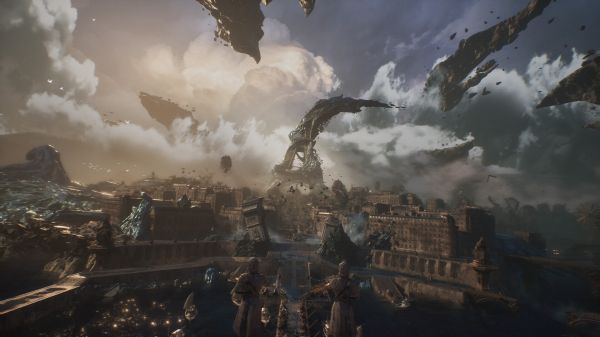
The environments combine Belle Époque architecture, dreamlike natural spaces, broken expedition remains, floating structures, and objects that seem created by artistic imagination rather than physical logic. Familiar beauty is constantly interrupted by something impossible. Flowers may become architecture, faces dominate landscapes, and distant shapes suggest worlds painted over older worlds. The result feels coherent because every location follows the same emotional logic even when geography becomes surreal.
I often stopped simply to examine the composition of a new area. Light, color, scale, and strange silhouettes guide attention more effectively than constant interface markers. The world feels designed from individual visual ideas rather than assembled from repeated open-world pieces. Each major region has a personality worth remembering.
Flying Waters Establishes the Surreal Adventure Early
Flying Waters combines aquatic imagery with an environment that does not behave like an ordinary sea. The region looks both submerged and suspended, filled with unusual creatures, wreckage, and traces of an earlier expedition. It immediately demonstrates that the journey will not follow natural geography. The party is moving through something closer to a memory or artistic construction.
I liked how the location teaches exploration, climbing, grappling, and environmental observation without losing visual wonder. Remains from previous expeditions create context for the danger. Their abandoned equipment and paths show that the party is following people who once believed they could succeed. Beauty never completely hides the cost of moving forward.
The Forgotten Battlefield Uses Ruins as Storytelling
The Forgotten Battlefield is filled with remnants of conflict and failed journeys. Its visual design communicates exhaustion, repetition, and the enormous number of people consumed by the same mission. I did not need a long historical explanation to understand that the ground had been shaped by loss. The environment itself carries memory.
I appreciated how the game uses expedition numbers and abandoned traces to create continuity across generations. Expedition 33 is not entering untouched territory. It is walking through evidence left by people who had similar plans, friendships, and confidence. Exploration becomes emotionally heavier because every useful path may have been created by someone who never returned.
The Island of Visages Turns Identity Into Geography
The Island of Visages uses enormous faces, masks, and emotional symbolism to create one of the game’s strangest regions. The location feels theatrical and psychological rather than physically natural. Its inhabitants and challenges reinforce the idea that identity can become a role performed repeatedly. The visual concept remains understandable even when the world becomes highly abstract.
I enjoyed how the region changes the pace through exploration and atmosphere rather than relying only on another battlefield. The environment asks me to interpret what its images might mean. Faces appear everywhere, but genuine understanding remains difficult. The location fits the story’s interest in art, memory, and constructed reality.
Exploration Is Focused Rather Than Completely Open
Most individual regions use guided routes with branches, hidden corners, vertical paths, and optional encounters. They are not enormous open fields filled with repeated objectives. This creates a strong sense of visual direction while leaving enough room for secrets. I rarely felt that the main path was difficult to identify, but I often found worthwhile reasons to leave it.
I liked this structure because every detour feels intentionally placed. A hidden rope, grapple point, or narrow passage may lead to a Picto, weapon, cosmetic item, merchant, or challenging enemy. Exploration remains rewarding without turning into map cleaning. The smaller spaces allow environmental detail to remain concentrated.
The World Map Provides Breathing Room
Between major regions, the expedition travels across a separate world map containing optional areas, hidden encounters, merchants, and routes that open through Esquie’s abilities. The scale becomes broader without forcing every environment into one continuous open world. I could choose the next destination, revisit earlier paths, or investigate a strange landmark in the distance. The structure resembles classic role-playing world maps while using modern presentation.
I enjoyed how movement upgrades change the map over time. Water, height, and distant islands gradually stop being permanent barriers. Returning later reveals new opportunities without requiring every secret to be solved during the first visit. The map creates freedom while preserving the handcrafted quality of individual areas.
Grappling and Climbing Add Vertical Discovery
Previous expeditions have left ropes and climbing points, while the party’s grapple can reach particular anchors. These tools allow levels to expand upward and downward rather than remaining flat corridors. A visible item may require noticing an alternate elevation or hidden ledge. The traversal remains simple enough not to become a platforming game.
I liked how vertical paths often reveal evidence of earlier expedition members. Their equipment has become part of the current group’s route. This creates a quiet connection across time. Even a functional climbing rope can carry narrative meaning.
Paint Cages Reward Environmental Attention
Paint Cages are puzzle-like structures that require locating and shooting several nearby targets before the reward becomes available. They encourage me to examine the surrounding area rather than interacting only with the central object. Targets may be hidden at different heights or angles. The puzzle is simple, but it gives free aim a purpose outside battle.
I appreciated these moments because they break the rhythm of walking and fighting without demanding a lengthy puzzle sequence. The environment becomes something to inspect actively. A reward feels earned through observation rather than collected automatically. Paint Cages fit the world’s artistic identity naturally.
Lost Gestrals Add Lightness to Exploration
Small Gestrals can be found in hidden locations and encouraged to return to camp. Their presence creates a playful collectible goal inside an otherwise emotionally heavy adventure. Discovering one feels more personal than collecting another anonymous token. Camp also changes as more are found.
I enjoyed searching for them because their designs and personalities fit the game’s stranger side. They provide a reason to examine optional corners without turning the activity into a massive checklist. The rewards support progression, but the characters themselves provide most of the charm. The expedition feels slightly less lonely as camp gains new visitors.
Merchants Have Personality and Mechanical Purpose
Gestral merchants appear in different areas with weapons, Pictos, materials, and other useful items. Some require a battle before their complete inventory becomes available, turning shopping access into a test. Their designs and dialogue make each encounter feel more memorable than opening another generic store menu. Commerce becomes another way to meet the world’s unusual inhabitants.
I liked checking every merchant because one weapon could change a character build significantly. Their inventories often support the region or current progression stage. Fighting a merchant is presented with the strange friendliness expected from Gestral culture. The encounter can be challenging without becoming hostile in the usual sense.
Camp Conversations Deepen Relationships
Camp acts as a place for resting, upgrading, changing equipment, and speaking with companions. New conversations appear as the story develops, revealing personal histories and shifting relationships. These scenes are optional enough to feel intimate rather than mandatory exposition. Taking time to speak with everyone made later moments significantly stronger.
I enjoyed how the environment changes according to the party’s growth. Characters occupy familiar spaces, Esquie provides another source of interaction, and rescued Gestrals add activity. The camp becomes the closest thing the expedition has to a home outside Lumière. Returning there provides emotional continuity between surreal locations.
Relationship Progression Feels Quietly Valuable
Spending time with companions can improve relationships and unlock additional effects or abilities. The system provides mechanical motivation without reducing every conversation to a reward transaction. Scenes usually focus on personality, grief, humor, or uncertainty rather than presenting another obvious upgrade lesson. The benefit feels connected to growing trust.
I appreciated that relationships develop within the expedition rather than through a disconnected social minigame. Characters are traveling through the same impossible mission and need time to understand one another. The conversations strengthen party identity. Mechanical rewards simply acknowledge that stronger relationships can improve cooperation.
The Music Is Essential to the Game’s Identity
Lorien Testard’s score moves between orchestral intensity, intimate vocal pieces, melancholy themes, and battle music that feels almost theatrical. The soundtrack does not merely support the visuals because it often becomes the emotional center of a scene. Character motifs and repeated musical ideas create continuity across the journey. Several locations became memorable to me primarily through the music accompanying them.
I appreciated how confidently the game uses vocals. Songs can make a battle feel tragic, triumphant, strange, or deeply personal without relying on another cinematic interruption. The music often sounds as if the world itself is performing. This fits a setting shaped by art, creation, and theatrical imagery.
Battle Themes Make Repetition Feel Dramatic
Turn-based RPGs need music capable of surviving repeated encounters without losing energy. Expedition 33 uses layered compositions, strong melodies, and rhythmic movement that make ordinary battles feel important. Different regions and bosses receive distinct musical identities rather than relying on one track for every situation. The soundtrack preserves momentum during longer sessions.
I often remained in a battle slightly longer because I wanted to hear a section develop. Timed inputs and parry rhythms also interact naturally with strong musical structure, even when the attacks do not follow the soundtrack exactly. Combat feels choreographed without becoming a rhythm game. The music amplifies precision and spectacle simultaneously.
The French Voice Direction Fits the World Beautifully
The French-language performance option feels especially natural within the Belle Époque-inspired setting. Names, locations, and emotional expressions gain another layer of cultural consistency. The English cast is also strong, but switching languages changed the atmosphere more than I expected. Dialogue remained emotionally convincing in both versions.
I enjoyed experimenting before deciding which version to use for most of the campaign. English allowed me to focus on performances without reading constantly, while French increased immersion in the world’s aesthetic. The availability of both gives players meaningful choice rather than one clearly inferior option. Strong subtitles support either approach.
Character Performances Carry the Emotional Weight
The cast handles grief, humor, fear, affection, and major revelations with restraint. Characters rarely sound as though they are announcing emotions only for the audience’s benefit. Small hesitations and changes in tone often communicate more than a long speech. This helps the more dramatic scenes remain believable.
I was especially impressed by how the performances maintain warmth inside a story surrounded by disappearance and death. The party jokes, argues, and becomes excited about strange discoveries. Their personalities continue existing outside tragedy. That emotional range makes painful moments far more effective.
Visual Customization Provides Welcome Freedom
Outfits and hairstyles can be discovered throughout the world and equipped without affecting combat statistics. This allows characters to retain an appearance I like even when the build changes completely. Some options preserve the expedition’s serious style, while others introduce playful or deliberately strange combinations. The system does not take itself too seriously.
I appreciated having cosmetic rewards among powerful equipment and progression items. Finding a new hairstyle can feel surprisingly satisfying after several intense encounters. The lighter options also create amusing contrasts during serious scenes. Players can decide whether to preserve cinematic consistency or embrace complete visual chaos.
Photo Mode Gives the Art Direction More Space
The game’s landscapes, character designs, lighting, and combat effects naturally invite screenshots. Photo Mode allows more control over framing and presentation than ordinary camera positioning. I used it most often in quiet environments where the party stood against enormous surreal structures. The world contains compositions that already resemble paintings.
I also enjoyed capturing combat because abilities use dramatic poses, particles, and camera movement. Timing the pause correctly can reveal details that disappear during normal speed. Photo Mode extends the value of visual customization as well. A carefully chosen outfit becomes more meaningful when the game provides tools to present it properly.
Unreal Engine 5 Supports Spectacle and Creates Demands
The environments use detailed materials, dense effects, large structures, and dramatic lighting to create their painted fantasy. Character models and animations hold up well during close cinematics, while battle effects remain visually clear despite considerable spectacle. The game often looks far more expensive than I expected from a debut project. Its artistic confidence compensates for occasional technical roughness.
Performance can become demanding, especially at higher resolutions and settings. Busy environments and effects may produce inconsistent frame pacing on limited hardware. I prefer reducing a few expensive options to preserve responsive parries and smooth camera movement. Stable timing is mechanically important in a game where defensive inputs determine survival.
Performance Matters More Than Maximum Detail
A beautiful image loses value when unstable frame delivery interferes with attack timing. Parrying depends on reading animation consistently, so sudden drops can make a familiar sequence feel unreliable. I prioritized a stable target before increasing visual quality. The art direction remains strong even when several settings are reduced.
I also tested difficult battles after adjusting performance because ordinary exploration did not reveal every issue. Large effects and multi-hit attacks create different demands from walking through a quiet region. A configuration that feels acceptable on the world map may struggle during the exact moment precision matters most. Expedition 33 rewards practical optimization.
Controller Input Fits the Combat Naturally
The game’s menu navigation, timed attacks, dodges, parries, and camera control feel comfortable on a controller. Buttons become associated quickly with defensive responses and character actions. Analog movement also suits exploration and world-map travel. The overall design feels built around this input style.
Mouse aiming can provide useful precision during free-aim sequences, but switching between navigation and rapid defensive inputs may feel different according to personal habits. I preferred controller consistency across the full game. The most important factor is developing reliable muscle memory. Defensive timing becomes much easier when the chosen layout feels instinctive.
The Interface Communicates Complex Systems Clearly
Turn order, Action Points, health, status effects, Break progress, character resources, and enemy information need to remain visible without covering the artwork. The interface generally succeeds through clear placement and recognizable icons. Character-specific mechanics receive enough information to support planning. I rarely lost track of why an ability was unavailable.
Some later builds involve many passive effects that become harder to review quickly. Comparing Pictos, Lumina costs, weapon passives, and skill requirements can require substantial menu time. Better filtering and saved loadouts would make experimentation faster. The existing interface remains functional, but the depth eventually grows beyond its most convenient organization.
Respecialization Encourages Experimentation
Build choices can be adjusted through available respec resources, allowing attributes and skills to move toward another strategy. This is important because new weapons may suggest completely different scaling or mechanics. A character built for one role early in the game does not need to remain trapped there permanently. Experimentation becomes part of progression rather than a punishment.
I appreciated being able to respond to discoveries. A powerful weapon could justify rebuilding Maelle or Verso around another attribute, while newly learned Lumina abilities might create a support role for someone previously focused on damage. Respec resources still feel valuable enough to discourage constant random changes. The balance supports thoughtful testing.
New Game Plus Rewards Mechanical Mastery
A second journey allows developed characters, equipment, and player knowledge to approach earlier encounters differently. Story scenes gain new meaning after the major revelations are understood. Combat also changes because I can experiment with builds and abilities unavailable during the original opening. The mode offers both narrative reconsideration and mechanical freedom.
I found the second playthrough especially interesting because enemy animations no longer felt unfamiliar. Encounters that once demanded cautious dodging became opportunities to practice parries and aggressive rotations. The party’s strength changes the pace, but higher challenge options can preserve pressure. New Game Plus works as a celebration of everything learned during the first expedition.
The Game Respects Its Ending Enough to Create Debate
The final portions present difficult ideas about grief, memory, attachment, and whether a beautiful illusion can become more valuable than painful reality. Character motivations remain emotionally understandable even when their decisions conflict. The story does not reduce the final choice to an obviously correct moral answer. It asks what each person is willing to lose in order to continue living.
I appreciated the discomfort because a cleaner resolution would weaken the themes established throughout the journey. Art can preserve, distort, comfort, and imprison at the same time. The game allows multiple interpretations without making every consequence equally harmless. The ending remained in my mind because it challenged the emotional investment created by the adventure itself.
Grief Is Treated as Something That Changes Shape
Characters do not process loss in one universal way. Some seek answers, some create duty, some retreat into memory, and others attempt to build meaning through relationships. The expedition becomes a collection of people carrying different versions of absence. Their conflicts often come from incompatible ways of surviving rather than simple cruelty.
I found this portrayal honest because grief rarely follows a clean progression. Characters may appear strong and then become overwhelmed by an unexpected reminder. Others hide pain through humor or intellectual curiosity. The game’s emotional power comes from allowing these responses to coexist.
Art Is Both Salvation and Danger
The world of Clair Obscur is inseparable from painting, music, performance, and creation. Art preserves beauty and gives people a place to express what ordinary reality cannot contain. It can also create illusion, control, obsession, and resistance to change. The story never treats creativity as automatically pure.
I liked how this theme appears mechanically and visually rather than only through dialogue. Pictos become abilities, painted creatures become opponents, and entire environments behave like artistic constructions. The player benefits from the same creative force that causes danger. Art is powerful because it can transform reality, and that transformation is not always kind.
The Game’s Humor Prevents Emotional Exhaustion
Gestrals, Esquie, optional conversations, cosmetic items, and unexpected character reactions provide moments of genuine comedy. These scenes do not erase the seriousness of the mission. They remind me that people continue finding joy even when the future is uncertain. The party becomes easier to care about because they are allowed to be ridiculous sometimes.
I appreciated how humor emerges from personality rather than constant references or modern jokes that would damage the setting. Monoco’s enthusiasm, Esquie’s innocence, and camp interactions create relief naturally. The lighter scenes make returning to tragedy more effective. Emotional contrast gives the narrative room to breathe.
The Pacing Is Focused but Not Rushed
Clair Obscur does not attempt to provide an enormous open world requiring hundreds of hours. Major regions have clear narrative purposes, optional content remains substantial, and the main story continues moving regularly. I rarely felt that the expedition had forgotten its urgency in order to complete unrelated errands. Side areas still support character growth, lore, or combat mastery.
I enjoyed this concentration because every location feels selected rather than included to increase map size. The game offers enough secrets and optional bosses for deeper exploration without weakening the main path. A focused role-playing game can create stronger memory than a much larger one filled with repeated tasks. Expedition 33 understands the value of leaving some ideas concise.
Some Platforming Can Feel Less Polished Than Combat
Exploration includes jumps, ledges, ropes, and grapple points, but character movement is not always precise enough to make every narrow path comfortable. The camera can become awkward near walls or irregular terrain. Missing a jump usually creates limited punishment, yet repeated attempts can interrupt the atmosphere. Traversal functions best as a discovery tool rather than a demanding mechanical challenge.
I accepted these moments because the routes are generally brief and visually clear. The game wisely avoids turning them into long precision sequences. Better movement feedback would still make hidden areas more enjoyable to reach. Combat receives significantly more mechanical refinement than platforming.
Enemy Repetition Appears During Extended Exploration
Each region introduces distinctive creatures, but spending a long time searching every corner eventually reveals repeated formations. Familiar enemies become easier once their attack patterns are learned, reducing tension during ordinary encounters. New variants and combinations help, though they cannot completely remove repetition. Optional exploration therefore becomes more efficient over time.
I did not find this especially damaging because battles remain quick when the party is well built. Familiar patterns also provide opportunities to practice parries and test new skills. The system benefits from enemies remaining readable rather than changing randomly. More encounter-specific mechanics could have increased variety further.
Parry Timing Can Feel Unclear During Heavy Effects
Certain enemy attacks use large visual effects, unusual camera angles, or long delays that make the exact moment of impact difficult to interpret. Learning through repeated attempts usually solves the problem. During the first encounter, failure may feel disconnected from the visible motion. This becomes more frustrating when one missed input causes severe damage.
I preferred beginning with dodges until the animation became familiar. The safer response allowed me to study without losing the entire battle immediately. Better audio cues or adjustable visual clarity could help players with these sequences. The challenge is strongest when timing feels strict but understandable.
The Build System Can Become Overwhelming Late in the Game
Weapons, attributes, skills, Pictos, learned Lumina, Lumina Points, character resources, status effects, and party order create enormous flexibility. This is exciting, but comparing every possible interaction requires significant menu analysis. One new passive can change several established assumptions. Players who prefer simple equipment upgrades may find the optimization demanding.
I enjoyed this depth because experimenting was one of my main reasons to continue after the story. Saved build presets would make the system easier to manage. I wanted separate configurations for bosses, exploration, status strategies, and Break-focused teams. Rebuilding manually can discourage creative switching even when respec options are available.
The Best Battles Feel Like Choreographed Duels
When a boss animation, musical theme, parry rhythm, party rotation, and visual effects align, the battle feels almost staged. I select abilities deliberately, respond to every movement, and create an offensive sequence after reading the opponent correctly. The turn-based structure never disappears, but it gains the energy of a live performance. Few RPG combat systems create this combination so effectively.
My favorite encounters were not always the most difficult. They were the ones where the enemy’s mechanical identity matched its visual and musical presentation. Learning the battle felt like understanding the character. Victory became the final movement of a complete scene rather than one health bar reaching zero.
My Most Satisfying Build Used the Whole Party
I created a team where one character applied Mark and Break pressure, another generated resources and prepared status effects, and Maelle entered the correct stance for the main damage window. The build required several turns to reach full strength, but every action contributed to the same plan. Successful parries accelerated the sequence through Lumina effects. The result felt like operating one coordinated machine made from three very different character systems.
I enjoyed this more than giving every character independent damage. Party synergy made turn order and support abilities genuinely important. A weaker individual action could become essential because it prepared the next character. Clair Obscur rewards players who evaluate the complete round rather than one isolated number.
What I Would Improve for Another Expedition
I would add saved equipment and Lumina loadouts so experimental builds could be changed quickly. A party-based RPG with this much flexibility benefits from allowing several prepared strategies. Better late-game filters for weapons, Pictos, and passive effects would also reduce menu time. The depth should remain, but organizing it could become easier.
I would refine traversal, camera behavior near terrain, and visual clarity during a few complicated attacks. Additional enemy combinations in optional regions could improve extended exploration. I would preserve the focused structure rather than expanding the game into a much larger open world. Its strength comes from concentration, not quantity.
Why Expedition 33 Stayed With Me
Clair Obscur: Expedition 33 remained memorable because it treats every part of the game as another way of expressing the same emotional world. The yearly Gommage gives the story urgency, the expedition remains surrounded by evidence of earlier failure, and the environments look beautiful enough to make preservation feel understandable. Combat asks me to respond actively instead of observing from a safe distance. The entire experience is built around people refusing to accept disappearance quietly.
From my perspective as a gamer, the reactive turn-based battle system is its greatest mechanical achievement. I can pause to choose skills, examine resources, and plan character synergies, yet enemy actions still demand precise attention. Dodging provides safety, parrying creates opportunity, and timed attacks keep my own turns active. Strategy and execution support each other rather than competing for control.
The character-specific mechanics provide the depth needed to sustain that system. Maelle’s stances, Lune’s Stains, Sciel’s Foretell, Verso’s rank, Monoco’s learned abilities, and Gustave’s Overcharge make every party composition feel different. Weapons and Lumina then change how those systems operate. Building a team becomes an act of understanding personalities expressed through combat design.
The world remains equally impressive. Flying Waters, the Forgotten Battlefield, the Island of Visages, Lumière, and the distant Monolith feel like parts of one artistic vision without repeating the same scenery. Exploration is focused and consistently rewarded. The game rarely asks me to cross a large empty area simply because scale looks impressive on a map.
The soundtrack elevates almost every major scene. Vocal performances, battle themes, character motifs, and quiet camp music create emotional continuity across the journey. I often remembered a location through its melody as strongly as its architecture. The score makes the world feel as though it is grieving and performing at the same time.
The story’s revelations are ambitious, but their value comes from the relationships established beforehand. Gustave’s duty, Maelle’s search for belonging, Lune’s curiosity, Sciel’s warmth, Verso’s hidden weight, and Monoco’s cultural perspective give the mystery human consequences. The expedition matters because I care about who is walking toward the answer. Lore alone would not create the same impact.
The game does have rough edges. Traversal lacks the precision of combat, some enemy groups repeat, performance can become inconsistent, and late-game build management needs stronger organization. Strict timing may also create a barrier for players expecting a completely traditional turn-based experience. Difficulty options and forgiving dodges reduce that pressure without removing the central design.
My strongest memory came from a major battle after several unsuccessful attempts. I had learned the enemy’s pauses, rebuilt the party around Break and Mark, equipped Lumina abilities that rewarded clean defense, and finally reached the last phase with every character prepared. The music rose, a long sequence began, and I parried each strike before releasing the rotation I had planned several turns earlier. It felt like the strategy and performance had finally become one action.
Clair Obscur: Expedition 33 is not memorable only because it looks different from other RPGs. Its artistic identity is connected directly to its ideas about memory, grief, beauty, and the danger of refusing to release what has already changed. The painted world is breathtaking because the story understands why someone might want to remain inside it. Beauty becomes emotionally complicated rather than serving as decoration.
By the end of the journey, I no longer viewed Expedition 33 only as another group attempting what previous teams could not complete. They had become people confronting the meaning of their world, their memories, and the futures they imagined for one another. The game asks difficult questions without reducing them to one easy answer. It left me with spectacular battles, unforgettable music, and the uncomfortable thought that the most beautiful place can also become the hardest place to leave.
Pros:
- Innovative gameplay mechanics that challenge conventional strategies
- Stunning visual aesthetics complemented by atmospheric audio
- Dynamic storyline with choices that affect the outcome
- Cross-platform availability ensuring access on multiple devices
- Robust community support that offers a variety of mods and creative enhancements
- Immersive narrative that draws players into a richly detailed world
Cons:
- Complex puzzles could be frustrating for newcomers
- Performance issues may arise on older or less powerful hardware
- The slow narrative pacing may not appeal to players seeking immediate action








Recent Reviews

Minecraft

Grand Theft Auto V

Toca Boca World

Roblox

Leave a comment
Your comment is awaiting moderation. We save your draft here
0 Comments