Review
Crusader Kings III regularly convinces me that I am executing a brilliant political strategy approximately five minutes before revealin...

Forging Dynasties: Navigating the Intricate World of Crusader Kings III
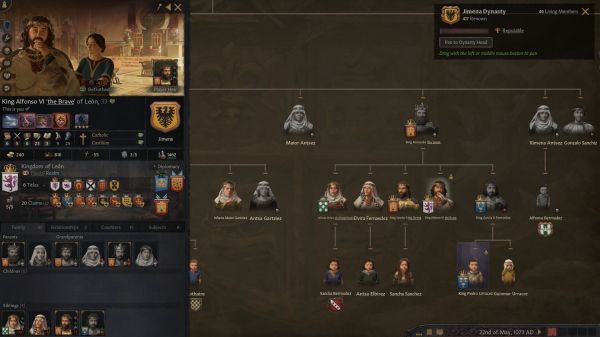
Crusader Kings III regularly convinces me that I am executing a brilliant political strategy approximately five minutes before revealing that my heir has insulted the clergy, my second spouse is involved in a secret relationship, and three powerful vassals have joined a faction because I gave one county to the wrong cousin. The map may display kingdoms, armies, borders, and diplomatic relationships, but the true battlefield is usually a family tree filled with ambitious relatives. Every ruler is temporary, every alliance is conditional, and every peaceful succession is an achievement worth celebrating. The game turns medieval grand strategy into an unpredictable family drama where personal weakness can destroy plans that appeared secure for decades.
I do not control one immortal empire from the opening year until the campaign ends. I guide a dynasty through generations of rulers, each possessing different abilities, relationships, personality traits, health problems, rivals, secrets, and ambitions. A talented administrator may create a stable realm that immediately passes to an arrogant heir with weak diplomacy and several jealous siblings. The campaign therefore becomes less about maintaining perfect control and more about preserving enough continuity that the family survives its own mistakes.
The Character Sheet Matters More Than the Size of the Army
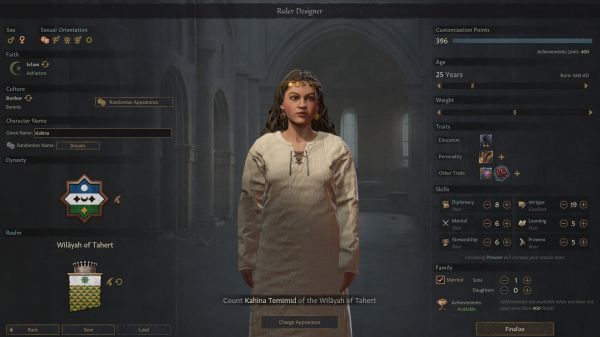
Every important person in Crusader Kings III has attributes, traits, claims, relationships, opinions, family connections, health conditions, religious beliefs, cultural identity, and private motivations. These details are not merely decorative biographies because they influence taxation, diplomacy, intrigue, warfare, marriage, succession, and event outcomes. A brave and ambitious commander may be excellent during expansion while becoming dangerous once denied a council position. A compassionate ruler can reduce hostility through personal diplomacy but gain considerable stress when forced into cruel political decisions.
I enjoy examining characters before making decisions because the same action can affect two people differently. Granting land to a content relative may create a dependable vassal, while empowering an ambitious claimant could build a future rebellion. Marrying one child to a powerful house provides an alliance, but the resulting partner may introduce claims or personality conflicts that reshape the dynasty later. Crusader Kings III makes political planning feel personal because every strategic resource belongs to someone with their own agenda.
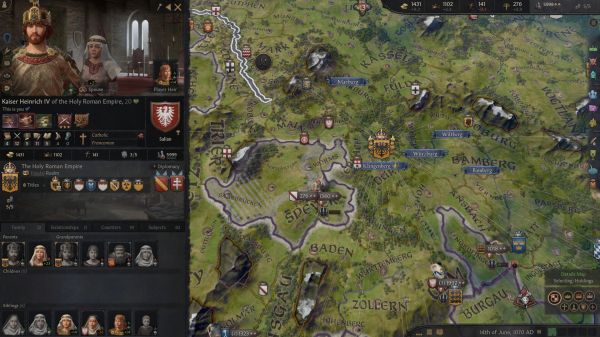
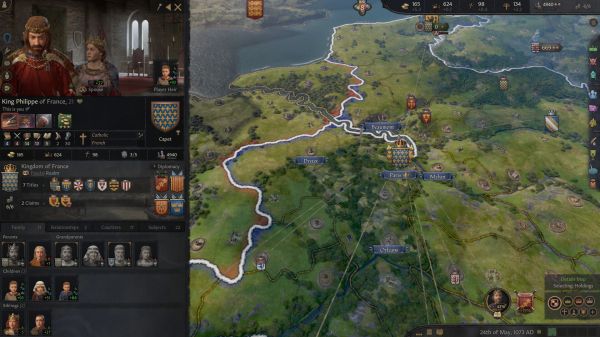
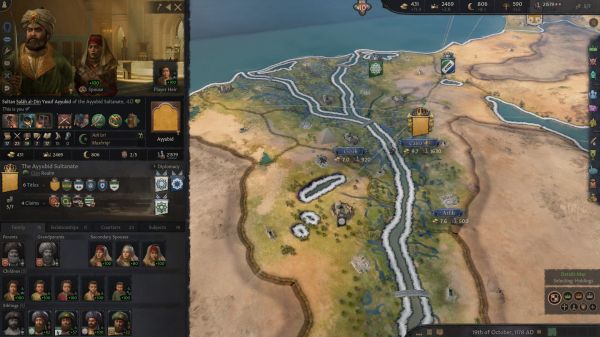
The animated portraits help enormously. Characters age, gain scars, change clothing, become ill, alter their posture, and react visibly during conversations. I can often identify confidence, anger, fear, or physical weakness before reading every statistic. The visual presentation turns a complicated database into a population of recognizable people whose stories are easier to remember.
Personality Traits Turn Role-Playing Into a Mechanical System
Rulers usually possess several defining traits such as compassionate, arrogant, patient, deceitful, diligent, generous, or paranoid. These characteristics alter attributes and opinions, but their most important function appears through stress. Acting against the ruler’s personality increases stress, while behavior aligned with those traits is usually easier to tolerate. The player remains free to make almost any available decision, yet repeatedly forcing a character to behave unnaturally creates consequences.
This system prevents every ruler from feeling like the same strategic avatar wearing a different portrait. A forgiving leader may struggle to imprison troublesome vassals, while a sadistic character can use intimidation without emotional difficulty. A shy ruler finds large social gatherings exhausting, and an ambitious one may become frustrated when declining opportunities for advancement. The optimal decision changes because the person making it changes.
I appreciate that role-playing becomes practical rather than purely self-imposed. Following a character’s personality can preserve mental stability even when the decision is politically imperfect. Ignoring it may be worthwhile during an emergency, but accumulated stress can trigger coping habits, health issues, public embarrassment, or destructive events. Crusader Kings III rewards flexible strategy because the ruler is another limitation that must be managed.
Stress Produces Some of the Best Personal Disasters
Stress grows when rulers endure difficult events or repeatedly act against their nature. Reaching major thresholds can produce breakdowns that offer several coping options. One character may turn toward excessive eating, drinking, isolation, spending, religious obsession, or another habit that reduces immediate pressure while creating a new weakness. The solution often becomes the beginning of another problem.
I once played a diligent ruler whose constant work created excellent finances and terrible personal stability. Every attempt to slow expansion felt inefficient, but continued responsibility pushed his stress higher. He eventually adopted habits that damaged health and court opinion, leaving the carefully managed kingdom in the hands of an unprepared child far earlier than expected. The sequence felt authored even though it emerged entirely from traits, decisions, and unfortunate timing.
The stress system occasionally repeats familiar events after many campaigns, yet it remains one of the strongest connections between personality and strategy. It transforms emotional pressure into something visible without reducing characters to a simple happiness meter. A ruler can be politically successful and personally collapsing at the same time. That contradiction produces stories far more memorable than another clean territorial victory.
Starting Small Makes Every Relationship Easier to Understand
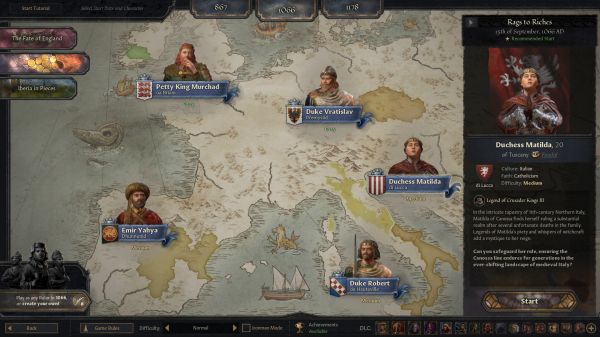
Beginning as a count or minor duke gives me fewer resources but a clearer view of the political structure. I know exactly which neighboring territory matters, which liege controls my position, and which local rival could become a serious obstacle. One marriage or county claim can alter the future significantly. The limited scale makes every decision feel immediate.
A small realm also encourages patience because direct expansion may be impossible. I may need to gain favor with a liege, fabricate a claim, marry into another family, expose a secret, or wait for a neighboring ruler to become vulnerable. The absence of overwhelming military strength forces me to use more of the game’s diplomatic and personal systems. Success feels earned because one county can require years of preparation.
The danger is that a minor ruler has little protection from larger forces. One ambitious neighbor can end the campaign before the dynasty has developed. Swearing loyalty to a stronger ruler provides safety while introducing obligations and internal politics. Crusader Kings III makes submission another strategic position rather than an automatic defeat.
Playing as a Vassal Can Be More Interesting Than Wearing the Crown
Serving beneath a king or emperor allows me to develop land while participating in a larger political structure. I can negotiate the feudal contract, seek a council position, support factions, influence succession, and expand inside the realm without confronting every external enemy directly. The liege absorbs much of the diplomatic pressure. This creates room for slower manipulation.
I enjoy becoming the indispensable vassal who controls important territory, possesses strong alliances, and cannot be punished easily. Supporting the ruler may produce titles and protection, while carefully timed opposition can extract additional rights. A weak monarch creates opportunities for independence or replacement. A strong one can provide the stability needed to build wealth quietly.
Internal politics feel most convincing when the throne is only one source of power. A duke with several counties and a strong family may possess more practical influence than the official ruler. Council membership also turns high attributes into realm-wide value. Crusader Kings III understands that medieval authority was layered rather than completely centralized.
Succession Is the True Final Boss
Territory expands through war, marriage, inheritance, and political manipulation, but none of it matters if the realm collapses during succession. Early inheritance laws frequently divide titles among multiple eligible children. A ruler who spent decades assembling a kingdom may leave the primary heir with only part of it. Siblings become independent rulers, powerful vassals, or dangerous claimants immediately after the funeral.
This initially felt unfair because the game appeared to punish successful family growth. Eventually I understood that succession is not an interruption of the strategy; it is the strategy. I must control which titles exist, how land is distributed, who receives education, what marriages are arranged, and whether secondary heirs can be satisfied elsewhere. A stable inheritance begins decades before the current ruler dies.
Even careful preparation cannot remove every risk. The favored heir may pass away unexpectedly, leaving a child next in line. A distant relative can inherit through a chain of misfortune, or one disinherited family member may return with outside support. Crusader Kings III creates tension from the knowledge that the person I am developing may never become playable.
The First Year After Succession Is Usually the Most Dangerous
A new ruler inherits titles but not the personal respect accumulated by the previous one. Long-serving vassals may dislike the heir’s age, culture, religion, personality, or limited prestige. Factions form quickly, external rulers recognize weakness, and family members begin pressing inherited claims. The realm can move from stability to crisis before the coronation celebrations are complete.
I prepare for this transition by saving money, maintaining alliances, reducing unnecessary wars, and ensuring the heir has useful relationships. Even then, one unpopular succession may require gifts, council appointments, marriages, imprisonment, or concessions. Winning the first rebellion does not automatically restore loyalty. The new ruler must build personal authority from the beginning.
These dangerous years make old age strategically important. A ruler approaching death should not always begin another large campaign merely because the army is available. Leaving an exhausted realm and empty treasury to the heir is an invitation to disaster. Crusader Kings III makes knowing when to stop expanding as important as knowing when to begin.
Marriage Is Diplomacy, Genetics, Inheritance, and Personal Risk
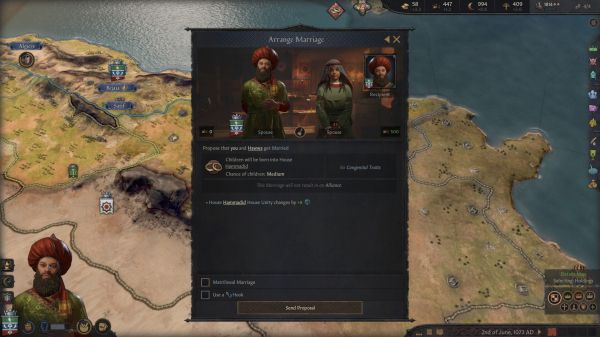
Marriage can create alliances, improve attributes at court, introduce valuable traits, produce heirs, and connect the dynasty to future claims. One partner may be selected for military security, another for high stewardship, and another because their family possesses a title I hope to inherit eventually. Romantic compatibility is only one consideration. Medieval family planning becomes an enormous strategic system.
The search interface makes potential partners easy to compare, but the consequences remain complicated. A powerful alliance may disappear when the connecting family member dies. A spouse from another faith can create opinion problems, while one with useful inherited traits may produce stronger descendants. The best candidate depends on the realm’s immediate weakness and long-term ambition.
Characters can also reject the role assigned to them. Affairs, rivalries, fertility issues, secrets, and personal events turn a carefully planned marriage into another source of uncertainty. A spouse with high intrigue may protect the ruler or become the person most capable of causing harm. Crusader Kings III never allows family to become a completely controllable resource.
Dynastic Traits Encourage Uncomfortable Breeding Programs
Congenital traits can pass between generations, encouraging rulers to seek partners with strong intelligence, physical ability, beauty, or health. Combining these traits over several generations can produce exceptionally capable heirs. The system creates a clear long-term reward for deliberate marriage planning. It also leads the player toward decisions that become increasingly uncomfortable when described outside the game.
I often begin with a practical alliance and gradually find myself comparing distant relatives according to inherited characteristics. The family tree becomes a strategic project where personality and political compatibility compete with genetic potential. One remarkable heir may justify several weaker alliances. Another generation can lose much of that progress through bad luck.
The mechanic is effective because the results are never completely guaranteed. Two talented parents can produce an ordinary child, while an unexpected relative may inherit the strongest traits. Family decisions remain probabilistic rather than mechanical manufacturing. The game turns long-term planning into hope rather than certainty.
Education Determines Whether the Next Generation Is Ready
Children receive education focused on diplomacy, warfare, stewardship, intrigue, or learning. Their personality develops through childhood events influenced by guardians, traits, and circumstances. Selecting the correct tutor can improve the final education and potentially shape the child’s beliefs or culture. The process turns heir preparation into an active responsibility.
I try to match education with the child’s natural strengths, but political needs can demand another direction. A realm suffering financial problems may need a strong administrator even if the heir appears suited to martial life. An unstable court might benefit more from diplomacy or intrigue. The ideal education depends on the challenges likely to exist when the child inherits.
Childhood also produces unexpected outcomes. A promising heir may develop traits that make future rule difficult, while an overlooked sibling becomes patient, capable, and widely liked. Crusader Kings III regularly forces me to decide whether family order matters more than competence. Changing succession is possible, but rarely simple or harmless.
The Lifestyle Trees Let Every Ruler Develop Differently
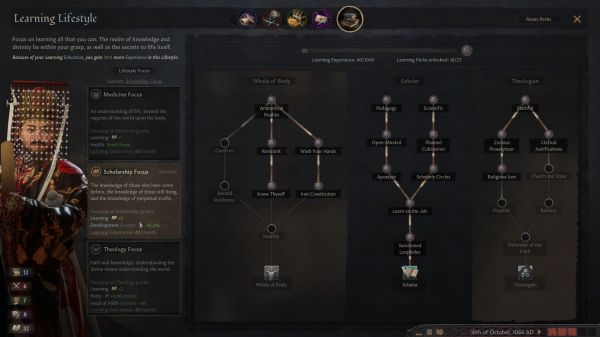
Adults gain experience in diplomacy, martial, stewardship, intrigue, or learning lifestyles. Each category contains several perk trees built around different approaches. A martial ruler can focus on personal combat, army command, or control of territory, while a steward may improve income, construction, or title management. The system provides direction without locking the ruler into one permanent class.
I enjoy selecting a lifestyle that solves the ruler’s immediate problems. A new monarch facing hostile vassals may benefit from diplomacy even if personal education favored another field. A wealthy and stable ruler can pursue learning to reform religion or improve health. The correct choice changes with circumstances rather than following one universal build.
Some perks are substantially more valuable than others, making certain routes appear frequently across campaigns. Schemes, domain expansion, health bonuses, and opinion management can become difficult to ignore. Greater balance would encourage more unusual development paths. Even so, lifestyle progression gives every reign a practical identity beyond inherited traits.
Warfare Is Important but Intentionally Not the Whole Game
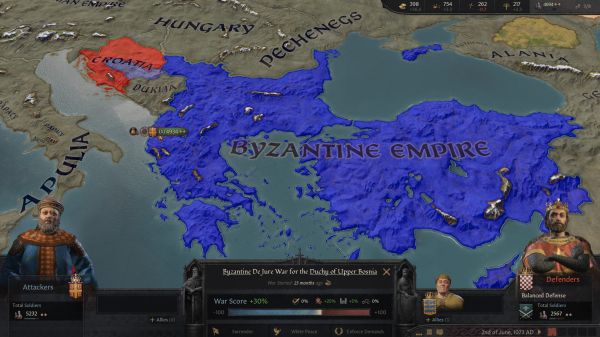
Wars begin through claims, religious causes, succession disputes, rebellions, invasions, and special regional mechanics. Armies consist of ordinary levies, specialized men-at-arms, knights, commanders, and occasionally hired forces. Terrain, supply, advantage, commander skill, and troop composition affect battle outcomes. Larger numbers help, but they do not guarantee victory under poor conditions.
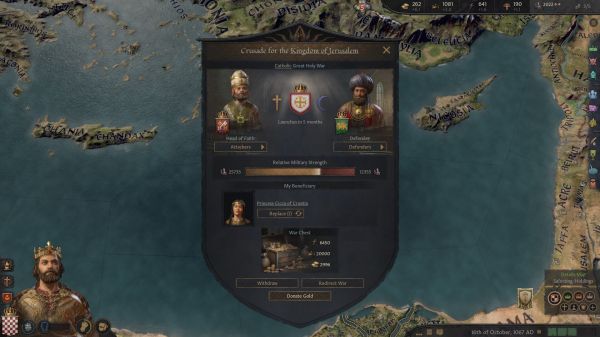
I appreciate that war requires political preparation before troops begin moving. A valid cause is usually needed, allies must be considered, finances should support prolonged conflict, and succession risk can make one campaign especially dangerous. Winning territory also introduces new vassals, cultural differences, religious tension, and control problems. Expansion creates management rather than providing pure reward.
The actual battlefield interaction remains abstract. I move armies across the map, select targets, manage sieges, and watch calculated engagements rather than controlling formations directly. This keeps attention on the broader campaign but limits tactical expression. Crusader Kings III is a game about why a war begins and what happens afterward more than the precise arrangement of soldiers during one battle.
Men-at-Arms Provide the Real Core of Military Planning
Specialized regiments include infantry, archers, cavalry, siege equipment, and culture-specific units. Each type performs differently and may counter another category. Buildings, terrain, commander bonuses, stationed regiments, and cultural traditions can strengthen particular troops. A focused professional army can defeat a larger force built mainly from levies.
I enjoy developing a military identity suited to the region. Mountain rulers may benefit from troops adapted to difficult terrain, while wealthy plains kingdoms can support powerful cavalry. Siege regiments are essential because even a victorious field army may spend years capturing fortified holdings without them. Military planning becomes an economic and architectural commitment rather than one recruitment decision.
Balance can become extreme when several bonuses stack around one unit type. Experienced players can construct armies capable of overwhelming forces far beyond their apparent size. This rewards system knowledge while weakening uncertainty. Warfare is most interesting when preparation creates an advantage rather than a nearly automatic result.
Knights Turn Individual Characters Into Military Assets
Knights contribute through personal prowess and can have a disproportionate effect on battle. A small number of exceptional warriors may inflict enormous damage on ordinary troops. Their presence gives courtiers and vassals military value beyond council attributes. Recruiting one famous fighter can strengthen the realm immediately.
The risk is that important characters may be injured or lost during combat. An excellent commander, heir, council member, or powerful vassal can disappear because they were allowed to serve as a knight. Forbidding participation protects them while reducing the army’s strength. Every campaign requires deciding which people are too valuable to place on the battlefield.
Activities and accolades can develop notable knights into recognizable figures within the court. This gives military success a human face. A warrior who survives several reigns becomes part of the dynasty’s story even without holding major land. Crusader Kings III is strongest when statistics gradually become personal history.
Sieges Are Necessary and Sometimes Exhausting
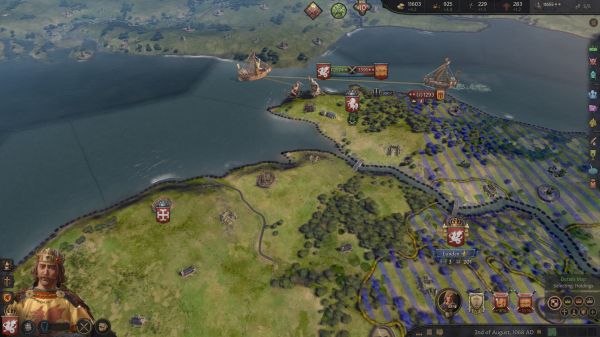
Capturing fortified holdings provides war score, prisoners, money, and control over important territory. Siege equipment reduces the time required and becomes increasingly important as fortifications improve. Strategic movement matters because one army can occupy land while another searches for the opposing force. A war is often decided through occupation rather than one dramatic battle.
Long sieges can create frustrating stretches where the outcome already appears obvious. An enemy may avoid direct conflict while both sides capture holdings across the map. Supply declines, armies split, and another war can begin before the original one ends. The system reflects the logistical nature of medieval conflict but can become mechanically repetitive.
Capturing an important ruler or heir can end the conflict immediately, creating sudden reversals. One lucky battle may matter more than months of occupation. These moments prevent every war from following the same rhythm. They also produce some of the best stories when an apparently hopeless defense succeeds through one valuable prisoner.
Intrigue Allows Weak Rulers to Reshape the Map Quietly
Schemes can fabricate hooks, discover secrets, arrange abductions, develop romances, undermine rivals, and remove inconvenient characters from succession. Intrigue turns information into power. A ruler with a small army may still alter a kingdom by targeting one person rather than confronting the entire realm. The strongest plan often leaves no visible battlefield.
Agents determine whether a hostile scheme has enough support. Discontented courtiers, neglected relatives, greedy vassals, and rivals can be persuaded to participate. This makes the target’s relationships part of their defense. A well-liked ruler is difficult to threaten because fewer people are willing to cooperate.
I enjoy intrigue when it creates a chain of consequences rather than one simple result. Removing one heir may promote another with stronger alliances, while exposing a secret can create religious or legal opportunities. The system encourages examining family trees and court relationships carefully. Every person becomes a potential route toward a larger objective.
Secrets and Hooks Turn Private Behavior Into Political Currency
Characters accumulate secrets involving relationships, crimes, religious behavior, parentage, and other prohibited actions. Discovering one may allow blackmail, imprisonment, contract changes, forced political support, or public exposure. A hook can secure a marriage, council appointment, law vote, or modified obligation. Information becomes useful even when the underlying behavior does not matter personally.
The system can create delightful hypocrisy. A ruler publicly devoted to religious virtue may privately depend on blackmail gathered through a spymaster. One vassal remains loyal not because of affection but because the court knows exactly what they have done. Crusader Kings III repeatedly demonstrates that opinion and obedience are separate things.
Hooks occasionally feel too mechanical when a severe secret produces only one straightforward action. More negotiation and bargaining would make information warfare richer. A character might offer money, land, marriage, or another secret in exchange for silence. The current system is strong, but its stories sometimes suggest more complexity than the available options provide.
Religion Can Stabilize a Realm or Divide It Completely
Faith affects marriage, succession, criminal behavior, clergy, diplomacy, war, and the opinion of rulers and subjects. Religious differences may be tolerated, considered misguided, or treated as openly hostile depending on doctrine. Converting one county or character can require significant time and authority. A large realm containing several faiths may remain unstable for generations.
I enjoy how doctrines create practical differences. Clergy can possess different authority, marriage rules may change, certain actions become accepted or criminal, and leadership can be organized in several ways. Religion is not only a color spread across the map. It defines which political actions are considered legitimate.
Creating a new faith is one of the game’s most entertaining long-term projects. I can select doctrines suited to the ruler’s ambitions, but reforming belief requires substantial piety and invites resistance. A custom faith may solve one political problem while creating several diplomatic ones. Religious independence feels powerful because it changes both personal life and international relationships.
Culture Shapes Technology and Social Structure
Cultures possess traditions, innovations, language, heritage, and regional identities that affect military units, succession, activities, government, and relationships. Cultural leaders influence which innovations receive attention. Development determines how quickly new technologies spread. The result is a slower form of progression operating across generations.
Hybrid and divergent cultures allow rulers to create new identities from existing traditions. This is useful after conquest, migration, or long interaction between populations. A hybrid culture can combine military advantages, social practices, and regional acceptance. The process makes cultural change feel political rather than automatic.
I appreciate the freedom but sometimes find it too easy to design an extremely efficient culture by selecting powerful traditions. Historical identity can become another optimization system. Role-playing produces more satisfying results because the culture then reflects the dynasty’s actual journey. A strange hybrid feels meaningful when it emerged from decades of shared rule rather than from a list of bonuses.
The Royal Court Gives Kings and Emperors a Physical Stage
Royal Court introduces a three-dimensional court where rulers display artifacts, hear petitions, appoint positions, and demonstrate grandeur. The room gives high titles a visual identity that the map alone cannot provide. Courtiers gather around the throne, decorations change, and displayed objects record earlier achievements. Becoming a king finally feels different from remaining a duke.
Court grandeur creates expectations based on the size and importance of the realm. Maintaining an impressive court improves prestige and opinion but requires continuous expense. A ruler who cannot support the expected lifestyle may appear weak. Wealth therefore becomes part of political performance rather than only construction and warfare.
The petitions can become repetitive after several generations, and the court scene occasionally feels disconnected from urgent map events. Still, I enjoy having a physical location representing the dynasty’s power. Artifacts, banners, furniture, and court positions make rulership more visible. The feature is atmospheric even when its strategic depth varies.
Artifacts Turn Past Adventures Into Inherited Objects
Weapons, crowns, books, jewelry, relics, furniture, and banners provide bonuses while carrying names and histories. Some are commissioned, found during adventures, taken through war, or inherited from earlier rulers. Displaying them strengthens the court and preserves memories of previous generations. One ordinary object can become emotionally valuable because of the story attached to it.
Durability requires occasional repair, adding maintenance to large collections. Claims over artifacts can also create disputes between relatives and neighboring rulers. An inherited crown may be politically important even when its numerical bonus is modest. Possessions become another source of dynastic conflict.
The inventory becomes crowded during long campaigns. I eventually accumulate many similar objects that require sorting or distribution. Better collection management would reduce unnecessary attention. Artifacts are strongest when each one is memorable rather than one item among dozens of minor variations.
Tours and Tournaments Make Peaceful Years More Active
Travel-based activities allow rulers to hold grand weddings, tournaments, hunts, pilgrimages, feasts, and tours across the realm. Characters physically move through the map, encountering danger and events along the route. This makes distance matter during peacetime. A prestigious activity requires planning, money, time, and a suitable journey.
Grand tours are especially useful for interacting with vassals directly. The ruler can improve authority, collect taxes, build relationships, or intimidate troublesome subjects depending on the chosen approach. Visiting territory makes a large realm feel more physical. Provinces stop being only numbers when the ruler must travel through them personally.
Tournaments provide contests, social opportunities, training, romance, rivalry, and valuable rewards. The event can become a political gathering disguised as entertainment. I may attend for prestige and leave with a marriage arrangement, injury, friendship, or new enemy. Activities succeed because several systems interact around one social occasion.
Travel Adds Valuable Risk Outside Warfare
Characters now move across actual routes when attending many activities or changing location. Terrain, sea travel, cultural hostility, disease, and dangerous regions can affect the journey. Appointing capable caravan staff and selecting safer paths reduces risk. Travel becomes another logistical decision.
I enjoy seeing the ruler move through territory rather than disappearing from one event and appearing at another. A long pilgrimage can take months and leave the realm under temporary management. Important political events may occur during the absence. The world feels larger because distance consumes time.
Repeated travel events eventually become familiar, particularly along common routes. The mechanic also creates additional interruptions during already busy periods. Its value remains high because it connects activities to geography. Crusader Kings III benefits whenever the map represents lived distance rather than decorative space.
Legends Can Turn History Into Deliberate Propaganda
Legends allow dynasties to promote stories about heroic ancestors, religious importance, conquest, or cultural identity. These narratives spread across territory and can provide prestige, legitimacy, claims, or other rewards. The ruler is not merely recording history. The dynasty actively shapes how history is remembered.
I enjoy the theme because medieval authority depended heavily on inherited stories and public belief. A questionable claim can become stronger when repeated through chronicles, performances, and monuments. Legends connect political ambition to culture and reputation. They also give rulers another project during peaceful periods.
The system can feel temporary because completed legends do not always remain as influential as their cost suggests. Maintaining them requires resources, while the practical rewards may encourage another cycle immediately afterward. Stronger long-term memory would make each legend feel more unique. A famous dynasty should carry visible narrative baggage for centuries.
Plagues Create Realm-Wide Problems That Armies Cannot Solve
Disease can spread across counties, reduce development, damage armies, disrupt travel, and threaten entire families. Court physicians, isolation, buildings, and decisions can reduce risk without guaranteeing safety. A ruler surrounded by wealth and guards may still become vulnerable. Political plans can collapse because the body ignores strategy.
The system adds uncertainty and historical texture, but frequent outbreaks can become exhausting. Repeated alerts, temporary modifiers, and court illness require attention even when the disease poses limited strategic danger. Severe plagues are memorable because they reshape succession and population. Minor ones can feel like administrative noise.
I appreciate how disease makes location and infrastructure matter. Densely developed territory offers wealth while potentially supporting faster spread. Travel routes become dangerous, and activities may need to be canceled. Crusader Kings III is at its strongest when a prosperous realm contains weaknesses created by the same systems that produced its strength.
Roads to Power Makes Landless Play a Completely Different Experience
Landless adventurers are not responsible for defending a permanent domain. They travel, accept contracts, build a camp, recruit followers, gather influence, and pursue opportunities across several realms. The campaign becomes more mobile and personal. Instead of waiting for politics to reach the ruler, I search for situations worth exploiting.
I enjoy the freedom because one failed relationship does not necessarily end the campaign. The adventurer can leave, find another patron, support a war, pursue a claim, or build enough reputation to seek land elsewhere. Followers become the central community. Camp roles and personal loyalty matter more than ordinary vassal structure.
The contract loop can become repetitive over long periods, particularly when similar tasks appear across regions. The most satisfying goal is usually transforming mobility into a larger personal story. Gaining land, supporting a dynasty, or becoming involved in imperial politics gives the wandering years a purpose. Landless play works best as a journey rather than permanent contract farming.
Administrative Government Changes How Empires Distribute Power
Administrative realms rely more heavily on governorships, influence, powerful families, and political appointments than on ordinary hereditary feudal contracts. Titles can be assigned through imperial systems instead of passing automatically through one family. This creates competition inside the government. Court influence may matter as much as personal land.
The structure makes large empires feel different rather than simply larger versions of feudal kingdoms. Families compete for appointments, positions, and future control. A skilled political player can rise without beginning with extensive territory. Losing one governorship does not always remove the dynasty from imperial life entirely.
The additional systems increase complexity and require attention to influence, family standing, and appointment rules. I enjoy this when focusing on one administrative campaign. Switching between government types can make the interface feel dense. The variation is worthwhile because political structure should change how power is acquired and preserved.
Steppe Rulers Bring Mobility and Seasonal Pressure
Nomadic and steppe systems emphasize herds, migration, confederations, clan relationships, and control across enormous territories. Power depends less on constructing one dense domain and more on managing mobile resources and political submission. Seasonal movement can shape military opportunity. The campaign feels broader and less attached to permanent borders.
I enjoy how this changes map priorities. Sparse territory may still possess strategic value through grazing, routes, and relationships. A strong ruler must maintain confederation authority while preparing for succession and rival clans. Expansion without internal loyalty can create an enormous but fragile realm.
Nomadic play can become difficult to read because several resources and relationships operate differently from familiar feudal systems. The learning process is part of the appeal, but better contextual explanations remain helpful. Crusader Kings III gains longevity when regional power cannot be understood through one universal model.
All Under Heaven Dramatically Expands the Meaning of the Map
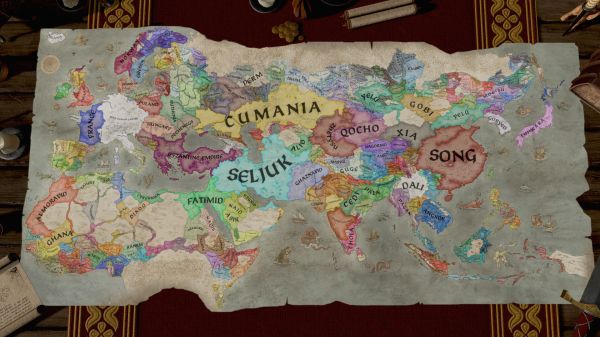
The addition of China, Japan, and Southeast Asia transforms the eastern edge into a vast playable region with its own governments, religions, cultures, and political structures. China’s imperial authority, Japanese houses, and Southeast Asian divine rulership create campaigns that do not feel like simple copies of Western feudalism. The geographical scale becomes extraordinary. A dynasty can now develop across an even broader range of historical systems.
I appreciate the ambition because older versions of the map ended while major political worlds continued beyond the border. Expanding eastward creates new trade, migration, religious, and diplomatic possibilities. It also gives players entirely different visual and cultural contexts for family drama. Crusader Kings III increasingly resembles a global medieval dynasty simulator rather than a game focused mainly on Europe and nearby regions.
The expansion places additional pressure on performance, historical flavor, and systemic distinction. A larger map is valuable only when different regions behave meaningfully differently. Regional mechanics and governments provide a strong beginning, but continuing updates will need to deepen local events and relationships. Scale should support variety rather than dilute it.
The Interface Makes an Enormous Simulation Surprisingly Approachable
Crusader Kings III uses tooltips within tooltips, highlighted terms, notifications, issue lists, map modes, and contextual menus to explain complicated systems. I can hover over one unfamiliar concept and continue opening explanations without leaving the screen. This design dramatically reduces the difficulty of learning a Paradox grand strategy game. Information remains dense but accessible.
The issue panel identifies available decisions, dangerous factions, unmarried relatives, missing council positions, and other important concerns. It helps organize attention without requiring complete knowledge. The danger is becoming dependent on its suggestions. Not every useful plan appears as an alert, and not every alert deserves immediate action.
Large realms still create interface overload. Dozens of vassals, armies, artifacts, hooks, court positions, activities, and family members compete for attention. Filters and searches help, but late-game management can become repetitive. The interface explains complexity better than it reduces administrative burden.
The Map Is Functional, Beautiful, and Constantly Changing Meaning
Zooming out reveals political borders, titles, faiths, cultures, development, governments, and terrain through different map modes. Zooming inward shows settlements, roads, coastlines, mountains, rivers, and moving armies. The transition between strategic abstraction and physical geography is smooth. I can move from dynasty politics to local terrain without changing screens.
One county can mean several things depending on the current problem. It may be a valuable economic center, religious obstacle, military route, inheritance risk, or home of a troublesome vassal. Map modes allow the same geography to reveal these different relationships. The world becomes a visual database without losing atmosphere.
Border growth is satisfying, but it is not the only sign of success. A small dynasty may possess impressive renown, strategic marriages, and relatives on several thrones. Another enormous empire can be one succession away from collapse. Crusader Kings III repeatedly challenges the assumption that the largest color on the map represents the strongest family.
The Music Supports Long Sessions Without Demanding Attention
The soundtrack shifts between restrained medieval atmosphere and stronger dramatic themes during war, succession, activities, and major events. It supports the map without becoming exhausting during campaigns that can last dozens of hours. Regional music helps different starts feel distinct. The game understands that strategy music must survive repetition.
Sound effects communicate important events through letters, declarations, conflict, schemes, and court activity. I often recognize danger before reading the notification because the audio cue changes. Character voices are limited compared with dialogue-heavy RPGs, but short reactions give portraits additional presence. The soundscape remains supportive rather than dominant.
The Event System Creates Stories but Eventually Reveals Repetition
Events provide decisions involving family, religion, friendship, rivals, travel, court life, education, disease, warfare, romance, and personal habits. Their strength comes from combining character traits and relationships with immediate choices. One ordinary hunting event can become important when it involves the heir, rival, or closest friend. Context gives repeated structures new meaning.
After several long campaigns, familiar events appear often enough that surprise decreases. I begin recognizing optimal choices and predicted outcomes. Event packs and expansions increase variety, but the scale of the simulation consumes narrative content rapidly. Procedural systems need an enormous library to maintain novelty across hundreds of years.
I still enjoy events when they connect to current politics. A repeated feast scene feels different if the guest is a rebellious vassal or potential marriage partner. The game should continue prioritizing context-sensitive chains over isolated random moments. Personal stories remain strongest when they grow from existing relationships.
AI Rulers Are Convincing Characters and Inconsistent Strategists
Computer-controlled rulers follow personalities, relationships, claims, military strength, and political objectives. They marry, scheme, expand, divide territory, join factions, and make decisions capable of reshaping the map independently. Their mistakes make them feel human. A proud ruler may begin a war that a cautious one would avoid.
Problems appear when allies behave inefficiently during war, armies pursue strange targets, or powerful realms collapse through obviously poor management. Personality can explain some errors but not every case. The AI is strongest as a generator of character drama rather than as a perfectly rational strategic opponent. It produces stories more reliably than competitive pressure.
I accept a degree of irrational behavior because perfect optimization would make every ruler feel identical. The challenge is ensuring that personality-driven mistakes remain understandable. An ambitious disaster is entertaining; an army walking past the decisive battle for no visible reason is not. Continued AI improvement is essential as new government and travel systems expand.
Multiplayer Turns Private Schemes Into Real Social Weapons
Playing with other people changes diplomacy because every promise may contain another plan. Human rulers can arrange marriages, divide territory, coordinate wars, exchange favors, and secretly prepare betrayal through conversation outside the formal interface. Alliances become social agreements rather than predictable AI calculations. One evening can create rivalries that continue across several sessions.
The game supports cooperative dynasties and direct competition equally well. Friends may serve inside one realm, control neighboring kingdoms, or pursue completely separate objectives. A succession crisis affecting one player can become an opportunity for everyone else. The map becomes a shared story where every participant interprets events differently.
Long campaign scheduling is the greatest obstacle. Crusader Kings III sessions can continue for many hours, and major updates or DLC differences may complicate continuation. A stable group receives an exceptional strategy experience. Casual groups may struggle to keep one dynasty story alive long enough for its best consequences to appear.
Mods Extend the Game Far Beyond Its Official Setting
The Steam Workshop contains interface improvements, balance changes, additional cultures, new events, visual customization, alternate history, fantasy worlds, and complete setting conversions. Some projects rebuild the game around universes whose political structures fit the dynasty simulation remarkably well. The underlying character system adapts naturally to stories involving noble houses, succession, religion, and personal intrigue. Mods can feel like separate grand strategy games built on the same foundation.
I often use small quality-of-life mods after learning the unmodified systems. Better information displays, character searches, event variety, and visual adjustments can reduce repetitive work. Major conversions are more demanding because they introduce entirely new rules and assumptions. The modding community gives the game a lifespan no official content schedule could match alone.
Updates can temporarily break compatibility, especially when they alter core systems or expand the map. Large mod collections require careful version management. This is the natural cost of continuous official development. The best approach is treating each heavily modified campaign as attached to one stable game version.
The DLC Structure Has Become Difficult to Navigate
Crusader Kings III now includes major expansions, core expansions, flavor packs, event packs, cosmetic packs, creator packs, chapter bundles, and a content subscription. Some additions transform government or travel systems, while others provide regional events, clothing, monuments, or smaller narrative collections. Understanding which package contains one desired feature can require research before purchase. The complete game represents a substantial financial commitment.
I appreciate that many updates include free mechanical changes for all players. Owners of particular DLC receive deeper access or specialized content while the base game continues evolving. This prevents the community from dividing completely across incompatible mechanical versions. However, regional campaigns can feel noticeably thinner without their associated packs.
The subscription provides a practical option for someone who wants to try the complete experience temporarily. Long-term players may prefer purchasing selected expansions based on preferred regions and systems. No single recommendation fits everyone because the value of one pack depends heavily on playstyle. The commercial structure is flexible but increasingly complicated.
Performance Declines as the World Becomes More Complicated
Early campaign years usually progress quickly, but later generations contain more characters, titles, wars, relationships, courts, and historical data. Simulation speed can decline substantially depending on hardware and map activity. The expanded world increases this pressure further. A campaign approaching its final centuries may feel slower even when no immediate crisis is occurring.
Pausing during decisions prevents the game from becoming mechanically unmanageable, but it does not solve simulation cost. I tend to reduce speed during major political events and increase it during quiet periods. Late-game pauses become more frequent because several problems appear simultaneously. Performance and cognitive load grow together.
Stability has improved through continued development, though major releases can introduce new issues. Save compatibility, mod conflicts, AI behavior, and unusual event interactions require ongoing maintenance. This is expected from a simulation with so many connected systems. It remains frustrating when one long-running dynasty encounters a problem after dozens of hours.
The Late Game Can Become Too Easy Once the Dynasty Is Established
A wealthy empire with optimized men-at-arms, strong artifacts, developed holdings, high dynastic renown, and controlled succession can become extremely difficult for AI rivals to challenge. Expansion accelerates because every victory provides more resources for the next one. Internal factions remain possible but can often be managed through money, fear, marriages, and military strength. The campaign loses uncertainty once the dynasty solves its main structural weaknesses.
I create personal objectives to preserve interest. Establishing relatives on independent thrones, forming a new faith, changing culture, playing through succession setbacks, or deliberately remaining a vassal can produce stronger stories than continuous conquest. Crusader Kings III supports these goals even when it does not enforce them. The player must occasionally stop treating expansion as the only measure of success.
Plagues, legitimacy, administrative politics, regional systems, and travel risks add useful complications, yet experienced players can learn to optimize around many of them. Stronger realm collapse mechanics might increase challenge but could also make long campaigns feel arbitrary. The best difficulty comes from characters and succession, not from invisible penalties designed only to slow success.
Failure Is Often More Entertaining Than Perfect Rule
My favorite campaigns are rarely the ones where every ruler is talented and every war succeeds. They are the ones where a child inherits during a rebellion, loses part of the realm, survives through one unexpected alliance, and spends adulthood rebuilding what the parent created. A damaged dynasty contains goals that a perfect empire lacks. Recovery gives generations a purpose.
Crusader Kings III is generous about continuing after disaster. Losing an imperial title may still leave the family with one duchy, claim, or influential relative. A former ruler can become a vassal and begin planning a return. The campaign usually ends only when the playable dynasty has no valid continuation.
This structure encourages me to accept outcomes that I would reload in another strategy game. One defeat creates a new political position rather than deleting the story. The game becomes richer when I allow embarrassment, inheritance failure, and rebellion to remain permanent. A dynasty without scars feels less alive.
The Game Is Historically Inspired Rather Than a Perfect Reconstruction
Crusader Kings III uses historical rulers, cultures, faiths, territories, governments, and conflicts as the starting material for a dynamic simulation. Once time begins, character decisions and player intervention quickly create alternate outcomes. A minor house may dominate a region it never controlled historically, while a famous kingdom can disappear within decades. The game is a machine for producing plausible medieval drama rather than reenacting one fixed timeline.
Mechanics simplify enormous differences between societies and periods. Even with regional expansions, many rulers still interact through shared systems designed for playability. This creates understandable strategy while occasionally flattening local complexity. New government types, traditions, and flavor content gradually improve distinction.
I enjoy the historical setting most when it inspires curiosity. Recognizing a ruler or location encourages me to learn what happened outside the game, while the campaign demonstrates how contingent political survival can be. The simulation should not be treated as a textbook. It is an interactive interpretation built around dynasty and personality.
Crusader Kings III Is Secretly a Role-Playing Game Wearing a Strategy Map
The most important question is rarely whether the realm can gain another county. It is whether this particular ruler would pursue it, what methods are available, and what the decision does to the family. A zealous monarch may begin a religious campaign, while a cynical diplomat uses marriage and favors. The same strategic position produces a different story according to character.
Equipment, lifestyles, stress, friendships, rivalries, travel, education, illness, romance, and personal decisions give rulers arcs resembling RPG protagonists. The difference is that death does not end the campaign. The next character inherits the consequences and continues from another perspective. The family becomes the true protagonist.
This explains why territorial optimization alone eventually feels empty. The map is most valuable as a stage for people whose desires conflict. Borders provide resources, but characters provide meaning. Crusader Kings III succeeds because it allows one accidental friendship or family betrayal to matter more than another carefully planned conquest.
A Grand Strategy Game Built From Human Weakness
Crusader Kings III is one of the most approachable Paradox strategy games without becoming mechanically shallow. Tooltips explain complicated relationships, character portraits make political data memorable, and the issue system helps new players identify immediate concerns. Warfare, succession, religion, culture, diplomacy, intrigue, travel, government, and family all connect through people rather than existing as isolated menus. The result is a strategy game where personal drama consistently influences the map.
Its greatest weaknesses emerge from scale. Events repeat, late-game management becomes heavy, AI strategy remains inconsistent, and successful empires can become too secure. The vast DLC catalogue makes the complete experience expensive and difficult to understand, while new expansions place increasing pressure on performance and interface clarity. Some regional systems feel dramatically deeper than areas still waiting for similar attention.
I continue returning because no campaign follows the same emotional route. One dynasty becomes a respected imperial house, another survives through opportunistic marriages, and a third spends generations recovering from one disastrous succession. I may begin with a plan to unite a region and end up caring more about protecting an awkward grandchild who was never supposed to inherit. The game constantly replaces strategic certainty with personal attachment.
Crusader Kings III does not ask me to create one perfect medieval state. It asks whether a family can preserve power while its members age, desire, panic, betray, believe, inherit, and make terrible choices. Every ruler eventually disappears, leaving titles, enemies, children, stories, and unfinished plans behind. That temporary nature makes each reign meaningful, because the dynasty must continue carrying both the achievements and the embarrassment of everyone who came before.
Pros:
- Deep strategic gameplay with layered challenges
- Stunning visuals and immersive audio design
- Highly customizable with mods and cheats
- Active community that enriches the gameplay experience
- Exceptional replayability with multifaceted narrative branches
- Dynamic storytelling that evolves with player choices
Cons:
- High system requirements on some platforms
- Complex mechanics may overwhelm casual gamers
- Steep learning curve for newcomers









Recent Reviews

Minecraft

Grand Theft Auto V

Toca Boca World

Roblox

Leave a comment
Your comment is awaiting moderation. We save your draft here
0 Comments