Review
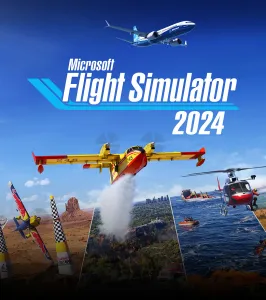
Microsoft Flight Simulator 2024 gave me something the previous simulator often struggled to provide: a clear reason to start the engine...




Navigating New Horizons with Microsoft Flight Simulator 2024
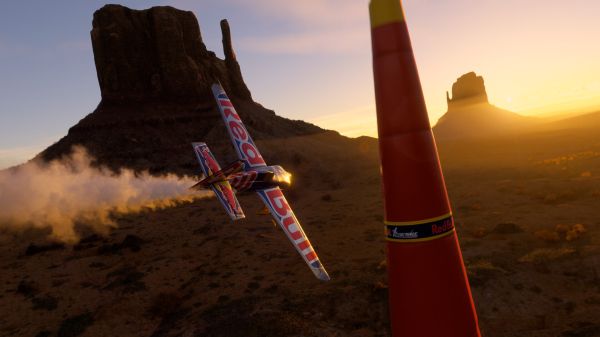
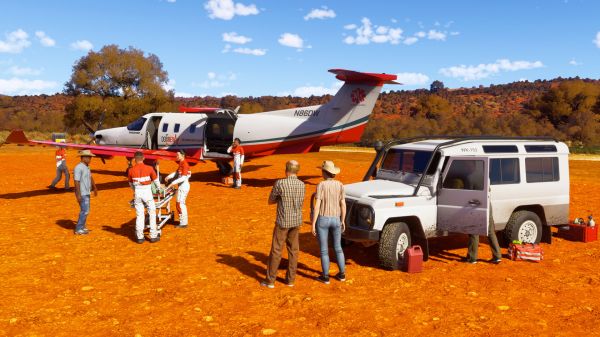
Microsoft Flight Simulator 2024 gave me something the previous simulator often struggled to provide: a clear reason to start the engine. I still have the freedom to select almost any point on Earth, choose an aircraft, configure the weather, and create a personal flight, but the new Career Mode adds a structured path through aviation. Instead of staring at the world map while wondering where to go, I can accept a medical transport, search for a missing person, deliver cargo to a remote strip, fight a forest fire, or work gradually toward passenger operations in much larger aircraft. The simulator has not abandoned open-ended exploration, but it finally understands that unlimited freedom becomes more inviting when it includes meaningful direction.
This is also a simulator of extraordinary contrasts. One flight can be a peaceful evening journey over familiar countryside, while the next becomes a technical struggle involving poor visibility, changing winds, confusing air traffic instructions, and an aircraft system I clearly should have studied more carefully. The world can look breathtaking from several thousand feet and strangely broken after landing beside an imperfectly generated building. Microsoft Flight Simulator 2024 repeatedly moves between remarkable authenticity and visible technical compromise, sometimes during the same approach.
Career Mode Gives Aviation a Sense of Personal Progression
Career Mode begins with relatively modest aircraft and responsibilities before introducing additional certifications, specializations, businesses, and mission types. This structure provides an approachable route through a simulator containing an intimidating amount of equipment and terminology. I do not need to understand airliners, helicopters, agricultural aircraft, and advanced navigation systems on the first day. The career gradually introduces new categories while giving each certification a practical reason to exist.
I appreciated how progression changes the meaning of familiar flights. A short trip in a basic aircraft is no longer only a sightseeing opportunity because my landing quality, procedure, passenger comfort, and mission performance contribute to a broader reputation. Mistakes have context beyond personal embarrassment. A poor approach may damage the aircraft, reduce payment, or weaken the company I have spent time developing.
The system is not a complete economic simulator, and several business decisions remain simplified. I cannot negotiate every contract, design a complex airline schedule, or manage a large organization at the depth of a dedicated tycoon game. Career Mode instead provides a framework connecting aircraft mastery with new activities. Its greatest achievement is motivating me to fly equipment I would previously have ignored.
Beginning With Small Aircraft Makes Every Improvement Noticeable
Early aviation feels intimate because the aircraft respond visibly to wind, weight, control input, and poor technique. A light trainer does not hide my mistakes behind powerful automation. I need to manage airspeed, trim, orientation, and landing alignment while remaining aware of terrain and traffic. One unstable approach teaches more than several pages of theoretical explanation.
The slower speed also gives me time to observe the landscape. Roads, rivers, towns, farms, coastlines, and mountain passes become practical navigation references rather than distant decoration. Visual flight rules make the digital world part of the cockpit workflow. I begin recognizing how geography guides pilots long before advanced instruments remove the need to see the ground clearly.
Progressing toward faster and more complicated aircraft feels meaningful because the additional power comes with additional responsibility. Retractable gear, pressurization, advanced avionics, turbine management, and heavier payloads introduce new procedures. The simulator does not treat a larger aircraft as a simple upgrade with better statistics. It becomes a different machine demanding another way of thinking.
Certifications Turn Learning Into a Series of Practical Goals
Certifications control access to different aircraft classes and professional activities. This gives tutorials and examinations a stronger purpose because passing one creates immediate opportunities. I may study helicopter control because it unlocks rescue work, or learn larger aircraft procedures in preparation for cargo and passenger operations. Education becomes connected to ambition rather than separated into an optional training menu.
The examination structure is forgiving enough that a mistake does not permanently block progression. I can repeat a test, improve one weak procedure, and return with better understanding. This keeps the career approachable without making certifications meaningless. The simulator wants me to learn rather than prove that I arrived with professional knowledge already installed.
Some lessons explain procedures more effectively than others. Aviation contains many systems whose purpose is easier to understand when demonstrated slowly, and the simulator occasionally moves through instructions too quickly. Additional interactive explanations of navigation, communications, energy management, and emergency procedures would help newcomers. The certification system is an excellent foundation that deserves even deeper teaching.
Passenger Flights Make Smoothness More Important Than Speed
Transporting passengers changes how I evaluate an otherwise successful flight. A technically safe arrival may still feel poor if I descend aggressively, turn suddenly, or touch down with excessive force. The passengers provide a fictional audience for every control input. Comfort becomes another performance measure alongside accuracy and completion.
I enjoyed learning to plan earlier because smooth flying usually begins long before the runway appears. A rushed descent creates speed problems, uncomfortable maneuvers, and unnecessary workload during the final approach. Managing altitude gradually gives me more time to configure the aircraft correctly. The mission encourages professional habits without requiring a human instructor to criticize every mistake.
Passenger reactions can occasionally feel too mechanical or disconnected from the real cause. A minor simulator irregularity may reduce satisfaction even when the flight appeared controlled from the cockpit. Clearer explanations would make the scoring more educational. Knowing that passengers were uncomfortable is less useful than knowing which maneuver created the problem.
Cargo Operations Give Remote Airports Real Purpose
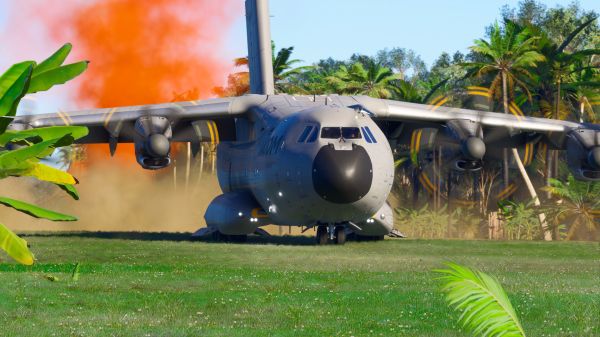
Cargo missions take me toward smaller strips and less familiar regions that I would rarely select during free flight. The destination may be surrounded by mountains, placed beside rough terrain, or limited by runway length. This turns an ordinary delivery into an exercise in preparation. Aircraft weight, weather, route, and landing distance suddenly matter much more.
I appreciate how cargo work makes utility aircraft feel valuable. These machines may lack the glamour of a large passenger jet, but they can operate where heavier equipment would be impractical. Loading and payload considerations become part of the mission identity. The aircraft feels designed for a specific type of work rather than included only to increase the fleet size.
Dynamically selected destinations occasionally expose weaknesses in airport data or terrain generation. A runway may be partially obstructed, surrounded by inconvenient vegetation, or less suitable for the mission than the briefing implies. Updates have improved dispatch logic, but generated work can never receive the same inspection as a handcrafted scenario. The unpredictability creates both memorable challenges and avoidable frustration.
Search and Rescue Makes Low-Level Flying Tense
Search and rescue missions ask me to study terrain while maintaining controlled flight at low altitude. Mountains, forests, coastlines, and changing visibility turn observation into an active task. I cannot simply point the aircraft toward one marker and wait. The search area needs to be examined methodically while fuel, wind, terrain clearance, and aircraft handling remain important.
Helicopters are especially suitable because they allow slower inspection and access to difficult areas. Hovering and low-speed control require constant small corrections, making the final part of the mission more demanding than it appears. A fixed-wing aircraft may cover a larger area faster but cannot remain over one point as easily. Aircraft choice changes the search strategy rather than only the travel time.
Vegetation and generated scenery can occasionally hide mission targets in awkward ways. The challenge should come from reading the terrain and controlling the aircraft, not from trying to identify one object beneath visual clutter. Improved placement rules have reduced some of these problems. Search missions remain one of the best examples of Career Mode using the world for more than transportation.
Aerial Firefighting Is Spectacular and Mechanically Distinct
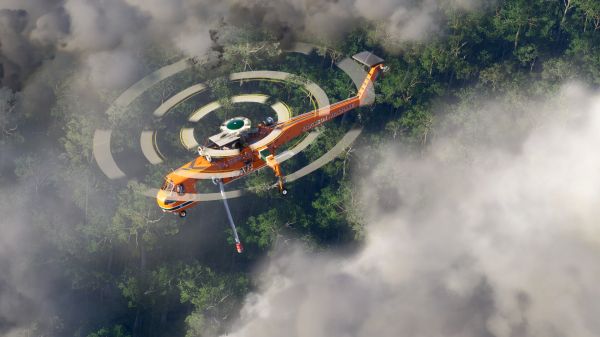
Firefighting operations create a completely different rhythm from ordinary airport-to-airport flying. I need to collect water or extinguishing material, approach the burning area at an appropriate altitude, and release the payload along a useful path. Smoke reduces visibility while terrain and turbulence complicate the approach. The mission combines planning, low-level control, and dramatic visual feedback.
The activity is especially satisfying when one accurate pass visibly changes the fire. A poorly aligned release wastes material and forces another collection cycle. This creates a clear relationship between technique and result. I can immediately understand whether the approach worked without waiting for an abstract score screen.
The fire simulation is not intended to replace specialized emergency training, but it provides enough complexity to feel different from ordinary delivery work. Aircraft designed for the task possess unusual handling and operational requirements. Managing them expands my understanding of aviation beyond passenger travel. Career Mode is strongest when every specialization teaches a genuinely different relationship with the aircraft.
Helicopters No Longer Feel Like a Secondary Attraction
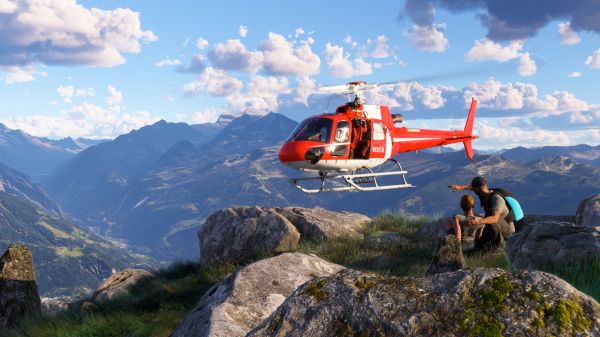
Helicopters play a major role through rescue, transport, firefighting, construction, and other specialized tasks. Their flight behavior demands continuous control because lift, torque, momentum, and orientation interact differently from fixed-wing aircraft. Hovering precisely can be harder than completing an entire simple airplane circuit. Small errors do not disappear merely because forward speed is low.
I initially overcontrolled the helicopter by making large corrections after every movement. The better approach was to anticipate changes and use smaller inputs before the aircraft drifted too far. Learning this rhythm became extremely rewarding. A stable hover feels like an achievement because I understand how quickly it can collapse.
Assistance settings make helicopters approachable for players using controllers or unfamiliar hardware. These options are valuable, though they can hide some of the relationship between input and aircraft response. Gradually reducing assistance provides a natural learning path. Microsoft Flight Simulator 2024 supports both casual sightseeing and serious practice without requiring the same control philosophy from everyone.
VTOL Aircraft Expand the Definition of an Airport
Vertical Take-Off and Landing operations combine aspects of helicopter and conventional aircraft control. They can operate from compact areas while still providing faster forward travel. Transitioning between flight modes creates its own challenge because the aircraft changes behavior during the process. The pilot needs to think about both immediate lift and the energy required for continued flight.
Career specialization gives these aircraft more than novelty value. They can serve missions and locations where ordinary runways would be limiting. The surrounding environment becomes part of the operational plan. A rooftop, helipad, ship, or restricted landing zone asks different questions from a long paved runway.
The updated career support makes VTOL operations a more complete part of progression rather than an isolated experiment. Mission availability gives me reasons to practice transitions and vertical approaches repeatedly. This is important because unusual aircraft become easier to appreciate when the simulator provides meaningful work suited to them. A large fleet matters only when its members have reasons to leave the hangar.
Heavy Aircraft Provide a Different Scale of Responsibility
Large passenger and cargo aircraft introduce complex systems, longer preparation, higher speeds, greater inertia, and much less tolerance for careless route management. The cockpit contains enough information to overwhelm anyone approaching it like a small trainer. Automation becomes essential, but understanding what the automation is doing remains equally important. One incorrect mode can create a problem that develops quietly for several minutes.
I enjoy the deliberate preparation involved in these flights. Fuel, payload, route, departure, arrival, runway requirements, weather, and aircraft configuration need to support one another. The actual takeoff may last only a short time, but its quality reflects everything prepared before the engines increased power. Large aircraft make planning feel like part of flying rather than an obstacle before it.
Heavy specializations also reveal how important reliable air traffic control and ground services are. A broken clearance or unavailable service can disrupt an otherwise carefully arranged operation. Recent updates improved these systems, though inconsistencies remain. Complex aircraft need a dependable world around them because their procedures rely on more than the cockpit alone.
The Walkaround Makes the Aircraft Feel Like a Physical Machine
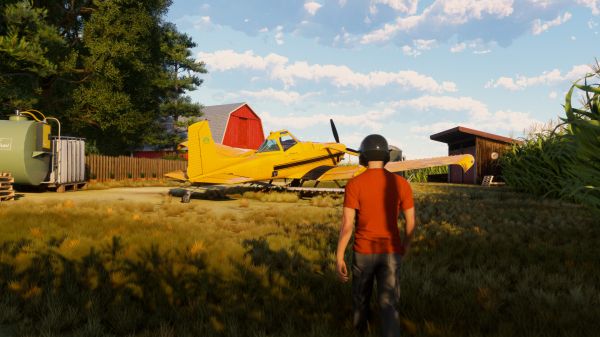
Preflight inspection allows me to leave the cockpit and examine the aircraft from ground level. Covers, control surfaces, tires, doors, fuel points, cargo areas, and visible condition become part of preparation. The aircraft is no longer an interface that begins existing after I sit in the seat. It becomes a physical object with surfaces, access points, and possible defects.
I enjoy walking around smaller aircraft because the scale becomes easier to appreciate. A wing viewed from the cockpit may seem simple, while standing beneath it reveals construction details and control connections. The inspection creates a stronger relationship with equipment I will soon trust in the air. Even when no serious problem is present, the routine improves immersion.
Repeated inspections can become mechanical during frequent Career missions. Once I know that most flights will begin in a normal condition, checking every familiar point may feel like another required sequence. Assistance and skipping options are therefore important. The feature is valuable because it exists, not because every player should be forced to perform the full process before every departure.
Aircraft Systems Are More Ambitious Than Their Consistency
Microsoft Flight Simulator 2024 models electrical, hydraulic, pneumatic, fuel, avionics, payload, engine, and environmental systems across an enormous fleet. The depth naturally varies between aircraft because some are designed for accessible use while others aim for detailed procedure. A well-developed cockpit can support hours of study before every function becomes familiar. The simulator increasingly provides a platform where high-fidelity aircraft can behave like products of their own.
I appreciate failures and system relationships most when they can be understood and managed. Losing one electrical source should create believable consequences across connected equipment. Fuel distribution, engine state, and avionics behavior become educational when the logic remains consistent. The aircraft teaches through cause and effect.
Bugs are especially disruptive inside this kind of simulation. A glass cockpit reboot, unresponsive switch, or incorrect system state can make me question whether I made a mistake or the software did. Sim Update 5.1 addressed electrical issues that could cause avionics interruptions, but the complexity ensures that further problems will continue appearing. Trust is essential because simulation depends on believing the machine follows rules.
The New Flight Planner Is Powerful Enough to Become Its Own Hobby
The flight planner supports visual and instrument routes, charts, fuel and payload planning, vertical profiles, airport information, weather, and operational details. It can be used inside the simulator and through external devices or browsers. This allows preparation to begin before I enter the cockpit. Planning becomes a separate stage rather than one small menu.
I enjoy examining the vertical profile because it reveals whether altitude changes and restrictions are realistic before departure. A route that looks simple from above may require careful descent management near the destination. Fuel planning also becomes more meaningful when payload and reserve requirements are considered. The tool encourages professional thinking without requiring separate paid software for basic operations.
The amount of information can overwhelm beginners. Aviation charts use symbols and terminology that make sense only after explanation. Better guided planning templates would help players move from selecting two airports toward understanding why a route is built in a particular way. The planner is excellent, but its educational layer does not always match its technical ambition.
Free Flight Remains the Purest Expression of the Simulator
Career Mode adds purpose, yet Free Flight remains where Microsoft Flight Simulator 2024 feels limitless. I can choose a runway, parking position, aircraft, fuel load, weather, time, and route without considering progression. A short local circuit and an intercontinental journey exist beside one another without one being treated as more legitimate. The simulator becomes whatever type of aviation session I need.
I often use Free Flight to practice one procedure before risking a career aircraft. Landing in crosswind, learning an avionics system, testing a helicopter, and studying an unfamiliar airport are easier without financial or reputation consequences. This separation makes Career Mode healthier because experimentation does not need to become expensive. Preparation can happen in a safe environment.
Free Flight is also ideal for imaginative journeys with no professional purpose. Following a river, visiting a childhood location, crossing an island chain, or flying through dramatic weather can provide a complete session. The world itself remains enough motivation when curiosity is strong. Microsoft Flight Simulator 2024 succeeds because structured missions enhance freedom rather than replacing it.
The Digital Earth Is Still the Simulator’s Greatest Achievement
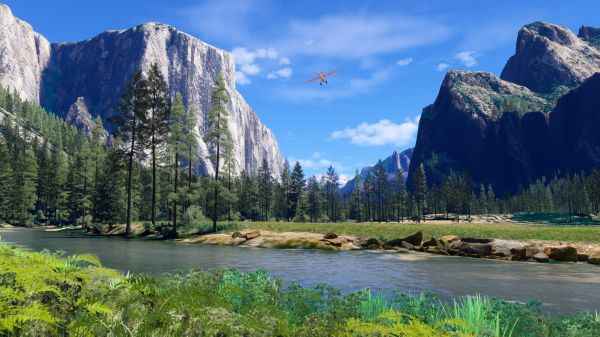
The planet is represented through satellite imagery, elevation data, photogrammetry, procedural generation, handcrafted landmarks, airports, roads, water, vegetation, and cloud-streamed detail. From altitude, the result can be astonishing. Mountain ranges extend toward the horizon, cities glow at night, storms form across enormous areas, and coastlines create natural routes. The scale is difficult to appreciate until I fly for hours and realize how little of the world I crossed.
Familiar places create the strongest emotional response. Recognizing a road, lake, neighborhood, or mountain transforms technical achievement into personal connection. The digital version may not reproduce every building correctly, but the geography is often enough to create recognition. Few games allow players to begin a journey by pointing toward somewhere that matters outside the game.
The world becomes less convincing near the ground in regions dependent heavily on generated scenery. Buildings may use incorrect shapes, roads can intersect strangely, and terrain textures reveal their source limitations. The simulator asks one data system to represent the entire planet, making imperfection unavoidable. Its success should not hide the visible difference between globally generated areas and carefully handcrafted locations.
Improved Ground Detail Makes Landing More Rewarding
Microsoft Flight Simulator 2024 places greater emphasis on terrain, vegetation, ground materials, and close-range environmental detail. This is necessary because Career missions frequently require low-level operations, walking, and landings outside major airports. The world must survive inspection from a helicopter or small utility aircraft. Higher detail gives these activities more visual credibility.
Grass, rocks, trees, and surface variation make remote strips feel more physical. A landing area is no longer only a flat texture placed beside generated scenery. I can judge slope, obstruction, and approach direction more naturally. Ground handling benefits when the environment appears connected to the physics beneath it.
Streaming quality varies according to connection, server condition, memory, and location. Terrain can sharpen gradually or lose detail under pressure, breaking the illusion temporarily. Recent memory and texture improvements help the simulator degrade more gracefully. Cloud dependence remains one of the central compromises behind representing such an enormous world.
Weather Can Turn a Familiar Flight Into a New Challenge
Cloud layers, precipitation, wind, turbulence, visibility, temperature, pressure, and storms influence both appearance and aircraft behavior. The same route can be peaceful under clear conditions and demanding beneath low cloud with changing crosswinds. Weather is not merely a visual filter. It shapes planning, navigation, performance, and the decision to continue.
I enjoy watching conditions develop during a longer flight. A destination that looked acceptable during planning may require another approach or an alternate airport later. Turbulence creates physical movement without turning every cloud into dramatic danger. The sky feels alive because conditions vary across distance and time.
Weather representation can still produce inconsistencies between expected data and visible conditions. Transitions may appear abrupt, and some localized effects remain difficult to model accurately at global scale. The new weather radar support provides aircraft developers with better tools for representing dangerous areas. Reliable weather information is essential because visual beauty must support practical decision-making.
Airflow Simulation Gives Terrain and Aircraft Shape Greater Meaning
Air does not affect every part of an aircraft uniformly. Wings, control surfaces, fuselage shape, rotors, propellers, and surrounding terrain influence how forces develop. The expanded physics system allows many surfaces and soft-body elements to be represented. This ambition supports aircraft ranging from small trainers and gliders to balloons and specialized utility machines.
I notice the benefits most during slow flight, crosswinds, mountain operations, and unusual attitudes. The aircraft communicates instability through movement rather than through one warning alone. Ground effect changes the final portion of landing, while wind near terrain can create unexpected lift or sink. These interactions make careful control more rewarding.
No home simulator can reproduce every physical detail of real flight, and hardware input lacks many forces a pilot would feel directly. The simulator converts those sensations into visual movement, sound, and control response. Quality therefore depends on aircraft implementation and control setup as much as the central engine. The physics foundation is impressive, but every aircraft must use it effectively.
Gliders Offer the Most Peaceful Form of Technical Flying
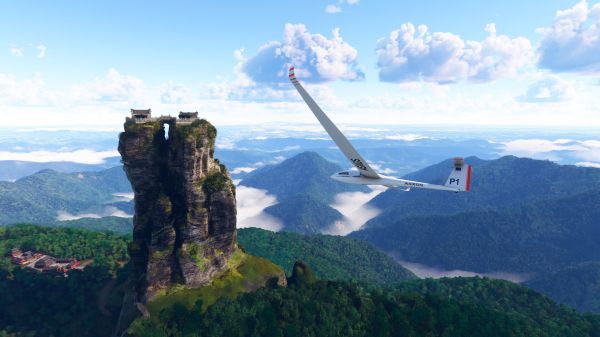
Gliders remove engine management and replace it with constant attention to energy, lift, terrain, and weather. Every turn consumes altitude unless rising air provides another opportunity. The flight becomes a negotiation with the atmosphere. Reaching a distant point feels satisfying because no engine erased the cost of poor judgment.
I enjoy searching for thermals and following terrain that may produce lift. The world looks especially beautiful from a quiet cockpit where engine noise does not dominate the experience. Small changes in sound and vertical movement become important. Gliding turns the simulator into a slower and more observant activity.
The learning curve is gentle in control and demanding in decision-making. Keeping the aircraft airborne is easy temporarily, while completing a long route requires understanding the environment. Challenges and activities provide useful reasons to improve. Gliders demonstrate that aviation excitement does not depend on speed.
Balloons and Soft-Body Aircraft Expand the Simulator’s Personality
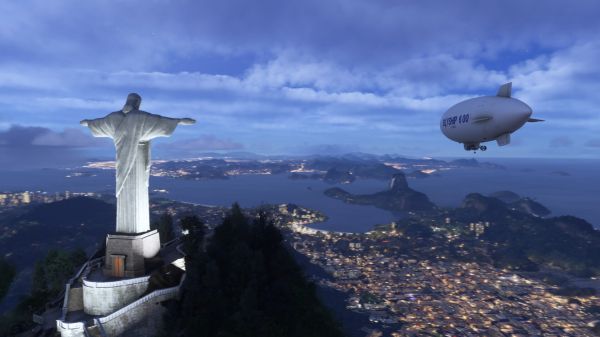
Hot-air balloons, airships, and other unusual craft move according to forces very different from conventional airplanes. Direction may depend heavily on wind layers, while ropes and flexible surfaces require another kind of physics. These vehicles are slower but not mechanically empty. Their limited direct control makes planning and environmental reading even more important.
I enjoy them as a change of pace because the landscape becomes the main attraction. A balloon flight is not about reaching one destination quickly. It is about understanding where the air is carrying me and making limited corrections before landing. The lack of speed increases the value of nearby detail.
These aircraft also demonstrate the scope of Microsoft Flight Simulator 2024. The platform is no longer defined only by airplanes traveling between airports. It attempts to simulate many ways humans use the atmosphere. Variety makes the world feel broader than the title’s traditional airline imagery suggests.
Challenge League Provides Competition Without a Full Flight Commitment
Competitive activities include precision landings, races, low-altitude routes, and other focused tests. These sessions provide clear goals and measurable results without requiring a long career mission. I can practice one skill repeatedly and compare performance. The simulator becomes more arcade-like while preserving its aircraft behavior.
Landing challenges are especially useful because they compress approach planning, speed control, alignment, and touchdown into a short activity. One mistake is immediately visible in the score. Repeating the challenge teaches consistency more efficiently than setting up another full route. Competitive scoring gives practice a direct purpose.
Races emphasize speed and route accuracy, sometimes encouraging more aggressive flying than ordinary simulation. They are entertaining precisely because they do not pretend to be routine professional operations. The variety prevents every activity from feeling like another procedural transport job. Microsoft Flight Simulator 2024 benefits from occasionally celebrating aviation as sport.
World Photographer Encourages Me to Observe Instead of Arrive
Photography activities provide objectives involving landscapes, landmarks, animals, weather, and specific visual conditions. The flight becomes a search for composition rather than an attempt to land perfectly. I need to choose altitude, angle, light, and distance while maintaining control. The camera gives exploration another form of completion.
I enjoy these missions because they reward slower aircraft and unusual routes. A location that lacks a major airport can still become important through natural beauty or cultural identity. The travel book creates a record of what I have visited. This is a more personal progression system than earning another certification.
Photo requirements can occasionally feel overly specific. A scene may appear correct while one hidden condition prevents completion. Better visual guidance would reduce unnecessary repetition. The concept remains excellent because it gives non-competitive players a reason to study the world carefully.
Animals and Ground Activity Make Empty Regions Feel More Alive
Wildlife appears in selected environments, adding movement to landscapes that might otherwise contain only vegetation and terrain. From a low-flying aircraft or during photography missions, these animals provide another reason to observe carefully. Ships and air traffic contribute similar activity across water and sky. The world seems occupied beyond the player’s route.
The simulation is not a detailed ecosystem, and animal behavior can appear simple when examined closely. Their value is atmospheric rather than deeply interactive. Spotting a group during a remote flight creates a memorable detail without requiring a complex mission. Small signs of life improve the scale of the planet.
Generated activity must remain believable in placement and behavior. An animal appearing inside inappropriate terrain or traffic moving strangely can weaken immersion immediately. Global simulation inevitably creates exceptions. The best solution is graceful variety rather than attempting perfect life everywhere.
Air Traffic Control Remains One of the Most Uneven Systems
Air traffic control provides clearances, frequencies, taxi instructions, altitude changes, and sequencing around airports. When it functions correctly, the radio gives flights an essential procedural structure. I feel connected to a wider aviation system rather than operating alone. Busy airports become organized spaces instead of runways everyone uses independently.
Problems arise when instructions repeat, arrive too late, conflict with the flight plan, or fail to account for surrounding conditions. The simulator’s global scope makes dependable ATC extremely difficult, but its mistakes can disrupt the entire operation. A perfect approach becomes frustrating when clearance logic refuses to cooperate. Recent priority and queue improvements reduce some waiting, yet the system remains less reliable than the aircraft simulation.
External networks and community tools provide alternatives for players seeking human control or more advanced procedures. These options can be intimidating because real people expect preparation and communication discipline. The built-in ATC should remain a useful bridge between casual flying and organized networks. It needs to teach correct habits rather than forcing players to ignore it.
Ground Services Add Atmosphere When They Work Properly
Fuel trucks, baggage equipment, jetways, catering, pushback, and other services make larger airport operations feel physical. The aircraft does not prepare itself through one invisible menu. Vehicles arrive, doors open, payload changes, and departure becomes a sequence of coordinated actions. This is especially satisfying during passenger and cargo operations.
Ground-service failures are disproportionately irritating because they occur before the flight properly begins. One unavailable vehicle should not prevent unrelated services from functioning. Recent updates improved independence between service types, making the process more reliable. These small fixes matter because routine operations depend on predictable support.
Handcrafted airports usually provide the best experience because parking positions, service routes, and structures receive more direct attention. Generated airports can produce awkward vehicle behavior or unsuitable stands. Dispatch improvements reduce some impossible assignments. The simulator needs accurate ground data as much as beautiful terminal models.
Handcrafted Airports Show What the Platform Can Achieve
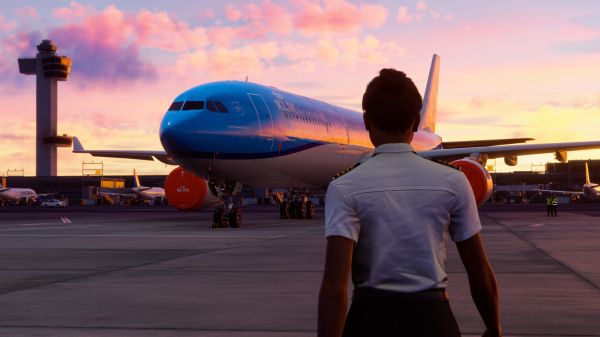
Major airports receive detailed terminals, signs, taxiways, lighting, equipment, nearby landmarks, and recognizable architecture. Arriving at one after a long flight provides a strong sense of place. Gates and runways resemble the real facility closely enough that procedures feel connected to reality. These airports become destinations rather than functional coordinates.
The difference between handcrafted and generated locations can be dramatic. A detailed hub may include accurate construction and signage, while a smaller airport uses generic buildings and imperfect layouts. This inconsistency is inevitable across a global map. It also makes premium and community airport scenery especially attractive.
I appreciate the large number of handcrafted airports included in the standard edition. They provide reliable places for learning complex operations. Smaller fields remain important for career variety, but major hubs demonstrate the visual and procedural ceiling. The simulator’s marketplace then extends that ceiling through specialized products.
The Aircraft Fleet Is Enormous but Uneven in Depth
The standard collection includes trainers, business aircraft, airliners, helicopters, gliders, agricultural machines, utility aircraft, balloons, and specialized platforms. Higher editions expand this selection further. The variety ensures that players interested in very different forms of aviation can find something appealing. It also makes complete familiarity almost impossible.
Some aircraft provide detailed systems, excellent manuals, and convincing behavior. Others are simpler, contain incomplete features, or reveal bugs under unusual procedures. Comparing them only by appearance can be misleading. A less famous aircraft with strong implementation may provide a better experience than a visually exciting one with limited system depth.
I prefer learning a small group thoroughly rather than moving constantly between unfamiliar cockpits. Knowing where every control belongs and how the aircraft responds creates confidence. The large fleet remains valuable because it supports discovery. It should be treated as a library rather than a checklist requiring completion.
The Marketplace Extends the Simulator and Complicates Buying Decisions
Third-party developers sell aircraft, airports, scenery, tools, liveries, and other enhancements through the integrated marketplace. High-quality products can add extraordinary depth to a favorite aircraft or transform a frequently visited region. The ecosystem is one of the simulator’s strongest long-term advantages. Years of specialized development can continue expanding the platform beyond official releases.
Quality varies greatly, and attractive screenshots do not guarantee accurate systems or strong performance. Research remains important before purchasing expensive aircraft. Marketplace moderation and update speed influence whether products remain compatible with new simulator versions. A complex add-on becomes frustrating when an official update temporarily disrupts it.
PC players also have access to community packages installed outside the marketplace, while console options are more controlled. Outdated packages can create loading, stability, and performance problems after updates. Maintaining the simulator therefore becomes part of the hobby. A clean installation is often the first troubleshooting step before blaming the base platform.
Streaming Reduces Installation Size but Creates Another Dependency
Microsoft Flight Simulator 2024 streams much of its world and content rather than storing the entire planet locally. This helps control installation size despite the enormous amount of available data. It also allows scenery and aircraft assets to be delivered as needed. The platform can evolve without requiring every user to download every region permanently.
The disadvantage is dependence on connection quality and server performance. Low bandwidth, congestion, or service problems can reduce texture quality and create loading delays. The simulator may degrade scenery precisely when I arrive at a location chosen for its visual detail. Offline options exist but cannot reproduce the full streamed world.
I understand the technical reason because a complete high-detail Earth would be impractical for ordinary storage. The solution remains a compromise rather than a pure improvement. Players need control over cached regions and selected local packages. Reliable streaming is as important to the visual experience as the graphics card.
Performance Has Improved but Still Requires Careful Settings
The simulator places heavy pressure on processor performance, graphics memory, system memory, storage, and network bandwidth. Complex airports, dense cities, advanced aircraft, multiplayer traffic, and difficult weather can combine into demanding scenarios. A system that performs smoothly over countryside may struggle during arrival at a major hub. Testing only one region gives an incomplete picture.
Sim Update 5 improved frame rate and stuttering in demanding locations, while Sim Update 5.1 refined memory use and terrain degradation under pressure. These are valuable improvements because consistent performance matters more than maximum detail. A temporary frame problem during landing affects actual control. The simulator needs to remain predictable during its most visually complex moments.
I prefer reducing selected settings rather than forcing the highest preset. Terrain detail, traffic, shadows, clouds, and airport activity can affect performance substantially. The visual difference between high and maximum values is often less important than stable response. Microsoft Flight Simulator 2024 remains beautiful even after sensible compromise.
VR Provides Unmatched Presence and Significant Practical Difficulty
Virtual reality places me inside the cockpit at its intended scale. Instruments occupy real spatial positions, windows provide natural depth, and looking toward the runway feels completely different from moving a camera on a monitor. Helicopters, small aircraft, and low-level operations benefit especially from this perspective. The sense of presence can be extraordinary.
Reading instruments, interacting with controls, maintaining frame rate, and managing physical hardware are the major challenges. A cockpit designed for hands and physical switches does not always translate elegantly to motion controllers or a mouse used beneath a headset. Performance requirements are also higher because inconsistent motion can become uncomfortable. VR rewards careful setup before the first flight.
Dedicated interface improvements and HUD controls make the mode more practical. Tooltips need to appear near the switch being observed rather than floating at an uncomfortable distance. The simulator continues refining this interaction model. VR is not the easiest way to play, but it is often the most convincing way to feel that I am actually inside the machine.
Controller Support Makes the Simulator Approachable on Console
Xbox and PlayStation controllers provide enough input for basic flight, camera movement, menus, and assisted procedures. This makes the simulator accessible without requiring immediate investment in aviation hardware. Intelligent assistance can manage trimming, rudder, communication, or complex startup processes. A casual player can begin exploring the world relatively quickly.
The limitation is the enormous number of possible aircraft controls. One controller cannot provide a dedicated input for every switch, axis, and system. Context menus and modifier combinations become necessary. Complex operations are easier with a keyboard, mouse, or additional hardware even when primary flight remains comfortable.
I appreciate being able to choose the level of commitment. A controller supports sightseeing and Career progression, while a yoke, throttle, pedals, and panels can gradually increase physical realism. The simulator does not require one correct setup. It allows the hobby to expand according to interest and budget.
Flight Hardware Can Transform the Experience and the Desk
A yoke or joystick provides continuous control with greater precision than short controller sticks. Throttles, pedals, trim wheels, and switch panels reduce dependence on the mouse. Physical controls make procedures easier to remember because actions become connected to location and movement. The cockpit begins extending into the room.
Hardware configuration can become a separate technical project. Different aircraft require different control profiles, dead zones, sensitivities, reversers, and button mappings. One duplicate assignment may create confusing behavior. Saving reliable profiles is essential before experimenting further.
The cost can rise quickly, especially when attempting to reproduce several aircraft types. A yoke suited to an airliner may feel inappropriate for a helicopter or fighter-style control system. I avoid chasing one perfect universal setup because it does not exist. The simulator is fully enjoyable with modest hardware once the controls are configured carefully.
Multiplayer Makes the Sky Social Without Requiring Direct Competition
Other pilots can appear across the world, creating traffic around popular airports and events. Seeing another player depart, form up nearby, or arrive at the same destination makes the environment feel shared. Groups can organize tours, formation flights, races, and community events. Multiplayer turns global scale into social space.
Synchronization is not always perfect. Aircraft may move strangely, disappear, intersect, or display configurations differently between clients. Heavy traffic can reduce performance and create visual disorder. The system is best treated as shared presence rather than an exact professional traffic simulation.
I enjoy multiplayer most during organized flights where everyone understands the route and basic expectations. Flying beside another aircraft over a recognizable landscape creates a quiet form of cooperation. No scoreboard is required. The shared journey becomes the activity.
The Simulator Is Both a Serious Tool and a Relaxation Game
I can approach one session with charts, checklists, realistic weather, complete startup, air traffic procedures, and a carefully planned arrival. Another session can begin in the air with assistance enabled and no purpose beyond seeing a coastline at sunset. Both experiences belong naturally inside the same software. Few games support such different relationships with complexity.
The serious approach provides satisfaction through knowledge and discipline. Each correct procedure reduces uncertainty, while every completed flight reflects preparation. The relaxed approach provides scale, beauty, and movement without demanding professional ambition. The simulator does not need to choose between them.
Difficulty appears when one interface attempts to support both audiences simultaneously. New players can feel overwhelmed by terminology, while experienced users may dislike simplified systems or automatic assistance. Clear profiles and better context-sensitive guidance help bridge the gap. Flexibility remains one of the platform’s greatest strengths.
Technical Problems Hurt More Because Flights Require Time
A short action game can recover quickly from one crash or broken objective. A flight simulator may fail after an hour of preparation and travel. A frozen cockpit, mission validation problem, disconnection, or crash during final approach removes a substantial investment of time. Technical trust therefore matters more than ordinary polish.
The 2024 release developed a difficult reputation because server pressure, streaming problems, loading issues, and mission errors disrupted the experience. Continued updates have improved stability and Career reliability considerably. The current version is easier to recommend than the launch version. It still does not feel completely free from the possibility that software may interfere with a carefully flown mission.
I save patience for mistakes I understand. Misjudging wind, selecting the wrong mode, or landing too firmly becomes part of learning. Losing progress because the mission cannot detect one correct step provides no useful lesson. Microsoft Flight Simulator 2024 must continue prioritizing reliability over expansion.
Career Scoring Can Be More Demanding Than the Mission Briefing
Career missions evaluate procedures, taxi behavior, communication, aircraft condition, comfort, landing, and task-specific performance. This encourages discipline, but the exact cause of a penalty is not always obvious. A result screen may indicate poor performance without explaining the sequence precisely. The scoring then feels judgmental rather than educational.
I want a detailed report showing unstable approach points, excessive forces, missed communications, runway deviation, passenger discomfort, and equipment misuse. This information would turn every mission into a lesson. Pilots improve through debriefing, not only through a final letter grade. The simulator already records enough behavior to provide a stronger analysis.
Occasional detection errors are especially frustrating when they affect reputation or income. The player needs confidence that the simulator recognized the procedure correctly. Updates continue refining mission logic. Career Mode will reach its full potential when scoring becomes as transparent as the aircraft instruments.
Owning an Aviation Company Adds Useful Financial Stakes
Career progression eventually allows me to operate businesses and use owned aircraft rather than completing only employee assignments. This increases potential rewards while transferring maintenance and damage risk to the player. One careless landing can create a financial problem extending beyond the current mission. The aircraft becomes an investment rather than a temporary tool.
I enjoy this shift because it changes my attitude immediately. A company aircraft deserves conservative decision-making, careful inspection, and weather awareness. Skipping preparation to save time can produce expenses far greater than one mission payment. The economic system gives professionalism a practical reason.
Business management remains simplified and sometimes unbalanced. Repair costs, mission availability, passive income, and aircraft value can create confusing progression. The fantasy is strong enough to justify continued refinement. Managing several aircraft and specializations could become one of the simulator’s deepest long-term loops.
The Standard Edition Already Contains an Enormous Amount
The base version provides more than enough aircraft and handcrafted airports for most players to explore for hundreds of hours. Career Mode, activities, photography, challenges, multiplayer, and unrestricted Free Flight are not dependent on the highest edition. The fleet covers many major categories. A player can discover personal interests before deciding whether premium aircraft are necessary.
Higher editions add additional machines and locations whose value depends heavily on individual taste. Owning more aircraft is useful only when I intend to learn them. A large hangar can become a list of equipment touched once and forgotten. The best edition is not automatically the one containing the highest number.
I recommend evaluating the specific aircraft and airports rather than comparing package size alone. One desired high-quality machine may justify an upgrade more than several unfamiliar additions. The simulator already encourages further purchases through the marketplace. Beginning with the standard collection provides a sensible way to understand personal priorities.
World Updates Continue Improving the Planet After Release
Regional updates add improved terrain data, handcrafted airports, cities, landmarks, activities, and points of interest. Australia and United States National Parks received major attention during 2026, continuing the long-term development model established by the previous simulator. These updates give me reasons to revisit places that previously looked less detailed. The world becomes an evolving part of the platform.
I appreciate that many world updates are available without a separate purchase. They improve the shared environment and prevent the base planet from remaining fixed permanently. Regional quality still varies because data sources and development priorities differ. Continued updates gradually reduce those differences.
Storage and content management need to remain clear as the catalogue grows. Downloading every regional package may consume significant space even within a streaming-focused simulator. Players should be able to install only the detail they use. A global platform requires precise local control.
The Best Flights Create Stories Without a Script
One memorable flight began as a routine journey toward a small mountain airport. Weather deteriorated earlier than expected, the valley became difficult to identify, and turbulence made the light aircraft increasingly uncomfortable. I abandoned the first approach, climbed back toward safer terrain, and selected another airfield with better visibility. Nothing dramatic was scripted, yet the decision to divert created a complete story.
Another session involved a helicopter rescue where the target area appeared simple from the briefing. Wind near the terrain made hovering unstable, and the landing zone was much tighter from cockpit height than it looked on the map. Reaching the location safely felt more satisfying than earning the mission reward. The aircraft and environment had created the challenge naturally.
These moments are the real reason I tolerate the platform’s imperfections. Weather, geography, aircraft systems, personal knowledge, and one small mistake can combine into an event that no designer planned exactly. Microsoft Flight Simulator 2024 provides the conditions. The pilot creates the story through response.
An Extraordinary Simulator Still Fighting Its Own Scale
Microsoft Flight Simulator 2024 is the most purposeful version of Microsoft’s modern flight platform. Career Mode gives pilots reasons to develop skills, earn certifications, explore unfamiliar aircraft, and visit destinations beyond famous airports. Search and rescue, firefighting, cargo, photography, helicopters, VTOL operations, and passenger transport demonstrate how many forms aviation can take. Free Flight remains available whenever progression feels less important than personal curiosity.
The aircraft physics, global scenery, weather, cockpit systems, flight planner, ground detail, and enormous fleet create moments of unmatched immersion. Standing beside a small aircraft before sunrise, completing the walkaround, starting the engine, and departing toward a real place can feel extraordinary. Few simulations connect technical procedure with a world of this scale. Every flight begins with the knowledge that almost the entire planet is available.
The same ambition creates the largest weaknesses. Streaming depends on servers and connection quality, generated scenery remains inconsistent near the ground, air traffic control can behave unpredictably, and Career missions occasionally misunderstand what the player has done. Performance requires careful configuration, while system bugs can make it difficult to distinguish pilot error from software error. A simulator built around long flights cannot afford unreliable interruption.
I consider Microsoft Flight Simulator 2024 a remarkable platform rather than a perfectly finished product. Its current version is substantially stronger and more stable than the troubled release, and continued updates have improved Career logic, performance, avionics, mission dispatch, and aircraft support. There is still a long list of systems that need refinement, but the foundation is unlike anything else available at this scale.
I return because every aircraft offers another discipline and every point on the map can become a destination. One day I am learning to manage a heavy passenger aircraft through an instrument arrival, and the next I am flying slowly above a remote coastline while searching for a photographic landmark. The simulator can be demanding, peaceful, educational, frustrating, and beautiful within one session. Microsoft Flight Simulator 2024 does not merely give me a collection of aircraft; it gives those aircraft an entire planet and finally provides enough meaningful work to make leaving the runway feel like the beginning of something.
Pros:
- Stunning visuals with photorealistic textures and dynamic lighting that change with time of day
- Robust support for mods and custom cheats that allow for extensive gameplay customization
- Accessible cross-platform availability including PC, consoles and cloud streaming, ensuring wide reach
- Dynamic weather systems and evolving environmental conditions create an ever-changing simulation experience
- Vibrant community and multiplayer mode foster shared experiences and collaborative challenges
- Realistic flight physics and highly detailed cockpit controls enhance the immersive experience
Cons:
- Steep learning curve for beginners might be overwhelming at the start
- Occasional performance issues and resource intensity can disrupt gameplay on non-optimized systems
- High system requirements may limit performance on lower-end devices

RELATED APPS








Recent Reviews

Minecraft

Grand Theft Auto V

Toca Boca World

Roblox

Leave a comment
Your comment is awaiting moderation. We save your draft here
0 Comments