Review
Dota 2 is the game I return to whenever I want to be reminded that thousands of hours of experience can still leave me feeling like a b...





The Battlefield Unleashed: A Deep Dive into Dota 2's Strategic Evolution
Dota 2 is the game I return to whenever I want to be reminded that thousands of hours of experience can still leave me feeling like a beginner. The basic objective sounds almost suspiciously simple: five players defend their Ancient while trying to destroy the structure belonging to the opposing team. Everything between those two Ancients turns that clear goal into a constantly shifting contest of mechanics, information, timing, psychology, teamwork, and personal discipline. Even after I understand the map and recognize every hero, one unexpected draft or item decision can make the next match feel like a completely new problem.
I entered Dota 2 expecting a competitive multiplayer game built around heroes with several abilities. What I found was closer to a complicated strategy game compressed into the perspective of one character. I control only part of the team, but I need to think about lane equilibrium, vision, item timings, enemy movement, neutral objectives, teleportation routes, experience distribution, spell interactions, and the condition of fights happening beyond my current screen. The mechanical action is immediate, yet most victories are prepared through decisions made long before the final battle begins.
From my perspective as a gamer, Dota 2 is both one of the most rewarding and one of the least forgiving multiplayer experiences available. It gives me extraordinary freedom to solve problems through unconventional heroes, items, positions, and tactics. It also gives nine other players enough freedom to create situations I could not possibly control alone. A great match feels like five people gradually understanding the same strategy, while a terrible one can feel like a group project where everyone has written a different answer to the question.
The Ancient Gives Every Match One Clear Destination
Each team begins inside a fortified base containing the Ancient, barracks, towers, a fountain, shops, and several entrances leading toward the wider map. Destroying the enemy Ancient ends the match regardless of how many heroes have been defeated or how impressive one player’s statistics appear. This keeps the objective strategically clear even when the route toward it becomes complicated. Every fight, item, tower, and farming pattern matters only according to how it improves the possibility of reaching that final structure.
I appreciate this clarity because Dota 2 produces an enormous amount of temporary information. One team may lead in gold, control most of the map, and dominate several fights without being able to finish safely. Another team can remain behind for a long period and recover through one successful defense. The Ancient ensures that advantage and victory remain related without becoming identical.
The Three Lanes Create the Opening Structure
Top, middle, and bottom lanes carry regular waves of creeps toward enemy territory. Towers protect each route, creating predictable areas where early combat and resource collection occur. The lanes divide the players initially, but they are not isolated arenas. Teleportation, runes, portals, smoke movements, rotations, and support responses can change a quiet duel into a larger fight within seconds.
I enjoy how lane assignments provide enough structure for the opening without determining the complete match. A hero may begin as a support near one core and later spend most of the game creating pressure elsewhere. The middle player can move toward side lanes, while an offlaner may abandon direct farming to begin team fights. The lanes establish responsibilities and then gradually release players into the wider strategy.
Last-Hitting Makes Every Creep a Small Contest
Gold from lane creeps is awarded through the final damaging hit, which makes basic farming an active mechanical process. I need to judge attack animation, projectile travel, current damage, enemy interference, and the health of several units simultaneously. Opponents can deny allied creeps to reduce the resources I receive. A peaceful-looking lane therefore contains constant competition even when neither hero is directly attacking the other.
I found last-hitting frustrating at first because it exposed how much precision was hidden inside an ordinary attack command. Different heroes have different animations, damage ranges, and projectile speeds. Improving at this one skill made every later item timing more reliable. Dota 2 often rewards progress through small efficiencies that become significant only after several minutes.
Denying Turns My Own Creeps Into Strategic Resources
Denying allows me to deliver the final hit to certain allied units under the correct conditions, reducing what the opponent receives. This means my creeps are not automatically protected simply because they belong to my team. Their health becomes another resource to control. A strong lane player manages both sides of the wave while still watching the enemy hero.
I like the tension this creates because farming is never completely private. Even when I cannot threaten the opponent directly, I can interfere with experience, timing, and lane position. The mechanic also makes attack speed and animation familiarity valuable in ways that are easy to underestimate. Winning several small deny contests can gradually create a lane advantage without one dramatic event.
Creep Equilibrium Determines Where the Lane Is Fought
The meeting point of the creep waves influences safety, access to experience, and vulnerability to rotations. Holding the wave near my tower can protect a fragile core, while pushing it forward creates pressure and access to other parts of the map. Every attack on a creep changes this balance slightly. The lane behaves like a moving strategic boundary rather than a fixed location.
I learned that constant attacking often created problems despite making farming feel faster. The wave moved into dangerous territory, the enemy gained safer access, and my position became easier to punish. Controlled last-hitting preserved a better location for several minutes. Dota 2 rewards restraint because doing less can create more favorable geometry.
Aggro Manipulation Gives Lane Position Another Layer
Attacking or issuing commands toward enemy heroes can influence nearby creep behavior. This allows experienced players to pull creeps toward safer positions, adjust the wave, or create opportunities for particular last hits. The mechanic is not immediately obvious to new players because the effect is connected to unit targeting rules rather than a visible ability. Once understood, it becomes part of ordinary lane control.
I enjoyed learning creep aggro because it transformed the lane from something happening around me into a system I could manipulate deliberately. A difficult creep could be moved closer, while the enemy’s attention shifted toward the changed wave. Small command choices created safer farming opportunities. The mechanic demonstrates how deeply Dota 2 builds strategy into ordinary unit behavior.
The Safe Lane Is Safe Only by Comparison
The lane usually assigned to the primary farming core offers useful tower position and access to nearby support resources. This does not make the hero protected automatically. Aggressive offlaners, support rotations, blocked camps, and poor wave control can turn the area into a trap. Safety depends on how well the team uses the terrain and information available.
I liked playing carry because the role creates a visible relationship between early discipline and late influence. Every missed creep delays an item, while every unnecessary death changes the next several minutes. The role may eventually become powerful, but reaching that point requires trust in teammates and careful resource use. A carry’s strength is earned through time that the entire team helps create.
The Offlane Rewards Players Comfortable With Pressure
Offlane heroes often begin in difficult conditions and are expected to remain useful without receiving the safest farm. They may need durability, escape tools, initiation, or abilities that influence fights with limited equipment. The role creates space by being difficult to ignore. A successful offlaner becomes a problem the enemy must address before focusing completely on the carry.
I enjoy how varied the position can be. One hero may stand confidently near the wave, another manipulates summons, and another waits for a level or item before changing the lane completely. The role often feels like controlled inconvenience. I may not lead the team in gold, but I can force the opponent to spend time solving my presence.
The Mid Lane Is a Duel Connected to the Entire Map
Mid players receive solo experience and usually reach important levels earlier than heroes in side lanes. The lane is short, rune control matters, and both players can influence other areas quickly. Mechanical skill is important, but awareness is equally essential. Winning the direct matchup means little if the enemy rotates successfully while I remain focused only on creeps.
I found mid intimidating because every mistake felt visible. There is less opportunity to blame a nearby lane partner when the opponent gains an advantage. At the same time, the role provides some of the clearest opportunities to control the pace. A strong rotation can rescue another lane and create confidence across the entire team.
Supports Turn Limited Gold Into Team Value
Support heroes usually receive fewer farming resources and spend more time protecting cores, controlling vision, preparing fights, and responding to threats. Their abilities are often designed to remain valuable without expensive items. Positioning becomes especially important because one poorly placed support can disappear before using the spell that justifies the role. Good support play is less about being weak and more about converting limited resources efficiently.
I enjoy the role because the entire map becomes relevant immediately. I watch rune timings, enemy rotations, camp availability, teleportation options, and the condition of several lanes. A ward or smoke movement can matter more than another small item. The role rewards players who find satisfaction in enabling actions that may be credited to someone else.
Hard Support Requires Emotional Discipline
The position-five player often purchases the earliest support items, protects the primary core, and accepts the lowest farming priority. The role may involve standing in dangerous areas to provide vision or sacrificing personal safety so another hero can escape. These actions rarely produce impressive statistics. Their value appears through the opportunities preserved for the team.
I found the position rewarding once I stopped measuring success through personal wealth. A well-timed defensive spell, saved teleportation, or useful ward could decide an entire fight. The challenge is maintaining influence when the enemy begins finding supports quickly. Good positioning becomes the item I cannot purchase from the shop.
Position Four Supports Often Create the First Chaos
The roaming or soft-support role usually has more freedom to move, contest runes, pressure lanes, and secure modest resources. Heroes in this position often possess strong early abilities, mobility, or initiation. Their decisions can accelerate the game before the cores are ready to lead. One successful rotation changes lane confidence immediately.
I enjoy position four when I want to improvise. The role rewards identifying which lane can be influenced and which movement would waste time. Remaining inactive is costly because another support may be creating pressure elsewhere. The map feels open from the first minute, but every trip needs a clear purpose.
The Hero Roster Makes Drafting a Strategic Game Before the Match
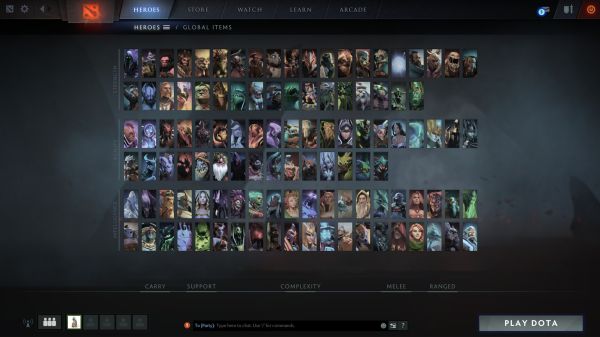
Dota 2 contains a vast range of heroes built around different attributes, abilities, timings, and roles. The draft determines which strengths are available and which weaknesses must be solved through play. One team may rely on early pressure, while another wants enough time for a powerful late combination. The match begins conceptually before anyone reaches a lane.
I enjoy drafting because no hero exists independently from the other nine selections. A character that looks weak in one match may become perfect against particular abilities. Another famous comfort pick can become difficult to use when the enemy controls its preferred movement. The draft is an argument about how the next game should be played.
Strength Heroes Often Provide Stability Without Being Simple
Strength heroes commonly offer durability, initiation, sustain, or close-range pressure. Their higher health can make mistakes slightly more forgiving, but many still require precise timing and positioning. A durable hero standing in the wrong place can feed the enemy for a long time before finally falling. Survivability has value only when it supports a useful action.
I liked beginning with several strength heroes because they allowed me to observe fights without disappearing instantly. Later, I learned that durability creates responsibility. A front-line hero needs to understand when the team can follow. Entering too early converts a supposed advantage into an isolated defeat.
Agility Heroes Turn Farm Into Dangerous Scaling
Agility heroes often gain attack speed and armor while building items that amplify physical damage or survivability. Many become powerful after reaching specific equipment timings. Their early vulnerability creates a contest over whether the opposing team can pressure them before those timings arrive. Farming patterns therefore become part of the match’s central tension.
I enjoy the visible transformation of a well-played agility core. The hero may begin avoiding fights and later become the main reason the enemy cannot move safely. That power is not guaranteed because several deaths or inefficient routes can delay it dramatically. Scaling creates potential, not permission to ignore the game.
Intelligence Heroes Control Fights Through Spells and Information
Intelligence heroes frequently provide disables, magical damage, healing, summons, or strategic utility. Their spell combinations can decide early and middle stages before physical cores reach full strength. Many depend heavily on mana and careful positioning. A brilliant ability used one second late may become worthless.
I enjoy the role of spell-heavy heroes because fights become questions of sequence. Which target needs control first, which defensive item has already been used, and which ability must be saved for a later threat? Casting everything immediately may create less value than waiting. Intelligence heroes often reward patience inside chaos.
Universal Heroes Encourage Flexible Attribute Builds
Universal heroes gain offensive value from several attributes, which can make a broader range of items appealing. Their flexibility allows builds to combine durability, utility, and damage more naturally. This does not mean every item becomes equally good. The hero’s abilities and current role still determine which statistics produce practical value.
I like the category because it encourages creative experimentation. An item selected for utility may also contribute meaningful damage, reducing the separation between support and core progression. The challenge is avoiding unfocused builds containing many attractive ideas without one clear purpose. Flexibility becomes strongest when the player knows exactly what problem needs solving.
Innate Abilities Give Every Hero Another Starting Identity
Innate abilities provide effects connected to a hero from the beginning rather than consuming one of the ordinary skill selections. Some modify existing mechanics, while others introduce passive or active tools that shape the hero’s role. These abilities make the roster feel even more specialized. Learning a hero now includes understanding what is already active before the first skill point is spent.
I appreciate how innates can reinforce personality and mechanical identity. A hero may interact with resources, movement, units, or abilities in a way no item can reproduce. The additional complexity makes new-player learning harder, but it also creates more distinctive characters. Dota 2 continues expanding sideways instead of only increasing numerical power.
Facets Allow One Hero to Enter a Match With Different Priorities
Facets provide a choice before the match begins, altering abilities or emphasizing different parts of a hero’s design. This lets one selection adapt toward another strategy without becoming an entirely different character. The choice can affect lane behavior, itemization, team synergy, and later fighting style. Understanding the opponent’s facet becomes part of preparation.
I enjoy this system because it makes familiar heroes less predictable. The name on the draft screen no longer explains every mechanic automatically. A player can select the version that fits the lineup or personal style. The danger is treating facets like a permanent ranking rather than evaluating the current match.
Talents Turn Leveling Into a Series of Strategic Choices
Talent selections appear at particular levels and offer alternative improvements to abilities, statistics, or role identity. One option may increase damage while another improves control or survival. The stronger choice depends on the match rather than one universal rule. A support version and core version of the same hero may follow completely different paths.
I like delaying a talent selection when the game has not yet revealed which option matters more. Holding the point preserves flexibility for the next fight. The mechanic rewards players who understand why a talent is useful rather than following a guide automatically. Builds become decisions instead of recipes.
Abilities Interact in Ways No Tooltip Can Fully Prepare Me For
Dota 2 spells contain rules involving immunity, dispels, movement, vision, illusions, summons, damage types, interruption, and many special cases. Combining them creates interactions that may feel surprising even after long experience. One defensive spell can completely change the value of an enemy ultimate. Another ability may continue functioning through a condition that appears as though it should stop.
I learned to respect the game’s test environment and detailed tooltips because assumptions are expensive. A combination that sounds effective may fail due to one specific rule. Another strange interaction can create an entire strategy. Dota 2 rewards experimentation because the game’s language is too large to understand only through memory.
Stuns Are Simple in Concept and Decisive in Practice
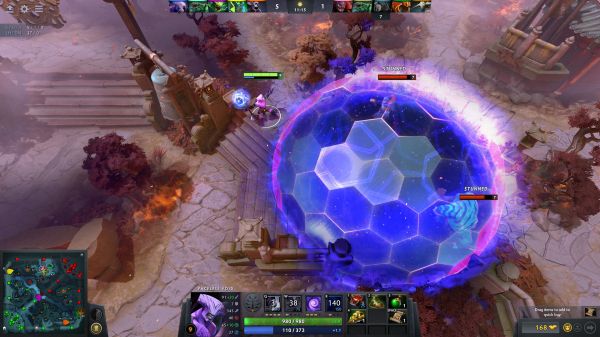
A stun prevents the target from acting, making it one of the clearest forms of control. The real strategy lies in timing, duration, range, and whether another disable should overlap with it. Two players using long stuns simultaneously may waste several seconds of potential control. Chaining them correctly can prevent an important enemy from responding at all.
I enjoy coordination around disables because it demonstrates the value of communication immediately. One short announcement can preserve the next spell. The enemy’s defensive items also create another layer, forcing the team to wait or bait them first. A stun is easy to understand and difficult to maximize.
Silences Change Heroes Without Removing Their Movement
Silence prevents spell use while often allowing attacks, items, and movement to continue. Its value depends heavily on the target. A spell-dependent hero may become nearly harmless, while a physical core continues dealing significant damage. Choosing the correct target is therefore more important than applying the effect quickly.
I like silences because they create incomplete control. The target remains active and can still reposition or use available answers. This makes the fight dynamic rather than frozen. A silence may force a defensive item, opening another opportunity for the team.
Dispels Create a Hidden Battle Over Status Effects
Buffs and debuffs can sometimes be removed by basic, strong, or specialized dispels. Understanding which effects can be removed changes how abilities and items should be sequenced. Applying a valuable debuff before the enemy uses a cleansing ability may waste it. Waiting creates a stronger opportunity later.
I enjoy this layer because it rewards information beyond visible health bars. I need to know what defensive resources remain available. A support may preserve one spell specifically to remove control from the carry. Dota 2 fights are often decided by effects that disappear almost immediately when handled correctly.
Spell Immunity Is Powerful Without Solving Every Problem
Items and abilities can provide protection against many spell interactions, but the effect does not make a hero universally safe. Some abilities still matter, physical damage remains dangerous, and timing determines whether immunity is used effectively. Activating it too early allows opponents to retreat. Activating it too late may be impossible after control begins.
I like how spell immunity creates a temporary strategic window rather than permanent superiority. A core can enter the fight confidently for several seconds, and the opposing team can respond by disengaging or using abilities that remain effective. The duration becomes another resource to track. Every second matters because the protection becomes shorter through repeated use in some cases.
Items Allow Every Hero to Solve Different Problems
Dota 2 has an extensive item system containing mobility, damage, survivability, control, vision, dispels, regeneration, summons, and team support. The correct purchase depends on enemy heroes, current timing, personal role, and what teammates already provide. An expensive item is not automatically better than a cheap answer purchased at the right moment. Itemization is the game’s second draft happening during the match.
I enjoy the shop because it gives me agency after the initial hero selections are complete. A difficult matchup can sometimes be repaired through one defensive tool. A team lacking initiation can purchase mobility and control. The item system ensures that strategic adaptation continues until the Ancient falls.
Blink Dagger Changes Positioning Into Initiation
Blink Dagger allows an instant movement over a substantial distance when it has not been disabled by recent player damage. Heroes with strong area control can use it to begin fights from unexpected positions. The item creates threat even while nothing is happening because enemies must consider where the initiator could be hiding. Vision becomes essential for identifying that possibility.
I love the moment a Blink timing changes the entire match. A hero that previously struggled to reach targets suddenly controls how fights begin. Using it well requires patience and angle selection rather than simply moving forward. A poor jump becomes an expensive delivery into the enemy team.
Force Staff Provides Mobility With Creative Utility
Force Staff pushes a target in the direction it is facing, allowing allies to escape, enemies to move out of position, or terrain to be crossed under the correct conditions. Its lower cost and broad usefulness make it one of my favorite support items. The direction rule creates both clever saves and embarrassing mistakes. A panicking ally may face exactly the wrong way when the item is used.
I enjoy the item because its value depends on awareness rather than raw statistics. It can break one dangerous position without directly defeating anyone. Multiple Force Staffs can make a team extremely difficult to contain. Dota 2 gives support items the power to create memorable mechanical moments.
Black King Bar Creates a Commitment Window
Black King Bar gives many cores the protection needed to act during spell-heavy fights. Purchasing it often signals that the hero is ready to participate more aggressively. The item’s duration and cooldown become central to team decisions. Fighting without it may be unreasonable, while wasting it can delay the next objective.
I like how the item asks for judgment rather than solving every encounter passively. Pressing it too early allows the enemy to retreat, but waiting invites control. The best use often occurs just before the opponent commits. That one decision can determine whether the core dominates or never begins attacking.
Scythe of Vyse Turns Gold Into Reliable Control
Scythe of Vyse offers immediate targeted control with limited counterplay once applied. It is expensive enough that obtaining it represents a serious late-game investment. Supports and intelligence cores may farm toward it when the team needs a dependable answer to one important hero. The item can change how freely the enemy moves across the map.
I enjoy the psychological pressure it creates. A mobile hero that previously escaped every fight must begin considering instant control from fog. The item is powerful, but purchasing it may leave the user vulnerable or delay defensive equipment. Reliability has a price.
Boot Choices Influence the Entire Early Game
Different boots provide movement, attributes, regeneration, team sustain, or upgrade paths into later utility. The decision appears modest compared with major items, yet it affects lane survival and early rotations constantly. Supports may prioritize team recovery, while cores choose statistics or attack efficiency. Even footwear becomes strategic.
I like how frequently boot usage matters. Active regeneration, attribute switching, or movement changes can save resources across many minutes. Players who treat boots only as passive speed lose part of their value. Dota 2 turns ordinary equipment into repeated opportunities for optimization.
Neutral Items Add Adaptation Beyond the Shop
Neutral items appear through the jungle and provide tiered options as the match progresses. They cannot be purchased normally, so teams need to distribute available choices according to hero needs. One item may solve mana problems, another improves range, and another gives a defensive tool. The random selection creates adaptation without deciding the complete match alone.
I enjoy comparing options with teammates because the strongest item for one hero may be nearly useless for another. Sharing matters more than ownership. Later tiers can create powerful changes, but reaching them also signals that the match has entered a dangerous stage. Neutral items help long games continue evolving.
The Courier Makes Shopping a Map Decision
The courier delivers items from the base to heroes elsewhere on the map. This reduces the need to return home after every purchase while creating another vulnerable unit that requires attention. Delivery timing affects power spikes because an item has no value until it reaches the hero. The courier itself becomes part of resource management.
I appreciate how one forgotten delivery can delay an entire fight. Efficient players queue purchases and manage the courier while continuing to farm or support. Losing it creates inconvenience and information for the opponent. Even shopping has a physical relationship with the map.
Town Portal Scrolls Make Every Hero a Potential Response
Teleportation scrolls allow travel toward allied structures after a channel. This means a fight near a tower may receive reinforcements from several heroes who appeared elsewhere moments earlier. Players must watch inventories, cooldowns, and available destinations before committing. One visible hero is not necessarily one isolated hero.
I enjoy the constant tension this creates. A dive under a tower may look successful until multiple teleportation effects begin appearing. Saving the scroll can protect another lane or secure an objective. Using it carelessly may leave the hero unable to respond when the team needs help.
Teleport Boots Turn Map Pressure Into a Late-Game Weapon
Boots of Travel provide broader teleportation options and allow heroes to manage distant lanes more aggressively. Split-pushing characters can create pressure while remaining capable of joining the team. The upgrade changes the map from a set of travel distances into a network of possible arrivals. Enemy waves become strategic destinations.
I enjoy the freedom but also the responsibility. Teleporting to one lane reveals a decision that the opposing team can punish elsewhere. Strong use requires understanding where the next fight is likely to happen. Mobility becomes valuable only when it supports accurate prediction.
Vision Determines Which Parts of the Map Are Real
Fog of war hides enemy units and activity outside allied vision. Wards, towers, creeps, heroes, summons, and abilities reveal limited areas. The map therefore exists differently for each team at every moment. An empty region may contain nothing or an entire group waiting for one target.
I consider vision one of Dota 2’s most important systems because information changes every decision. Farming one extra wave can be safe with a nearby ward and reckless without it. A smoke movement succeeds partly because the enemy believes the map is empty. Strategy begins with deciding what can be known.
Observer Wards Turn Small Areas Into Temporary Certainty
Observer Wards provide vision from their placed location for a limited duration. Their elevation and surrounding terrain affect what they reveal. A ward near an objective can protect movement, while one behind enemy lines tracks farming patterns and rotations. Placement determines whether the information is useful or predictable.
I enjoy discovering unusual ward spots because they change how safely the team can move. The best ward is not always on the most obvious cliff. A lower position may survive longer and reveal exactly one path that matters. Vision quality depends on purpose rather than maximum area alone.
Sentry Wards Create a Contest Over Hidden Information
Sentry Wards reveal invisible units and enemy wards within their area. They allow supports to remove opposing vision or protect against heroes relying on invisibility. Every deward changes both information and economy. The act appears small but can open an entire side of the map.
I like the prediction involved in dewarding. An enemy ward is not visible until the correct detection is placed, so terrain, movement, and previous behavior provide clues. Finding one feels like winning a quiet strategic duel. Missing repeatedly consumes limited resources and leaves the original problem unsolved.
Smoke of Deceit Creates Coordinated Movement Through Fog
Smoke hides a team from normal enemy vision while heroes remain away from nearby opponents. It allows coordinated groups to cross common warded areas and create unexpected fights. The effect breaks when approaching an enemy, providing information that someone is nearby. A smoke movement combines secrecy, prediction, and commitment.
I enjoy the atmosphere created when five heroes move together without appearing on the map. The team needs a target or objective because wasted time gives the enemy free resources elsewhere. Successful smoke play feels like a planned operation. Failure often reveals that the group never agreed on what it was looking for.
High Ground Creates Uncertainty and Defensive Power
Units on lower terrain cannot automatically see opponents standing above them. Attacking uphill can also introduce accuracy complications in relevant situations. Bases, ramps, and cliffs therefore create natural defensive positions. Entering without vision may expose the team to abilities before it can respond.
I learned to respect ramps after too many fights began with half the team visible and the enemy completely hidden. A ward, summon, or cautious ability can reveal the area first. High-ground defense is one reason late-game advantage does not guarantee an easy conclusion. Terrain can preserve a team that has lost most of the wider map.
Day and Night Change Vision and Hero Strength
The map alternates between day and night, modifying standard vision ranges and interacting with particular heroes and abilities. Movement that appears safe during daylight may become dangerous after darkness arrives. The change also affects how easily teams identify rotations. Time itself becomes another strategic condition.
I enjoy heroes whose identity changes strongly with night because the cycle creates natural periods of pressure. Opponents may need to play more cautiously even without a visible item timing. The map feels alive through more than weather or decoration. Darkness has mechanical purpose.
The Jungle Provides Resources and Tactical Space
Neutral camps contain creatures that grant gold and experience. Their locations support farming, pulling, stacking, and movement outside the lanes. The jungle is not one uniform safe area because entrances, cliffs, vision spots, and objectives create different risks. Efficient use requires planning routes rather than attacking whichever camp appears nearby.
I enjoy how lane and jungle resources interact. A core may push a wave, clear nearby camps, and return as the next wave arrives. Supports can prepare stacked camps or use pulls to adjust lane equilibrium. The map becomes an economy where movement determines how much can be collected.
Pulling Uses Neutral Camps to Manipulate the Lane
Supports can draw allied creeps away from the lane by attracting neutral units at the correct moment. The resulting fight may deny creeps, change wave position, and provide neutral resources. Timing and camp condition determine whether the pull works properly. A blocked or mistimed camp can damage the lane instead of helping it.
I enjoy pulling because it turns the nearby jungle into part of lane management. The support creates value without directly attacking an enemy hero. Opponents can contest the camp, steal experience, or disrupt the process. What looks like routine farming becomes another strategic interaction.
Stacking Converts Timing Into Future Gold
Neutral camps can be pulled away shortly before their respawn time, causing another group to appear while the original units remain alive. Repeating the process creates larger stacks that efficient heroes can clear later. Supports may spend several minutes preparing resources for a core. The value is delayed but substantial.
I like the cooperative nature of stacking because one player creates income that another hero is better equipped to collect. Clearing the stack too slowly invites enemy theft. The team therefore needs timing and protection. Future wealth exists physically on the map where both sides can fight over it.
Tormentors Reward Coordination More Than Casual Damage
Tormentors are durable neutral objectives with unusual defensive properties and team rewards. Defeating one efficiently often requires several heroes and enough sustain or damage. The objective can provide valuable progression without directly attacking the enemy team. Deciding when to take it involves evaluating time, safety, and opportunity cost.
I enjoy how the objective gives teams another coordinated action beyond towers and Roshan. A group moving toward it may temporarily abandon lane pressure. The enemy can respond elsewhere if the timing is visible. Every objective has a price measured in map presence.
Roshan Is the Most Important Neutral Threat
Roshan occupies a dedicated area and provides major rewards, most famously the Aegis of the Immortal. Defeating him gives one hero an additional life and can create confidence for towers, high ground, or another fight. Later victories provide further rewards that increase strategic possibilities. Roshan control can define entire stages of a match.
I enjoy the tension around the pit because both teams may understand what is happening without possessing enough information to act safely. One side can attempt a rapid objective, bait an entrance, or force the enemy to reveal itself. Vision, positioning, and damage all matter. Roshan is both a creature and a reason for ten players to make dangerous decisions.
The Aegis Changes Which Hero Can Take the First Risk
The Aegis revives its carrier after a delay following defeat. This allows a core to commit more aggressively or absorb an important round of enemy abilities. The item does not guarantee victory because the revival location can be controlled by opponents. Using the first life carelessly may create an even worse position for the second.
I like the confidence and caution it produces simultaneously. The carrier feels powerful, while the team needs to remain close enough to support the return. Enemies may retreat until the Aegis expires or attempt to isolate the hero. One item changes the geometry of every potential fight.
Towers Are Objectives, Safe Zones, and Sources of Information
Towers protect lanes, attack enemies, provide allied vision, and create teleportation destinations. Removing one opens movement routes and reduces the defending team’s ability to respond. The value extends beyond the gold received. A fallen tower changes which parts of the map can be occupied safely.
I enjoy how tower pressure creates strategic choices beyond fighting. A team may trade one tower for another objective or defend because the location protects important jungle access. Not every structure has equal value in every match. Geometry and timing determine whether defense is worthwhile.
Barracks Influence Every Future Creep Wave
Destroying enemy barracks strengthens the corresponding allied lane creeps, creating permanent pressure. This forces the defending team to spend more attention and resources controlling that lane. Losing several barracks can make leaving the base increasingly difficult. The objective turns one successful attack into a long-term map advantage.
I like how barracks damage changes the entire rhythm of the match. The stronger creeps continue working even when heroes move elsewhere. Defenders may recover through one excellent fight but still need to solve the lanes afterward. Structural loss creates consequences that outlive the battle causing it.
Buyback Turns Death Into an Economic Decision
Heroes with enough gold and an available cooldown can purchase an immediate return after falling. This allows them to rejoin a critical defense or objective fight. The cost is significant, and using it removes gold that could complete an important item. Saving buyback becomes essential in later stages.
I enjoy the tension because one death does not automatically remove a hero from the next minute. The opponent must consider whether the player can return and where the teleportation destination might be. A careless buyback followed by another defeat creates an enormous punishment. The mechanic turns personal gold into team survival.
Death Timers Make Late Mistakes More Expensive
Respawn duration grows with level and stage of the match, making late defeats much more dangerous than early ones. A team can lose several objectives before important heroes return. Buyback and base defense become increasingly relevant. The final minutes often carry more pressure because one error may decide everything.
I like how the game escalates naturally without requiring an artificial final round. Players become stronger, structures become more vulnerable, and absence becomes longer. The same positional mistake that caused a minor loss early can end the match later. Dota 2 gives time strategic weight.
Runes Create Small Objectives Across the River
Runes appear at scheduled times and provide effects involving resources, movement, invisibility, damage, illusions, or other advantages. Controlling them matters especially for middle heroes and supports. A rune can enable a rotation or protect a difficult lane. The river becomes active through predictable timing and uncertain location.
I enjoy how rune control rewards preparation. Wards, body positioning, and support movement can secure the resource before it appears. Ignoring the timing may allow the enemy mid to influence another lane immediately. Small map events can create large consequences.
Bounty Runes Turn Team Movement Into Shared Income
Bounty Runes provide gold and encourage teams to control specific areas at regular moments. Collecting them may look routine, but the opponent can predict the movement and prepare an ambush. Supports often handle these routes while managing vision and other duties. A small economic task creates another reason to enter contested terrain.
I like how predictable timings structure map awareness. Experienced teams know when certain heroes may move away from lanes. The rune itself may be worth less than the opportunity created around it. Dota 2 repeatedly uses resources to bring players into conflict.
Wisdom Runes Help Supports Remain Relevant in Experience
Wisdom Runes provide substantial experience and appear at locations that can be contested. Supports and lower-level heroes benefit greatly from securing them. Losing one to the enemy may create a meaningful level gap. The rune turns experience into a map objective rather than something earned only from nearby units.
I enjoy the planning around these timings because a support must decide whether leaving the current area is safe. The opponent can invade, steal, or prepare for the expected movement. One successful contest may unlock an ultimate or talent earlier. Experience becomes strategic terrain.
Twin Gates Reshape Rotations Between Side Lanes
Twin Gates allow travel between distant sides of the map after a channel. They create unexpected rotations and make side-lane pressure more connected. A hero disappearing near one gate may arrive across the map shortly afterward. Teams need vision and awareness around both ends.
I enjoy the possibilities because side lanes no longer feel separated only by long walking distances or teleportation scrolls. Supports can move creatively, and retreating heroes may find another escape route. The gates also create obvious ambush locations. Mobility always produces opportunity for both teams.
Lotus Pools Add Sustain and Another Timing to Contest
Lotus Pools generate consumable resources that restore health and mana, with collected items capable of combining into stronger forms. They support lane endurance and provide another reason to control side areas. The resource may remain available until someone chooses to collect it, creating visible value on the map. Small advantages accumulate over time.
I like the decision between using a lotus immediately and saving it for a stronger combination. Inventory space and current danger affect the choice. The enemy can also take the resource, so leaving it untouched is not free. Dota 2 turns even recovery into a contest over timing.
Watchers Make Vision Interactive and Temporary
Watchers can be activated to provide vision for one team and later contested by the opponent. They create information points that do not require a permanent ward investment. Their locations often matter near routes or objectives. Control may shift several times during one stage of the game.
I enjoy how Watchers make map presence visible. Activating one declares that a team has recently occupied the area. Deactivating enemy vision may reveal an intention to move unseen. Information systems become active objectives rather than passive decorations.
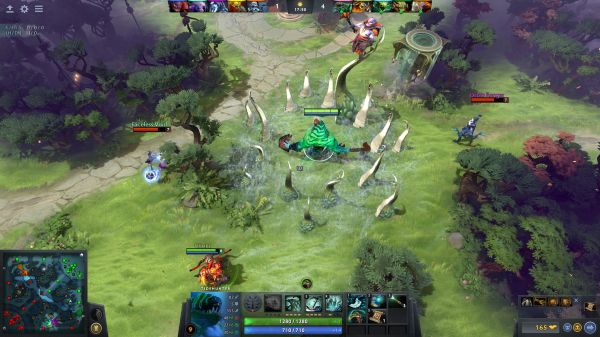
Team Fights Are Won Through Positioning Before Abilities Begin
A fight may be decided by where heroes stand before the first spell is used. Cores need access to targets, supports need safe casting positions, and initiators need angles hidden from enemy vision. One hero showing too far forward can reveal the entire formation. Terrain and information shape the opening opportunity.
I learned that entering through the same visible ramp repeatedly made even good abilities ineffective. Approaching from another direction created enough uncertainty for the team to act first. Dota 2 rewards movement before combat as much as execution during it. A superior formation can make an ordinary spell look overwhelming.
Target Priority Separates Useful Damage From Meaningful Damage
Dealing large damage to a durable front-line hero may accomplish less than controlling a fragile support with one important save. Every fight requires deciding which enemy matters most at that moment. Defensive items and positioning can change the answer continuously. The nearest target is not always the correct one.
I enjoy how target priority prevents combat from becoming automatic. A support may be hidden until the exact second its spell matters. A core may need to be ignored while protected by immunity. Good teams change targets together instead of pursuing five separate plans.
Initiation Determines Who Gets to Use Their Plan First
Initiators begin fights through mobility, control, or sudden positioning. Acting first can remove an enemy before it responds or force defensive resources immediately. The value depends on whether teammates are prepared to follow. A perfect-looking initiation without support becomes self-destruction.
I like the responsibility attached to the role. The initiator often decides when uncertainty ends and commitment begins. Communication, vision, and patience matter more than confidence alone. The best initiation feels inevitable only after it has already worked.
Counter-Initiation Punishes Teams That Commit Too Deeply
Some heroes excel at responding after the enemy begins a fight. Their abilities become stronger when opponents group together or move into predictable positions. This creates a constant question about how much of the team should commit to the first target. A successful opening can become a trap.
I enjoy defensive lineups because they reward calm under pressure. The enemy appears to be winning until one spell changes the formation completely. Holding an ability while teammates take damage can feel uncomfortable, yet using it too early removes the reason it was selected. Timing becomes emotional discipline.
Saves Are Often More Powerful Than Additional Damage
Defensive abilities and items can move allies, prevent damage, remove debuffs, or delay defeat. Saving one core may force the enemy to waste several ultimates and remain exposed afterward. These moments can reverse fights without producing immediate offensive statistics. Protection creates time, and time allows the rest of the team to respond.
I enjoy support heroes with save mechanics because they demand awareness of everyone at once. I need to identify which ally is genuinely threatened and which can survive independently. Using the save on the wrong target may leave the important hero without help. One defensive decision can be more valuable than an entire damage combination.
Kiting Turns Movement Into a Defensive Weapon
Kiting involves controlling distance so dangerous melee or short-range heroes cannot use their strength continuously. Slows, pushes, movement items, and terrain all contribute. The goal is not always immediate defeat but wasting the opponent’s powerful timing. A fully equipped core can accomplish little while repeatedly moved away from useful targets.
I enjoy how the strategy allows fragile heroes to survive through coordination rather than durability. Several small movement tools can defeat one enormous threat conceptually. The enemy must purchase or select answers to close distance. Positioning becomes a resource both sides are constantly trading.
Split-Pushing Forces the Opponent to Make Map Decisions
A split-pusher pressures lanes away from the main team, threatening towers or forcing defensive reactions. The strategy creates economic value and stretches enemy positioning. It also risks isolation if the hero is found without escape options. Success depends on reading movement and knowing when to retreat.
I enjoy split-pushing because it creates pressure without direct fighting. One hero can influence five opponents simply by appearing near a vulnerable structure. The team must understand whether to avoid combat or use the distraction aggressively. Poor coordination turns split pressure into a missing teammate.
Rat Dota Is Annoying Because It Challenges the Expected Fight
Some strategies focus heavily on structures, waves, summons, and avoiding conventional team fights. Opponents may dominate direct combat and still lose buildings elsewhere. This style can feel frustrating because it refuses to provide the confrontation one team wants. The map becomes the actual opponent.
I respect the strategy even when playing against it because Dota 2 allows victory through more than superior fighting. The team must manage lanes, teleports, and building defense intelligently. Complaining that the opponent will not fight does not protect the Ancient. Strategic diversity includes approaches designed to be emotionally irritating.
Comebacks Feel Possible Because Advantage Requires Execution
Gold and experience leads provide real power, but they do not remove the need to position and fight correctly. Valuable heroes can grant substantial rewards when defeated, while defensive terrain favors the team protecting its base. One failed high-ground attempt can reduce a large advantage quickly. The leading team must convert control rather than admire it.
I enjoy the possibility of recovery because it keeps matches meaningful after a poor opening. The comeback is not automatic and often requires patience across many minutes. Defenders need to collect resources without taking unnecessary risks. When the opportunity finally appears, one coordinated response can change the emotional state of the entire team.
High-Ground Sieges Are the Ultimate Test of Patience
Attacking the enemy base means moving into limited entrances against towers, vision disadvantage, buybacks, and rapid defender access. A team may lead comfortably and still fail if it enters without enough information or protection. The objective requires discipline, strong lanes, and a plan for retreat. One extra attack can become the mistake that begins a comeback.
I have lost many matches by confusing advantage with permission. The team reached the base, saw an enemy hero, and committed before everyone was ready. Dota 2 makes patience hardest at the moment victory looks closest. The Ancient rewards teams capable of stopping themselves.
Communication Can Make Average Players Look Brilliant
Simple information about missing heroes, item timings, cooldowns, vision, and intended movement can improve team performance dramatically. Players do not need to deliver speeches. One clear signal may prevent a death or coordinate a smoke. Shared information turns individual awareness into collective strategy.
I enjoy matches where communication remains calm and specific. The team becomes easier to trust because everyone understands the next objective. Even mistakes are recoverable when information continues flowing. Silence creates uncertainty, while constant emotional noise can be worse.
The Ping System Communicates Faster Than Full Sentences
Pings can highlight locations, items, abilities, timers, and warnings quickly. They allow players using different languages to share basic information. Repeated or careless pings can become distracting, but deliberate use is extremely efficient. The interface becomes a tactical vocabulary.
I like pinging an enemy item or my own cooldown before a fight because the information becomes visible without interrupting movement. Teammates can understand why an action should be delayed. The system supports cooperation even when voice chat is unavailable. Good communication often means selecting the smallest useful signal.
Toxicity Can Damage a Match Faster Than a Bad Draft
Dota 2’s competitive pressure and long match duration can make players emotionally reactive. One early mistake may trigger blame, arguments, intentional refusal to cooperate, or constant criticism. The mechanical game continues, but team trust disappears. Five players with a difficult lineup can still win; five players attacking one another usually cannot.
I learned to use mute features when communication stopped providing information. Continuing an argument rarely repaired the lane or restored lost resources. Protecting concentration became another competitive skill. Dota 2 is demanding enough without allowing strangers to control my emotional state.
The Behavior System Attempts to Reward Better Participation
Player conduct, reports, communication, and matchmaking behavior contribute to systems intended to encourage more reliable matches. No automated approach can remove every negative interaction. The presence of consequences still matters because completely unrestricted behavior would make cooperation even less likely. Community quality is part of the game’s functionality.
I appreciate systems that separate useful communication from repeated harassment. Competitive frustration is understandable, but directing it at teammates usually reduces the chance of recovery. Strong behavior tools should protect players without preventing legitimate strategic discussion. The challenge is distinguishing intensity from abuse consistently.
Ranked Matchmaking Gives Progress a Visible Number
Ranked play measures results across matches and places players into skill brackets. The rating provides a long-term goal while making every loss feel more significant. Improvement may appear slowly because one player’s progress is measured inside a team game. Short-term variance can hide better decision-making temporarily.
I enjoy ranked Dota when I focus on repeated habits rather than one result. Better lane efficiency, map awareness, itemization, and communication may not win every match immediately. Across enough games, they create consistency. The rating becomes useful when treated as evidence rather than identity.
Role Queue Reduces Draft Conflict Without Solving Every Problem
Role-based matchmaking lets players enter assigned positions, reducing arguments over who should farm which lane. This provides structure before the draft and makes preparation easier. Players can still misunderstand their role or choose unusual heroes. Assignment creates expectation, not guaranteed cooperation.
I appreciate role queue because the match begins with fewer basic negotiations. I know which responsibilities are likely to belong to me. The system also encourages learning several positions to maintain flexibility. Dota becomes healthier when players understand more than one perspective.
Calibration Can Feel More Emotional Than It Deserves
Initial or renewed ranked calibration places heavy psychological importance on a limited set of matches. Players may treat every draft and teammate mistake as permanently defining their future rating. This pressure can make decision-making worse. The system is only one stage in a much longer competitive history.
I learned that no calibration result prevents later improvement. The rating moves through continued play. Treating ten matches like a final examination creates unnecessary anxiety. Dota 2 rewards long-term consistency more reliably than one dramatic week.
Unranked Play Is Not Automatically Casual
Unranked modes remove visible rating changes, but players may still compete seriously, test strategies, or become emotionally invested. The mechanical systems remain identical enough that mistakes matter inside the match. The mode provides lower external pressure without guaranteeing a relaxed community. Expectations can still differ between teammates.
I enjoy unranked games for learning unfamiliar heroes because experimentation feels easier. I still communicate that I am practicing rather than assuming everyone shares the same goal. A match can be both educational and competitive. Casual does not need to mean careless.
Turbo Compresses the Game Into Faster Power Growth
Turbo accelerates gold, experience, item access, and several other match systems. Heroes reach powerful states quickly, reducing the slower economic development of standard Dota. The mode creates immediate action and shorter sessions. It also changes balance because heroes and strategies designed around timing reach those points differently.
I enjoy Turbo when I want to test abilities or play without committing to a long match. It should not be treated as a perfect substitute for standard pacing. Item choices and lane consequences behave differently. The mode is a faster interpretation of Dota rather than the same game with less waiting.
Ability Draft Turns Familiar Spells Into New Heroes
Ability Draft allows players to construct unusual combinations by selecting abilities separately from their assigned hero body. This creates interactions impossible in standard matches. Knowledge of attributes, animations, talents, and spell synergy becomes essential. The result can be brilliant, broken, or completely impractical.
I enjoy the mode because it tests understanding beyond memorized hero builds. A famous ability may perform poorly without the correct support, while a modest spell becomes powerful inside an unexpected combination. Drafting is the main game. The match then reveals whether the imagined design actually functions.
Custom Games Show How Flexible the Engine Can Be
The Arcade contains community-created experiences using Dota 2’s engine and assets in alternative ways. These games can change objectives, progression, heroes, and entire genres. They provide a break from standard matchmaking while demonstrating the creativity of the community. The client becomes a platform rather than one fixed competitive mode.
I enjoy exploring custom games when the main ladder begins feeling emotionally exhausting. Familiar controls and assets appear inside completely different rules. Some projects become deep enough to support their own communities. Dota’s history has always been connected to players transforming existing tools.
The Tutorial Helps but Cannot Teach Judgment
Dota 2 includes tutorials, bot matches, guides, and contextual information that explain controls and major systems. These tools can teach movement, items, abilities, lanes, and objectives. They cannot fully teach when to leave a lane, which fight to avoid, or why one map area matters at a particular moment. Judgment develops through repeated situations.
I appreciate every improvement to onboarding because the game’s complexity can discourage new players quickly. The learning process still requires patience and a willingness to appear inexperienced. Dota cannot become simple without losing much of its identity. It can become clearer about where learning should begin.
Bot Matches Provide a Safer Place for Mechanical Practice
Playing against bots allows new heroes, item hotkeys, last-hitting, and camera control to be practiced without direct competitive pressure. The artificial opponents cannot reproduce every human strategy, but they create a useful environment for basic familiarity. A player can pause, read abilities, and experiment more freely. This reduces the number of unknown systems entering the first public match.
I still use bot games when a hero has complicated unit control or unusual ability sequencing. Ten quiet minutes can prevent confusion later. Practice does not need to resemble the full competitive environment to remain useful. Mechanical comfort creates more attention for strategy.
Community Guides Reduce the Initial Item Burden
In-game hero guides recommend abilities and items while providing short explanations. They help players avoid searching through the entire shop during active matches. Strong guides present a flexible structure rather than one mandatory build. The player still needs to adapt when the match differs from the expected pattern.
I appreciate guides because Dota’s item catalogue is too large to memorize immediately. They provide a stable starting point while I learn why each purchase matters. Eventually, following a guide without thought becomes another limitation. The goal is understanding when to leave the recommended path.
Demo Hero Is One of the Best Learning Tools
The demonstration environment allows heroes, levels, items, enemies, and abilities to be tested without beginning a full match. I can examine damage, ranges, interactions, and unusual mechanics quickly. This is especially useful after patches change an ability or item. Testing replaces uncertain memory with direct evidence.
I enjoy using the mode to understand combinations before asking teammates to depend on them. A few minutes can reveal whether an idea actually works. The environment also supports mechanical practice for skill shots and sequences. Dota 2 becomes easier to learn when curiosity has a safe laboratory.
Replays Turn One Match Into a Study Tool
Match replays allow the camera to move between players, teams, and perspectives. I can examine vision, item timings, movements, and decisions that were invisible during play. A surprising rotation often becomes understandable after seeing the enemy’s information. Replays transform emotion into evidence.
I find reviewing one important mistake more useful than immediately beginning another match. The goal is not to inspect every second. Identifying why a death or lost objective occurred provides a practical lesson. Improvement becomes easier when the memory of the event is compared with what actually happened.
The Post-Match Screen Reveals More Than the Final Score
Statistics cover damage, economy, item timings, wards, ability use, and other performance details. These numbers help explain parts of the match without providing complete judgment. High damage may come from attacking the wrong targets, while low damage can accompany excellent defensive play. Context remains essential.
I enjoy comparing timings and progression because they reveal where advantage developed. One delayed item may explain why a fight felt impossible. The data is most useful when it answers a specific question. Statistics become misleading when used only to assign blame.
Professional Dota Shows the Game at a Different Level
Competitive teams coordinate drafts, map movements, timings, and team fights with a precision rarely seen in ordinary matchmaking. Watching them reveals strategies that can be difficult to identify while controlling one hero personally. Analysts and commentators explain interactions occurring across the entire map. Professional play turns Dota into a spectator strategy game.
I enjoy watching because the same heroes and items I use appear inside far more deliberate structures. A simple support movement can prepare an objective several minutes later. The level of coordination is inspiring and occasionally makes my own matches look like five unrelated weather events. Both experiences still belong to the same game.
The International Gives the Competitive Scene Its Largest Symbol
The International gathers leading teams to compete for the Aegis of Champions. The tournament represents the highest level of professional Dota and produces many of the game’s most memorable drafts and series. Regional styles, player histories, and strategic trends meet under enormous pressure. One tournament can influence ordinary matchmaking for months afterward.
I enjoy how quickly successful strategies spread through the community. A hero ignored previously may appear in every public match after one strong performance. Professional inspiration can become chaotic when copied without the original team context. Watching explains what is possible, not what five strangers can reproduce automatically.
Commentary Makes Complex Fights Understandable
Large team fights involve many abilities, items, buybacks, and positional changes within seconds. Strong commentators identify the important sequence while preserving excitement. Analysis after the fight explains why one spell or movement mattered more than the visible damage. Broadcasting becomes part of making Dota accessible as a spectator sport.
I appreciate commentators who clarify without pretending every result was obvious. Professional players also make mistakes under pressure. Understanding those decisions makes the game feel human rather than solved. Dota remains interesting because even experts operate inside uncertainty.
Patches Can Rebuild the Meta Overnight
Balance updates change heroes, items, map features, economy, and mechanics. A previously dominant strategy may become inefficient, while an ignored hero gains a new purpose. Players need to relearn priorities regularly. Knowledge has value but cannot remain frozen.
I enjoy major patches because they return curiosity to familiar systems. The first matches contain experimentation and imperfect answers. The same map feels different because movement and timings have changed. Dota 2 remains alive by refusing to become permanently solved.
The Meta Is Useful Information, Not a Law
Statistics and professional trends identify heroes and strategies performing well under current conditions. They provide a valuable starting point for understanding balance. Public matches vary in skill, coordination, and draft quality, so the strongest theoretical option may not fit every player. Comfort and execution still matter.
I like learning the reasons behind a meta choice instead of copying it mechanically. A hero may be popular because of one facet, item timing, or team combination. Without that context, the pick can feel ordinary. Understanding the idea creates flexibility when the match demands another solution.
Cosmetics Change Appearance Without Purchasing Competitive Power
Dota 2’s commercial model focuses heavily on cosmetic items, treasures, announcers, couriers, terrain, and other presentation changes. Heroes and core gameplay remain accessible without buying combat advantages. This keeps competitive rules shared across players. Spending changes how the game looks or sounds rather than which hero can be selected.
I appreciate this separation because the learning curve is already demanding enough without account power differences. Cosmetic collections can still become expensive, especially around limited or highly desirable sets. The decision remains personal rather than strategically required. A default hero has the same mechanical ability as an elaborately decorated one.
Hero Sets Can Transform Familiar Designs Dramatically
Cosmetic sets replace armor, weapons, effects, animations, and other visual details while preserving hero readability. The best designs expand the character’s theme without hiding important information. Extremely elaborate sets can create visual noise during large fights. Competitive clarity and artistic creativity need balance.
I enjoy mixing individual pieces instead of equipping every complete set exactly as designed. This creates a personal version of a familiar hero. The workshop community produces an enormous range of ideas. Dota’s heroes have become platforms for visual interpretation as well as mechanical play.
Arcanas Provide the Most Elaborate Cosmetic Transformations
Arcana-quality cosmetics can change models, voices, animations, effects, interface elements, and progression features. They make a hero feel visually new without altering competitive statistics. The level of detail can be impressive, especially for a character played frequently. Their value depends heavily on personal attachment.
I would not purchase one only because it is considered prestigious. A cosmetic used across hundreds of matches feels more valuable than one stored on a rarely selected hero. Dota 2 makes hero loyalty visible through collections. The strongest cosmetic is the one I actually enjoy seeing during ordinary play.
Announcer Packs Change the Personality of Every Match
Announcer and mega-event voice packs replace standard lines with another character or style. They influence ordinary events such as towers, streaks, and match states. Because these lines appear repeatedly, they can change the atmosphere more than one hero cosmetic. Humor and familiarity become part of the interface.
I enjoy rotating announcers to prevent the same audio from becoming invisible. Some packs make serious matches feel lighter, while others reinforce the fantasy setting. The feature shows how presentation can personalize a competitive game without affecting fairness. Audio identity matters across thousands of repeated events.
The Workshop Keeps Community Artists Involved
Community creators design cosmetic items that may enter official releases after review and selection. This gives artists a visible relationship with the game’s ongoing appearance. Players can support and discuss submissions while heroes continue receiving new interpretations. The visual world evolves through more than one internal art team.
I appreciate how the workshop connects community creativity with a large competitive platform. Not every design fits the game equally well, but the variety is impressive. Strong submissions respect silhouette and character identity while introducing a clear new idea. Cosmetic evolution becomes collaborative.
The Source 2 Engine Supports Scale and Occasionally Shows Strain
Dota 2 presents ten heroes, creeps, summons, particles, terrain, weather, and numerous ability effects simultaneously. The engine generally keeps the battlefield readable and responsive across a wide range of hardware. Performance can still decline during especially busy fights or after major updates. Stable frame pacing matters because one delayed input can affect an important ability.
I prioritize responsiveness over maximum visual settings. Dota’s art direction remains clear at reduced detail, while smooth control is mechanically essential. Testing performance during a large bot fight gives a better impression than standing alone in the demo map. The most demanding moment is also the one where clarity matters most.
The Art Style Preserves Hero Readability
Heroes use strong silhouettes, colors, movement, and effects to remain identifiable from the standard overhead camera. This matters because fights contain many overlapping units. Cosmetic variation complicates the task, but the original designs provide a strong foundation. Visual identity is part of gameplay information.
I appreciate how quickly experienced players recognize a hero from movement alone. Animation communicates attack timing and ability preparation. The battlefield may look chaotic, but much of that chaos contains readable language. Learning Dota includes learning what every shape means.
Sound Cues Often Warn Me Before My Eyes Do
Abilities, items, teleports, runes, and heroes use distinctive audio cues. During crowded fights, a sound may reveal an important ultimate or defensive item immediately. Recognizing it allows faster reaction than visually searching every effect. Audio becomes tactical information.
I learned to keep game sound clear enough that music or external audio did not hide essential cues. Certain abilities create immediate emotional responses because the sound communicates danger before the animation completes. Strong sound design supports mechanical fairness. The player can react only to information that is presented clearly.
Hero Voice Lines Add Personality Between Strategic Decisions
Heroes respond to movement, items, allies, enemies, abilities, and match events through extensive dialogue. These lines reveal rivalries, histories, humor, and personal confidence. Repeated play gradually exposes interactions I had not heard before. The roster feels like a cast rather than a collection of silent units.
I enjoy hearing a hero comment on a specific ally or defeated rival because it makes the draft feel connected to the world’s lore. The story remains secondary to competitive play, but personality appears constantly. Dota 2 builds character through hundreds of small reactions rather than one campaign.
The Lore Exists in Fragments Across Heroes and Events
Dota’s universe contains gods, demons, knights, inventors, spirits, rulers, and creatures from different realities. Their stories appear through biographies, voice lines, comics, events, and cosmetic descriptions. The setting does not need one linear narrative to support competitive matches. Contradictions and alternate possibilities fit a game where the same battle repeats endlessly.
I enjoy exploring the lore because it gives context to abilities and relationships without demanding attention during play. A hero’s mechanics often reflect personal history. The battlefield becomes a meeting point for characters who would rarely share one ordinary story. Dota uses mythological scale to justify mechanical variety.
Unit Control Separates Dota From Simpler Hero Games
Some heroes control summons, illusions, dominated creeps, or multiple permanent units. Players can assign control groups, issue separate commands, and divide attention across the map. These heroes make the game feel closer to a traditional real-time strategy title. Mechanical difficulty increases sharply when one character becomes an army.
I enjoy the satisfaction of controlling several units efficiently, although mistakes become obvious immediately. One idle summon represents lost information or damage. Splitting units can scout, push, or surround targets. Dota rewards players willing to manage complexity directly.
Illusions Create Information and Damage Simultaneously
Illusions resemble their hero while dealing modified damage and receiving additional punishment. They can farm, scout, pressure lanes, confuse opponents, and interact with various abilities. Identifying the real hero becomes important during fights. The mechanic turns duplication into both economy and deception.
I enjoy illusion heroes because the map feels larger when several copies operate at once. Efficient control can collect resources from multiple areas. The challenge is maintaining awareness without exposing the real hero carelessly. One player can create pressure that appears to come from an entire team.
Summons Turn Lane Pressure Into an Army Problem
Summoned units can provide damage, auras, control, vision, or building pressure. They may require separate positioning to avoid area abilities. Heroes built around summons often reach strong early timings before opponents possess efficient answers. The team must respect how quickly structures can disappear.
I enjoy how summon strategies change item priorities. Area damage, armor, and wave control become more valuable. The summoner needs to protect units without slowing aggression. An army is powerful only while it remains coordinated.
Micro-Intensive Heroes Offer Almost Endless Improvement
Heroes controlling several units or rapidly combining abilities can demand significant mechanical practice. Their ceiling remains high because efficiency involves movement, targeting, control groups, item use, and map awareness simultaneously. Success feels extremely rewarding. Failure can make the hero appear ineffective despite strong theoretical potential.
I approach these heroes gradually because one match cannot teach every interaction. Demo practice and bot games reduce the burden before public play. Mastery creates new strategic options unavailable to simpler heroes. Dota accommodates both accessible designs and characters capable of becoming personal long-term projects.
Randomness Creates Uncertainty Without Replacing Skill
Damage ranges, neutral item options, rune locations, certain abilities, and other systems contain random elements. Players need to plan around probabilities rather than expecting one guaranteed sequence. Strong decisions reduce exposure to bad outcomes. Randomness creates variety but should not be used as the explanation for every loss.
I enjoy the tension of uncertain results when the possible outcomes are understood. A player can choose a safer line instead of depending on one favorable event. Dota rewards probability management. Luck influences moments, while repeated judgment influences careers.
Critical Strikes Make Every Attack Carry Potential
Critical effects provide a chance for significantly increased damage. The possibility changes how opponents evaluate health and risk. A hero may survive several ordinary attacks and fall to one stronger result. Across enough attacks, the effect becomes statistically reliable.
I enjoy how critical mechanics create excitement without requiring a separate command. Building around them still involves attack speed, damage, and target access. One dramatic number is only useful if the hero can keep attacking. Probability becomes part of a larger build rather than an isolated gamble.
Evasion and Accuracy Create Another Physical Combat Layer
Evasion gives attacks a chance to miss, while accuracy-related effects reduce or overcome that protection. Purchasing the correct answer can become essential against certain heroes or items. Ignoring the mechanic may make a powerful physical core unreliable. Itemization repairs the matchup.
I like how defensive statistics force offensive adaptation. The carry cannot continue buying only more damage when attacks fail to connect. A less glamorous accuracy item may produce greater real damage. Dota 2 frequently rewards answers over greed.
Damage Types Prevent One Defense From Solving Everything
Physical, magical, and pure damage interact differently with armor, resistance, immunity, and abilities. Mixed damage lineups force opponents to diversify defensive choices. Understanding the source of incoming punishment determines which item provides value. Purchasing armor against primarily magical pressure solves the wrong problem.
I enjoy reviewing the enemy lineup before choosing defensive equipment. The obvious attacker may not be responsible for most of the danger. Damage summaries and ability knowledge help identify the real threat. Survival begins with understanding what is happening.
Armor Has Increasing Value but Not Infinite Protection
Armor reduces physical damage according to a scaling formula, making it valuable against attacks and many relevant abilities. Negative armor can amplify pressure, while items and spells modify the value dynamically. A high-armor hero may still fall quickly to magical or pure damage. Defense needs context.
I like armor strategies because several team effects can combine into major physical advantage. Reducing enemy armor supports every allied attacker simultaneously. The statistic may look passive, but lineups can be built around it aggressively. Dota turns defense into offense through synergy.
Mana Management Keeps Powerful Abilities From Being Free
Spells consume mana, requiring heroes to manage regeneration, pool size, item use, and trip timing. A hero with every cooldown ready may still be unable to contribute when mana is missing. Early-game efficiency matters because resources are limited. One unnecessary spell can weaken the next fight.
I enjoy heroes whose mana problems force deliberate play. Spamming abilities feels powerful until the opponent recognizes the empty resource bar. Consumables and item choices become part of lane strategy. Dota makes every ability valuable partly because it cannot always be used.
Health Regeneration Changes How Long a Hero Can Remain Active
Regeneration, lifesteal, healing, and consumables determine whether a hero needs to retreat after taking damage. Sustain can create lane pressure or allow repeated jungle farming. Burst damage may still overcome gradual recovery. The value depends on the rhythm of incoming threats.
I like how support healing can preserve map presence across an entire team. One saved trip to base creates additional experience and objective pressure. Opponents may need items or abilities reducing recovery. Sustain becomes strategic when it changes where heroes are allowed to remain.
Consumables Make Early Efficiency Visible
Tangos, healing items, mana restoration, detection, and other consumables provide temporary solutions at relatively low cost. New players may avoid them because they disappear after use. Experienced play recognizes that one consumable can secure several creeps or prevent a death. Temporary value can create permanent economic advantage.
I learned not to treat every purchase as an investment that must remain in the inventory forever. A healing item used at the correct moment protects lane experience and gold. Saving money while missing resources is not efficiency. Dota rewards spending that preserves opportunity.
Roshan Fights Demonstrate the Importance of Area Control
Teams approaching Roshan need vision, entrances, damage, and a plan for enemy response. The pit’s limited space makes area abilities especially dangerous. A team may be strong enough to defeat Roshan and too poorly positioned to survive the contest. The objective is never only about the creature.
I enjoy placing vision and controlling ramps before beginning. The preparation often matters more than speed. If the enemy enters through darkness, the objective becomes a trap. Roshan rewards teams that manage the surrounding map rather than staring only at his health.
Map Control Is an Economic Advantage Before It Becomes a Fight
Controlling territory gives access to waves, neutral camps, runes, wards, and safe movement. The opposing team receives fewer resources even without being defeated directly. Vision and lane pressure define which areas belong temporarily to each side. Advantage grows through denied possibilities.
I enjoy matches where the team gradually closes the map around the opponent. No single event looks decisive, but the resource difference expands. The challenge is avoiding unnecessary entry into the enemy base before control has produced enough benefit. Territory needs time to become power.
Farming Patterns Separate Efficient Cores From Busy Cores
A hero can appear active while moving through low-value routes and missing lane waves. Efficient patterns combine lanes, neutral camps, teleportation, and objective safety. The route changes according to enemy information and item timing. Farming is strategic movement rather than repeated combat against neutral units.
I enjoy improving routes because the result appears through earlier items without requiring riskier play. One better sequence can collect several additional units every minute. The strongest cores understand where future waves will be, not only what is available now. Economy rewards prediction.
Dead Lane Concepts Help Explain Dangerous Resources
Some lanes become difficult to occupy safely because enemy heroes, objectives, and map geometry favor the opponent. A team may still need the wave pushed, creating a task for mobile heroes, summons, or disposable units. Sending the wrong core repeatedly can feed valuable resources. Not every creep should be collected by the nearest player.
I learned that abandoned farm may be less costly than a predictable death. Dota constantly tempts players with visible gold in unsafe locations. Understanding danger creates discipline. The map offers resources without promising ownership.
Power Spikes Give Teams Temporary Permission to Act
A level, ultimate, item, talent, or hero combination can create a period where one team is significantly stronger. Recognizing the timing allows objectives and fights to happen before the opponent completes an answer. Waiting too long may waste the advantage. Acting too early means the spike does not exist yet.
I enjoy announcing major item completion because it gives the team a reason to coordinate. The match becomes easier when everyone understands why now is different from two minutes earlier. Dota is full of temporary strength. Victory often belongs to the team that uses its windows before they close.
Cooldowns Create Hidden Windows After Every Fight
Powerful abilities may remain unavailable for a long time after use. A team that survives them can fight again before they return. Tracking enemy cooldowns changes whether an objective is safe. The visible fight ends, but its resource consequences continue.
I enjoy the confidence created when an important ultimate is known to be unavailable. The team can pressure aggressively without facing the same threat. Failing to use the window gives the enemy time to recover. Information becomes action only when players respond to it.
Ultimate Abilities Define Heroes Without Always Needing Maximum Damage
Ultimates often provide major control, transformation, mobility, team support, or strategic effects. Their importance comes from impact rather than spectacle alone. Some decide fights through positioning or protection instead of direct damage. The long cooldown makes every use meaningful.
I like heroes whose ultimate changes how both teams move before it is cast. Opponents spread out, preserve defensive items, or avoid particular terrain. Threat has value even when the ability remains ready. Dota 2 abilities influence behavior as much as health.
The Draft Needs Damage, Control, and a Way to Begin
A lineup may contain powerful individual heroes and still lack the tools required to function together. Teams need enough damage, control, durability, initiation, lane stability, and objective pressure for their intended timing. Missing one category forces items or difficult execution to compensate. The draft is about coverage as well as synergy.
I learned that selecting another favorite damage hero rarely solves a team already unable to start fights. One reliable stun or front-line presence may provide greater value. Dota rewards players who see the lineup as one organism. Personal comfort matters, but the team needs a complete language.
Greedy Drafts Create Future Power and Present Weakness
A greedy lineup contains several heroes needing time, levels, or items before becoming effective. If the team survives, its late potential may be enormous. The opponent receives a clear opportunity to pressure early. Every lost lane makes the future harder to reach.
I enjoy the strategic gamble when the team understands it. Players avoid unnecessary fights and protect the most important farming spaces. Problems appear when a greedy draft behaves as though it should dominate immediately. A late-game plan requires accepting temporary limits.
Early-Game Lineups Need to Convert Pressure
Heroes with strong early abilities can win lanes and take objectives before scaling opponents become ready. Their advantage declines if they spend too much time farming safely. Towers, Roshan, vision, and enemy jungle access turn early strength into lasting value. Pressure needs a destination.
I have played many matches where a team led comfortably and achieved nothing structural. The opponent eventually completed items and the earlier advantage disappeared. Dota punishes strength that remains unused. Winning lanes is an opening statement, not the conclusion.
Late-Game Carries Do Not Guarantee Late-Game Victory
A hero famous for scaling can still be controlled, isolated, out-positioned, or countered by items. Team composition and buyback status matter as much as theoretical damage. One support spell can protect or neutralize a fully equipped core. The late game increases power and punishment simultaneously.
I enjoy how no hero becomes completely independent from the team. Even the strongest carry needs vision, initiation, saves, or space. Dota preserves cooperation after individual scaling reaches extreme levels. Power creates responsibility rather than freedom from coordination.
The Scoreboard Never Explains the Entire Match
Defeats, assists, net worth, and damage provide useful information but cannot represent every strategic contribution. A support may die while placing essential vision, and a split-pusher may create space without joining fights. A high defeat count can still reveal positioning problems. Numbers need interpretation.
I dislike arguments based only on one statistic because they usually ignore role and context. The scoreboard can guide review but should not replace it. Dota 2 contains too many invisible decisions for one column to assign complete value. Good analysis asks what the team gained from each action.
Commends Feel Small but Help Recognize Good Teammates
After a match, players can commend others for positive participation. The gesture does not change the result, but it acknowledges communication, patience, or strong play. In a game often associated with frustration, small positive feedback matters. Community culture develops through repeated ordinary actions.
I enjoy commending players who remained constructive during difficult matches. Mechanical brilliance is impressive, but emotional stability can be equally valuable. One calm teammate may keep the group functioning after a poor start. Dota becomes more enjoyable when cooperation is recognized openly.
The Learning Curve Is a Wall Made From Many Small Steps
New players need to understand controls, heroes, items, lanes, vision, objectives, roles, damage types, and numerous interactions. The total complexity appears overwhelming because every match exposes several unfamiliar systems at once. Progress becomes manageable when learning is divided into smaller goals. One hero and one position provide a useful beginning.
I would never recommend trying to memorize the entire roster before playing. Familiarity grows naturally through repeated encounters. The first objective can be surviving a lane, using abilities, and understanding the final goal. Dota is learned through layers rather than complete preparation.
Choosing a Small Hero Pool Accelerates Improvement
Playing a limited set of heroes reduces mechanical uncertainty and frees attention for the map. I know ability ranges, item timings, and common matchups more reliably. This allows strategic learning to continue instead of restarting with every selection. Variety remains available later.
I improved faster after choosing several heroes for one role rather than selecting randomly. Each match taught another situation connected to familiar tools. Comfort should not become inflexibility, but it creates a stable foundation. Dota’s depth exists inside individual heroes as well as the complete roster.
Learning Multiple Roles Improves One Main Role
Playing support teaches what cores need from lane partners, while playing core reveals which support actions create real value. Offlane experience improves understanding of pressure, and mid experience develops rune and rotation awareness. Perspective reduces blame because responsibilities become clearer. Every role reveals another part of the map.
I became a better support after experiencing how vulnerable a carry feels during certain lane states. I became a better core after seeing how much attention a support divides across the map. Dota is cooperative partly because knowledge transfers between positions. Specialization benefits from empathy.
Mechanical Practice Cannot Replace Map Awareness
Fast reactions and accurate spell use matter, but a player fighting in the wrong place still creates poor value. The minimap reveals missing heroes, lane pressure, and objective possibilities. Watching it requires deliberate habit. Information gathered too late is equivalent to information never received.
I learned to glance at the map between last hits and during movement. This small habit prevented more deaths than learning one advanced combination. Dota rewards players who know what is likely to happen before it appears on screen. Reaction becomes easier when prediction has already narrowed the possibilities.
Camera Control Is a Competitive Skill
The player needs to move the camera between the controlled hero, nearby fights, distant lanes, and objectives. Remaining locked on the hero hides information, while moving too far can make mechanical control difficult. Hotkeys and minimap interaction improve the process. The camera determines what the player is allowed to understand.
I found camera habits difficult to change because poor movement feels comfortable until a missed event reveals the cost. Watching a fight before teleporting provides better information than arriving blindly. Dota 2 asks players to control attention as actively as the hero. Vision begins with the player’s own screen.
Hotkeys Turn Complexity Into Muscle Memory
Abilities, items, control groups, courier commands, shop access, and communication all benefit from a comfortable key layout. Default settings work, but personal adjustment can reduce hesitation. One awkward item key may delay a defensive reaction. Consistency matters across hundreds of matches.
I changed settings gradually rather than rebuilding everything at once. Each improvement needed enough time to become automatic. Dota’s mechanical burden decreases when commands no longer require conscious search. Customization is part of accessibility and competitive comfort.
Quickcast Changes the Speed and Feel of Abilities
Quickcast activates targeted abilities according to cursor position without an additional confirmation. This can improve speed and reduce input steps. It can also create mistakes when range indicators or deliberate targeting are valuable. Different abilities may benefit from different settings.
I use a mixed configuration because no universal choice feels ideal. Immediate movement skills work well with quickcast, while important area abilities sometimes benefit from visible placement. Dota 2 allows detailed control preferences. The best setup is the one that reduces errors rather than copying another player’s configuration.
The Minimap Contains More Information Than I Can Process Casually
Hero icons, creep waves, buildings, wards, pings, objectives, and missing areas all appear in a small space. Experienced players interpret patterns rather than individual details. A wave moving unusually or several heroes disappearing may suggest the next action. The minimap becomes a predictive tool.
I improved by asking one repeated question: which enemy heroes are currently visible? The answer changed whether I farmed, pushed, or retreated. Complexity becomes manageable through simple routines. Dota knowledge grows from repeated useful questions.
Long Matches Create Emotional Narratives
A match can move through lane confidence, mid-game confusion, major comebacks, failed sieges, and final buyback fights. Players develop temporary rivalries and trust across the same session. One enemy who dominated early may become the target everyone understands later. The game generates stories through changing advantage.
I remember close matches far longer than comfortable victories. The emotional movement gives every objective history. A Roshan fight matters because of what happened twenty minutes earlier. Dota’s length can be exhausting, but it allows consequences to accumulate.
Short Defeats Can Feel Worse Than Long Ones
A rapid loss may provide little time to understand or adapt before the base collapses. Lanes fail, pressure spreads, and the team never establishes a stable part of the map. The experience feels powerless when communication and draft problems combine. Long games at least provide opportunities for recovery.
I still try to identify one useful lesson from a short defeat. Perhaps the lane needed another item or a rotation should have happened earlier. Not every match contains a complete strategic solution after the draft. Improvement includes recognizing when the game became difficult and what could still have been controlled.
Comeback Victories Create the Strongest Shared Relief
Recovering from a large disadvantage requires defense, resource collection, vision, and several disciplined decisions. The team gradually stops arguing and begins believing in the same possibility. One successful fight can create enough space for another objective. The final victory feels larger because defeat appeared certain earlier.
I enjoy the moment when team communication changes from blame to planning. Dota gives players enough strategic freedom to rewrite the match if they remain functional. Not every comeback succeeds, but the possibility matters. The Ancient stands until it does not.
Winning Can Still Feel Unsatisfying When the Team Experience Is Poor
A match may end in victory despite constant arguments, intentional selfishness, or exhausting communication. The rating improves while the session feels unpleasant. This reveals that competitive success and enjoyment are related without being identical. The social journey matters across a long match.
I learned to value games where teammates cooperate even when the final result is a loss. Good Dota contains challenge, adaptation, and shared effort. Winning remains the objective, but it is not the only measure of whether I want another match. Community quality determines longevity.
The Matchmaking Queue Creates One of Gaming’s Most Dangerous Promises
After a difficult loss, beginning another match immediately feels like an opportunity to correct everything. The next draft may provide a better lane, calmer teammates, and one clean victory. This can turn one intended session into several hours quickly. Dota’s unpredictable emotional reward makes stopping difficult.
I play better when I decide in advance how many matches fit the available time. Continuing while frustrated usually creates worse judgment. The game demands concentration that emotional exhaustion cannot provide. Knowing when not to queue is part of maintaining a healthy relationship with it.
What I Would Improve for New Players
I would expand guided role-specific tutorials that explain lane equilibrium, pulling, stacking, ward purpose, item adaptation, and objective timing through practical scenarios. Current tools teach many mechanics but can still leave new players uncertain about why those mechanics matter. A structured path through several heroes and positions would reduce the gap between bots and public matches. Learning should remain deep without feeling directionless.
I would also provide clearer post-match teaching that identifies repeated positioning, economy, or item mistakes without pretending one statistic explains everything. Suggested replay moments could show major swings and missing information. Dota already records enormous amounts of useful data. Turning some of it into accessible coaching would help players understand defeat more constructively.
What I Would Improve for Long-Term Players
I would continue refining behavior systems, matchmaking transparency, performance stability, and visual clarity during heavily customized fights. Competitive players need confidence that inputs, communication tools, and game state remain reliable. Cosmetic creativity should not make essential abilities difficult to recognize. The game’s depth works best when presentation remains readable.
I would preserve the willingness to introduce major mechanical changes. Dota becomes exciting again when players need to question familiar assumptions. Not every experiment will be balanced perfectly at first. A living strategy game needs enough stability for competition and enough disruption for discovery.
Why Dota 2 Continues to Hold My Attention
Dota 2 remains compelling because no match can be understood through one skill alone. Mechanical execution matters, but so do drafting, itemization, map awareness, communication, emotional control, farming, vision, and timing. A player can improve in one area and immediately discover another weakness. The game offers almost endless development without requiring artificial account power.
From my perspective as a gamer, the hero roster is the foundation of that longevity. Every character changes the meaning of lanes, fights, items, and objectives. Innate abilities, facets, talents, and patches create additional variation inside already distinctive designs. Learning one hero deeply can become a long project, while understanding the complete roster feels nearly impossible.
The item system gives every match another layer of adaptation. Draft disadvantages can sometimes be reduced through mobility, dispels, immunity, detection, armor, or control. The shop is not a list of upgrades selected in the same order. It is a collection of answers competing for limited gold and time.
Vision and map movement separate Dota from games focused mainly on direct mechanical combat. A fight can be won before it appears through one ward, smoke, wave, or hidden rotation. The map is not background terrain. It is an information system where every visible and invisible area changes behavior.
Team fights deliver the spectacle, but their quality depends on earlier preparation. Item timings, cooldowns, buybacks, target priority, formation, and vision all arrive inside a few seconds of action. Watching everything happen at once can feel overwhelming. Understanding why it happened afterward is one of the game’s greatest rewards.
The professional scene demonstrates how much coordination the systems can support. Drafts become strategic plans, small movements prepare future objectives, and team fights reveal layers difficult to notice in public matches. The International gives that complexity its largest stage. Professional inspiration continuously returns to ordinary play, sometimes successfully and sometimes as five strangers attempting a strategy nobody has practiced.
Dota’s greatest weakness is the experience created when teamwork collapses. Toxic communication, role conflict, intentional refusal to cooperate, and emotional exhaustion can make one long match feel miserable. The mechanical game may remain brilliant while the social environment damages it. Behavior tools and personal boundaries are therefore essential parts of enjoying the platform.
The learning curve is equally intimidating. New players encounter an enormous roster, complicated items, hidden interactions, and experienced opponents who may forget how confusing the game once appeared. Tutorials, bot games, guides, demo tools, and supportive friends can make the beginning manageable. Patience is not optional because understanding arrives through repeated exposure.
My favorite matches are not the ones where my hero becomes unstoppable without resistance. They are the games where both teams adapt, objectives change control, and one final decision matters after a long series of smaller choices. A support save, buyback, ward, or unexpected item can become the turning point. The result feels earned because no single system explains it completely.
Dota 2 is difficult to recommend casually because it asks for significant time, emotional control, and willingness to learn. It is equally difficult to replace once its strategic language becomes familiar. Few games allow ten players to create such different stories from the same map and objective. Every match begins with two Ancients, but everything between them belongs to the decisions made that day.
I continue returning because Dota 2 never allows confidence to become permanent. A patch changes the map, a new hero changes the draft, or an opponent reveals an interaction I had never considered. The game remains a competitive puzzle assembled by human players in real time. I may understand more than I did years ago, but the next queue still feels capable of teaching me something uncomfortable.
Pros:
- Free-to-play model ensures accessibility for all players
- Regular updates and community-driven mods keep the game fresh
- Rich visual and audio design enhances immersion during gameplay
- Extensive hero roster allows for diverse playstyles and strategies
- Robust competitive scene with professional tournaments fosters continuous improvement
- Deep strategic gameplay that encourages creative tactics and team coordination
Cons:
- Matches can be long and require significant time commitment
- Reliance on team communication may lead to frustration in less coordinated groups
- Steep learning curve that can overwhelm new players









Recent Reviews

Minecraft

Grand Theft Auto V

Toca Boca World

Roblox

Leave a comment
Your comment is awaiting moderation. We save your draft here
0 Comments