Review
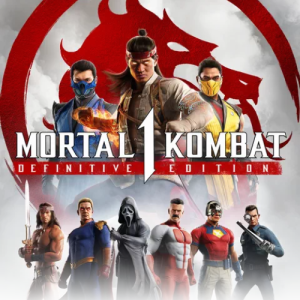
Mortal Kombat 1 convinced me that a fighting game reboot does not need to discard everything familiar in order to feel fresh. Liu Kang...
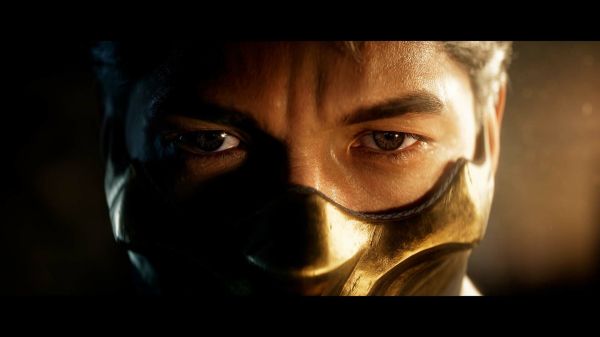
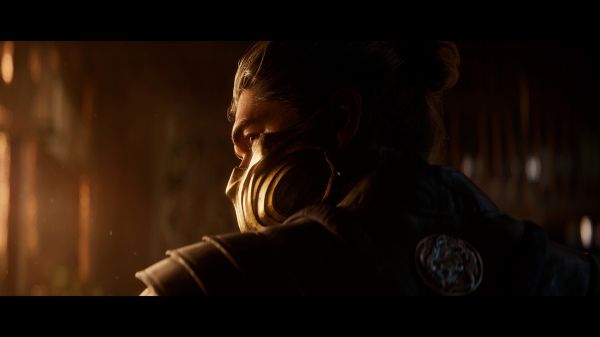
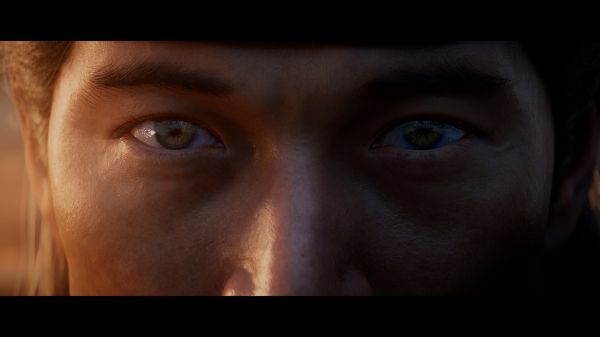
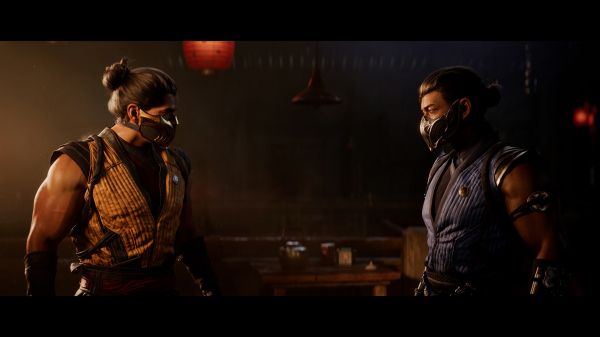
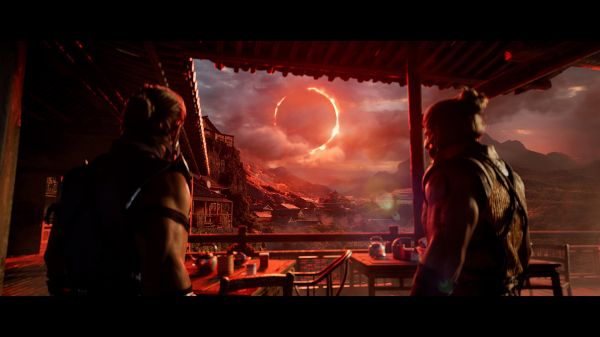
Mortal Kombat 1: A Bold Reimagining of Legendary Combat
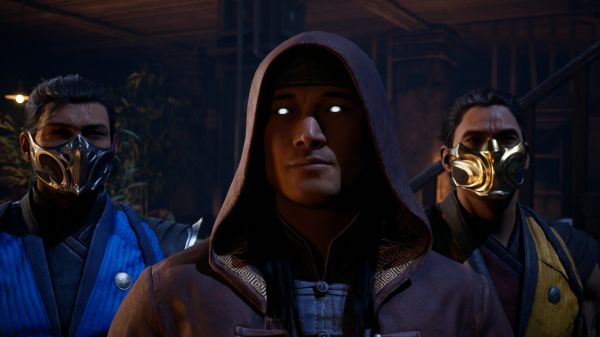
Mortal Kombat 1 convinced me that a fighting game reboot does not need to discard everything familiar in order to feel fresh. Liu Kang has rebuilt history, famous relationships have changed, and several characters now occupy roles that would have seemed impossible in earlier entries. At the same time, the basic rhythm of close-range pressure, dramatic special attacks, sharp uppercuts, and spectacular finishing sequences remains unmistakably Mortal Kombat. The result is a game that looks toward a different future while constantly playing with memories of the series’ past.
The most important change is not the rewritten timeline or the visual presentation. It is the Kameo system, which allows me to select a second fighter who appears briefly to extend combos, interrupt pressure, create projectiles, improve movement, or protect a vulnerable action. This one mechanic changes how I evaluate every playable character because the same main fighter can behave differently depending on the chosen partner. Mortal Kombat 1 becomes less about selecting one complete combatant and more about constructing a two-character strategy from separate sets of tools.
Liu Kang’s New Era Gives Familiar Faces Different Lives
The campaign begins inside a reality created by Fire God Liu Kang, who has attempted to remove the conflicts that repeatedly damaged previous timelines. Several former enemies now live under more peaceful circumstances, while characters once connected to power or cruelty have been given different social positions. These changes create immediate curiosity because I recognize the names and visual identities without being able to predict every relationship. The story uses familiarity as a foundation and then deliberately rearranges expectations.
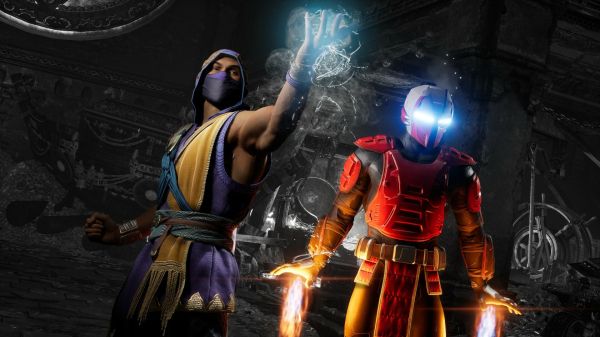
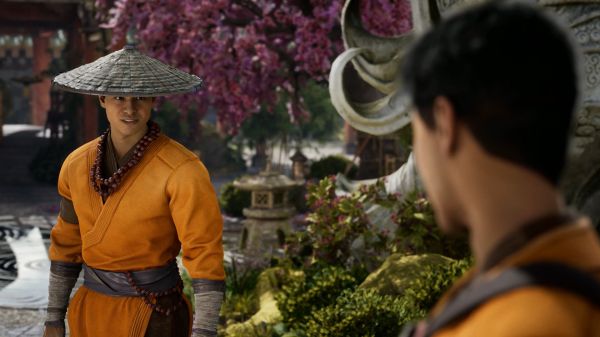
I particularly enjoyed seeing how altered circumstances reveal different sides of established characters. Reptile is no longer treated only as a disposable servant, Baraka receives a more sympathetic personal history, and Mileena’s condition becomes part of a political and family crisis rather than one simple explanation for rivalry. Raiden begins as a humble young fighter instead of an immortal guide, while Kung Lao must adjust to a world where destiny may favor somebody else. These changes give the roster enough emotional context to justify another retelling.
The reboot is less successful when it begins depending heavily on multiverse spectacle. Early chapters focus on kingdoms, families, tournaments, secret plans, and personal loyalty, giving the new timeline room to establish its own identity. Later developments introduce alternate realities and increasingly exaggerated versions of familiar characters. The scale becomes entertaining, but it also interrupts the more grounded relationships that made the opening half compelling.
The Story Campaign Remains a Spectacular Introduction
NetherRealm continues using a chapter-based cinematic structure where the player controls different members of the roster as the plot changes focus. This format introduces a wide range of fighters without expecting me to choose one main character immediately. Battles emerge naturally from conversations, investigations, misunderstandings, and larger conflicts. The transitions between cutscenes and combat remain smooth enough that the campaign often feels like one long animated feature with playable confrontations.
The production quality is excellent. Facial expressions communicate subtle reactions, costumes contain intricate material detail, and environments remain active behind the central characters. Voice performances give personality to fighters who previously depended more heavily on visual design and short arcade endings. Even smaller story scenes receive enough attention to make the world feel expensive and carefully staged.
The chapter structure creates predictable outcomes because the currently controlled character usually needs to win several consecutive encounters. A fighter may appear overwhelming during one chapter and suddenly become far less effective when the story moves to somebody else. This is an old weakness of NetherRealm campaigns, and Mortal Kombat 1 does not fully escape it. The structure provides variety, but it occasionally makes power and competence feel dependent on who currently occupies the player’s side of the screen.
Johnny Cage Provides the Campaign’s Most Reliable Humor
Johnny Cage enters the new timeline as a wealthy actor whose career and personal life are already becoming unstable. His confidence remains absurd, but the writing gives him enough self-awareness to prevent every joke from becoming exhausting. He reacts to magical creatures, royal politics, and impossible technology through references, sarcasm, and an immediate desire to turn everything into entertainment. His behavior creates comic relief without making him completely useless during serious moments.
I enjoyed how Johnny gradually becomes more dependable while remaining unmistakably himself. He does not suddenly abandon vanity or stop searching for attention. Instead, he learns to apply his confidence toward helping a group that initially has little reason to trust him. This is a more satisfying development than turning him into a different personality for the sake of maturity.
His fighting style supports that character perfectly. Fast strikes, showy movement, taunts, and the Hype mechanic encourage confident pressure. Several attacks look like parts of an action performance while still serving clear competitive functions. Johnny feels designed around the belief that every encounter has an audience, even when only one opponent is present.
Reptile Finally Receives More Than a Supporting Role
Syzoth’s ability to move between human and reptilian forms gives him one of the most visually distinctive combat styles in the roster. His story also provides personal stakes involving exile, family, manipulation, and the difficulty of belonging to two communities. Instead of appearing only as somebody else’s servant, he receives clear reasons to join the central group. The campaign treats his vulnerability seriously without removing his physical danger.
In combat, Reptile combines advancing attacks, projectiles, deceptive movement, and transformations that make his combos visually unpredictable. His body can change completely during one sequence before returning to human form without interrupting the rhythm. These transitions are smooth enough that the character feels built around transformation rather than merely decorated by it. Learning him is satisfying because his visual spectacle remains connected to practical movement and spacing.
Baraka’s New History Gives Tarkat Emotional Weight
Baraka is reimagined as a former merchant affected by Tarkat, a condition that physically transforms its victims and forces them outside ordinary Outworld society. This gives his anger a clear social and personal context. He remains frightening in combat, but the story no longer presents him as a creature without dignity or community. His concern for other affected people makes him one of the reboot’s strongest reinterpretations.
His combat remains built around aggressive range, rapid arm-blade attacks, and sustained pressure. Baraka can cover more space than his body position initially suggests, making careless movement dangerous. The animation gives every attack a harsh physical rhythm without making his buttons difficult to distinguish. He is straightforward enough for early experimentation while retaining strong combo possibilities with the correct Kameo.
Mileena and Kitana Benefit From a Less Predictable Relationship
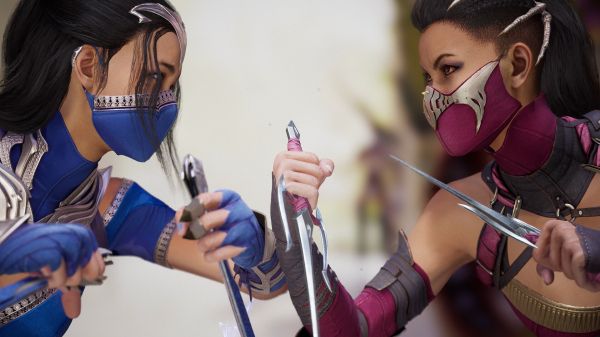
Mileena is the heir to Outworld, while Kitana supports her sister rather than beginning as an immediate rival. This change gives both characters more room to exist outside their traditional conflict. Mileena struggles with illness, political responsibility, secrecy, and the fear that exposure will remove her right to lead. Kitana must balance family loyalty with the expectations placed upon her by the royal court.
I found this relationship more interesting than another simple repetition of jealousy and replacement. The sisters can disagree without being reduced immediately to enemies. Their shared concern for Outworld makes later decisions feel connected to responsibility rather than personal competition alone. The campaign does not explore every political consequence deeply, but it establishes a foundation capable of supporting more nuanced future stories.
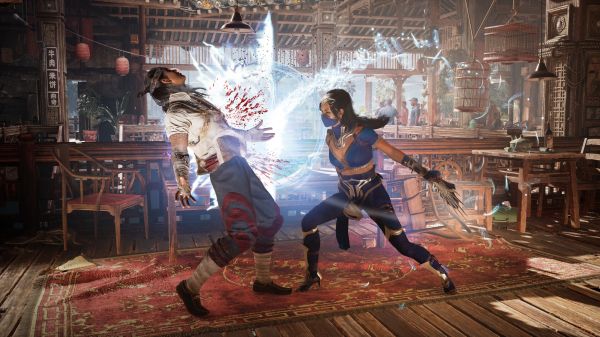
Their combat identities remain distinct. Kitana controls space with fans, airborne movement, and graceful ranged pressure, while Mileena uses sudden movement and aggressive close attacks to create a more unpredictable rhythm. Both can extend their options dramatically through Kameo selection. Their shared visual elegance hides very different methods of controlling an encounter.
Smoke Is Approachable Without Feeling Basic
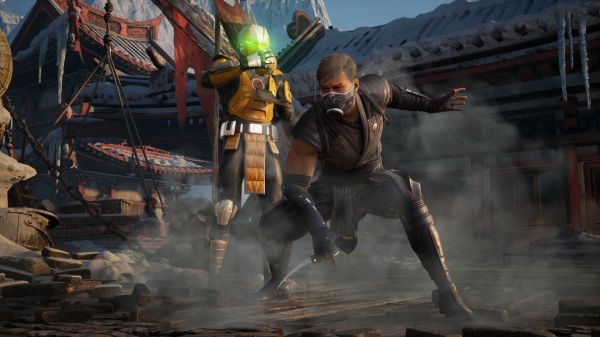
Smoke became one of my favorite fighters during the early hours because his movement is immediately entertaining. Teleports, smoke effects, quick overhead options, and deceptive approaches give him several ways to create uncertainty. He can appear beside an opponent before the other player has fully adjusted to the original position. This makes him enjoyable for experimentation even before his longer sequences are mastered.
His apparent simplicity can create bad habits. Repeated teleports become predictable, and stronger opponents punish unsafe movement quickly. Smoke works best when his special attacks support ordinary pressure rather than replacing it. The character rewards players who create hesitation first and use mobility only after the opponent begins expecting another option.
Kenshi Offers One of the Deepest Control Styles
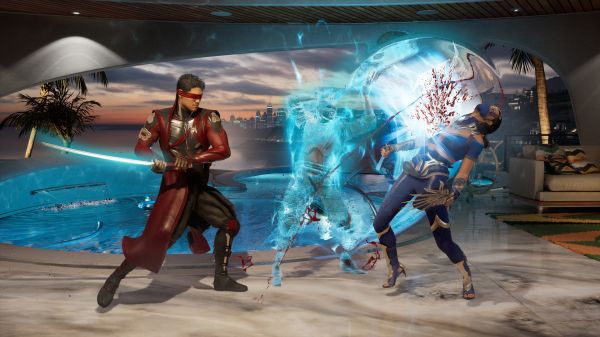
Kenshi begins as a capable sword user, but his full identity appears when Sento becomes active. The spirit can attack independently, control space, and extend pressure while Kenshi moves elsewhere. Managing both positions creates a level of complexity that feels almost like directing a small team before the selected Kameo is even considered. His strongest sequences require preparation, timing, and confidence with several resources at once.
I found Kenshi intimidating initially because ordinary practice did not reveal how all of his tools connect. Once Sento positioning became more understandable, the character transformed completely. One successful opening could lead into layered pressure where the opponent needed to track attacks from more than one direction. He provides a rewarding option for players who enjoy technical control rather than immediate accessibility.
The story gives him a personal reason to seek Sento and restore his family’s reputation. This motivation is simple but effective, especially when combined with his uneasy relationship with Johnny Cage. Their developing friendship provides some of the campaign’s better interpersonal material. Kenshi’s seriousness and Johnny’s constant performance create a contrast that improves both characters.
The Kameo System Transforms Character Selection
After choosing the main fighter, I select a Kameo from a separate roster. This partner does not remain on the battlefield continuously. Instead, specific inputs summon one of several support actions that may launch the opponent, provide a projectile, interrupt movement, protect an approach, extend a combo, or alter positioning. The Kameo then leaves while its meter begins recovering.
This structure adds creativity without requiring me to learn two complete fighters simultaneously. I need to understand the partner’s small set of functions and decide where those functions fit inside the main character’s plan. A Kameo can repair a weakness, strengthen an existing advantage, or create an entirely new route after one successful hit. Experimenting with pairings becomes as important as choosing a favorite fighter.
The system also increases the amount of information required during competitive play. I must recognize not only the opposing main character but also the support actions available beside them. The same fighter may create different pressure depending on whether the Kameo supplies projectiles, safety, mobility, or combo extensions. Matchup knowledge effectively multiplies because every pair needs to be evaluated as a unit.
Sareena Demonstrates Both the Strength and Risk of Accessible Assists
Sareena quickly became a popular Kameo because her returning projectiles are easy to understand and useful in many situations. They can extend combos, control movement, and give the main character more time to continue pressure. Her value is visible immediately, making her an attractive choice for players still learning the larger system. She proves that Kameos can make advanced-looking sequences more accessible.
The same accessibility can encourage repetitive play. Seeing identical projectile extensions across many characters reduces the sense that every pairing is uniquely designed. Strong universal options naturally become common because players want dependable results. The system remains healthier when specialized Kameos provide enough reward to compete with simple all-purpose choices.
Kung Lao and Motaro Create Movement Opportunities
Kameo Kung Lao provides tools involving his hat, delayed pressure, and useful repositioning. His low projectile can force the opponent to respect space while the main fighter prepares another approach. Teleport-related options can change sides or escape a difficult position. These functions make him valuable beyond raw combo length.
Motaro offers another approach through projectiles, teleportation, and unusual defensive possibilities. His large visual presence makes every appearance easy to recognize. Pairing him with a fighter who normally struggles to move through ranged pressure can alter the entire matchup. Kameos are most interesting when they allow a character to challenge situations that would otherwise remain uncomfortable.
Combo Construction Is Flexible and Extremely Satisfying
Mortal Kombat 1 gives most fighters several ways to convert one opening into meaningful damage. Normal attacks, special moves, aerial strings, meter use, Kameo assists, and environmental positioning can all contribute. The system feels generous because I can often discover a functional sequence without reproducing one exact tournament route. Optimization comes later, after the basic relationship between attacks has become familiar.
Air combos give the combat a more expressive rhythm than some previous entries. Launching an opponent creates time to reposition and choose another extension rather than following only one ground sequence. Kameos can keep the target available long enough for an additional attack or special move. The resulting combos look dramatic without relying entirely on long pre-rendered animations.
I spent a large amount of time in practice mode testing what connected after one launch. Small changes in timing could improve consistency or allow a different ending. This experimentation is where the system becomes most rewarding. The game provides the pieces, but discovering a route that matches my ability and preferred Kameo feels personal.
Meter Management Creates Important Restraint
Enhanced special moves, combo breakers, and other defensive or offensive decisions depend on limited resources. Spending meter to increase damage may leave me unable to escape the opponent’s next successful sequence. Saving everything for defense reduces immediate pressure but provides valuable security. Every round contains a small argument between ambition and survival.
Breakers are especially important because Mortal Kombat 1 can produce long, damaging combos once a fighter establishes the correct opening. Escaping requires enough meter and Kameo availability, preventing the option from functioning automatically. Using it at the first opportunity may protect health while sacrificing resources needed later. Strong players recognize when accepting some damage is better than spending everything immediately.
Fatal Blows Remain Dramatic but Interrupt the Pace
Fatal Blows become available at low health and can convert one successful opening into substantial damage. Their cinematic presentation is elaborate, using close camera angles and detailed physical impact to communicate desperation. The threat affects both players before activation because one mistake may reverse a round that appeared nearly complete. I often adjust pressure simply because the opponent still has access to this resource.
The sequences are impressive initially but become familiar through repetition. A long animation interrupts the immediate rhythm of a competitive match, particularly when the same character uses it frequently. The mechanic remains useful as a comeback threat, yet its spectacle eventually becomes something I watch rather than actively experience. Shorter versions could preserve the tactical purpose with less interruption.
Fatalities Deliver Extraordinary Technical Detail
Mortal Kombat’s finishing moves remain among the most elaborate visual displays in fighting games. Characters use weapons, magic, technology, transformations, and environmental ideas in sequences designed around exaggerated shock and dark comedy. The models allow detailed deformation, facial reaction, and internal anatomy far beyond what ordinary gameplay requires. NetherRealm’s technical artists clearly treat these moments as major production showcases.
The effect depends heavily on personal tolerance. Some finishes are so excessive that they become absurd, while others remain deliberately uncomfortable. I occasionally appreciated the inventiveness more than the imagery itself. Mortal Kombat has always built its identity around this boundary, and the reboot has no interest in becoming restrained.
Repeated use reduces their impact because the same sequence lasts much longer than an ordinary victory pose. Online players sometimes skip directly toward the next match, while others use the finish as part of competitive celebration. The game also includes quicker alternatives for players who want a shorter conclusion. Variety prevents every match from ending through the same extended animation.
Brutalities Fit the Match Flow More Naturally
Brutalities occur directly from particular attacks when their conditions are satisfied. They end the round without moving into a separate staged sequence, preserving the momentum of the final exchange. I find them more satisfying during regular play because the finish feels connected to the move that actually decided the encounter. Their suddenness also makes them surprising even after many hours.
Unlocking and performing them encourages experimentation with different attacks and conditions. Some require holding a direction, maintaining health, or ending with a specific move. The requirements can be difficult to remember across a large roster. Clearer in-match tracking would make deliberate attempts easier without removing the discovery process entirely.
Defense Demands Knowledge and Patience
Blocking remains essential because aggressive strings often include several possible endings. High, low, overhead, throw, and delayed attacks require different responses. Attempting to press a button during an unsafe moment can lead directly into another full combo. Defensive improvement therefore depends on recognizing patterns rather than reacting only after contact begins.
Flawless blocking and armored options provide additional ways to challenge predictable pressure. These mechanics reward timing but become difficult to apply without matchup familiarity. A beginner may understand that an attack is dangerous without knowing where the gap appears. Mortal Kombat 1 gives defenders tools, yet it expects them to study how every opponent creates offense.
Throws create another layer because constant blocking cannot remain completely safe. The possibility of a throw encourages movement, ducking, interruption, or a risky read. Kameos can modify throw conversions and positioning, making the interaction even more complicated. Strong pressure is rarely one uninterrupted sequence; it is a collection of decisions designed to make the defender choose incorrectly.
Movement Feels Deliberate Rather Than Extremely Fast
Walking, dashing, jumping, and advancing attacks provide enough mobility for positioning without turning every fighter into a constant blur. The game feels heavier than some faster fighting series, which gives each committed action visible weight. Characters still move differently according to their tools. Smoke can create sudden uncertainty, while General Shao controls larger areas through slower but more threatening movement.
I appreciate the grounded feeling because spacing remains readable. A small backward movement can cause an attack to miss and create a valuable opportunity. Constant jumping is dangerous when opponents understand anti-air options. The game rewards players who move with a purpose rather than treating movement as permanent visual activity.
The Main Roster Balances Icons With Strong Reinterpretations
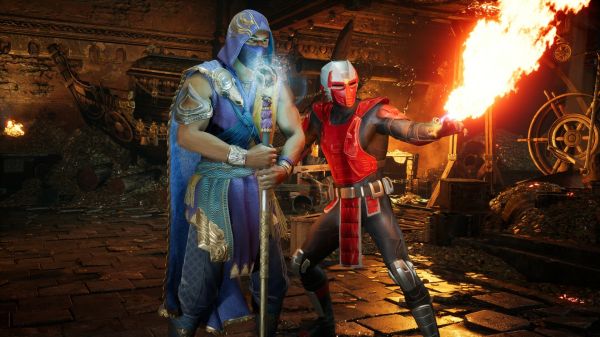
The starting selection includes recognizable figures such as Scorpion, Sub-Zero, Raiden, Liu Kang, Kitana, Mileena, Johnny Cage, Kung Lao, and Shang Tsung alongside returning characters who had received less attention in recent years. Ashrah, Havik, Li Mei, Nitara, Reiko, and others benefit from modern visual design and expanded combat systems. Their inclusion makes the game feel connected to the wider series rather than only its most famous faces. Several returning characters now possess clearer narrative roles than they had in older timelines.
The roster does not contain every expected favorite, and some absences are noticeable. Several characters appear as Kameos without becoming fully playable, which can be exciting or disappointing depending on personal attachment. The separation allows the developers to reference a broader history without designing complete movesets for everyone. It also creates the strange experience of seeing a favorite fighter participate only as temporary support.
The DLC Fighters Offer Strong Mechanical Variety
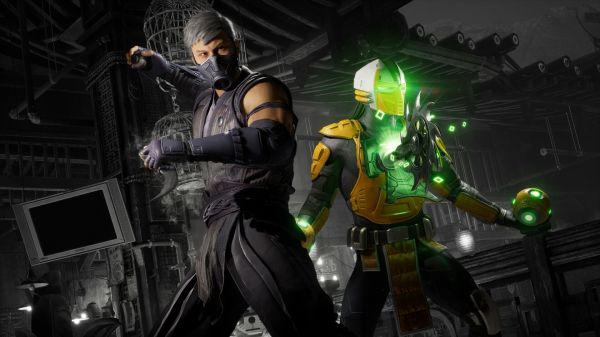
The expanded roster introduces returning Mortal Kombat characters and crossover guests with highly distinctive identities. Quan Chi uses portals, magical control, and creatures to create unusual screen positions. Ermac manipulates opponents through telekinetic power, while Takeda uses extended-range weapons and aerial movement. Noob Saibot brings shadow-based pressure, and the redesigned Cyrax and Sektor use technology in ways suited to the new timeline.
Guest fighters translate recognizable personalities into Mortal Kombat mechanics. Omni-Man uses direct physical dominance and sudden movement, Peacemaker combines firearms with exaggerated comedy, and Homelander presents unstable power through lasers and aerial control. Ghostface depends more heavily on deception and assistance, while T-1000 uses liquid-metal transformations. Conan provides a heavier sword-based approach that contrasts with the more technological guests.
The quality of these fighters makes the complete roster stronger, but the cost of accessing all of them becomes substantial. Important returning characters are distributed across paid packs alongside guests. Players interested in competitive variety may feel stronger pressure to purchase than someone following only the campaign. Fighting games need continuing revenue, yet roster fragmentation remains one of the genre’s most visible commercial problems.
Khaos Reigns Expands the Story but Increases the Multiverse Noise
The Khaos Reigns expansion continues the campaign through a threat connected to Titan Havik and alternate versions of familiar fighters. It provides additional cinematic chapters and gives Cyrax, Sektor, and Noob Saibot central roles. The production remains impressive, with detailed environments and energetic confrontations. Players who enjoy the main campaign receive several more hours of the same polished presentation.
The story leans heavily into alternate timelines, combinations, and transformed versions of established characters. This produces amusing surprises but reduces the emotional clarity of the new era. When endless versions of one person can appear, individual relationships begin feeling less permanent. The expansion provides spectacle without developing the original timeline as deeply as I hoped.
I would prefer future stories to remain inside Liu Kang’s world and explore its political consequences. Outworld succession, Earthrealm training, Tarkat discrimination, Lin Kuei division, and the altered histories of returning fighters provide enough material without another reality collision. Mortal Kombat 1 established an interesting universe. It should be allowed to exist before another reboot becomes necessary.
Invasions Tries to Combine Fighting With Seasonal Progression
Invasions presents maps divided into nodes containing battles, challenges, towers, treasure, shops, and environmental paths. Fighters gain levels, statistics, equipment-like relics, consumables, and elemental relationships. Each season uses a different theme and offers cosmetic rewards connected to its central threat. The mode provides a long solo progression path outside the cinematic campaign.
I enjoyed the idea more than the moment-to-moment structure. Moving across maps and unlocking routes gives ordinary fights a sense of travel, but many nodes become repetitive quickly. Modifiers can create unusual situations, yet they often interfere with the core combat rather than deepen it. A battle becomes longer or more chaotic without necessarily becoming more tactically interesting.
The RPG systems also feel disconnected from competitive learning. Increased statistics and elemental advantages can matter more than clean spacing or reliable combo execution. This makes Invasions approachable as a separate progression mode, but time spent there does not always prepare me for online matches. The best solo content should entertain while reinforcing the same fundamentals used elsewhere.
Seasonal Themes Provide Attractive Rewards but Encourage Repetition
Each Invasions season changes enemy palettes, environmental decoration, rewards, and the identity of the final threat. New skins and equipment give collectors a reason to complete maps and towers. The limited structure keeps the mode active after the campaign ends. Returning can be enjoyable when the theme fits a favorite character.
The rewards often rely on recolored costume pieces rather than entirely new designs. Some palettes look excellent, while others feel included mainly to increase the number of unlocks. Repeating similar fights for minor color variations gradually weakens motivation. Cosmetic progression works better when major milestones provide items that visibly change character identity.
I also dislike feeling that content may disappear before I decide to return. Seasonal cycles encourage engagement but create pressure around a mode already built on repetition. Permanent access to earlier routes or rewards would make the progression more relaxed. A fighting game should invite practice because the combat is satisfying, not because a palette is approaching expiration.
Towers Provide Traditional Arcade Structure
Tower modes offer a familiar sequence of opponents leading toward a final encounter and character ending. This is the easiest way to spend a short solo session without committing to the campaign or an entire Invasions map. Difficulty options allow practice with a new fighter before entering online matches. Character endings also reveal alternate developments and smaller pieces of the new timeline.
The AI provides useful practice for basic execution but cannot reproduce human decision-making. Computer opponents react according to patterns and difficulty rules rather than fear, adaptation, or deliberate conditioning. I can test whether a combo is consistent without learning how to create the opening against a real person. Towers are enjoyable preparation, not a replacement for competitive experience.
Practice Mode Provides the Necessary Technical Tools
The training options allow frame information, recording, defensive behavior, meter settings, positioning, and repeated situations to be configured. These tools are essential because Mortal Kombat 1 contains too many character and Kameo interactions to understand through ordinary matches alone. I can record one pressure sequence and test several responses until the gap becomes clear. This turns confusion into a problem that can be studied.
Combo trials introduce important routes and demonstrate how each fighter’s moves connect. They are useful starting points rather than complete competitive guides. Some sequences prioritize challenge or spectacle over practical consistency. I usually take one idea from the trial and adapt it into something comfortable for actual matches.
The game could explain strategy more directly. Frame data is valuable only after the player understands why advantage and recovery matter. Character-specific tutorials describing range, pressure, defense, and suitable Kameos would reduce the gap between learning inputs and learning decisions. Mortal Kombat 1 teaches what moves do more clearly than when they should be used.
Online Matches Reveal the Combat at Its Best
Human opponents use hesitation, repetition, adaptation, and deliberate unpredictability in ways no solo mode can reproduce. A player may repeat one option until I demonstrate a response, then immediately use the behavior they were preparing all along. Kameos multiply these possibilities by changing pressure and combo routes. Every opponent effectively presents a small tactical puzzle.
Rollback networking generally supports playable matches when both connections are stable. Poor network conditions remain visible through delayed reactions and inconsistent timing. Fighting games depend heavily on trust because one small input can decide a long sequence. Connection indicators and filtering help, but they cannot remove every poor experience.
I enjoy rematches because adaptation becomes clearer across several rounds. An opponent who dominated the first game may become manageable once I recognize one repeated approach. The same adjustment then creates an opportunity for them to change again. This conversation is the real long-term content of Mortal Kombat 1.
Kombat League Adds Competitive Motivation and Stress
Ranked sets provide seasonal progression and cosmetic rewards tied to performance. The structure gives every match a visible consequence beyond personal improvement. Advancing through the ranks feels satisfying because stronger opponents gradually expose weaknesses that casual matches may not punish. The mode provides a clear place for players who want serious competition.
Ranked pressure can also reduce experimentation. I am less likely to test an unfamiliar fighter or unusual Kameo when the result affects progression. Popular combinations appear repeatedly because players naturally select reliable strategies. The roster may be broad, but competitive incentives often narrow the visible portion of it.
Seasonal reward placement can create frustration when desirable cosmetics require a level of success or time commitment that many players cannot reach. Competitive rewards should recognize achievement without making the broader community feel excluded from important character designs. Titles and rank-specific presentation may be healthier than permanently unavailable visual content. The motivation should remain improvement rather than fear of missing one outfit.
Local Multiplayer Remains One of the Game’s Greatest Strengths
Playing beside another person removes concerns about connection quality and turns every reaction into part of the room. Unexpected Kameo interactions, failed finishes, and dramatic comebacks become shared entertainment. The game’s visual spectacle is especially effective when both players can react immediately. Mortal Kombat has always worked well as a social competition, and this entry preserves that quality.
The Kameo system helps local sessions because changing only the assist can refresh a familiar main fighter. Players can experiment without learning a completely new moveset. Simpler Kameos also allow less experienced participants to create visually impressive combos. The skill gap remains visible, but the support system gives new players more interesting tools quickly.
The Stages Are Beautiful but Less Interactive Than Expected
Fighting environments include palaces, temples, forests, laboratories, gardens, treasure rooms, fortresses, and corrupted spaces. Background characters and environmental animation make these locations feel connected to the new timeline. Lighting changes between stage variants can alter the entire mood. Several arenas are detailed enough that I notice new activity after many matches.
Stage interactions from earlier entries are absent, which places the focus entirely on fighters and Kameos. This creates cleaner competitive spaces but removes one layer of environmental personality. I occasionally miss using nearby objects or changing position through a stage-specific action. The beautiful backgrounds remain mostly visual rather than mechanical.
The decision is understandable because Kameos already add another system to every matchup. Environmental interactions could create excessive variables and complicate balance. Still, casual modes could have supported them without affecting serious competition. Mortal Kombat’s worlds invite physical interaction, and some stages feel strangely untouchable.
The Visual Presentation Is Frequently Exceptional
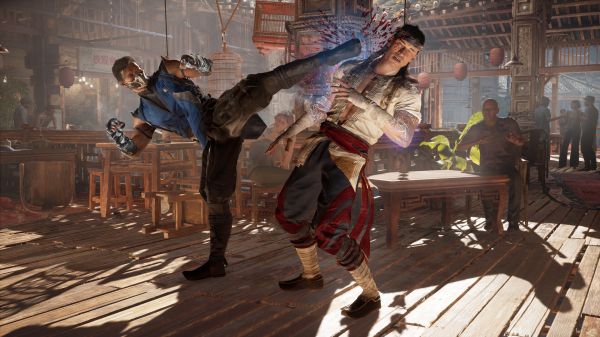
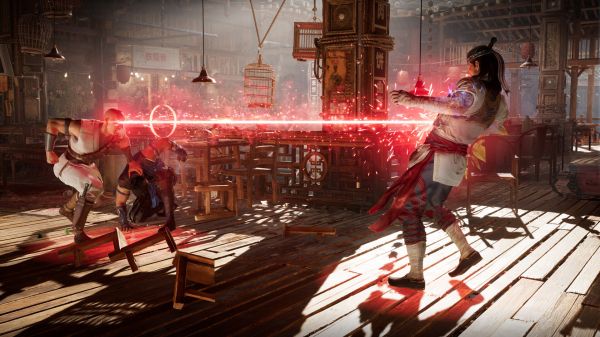
Character models combine realistic materials with exaggerated fantasy design. Skin texture, fabric, armor, hair, weapons, magical effects, and facial animation receive an extraordinary amount of detail. The game looks especially impressive during intros and finishing sequences, where the camera moves close enough to reveal work that ordinary combat barely displays. NetherRealm remains one of the strongest studios at cinematic character presentation.
Animation during combat is more mixed. Many attacks communicate force clearly and transition smoothly into combos. Certain poses and rapid movements still look stiff compared with fighting games built around a more stylized animation philosophy. The issue is less noticeable during fast sequences than when one unusual stance remains visible for several seconds.
The color palette is brighter and more inviting than the darker worlds of some previous entries. Outworld gardens, royal architecture, and natural environments give the reboot a sense of beauty before chaos disrupts it. This contrast makes the darker scenes more effective. The universe feels worth protecting rather than permanently damaged from the opening moment.
The Sound Gives Every Successful Hit Physical Weight
Impact audio is sharp, heavy, and deliberately exaggerated. Different weapons, magical attacks, armor contacts, and body impacts produce distinct feedback. A successful launcher sounds different from a blocked string, helping me understand the result before the next animation completes. The audio makes even basic attacks feel consequential.
Character voices contribute strongly to match personality. Pre-fight exchanges reference rivalries, campaign events, alternate possibilities, and humorous misunderstandings. The reduced interaction format compared with some earlier NetherRealm games means fewer conversational lines before combat. The exchanges remain well performed but can feel too brief for players who enjoyed longer intros.
The music supports the environments without consistently becoming memorable outside the match. Stage themes provide atmosphere and increase intensity during important moments. I rarely found myself recalling one melody as strongly as the sound of character abilities or impact effects. The audio identity is built more around combat texture than around dominant musical themes.
Customization Offers Variety but Relies Heavily on Palettes
Characters can unlock alternate costumes, color palettes, gear pieces, taunts, finishing actions, and profile items. This allows some personalization without changing competitive statistics. A favorite fighter gradually accumulates visual options through play. The quality varies significantly depending on how much one costume changes the original silhouette.
Many rewards are palette swaps, which can become difficult to appreciate after collecting several similar versions. Color variation is useful, but it should support substantial costumes rather than replace them. Invasions produces large quantities of these rewards, making the collection appear broader than it feels. I prefer one memorable outfit to several minor adjustments of the same design.
Gear customization is narrower than in Mortal Kombat 11. This reduces the burden of managing several small equipment pieces but also removes some visual control. Certain fighters have gear elements that barely affect their appearance. The simplified structure keeps menus cleaner while providing less opportunity to build a truly personal version of the character.
The Premium Store Weakens the Reward Loop
Dragon Krystals are used for selected premium cosmetics, announcer voices, finishing content, and other rotating items. These products can be attractive, especially when they reference classic designs or unusual character appearances. Their presence creates a clear separation between rewards earned through ordinary progression and those placed behind another currency. This is uncomfortable in a full-priced fighting game with multiple paid character packs.
Rotating availability adds unnecessary urgency. A player may feel pressured to purchase immediately without knowing when the item will return. Cosmetic stores are common across modern games, but Mortal Kombat 1 already contains several progression systems capable of distributing these rewards through play. More direct unlock paths would make the game feel less commercially fragmented.
I do not object to every premium cosmetic, particularly when it supports continued development. The issue is the combined structure of base purchase, expansion, character packs, seasonal progression, and separate premium currency. Each system can appear reasonable independently while the complete package becomes expensive. Mortal Kombat 1 is mechanically generous and commercially complicated at the same time.
The User Interface Is Stylish but Occasionally Slow
Menus use clean typography, strong character art, and transitions that match the new era’s visual identity. Main modes are easy to locate, and fighter selection provides clear access to Kameos. The presentation feels more elegant than overloaded. The game generally communicates its major features without covering the screen in unnecessary notifications.
Navigation can become slower when moving through customization, seasonal inventory, and Invasions systems. Loading transitions interrupt experimentation, especially when comparing several appearance options. A fighting game benefits from moving quickly between matches and training. Every additional pause becomes noticeable during repeated practice.
Character selection could also provide better strategic information about Kameo pairings. New players see the available assists without receiving much guidance about which weakness each one addresses. Suggested combinations would not need to define the meta. They could simply give beginners a functional starting point before experimentation begins.
The Nintendo Switch Version Reveals the Cost of Broad Platform Support
Mortal Kombat 1 was released across powerful consoles, PC, and Nintendo Switch despite the enormous difference in available hardware. The Switch version preserves the core combat and content but requires substantial visual reduction. Character faces, environments, effects, and loading behavior can appear dramatically different. This weakens a game whose identity depends heavily on presentation.
Portable access remains valuable, and mechanical parity matters more than graphical perfection for some players. However, the compromises are difficult to ignore during cinematic scenes and close camera sequences. Buyers should understand that the version does not provide the same visual experience as the other platforms. Broad availability is useful only when expectations remain clear.
PC Performance Has Improved but Demands Attention
The PC version can provide excellent image quality and stable combat on suitable hardware. Fighting gameplay targets a consistent frame rate because timing must remain predictable. Shader compilation, loading, and configuration issues have affected the experience more than the closed console versions. Updates have improved reliability, though hardware variation makes complete consistency difficult.
I prioritize stable performance over higher visual settings because one delayed frame affects both execution and defense. Story cinematics benefit from detail, but ordinary matches require immediate response. Benchmarking before entering ranked play is sensible. Mortal Kombat 1 looks excellent at lower settings as long as the combat remains smooth.
The Game Welcomes Casual Players but Does Not Simplify Mastery
Special moves use familiar directional inputs, and the campaign introduces much of the roster naturally. Fatalities can be practiced, tutorials explain basic systems, and accessible Kameos make impressive sequences possible without extreme execution. A casual player can enjoy the spectacle and complete solo content without studying every technical concept. Mortal Kombat remains one of the easier major fighting series to understand visually.
Competitive play becomes much more demanding. Frame knowledge, matchup recognition, Kameo cooldowns, pressure gaps, meter decisions, combo optimization, and defensive reads all matter. The game does not provide one simplified control scheme that removes this complexity. Accessibility opens the door without lowering the competitive ceiling.
This balance generally works because enjoyment does not depend on reaching one level of mastery. I can follow the story, complete towers, collect cosmetics, play locally, or study ranked matchups according to personal interest. The weakness is that solo progression does not always teach the skills needed for online success. Moving between audiences requires better educational bridges.
The Roster Feels Different Each Time the Kameo Changes
I initially expected to choose one favorite main fighter and use the same partner permanently. Experimentation quickly changed that assumption. A projectile Kameo helped control space, a teleport assist created new movement, and a launcher opened longer combo routes. The main character’s personality remained recognizable while the practical plan changed around them.
This flexibility gives the game unusual replay value. Learning a new Kameo is less demanding than learning another full fighter, yet the effect can be substantial. I can refresh a familiar character without abandoning months of muscle memory. The system respects specialization while still encouraging curiosity.
Balance updates can alter these relationships dramatically. One Kameo adjustment may change the safety, damage, or positioning of several main fighters simultaneously. This makes competitive tuning more complex than changing one isolated character. It also allows the developers to influence the meta through support options without redesigning every main moveset.
The Best Matches Feel Like Controlled Improvisation
A strong match begins with familiar plans but rarely follows them perfectly. One opponent may interrupt my preferred pressure, forcing me to use the Kameo defensively instead of extending a combo. A failed punish creates another scramble, meter disappears, and the final exchange depends on an option neither player used earlier. The systems provide enough flexibility for adaptation to remain visible.
I enjoy matches where both players begin recognizing each other’s habits. Throws become less effective after repeated use, delayed attacks catch someone expecting a gap, and one saved Kameo call changes the final sequence. This creates a conversation built entirely through movement and attacks. The game’s spectacle attracts attention, but this quieter psychological exchange keeps me practicing.
Long combos can appear to dominate the experience, yet creating the opening remains the more important skill. A player who knows one enormous sequence still needs to land the correct first attack. Strong defense and spacing can prevent that opportunity repeatedly. Mortal Kombat 1 rewards execution, but it does not reduce every match to memorized choreography.
The Reboot Is Strongest When It Believes in Its Own World
Liu Kang’s timeline contains enough interesting changes to support several stories. The royal family of Outworld, the division inside the Lin Kuei, Raiden’s new mortal identity, Kenshi’s family history, and the social consequences of Tarkat all deserve further exploration. These ideas feel more substantial than another parade of alternate versions. The universe becomes interesting when characters must live with its new rules.
The temptation to use timelines is understandable because it allows limitless combinations and references. It also makes permanent development harder. A character’s transformation matters less when another version can appear immediately from somewhere else. Mortal Kombat 1 should protect the emotional value of its reboot by resisting another rapid reset.
I became attached to this era because familiar relationships were changed thoughtfully rather than randomly. Scorpion and Sub-Zero possess a new family conflict, Mileena and Kitana begin from loyalty, and Raiden learns from Liu Kang instead of repeating the old hierarchy. These changes offer more than novelty. They provide opportunities for the characters to become different people.
A Superb Fighting System Surrounded by Uneven Long-Term Content
Mortal Kombat 1 succeeds most clearly whenever two players enter an arena. The main roster is varied, movement feels deliberate, combos are expressive, and the Kameo system provides an extraordinary number of strategic combinations. Switching one support fighter can repair weaknesses or create a completely different offensive plan. The combat is flexible enough for experimentation and deep enough to reward serious study.
The cinematic campaign provides an entertaining introduction with excellent animation, strong performances, and several thoughtful character reinterpretations. Its later dependence on alternate realities weakens the promise of Liu Kang’s new era, while Khaos Reigns pushes the spectacle even further. Invasions offers substantial solo progression but relies too heavily on repeated encounters, modifiers, and palette-based rewards. The long-term modes do not consistently match the quality of the central fighting system.
Commercial structure also affects the complete experience. Fighters are distributed across multiple packs, premium currency supports a rotating store, and some of the most desirable appearances remain outside ordinary progression. None of this changes the precision of one match. It does make the full package feel less unified than the polished presentation suggests.
I continue returning because the Kameo system makes learning feel nearly endless. I can keep one favorite fighter, choose another partner, and discover new pressure, movement, defense, or combo routes without starting completely again. Mortal Kombat 1 may not provide the richest single-player structure in the series, and its story occasionally becomes trapped by its own timelines. When the round begins, however, the game delivers a fast, creative, and visually extraordinary form of Mortal Kombat that feels worthy of the number one in its title.
Pros:
- Innovative gameplay mechanics with interactive environments and dynamic finishing moves
- Rich narrative depth that intertwines lore and modern storytelling
- High-quality graphics and immersive audio that elevate the overall experience
- Robust online features with cross-platform support and regular updates
- Extensive customization options including mods and cheats for personalized gameplay
- Well-balanced combat system that rewards skill and persistence
Cons:
- Potential balance issues when mods or cheats are used in competitive play
- Occasional online connectivity challenges during peak times
- Steep learning curve for newcomers due to complex mechanics






Recent Reviews

Minecraft

Grand Theft Auto V

Toca Boca World

Roblox

Leave a comment
Your comment is awaiting moderation. We save your draft here
0 Comments