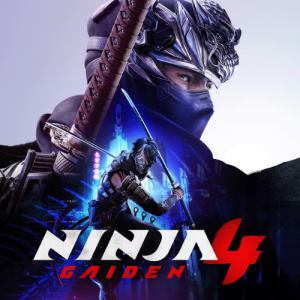
Review
My opening hour in NINJA GAIDEN 4 was an extended lesson in how dangerous confidence becomes when it is not supported by precision. I e...






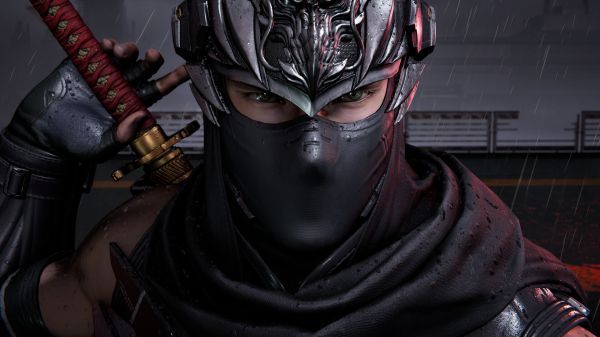

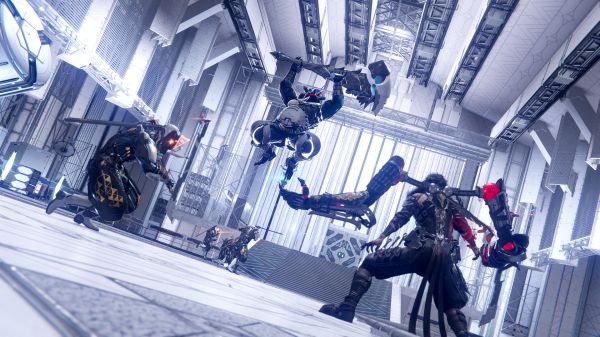
Ninja Gaiden 4: A Bold Evolution of Tradition and Action
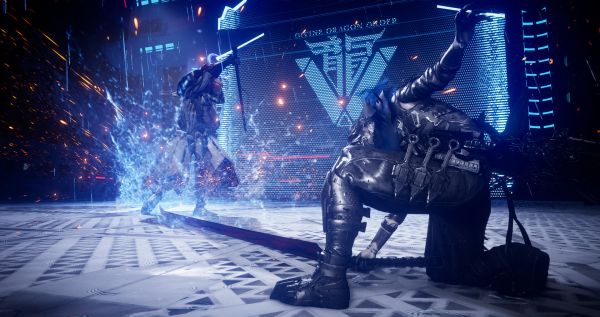
My opening hour in NINJA GAIDEN 4 was an extended lesson in how dangerous confidence becomes when it is not supported by precision. I entered the first serious encounters moving as though speed alone would protect me, attacking constantly and assuming every enemy existed only to demonstrate my new techniques. One armored opponent blocked the sequence, another attacked from outside the camera, and a projectile arrived while I was still committed to an animation. The game did not need a long explanation to communicate its expectations: aggression is essential, but careless aggression is simply a faster route toward defeat.
NINJA GAIDEN 4 is a single-player action game created through a collaboration between Team NINJA and PlatinumGames. It combines the series’ demanding defensive timing, lethal enemies, dismemberment systems, Ninpo, rapid movement, and weapon mastery with the more expressive visual energy associated with PlatinumGames. The result is not a cautious action RPG built around waiting for one safe opening. It wants me to enter a crowded battlefield, understand several threats at once, maintain pressure, interrupt dangerous actions, and turn a defensive response into immediate offense.
Yakumo Earns His Position as the Main Character Through Combat
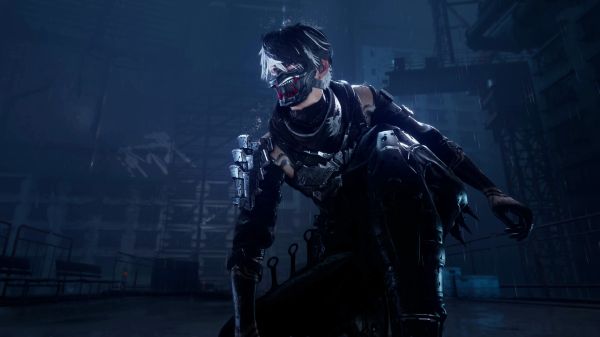
Yakumo is a young prodigy from the Raven Clan whose mission places him in conflict with the Divine Dragon Order, supernatural forces, and eventually Ryu Hayabusa himself. His visual design is leaner and more openly dramatic than Ryu’s traditional appearance, while his movement emphasizes technical speed and constant transformation between weapon states. I was initially skeptical about spending most of the campaign with a newcomer in a series defined so strongly by Ryu. That skepticism faded once Yakumo’s combat system began opening its full range of possibilities.
He does not feel like a temporary substitute waiting for the real protagonist to arrive. His Bloodbind Ninjutsu, transformed weapons, aggressive evasive options, and rapid transitions give him a distinct mechanical identity. He feels younger, less settled, and more interested in proving that every obstacle can be overwhelmed through technique. The writing does not develop him as successfully as the combat does, but the controller communicates his character even when the dialogue struggles.
Ryu Hayabusa Still Changes the Atmosphere Whenever He Appears
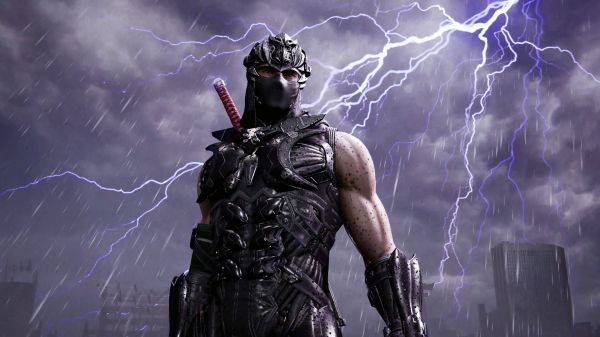
Ryu carries a different sense of weight. His attacks feel more deliberate, his posture communicates experience, and his presence immediately connects the new game with the history of the series. When I gained direct control of him, I did not feel as though I had selected an alternative costume for Yakumo. His rhythm was heavier, more disciplined, and built around the impression that he had already mastered techniques Yakumo was still learning to combine.
The disappointment is that Ryu’s base-game campaign material is comparatively limited. Several of his sections revisit locations and opponents already encountered as Yakumo, reducing the excitement of finally controlling him. His mechanical quality deserved a longer sequence of original stages designed specifically around his strengths. The Two Masters DLC improves his role and gives him new material, but the main campaign still treats one of action gaming’s most famous protagonists more like an honored guest than an equal lead.
The Rivalry Works Better Through Mechanics Than Dialogue
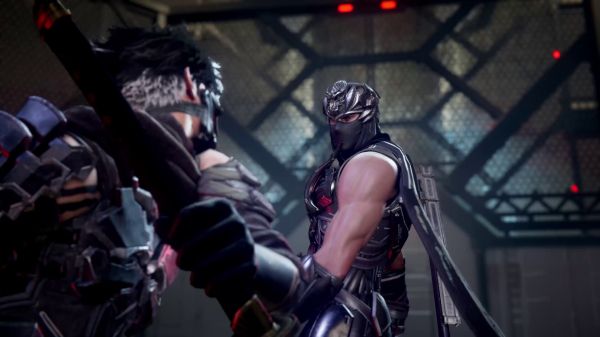
Yakumo and Ryu represent two interpretations of the Master Ninja fantasy. Yakumo is fluid, experimental, and visibly connected with newer design ideas, while Ryu remains controlled, powerful, and grounded in the series’ established combat language. Their differences become immediately understandable when I switch between them. One character seems to create momentum through transformation, while the other seems to impose order on a battle through mastery.
The story attempts to build tension between their goals, obligations, and interpretations of the threat facing Tokyo. Several scenes provide the expected serious exchanges about duty, sacrifice, and forbidden power. The writing rarely reaches the intensity of the combat surrounding it, and neither character receives enough quiet development. I remembered how they fought much more clearly than what they said to one another.
Bloodbind Ninjutsu Gives Yakumo a Genuine Reason to Exist
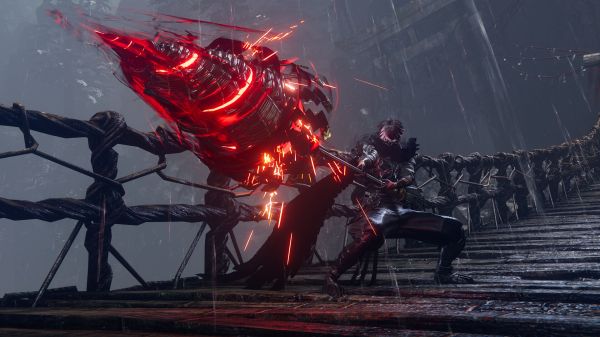
Bloodbind Ninjutsu allows Yakumo’s weapons to shift into larger and more dangerous forms. These transformations are not cosmetic power effects placed over the same basic attacks. They alter range, crowd control, impact, timing, and the type of pressure I can apply against protected enemies. The mechanic gives Yakumo a combat language based on changing the shape of a weapon according to the immediate problem.
Using Bloodbind effectively requires more than activating it whenever the resource becomes available. Certain enemy actions demand transformed attacks capable of breaking through their defenses, while other situations reward saving the resource for a larger group or elite opponent. I began treating the meter as tactical permission rather than a simple damage bonus. That decision-making helps distinguish NINJA GAIDEN 4 from action games where a special mode is activated automatically during every difficult encounter.
The Berserk Gauge Rewards Controlled Aggression
Maintaining offensive momentum fills Yakumo’s Berserk Gauge and eventually unlocks devastating opportunities. This encourages me to remain engaged rather than retreating across the arena after every exchange. The safest position is often close enough to react, counter, and continue attacking before the enemy reorganizes. The system supports the series’ belief that skilled defense should create offense rather than interrupt it.
The pressure to maintain momentum can encourage poor decisions. I occasionally continued a sequence because the gauge was nearly ready, even though the enemy formation had already changed around me. NINJA GAIDEN 4 repeatedly tempts me to exchange good judgment for spectacular damage. Learning to abandon an almost-complete opportunity is part of becoming more consistent.
Blocking Is Essential and Never Feels Passive
The block button became the foundation of my combat long before I understood every weapon combination. Enemies attack quickly, frequently coordinate from different directions, and punish players who rely only on evasive movement. A successful guard preserves position and creates an opportunity to answer immediately. Blocking therefore feels like holding control over the exchange rather than hiding from danger.
Guard pressure prevents the mechanic from becoming completely safe. Repeated heavy attacks can break defenses, and grabs demand another response. Projectiles, distant enemies, and attacks arriving from behind add further complications. I need to understand not only whether to block, but whether remaining in that location is creating a worse situation with every second.
Perfect Guarding Turns Enemy Pressure Into My Resource
Precise defensive timing creates some of the most satisfying moments in the game. A successful Perfect Guard can interrupt the normal flow, reduce the enemy’s advantage, and allow a powerful response. The timing feels demanding without being completely inaccessible on the standard settings. Once I began recognizing animations instead of reacting only to flashing effects, the system became far more reliable.
Crowded battles make precision harder because several attacks may overlap. One enemy’s readable sequence can be obscured by another body or an effect passing across the camera. The game expects awareness beyond one locked target, but visual density occasionally interferes with the information required to achieve that awareness. Perfect defense feels outstanding in a clean duel and less consistent when the arena becomes a storm of limbs, weapons, and particles.
Fatal Flash Is a Brilliant Answer to Dangerous Enemy Attacks
Fatal Flash allows me to respond directly when an enemy prepares a particularly threatening technique. Instead of simply moving away, I can read the signal, time the response, and cut through the attack with an aggressive counter. This reinforces the central combat philosophy beautifully. The enemy’s most intimidating action becomes an opportunity when I remain calm enough to recognize it.
Missing the timing is costly. The attack continues, my own movement may leave me vulnerable, and the punishment can remove a large amount of health on higher settings. This risk gives Fatal Flash its excitement. It would lose much of its value if it functioned as a generous scripted interruption rather than an earned answer.
The Izuna Drop Still Feels Like a Signature Rather Than Nostalgia
Launching an enemy into the air, continuing the sequence, and driving the target back toward the ground remains one of the series’ most recognizable techniques. NINJA GAIDEN 4 preserves the speed and violent finality that make the Izuna Drop satisfying. It is useful as both a damage tool and temporary removal of one enemy from the group. The move also communicates mastery because it requires a sequence rather than one isolated button.
Not every target can be handled in the same way, and attempting the technique without considering surrounding enemies can create vulnerability after landing. The camera may also struggle when the movement reaches awkward corners or vertical spaces. Even with those problems, I never became tired of completing the full sequence. Few legacy moves retain their identity this clearly after being transferred into a modern combat system.
Obliteration Techniques Make Damage Visible
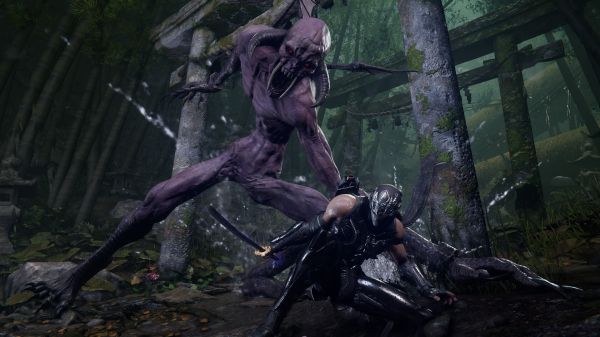
Enemies can lose limbs during combat, changing their animations and creating opportunities for immediate finishers. This is not only visual excess. A damaged opponent may become more desperate, attempt a dangerous response, or require rapid elimination before it creates another problem. The state of each enemy therefore matters beyond the remaining health bar.
Obliteration Techniques provide fast and dramatic removal once the correct condition is created. They help maintain momentum and prevent injured enemies from cluttering an already crowded encounter. The visual intensity is extremely high, and the game is clearly designed for players comfortable with exaggerated blood and dismemberment. This presentation is not incidental decoration; it is part of how combat communicates advantage.
Every Weapon Changes the Shape of the Battle
Yakumo’s arsenal includes weapon styles designed for different ranges, enemy numbers, armor types, and movement preferences. Twin blades emphasize rapid sequences, the lance gives reach and directional control, while mechanical tools provide another style of utility and aggression. Transformations extend those identities further instead of flattening every weapon into a similar damage source. Switching equipment changes how I approach the same enemy formation.
The game introduces enough options to support experimentation without turning the campaign into a loot catalogue. Weapons are defined by complete move sets rather than random rarity colors and tiny statistical differences. I learn one because I enjoy its timing, not because another copy dropped with a larger percentage. This focused design makes every unlock more meaningful.
Twin Blades Make Speed Feel Precise Rather Than Weightless
Yakumo’s twin-blade style supports fast attacks, directional changes, aerial pressure, and immediate pursuit. The animation speed initially encouraged me to press buttons without understanding the full sequence. That approach worked against weak opponents and failed immediately when armored enemies began interrupting me. The weapon becomes much stronger once I understand which attacks preserve mobility and which commit Yakumo to a longer animation.
Its speed makes it excellent for reacting to openings and moving through smaller groups. The lower sense of individual impact compared with heavier weapons is intentional rather than a weakness. I feel as though I am dismantling the enemy through accumulated precision. The style is a natural introduction to Yakumo’s technical identity.
The Lance Gives Me Space Without Making Combat Safe
The lance provides reach, broad attacks, and a more controlled relationship with enemy groups. It can punish opponents before they enter their preferred range and create lines through crowded formations. I found it especially useful when several melee enemies approached together. The transformed state increases its ability to dominate a section of the arena.
Range does not remove risk because animations still require timing and enemies can close distance quickly. Narrow spaces may also prevent the broadest movements from feeling comfortable. The lance is at its best when I use its reach to create the next close exchange rather than attempting to remain permanently outside danger. It provides control, not immunity.
Assassin’s Tools Add the Most Playful Combat Style
Mechanical arms and specialized tools provide a less traditional weapon identity. Their movements feel connected with infiltration technology, rapid transitions, and PlatinumGames’ influence on the project. I enjoyed learning them because the animations did not resemble a simple sword variation. They make Yakumo look like a ninja adapted to a futuristic city rather than one transplanted unchanged from an older era.
The visual complexity can make exact attack properties harder to read initially. I sometimes understood that a large sequence had succeeded without knowing which individual part created the opening. Practice resolves much of that confusion. The style rewards players willing to study unusual timing rather than selecting the most familiar blade.
Ryu’s Dragon Sword Feels Like History Under Direct Control
The Dragon Sword does not need an elaborate introduction. Its move set carries the memory of earlier games while benefiting from smoother movement and modern visual presentation. Ryu feels stronger and heavier than Yakumo, with attacks that communicate confidence rather than experimentation. The weapon creates the impression of a master using familiar tools at their highest level.
His smaller base-game arsenal makes his playable sections feel less expansive than Yakumo’s campaign. This can be interpreted as focus, but it also reinforces the sense that Ryu received less development time. The Two Masters adds Jakotsumon and expands his possibilities. Even before that addition, the quality of the Dragon Sword proves that the developers understood what returning players expected from controlling him.
Wind Path and Aerial Movement Keep Battles in Constant Motion
Yakumo and Ryu can use enemies as part of their movement, leap through groups, reposition vertically, and continue pressure without returning to a neutral stance after every attack. This makes combat feel less like standing inside an arena and more like navigating a network of temporary targets. One enemy becomes a route toward another. The battlefield is defined by bodies as much as walls and platforms.
Automatic targeting occasionally selects an unexpected opponent, particularly near ledges or when several enemies overlap. The March 2026 update improved aspects of target detection and reduced accidental falls during certain movements. The system remains at its best when the camera and targeting agree with my intention. When they do not, the speed that normally feels empowering becomes difficult to control.
Traversal Understands That Ninjas Should Not Jog Through Corridors
Wall running, grappling, rail movement, aerial routes, Raven Gear, and rapid climbing prevent stages from becoming slow walks between combat rooms. Yakumo crosses large spaces with enough speed to maintain momentum after a fight ends. Several sequences combine traversal hazards with incoming attacks, requiring movement to remain deliberate. The game understands that mobility should exist outside combat as well as inside it.
Not every traversal section is equally successful. Some routes function as visually exciting but mechanically simple transitions where the correct input is obvious. Missing one jump may result in an immediate restart rather than an interesting recovery. The strongest sequences combine movement choices with enemies or changing hazards instead of operating like a brief cinematic obstacle course.
Near-Future Tokyo Gives the Series a New Surface
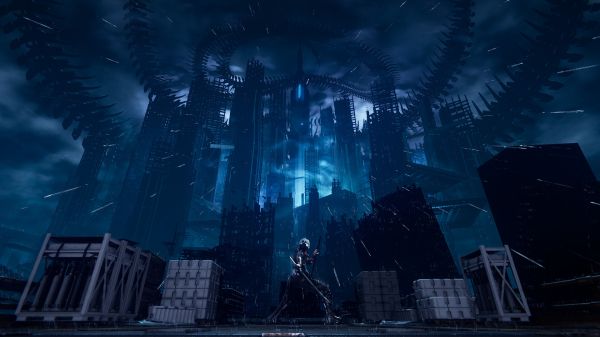
Tokyo is buried beneath constant rain, supernatural corruption, industrial structures, neon districts, flooded streets, military facilities, and enormous machinery. The visual mixture gives Yakumo an environment matching his technological and occult abilities. Traditional ninja imagery appears beside digital displays, armored troops, urban infrastructure, and monstrous organic growth. The contrast supports the collaboration between Team NINJA and PlatinumGames naturally.
The rain becomes so constant that several locations begin blending together. Wet streets, metallic corridors, rooftops, tunnels, and dark industrial spaces dominate much of the campaign. Individual stages contain striking moments, but the overall palette needs more contrast. The later sunlit material in The Two Masters demonstrates how refreshing a change in weather and color can be.
Bloodsoaked Tokyo Establishes the Tone Immediately
The opening environments place ordinary city infrastructure beside supernatural devastation. Buildings remain recognizable enough to communicate that a human city once functioned here, while the corruption makes every route hostile. Red growth, rain, debris, and enemy patrols create a world where the disaster has already become permanent. I felt as though I was entering an occupied ecosystem rather than witnessing the first minutes of an invasion.
The setting occasionally relies more on visual intensity than environmental storytelling. I see the consequences everywhere but learn relatively little about ordinary people who lived through them. The campaign moves too quickly to spend much time on civilians or social detail. Tokyo is an excellent action setting and a less complete place.
The Phantom Pleasure Quarter Is One of the Stronger Stages
The pleasure district uses neon, narrow routes, elevated spaces, supernatural imagery, and enemies suited to the more theatrical side of the visual design. It feels distinct from the heavier industrial environments surrounding it. The combination of artificial light and constant rain creates several memorable battle spaces. This is where the near-future setting feels most confident rather than simply dark.
The stage still follows the basic rhythm of traversal, arena combat, resource stops, and a major encounter. Its strength comes from presentation and pacing rather than a radically different structure. More stages with similarly specific visual identities would have improved the campaign’s middle portion. The district proves that the setting can support variety when the art direction is allowed to become more expressive.
The Drowned District Creates Atmosphere and Navigation Friction
Flooded streets and damaged infrastructure give the district a strong sense of environmental collapse. Water reflects lights, changes the apparent scale of buildings, and makes combat arenas feel less stable. Enemies emerging through the wet darkness create effective visual pressure. The location suits the larger image of a Tokyo trapped beneath supernatural rain.
Navigation can become less clear because water, debris, and dark surfaces obscure the intended route. Fast combat near boundaries also created progression problems before later fixes addressed specific out-of-bounds situations. The stage is atmospheric but not always easy to read. In a game this fast, visual direction must remain clearer than the scenery occasionally allows.
Level Design Is Focused Without Being Completely Linear
Most chapters guide me through a defined sequence of combat spaces, traversal routes, shops, challenges, and bosses. Small branches contain currency, upgrades, or optional encounters. The structure prevents wandering and keeps the action moving. I appreciated playing a modern game that did not transform every mission into an open map filled with icons.
The limited exploration also means environments rarely support creative route planning. Most optional paths are short deviations rather than genuinely alternative approaches. Revisited stages during Ryu’s portion make the linear structure more noticeable because familiar spaces return without enough transformation. The game’s focus is refreshing, but reuse weakens the later pacing.
Enemy Groups Are Designed to Cooperate Against Me
Weak opponents remain dangerous when paired with archers, armored units, airborne creatures, or enemies capable of grabs and explosive attacks. The game rarely treats a group as several independent duels waiting politely. One opponent pressures the guard while another prepares a technique from outside immediate range. I need to identify which threat is shaping the entire encounter rather than attacking the nearest body automatically.
This coordinated hostility is one of the game’s greatest strengths. Even standard encounters demand attention because an apparently minor enemy can create the opening for something stronger. The system produces real intensity without relying entirely on enormous health bars. My failures usually begin with poor prioritization rather than insufficient damage.
Armored Enemies Prevent Mindless Pressure
Protection and resistance force me to use transformed attacks, counters, grabs, or techniques capable of breaking through defenses. This interrupts the temptation to repeat one reliable combination against every target. An armored enemy placed inside a mixed group becomes a moving obstacle that changes how I use space. Ignoring it can allow the rest of the formation to operate safely around it.
The visual language is generally clear, although several later variants add enough effects that exact defensive properties require experience. Once I understand the answer, repeated armored encounters can become formulaic. Their main value is how they interact with other enemy types. One alone is a lesson; several supported by ranged attackers become a tactical problem.
Ranged Enemies Are Annoying in the Correct Way
Projectile users prevent me from remaining focused on one close target indefinitely. Their attacks create movement, interrupt careless sequences, and punish players who ignore the far side of the arena. Reaching them quickly can be worth the risk because removing one changes the pressure across the entire battlefield. They function as strategic priorities rather than background decoration.
The camera sometimes makes their position difficult to track. Audio and visual warnings help, but several simultaneous effects can hide the incoming attack. I occasionally received damage from outside the visible area without enough time to identify the source. This is partly the intended danger of group combat and partly a clarity problem.
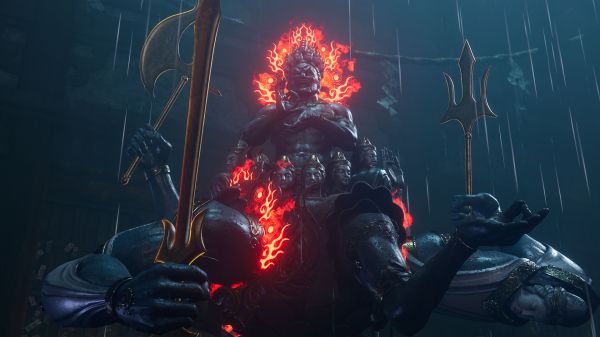
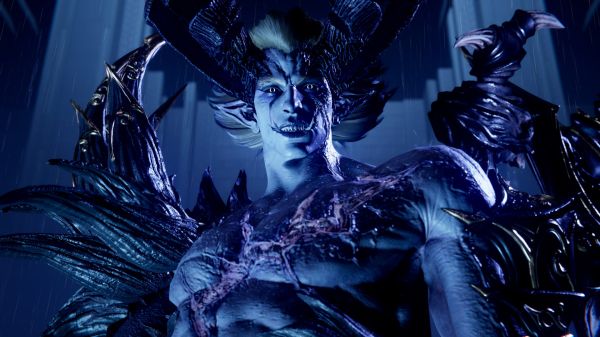
Fiends Provide the Visual Extremes
Supernatural enemies allow the designers to create larger bodies, unusual movement, grotesque transformations, and attacks that would not fit ordinary soldiers. They give Bloodbind weapons appropriate targets by meeting Yakumo’s exaggerated power with equally exaggerated anatomy. The dismemberment system also becomes more visually creative when the enemy is not restricted to a human silhouette. Fiends help prevent the futuristic setting from becoming a conventional military action game.
Several designs are more memorable as shapes than as behaviors. Once their attack patterns become familiar, visual difference does not always produce tactical difference. Stronger enemy identities would connect one specific mechanic with each creature. The roster is effective overall, but some variants function primarily as tougher versions of an established role.
Boss Battles Are the Campaign’s Most Reliable Highlights
The strongest bosses demand everything learned through ordinary combat: guarding, movement, Fatal Flash timing, Bloodbind management, target awareness, and confidence under pressure. Their attacks are dramatic but generally readable after observation. Each failed attempt reveals another part of the sequence rather than simply proving that my statistics are too low. Victory feels connected with adaptation.
The best encounters also use their arena and visual design to create identity. A boss should be remembered by the way I moved around it, not only by its appearance. NINJA GAIDEN 4 achieves this more often than many action games. A few repeated or less-developed encounters prevent the full campaign from maintaining that standard consistently.
Large Bosses Occasionally Fight the Camera
Size creates spectacle but places pressure on camera distance and targeting. When a creature occupies most of the screen, reading the beginning of an attack becomes harder. Rapid movement may push the action against walls or leave parts of the enemy outside the frame. I occasionally reacted to effects rather than understanding the physical motion creating them.
Lock-on behavior is helpful but not universally ideal. Some encounters are easier when I release the target and control the camera manually. This flexibility is valuable, though the need to manage the camera becomes another skill beside the intended combat mechanics. The game performs better than several earlier 3D Ninja Gaiden entries in this area without eliminating the problem entirely.
The Yakumo and Ryu Encounter Understands What Players Wanted
Placing the two ninjas against one another provides an immediate mechanical comparison. Ryu’s experience and power become something I must survive rather than something communicated only through dialogue. His familiar techniques become threatening from the opposite side of the arena. The encounter treats his legacy with appropriate seriousness.
Technical issues originally allowed Ryu to leave the arena under specific conditions, potentially stopping progress, though this was addressed in the March 2026 update. Outside that flaw, the battle is one of the story’s clearest intersections between narrative and mechanics. Yakumo’s attempt to establish himself becomes a physical test against the character whose place he appears to be taking. No speech could communicate that tension as effectively.
Difficulty Settings Make the Game More Welcoming Without Removing Its Identity
NINJA GAIDEN 4 offers several difficulty options, including an approachable Hero mode and demanding settings intended for series veterans. This allows new players to learn movement, defense, and weapon systems without immediately facing the harshest version of every encounter. Assistance features can reduce the punishment while preserving the basic combat language. The game wants more people to experience mastery rather than using difficulty only as a barrier.
The higher settings remain severe. Enemies attack more aggressively, mistakes remove more health, and weak defensive habits collapse quickly. The design feels most coherent when the opposition is dangerous enough to require the full system. Lower difficulty is valuable for learning, while the harder modes reveal why specific techniques exist.
Hero Mode Is a Useful Starting Point, Not an Insult
Hero mode provides support for players who want to experience the campaign without already possessing advanced action-game timing. It can automate or simplify aspects of defense and evasion under dangerous conditions. This prevents one early wall from ending the entire experience. Players can begin understanding the visual language and later reduce assistance.
The danger is relying on the support long enough that fundamental habits never develop. Moving to a harder setting can feel abrupt because actions previously handled automatically now require precise decisions. I consider Hero mode most useful as a bridge. It opens the door, but the game becomes more rewarding as I take direct responsibility for every defensive response.
Master Ninja Difficulty Changes How I Read Every Room
On the highest standard challenge, familiar enemy groups become genuinely intimidating. Attacks arrive faster, damage punishes small errors, and careless commitment is rarely survivable. I began entering arenas by identifying ranged enemies, exits, ledges, and likely pressure points before making the first move. The same environment became a tactical map rather than a stage for unrestricted aggression.
Difficulty occasionally exposes clarity problems. Overlapping effects, unexpected targeting, and camera obstruction matter more when one mistake has extreme consequences. A demanding mode needs exceptional consistency to feel completely fair. Most encounters meet that requirement, but the remaining rough edges become much more visible at the top.
Purgatory Rewards Players Who Want Less Protection
Purgatory-style challenges remove safety and ask players to commit to encounters under severe conditions. The mode emphasizes mechanical understanding because recovery options and assistance become limited. It turns familiar fights into tests of concentration rather than progression. I appreciated having content that assumes campaign completion is the beginning of mastery rather than the end.
This type of challenge is naturally aimed at a small part of the audience. It can become exhausting when repeated across long sessions, especially in encounters containing visual clutter. The reward is personal improvement more than narrative discovery. NINJA GAIDEN 4 understands that its most dedicated players want a place where polished execution remains meaningful.
Training Mode Should Be Used Earlier Than Pride Suggests
Practice options allow weapon sequences, counters, movement, and defensive timing to be studied without the pressure of a full chapter. This is essential because move lists do not communicate rhythm through text alone. I could test where an animation became safe, which attack launched an enemy, and how a transformation changed range. Several techniques became useful only after I stopped trying to learn them during chaotic battles.
The game could provide more structured training scenarios focused on specific common mistakes. A lesson involving ranged pressure, armor breaking, or overlapping Fatal Flash opportunities would help bridge the gap between isolated practice and real encounters. The available tools are useful, but they expect the player to diagnose personal weaknesses independently. Experienced action players will manage this more easily than complete newcomers.
Challenge Missions Provide the Purest Combat Format
Trials remove much of the story and traversal, placing attention directly on enemy groups, restrictions, scores, and execution. They are valuable for testing weapon mastery because the conditions can expose weaknesses hidden during ordinary chapters. Completing a difficult trial feels cleaner than finishing a campaign encounter with several healing items. The result reflects technique more directly.
The format naturally reuses enemies and arenas. Its value depends on enjoying combat enough to treat repetition as practice rather than content shortage. I returned frequently because the system itself remained strong. Players interested mainly in story will find far less reason to continue after the campaign.
Abyssal Road Is the Best Endurance Test Added After Launch
The Two Masters DLC introduces Abyssal Road, a 100-battle sequence with escalating pressure, changing mechanics, and rewards supporting both protagonists. This mode turns resource management and consistency into central challenges. One excellent encounter is not enough; I need to maintain concentration across an extended series. The structure gives advanced builds and techniques a clear purpose.
The length is also intimidating. Losing late in the sequence can be exhausting, depending on checkpoint and progression conditions. Repeated enemy combinations may become physically demanding during one sitting. Abyssal Road is not designed as casual post-story entertainment, and that specialization is appropriate.
The Two Masters Gives the Endgame More Substance
The March 2026 expansion continues the story after the main campaign and places Yakumo and Ryu in new sunlit areas following the removal of the Dark Dragon’s influence. It introduces new enemies, bosses, accessories, trials, weapons, and Abyssal Road. The visual shift alone provides welcome contrast after the constant darkness and rain of the main story. Tokyo finally appears capable of existing outside disaster.
Access requires completion of the main campaign on any difficulty, which keeps the DLC positioned as a true continuation. This is sensible because its combat assumes familiarity with both characters and the central systems. Players interested only in more story may find the challenge content disproportionately important. For players who consider combat the real narrative, the expansion adds exactly the type of material the base game needed.
Solitaire Gives Yakumo Another Dramatic Weapon Identity
Solitaire expands Yakumo’s arsenal with a new style designed to fit his transformational combat. It creates additional sequences, range considerations, and opportunities for Bloodbind expression. Receiving another full weapon after finishing the campaign gives me a reason to revisit challenges rather than treating the DLC as a short narrative epilogue. The weapon strengthens Yakumo’s identity as the more technically experimental protagonist.
Learning a new move set at this stage can feel demanding because established habits are already strong. My first instinct was to use Solitaire according to the logic of earlier weapons, which wasted much of its potential. It becomes rewarding once treated as a new system rather than a variation. The DLC benefits from giving me something to practise after its story ends.
Jakotsumon Expands Ryu More Meaningfully Than Another Skin Could
Ryu’s additional weapon gives him a broader mechanical future beyond the Dragon Sword. This matters because the base campaign provided less time and variety for him than many returning players expected. Jakotsumon allows his DLC sections and trials to develop a different rhythm. It is a more valuable addition than purely cosmetic recognition.
The expansion cannot completely repair the limited use of Ryu in the original campaign. His main-story chapters still reuse too much material, and a new weapon arrives after that structure has already ended. It does prove that the character can support further development without undermining Yakumo. A future game could give both ninjas equal campaigns with intentionally different arsenals.
NinjaCoin Creates Progression Without Becoming a Live-Service Economy
NinjaCoin is earned through combat and used for abilities, items, and other progression needs. The system encourages good performance because stronger play generally creates more resources and reduces the need to purchase recovery supplies. Shops appear at useful intervals, allowing preparation without returning to a central hub. Progression supports the action rather than replacing it.
The Deluxe Edition includes a 50,000 NinjaCoin bonus, which can accelerate early purchases. This is a convenience advantage rather than an exclusive combat system, but it weakens the natural opening economy slightly. I prefer earning abilities according to campaign performance. The game is balanced well enough that purchasing the bonus edition is not necessary for mechanical success.
Ability Purchases Are Useful but Not Always Exciting
New techniques expand movement, offense, defense, and weapon options. Several purchases immediately alter how I approach encounters. Others increase capacity or unlock smaller improvements that feel more administrative. The shop presents a steady sense of development without overwhelming the opening with one enormous move list.
Some reviewers and players criticized the uneven progression because vendors occasionally appear when nothing especially interesting is available. I experienced the same disappointment after collecting currency and discovering only incremental upgrades. The combat system is already deep, so the problem does not damage the foundation. A more carefully paced sequence of transformative unlocks would make the campaign’s development feel stronger.
Accessories Allow Adjustment Without Turning the Game Into an RPG
Accessories modify specific aspects of survivability, resources, offense, or technique. They provide enough flexibility to support personal weaknesses and preferred play styles. I can prepare for a difficult boss without replacing the entire combat system with statistical optimization. The number of slots remains limited enough that choices matter.
Several accessories are clearly more useful for general play than highly situational alternatives. Once I found a comfortable combination, I changed it less often than expected. The Two Masters adds more options, which benefits challenge content and specialized builds. Accessories remain a secondary layer rather than the main source of power, and that is the correct balance.
Healing Items Create Security and Tempt Bad Habits
Recovery items allow survival after mistakes and make long stages more approachable. Shops and exploration provide opportunities to restock before major encounters. On standard difficulty, using them intelligently can preserve momentum without trivializing every fight. They are particularly useful while learning a new weapon.
Carrying several healing items may encourage players to ignore defensive fundamentals. A sequence can be survived through consumption even when the approach was poor. Higher settings and challenge modes reduce this safety significantly. The game becomes more satisfying once healing functions as emergency protection rather than the plan.
The Story Is Functional and Frequently Forgettable
The narrative involves ancient threats, clan obligations, a sacred figure, corrupted Tokyo, the Divine Dragon Order, and conflicts over whether a catastrophic force should be restored or sealed. It creates clear reasons to move between stages and places Yakumo opposite Ryu before eventually connecting their goals. The story is understandable without requiring detailed knowledge of every earlier Ninja Gaiden title. New players can follow the central conflict.
Character relationships rarely receive enough time to become emotionally powerful. Several conversations rely on serious declarations rather than gradual development. Supporting characters perform necessary plot functions without becoming memorable companions. The campaign provides excellent reasons to fight and weaker reasons to care about the people discussing those fights.
Seori Has Narrative Importance Without Enough Personal Space
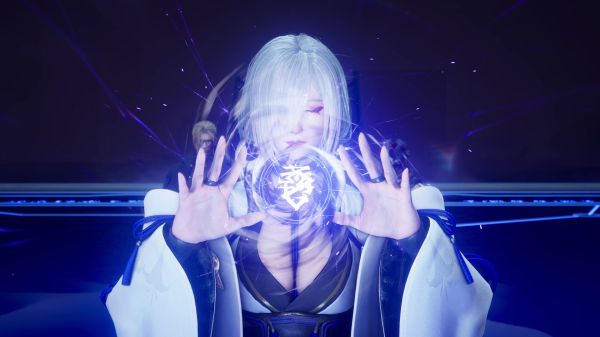
Seori is central to Yakumo’s mission and the supernatural conflict surrounding Tokyo. Her role creates tension between duty, protection, and the consequences of restoring dangerous power. She gives Yakumo someone specific to fight beside rather than leaving him motivated only by clan orders. Several major decisions depend on her position in the conflict.
The campaign moves too quickly to build a fully convincing relationship. Their connection is stated and demonstrated through danger, but quiet scenes are limited. I wanted more conversations outside immediate crisis to understand what they valued in one another. The action pacing leaves little space for that type of development.
The Divine Dragon Order Feels More Like an Obstacle Than a Society
The Order provides soldiers, technology, authority, and direct opposition to Yakumo’s plan. Its connection with Ryu creates immediate credibility because his allegiance communicates that the organization is not simply another disposable enemy faction. The group has understandable reasons to fear the consequences of restoring ancient power. This prevents the central conflict from becoming completely one-sided.
The wider culture, hierarchy, and internal disagreements receive limited exploration. Most members are encountered through battle or exposition. I understand what the Order wants but not how ordinary members experience their duty. A stronger representation of the faction would make the moral disagreement between Yakumo and Ryu more compelling.
Music Combines Traditional Instruments With Electronic Pressure
The soundtrack mirrors the game’s visual combination of ninja tradition and futuristic Tokyo. Traditional Japanese sounds appear beside distorted electronics, industrial rhythm, and aggressive combat tracks. Music rises naturally during difficult encounters without obscuring essential effects. The score supports momentum extremely well.
Individual tracks occasionally disappear beneath the concentration required for combat. I remembered the overall texture more clearly than many specific melodies. Quieter stages and menus allow the musical identity to become more noticeable. The soundtrack is effective during play even when it may not become as iconic outside the game.
Combat Audio Communicates Impact and Danger
Weapon contact, guard reactions, projectiles, transformed attacks, Fatal Flash cues, and enemy techniques all have clear audio identities. Strong sound is essential when the camera cannot display every threat simultaneously. I often reacted to an attack beginning outside the frame because the audio warning arrived first. This makes the sound design part of mechanical awareness.
Large encounters can become noisy enough that cues compete with music, dialogue, dismemberment effects, and several enemy types. Headphones improve separation significantly. The mix generally prioritizes important combat information, though extreme battles still approach sensory overload. The excess suits the presentation but occasionally weakens precision.
The Visual Effects Make Every Successful Sequence Look Impossible
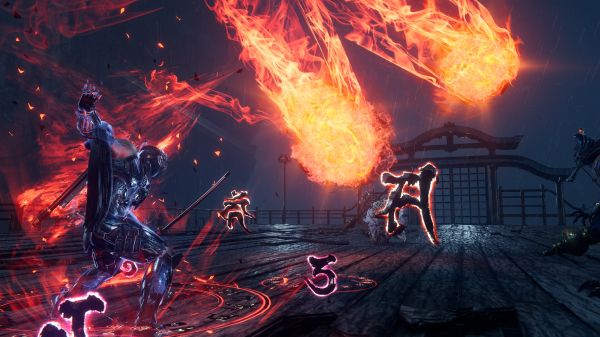
Bloodbind transformations, weapon trails, rain, sparks, blood, enemy techniques, and rapid animation combine into extraordinarily dramatic combat. A clean sequence can resemble a carefully directed action scene even when it emerged from direct player control. Yakumo’s movements remain readable enough that I understand my own actions during most encounters. The spectacle rewards improvement by making skilled play look visibly different from panic.
Effects become excessive when several large enemies and transformed attacks overlap. The March 2026 patch adjusted transparency for enemies close to the camera to improve visibility. That change helps, but it cannot completely solve battles designed around constant visual intensity. Players sensitive to flashing or heavy particle effects should examine the available settings carefully.
Character Animation Is the Real Technical Achievement
Yakumo transitions between running, guarding, attacking, launching, transforming, and moving through enemies with remarkable continuity. The animation system supports speed without making every action appear disconnected. Ryu’s heavier movement communicates another personality through timing and posture. Weapon identities remain visible even during rapid sequences.
Occasional targeting or terrain problems can force an animation toward an unexpected location. Ledges and narrow platforms are particularly dangerous when an attack includes significant forward movement. Later patches reduced several cases of accidental falls or incorrect target selection. The overall quality remains exceptional despite these edge cases.
Performance Matters More Here Than in Most Single-Player Games
NINJA GAIDEN 4 depends on precise defensive timing, rapid camera movement, and recognition of short attack windows. An inconsistent frame rate therefore affects more than appearance. Stable performance improves my ability to read and answer enemy pressure. I would always prioritize responsiveness over the highest visual preset.
The game supports resolutions through 4K on PC and requires an SSD, with a listed installation requirement of approximately 100 GB. Performance reports have varied by hardware, with some players describing strong frame rates and others encountering sudden drops or crashes. Updates have addressed display issues, driver warnings, loading, and several technical faults. The current build is more polished than the launch version, but PC users should still test demanding areas before assuming one preset will remain stable everywhere.
The PC Version Offers Flexibility and Some Configuration Friction
Mouse and keyboard controls are supported, and the 2026 update added clearer initial layout selection. The game is naturally comfortable on a controller because weapon combinations, guarding, movement, and camera control are built around compact physical inputs. Keyboard users can customize the layout according to preference. High frame-rate hardware provides a meaningful responsiveness advantage when configured properly.
The PC version requires AVX2 support and may display a crash explanation on unsupported processors. Earlier builds had problems involving unusual aspect ratios, fullscreen stretching, display presets, and certain monitor configurations. Later patches addressed several of these issues. The port is capable, though not completely free from the technical history associated with several Team NINJA PC releases.
PlayStation 5 Provides the Most Straightforward Premium Experience
The PS5 version offers direct access without PC configuration and supports the controller-focused combat naturally. Performance and visual options allow the player to prioritize responsiveness. Fast storage keeps restarts and stage transitions manageable. For a game involving repeated attempts, reduced waiting matters substantially.
Visual modes should be chosen according to their ability to maintain stable performance rather than screenshot quality. Higher resolution is attractive in the rain-soaked environments, but rapid combat benefits more from smooth motion. The platform does not include the game through the Xbox subscription ecosystem. Players purchasing at full price should consider how strongly they value challenge modes and replayability beyond the campaign.
Xbox and Game Pass Lower the Risk for New Players
NINJA GAIDEN 4 launched through Game Pass Ultimate and PC Game Pass, giving subscribers a practical way to test its demanding combat. This is valuable because the series’ reputation may discourage players uncertain about difficulty. Hero mode and subscription access together make the revival significantly more approachable. Xbox Play Anywhere also supports compatible ownership and progress across Xbox console and PC.
The Two Masters DLC is a separate purchase unless included through the Deluxe Edition or Deluxe Upgrade. Game Pass access to the base game does not automatically turn every premium addition into part of the subscription. Players who finish the campaign and want the expanded story or Abyssal Road need to evaluate that additional cost. The base game already contains substantial challenge content without it.
Handheld Performance Is Possible but Requires Compromise
The game has been promoted for supported Windows handhelds, and players have also reported usable Steam Deck results with reduced settings. A portable version of this combat is appealing because trials and chapter replays fit shorter sessions. The interface remains readable enough on a handheld screen. Cloud play provides another route on supported connections.
Precise timing suffers when performance fluctuates or streaming latency becomes noticeable. Small screens also make distant enemies and visual cues harder to read. Handheld play is best for familiar content rather than the first attempt at the highest difficulty. I prefer a larger display for encounters where awareness of the entire arena matters.
There Are No Live-Service Systems Interrupting the Campaign
NINJA GAIDEN 4 does not build its progression around daily missions, seasonal currencies, randomized equipment, or rotating battle passes. The story, weapons, abilities, challenges, and difficulties exist as part of a traditional single-player action structure. I can leave for several months and return without discovering that a progression season has expired. This simplicity feels increasingly valuable.
There is premium DLC and a Deluxe Edition containing cosmetics, currency, consumables, and The Two Masters. The bonus NinjaCoin and items provide convenience, but the core campaign does not require them. I would prefer Deluxe Editions to avoid gameplay resources entirely, though the advantage remains modest. The monetization is direct and finite rather than designed around continuous spending.
Cosmetic Skins Are Appropriate but Not Essential
The Deluxe content includes alternate appearances for Ryu and Yakumo, weapon skins, and additional visual sets. These allow returning fans to use recognizable Ryu costumes or give Yakumo a more elaborate presentation. Cosmetics are visible frequently because the camera remains close during combat and cutscenes. They can improve replay value for players attached to the characters.
No costume changes the move set or damage. I never felt mechanically incomplete while using the standard designs. The default outfits communicate each protagonist’s identity effectively enough that premium alternatives remain optional. This is the correct role for cosmetic content in a focused action game.
The Campaign’s Length Fits the Combat Better Than an Open World Would
A first playthrough generally occupies a focused sequence of chapters rather than an enormous map requiring dozens of hours of travel. The structure allows new weapons, enemies, bosses, and abilities to appear regularly. I rarely spend long periods performing actions unrelated to combat. The game respects the central reason I selected it.
The later reuse of stages and bosses makes the final portion feel shorter and less complete than the chapter count suggests. Ryu’s sections are the clearest example because familiar environments return soon after Yakumo crossed them. A few additional original chapters would have improved both length and balance between the protagonists. The campaign is concentrated, but not every reused element feels deliberate.
Replay Value Comes From Mastery Rather Than Alternative Stories
Higher difficulties rearrange the pressure of encounters and demand better use of the same combat systems. Chapter replay, scores, trials, weapon practice, collectibles, and challenge modes give me reasons to return after the credits. The campaign becomes different when I understand every technique from the opening chapter. Earlier enemies that once seemed chaotic become opportunities for cleaner execution.
Story decisions and exploration do not change substantially between runs. Players who complete games mainly for narrative novelty may have limited motivation to repeat the campaign. NINJA GAIDEN 4 assumes that improving the quality of one battle is a meaningful form of new content. For its intended audience, that assumption is correct.
Score Chasing Reveals How Much Better a Familiar Fight Can Become
Performance evaluation encourages speed, variety, defense, efficiency, and control. A battle I merely survived on the first playthrough can later become a carefully constructed sequence where enemies are eliminated in an intentional order. Scores provide visible evidence that mechanical understanding has improved. They also encourage techniques I might otherwise ignore.
Chasing perfect results can become frustrating when the camera, targeting, or one distant projectile disrupts an otherwise excellent attempt. This is the cost of evaluating performance inside chaotic group combat. The restart speed and focused encounters make repeated attempts manageable. Improvement remains noticeable enough to support the effort.
The Weapon Set Update Removes Unnecessary Menu Friction
The March 2026 update added customizable Weapon Sets for arranging weapon and Ninpo wheel layouts. This is a small addition with significant practical value because switching equipment during intense play should not require fighting the interface. I can organize preferred combinations and reach them more predictably. The feature becomes especially useful after The Two Masters expands both arsenals.
I would have preferred this functionality at launch. A game encouraging weapon experimentation needs efficient switching from the beginning. Its later arrival demonstrates that post-launch support addressed real usability issues rather than focusing only on paid content. The updated version is clearly the better way to experience the campaign.
Skipping the Death Sequence Respects Repeated Attempts
Another free update feature allows the sequence following defeat to be skipped. The time saved during one attempt is small, but difficult bosses and trials may require many restarts. Removing repeated waiting keeps frustration directed toward the combat rather than the interface. Every demanding action game should examine how quickly players can begin another attempt.
The game already benefits from modern storage and relatively fast transitions. This option completes the process by giving players direct control over repetition. It is not a glamorous feature, but it improves the experience more consistently than many cosmetic additions. Challenge design should respect the player’s willingness to try again.
The Camera Is Improved but Not Completely Solved
Compared with several earlier series entries, NINJA GAIDEN 4 provides a more manageable view during ordinary combat. Lock-on, automatic adjustment, enemy transparency, and improved movement help maintain awareness. I can control encounters without constantly fighting the camera itself. This is especially important for new players entering the series.
Narrow spaces, huge bosses, rapid aerial movement, and crowded enemy formations still create failures. The camera may position a wall between the player and the action or focus too tightly on one target. Manual correction becomes part of advanced play. The system is significantly better, but describing it as completely reliable would ignore several frustrating moments.
Target Selection Occasionally Disagrees With My Intent
Rapid movement techniques depend on the game understanding which enemy I want to approach. In open arenas, targeting usually follows movement and camera direction effectively. Problems appear when enemies overlap, stand near ledges, or enter from outside the frame. One incorrect selection can place Yakumo in the center of a dangerous group.
Updates improved targeting for Wind Path and related actions, while also reducing accidental falls. The refinements help without removing every ambiguous situation. I learned to adjust the camera before using movement techniques in crowded spaces. That extra preparation improves reliability but slightly interrupts the feeling of unrestricted speed.
The Game Is Violent Enough to Define Its Audience
NINJA GAIDEN 4 uses heavy blood effects, dismemberment, exposed injuries, aggressive finishers, and brutal enemy reactions. The presentation is stylized but extremely explicit. It supports the combat system because enemy damage states need to be visible, yet the level of detail goes far beyond simple tactical communication. The game celebrates excess deliberately.
Players uncomfortable with intense gore will not find an otherwise mild adventure beneath the effects. The violence is present throughout the campaign and central to the series’ modern identity. The mature rating is fully justified. I found the visual feedback effective, but it clearly limits the game’s suitability.
The Collaboration Between Team NINJA and PlatinumGames Mostly Works
Team NINJA’s influence appears through dangerous enemies, defensive timing, weapon discipline, and the expectation that aggression must be supported by awareness. PlatinumGames contributes expressive transformation, visual spectacle, rapid mobility, and a protagonist built around technical style. Neither influence completely erases the other. The combat feels like a genuine collaboration rather than one studio decorating another studio’s system.
The balance will not satisfy every veteran. Some players may consider the presentation and Bloodbind mechanics too close to PlatinumGames’ style, while others may find the older defensive expectations severe. I see the combination as the reason the sequel justifies its existence. A revival needed more than modern graphics applied to an old structure.
New Players Can Begin Here Without Studying the Entire Series
Yakumo’s position as a new protagonist provides a natural entry point. The story explains enough about the current conflict for players unfamiliar with earlier games. Ryu’s reputation is clear even without detailed knowledge of every previous adventure. Combat tutorials and adjustable difficulty provide a practical route into the mechanical identity.
Returning characters, weapons, techniques, and factions naturally carry additional meaning for established fans. New players may not feel the full importance of controlling Ryu or seeing the Dragon Sword. This does not prevent understanding the immediate story. NINJA GAIDEN 4 works as an introduction while offering veterans more historical context.
Veterans Need to Accept That This Is Primarily Yakumo’s Game
The title may suggest an equal continuation of Ryu’s story, but the campaign belongs largely to Yakumo. His weapons, abilities, progression, and chapters receive the most attention. Ryu remains essential to the conflict without controlling its full direction. Players entering solely to spend another complete adventure as him may be disappointed.
Accepting Yakumo reveals how successful the new combat design is. He does not deserve rejection simply because he occupies a role once associated exclusively with Ryu. The larger problem is not that Yakumo leads, but that Ryu’s playable material feels compressed and partially reused. Both characters could have been served through a more balanced dual campaign.
My Biggest Frustrations
The story and supporting cast cannot match the quality of the combat. Yakumo’s personality receives limited development, Seori needs more quiet character material, and the Divine Dragon Order feels less complete than its importance suggests. Ryu’s main-game chapters reuse stages and bosses, making his long-awaited playable role feel rushed. Several environments also blend together through constant rain, dark industrial structures, and a limited color palette.
Mechanical problems are smaller but still meaningful. Camera obstruction, occasional targeting errors, visual overload, ledge interactions, and inconsistent PC performance can interrupt demanding encounters. Some ability purchases feel incremental, large bosses strain visibility, and the final part of the campaign moves too quickly. Post-launch patches and The Two Masters improve the package considerably without rewriting the weaker base-game structure.
Who Should Play NINJA GAIDEN 4?
I recommend NINJA GAIDEN 4 to players who value fast character action, defensive precision, demanding enemy groups, weapon mastery, score chasing, replayable difficulties, explicit visual feedback, and focused level-based campaigns. It is particularly strong for anyone tired of open worlds, randomized loot, stamina-centered combat, or live-service progression. New players can begin through Hero mode, while experienced action fans will find substantial challenge through Master Ninja, trials, Purgatory-style content, and Abyssal Road. Game Pass access also makes experimentation easier on Xbox and PC.
I would be more cautious recommending it to players seeking a deep story, exploration-heavy adventure, extensive role-playing, or a campaign focused equally on Ryu Hayabusa. The violence is extremely graphic, the hardest content demands precise repetition, and the camera occasionally adds unwanted difficulty. Players interested only in one relaxed playthrough may find the full purchase harder to justify than those who intend to master several weapons. NINJA GAIDEN 4 gives its best material to people willing to replay and improve.
My Final Verdict
NINJA GAIDEN 4 succeeds at the task that mattered most: it restores the series as a major modern action game without merely imitating its past. Yakumo’s Bloodbind Ninjutsu, transforming weapons, Berserk pressure, Fatal Flash counters, movement, and technical speed give the sequel a new identity. Ryu remains mechanically excellent, bosses demand genuine learning, enemy formations behave with coordinated hostility, and the focused campaign refuses to bury combat beneath unnecessary open-world systems. The Two Masters DLC, Abyssal Road, additional weapons, trials, and free quality-of-life improvements make the 2026 version substantially more complete.
The game is less successful when its characters stop fighting and begin explaining the plot. Ryu receives too little original campaign material, several locations repeat similar visual ideas, and the final chapters reuse content when they should be escalating toward something new. Camera and targeting problems have not disappeared completely, while technical performance varies across PC configurations. I rate NINJA GAIDEN 4 9.1/10. The story occasionally gave me reasons to check how long remained in the chapter, but every new battle made me tighten my grip on the controller because one perfect guard could turn a room full of enemies into the most exciting thirty seconds of my evening.
Pros:
- Rich narrative blending modern issues with traditional ninja heritage
- Stunning visuals and detailed level design that enhance immersion
- Robust mod support allowing extensive customization and fresh gameplay perspectives
- High replayability with hidden challenges and unlockable content
- Straightforward download and installation process across multiple platforms
- Fluid and precise combat system that rewards skillful play
Cons:
- Occasional performance issues on older or less powerful hardware
- Some difficulty spikes may require frequent adjustments or additional mods to balance the experience
- Steep learning curve that can overwhelm new players








Recent Reviews

Minecraft

Grand Theft Auto V

Toca Boca World

Roblox

Leave a comment
Your comment is awaiting moderation. We save your draft here
0 Comments