
Review
My first match in LEGO Fortnite Expeditions began at Supernova Academy, where colorful students ran between terminals while Vengeance J...

Building Battles: An Immersive Odyssey through LEGO Fortnite Expeditions
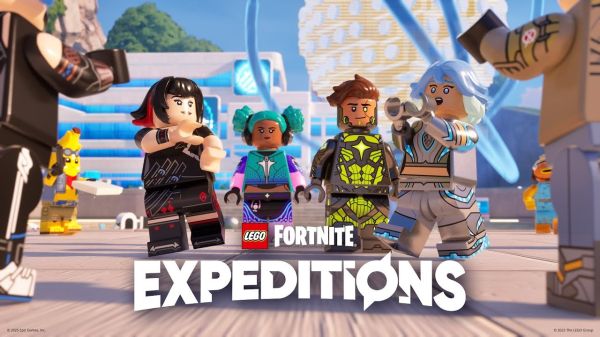
My first match in LEGO Fortnite Expeditions began at Supernova Academy, where colorful students ran between terminals while Vengeance Jones and Hope explained that Mask Maker Daigo was creating another world-ending problem. I selected a Hero Class, joined three other players, and entered a mission filled with civilians, demon guards, objectives, chests, and enemies arriving in increasingly busy waves. The structure was far more direct than the survival routine of LEGO Fortnite Odyssey because I did not need to collect wood, build a village, or prepare a long crafting chain before something interesting happened. Expeditions wanted me to choose a power set, enter a compact battlefield, and begin behaving like a plastic superhero immediately.
That directness made the mode easy to understand. LEGO Fortnite Expeditions was a four-player cooperative PvE experience built around repeatable missions, class progression, ability upgrades, equipment, community objectives, and a central academy hub. Its primary conflict involved stopping Daigo and his forces while rescuing civilians, protecting locations, destroying enemies, and investigating the strange Spires appearing around the world. It was not a replacement for Odyssey’s survival sandbox, but a faster combat-focused branch of the broader LEGO Fortnite ecosystem.
Expeditions Was a Mode, Not a Standalone Game
Accessing Expeditions through Fortnite shaped every part of the experience. I could enter from Discover or travel through Battle Bus Stations connected with Odyssey and Brick Life, which made the three LEGO experiences feel like neighboring activities inside one platform. My owned Fortnite Outfits with compatible LEGO Styles carried over visually, while account-level services, friends, parental controls, matchmaking, and store systems remained shared. The convenience was significant because no separate purchase, installation, or new account was required.
The disadvantage was that Expeditions never felt fully independent. Its identity depended on Fortnite menus, Fortnite’s update schedule, and Epic’s broader decisions about which LEGO experiences deserved continuing development. That dependence eventually became decisive when Epic discontinued the separate mode and moved its heroic mechanics into Odyssey. Expeditions demonstrated how quickly a new Fortnite experience could appear, but also how quickly it could become part of something else.
Supernova Academy Was a Stronger Hub Than Its Short Life Suggested
Supernova Academy served as a shared headquarters where I could see other players, speak with characters, manage classes, review missions, and prepare for the next deployment. The school theme gave progression a playful structure because unlocking skills felt like developing through superhero training rather than filling another generic experience bar. Vengeance Jones worked naturally as the academy founder, while Hope’s role as a mentor connected Expeditions with the larger Fortnite narrative. The hub communicated purpose more effectively than a plain mission-selection screen would have.
The academy also suggested possibilities that the mode never had enough time to explore. Dormitories, staff members, training spaces, social areas, and mysterious incidents could have supported character stories, class challenges, seasonal changes, and deeper cooperative activities. Instead, much of the location remained an attractive frame around terminals and progression menus. The Supernova Academy mission added later allowed Daigo’s forces to attack the school directly, but the broader academic fantasy still felt underdeveloped.
The Mission Terminal Kept Matchmaking Simple
At the Mission Terminal, I could select a particular operation or use Quick Play to enter a group that needed another hero. This reduced the distance between arriving at the hub and entering combat. I did not need to manage a server browser, assemble a perfect squad, or understand complicated difficulty systems before participating. The structure suited short sessions because one mission could provide a complete sequence of preparation, combat, rewards, and progression.
Quick Play also exposed the mode’s reliance on a healthy population. Match quality depended on finding players with compatible regions, objectives, and progression. A full team produced lively battles, while an incomplete or poorly coordinated group made tougher encounters feel slower. Bots or stronger adaptive scaling could have protected the mode more effectively as activity declined.
Four-Player Co-op Was the Right Size
A squad of four provided enough abilities and movement to make battles look energetic without turning every encounter into visual confusion. I could see what teammates were doing, identify when someone needed help, and understand which player was controlling a dangerous group. The classes complemented one another naturally, especially when damage-focused players worked beside support-oriented builds. Reviving a teammate or combining abilities created more satisfying moments than simply competing for the highest number of eliminations.
Public matchmaking did not always produce that cooperation. Some players sprinted toward objectives, others explored for chests, and another teammate might remain behind testing an ability. Missions rarely required extensive communication, so groups could finish through individual competence rather than genuine coordination. Expeditions was cooperative in structure, but it needed more mechanics that made teamwork essential rather than merely efficient.
The Shadow Caller Was the Most Flexible Class
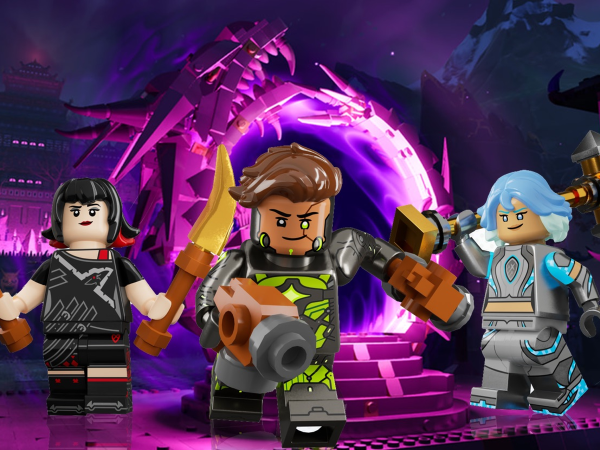
The Shadow Caller used chaotic energy, aerial movement, healing, explosive attacks, and an invulnerable escape form built around transforming into a flock of ravens. I enjoyed the class because it could influence several parts of a battle without remaining committed to one narrow role. Shadow Command damaged enemies while restoring allies, letting me support the squad through an action that still felt offensive. Flying above the battlefield also provided a useful perspective when ground-level combat became crowded.
Hero Upgrades allowed the Shadow Caller to lean further toward damage or support. This flexibility made it a safe starting class because one build could compensate for an inexperienced team while another could contribute more aggressive area damage. The weakness was that broad utility could reduce the incentive to choose a more specialized role. A well-developed Shadow Caller often seemed capable of solving too many situations without a strong trade-off.
The Hunter Made Single Targets Feel Important
The Hunter focused on closing distance, marking important enemies, and dealing concentrated damage. Its Grappler created immediate mobility, while the Bullseye Blade allowed marked targets to receive stronger or more accurate attacks from the squad. I liked this design because it turned one dangerous enemy into a shared priority rather than a large health bar everyone attacked independently. The class felt especially useful against elites and Titans that needed to disappear before the next wave added more pressure.
The Hunter depended more heavily on target selection than classes built around broad area attacks. Marking a weak enemy or entering danger at the wrong time reduced its value quickly. Large groups could also make precise focus difficult when effects and LEGO pieces filled the screen. The class was rewarding when the mission presented clear high-value targets but less distinctive during ordinary enemy cleanup.
The Rift Ripper Was Built for Crowds and Mobility
The Rift Ripper used Rift Shards, Rift Crystals, Rift Jump, and Rift Dodge to control groups and reposition rapidly. Rift Crystals provided area damage while enhancing Rift Rippers and offering smaller benefits to other classes nearby. This created a useful reason to place abilities with the team in mind rather than throwing every power toward the nearest enemy. The class communicated its role clearly through large effects and frequent movement.
Area power naturally became valuable in a mode dominated by enemy waves. The Rift Ripper could clear weaker groups before slower attacks became necessary, making it satisfying during the busiest encounters. That strength also contributed to repetition because similar waves were often solved through the same ability sequence. More enemies capable of disrupting crystals, changing elevation, or forcing relocation would have made the class require greater adaptation.
Switching Classes Encouraged Experimentation
Classes could be changed through a terminal at the academy, allowing me to try another play style without creating a new character or account. Each class maintained its own progression, so experimentation created a new development path rather than erasing previous work. I appreciated being able to begin as a support-oriented Shadow Caller and later test the Hunter’s focused aggression. The system respected the idea that a superhero academy should allow students to explore different disciplines.
Separate class progression also created repeated work. A player who wanted every class at a strong level needed to replay similar missions several times. Shared account upgrades or faster secondary-class growth could have reduced that friction. The mode encouraged variety conceptually while its progression encouraged commitment to one efficient main class.
Hero XP Provided a Clear but Conventional Progression Loop
Completing missions and defeating enemies awarded Hero XP for the selected class. Levels provided Skill Points used on Hero Upgrades, gradually increasing effectiveness or supporting a more specialized build. This gave every successful mission a visible purpose beyond one temporary reward chest. Even when the mission itself felt familiar, another level or upgrade remained close enough to provide momentum.
The progression tree did not offer the depth of a full action RPG. Many choices improved damage, survivability, healing, cooldown behavior, or other expected statistics rather than transforming how the class functioned completely. This kept the system accessible for younger and casual players but limited long-term build creativity. Expeditions needed more ability-changing upgrades capable of producing clearly different versions of the same hero.
Hero Weapons Were More Interesting Than Ordinary Loot
Expeditions included weapons such as the Bullseye Blade and Plasma Pistols, designed around active movement and superhero presentation. Plasma Pistols could be aimed or fired from the hip, overheated during sustained use, and supported a spinning sprint attack that combined movement with continuous fire. These weapons felt more expressive than simply finding a rifle with a slightly larger number. Their animations and LEGO styling matched the playful combat tone.
Weapon variety was still limited compared with the enormous Fortnite arsenal. Once I had identified an effective option, new mission drops often felt less exciting. A stronger system of weapon modifiers, class interactions, and alternate attacks could have supported more experimentation. The later transfer of heroic weapons into Odyssey showed that their design had value beyond the original mode.
Gadgets Added Statistics Without Defining a Build
Gadgets could be found during missions or obtained from vendors, and up to three could be equipped to improve statistics. They offered another reason to explore maps and examine rewards instead of moving directly between objectives. Choosing gadgets allowed modest adjustment toward damage, protection, movement, or class synergy. The system was easy to understand and did not interrupt the pace with extensive inventory management.
Gadgets rarely changed my perception of a class as strongly as abilities or weapons did. Many functioned as useful numerical enhancements rather than memorable pieces of equipment. A more ambitious gadget system could have introduced deployable tools, unusual defensive options, or effects activated through specific actions. As implemented, gadgets supported progression without becoming a major creative layer.
Combat Felt Better Than Odyssey’s Early Survival Fighting
Expeditions benefited from concentrating on combat instead of asking one system to support gathering, crafting, building, exploration, and survival simultaneously. Abilities had clearer impact, enemies appeared in larger numbers, and movement was designed around entering and escaping groups rapidly. The controls remained accessible while producing a faster rhythm than swinging basic tools at Odyssey creatures. Combat finally felt like a central activity rather than an obstacle between resource runs.
The basic enemy interactions were not deep enough to support very long sessions. Many encounters involved using available powers, moving away from danger, and attacking until the wave ended. Enemy resistance, positioning, status interactions, and coordinated formations remained limited. Expeditions improved the feel of LEGO Fortnite combat without reaching the mechanical depth of a dedicated cooperative action game.
Enemy Waves Created Energy and Repetition Together
Daigo’s forces often attacked in waves, allowing missions to escalate through increasing numbers or stronger enemy types. Wave structures made class abilities immediately useful because damage areas, healing, movement, and target marking all had regular opportunities to matter. A quiet location could become chaotic within seconds, and surviving the final group provided a clear sense of completion. The system also made missions easy to understand for players joining through Quick Play.
Repeated waves became predictable once I understood the available enemies. The challenge often came from quantity and durability rather than an evolving tactical problem. More dynamic commanders, environmental changes, branching objectives, or enemies that reacted to class composition could have expanded the structure. The waves were enjoyable in short sessions but insufficient as the foundation for a lasting PvE game.
Demon Guards Provided Readable Basic Threats
Standard Demon Guards used recognizable weapons such as bows, dynamite, swords, and direct melee attacks. Their clear silhouettes and behaviors made crowded battles manageable because I could identify a ranged threat or explosive attack quickly. Elite variants carried stronger equipment, including dual daggers, hammers, and Plasma Pistols. This created an understandable hierarchy without requiring players to memorize a large bestiary.
The enemy roster needed greater breadth. Repeated guard types made different locations feel mechanically similar even when their architecture changed. Elemental variants, defensive formations, healers, builders, vehicles, or class-countering enemies could have created more distinct combat puzzles. Daigo’s army looked appropriate but did not develop enough separate identities.
Kora Was More Memorable Than the Regular Army
Kora used paranormal mobility, melee and ranged attacks, and summoned reinforcements. Her speed made her harder to control than standard enemies, while the ability to add more targets increased pressure on an unprepared squad. She felt like a named rival rather than a larger version of an ordinary guard. Encounters involving her gave the narrative conflict a more personal face.
Expeditions could have benefited from several recurring lieutenants with different relationships to the academy and classes. One notable enemy was not enough to carry a campaign built around superhero education. Rival students, corrupted heroes, specialist commanders, and villains with evolving tactics would have strengthened both story and replay value. Kora showed the potential without receiving enough company.
Titans Created Scale but Needed Stronger Mechanics
Titans were large enemies intended to threaten a whole squad. Their size communicated danger immediately, and focusing a Titan while smaller enemies continued attacking created the basic tension of a boss-like encounter. Hunter marks, area effects, healing, and coordinated weapon fire all became more valuable. Defeating one produced the satisfying spectacle expected from LEGO superhero combat.
Large health pools alone do not create memorable bosses. Titans needed more varied phases, destructible armor, environmental interactions, class-specific vulnerabilities, or attacks requiring coordinated responses. Once the basic pattern became familiar, later fights felt like repetitions with increased pressure. The mode understood the visual importance of a giant enemy but did not always provide an equally large tactical idea.
Daigo Was a Clear Villain but Not a Deep One
Mask Maker Daigo served as the central threat behind the Spires, demon forces, and attacks across mission locations. His design and title gave the campaign an immediate comic-book identity. I always understood why the academy was sending heroes into danger and what the larger mission was trying to prevent. For a cooperative mode aimed at a broad audience, that clarity was useful.
The story rarely gave Daigo enough presence to become genuinely interesting. His motivations and relationships were less developed than the setup suggested, while repeated enemy attacks carried more gameplay weight than narrative meaning. A longer campaign might have explored the masks, the Spires, and the personal cost of his plan in greater detail. Expeditions closed before its central villain could become more than an effective theme.
Utopia City Was the Most Natural Superhero Location
Utopia City placed missions inside an urban environment where civilians needed rescue, communication relays required activation, and Field Generators had to be deployed against further attacks. Streets, rooftops, damaged areas, and public infrastructure created objectives that fit superhero fiction naturally. Saving people gave combat a purpose beyond removing every enemy from the map. The class movement abilities also benefited from urban verticality.
The city needed more interaction and variation to feel like a living place under attack. Civilians followed limited behaviors, structures were mostly mission scenery, and repeated objectives revealed the map’s boundaries quickly. Dynamic destruction, traffic hazards, moving evacuations, and alternate routes could have made every deployment feel less scripted. Utopia City had the strongest fantasy but only a modest simulation of that fantasy.
The Spire Excavation Site Connected Combat With the Mystery
The excavation location placed players near the structures central to Daigo’s plan. Fighting around active work sites, equipment, and exposed Spires made missions feel connected with an investigation rather than a random attack. The environment communicated that the enemy was building or uncovering something important. This helped the campaign maintain direction between academy conversations.
Environmental storytelling remained light. I wanted to inspect equipment, uncover documents, activate different systems, or make choices affecting what information returned to the academy. Instead, the location generally supported familiar combat and objective patterns. The map provided context without turning that context into a deeper mechanic.
Busted Bridge Was Appropriately Silly
The broken bridge embraced the recurring superhero image of public infrastructure being destroyed during every major incident. The location created narrow paths, exposed areas, and opportunities for movement abilities to feel useful. Its self-aware presentation suited the LEGO tone because the game could acknowledge the absurdity without abandoning the mission. A bridge being repeatedly damaged felt like both a crisis and a running joke.
The geometry could also create awkward combat when enemies, teammates, and effects occupied restricted spaces. Falling or becoming separated was more annoying than strategically meaningful. Additional construction or repair mechanics might have connected the location with LEGO building more effectively. The map used the visual language of LEGO without giving players much ability to rebuild it.
Supernova Academy’s Defense Mission Gave the Campaign Its Best Stakes
The July 2025 update turned the academy itself into a mission map as Daigo’s forces attacked the place where players had trained. Returning to a familiar hub under threat created stronger stakes than defending another anonymous location. Areas that had previously felt safe became battle spaces, and the attack suggested that the villain was responding directly to the heroes’ progress. It was the closest Expeditions came to making its setting evolve.
The addition arrived too late to become the foundation for a larger escalation. Further attacks, damaged academy sections, staff-specific objectives, and changing social spaces could have created a seasonal narrative. Instead, the map became one final notable expansion before the mode was merged into Odyssey. It demonstrated that Expeditions had room to grow at the exact moment its future became limited.
Exploration Was Rewarding but Secondary
Missions allowed detours for chests, resources, currency, gear, and civilians requiring assistance. This gave players a reason to move away from the direct objective path and inspect side areas. Finding useful equipment before a difficult wave created a small preparation phase within each deployment. Exploration also allowed slower teammates to contribute without competing only through combat statistics.
The maps were not large or systemic enough to support deep discovery. Chest locations and side activities became familiar, while the mission structure encouraged efficient completion after several runs. Procedural variations, hidden rooms requiring particular class abilities, and optional minibosses could have expanded replay value. Exploration was a useful layer but never an alternative style of play.
Community Projects Made the Academy Feel Shared
Community Projects asked players collectively to contribute toward academy development and shared goals. This provided a sense that individual missions were supporting something larger than one personal progression bar. Seeing other students in the hub reinforced the idea that the academy belonged to a broader hero community. The mechanic fit Fortnite’s ability to coordinate large player populations around temporary goals.
The results needed stronger permanence and visibility. Community progress is more satisfying when it changes locations, unlocks activities, or creates structures that remain meaningful afterward. Temporary contributions can become another checklist when the final effect is mostly cosmetic or quickly forgotten. The short lifespan of Expeditions prevented these projects from becoming a genuine history of the academy.
The LEGO Presentation Made Combat Approachable
Enemies, weapons, environments, effects, and characters used LEGO styling without losing Fortnite’s readable movement and camera design. Defeated enemies and damaged objects could break apart with satisfying visual clarity. The presentation kept fights playful even when the story involved world destruction and demonic forces. Younger players could understand the danger without the visual intensity of a more realistic action game.
The mode did not use LEGO construction as deeply as its visual identity suggested. Build and Decor items from Odyssey were unavailable during Expeditions missions, so players could not create defenses, solve objectives through construction, or reshape arenas extensively. This kept combat balanced and readable, but it removed the mechanic most closely associated with LEGO. Expeditions often looked like LEGO while playing more like a conventional class-based Fortnite mode.
Removing Building Helped Combat and Weakened the Concept
Disabling personal builds ensured that teams could not bypass mission routes, trap enemies unpredictably, or create performance problems through enormous constructions. It also allowed designers to control sightlines, movement challenges, and objective spaces. Combat became easier to balance because every player entered the same designed environment. For quick matchmaking, this decision was understandable.
Building could still have appeared through limited mission-specific tools. Repairing cover, assembling temporary turrets, constructing evacuation routes, or choosing between defensive structures would have connected superhero combat with LEGO creativity. The complete absence of building made the title feel less distinctive than it could have been. Expeditions solved one design problem by removing a large part of LEGO Fortnite’s identity.
The Visual Effects Were Energetic but Sometimes Too Busy
Rift abilities, shadow attacks, Plasma Pistols, explosions, enemy weapons, healing effects, and LEGO debris filled battles with color and movement. This helped every class feel powerful and gave large waves an appropriately exaggerated tone. Important abilities were generally recognizable by shape and color. The game remained readable in ordinary encounters.
Busy fights reduced clarity when several heroes used large abilities at the same time. Smaller enemies disappeared beneath effects, and dangerous attacks could blend into the general spectacle. Adjustable teammate-effect intensity would have improved accessibility and tactical awareness. The problem was less severe than in many mature online action games, but it became noticeable during larger battles.
Audio Supported the Superhero Tone Without Creating Strong Memories
Weapons, abilities, enemy attacks, objective notifications, LEGO impacts, and mission announcements provided clear feedback. Plasma fire sounded distinct from melee attacks, while large enemy arrivals received enough weight to demand attention. The academy’s voices and ambient presentation gave the hub a lighter tone between deployments. Audio rarely interfered with understanding the current objective.
The soundtrack lacked the thematic strength needed to make individual missions emotionally distinctive. I remember the visual style of the academy and classes more clearly than the music accompanying them. Strong class themes, villain motifs, and escalating mission tracks could have given the campaign greater identity. The sound was functional and polished without becoming a central attraction.
Performance Benefited From Fortnite’s Established Technology
Expeditions ran inside Fortnite’s mature cross-platform framework, supporting PC, PlayStation, Xbox, Nintendo Switch, mobile access where available, and cloud-based services. Matchmaking, controller support, account progression, and LEGO Outfit compatibility arrived through systems already tested across a large ecosystem. On capable hardware, battles remained smooth despite numerous enemies and effects. Loading between the academy and missions was generally manageable.
Lower-powered platforms could experience reduced image quality, longer loading, or frame-rate instability during busy encounters. Fortnite updates occasionally introduced unrelated technical issues capable of affecting every experience. Because Expeditions was not a separate client, players could not install only the mode they wanted. The convenience of one platform came with the storage and maintenance demands of the full Fortnite ecosystem.
Cross-Play Made It Easy to Assemble a Squad
Cross-platform matchmaking was one of Expeditions’ practical strengths. Friends could join without owning the same console, and the broader Fortnite population increased the chance of filling public missions. The simple four-player structure translated well between controller, keyboard, and touch-compatible configurations. Cooperative PvE also reduced many of the input-balance arguments associated with competitive cross-play.
Voice communication and social comfort still varied between platforms and age groups. Fortnite’s parental controls and safety tools were important because LEGO experiences attracted families and younger players. The missions did not require voice chat, which protected accessibility but limited tactical coordination. Ping tools and clear objective markers carried most public groups successfully.
The Mode Was Free but Existed Inside a Large Store Ecosystem
LEGO Fortnite Expeditions did not require a separate purchase. Hero Classes, missions, maps, and basic progression were available through Fortnite, allowing anyone with a compatible device and account to participate. I never needed to purchase power in order to complete missions. The core experience remained approachable for free players.
Fortnite’s broader monetization remained visible through Outfits, LEGO Styles, Battle Passes, bundles, and other cosmetic products. Expeditions allowed compatible owned Outfits to appear in LEGO form, giving store purchases additional use across modes. Cosmetics did not improve class damage or mission rewards, so the system was not pay-to-win. It still used the attraction of superhero and LEGO appearances to encourage spending around a free activity.
The Battle Pass Connection Was Commercially Effective
Launching Expeditions during a superhero-focused Fortnite period created natural visual synergy. Players could use suitable Outfits in LEGO Style, including characters connected with the active Battle Pass and Item Shop. This made the academy look like a collection of different heroes rather than an army of identical recruits. Cosmetic variety improved the social hub without affecting gameplay balance.
Limited passes and rotating store availability introduced familiar urgency. A player who enjoyed one character’s LEGO Style might need to obtain the Outfit during a specific period. The mode itself was free, but its strongest expression of personal identity remained connected with Fortnite’s commercial schedule. I could ignore the store completely, though the surrounding interface rarely allowed me to forget that it existed.
Expeditions Was Not Pay-to-Win
Purchasing an Outfit did not unlock stronger Hero Classes, more Skill Points, superior gadgets, or exclusive mission advantages. Progress came from playing missions, defeating enemies, earning Hero XP, and improving the selected class. Matchmaking did not place paying players into a mechanically stronger category. The important combat systems remained shared by everyone.
The absence of purchased power made the eventual closure more disappointing because the mode had a fair foundation capable of supporting long-term development. Its problem was not an exploitative combat economy. It was limited content, shallow repetition, and insufficient separation from the priorities of the wider LEGO Fortnite platform. Expeditions needed more reasons to stay, not more items to buy.
The Merger With Odyssey Was Practical and Still Felt Like a Cancellation
Epic announced that Expeditions would merge into LEGO Fortnite Odyssey on November 1, 2025, allowing the development team to focus on Odyssey and Brick Life. Hero mechanics arrived in Odyssey through craftable Hero Weapons and Ability Equipment, while former Expeditions players received the Mask Maker Decor Bundle as a thank-you. From a production perspective, combining the combat systems with the larger survival world reduced the need to maintain another separate experience. Good mechanics could continue existing where more players already spent time.
Calling the change a merger did not preserve the original mode’s full identity. The academy, repeatable mission queue, class-based squad structure, maps, and dedicated progression loop were no longer available as one independent package. Odyssey gained pieces of Expeditions, but players who preferred short four-player deployments lost the exact experience they had been playing. It was a sensible consolidation and an unmistakable discontinuation at the same time.
Hero Weapons Fit Odyssey Better Than I Expected
Bringing heroic equipment into Odyssey allowed abilities and special weapons to interact with crafting, exploration, village building, survival, and a much larger world. The tools gained more contexts than they had inside compact missions. A mobility ability could support travel, while powerful weapons could help defend settlements or fight major enemies. The merger therefore expanded their practical usefulness.
Odyssey does not reproduce the same class teamwork. Craftable equipment allows players to combine tools more freely, weakening the clear Shadow Caller, Hunter, and Rift Ripper identities. This supports sandbox creativity but reduces role specialization. Expeditions treated powers as a curriculum; Odyssey treats them as another part of the crafting ecosystem.
The Closure Exposed the Risk of Live-Service Investment
Hero XP and class upgrades encouraged players to invest time in a persistent progression path. When the mode closed, that progression did not continue in its original form. Players kept broader account cosmetics and received a decorative thank-you item, but the meaning of developed classes disappeared with the mission structure. This is a familiar risk whenever progression exists inside an experience controlled entirely by a live-service roadmap.
The short lifespan makes a current recommendation impossible because there is nothing left to queue for. I can evaluate Expeditions as a historical mode and recommend Odyssey as the place to find some of its mechanics. I cannot advise a new player to begin the academy campaign or develop its classes today. The game’s availability status is therefore its largest flaw, not a minor note below the review.
What Expeditions Did Better Than Odyssey
Expeditions reached combat quickly, gave squads recognizable roles, and provided short missions with clear beginnings and endings. I did not need to maintain a survival world, collect construction materials, or manage a village before testing a heroic ability. The academy made progression easy to understand, while Quick Play made one-session participation convenient. For players who wanted LEGO action rather than a long sandbox, the format was stronger.
It also created a clearer cooperative purpose. Odyssey allows large groups and shared building, but friends may pursue separate projects across an enormous world. Expeditions placed four heroes inside one operation with common objectives. Even when teamwork remained shallow, everyone was at least moving toward the same immediate result.
What Odyssey Did Better Than Expeditions
Odyssey provides persistent worlds, exploration, crafting, building, villages, vehicles, creatures, resources, major updates, and far more opportunities for personal creativity. Its systems interact across longer sessions, allowing players to establish projects and return to them later. Expeditions could not compete with that breadth. Its maps and missions became familiar far more quickly.
Odyssey also uses the LEGO concept more completely. Building and reconstruction are central rather than decorative, while physics and player-created structures can change how a problem is approached. Expeditions looked like a LEGO game but restricted much of the construction freedom. Merging heroic tools into Odyssey joined the stronger combat ideas with the stronger LEGO sandbox.
My Biggest Frustrations
Mission variety was limited, enemy waves became predictable, and the class upgrade trees offered fewer transformative choices than I expected. The maps had clear themes but not enough procedural variation or environmental interaction to support constant replay. Titans needed deeper mechanics, regular enemies needed greater diversity, and public groups rarely needed serious coordination. The absence of construction made the mode easier to balance but reduced its LEGO identity.
The larger frustration is that Expeditions was retired only a few months after launch. Supernova Academy, class progression, community projects, mission maps, and the conflict with Daigo suggested a longer campaign that never fully developed. Hero Weapons and Ability Equipment survived inside Odyssey, but the focused four-player PvE structure did not. The mode ended while still feeling like an extended foundation for future content.
Who Would Have Enjoyed LEGO Fortnite Expeditions?
Expeditions was best suited to players who wanted accessible cooperative PvE, superhero powers, LEGO visuals, clear class roles, short missions, and progression without the responsibilities of a survival sandbox. Families and younger players could understand the objectives quickly, while experienced Fortnite users could use familiar movement and account systems. Groups of friends benefited from the simple four-player format. The complete lack of purchased combat advantages also made it an approachable free activity.
Players seeking deep action mechanics, advanced loot building, difficult team roles, extensive boss design, or large narrative campaigns would have found it limited. Odyssey fans interested mainly in construction and persistent worlds had little creative freedom during Expeditions missions. Solo players could participate through matchmaking, but the mode was clearly designed around squads. Anyone considering it now needs to understand that the original experience can no longer be played.
My Final Verdict
LEGO Fortnite Expeditions was a promising cooperative experiment that gave LEGO Fortnite faster combat, recognizable classes, a charming superhero academy, and missions that respected short play sessions. Shadow Caller, Hunter, and Rift Ripper offered distinct foundations, while Utopia City, the Spire Excavation Site, Busted Bridge, and Supernova Academy gave the campaign a clear comic-book structure. The combat was accessible, the LEGO presentation remained friendly, and four-player cross-platform matchmaking made joining easy. Its strongest ideas deserved more maps, villains, class branches, mission modifiers, bosses, and cooperative mechanics.
The mode never received enough time to become the long-term PvE game its academy framework suggested. Repetitive enemy waves, shallow gadgets, limited builds, modest environmental interaction, and the absence of LEGO construction restricted its replay value. Epic’s decision to merge Hero Classes into Odyssey preserved useful equipment but removed the dedicated mission experience entirely. As a historical mode, I rate LEGO Fortnite Expeditions 7.7/10. It was a fun first semester at superhero school, but the academy closed just as I was beginning to believe the real curriculum was about to start.
Pros:
- Engaging building mechanics that encourage strategic planning
- High replay value with regular updates and fresh content
- Accessible installation process across multiple platforms
- Extensive customization options for characters, vehicles, and weapons
- Active community support with approved mods and user-generated content
- Innovative fusion of LEGO creativity with Fortnite-style gameplay
Cons:
- Occasional balancing issues with integrated mods and community enhancements
- Limited compatibility and performance on older or lower-end hardware
- Steep learning curve for new players adjusting to both building and combat mechanics








Recent Reviews

Minecraft

Grand Theft Auto V

Toca Boca World

Roblox

Leave a comment
Your comment is awaiting moderation. We save your draft here
0 Comments