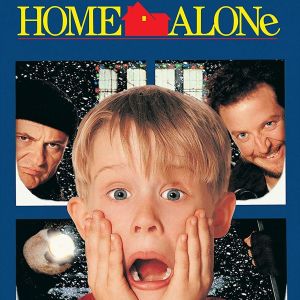
Review
Home Alone has the rhythm of a holiday movie, but I have always experienced it more like a compact survival game. Kevin McCallister beg...
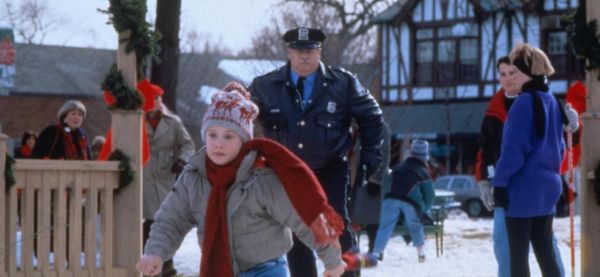
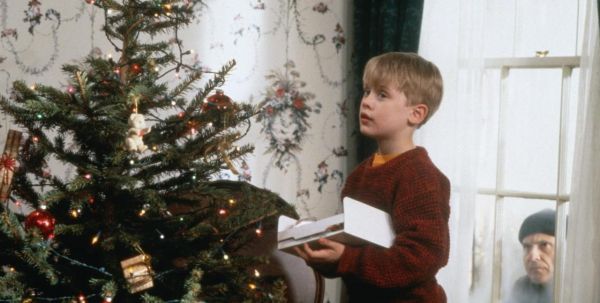
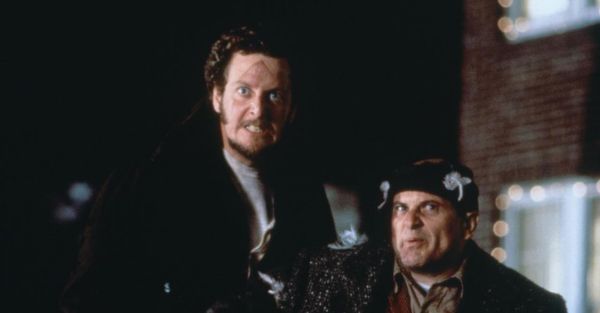
Home Alone: Celebrating Ingenuity, Laughter, and Family Bonds in the Digital Era
Home Alone has the rhythm of a holiday movie, but I have always experienced it more like a compact survival game. Kevin McCallister begins with a familiar home, limited resources, and no adult supervision. Then the house becomes a map, everyday objects turn into equipment, and two persistent intruders become enemies whose movements must be predicted.
That structure is one reason the film remains so easy for me to revisit. The story is simple enough to understand immediately, yet the details make each stage memorable. The early family chaos, Kevin’s brief excitement about independence, the growing loneliness, and the final defense of the house all feel like distinct chapters rather than one repeated joke.
Level One: Surviving the McCallister House
Before the burglars appear, Kevin’s first challenge is his own family. The McCallister home is overcrowded, noisy, and full of people competing for food, space, and attention. Kevin is not presented as completely innocent. He complains, argues, and reacts impulsively, but the environment makes his frustration understandable.
I like how the opening establishes the family through movement rather than long introductions. People cross rooms, shout instructions, pack luggage, search for belongings, and create new problems while trying to solve old ones. The house feels alive before Kevin is ever left alone.
The dinner argument is important because it gives emotional context to the entire story. Kevin wishes his family would disappear, and the next morning seems to grant that wish. The comedy comes from the coincidence, but the emotional tension comes from Kevin gradually realizing that freedom without connection is not as satisfying as he imagined.
Being Alone Looks Better in the Tutorial
Kevin’s first hours alone feel like the reward section of a game. He eats what he wants, watches material normally forbidden to him, jumps on the bed, and explores the house without interruption. Every rule appears to have been removed.
As a child, I understood why this fantasy looked exciting. The film allows Kevin to enjoy it fully before revealing the cost. He does not immediately panic or become helpless. He experiments with independence and treats the house as his personal territory.
The famous gangster movie scene is a perfect example of Kevin turning entertainment into a tool. He first watches it because he can, then later uses its audio to manipulate other people. The film repeatedly shows him learning from his surroundings and reusing what he discovers.
This makes Kevin feel capable without making him unbelievable. He is not an expert survivalist. He is an imaginative child who understands the layout of his home better than the adults trying to enter it.
The Grocery Store Scene Proves Kevin Is Growing
The traps receive most of the attention, but the quieter errands are what make Kevin’s independence convincing. Going shopping alone is not presented as a grand action sequence. It is awkward, practical, and slightly intimidating.
I enjoy watching him prepare for the trip because he imitates adult behavior. He makes a list, handles money, speaks carefully, and tries to appear as though nothing about the situation is unusual. His confidence is partly real and partly performance.
The scene also creates a small obstacle when the shopping bags break on the way home. It is a simple visual joke, but it reminds me that Kevin is still learning how ordinary tasks work. Independence is not only eating ice cream and ignoring bedtime. It means carrying groceries, doing laundry, cleaning up, and solving small problems without help.
Those details make the later defense of the house feel more earned. Kevin has already spent time turning fear into action before the main threat arrives.
Harry and Marv Enter Like a Two-Player Rival Team
Harry and Marv work because they are dangerous enough to create tension but foolish enough to support physical comedy. Harry is the planner. He observes the neighborhood, gathers information, and tries to maintain control. Marv is more impulsive and regularly exposes their weaknesses.
Their partnership feels strangely believable. They argue, blame one another, and make poor decisions, yet they continue working together because each one needs the other. Harry provides direction, while Marv contributes confidence that is rarely supported by good judgment.
I also like that they underestimate Kevin for understandable reasons. From their perspective, the house appears empty and the child inside should be easy to frighten. They do not know that Kevin has time to prepare, complete knowledge of the environment, and a growing determination to protect it.
The burglars enter the final section believing they control the encounter. Kevin has already converted the house into a sequence of planned challenges.
The House Becomes a Tactical Map
Once Kevin decides to defend the home, I start viewing every room differently. The staircase is no longer just a route between floors. The basement, kitchen, front entrance, windows, hallway, and exterior steps each become potential points of control.
Kevin’s advantage comes from environmental knowledge. He understands which doors the burglars will try, where they are likely to step, and how one trap can redirect them toward another. His plan is not perfectly realistic, but it has clear spatial logic.
The preparation montage is one of my favorite sequences because it creates anticipation without revealing every result immediately. Kevin collects materials, moves equipment, ties ropes, heats objects, and studies the house. I can see that a strategy is forming, even when I do not yet know exactly how each element will work.
This is similar to preparing a defensive setup in a game. The satisfaction comes from watching an earlier choice become useful later. A small object placed during preparation may produce the biggest reaction during the encounter.
Kevin’s Inventory Is Mostly Household Junk
The film’s creativity comes from using ordinary items instead of specialized equipment. Kevin works with whatever is already available inside or around the house.
- toy cars become floor hazards;
- ornaments become painful obstacles;
- paint cans become swinging defenses;
- a heated handle protects an entrance;
- ice changes a normal staircase into a trap;
- a pet becomes an unexpected source of panic;
- audio recordings create the illusion of adult protection.
Each item is visually simple, so I understand the setup and payoff immediately. The film does not need technical explanations. I see the object, recognize its normal purpose, and then watch Kevin use it in a completely different way.
The exaggeration is part of the appeal. In reality, the burglars would be seriously injured very early in the sequence. Within the film’s cartoon-like logic, they absorb increasing amounts of punishment and continue moving. That allows the scene to escalate without ending after the first successful trap.
The Trap Sequence Works Because It Has Progression
The final home defense is not a random collection of impacts. It has a clear progression. Harry and Marv first attempt obvious entrances, then adapt, split up, and move deeper into the house. Kevin’s plan becomes more complicated as they get closer to him.
Some traps delay the burglars. Others disorient them or force them onto a different route. Kevin is rarely standing still waiting for a single perfect result. He is moving through the house, monitoring their progress, and adjusting when necessary.
The sequence also gives both burglars individual moments. Harry’s frustration becomes increasingly aggressive, while Marv’s reactions become more expressive and chaotic. Their personalities remain visible even during rapid physical comedy.
What I appreciate most is the clarity. I always know where Kevin is, where the burglars are, and what the immediate objective is. The editing keeps the action fast without making the geography confusing.
Not Every Threat Is Actually Dangerous
Old Man Marley represents a different kind of fear. Kevin has built an image of him from neighborhood stories, limited observations, and his own imagination. Marley appears threatening because Kevin has never had a real conversation with him.
The church scene changes that relationship without requiring a dramatic reveal. Marley is not presented as a secret superhero or mysterious guardian. He is simply a lonely man dealing with a damaged family relationship.
I find this conversation essential because it gives Kevin a chance to think beyond his immediate situation. Marley’s regret reflects Kevin’s fear that anger can create distance from the people he loves. Both characters want family connection but are afraid of rejection.
The scene also gives the film emotional breathing room before the home defense begins. Kevin is still preparing to face a physical threat, but the conversation addresses the deeper problem: he no longer truly wants to be alone.
Kevin’s Mother Has Her Own Journey Home
Kate McCallister’s storyline keeps the film from treating Kevin’s abandonment as a convenient setup with no emotional consequence. Once she understands what happened, her entire objective becomes returning to him.
Her journey is less visually playful than Kevin’s, but it carries urgency. She faces unavailable flights, crowded airports, transportation problems, and the limits of what other people can do to help. Every delay increases her fear that Kevin may be frightened or unsafe.
I like that she is not portrayed as careless after the mistake is discovered. The original failure results from a chain of confusion, not indifference. Her determination to return makes the reunion emotionally satisfying rather than merely expected.
The scene with the traveling musicians also gives her journey a warmer tone. Their offer is unconventional, but it demonstrates that help can arrive from people outside the family when formal systems fail.
The Comedy Depends on Sound as Much as Movement
Home Alone would not feel the same without its sound design. Every impact, slip, crash, scream, and sudden movement is exaggerated enough to make the physical comedy readable.
Marv’s reactions are especially important. The sounds he makes often extend the joke beyond the trap itself. His pain becomes so theatrical that the scene moves away from realism and into live-action cartoon territory.
The music also gives the film a sense of scale. Quiet winter streets, family chaos, Kevin’s moments of fear, and the final reunion all receive distinct emotional support. The score makes the house feel magical, threatening, and comforting at different points in the story.
I often notice how the music changes the same location. During Kevin’s early freedom, the house feels like an open playground. At night, shadows and quieter sound make it feel too large. During the trap sequence, the familiar rooms become part of an energetic action set piece.
The Film Understands Childhood Logic
Kevin does not react like a miniature adult. His priorities, fears, and solutions are shaped by a child’s perspective. He worries about the basement furnace, believes neighborhood stories, takes pride in small acts of independence, and uses imagination to make the empty house feel occupied.
At the same time, the adults are not always more sensible. The family forgets Kevin because their system is rushed and chaotic. The burglars repeatedly enter obvious traps because they are angry and overconfident. Kevin survives partly because the adults around him underestimate how much a child notices.
This balance prevents the story from becoming either too serious or too childish. Kevin’s emotions are genuine even when the situations are exaggerated. He can be clever enough to defend the house and still need his mother at the end.
The Christmas Setting Is More Than Decoration
Snow, lights, music, crowded travel, decorated houses, and family traditions create an immediately recognizable holiday atmosphere. However, Christmas also strengthens the story’s central contrast between isolation and connection.
Kevin has access to a large decorated home, gifts, food, and freedom, but those things lose value when he believes his family may not return. The holiday surroundings make the empty rooms feel even quieter.
The church, neighborhood decorations, and final reunion reinforce the idea that Christmas is meaningful because of the people involved, not only the visual traditions. The film communicates this without abandoning its comedy.
I can enjoy the traps at any time of year, but the emotional structure works especially well during the holiday season. The story begins with a child rejecting his family and ends with him actively waiting for their return.
Some Elements Belong Clearly to Their Era
Home Alone is built around a communication problem that would be much harder to sustain in a modern setting. Mobile phones, home cameras, messaging apps, and digital travel systems could solve parts of the situation quickly.
That limitation does not weaken the film for me. Instead, it gives the story a specific kind of charm. Kevin must rely on landline phones, physical observation, local adults, and his knowledge of the house. His family cannot simply open an app and confirm where he is.
The film also reflects an older style of family comedy. The household is louder, the physical humor is harsher, and the children are given more independence than many modern stories would allow.
Some behavior is exaggerated or uncomfortable when viewed literally, but the film’s tone makes its intentions clear. It is not presenting a realistic guide to child safety or home defense. It is building a holiday fantasy around competence, fear, and family reconciliation.
The Victory Is Not the Final Emotional Reward
Kevin successfully delays Harry and Marv, escapes the final confrontation, and helps bring their criminal activity to an end. In a conventional adventure story, that would be the complete victory.
Home Alone saves its strongest reward for the morning after. Kevin wakes up expecting his family to be back and initially finds the house still quiet. His disappointment shows that defeating the burglars did not solve what he wanted most.
When his mother enters, the film allows the reunion to remain simple. Kevin does not deliver a long speech about what he learned. His expression carries most of the moment.
The rest of the family follows, restoring the noise and disorder that Kevin once wanted to escape. The home is no longer peaceful, but it is complete again. Even Buzz’s reaction to his damaged room helps return the family to its normal rhythm.
Why I Still Rewatch It
I return to Home Alone because the film balances several different experiences without making them feel disconnected. It is a family comedy, a holiday story, a childhood independence fantasy, and a carefully staged piece of physical action.
The story never needs a large world. Most of its memorable moments happen inside one house and the nearby neighborhood. That limited setting gives every room a purpose and allows the audience to understand Kevin’s plan.
From my gamer’s perspective, Kevin begins with no visible advantage except map knowledge and preparation time. He studies the environment, creates an improvised inventory, predicts enemy routes, and survives a final encounter that becomes increasingly difficult.
Yet the film does not suggest that independence means needing nobody. Kevin proves that he can take care of himself for a while, but his real growth comes from recognizing that family remains important even when living with them is frustrating.
That combination gives Home Alone its lasting identity. The traps make me laugh, the house gives the film its playground, and the Christmas setting creates warmth. The reason the story remains meaningful, however, is that Kevin’s biggest wish changes. At the beginning, he wants everyone gone. By the end, the only thing he wants is to hear them come through the door.
Pros:
- Innovative and memorable practical effects that still entertain
- A strong narrative balance of suspense, comedy, and heartwarming moments
- An inviting storyline that reinforces family togetherness
- Visually engaging cinematography that highlights creative set pieces
- Easily accessible through various streaming and download platforms
- Timeless humor that appeals to both young and old
Cons:
- The storyline can be predictable due to its well-known premise
- Character development in supporting roles is somewhat limited
- Some special effects and slapstick humor may feel dated for modern audiences









Movie Reviews

Minecraft

Grand Theft Auto V

Toca Boca World

Roblox

Leave a comment
Your comment is awaiting moderation. We save your draft here
0 Comments