
Review
Backrooms: Escape Together gave me one of those rare horror-game sessions where I was nervous even when nothing was happening. I could...
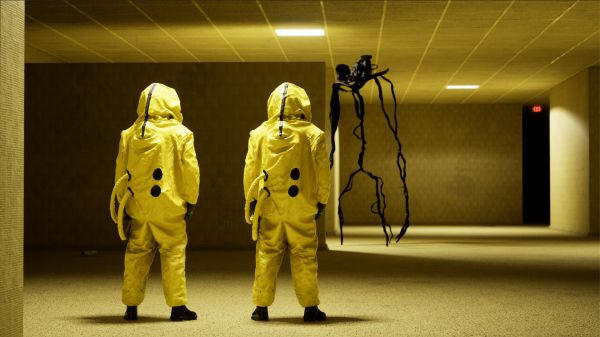


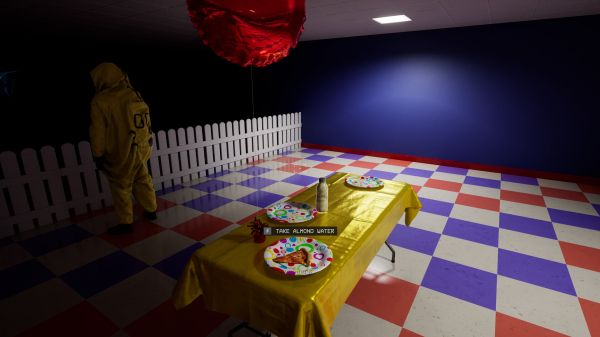


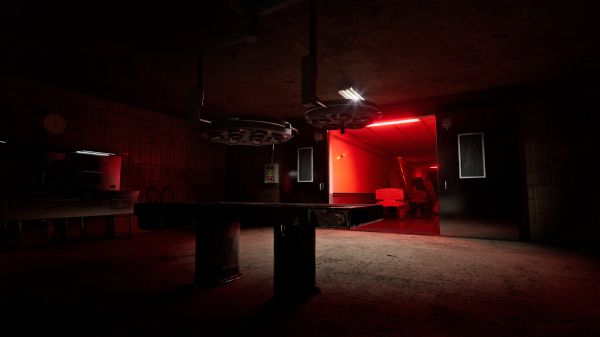
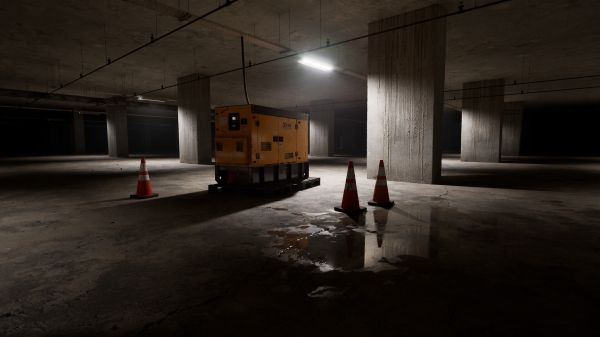


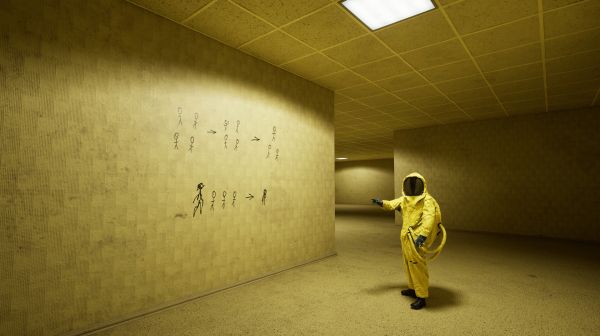
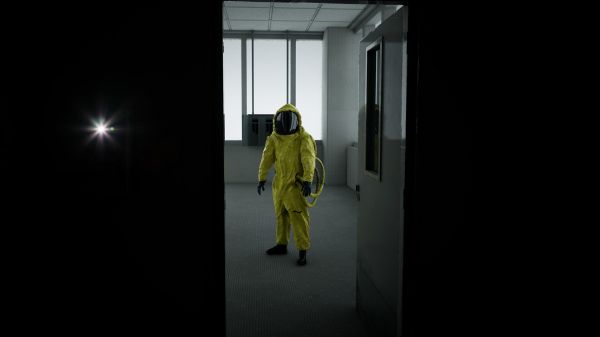

Navigating the Infinite Labyrinth: The World of Backrooms: Escape Together
Backrooms: Escape Together gave me one of those rare horror-game sessions where I was nervous even when nothing was happening. I could walk through several empty rooms without seeing an entity, hearing a chase, or triggering an obvious event, yet the silence never felt safe. The repetitive walls, artificial lighting, distant mechanical sounds, and absence of any normal reference point made every corridor feel suspicious.
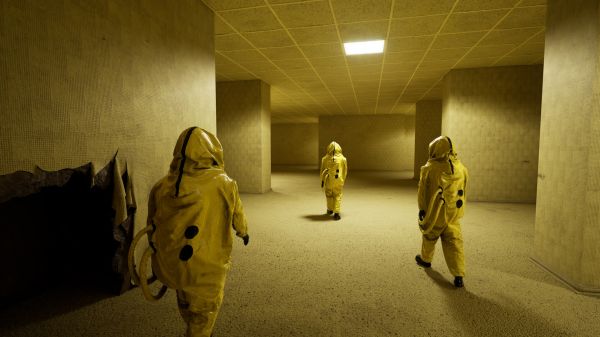
I played it as a co-op survival horror experience, and that immediately changed the mood. Having other players nearby made the Backrooms less lonely, but it did not make them comfortable. My teammates could disappear behind a corner, their voices could become quieter as the distance increased, and one wrong turn could separate the entire group. In several moments, the fear did not come from seeing a creature. It came from realizing that I could no longer hear anyone.
The game supports solo play and online co-op for up to six players, with proximity voice communication forming an important part of the multiplayer experience. Its levels combine exploration, puzzles, environmental threats, and hostile entities inside a visually realistic interpretation of the Backrooms.
My First Mistake Was Trusting the Starting Room
The opening area looked harmless enough. The lighting was unpleasant, the rooms were empty, and the architecture seemed confusing, but I did not feel as though I was in immediate danger. I treated the first few corridors like a tutorial space and moved ahead without carefully studying the route behind me.
That confidence disappeared when I turned around and realized that several passages looked almost identical. I could not remember whether I had entered through the left opening, the central corridor, or another room with the same wallpaper and ceiling lights.
In a conventional game, repeated textures can feel like a limitation. Here, visual repetition becomes part of the threat. The environment attacks my sense of direction before any creature needs to appear. Familiarity does not provide comfort because every familiar-looking room may be a place I have never visited.
I began marking routes mentally by searching for small differences. A dark corner, a damaged wall, a piece of furniture, or a change in the floor became more valuable than a traditional map marker. Even then, one rushed escape could destroy my understanding of the layout.
Our Team Plan Lasted About Two Minutes
Before moving deeper into the level, my group agreed to stay together. It sounded like the most basic and sensible strategy possible. We would explore one path at a time, communicate before entering side rooms, and wait whenever someone stopped to inspect an object.
The plan worked until the first genuinely threatening sound. One player moved forward to investigate, another backed away, and I turned toward a nearby passage because I believed it offered a safer line of sight. Within seconds, we were divided into separate parts of the level.
This was when the proximity voice system became more than a social feature. Voices gave me information about distance and direction. A clear voice meant someone was close. A fading voice suggested that the group was moving away. Sudden silence could mean that a teammate had entered another section, become lost, or encountered something dangerous.
I found myself speaking more carefully than I normally do in co-op games. Instead of casual conversation, I gave short descriptions of what I could see:
- a long corridor with two openings;
- a room with unusual lighting;
- a blocked passage;
- an object that looked interactive;
- a sound coming from somewhere ahead;
- a possible route back to the previous area.
These descriptions were not always useful because so many rooms shared the same visual features. Saying that I was standing near a yellow wall did not reduce the search area very much.
The Graphics Made Ordinary Rooms Feel Hostile
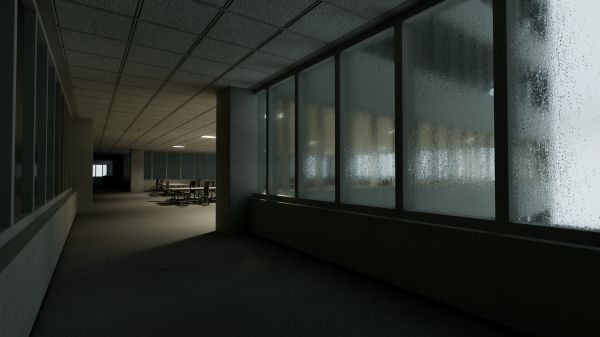
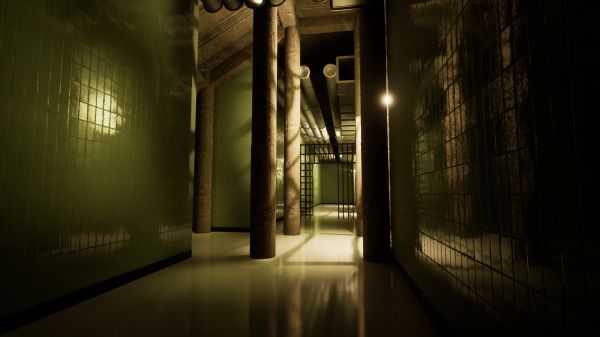
The strongest visual quality was not the amount of detail alone. It was the way realistic materials and lighting made the environments feel physically present. The walls looked damp or worn, floor surfaces reflected light unevenly, and darker areas often hid just enough information to make me hesitate.
The game does not need every room to contain an obvious supernatural object. A normal hallway can become disturbing when it is too long, too empty, or illuminated by lights that never seem completely stable.
I often paused at doorways because the room beyond looked slightly different from the one I was leaving. A warmer light suggested temporary safety. A darker ceiling made me expect movement above me. A distant opening could be an exit, a dead end, or the beginning of a dangerous section.
The realistic style also made visual changes more noticeable. When an environment suddenly became darker, dirtier, larger, or architecturally stranger, I immediately understood that the rules might be changing. The contrast between mundane office-like spaces and more threatening levels gave the journey a strong sense of descent.
Sound Told Me More Than the Interface
I relied on sound constantly. Footsteps helped me track teammates. Electrical buzzing established the atmosphere. Distant impacts suggested activity in another room, although I could rarely determine whether the source was environmental or hostile.
The most stressful sounds were the ones I could not identify. A clear creature noise gave me something specific to react to. An uncertain scraping or irregular movement forced me to decide whether I should investigate, hide, or continue walking as though nothing had happened.
Headphones made a major difference during my sessions. Directional audio allowed me to judge whether a sound came from ahead, behind, or through a nearby wall. It was not always enough to tell me what was approaching, but it gave me a few extra seconds to choose a response.
The audio also manipulated my imagination. After hearing something suspicious once, I began interpreting every small noise as evidence that it had followed me. My own footsteps became stressful when I was moving alone because their rhythm made it harder to hear anything else.
I Learned to Stop Running Without a Destination
My first reaction to danger was always to sprint. Movement created a temporary sense of control, and putting more distance between myself and a threatening sound seemed logical.
The problem was that speed made navigation much harder. I passed landmarks without registering them, entered unfamiliar corridors, and separated myself from the team. Even when I escaped the immediate threat, I often ended up in a worse overall position.
I gradually developed a more controlled approach. Before running, I tried to identify at least one possible destination. A room with multiple exits gave me options. A narrow dead end offered none. A long open corridor created visibility but also made me easy to follow.
This did not mean I always made the correct choice. Panic still disrupted my plan, especially when an entity appeared unexpectedly. However, thinking about where I was running improved my survival more than simply increasing distance.
The Entities Worked Best Before I Fully Understood Them
The first encounter with a new entity was always the most effective. I did not know its speed, detection range, behavior, or whether the nearby environment offered any protection. Every movement became an experiment with consequences I could not predict.
I watched for patterns cautiously. Some threats encouraged me to remain quiet or avoid direct attention. Others created pressure through pursuit. Environmental clues occasionally suggested what I should do, but the game rarely felt as though it was giving me a completely safe demonstration.
Once I understood an entity’s behavior, part of the fear became strategy. I started thinking about routes, hiding places, timing, and how to warn teammates. The encounter remained dangerous, but it was no longer mysterious.
This transition is common in horror games. A creature is most frightening when it is an unknown presence. Repeated encounters turn it into a mechanic. Backrooms: Escape Together delays that transformation through confusing level design, limited information, and the possibility that I will meet a threat in an unfavorable position.
Even familiar entities could surprise me because the environment changed the encounter. Knowing how something behaved did not help much when I was trapped between two similar corridors and could not remember which one contained an exit.
Separation Became Its Own Horror Scenario
Being separated from the group changed the game completely. With teammates nearby, I could share discoveries, confirm what I had heard, and laugh after a frightening moment. Alone, I began questioning every decision.
I did not know whether I should remain in place and wait for someone to find me or continue searching. Staying still reduced the chance of moving farther away, but it also made me feel exposed. Moving created progress, yet every new corridor increased the number of possible locations where the group might need to search.
I sometimes called out repeatedly, hoping someone was close enough to respond. Hearing a distant voice was one of the most reassuring moments the game could provide. The voice might be faint and difficult to follow, but it confirmed that I was not completely isolated.
Reuniting with the group felt like reaching a temporary checkpoint. We compared routes, explained what had happened, and promised once again not to separate. The promise usually survived until the next chase.
Six Players Did Not Automatically Make Us Organized
A larger group gave us more people to search for items and notice environmental details. It also created more noise, conflicting instructions, and opportunities for someone to disappear without the others noticing.
With six players, several conversations could happen at once. One person might be explaining a clue while two others argued about the correct route and another player reported a suspicious sound. Important information was easy to miss.
I found smaller teams easier to coordinate, but larger groups created funnier and more unpredictable sessions. A confident player could lead everyone into the wrong area. Someone at the back of the group might quietly vanish. A simple puzzle could become a debate because each person believed they had understood it differently.
The larger group also changed my reaction to danger. When everyone began running, I instinctively followed without checking whether they were moving toward safety. Fear became contagious. One player’s panic could redirect the entire team.
Puzzles Were Harder Under Pressure
Environmental puzzles provided a welcome change from simple exploration, but solving them while expecting an entity to appear was much more difficult than solving them in a safe puzzle game.
I frequently rushed through clues because I did not want to remain in one area for too long. That led to incorrect assumptions and forced the group to repeat parts of the process.
The best puzzle moments required us to divide responsibilities. One player inspected symbols or objects, another remembered information from a previous room, and someone else watched the surrounding corridors.
Communication mattered more than individual intelligence. A player could discover the correct detail and still fail to help if they described it poorly. We learned to repeat important information clearly rather than assuming everyone had heard it the first time.
I appreciated puzzles that felt connected to the environment. They made the levels feel like places with strange internal rules rather than corridors designed only for pursuit. Completing a puzzle also provided a strong sense of progress in a game where movement alone did not always mean I was getting closer to escape.
The Items Never Made Me Feel Fully Equipped
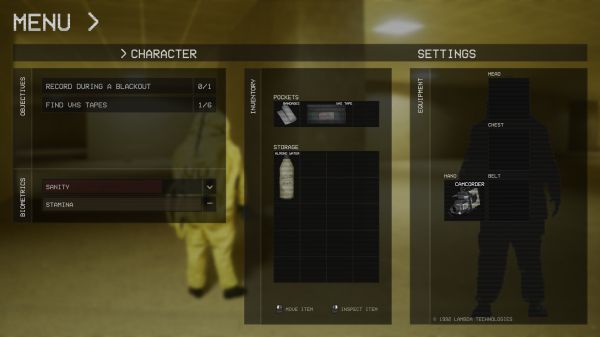
Finding useful supplies gave me a small amount of confidence, but I never felt as though I had transformed into a powerful survival character. Items extended my options rather than removing the threat.
I had to decide whether to use a resource immediately or save it for a worse situation. That decision was difficult because I rarely knew how far the level would continue or what waited ahead.
Inventory management also became a team decision. One person might carry an important object without realizing it. Another player could use a limited resource before the rest of the group understood its purpose.
I began announcing significant finds and asking whether someone else had space or a better reason to carry them. This reduced confusion later, although it did not eliminate the occasional moment when the group reached a locked interaction and discovered that the required item was still with a missing teammate.
Level Changes Felt Like Entering a New Game
Moving from one level to another affected more than the appearance. The layout, lighting, scale, hazards, and pacing could change enough that strategies from the previous environment no longer felt reliable.
One area might encourage slow exploration through repetitive rooms. Another could introduce longer sightlines, darker passages, larger spaces, or more obvious environmental danger.
I liked this variation because the Backrooms concept can become visually repetitive when every level relies on the same yellow-wall aesthetic. Backrooms: Escape Together uses that familiar imagery as a foundation, then expands into environments with different identities.
Each transition created a brief mixture of relief and anxiety. Leaving a difficult area felt like progress, but the new level removed the knowledge I had gained. I no longer knew where threats might appear, which objects mattered, or what kind of puzzle would block the route.
Escaping one space therefore did not feel like complete victory. It felt like completing one chapter of a much larger and less understandable journey.
Solo Play Was Colder and More Methodical
Playing alone removed the social chaos and made the atmosphere much heavier. There were no jokes after a failed escape, no distant conversations, and no teammate available to confirm that a sound was real.
I moved more carefully in solo play. Without other footsteps, the environment became easier to hear, but every sound also felt more directly connected to me. If something moved nearby, there was no possibility that it had noticed another player instead.
Puzzles required more personal attention because I could not divide tasks or ask someone to remember a clue. I had to study the environment, manage items, and watch for threats at the same time.
The experience felt more immersive, but also more mentally tiring. In co-op, conversation provides emotional relief. Alone, the tension can continue through long periods of exploration without interruption.
I preferred multiplayer for longer sessions, while solo play worked well when I wanted the purest version of the atmosphere. The same level could feel like a chaotic horror adventure with friends or a slow psychological endurance test when explored alone.
Death Usually Taught Me Something Useful
Most of my failed attempts could be traced back to one decision. I entered a corridor without checking for another exit. I ignored a warning sound. I followed the wrong teammate. I ran without remembering the path behind me.
Failure was frustrating when it required repeating a section, but it often improved the next attempt. I remembered dangerous areas, recognized clues more quickly, and understood which resources were worth preserving.
The challenge was preventing knowledge from turning into overconfidence. After surviving one encounter, I sometimes assumed I had completely understood the threat. The next attempt would place the same entity in a different environment, and my prepared response would fail.
This kept repetition from feeling entirely mechanical. Procedural or variable elements meant that knowledge helped, but it did not guarantee that every route and event would unfold identically. The game’s Steam description specifically highlights procedural generation and the intention to create varying experiences across playthroughs.
Early Access Was Visible Around the Edges
The game delivered strong atmosphere during my sessions, but I could still feel that it was an evolving Early Access project. Certain interactions lacked the polish of a fully finished release, and not every mechanical system felt equally developed.
Occasionally, navigation difficulty came from intentional environmental repetition. At other times, it came from visual information that could have been communicated more clearly. Multiplayer horror also introduces technical variables, including connection quality, synchronization, and voice communication.
I approached these rough areas with realistic expectations. The main appeal was already present: realistic liminal environments, cooperative fear, proximity-based communication, exploration, and threats that forced the group to react under pressure.
The Early Access status also means the experience may change as levels, features, balance adjustments, and technical improvements are introduced. The developers describe the project as one that will continue receiving additional content and improvements during development.
Our Funniest Moments Usually Followed the Worst Decisions
Backrooms: Escape Together is frightening, but multiplayer prevents the mood from remaining completely serious. My group regularly created comedy through poor communication and panic.
One player would confidently announce that they remembered the route, lead everyone through several corridors, and eventually admit that every room looked unfamiliar. Someone would scream after seeing movement, causing the rest of us to run before confirming whether there was an actual threat.
The funniest moments happened after we survived. During the danger, everyone reacted seriously. Once we reached a quieter area, we began replaying the event and arguing about who had abandoned whom.
This balance helped the horror remain enjoyable. Constant tension can become exhausting, while constant comedy can remove the atmosphere. The game created space for both because the environment remained threatening even when the group refused to behave professionally.
The Backrooms Theme Worked Because Escape Felt Uncertain
The Backrooms are effective as a horror setting because they do not operate like a normal haunted location. A haunted house usually has an exterior, a history, and a possible exit. The Backrooms feel disconnected from normal geography.
I could move through corridors for a long time without knowing whether I had made progress. A door might lead to another level, another section, or another place that looked almost the same. There was no skyline, natural light, or familiar landmark to help me understand where I was.
This made escape feel conceptual rather than geographical. I was not simply trying to reach the opposite side of a map. I was searching for the correct sequence of actions inside a space that did not appear interested in being understood.
The strongest moments preserved this uncertainty. A clearly marked objective could tell me what to do next, but the surrounding environment still made me question whether completing it would actually bring the group closer to freedom.
How I Changed My Approach After Several Sessions
My early playstyle was reactive. I followed whichever player sounded most confident, collected anything that appeared useful, and ran whenever the atmosphere changed.
After several sessions, I became more deliberate. I kept track of intersections, announced major route changes, listened before entering unfamiliar rooms, and avoided using limited resources without a clear reason.
I also stopped treating separation as a minor inconvenience. Before exploring a side area, I made sure at least one teammate knew where I was going. When someone disappeared, the group decided whether to search immediately or continue toward the objective.
The most useful habits were simple:
- stay close enough to maintain voice contact;
- describe landmarks before leaving them;
- avoid several players speaking over an important clue;
- confirm who is carrying essential items;
- identify an escape route before investigating a suspicious space;
- do not assume that silence means safety;
- wait for the entire team before triggering an unknown interaction.
These habits did not remove the fear. They gave the fear a structure and made our failures feel less random.
The Session I Remember Most Had No Dramatic Finale
My most memorable session did not end with a perfectly coordinated escape. It ended with the group scattered across a level, each person trying to follow voices through several similar corridors.
I could hear one teammate clearly enough to know they were nearby, but every turn seemed to make the voice quieter. Another player occasionally appeared over voice chat, reported a location none of us recognized, and disappeared again.
For several minutes, I did not encounter an entity. Nothing directly attacked me. The tension came entirely from the architecture and the feeling that the group was slowly losing its ability to reunite.
Eventually, I entered a room and heard footsteps approaching from the opposite side. I prepared to run, expecting a threat, only to see two teammates appear through the doorway. The relief was stronger than the reward I normally feel after defeating a boss.
That moment captured what Backrooms: Escape Together does well. Survival is not always about overpowering an enemy. Sometimes the most meaningful objective is simply finding another human voice in a place designed to make everyone disappear.
Why I Would Return to the Backrooms
I would return because the game understands that cooperative horror should not make players feel completely secure. Teammates provide information, humor, and emotional support, but they can also become lost, misunderstand instructions, or lead the group toward danger.
The realistic environments make familiar Backrooms imagery feel physically convincing, while the sound design turns empty rooms into sources of constant uncertainty. Entities add direct danger, but the architecture remains the most persistent threat because it interferes with memory and orientation.
The experience is strongest when I play with people who are willing to communicate without trying to remove every surprise. Looking up every solution might make progress easier, but it would also reduce the uncertainty that gives the game its identity.
Backrooms: Escape Together is not frightening because something attacks me every minute. It is frightening because every quiet minute gives me more time to imagine where the next threat might be. The walls repeat, the lights continue buzzing, and the route behind me slowly becomes impossible to reconstruct.
From my perspective as a gamer, it feels like a cooperative exploration mission where the map itself refuses to become familiar. Every player is useful, every voice can become a landmark, and every confident decision can send the entire team deeper into the wrong corridor. Escaping is satisfying, but getting lost together is where the game creates its most memorable stories.
Pros:
- Flexible cooperative multiplayer mode fosters teamwork
- Broad platform accessibility including PC, Mac, and Android
- Regular updates and active community support enhance longevity
- Intricate puzzles and hidden clues provide a rewarding challenge
- Customizable experience through available mods and cheats
- Immersive and atmospheric gameplay that deeply engages players
Cons:
- Complex puzzles might overwhelm new or casual gamers
- The narrative can sometimes feel vague and disjointed, requiring extra effort to piece together
- Technical performance may lag on older or underpowered systems









Recent Reviews

Minecraft

Grand Theft Auto V

Toca Boca World

Roblox

Leave a comment
Your comment is awaiting moderation. We save your draft here
0 Comments