
Review
I did not begin Tomodachi Life: Living the Dream with a carefully planned island or a balanced cast of original characters. I made a Mi...
Living the Dream: A Whimsical Journey Through Tomodachi Life™ Simulation
I did not begin Tomodachi Life: Living the Dream with a carefully planned island or a balanced cast of original characters. I made a Mii version of myself, added a few people inspired by friends, created several completely fictional residents, and assumed I would remain a mostly responsible caretaker. That plan disappeared as soon as the islanders began developing opinions, friendships, rivalries, and romantic interests without asking whether any of them made sense.
Within my first few sessions, a quiet character became the center of several social conflicts, two residents with almost nothing in common started spending all their time together, and a Mii I had designed as a confident celebrity repeatedly asked for help with ordinary personal problems. I stopped treating the island as something I controlled and began approaching it as a strange social experiment that occasionally allowed me to interfere.
That loss of control is the heart of the experience. I can create the residents, influence their environment, give them items, solve problems, and encourage certain interactions. I cannot write every relationship in advance. The Miis often take the pieces I provide and assemble them into stories I would never have planned myself.
Day One: I Made the Cast Too Carefully
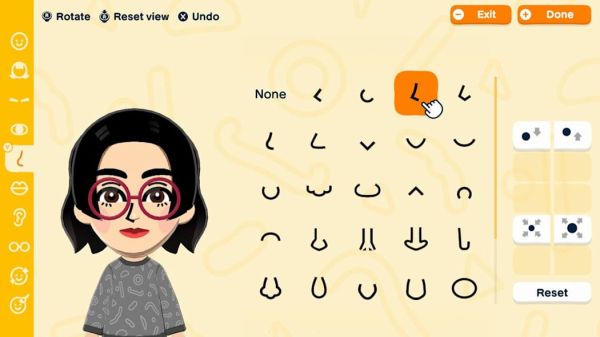
I spent far too much time creating my first residents. The updated Mii tools gave me enough freedom to adjust small facial details, hairstyles, colors, voices, personalities, and individual quirks until each character looked as though they belonged to a different project.
My first Mii was a version of myself, although I resisted making the design completely accurate. I exaggerated a few features because realistic precision is not where Mii characters are most expressive. A slightly unusual eyebrow shape, a dramatic hairstyle, or an intentionally serious expression communicated more personality than a perfect recreation would have.
The fictional residents were even more enjoyable to build. I created one character as an overly confident adventurer, another as a reserved artist, and a third as someone who looked permanently suspicious. Their appearances suggested clear personalities before they had done anything on the island.
I assumed those visual ideas would determine their roles. They did not. The adventurer became surprisingly domestic. The artist began approaching everyone with social requests. The suspicious-looking resident turned out to be one of the friendliest people on the island.
That gap between the character I imagined and the character produced by the simulation quickly became entertaining. I was no longer building static avatars. I was creating actors who would interpret their assigned roles in unpredictable ways.
Day Three: Personality Settings Started to Matter
Appearance made each Mii recognizable, but personality affected how I interpreted everything they did. A request from an energetic resident felt different from the same request delivered by someone cautious or reserved.
I initially selected personality traits according to the people who inspired the characters. After seeing the system in motion, I began designing personalities around potential interactions instead. I wanted the island to include confident residents, awkward residents, social organizers, quiet observers, and people likely to create friction.
The smaller quirks added another layer. A Mii could have habits, preferences, or behavioral details that made ordinary scenes feel more specific. These elements were rarely dramatic on their own, but they helped prevent residents from feeling like identical models wearing different clothes.
I noticed that my attachment to a character increased when their behavior remained consistent enough to recognize but unpredictable enough to surprise me. If every action matched the personality perfectly, the island would feel scripted. If behavior appeared completely random, the personality settings would feel meaningless.
Living the Dream generally found an enjoyable space between those extremes. I could identify a resident’s usual style while still being caught off guard by the decisions they made.
The First Morning Check Became a Routine
I developed a habit of checking apartment windows before deciding what I wanted to do. A visible icon suggested that someone had a problem, a question, a new idea, or a piece of social drama waiting for me.
This structure gave each visit an immediate sense of direction. I did not need to invent an objective before playing. The island already contained several small situations that had developed while I was away.
My usual routine became:
- check which residents wanted attention;
- solve simple food, clothing, or item requests;
- investigate friendship and relationship problems;
- visit shops for newly available objects;
- adjust part of the island;
- watch residents interact without interfering;
- return to one character whose story had become unexpectedly complicated.
No individual task was especially demanding. The appeal came from the accumulation of small events. One request introduced a friendship, that friendship produced an argument later, and the argument created a reconciliation attempt several sessions afterward.
The game rarely announced that I was beginning a major storyline. A memorable sequence could emerge from an ordinary conversation and continue because the same residents kept finding reasons to interact.
I Became a Terrible Relationship Adviser
When residents asked whether they should become friends, repair a disagreement, or confess romantic feelings, I felt responsible for the outcome. I also discovered that my judgment was not nearly as reliable as I imagined.
Some pairings looked perfect based on personality. The residents appeared to share similar energy, interests, and communication styles. I encouraged the connection and watched it become awkward almost immediately.
Other relationships looked ridiculous. I assumed the characters would have nothing to discuss, yet they became inseparable. The simulation had created a dynamic I would never have chosen through deliberate storytelling.
This made romantic confessions especially tense. A resident might spend time preparing, selecting a location, and asking for advice before approaching someone. I could influence the attempt, but I could not guarantee the response.
A successful confession felt strangely satisfying because I had watched the relationship form over time. A rejection could be genuinely uncomfortable, particularly when the disappointed resident returned home and needed support.
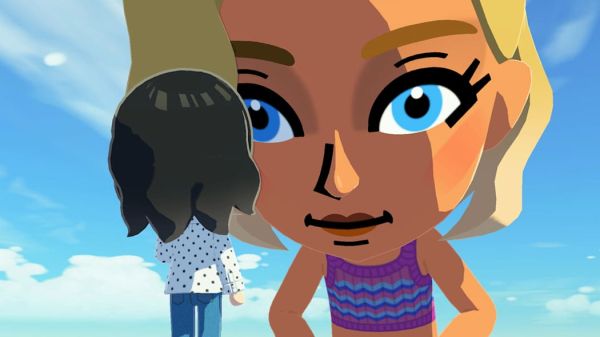
The simple Mii faces made these scenes funnier and more emotional at the same time. Their expressions are exaggerated, but the social context gives those expressions weight. A small change in posture can communicate complete confidence, panic, embarrassment, or disappointment.
My Island Developed an Unofficial Main Character
I expected my self-inspired Mii to become the center of the island. Instead, one of my original characters gradually appeared in almost every memorable event.
This resident formed friendships quickly, entered several conflicts, became involved in romantic drama, and repeatedly appeared in public areas with different groups. I never selected them as the protagonist. The frequency of their interactions made them one naturally.
I began checking their apartment first. When another resident mentioned them, I paid more attention. Every new relationship felt like part of a larger personal storyline.
This is one of the qualities I enjoy most about Tomodachi Life. Importance is not assigned through combat power, quest status, or a formal narrative role. A character becomes significant because the player develops a history with them.
Another island could use the same appearance and personality settings without producing the same result. My attachment came from the particular sequence of events I had witnessed.
I Could Pick Up a Resident, but Not Their Entire Life
Being able to physically move Miis around gave me a playful sense of authority. I could place residents near one another, relocate them, and experiment with situations that might encourage new interactions.
The feature is immediately funny because it treats the islanders like small living figures inside a model world. I could interrupt someone’s routine, carry them elsewhere, and watch how they responded.
However, direct manipulation did not transform the game into a fully controlled dollhouse. Moving two residents into the same place did not mean they would instantly become friends or follow the story I had imagined.
I could create opportunities, but the simulation still needed to interpret them. This limitation was important. If every placement produced a predictable event, I would quickly begin optimizing relationships instead of observing them.
The ability to drop Miis into unusual situations worked best as a source of possibilities rather than a command system. It allowed me to ask the island a question and then wait to see whether anything interesting happened.
The Island Editor Became My Second Game
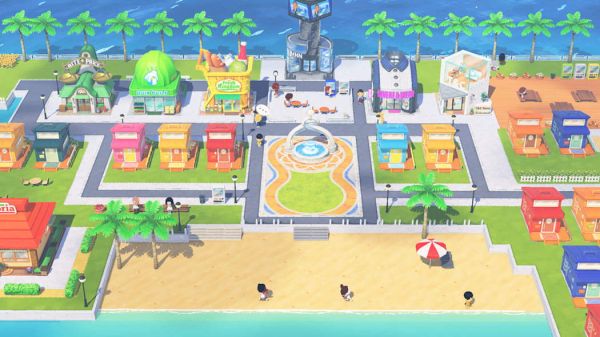
After becoming familiar with the residents, I spent more time shaping the island itself. Placing roads, buildings, decorations, natural elements, and public spaces gave me a creative activity that felt separate from managing social problems.
I did not want every area to look equally busy. I created a denser central district for shops and common activities, then left quieter spaces around residential and recreational areas.
At first, I placed objects according to appearance alone. A decoration looked attractive, so I added it wherever space was available. The island quickly became visually crowded and difficult to read.
I restarted several sections with a clearer idea. Each district needed a purpose:
- a social center where residents would appear active and visible;
- a calmer residential area with fewer decorative distractions;
- an entertainment zone that could support unusual public scenes;
- open spaces where custom objects would stand out;
- small corners designed around specific residents or fictional stories.
The redesign made the island feel more personal. It was no longer merely the place where the simulation happened. Its layout reflected how I understood the community.
I Created a Shop Sign Before Creating a Shop
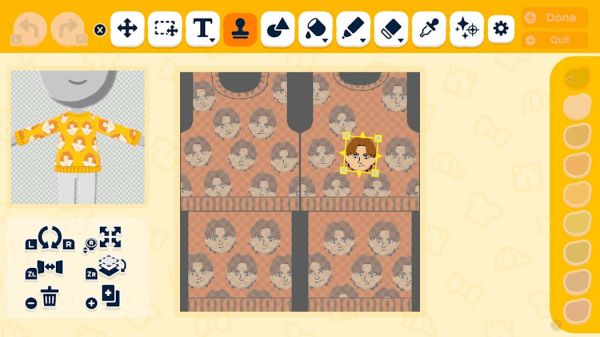
The creative tools encouraged me to design objects even when I had no practical use for them. I experimented with patterns, signs, clothing details, and decorative ideas simply to see how they would appear inside the game’s cheerful visual style.
My first custom sign belonged to a fictional café that did not yet exist. Once the sign was finished, I felt obligated to create an entire surrounding area that justified it.
That small project changed my approach to island design. Instead of decorating large zones first, I began with one handmade object and built a location around its theme.
A strange clothing pattern inspired a performance space. A deliberately ugly decorative item became the centerpiece of a resident’s garden. A simple food-related design led to a small market area.
The creation tools are not a substitute for full illustration or 3D modeling software, but they are accessible enough to support spontaneous ideas. I could produce something quickly, place it into the world, and immediately see whether it contributed to the island’s identity.
Lunch Became a Personality Test
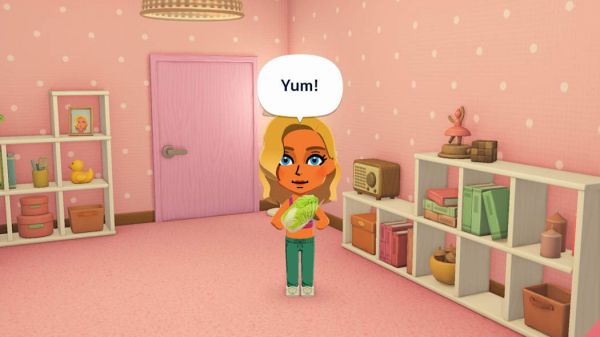
Food requests looked simple at first. A resident felt hungry, I selected an item, and their reaction revealed whether I had made a good choice.
After several sessions, meals became one of my favorite ways to learn about a new character. I rarely knew what someone would love or dislike until I began experimenting.
The dramatic reactions made even an incorrect choice entertaining. A favorite food could produce overwhelming happiness, while a disliked dish made the Mii respond as though I had personally betrayed them.
I started remembering preferences without writing them down. Certain foods became connected to particular characters, and finding a desirable item in a shop immediately reminded me of the resident who would appreciate it.
This small memory game gave ordinary purchases meaning. I was not collecting food only to complete an inventory. I was gradually building a private database of tastes and using it to improve relationships.
Occasionally, I gave someone an unsuitable item simply because I wanted to see the reaction. This was not responsible caretaking, but it produced excellent entertainment.
The News Reports Made My Mistakes Look Official
One of the funniest parts of the experience was seeing island events presented with the seriousness of an important broadcast. A ridiculous incident could receive dramatic coverage, formal commentary, and reactions from other Miis.
The news format transformed small events into shared history. Something I had witnessed privately could become part of the island’s public identity.
I enjoyed the contrast between presentation and subject. The speakers maintained professional expressions while reporting information that would be completely absurd in any realistic community.
These reports also helped the island feel larger than the apartments I visited directly. Residents appeared to have a public culture, shared entertainment, and ongoing conversations beyond my immediate supervision.
I sometimes created characters specifically because I wanted to see them appear as presenters or interview subjects. A serious politician-inspired Mii reporting on a trivial event was funnier than an intentionally comedic character doing the same job.
I Stopped Using Only People I Knew
Creating family members and friends produced immediate humor because I already had expectations about how they should behave. A shy friend becoming a dramatic performer or two relatives beginning an unlikely rivalry felt personally specific.
Eventually, the real-person approach became limiting. I worried too much about accuracy and began judging every generated event according to whether the actual person would behave that way.
Original characters gave the simulation more freedom. I could accept any development because there was no real personality to contradict.
I created residents based on broad concepts rather than detailed biographies:
- a retired hero who wanted a quiet life;
- a fashionable inventor with poor social skills;
- a cheerful character who treated every problem like a competition;
- a mysterious traveler who disliked most food;
- a dramatic singer who lived in an extremely plain apartment.
The game filled in the spaces between those concepts. Relationships and repeated incidents added details that I had not written myself.
My favorite island eventually contained both recognizable people and fictional residents. The real-inspired Miis provided familiar comedy, while the original cast prevented the community from becoming a private joke with no internal world of its own.
Apartments Became Visual Character Profiles
Decorating residential spaces allowed me to express personality without changing a Mii’s body or clothing. I tried to choose interiors that reflected who each character had become rather than only who I intended them to be.
A resident who repeatedly created social chaos received a surprisingly elegant room, which made every dramatic visit funnier. A quiet character received a busier interior because I imagined their apartment as the one place where their hidden interests became visible.
I also used rooms to mark personal progress. When a Mii reached an important relationship milestone or became involved in a memorable event, I sometimes redesigned their space as though their life had entered a new chapter.
The residents do not need complex furniture simulation for this system to work. The room functions as a visual stage. Its colors and objects change how I interpret the same conversation.
An awkward confession in a luxurious room feels different from one delivered in a strange novelty interior. The environment can quietly support the joke or emotional tone.
The Island Was Most Interesting When I Did Nothing
I initially approached every visit with a checklist. Someone needed food, another person wanted clothing, and a third resident was asking for relationship advice. Completing these requests felt productive.
Some of my best moments happened when I stopped solving problems and simply watched. Residents gathered in public locations, performed small activities, and interacted in ways that did not require my approval.
Observation changed my relationship with the simulation. Instead of viewing Miis as tasks waiting inside apartments, I began seeing them as members of a community that continued between my interventions.
I would recognize two friends spending time together and remember how their relationship began. A resident appearing alone in a public space might make me wonder whether their usual companion was involved in another event.
These scenes were rarely mechanically important. They mattered because I supplied the context from previous sessions.
Living the Dream does not need to narrate every connection explicitly. Once I knew the cast well enough, the sight of two particular characters standing together could tell me an entire story.
My Attempts at Efficiency Made the Game Worse
At one point, I tried to manage the island as efficiently as possible. I completed requests in a logical order, bought useful items in advance, remembered favorite foods, and avoided experiments likely to produce negative reactions.
The island became smoother and less entertaining.
Failure and uncertainty are important ingredients. Giving the wrong gift can reveal personality. Encouraging a questionable relationship can create a storyline. Allowing an unusual design choice to remain can give a location character.
Once I treated every resident as a problem to optimize, I began reducing the number of surprising outcomes. I was playing safely inside a game whose strongest moments come from social unpredictability.
I changed my approach by allowing imperfect choices. I occasionally selected clothing based on humor instead of taste. I introduced residents whose personalities might conflict. I redesigned areas without knowing whether the result would look coherent.
The island became messier, but it also felt more alive.
Romance Was More Complicated Than Matching Personalities
I attempted to predict which couples would succeed by comparing personality styles. The method worked just often enough to make me trust it and failed often enough to prove that I did not understand the system completely.
Compatibility was not always visible from individual traits. Timing mattered. Existing friendships mattered. Previous interactions created context that could not be reduced to one personality label.
I became invested in couples for different reasons. Some seemed genuinely well matched. Others were entertaining because their personalities appeared incompatible. A few relationships interested me only because their failure would affect several connected friendships.
The game gave romantic developments enough ceremony to make them feel significant without turning the island into a dedicated dating simulator. Love was one possible source of drama among friendships, hobbies, requests, arguments, and everyday needs.
I appreciated that residents had flexible identity and dating options. This allowed me to create a broader range of characters and relationships without forcing every Mii into one narrow social template.
A Breakup Changed More Than Two Apartments
When one of my established couples separated, I expected a short emotional event followed by a return to normal routines. Instead, the breakup changed how I viewed several residents.
The former couple shared friends, appeared in connected situations, and had become part of my understanding of the island. Their separation made earlier memories feel like a completed chapter.
I checked on both characters more frequently afterward. I wanted to see whether they were recovering, forming new friendships, or remaining involved in the same social circles.
The mechanical consequences were less important than the continuity. Because I had watched the relationship develop, its ending carried more weight than a randomly generated scene viewed without context.
This is where Tomodachi Life creates its strongest emotional effect. The game does not need complex dialogue trees or realistic acting. Repetition creates attachment. A simple character becomes meaningful after appearing in enough connected moments.
Dreams Were Where Logic Took a Holiday
The dream sequences gave the game permission to abandon the limited logic it normally maintained. A resident could appear in a surreal scene, transform an ordinary concern into an absurd image, or participate in an event that made no attempt to follow realistic cause and effect.
I never knew whether a dream would be a short visual joke, a bizarre performance, or something that seemed to reveal a hidden part of the character’s personality.
These sequences prevented the daily routine from becoming too predictable. Apartments, food, clothing, relationships, and island activities form understandable systems. Dreams interrupt those systems with pure nonsense.
I enjoyed them most when the resident involved was normally serious. Seeing a carefully designed, disciplined character appear in a ridiculous dream produced a contrast I could not have created through ordinary island management.
Dreams also reminded me not to interpret every event as part of a coherent simulation. Living the Dream is equally interested in character continuity and unexpected comedy. Sometimes an incident exists because the developers understood that Miis look funny in impossible situations.
The Comedy Worked Because Nobody Acknowledged It
The Miis rarely behave as though their world is intentionally humorous. They approach strange problems with complete sincerity. A trivial disagreement receives emotional importance. A bizarre costume is worn with confidence. An unusual song can be performed as though it belongs on a major stage.
This seriousness gives the comedy its strength. The game does not constantly tell me that a situation is ridiculous. It allows the residents to believe in it fully.
I found myself laughing most when a character’s appearance, voice, personality, and current situation created an accidental combination. A dramatic voice could make a simple request sound urgent. An extremely confident personality could turn a minor failure into theatrical disappointment.
Because I created the cast, part of the joke felt collaborative. The game provided the event, while my design choices determined which character would perform it.
Short Sessions Became Longer Than Planned
Living the Dream appears ideal for quick visits. I can open the island, respond to a few residents, check the shops, and leave.
That rarely happened.
Solving one problem often revealed another. A friendship request led to a later interaction. A shop item inspired a character redesign. A new resident required an apartment, personality adjustments, food experiments, and introductions to the existing cast.
The absence of one large objective made it easy to continue. I was never beginning a mission that demanded another hour. I was completing one more small activity, then one more after that.
This structure made the game comfortable on Nintendo Switch. Handheld play suited brief check-ins, while TV mode made island editing and group observation easier to enjoy on a larger screen.
The game did not pressure me to maintain a perfect daily schedule. Returning regularly helped me follow ongoing stories, but the island felt welcoming rather than punitive after a break.
Repetition Appeared Before I Wanted It To
The simulation offers many possible combinations, but individual requests and reactions eventually begin to repeat. I heard familiar problems, recognized certain animations, and learned how some interactions were likely to unfold.
This did not immediately remove the appeal because the participating residents changed the meaning. The same request could be funny for one character and strangely appropriate for another.
However, the game is most satisfying when I play in moderate sessions. Spending too many consecutive hours on the island makes the underlying patterns more visible.
I enjoyed it more as a recurring routine than as a game to complete through long daily sessions. Time between visits allowed relationships to change and prevented familiar activities from becoming exhausting.
The creative systems also helped when social requests began feeling repetitive. I could redesign a district, create an object, adjust a room, or build a new resident instead of moving through the same apartment loop.
The Switch Presentation Felt Like a Natural Upgrade
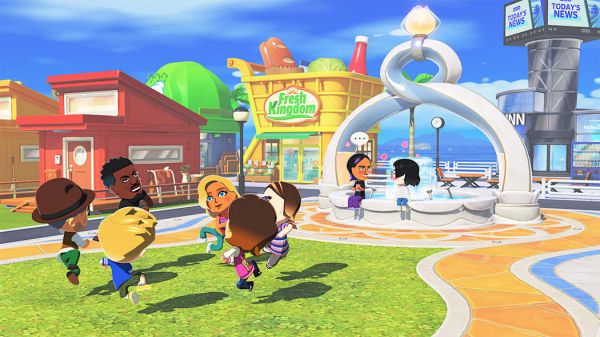
The larger and cleaner presentation made it easier for me to appreciate facial details, island spaces, and group scenes. Miis remain intentionally simple, but their expressions are readable and full of personality.
The visual style does not attempt to compete with realistic life simulators. Characters still resemble customizable toys performing inside a cheerful miniature world.
That simplicity allows unusual combinations to work. A normal-looking person, a fantasy character, a celebrity parody, and a completely abstract Mii can share the same location without making the art direction collapse.
The game’s responsiveness matters more than visual complexity. Moving between residents, shops, creation tools, and island activities generally feels immediate enough to support the quick rhythm of checking one more event.
I especially enjoyed seeing several Miis together. Their different heights, faces, clothing, and movement styles made the island feel like a cast assembled from several unrelated animated shows.
I Started Taking Screenshots Like a Family Archivist
As the island developed, I began capturing moments that would have meant nothing to someone unfamiliar with my residents. Two characters sitting together, an unusual outfit, a strange news report, or a dramatic expression became worth saving because I understood the history behind it.
The photo tools allowed me to arrange more deliberate scenes as well. I could create group pictures, document couples, preserve character redesigns, and build visual records of different stages in the island’s development.
My early screenshots focused on novelty. Later images focused on continuity. I wanted to remember how a character looked before a major redesign or which residents had formed the island’s first important friendships.
This turned the game into a personal story archive. There was no official campaign ending, but the collection of images showed how much had changed since the first residents arrived.
The Residents Gradually Rewrote My Original Ideas
Every character began as a collection of choices I made. I selected the face, voice, personality, clothing, quirks, and initial concept.
After enough time, those choices became only the beginning.
A resident I designed as unfriendly became known for helping others. A character intended as comic relief developed one of the island’s most stable relationships. Another Mii who seemed destined to become socially important remained happily isolated and focused on personal interests.
I stopped correcting these contradictions. They became the characters’ actual identities.
This is what separates Living the Dream from a standard avatar creator. The character does not remain frozen at the moment of creation. The simulation adds events that can support, complicate, or completely replace my first impression.
My Island Never Became the One I Planned
I originally imagined a neat community filled with compatible personalities and carefully themed districts. The final island was much stranger.
Its central social group included characters I had not expected to interact. Several buildings existed because of jokes that grew into larger design ideas. Some apartments looked elegant, while others preserved deliberately questionable decorating decisions.
The island contained failed romances, unexpected friendships, public embarrassments, unusual performances, favorite foods, personal grudges, custom clothing, and locations designed around events that only I remembered.
It was less polished than my original plan and far more personal.
Tomodachi Life: Living the Dream works because it does not ask me to create a perfect society. It asks me to provide enough people and possibilities for a society to begin producing its own stories.
Why I Kept Checking In
I returned because the game made me curious about small changes. I wanted to know whether a friendship would deepen, whether a disappointed resident would recover, and whether the island’s most unpredictable character had created another problem.
There was no large challenge forcing me forward. My motivation came from familiarity. The residents had become recognizable enough that a new event involving them felt meaningful.
From my perspective as a gamer, Living the Dream is less like managing units and more like maintaining a save file full of inside jokes. The systems are accessible, the objectives are small, and many events are intentionally silly. The value grows from the history I build around them.
I could create the same island again with similar residents and still receive a different sequence of friendships, conflicts, romances, and strange daily moments. That unpredictability gives each save its identity.
Tomodachi Life: Living the Dream did not make me feel like the author of every story. It made me the casting director, caretaker, occasional adviser, amateur designer, and unreliable witness to a community that kept inventing its own drama.
My favorite moments were rarely the ones I planned. They were the scenes that made me stop, take a screenshot, and wonder how these particular characters had reached this particular situation. That question became the reason I opened the island again the next day.









Recent Reviews

Minecraft

Grand Theft Auto V

Toca Boca World

Roblox

Leave a comment
Your comment is awaiting moderation. We save your draft here
0 Comments