Review
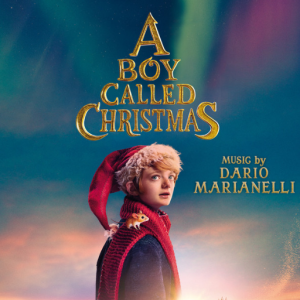
A Boy Called Christmas presents itself as an origin story for Father Christmas, but I found its emotional center somewhere less obvious...


Enchanting Journeys: Discovering the Magic of A Boy Called Christmas
A Boy Called Christmas presents itself as an origin story for Father Christmas, but I found its emotional center somewhere less obvious. This is not primarily a film about discovering reindeer, inventing presents, or choosing a red winter coat. It is about a lonely boy trying to hold onto hope after the world has given him several convincing reasons to abandon it.
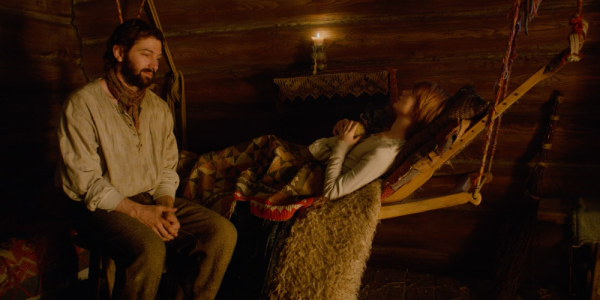
Nikolas lives in poverty with his father Joel in a remote cabin. His mother is gone, food is limited, and warmth is something they must work constantly to preserve. Their life contains affection, but very little comfort. When the king promises a reward to anyone who can bring hope back to the kingdom, Joel joins an expedition searching for the legendary village of Elfhelm.
Nikolas is left with his severe aunt, Carlotta. Her presence transforms an already difficult home into a place without emotional safety. When Nikolas discovers evidence that his mother’s stories about elves may have been true, he leaves the cabin and follows his father north.
As a critic, I admired the decision to begin the Christmas myth from scarcity rather than abundance. Nikolas does not grow up surrounded by presents. He understands exactly what it means to receive something small and necessary. This makes his later belief in generosity feel earned rather than decorative.
The Framing Story Initially Felt Unnecessary
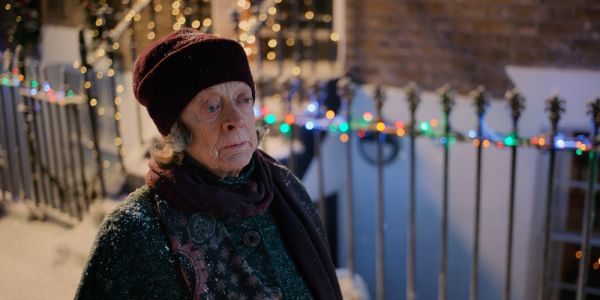
The film begins in contemporary London, where Aunt Ruth arrives to look after three grieving children while their father handles an emergency. Maggie Smith plays Ruth with dry confidence, immediately recognizing that the children do not need forced cheerfulness.
She begins telling them the story of Nikolas, gradually transforming the modern household into a frame around the fantasy.
I initially questioned whether this structure was needed. Nikolas’s journey already contains enough emotional material to support the film. Every return to the children temporarily interrupts the momentum of the northern adventure.
The purpose becomes clearer as the story continues. The children have recently lost their mother, and Nikolas is also shaped by maternal absence. Ruth is not telling them a random Christmas tale. She is offering a story about surviving grief without pretending the missing person can be replaced.
Maggie Smith keeps these scenes from becoming overly sentimental. Ruth does not speak like a magical storyteller performing wonder. She sounds practical, impatient with empty comforting phrases, and fully aware that a story cannot erase pain.
I still think the framing device receives slightly more attention than necessary, but it gives the ending emotional context beyond explaining how Christmas traditions began.
Nikolas Believes Because His Mother Gave Belief a Shape
Nikolas’s faith in Elfhelm comes from stories his mother told him. She described elves, magic, and a northern world hidden beyond ordinary experience.
These stories are not simply childhood entertainment. They are one of the few remaining connections he has with her.
Henry Lawfull plays Nikolas with a useful balance of innocence and determination. He believes in magic, but he is not completely protected from fear. The journey is cold, physically demanding, and filled with moments when continuing appears unreasonable.
I appreciated that Nikolas’s hope is active. He does not sit at home waiting for the world to confirm his mother’s stories. He studies the map, follows evidence, prepares what little he can, and begins walking.
The film repeatedly returns to the idea that possibility begins with belief. That message could easily become vague encouragement. Nikolas gives it practical meaning by acting on belief when action is uncomfortable.
His optimism is not based on an easy childhood. It exists in defiance of one.
Joel Loves His Son but Still Leaves Him
Michiel Huisman gives Joel warmth, fatigue, and a visible awareness that he cannot provide the life Nikolas deserves.
Joining the expedition offers money and the possibility of improving their circumstances. It also means leaving his son with a person he should know is emotionally unsuitable.
I found Joel more interesting because the film does not make him entirely heroic or selfish. He is a father making a dangerous decision under economic pressure.
His love for Nikolas is genuine, but genuine love does not prevent harmful judgment. He wants to believe the expedition will be brief and successful because examining the alternative would make leaving impossible.
The northern journey also reveals how desperation changes him. The searchers begin with a mission to restore hope, but the promise of royal reward makes discovery increasingly transactional.
Joel’s conflict is therefore larger than finding Elfhelm. He must decide whether protecting his son means supporting the values Nikolas represents or following the survival logic of the adults around him.
Aunt Carlotta Is Broadly Cruel but Thematically Useful
Kristen Wiig plays Aunt Carlotta as the film’s most openly comic source of misery. She occupies the cabin, consumes resources, destroys emotional comfort, and treats Nikolas’s needs as an irritating expense.
Her cruelty is exaggerated enough to belong in a fairy tale. She is less a psychologically detailed relative than a representation of adulthood emptied of generosity.
Wiig commits to the physical and verbal comedy, though the tonal effect is uneven. Several scenes are designed to make her behavior funny when Nikolas’s situation is genuinely upsetting.
I found the character effective in establishing why leaving the cabin feels necessary, but less convincing as a person. The film does not provide much explanation for her resentment or relationship with Joel.
Fairy tales often use adults like Carlotta to make moral contrast immediate. Nikolas shares despite having little. Carlotta hoards even when sharing would cost almost nothing.
The simplicity works for younger viewers, though it removes some of the emotional complexity present in Joel and Mother Vodol.
Miika Prevents the Journey From Becoming Too Lonely
Miika begins as an ordinary mouse receiving crumbs and conversation from Nikolas. The boy speaks to him because no human companion is available.
When magic eventually allows Miika to speak, the film gains a comic partnership that softens the isolation of the journey.
Stephen Merchant voices Miika with anxious practicality. The mouse is interested in cheese, survival, and questioning plans that sound dangerous.
I enjoyed their relationship because Nikolas treats Miika as important before the mouse can provide conversation or strategic help. The friendship begins through care rather than usefulness.
Miika can occasionally feel like a familiar animated sidekick added to deliver jokes during quiet scenes. His fear, appetite, and complaints follow recognizable family-film patterns.
Still, Merchant’s timing makes him entertaining, and Miika gives Nikolas someone to protect. The boy’s generosity becomes visible in small actions long before he is capable of helping an entire kingdom.
Blitzen Is First a Wild Animal, Not a Christmas Symbol
Nikolas encounters a reindeer during the journey and gradually forms a bond with him. The animal does not arrive already prepared to pull a magical sleigh.
This matters because the film treats the familiar elements of Christmas as discoveries rather than predetermined icons.
Nikolas names the reindeer Blitzen and learns to trust him through movement, food, patience, and shared danger.
The flying ability emerges through magic, but the emotional connection must already exist. Nikolas does not control Blitzen simply because the story requires transportation.
I liked the physical presence of the reindeer and the way snowy landscapes communicate the difficulty of travelling without him. Once Blitzen begins flying, the film shifts further into fantasy, but the earlier struggle gives that freedom weight.
The Northern Landscape Makes Hope Look Physically Difficult
The journey north passes through forests, mountains, snowfields, cliffs, and conditions that gradually remove signs of ordinary human life.
The cinematography emphasizes Nikolas’s smallness. He often appears as one figure moving across enormous white space.
I appreciated that the snow is not always beautiful. It represents cold, limited visibility, exhaustion, and the possibility of becoming lost.
The production design gives the natural world a storybook quality without turning every location into a polished digital postcard. Cabins, clothes, equipment, and roads appear worn by use.
The cold also supports the film’s moral ideas. Warmth becomes something characters create for one another. A fire, meal, shelter, or shared coat carries emotional value.
This physical hardship makes the later lights and colors of Elfhelm more powerful. The village does not simply look magical. It looks warm after a long period in which warmth was uncertain.
Elfhelm Is Beautiful Because It Has Already Been Hurt
When Nikolas finally reaches Elfhelm, he does not discover the uncomplicated celebration described in his mother’s stories.
The elves are frightened, suspicious of humans, and governed by rules created after a serious betrayal. The village still contains magic, but its public life has become controlled by fear.
This was one of the film’s strongest choices. A simple version of the story would reward Nikolas by proving that the perfect village existed exactly as imagined.
Instead, he finds a community that needs hope as much as the human kingdom does.
Elfhelm’s design combines warm light, curved architecture, workshops, meeting spaces, and natural textures. It feels distinct from the human world without appearing completely disconnected from physical labor.
The village’s sadness also prevents the Christmas imagery from becoming empty decoration. Beautiful spaces do not automatically produce generous societies.
Mother Vodol Is What Happens When Protection Becomes Fear
Sally Hawkins plays Mother Vodol, the leader of Elfhelm, with controlled intensity. She has responded to human violence by creating strict rules against outsiders and forms of joy she considers dangerous.
Her position is understandable. A child from Elfhelm was taken, and the community’s trust was violated.
The problem is that fear has become the organizing principle of the village. Protection now requires suspicion, punishment, and the removal of traditions associated with openness.
I found Mother Vodol more compelling than a conventional villain because she believes she is preserving her people. Her decisions emerge from real harm rather than simple greed.
Sally Hawkins gives the character sadness beneath authority. Mother Vodol does not appear to enjoy cruelty. She accepts it as the cost of safety.
The film challenges her worldview through Nikolas, but her transformation feels somewhat rapid. Years of institutional fear begin changing after one boy demonstrates extraordinary kindness.
The fairy-tale structure supports that speed, though a more complex drama would require deeper reckoning within the community.
Truth Pixie Brings Dangerous Honesty Into Every Conversation
Zoe Colletti’s Truth Pixie is incapable of lying and appears delighted by the chaos honesty can create.
She quickly becomes one of the film’s most energetic supporting characters. Her directness disrupts polite performance and exposes motives other people prefer to hide.
I enjoyed the idea that truth is presented as valuable but not automatically gentle. The Truth Pixie can reveal something accurate without considering whether the timing is compassionate.
This gives her power and makes her slightly threatening. In a village built around fear and controlled information, someone incapable of lying represents both liberation and danger.
The character’s enthusiasm occasionally pushes her toward familiar eccentric-sidekick territory. Still, she adds movement to scenes that might otherwise become heavy with exposition.
Father Topo Represents the Elfhelm Nikolas Hoped to Find
Toby Jones plays Father Topo as warm, eccentric, cautious, and still capable of imagining a more open version of the village.
He recognizes that Nikolas may not fit Mother Vodol’s assumptions about humans. His willingness to observe before judging gives the boy a chance to explain himself.
Father Topo does not possess enough authority to change Elfhelm alone. This limitation matters. Kind individuals can survive inside fearful institutions without being able to redirect them immediately.
Jones brings a comforting presence that fits the emerging Christmas mythology. His character understands invention, community, and the emotional value of small acts.
I would have welcomed more time with him. Several elves are introduced as potentially important, but the film’s pace requires them to support Nikolas quickly rather than develop independent arcs.
The Search for Little Kip Changes the Meaning of Heroism
Nikolas learns that the human expedition has taken a young elf named Little Kip. Returning him becomes more important than proving Elfhelm exists or claiming the king’s reward.
This decision defines Nikolas. He has travelled north partly to find his father, yet he cannot ignore another child separated from family.
The rescue also connects the human and elf conflicts. Both communities are suffering because adults have allowed fear, ambition, and misunderstanding to shape their treatment of children.
I appreciated that Nikolas does not solve the problem through superior strength. He succeeds through persistence, communication, courage, and the willingness to risk his own goal.
The film’s moral world is clear: hope becomes real when it produces action for someone else.
The Hunters Turn Hope Into a Commodity
The king sends people north because his kingdom has lost hope. The mission begins with emotional language but is structured through reward.
This contradiction becomes increasingly important. The searchers are told to bring back something capable of restoring belief, yet the financial incentive encourages them to treat discovery as property.
Elfhelm, its residents, and Little Kip become possible evidence of success rather than beings deserving respect.
I found this one of the film’s sharper ideas. Institutions may ask for wonder while using methods that destroy the conditions wonder requires.
Joel becomes trapped between the group’s survival logic and the values represented by Nikolas. Choosing his son means rejecting the expedition’s definition of success.
Jim Broadbent’s King Looks Exhausted by His Own Kingdom
Jim Broadbent plays the king as a ruler confronting a population that has lost emotional direction. He understands that practical administration alone is not enough.
His request for hope is sincere, but vague. Hope cannot be collected like food or money, yet he sends an expedition as though it can be discovered and returned physically.
The king’s scenes contain a mild satire of leadership. He recognizes a social problem without understanding how to create the conditions that might address it.
I enjoyed Broadbent’s mixture of authority and uncertainty. The king can command action, but he cannot order people to feel hopeful.
Nikolas eventually provides a model based on giving rather than extraction. The contrast suggests that hope spreads through participation, not possession.
The Film Builds Christmas From Separate Discoveries
A Boy Called Christmas treats familiar traditions as parts of a mythology gradually assembled around Nikolas.
There is a reindeer, a sleigh, a red hat, a northern village, flying magic, toys, chimneys, presents, and a growing commitment to children.
I enjoyed recognizing these pieces without the film stopping to explain every reference with a dramatic pause. Some origins remain playful rather than historically important.
The story is less convincing when it attempts to connect too many traditions neatly. Origin stories can make familiar magic feel mechanical by explaining every detail.
This film mostly avoids that problem because the emotional principle matters more than the objects. Nikolas becomes Father Christmas through repeated choices to give, protect, and believe.
Giving the First Toy Matters Because Nikolas Understands Its Cost
Nikolas knows what it means to own very little. A toy is not one disposable object among hundreds. It can become a source of companionship, imagination, and proof that someone considered a child’s happiness.
This gives the gift-giving idea emotional credibility. He is not distributing objects to create consumer excitement.
A present becomes a message: someone remembered you, travelled for you, and believed that joy was worth practical effort.
I found this interpretation especially effective because the film begins with economic hardship. Generosity matters most when resources are limited.
The story does not examine how large-scale annual gift production eventually develops. That industrial question belongs to a different kind of Santa story.
Here, the first gift is personal, and the personal meaning is enough.
Henry Lawfull Carries the Film Without Becoming Overly Polished
Henry Lawfull gives Nikolas emotional openness without making him seem unaware of danger. He cries, doubts, becomes angry, and occasionally reaches the edge of surrender.
His performance works because hope does not appear effortless. Nikolas must repeatedly choose it after new disappointment.
Lawfull also responds naturally to effects-heavy environments and nonhuman companions. His relationships with Miika and Blitzen feel connected to the same emotional world as his relationship with Joel.
Some dialogue asks him to express the film’s themes directly, and those moments feel more written than lived. He is strongest when action communicates belief before a speech explains it.
As a young protagonist, Nikolas remains sympathetic without becoming passive. He creates movement in the story and accepts responsibility for decisions adults avoided.
The Film’s Humor Does Not Always Fit Its Sadness
A Boy Called Christmas contains talking-animal jokes, eccentric elves, physical mishaps, exaggerated cruelty, and playful magical details.
The humor is necessary because the story includes parental loss, poverty, separation, imprisonment, and death.
Miika provides the most consistent comic relief. Stephen Merchant’s anxious delivery allows the mouse to question Nikolas’s optimism without undermining it entirely.
Aunt Carlotta’s scenes are less balanced. Her cruelty is sometimes played broadly when the emotional reality for Nikolas remains severe.
The Truth Pixie brings energetic unpredictability, though her humor can feel imported from a faster, more modern comedy.
I preferred the quieter jokes based on character contrast. Joel’s seriousness, Nikolas’s sincerity, and Miika’s survival instincts create comedy without interrupting the emotional atmosphere.
The Production Design Makes the Storybook World Feel Tangible
The film combines snowy landscapes, wooden interiors, practical costumes, textured villages, magical lighting, and digital effects without making every surface appear polished.
The human kingdom feels worn and cold. Elfhelm feels warmer but not completely safe. The visual contrast supports the emotional difference between scarcity and possibility.
Costumes communicate social position clearly. Nikolas’s clothing is practical and repeatedly exposed to difficult weather, while the king’s environment contains materials and space unavailable to ordinary families.
The red clothing associated with Father Christmas emerges naturally from the visual world rather than appearing as an immediate costume reveal.
Some digital creatures and flying sequences are less convincing than the physical sets. The film is strongest when actors interact with objects and environments possessing real texture.
The Music Pushes Hard Toward Wonder
Dario Marianelli’s score supports the fairy-tale scale through orchestral warmth, mystery, movement, and emotional repetition.
The music is especially effective during the northern journey, where it must communicate danger without removing the sense that Nikolas is approaching something extraordinary.
At times, the score announces emotion more strongly than necessary. A quiet performance or image may already communicate sadness before the music expands around it.
Family Christmas films often use music to reassure viewers that pain will eventually lead toward warmth. A Boy Called Christmas follows that tradition confidently.
I preferred the restrained passages where wind, footsteps, and environmental sound made the landscape feel physically empty.
The Story Is Darker Than Its Marketing Suggests
Despite its colorful promotional imagery, the film includes significant loss, family separation, harsh poverty, threatening adults, and moments where characters do not survive.
The darkness belongs to its fairy-tale tradition. Older stories often place children in dangerous worlds where moral choices carry serious consequences.
I respected the film for not making Nikolas’s origin completely painless. A person devoted to giving hope should understand what hopelessness feels like.
However, sensitive younger viewers may find certain events upsetting. The warm ending does not erase every loss along the journey.
Parents expecting a light comedy about Santa’s childhood should be prepared for a more emotionally intense story.
What Frustrated Me
The film contains many supporting characters, magical rules, emotional conflicts, and origin-story references. At times, it feels as though the screenplay is attempting to fit several separate Christmas tales into one journey.
Mother Vodol’s ideological change happens quickly compared with the depth of the fear governing Elfhelm.
Joel’s decisions are emotionally important, but the expedition members around him remain comparatively thin. They function mainly as pressure and danger.
Aunt Carlotta is too exaggerated to become genuinely interesting, and some jokes surrounding her weaken the emotional seriousness of Nikolas’s abandonment.
The modern framing story adds meaning but interrupts the fantasy at moments when momentum is already strong.
The film also explains many recognizable Christmas elements. The pleasure of recognition occasionally becomes more important than organic storytelling.
What Stayed With Me
I remembered Nikolas sharing food when he had almost nothing.
I remembered his belief in his mother’s stories becoming a practical reason to continue walking.
I remembered Elfhelm as a beautiful place damaged by fear rather than an automatic paradise.
I remembered Joel confronting the fact that protecting his son required more than intending to return.
Most of all, I remembered the idea that hope is not the expectation that everything will become easy. Hope is the decision to act as though kindness can still change what happens next.
Who Should Watch A Boy Called Christmas?
I recommend A Boy Called Christmas to families who enjoy darker fairy tales, Santa origin stories, snowy fantasy adventures, talking animals, stories about grief, and films that treat Christmas hope as something earned through hardship.
Younger viewers may enjoy Miika, Blitzen, the elves, flying sequences, magical village, and the gradual appearance of familiar Christmas traditions.
Adults may respond more strongly to Joel’s financial desperation, Nikolas’s connection with his late mother, and the framing story involving children processing loss.
Sensitive children may find the parental separation, threatening adults, and several serious story developments distressing.
Viewers seeking a purely comic Christmas film may find the tone heavier than expected. The humor supports the story but does not define it.
My Final Verdict
A Boy Called Christmas is a visually rich and emotionally sincere fairy tale that builds the legend of Father Christmas from poverty, grief, courage, and the decision to remain generous.
Henry Lawfull gives Nikolas enough vulnerability to make his hope convincing. Maggie Smith adds dry intelligence to the framing story, while Sally Hawkins turns Mother Vodol into a fearful leader rather than a simple source of evil. Stephen Merchant provides accessible comedy as Miika without completely disrupting the melancholy tone.
The film is not perfectly balanced. It contains too many ideas, several supporting characters remain thin, and its movement between sadness and broad comedy can be awkward. Some parts of the Christmas mythology feel attached because audiences expect to recognize them.
I rate A Boy Called Christmas 8.2/10. It is not the lightest holiday film, but its darkness gives the final warmth real value.
Nikolas does not become Father Christmas because he discovers a magical village.
He becomes Father Christmas because, after discovering that the world can be cold, unfair, and frightening, he still decides to bring something kind back from it.









Movie Reviews

Minecraft

Grand Theft Auto V

Toca Boca World

Roblox

Leave a comment
Your comment is awaiting moderation. We save your draft here
0 Comments