Review
My first serious Age of Wonders 4 campaign began with an idea that was supposed to remain simple. I created a society of peaceful toad-...
Age of Wonders 4: Forging New Legends in Strategic Fantasy
My first serious Age of Wonders 4 campaign began with an idea that was supposed to remain simple. I created a society of peaceful toad-like people, gave them traits suited to durable frontline units, selected a culture that looked appropriately civilized, and imagined a defensive kingdom surrounded by gardens and loyal allies. Several magical tomes later, those same citizens had glowing eyes, enchanted weapons, altered bodies, and a habit of marching into neighboring territory under the protection of summoned creatures. The game had not forced me to abandon my original concept; it had allowed that concept to evolve into something much stranger than I expected.
Age of Wonders 4 is a turn-based fantasy strategy game combining empire management, exploration, diplomacy, magical research, tactical battles, hero development, and unusually flexible faction creation. I establish cities, claim provinces, gather resources, negotiate with rulers, clear hostile locations, unlock magical Tomes, transform my people, and eventually pursue one of several routes toward victory. The strategic structure resembles a traditional 4X game, but the campaign feels more personal because I am not selecting one fixed civilization from a historical list. I am creating a fantasy society, watching it acquire powers and weaknesses, and discovering whether the original theme survives contact with practical strategy.
Faction Creation Is the Game’s Strongest Feature
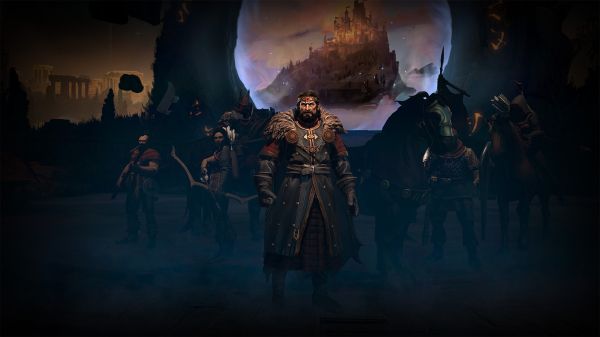
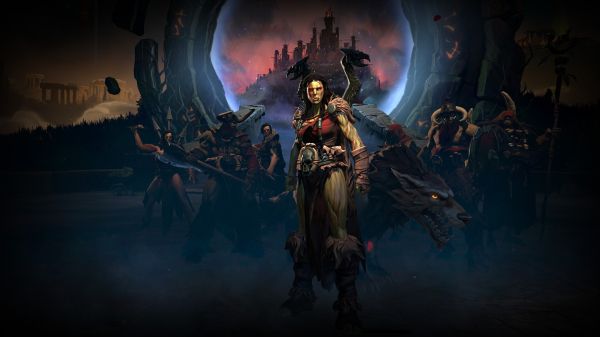
Before the first turn, I choose a physical form, body traits, mind traits, culture, society characteristics, ruler type, appearance, starting Tome, and narrative identity. These decisions affect economy, combat, diplomacy, magical affinity, and the way the faction develops throughout the campaign. A group of feline people can become industrial defenders, mystical summoners, aggressive raiders, underground settlers, honorable warriors, or almost any other combination permitted by the available systems. Physical appearance establishes the fantasy, but culture and traits determine how that fantasy behaves mechanically.
I appreciate that forms are largely separated from fixed racial abilities. Choosing elves, dwarves, humans, toads, wolves, insects, birds, ogres, or other bodies does not automatically lock the faction into one stereotypical role. I can create physically strong elves, scholarly orcs, underground halflings, nomadic harefolk, or diplomatic insectoids without fighting the rules. This freedom makes the game welcoming to imaginative concepts, although it also means that visual identity sometimes communicates less mechanical information than it would in a strategy game with rigid factions.
Physical Traits Let Me Define How a Species Survives
Body traits influence qualities such as resilience, movement, accuracy, defensive behavior, mounted combat, environmental adaptation, or specific tactical advantages. These choices can strengthen the intended role of a culture or compensate for one of its weaknesses. A defensive society may become even harder to remove from objectives, while a mobile culture can gain additional tools for rapid attacks. The system provides enough flexibility to support experimentation without requiring me to understand every late-game interaction before beginning.
Balance is naturally imperfect because some traits provide benefits that remain useful in nearly every battle, while others depend on terrain, unit type, or a narrow situation. Once I understand the stronger combinations, purely thematic choices can feel like deliberate disadvantages. I still prefer building around a clear fantasy because perfect optimization makes many factions resemble one another. The game becomes more memorable when a weakness remains part of the society rather than being removed during setup.
Mind Traits Give Societies Behavioral Personality
Mind traits shape qualities such as morale, retaliation, adaptability, magic resistance, accuracy, economic habits, or relationships with particular mechanics. Combined with physical traits, they provide a compact definition of how the population approaches danger and opportunity. I enjoy selecting traits that support a story rather than only a build, such as making a proud warrior society unusually loyal or giving a mystical people an affinity for underground environments. These decisions remain visible across many unit types because transformations and cultural armies inherit the faction’s foundations.
The trait catalogue has grown considerably through updates and expansions, which improves variety but makes the creation screen more intimidating. Some descriptions are easy to understand immediately, while others matter only after learning specific combat rules. New players may select a trait because its theme sounds appropriate and discover that its benefit rarely activates in their chosen army. Better previews showing likely unit interactions would make experimentation more informed without reducing freedom.
Culture Determines More Than Architecture
Culture defines the visual style of cities and units, but it also establishes economic structures, tactical abilities, government options, starting units, and a particular approach to expansion. Feudal societies benefit from coordinated leadership, Industrious armies reward defense and adaptation, Mystic cultures emphasize magical knowledge, while other options support aggression, mobility, zeal, darkness, primal bonds, oaths, raiding, or nomadic survival. Selecting a culture changes the rhythm of the entire opening game. Two factions with the same physical form can therefore behave like completely different civilizations.
The addition of subcultures and government variations has made these choices more expressive. Reworked cultures can now support several interpretations instead of one fixed play pattern, which helps older options compete with newer expansion content. I enjoy this direction because faction creation should offer meaningful combinations rather than presenting one obvious strategy for each visual set. The downside is increased complexity before the campaign has even begun.
The Ruler Becomes a Character Rather Than a Menu Portrait
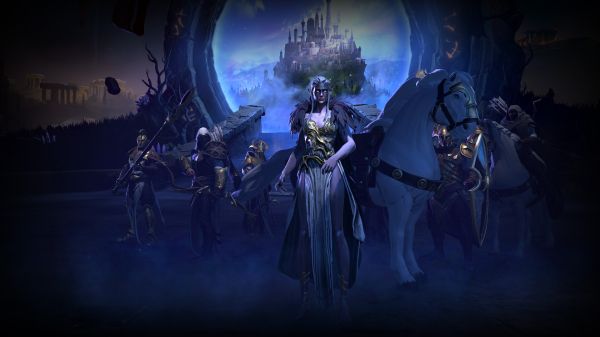
My ruler leads armies, gains experience, equips items, learns skills, participates in events, and may become central to diplomatic or magical decisions. Champion rulers emphasize their mortal society, Wizard Kings begin with stronger magical identity, Dragon Lords introduce a completely different physical and progression structure, while Eldritch Sovereigns and Giant rulers expand the fantasy further. Choosing a ruler type therefore changes more than appearance. It influences economy, hero management, combat presence, and the narrative I project onto the campaign.
Rulers can become extremely powerful, especially after collecting equipment and unlocking advanced abilities. A developed leader may support an entire army, eliminate weaker units, summon reinforcements, or survive situations that would destroy an ordinary hero. This is satisfying in a fantasy strategy game where named characters should matter. It can also distort tactical balance when one ruler becomes significantly more valuable than the conventional troops surrounding them.
Dragon Lords Feel Like Playing a Boss Character
Dragon rulers begin as enormous battlefield units with customizable heads, bodies, colors, powers, and elemental affinities. Their physical presence changes early combat because they can threaten formations in ways an ordinary hero cannot. As they gain levels, they develop breath attacks, defensive qualities, magical powers, and increasingly specialized identities. Building a dragon from a young ruler into a terrifying late-game force provides one of the clearest character arcs in the game.
The power comes with economic and strategic costs. Dragon Lords demand substantial resources and may encourage the entire faction to depend too heavily on one unit. Losing the ruler at the wrong moment can disrupt an offensive dramatically. I enjoy the fantasy, but a dragon campaign feels less like guiding a society and more like building an empire around one exceptional creature.
Wizard Kings Turn Magic Into Political Identity
Wizard Kings are outsiders who dominate or guide a faction through superior magical knowledge. They gain advantages related to casting and research, reinforcing the image of a ruler who understands powers beyond the experience of ordinary citizens. I enjoy using them for factions built around summoned units, enchantments, and aggressive spell use because the mechanics support the story directly. Their separation from the chosen form also allows unusual combinations, such as one species ruling another.
Secrets of the Archmages expands the broader mythology surrounding these rulers through new Story Realms and forbidden magical traditions. Following figures connected with Merlin, Karissa, and other historical powers gives the Astral Sea more continuity than purely procedural campaigns provide. The Wizard King fantasy now feels more connected to the setting’s past rather than functioning only as a statistical option. These stories are strongest when they reveal the consequences of magical ambition instead of simply providing another powerful Tome.
The Realm Creator Makes Every Campaign a Different Kind of Problem
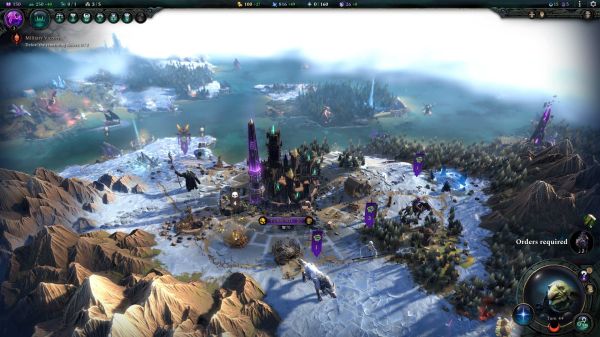
Realm creation allows me to select map size, geography, climate, inhabitants, environmental conditions, victory rules, infestations, magical phenomena, and special modifiers. I can create a conventional fantasy continent, a frozen world, an underground conflict, a shattered collection of islands, a hostile magical wasteland, or a realm dominated by one unusual rule. These settings determine which resources are scarce, how armies travel, and what threats appear before rival factions become important. The map becomes a strategic premise rather than a neutral board.
The strongest traits force me to change my normal habits. A realm with aggressive infestations makes early defense essential, while hostile terrain may reward adaptation and movement abilities. Limited space increases diplomatic pressure, and unusual victory conditions can shift attention away from ordinary conquest. I enjoy discovering how one modifier affects an entire campaign, though combining too many extreme rules can create worlds that are interesting conceptually and unpleasant to play.
Procedural Maps Produce Variety Without Always Producing Elegance
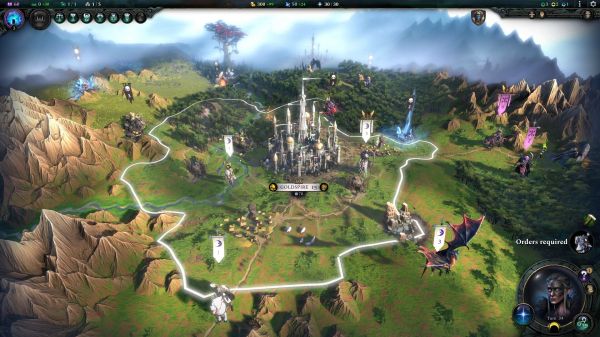
Each campaign generates provinces, terrain, resource nodes, ancient wonders, independent cities, infestations, and strategic landmarks according to the chosen settings. This ensures that expansion cannot be planned from memory, and even a familiar faction must respond to different geography. A rich cluster of resources may justify an aggressive city location, while mountains or water can protect one border and obstruct another. Exploration matters because the quality of the nearby land can change the entire opening.
Procedural generation occasionally creates awkward results. Important resources may appear in inconvenient positions, paths can become narrow, and city placement may be limited by terrain in ways that feel arbitrary. Some maps produce excellent natural frontiers, while others become collections of provinces without strong geographical character. Handcrafted Story Realms generally communicate their scenarios more effectively because important spaces are arranged with deliberate narrative purpose.
Exploration Is Most Exciting During the First Thirty Turns
The opening game sends scouts and heroes into unknown territory to discover resources, neutral armies, Free Cities, wonders, rival borders, quests, and dangerous infestations. Every revealed province answers one question while creating another. I may find a valuable location worth settling, then discover that an enemy ruler is already approaching from the opposite direction. This uncertainty makes the early campaign feel adventurous rather than administrative.
Later exploration loses some excitement once borders become established and most major locations are known. The strategic focus shifts toward war, city specialization, diplomacy, and victory planning. Hidden pocket dimensions and new world-map content introduced through later expansions help preserve discovery by placing unusual spaces outside normal geography. I would still welcome more late-game map events capable of changing established territorial assumptions.
Cities Expand Through Provinces Instead of Endless Settler Sprawl
Cities claim surrounding provinces as their population grows, allowing each territory to become a farm, quarry, forest, conduit, research post, or another specialized improvement. This makes geography central to city planning because local terrain determines which options are available. A mountain-rich city naturally supports production, while fertile land encourages growth. Special province improvements from cultures and Tomes create more advanced combinations as the campaign develops.
The system limits the number of cities through the city-cap mechanic, encouraging me to develop a smaller collection of meaningful settlements rather than covering the map with disposable colonies. Exceeding the cap is possible but creates economic penalties. This keeps expansion readable and gives captured cities strategic weight. I appreciate the restraint, though peaceful players may find the cap restrictive when the map offers several attractive settlement locations.
Population Growth Creates Satisfying Territorial Momentum
Food increases population, and each new population point allows a city to annex another neighboring province. Expansion therefore feels physically connected with development rather than happening through an abstract border percentage. Choosing the next province becomes a regular strategic decision involving resources, defense, adjacency, and long-term specialization. A city grows visibly across the map as its economy strengthens.
Rapid growth is not always the correct priority. Production, Gold, Mana, Draft, and Knowledge may provide more immediate value depending on the faction’s situation. Claiming one province can also block another city or create tension with nearby rulers. The system is simple enough to understand but supports meaningful planning because every city has different terrain and strategic needs.
Province Improvements Turn Terrain Into Build Combinations
Basic province improvements generate familiar resources, while special improvements add bonuses based on adjacency, terrain, faction affinity, or nearby structures. A magical conduit may become more valuable beside certain landmarks, and a production district can support a specialized military city. Tomes regularly unlock improvements that reinforce a particular strategy, making research visible on the world map. I enjoy planning these combinations because the city begins reflecting the faction’s magical identity.
The interface could communicate adjacency potential more clearly before construction. I sometimes unlock an improvement and discover that the ideal provinces were already assigned to incompatible uses. Replacing improvements is possible but costs time and planning. Advanced players will prepare city layouts several turns ahead, while new players may build whatever resource appears most urgent.
Ancient Wonders Give Armies Objectives Beyond Enemy Cities
Ancient Wonders contain defenders, tactical battles, events, and rewards such as powerful province bonuses, units, resources, or magical advantages. Clearing one can transform the economy of a nearby city or provide access to a unit unavailable through normal production. These locations give heroes meaningful exploration goals during periods without open war. The stronger wonders also function like compact tactical scenarios with special layouts and enemy combinations.
Once claimed, wonders become part of ordinary territorial management. Rival factions may compete for them, and their position can justify founding a city in otherwise poor land. The rewards are not always equally valuable, especially when a unit or bonus conflicts with my build. Even an imperfect wonder creates a story, because overcoming its defenders usually requires more planning than clearing an ordinary resource node.
Free Cities Make Diplomacy Visible on the Map
Independent Free Cities occupy territory, offer quests, build relationships, and may eventually become vassals or join an empire. Their culture and form can differ from my own faction, creating opportunities to add unfamiliar units and populations. I can court them through diplomacy, intimidate them, compete with another patron, or conquer them directly. This gives expansion more texture than settling empty land everywhere.
The diplomatic path is often efficient because vassals provide income, armies, rally options, and territorial influence without increasing direct city management. However, their behavior remains limited, and they rarely feel like independent political communities with changing internal goals. Once a city becomes a loyal vassal, interaction becomes largely transactional. More events involving leadership disputes, local demands, and cultural tension would give these relationships stronger personality.
Diplomacy Works Better as Strategic Pressure Than Character Drama
Rulers form opinions based on borders, grievances, affinities, treaties, wars, personalities, and specific actions. I can negotiate trade, establish defensive relationships, create alliances, declare rivalry, demand compensation, or use justified grievances to reduce the costs of war. These systems create understandable reasons for conflict and discourage completely arbitrary aggression. A neighboring ruler may tolerate expansion until one contested province changes the relationship.
AI personalities provide flavor, but diplomacy remains less expressive than faction creation or tactical combat. Rulers repeat lines, agreements are often evaluated through numerical advantage, and long alliances can feel emotionally empty. Negotiation lacks the complicated bargaining and internal politics found in the deepest grand-strategy games. Diplomacy is functional and strategically important, yet it rarely becomes the most memorable part of a campaign.
Grievances Make War Feel Legible Without Making It Moral
Actions such as border violations, broken treaties, unjustified claims, and hostile operations generate grievances between factions. These grievances can justify war and influence diplomatic costs or public perception. The system gives me a reason to care about how conflict begins rather than declaring war whenever an army happens to be nearby. It also allows an aggressive player to prepare legitimacy before attacking.
The process can be manipulated. I may provoke a rival, claim territory they value, or wait for the AI to commit one predictable offense before declaring a supposedly justified war. This is strategically entertaining but not especially believable as political morality. The system works as a rules framework, provided I do not mistake the resulting numbers for a sophisticated ethical simulation.
Whispering Stones Give Influence a Physical Limitation
Whispering Stones can be assigned to cities or diplomatic targets to improve stability, accelerate relationships, and support expansion. Because the number is limited, I cannot strengthen every relationship simultaneously. Assigning one to a Free City means it is unavailable elsewhere, turning diplomacy into resource allocation. I like this mechanic because influence becomes something I actively distribute rather than one passive statistic.
The thematic explanation is less convincing than the practical function. Stones behave like administrative tokens representing attention, support, and communication. Their movement between targets can feel artificial when relationships respond immediately to reassignment. The system is easy to manage, but a more organic diplomatic network could provide similar choices with stronger narrative logic.
Heroes Become the Personal History of a Campaign
Heroes lead armies, explore wonders, govern cities, equip items, learn skills, and participate in events. They may belong to different forms and cultures, especially after recruiting from conquered or allied populations. Over time, a hero develops a recognizable role as frontline defender, mounted attacker, spellcaster, support leader, or governor. Losing one in battle can matter emotionally because equipment and levels represent a long period of development.
The hero catalogue can become crowded as the empire expands. Managing equipment across several characters requires frequent comparison, while newly recruited heroes may arrive with skills that do not support the intended role. Respecialization options reduce the penalty of poor development. I enjoy individual heroes but spend too much time moving slightly better helmets and rings between them.
Equipment Gives Exploration a Strong RPG Reward
Weapons, armor, mounts, accessories, and magical items change hero statistics and may grant active abilities. Finding a powerful weapon after clearing a wonder can alter how that hero functions in future battles. Item rarity provides a clear reward hierarchy without replacing skill development completely. A well-equipped ruler or hero can become the tactical center of an army.
Inventory management becomes less elegant when many items accumulate. Some equipment is obviously weaker, while other pieces require detailed comparison between defense, resistance, damage, movement, and special effects. Selling excess items provides resources, but the interface encourages hoarding because a future hero may need a particular combination. Better loadout recommendations and filtering would reduce repetitive management.
Armies Are Small Enough That Individual Units Matter
Each army contains a limited number of units, and nearby armies can reinforce one another in major battles. This creates a useful balance between readable tactical groups and large strategic conflicts. A single stack has a clear identity, while several coordinated stacks can represent the main military strength of an empire. Unit losses remain meaningful because replacing high-tier troops requires time and resources.
The reinforcement structure encourages armies to move in clusters. Marching several stacks together protects them from isolated attacks but can create congestion around roads and targets. The AI also uses concentrated armies, leading to large confrontations involving many units. These battles are impressive, though they can become lengthy when every stack enters tactical combat.
Tactical Battles Are Detailed Without Becoming Separate Campaigns
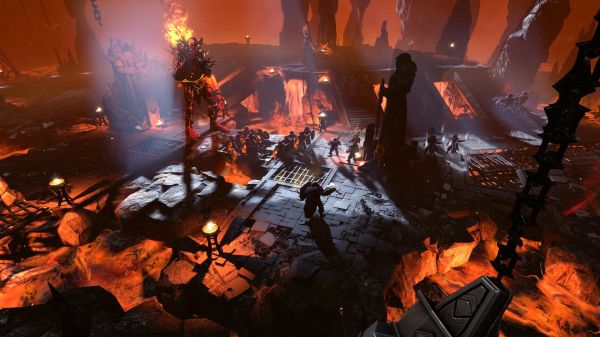
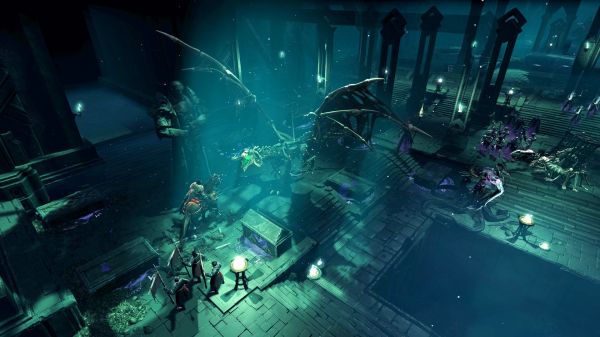
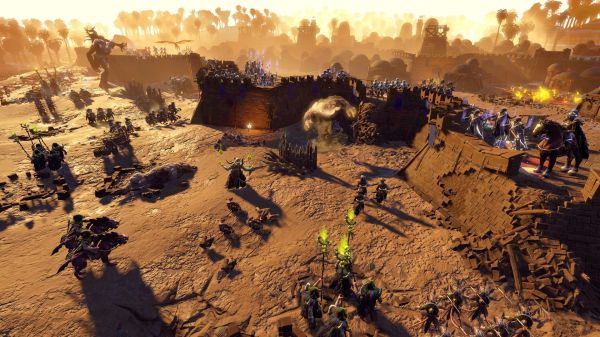
Combat takes place on hex-based maps where units move, attack, use abilities, apply status effects, defend, and interact with terrain. Facing, range, retaliation, opportunity attacks, cover, elevation, formations, and spell timing all influence the result. Because the armies come directly from the strategic map, every casualty affects the wider campaign. The battle system is deep enough to reward manual control without demanding the complexity of a dedicated tactical wargame.
I enjoy the opening turns most because formation and distance determine which side gains the first useful engagement. Rushing forward can expose units, while waiting may surrender objectives or allow the enemy to prepare buffs. Terrain creates natural lanes, but battle maps occasionally generate layouts that favor one army significantly. The system encourages adaptation, although certain powerful combinations can overwhelm the need for careful positioning.
Action Points Make Every Step a Combat Decision
Units usually have three action points, and movement consumes them according to distance and terrain. Many attacks become stronger or more flexible when additional points remain, so moving too far may reduce offensive value. I need to choose between reaching a target immediately and preserving enough actions for an effective strike. This creates tactical weight without requiring complicated movement calculations.
Fast units and teleportation abilities can bypass the normal tension, which is part of their value. Slower armies must use terrain, defense modes, and formation to survive the approach. Once I understand action-point breakpoints, unit movement becomes easier to predict. The interface communicates available actions clearly, though special abilities can create exceptions that require careful reading.
Retaliation Prevents Me From Attacking Without Consequences
Melee units may retaliate when attacked, dealing immediate damage back to the attacker. This means initiating combat is not automatically advantageous, especially against durable frontline troops. Some units can retaliate multiple times, while others remove retaliation, strike from range, or disable the defender first. Managing these responses creates a tactical economy of safe and unsafe attacks.
Retaliation also makes damaged units dangerous until their ability to respond has been exhausted. I may use one expendable unit to trigger the counter before sending in a more valuable attacker. This can feel game-like, but it produces meaningful sequencing decisions. Status effects and unit enchantments expand the number of ways to manipulate the exchange.
Morale Can Decide Battles Before Health Reaches Zero
Units gain or lose morale through casualties, abilities, faction traits, flanking, and battlefield events. High morale improves critical chances, while low morale may cause penalties or eventual routing. This gives psychological pressure mechanical importance and rewards armies designed around confidence or fear. Eliminating one weak unit can therefore reduce the effectiveness of several remaining enemies.
The system is easy to forget beneath more visible health and damage statistics. Certain factions can exploit morale so aggressively that battles swing rapidly after one early advantage. Undead or mindless forces may ignore parts of the mechanic, changing how those matchups behave. I enjoy morale when it creates gradual pressure, but extreme stacking can make the result feel decided by cascading bonuses.
Manual Combat Lets Weaker Armies Win Through Positioning
Auto-resolve estimates a result quickly, but manual control often reduces losses or defeats armies the calculation considers dangerous. I can focus vulnerable targets, protect damaged units, use spells at the correct moment, and prevent the AI from wasting specialized abilities. This creates a meaningful skill advantage without disconnecting combat from strategic preparation. A carefully played defensive army can survive encounters that appeared unfavorable on the world map.
Manual control also slows the campaign significantly. Fighting every minor battle turns a long strategic game into a sequence of repeated tactical encounters. I auto-resolve safe conflicts and reserve manual play for important, uncertain, or interesting battles. The option to retry the battle manually after seeing an auto-resolve result is convenient, though it allows me to evaluate risk without fully committing.
Auto-Resolve Is Necessary and Occasionally Baffling
The calculation considers units, abilities, terrain, spells, and likely tactical behavior before presenting predicted losses. For ordinary neutral encounters, it saves enormous time. I appreciate being able to expand without personally directing every fight against a few wandering creatures. The replay option also allows me to inspect how the result occurred.
Some outcomes remain surprising. The AI may sacrifice a valuable unit, misuse a support ability, or take damage that seems avoidable. Composition can influence the calculation differently from actual player control, making certain armies appear weaker or stronger than they feel manually. I treat auto-resolve as a convenience rather than an objective measurement of army quality.
Combat Spells Make the Ruler Present Everywhere
During tactical battles, I can spend casting points and Mana on spells researched through Tomes. These may damage units, heal allies, summon creatures, change terrain, apply enchantments, or alter movement and morale. The ruler does not need to participate physically for the empire’s magic to influence the encounter. This makes research choices immediately relevant to military performance.
Powerful spells can dominate battles, especially when casting capacity and Mana income become large. A faction may compensate for weaker units by repeatedly summoning or damaging from outside the normal action economy. Spell jammers, restrictions, and counterplay limit this in specific situations. The balance between army quality and magical intervention shifts considerably as the campaign progresses.
The Tome System Makes Research Feel Like Building a Fantasy
Instead of following one fixed technology tree, I select magical Tomes associated with affinities and themes. A Tome may focus on fire, beasts, necromancy, order, teleportation, industry, nature, summoning, shadows, blood, giants, sprites, cosmic magic, or many other concepts. Each selection adds research options, units, spells, improvements, transformations, and enchantments. The research path therefore becomes a sequence of identity choices rather than a race through predetermined eras.
This is one of the game’s best systems because combinations can support both theme and strategy. A faction may begin with nature magic, add animal summoning, develop weather control, and eventually transform into a powerful ecological empire. Another may combine industry with necromancy, creating heavily armored troops supported by undead replacements. I remember campaigns through their Tome progression because the choices explain how the starting society became its final form.
Affinity Provides Direction Without Completely Restricting Experimentation
Tomes contribute affinity points associated with Order, Chaos, Nature, Materium, Astral, and Shadow. Affinity influences access to higher-tier Tomes, Empire Development choices, events, and the broader identity of the faction. Selecting related Tomes creates a focused path, while mixing affinities allows unusual combinations. The system encourages coherence without permanently locking the faction after the first choice.
Some combinations are clearly more efficient because one affinity reinforces particular economies or unit types. Chasing a high-tier Tome may require selecting intermediate options that do not fit the original concept perfectly. Mixed builds can also delay access to the strongest late-game research. I enjoy the tension because magical identity develops through commitment rather than appearing instantly.
Empire Development Turns Affinity Into Strategic Policy
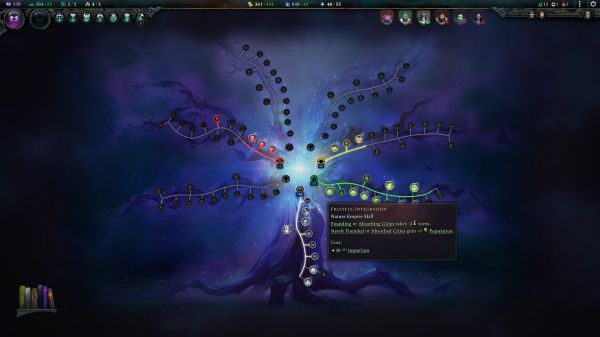
The Empire Development Tree converts accumulated affinity into broad upgrades affecting expansion, economy, diplomacy, units, heroes, magic, and map interaction. The Sprite update reworked this system to provide more expressive choices and reduce several weak or automatic selections. I now feel that affinity shapes how the empire functions beyond determining which Tomes become available. Development choices can reward vassals, specialized troops, summoned units, knowledge, conquest, or other priorities.
The tree remains another large interface requiring long-term planning. Some upgrades produce immediate value, while others become powerful only after several related decisions. New players may spend affinity points according to availability without understanding the later branches. A preview of strategic synergies would make the system easier to approach, though part of the pleasure comes from discovering them across campaigns.
Unit Enchantments Make Ordinary Troops Remain Relevant
Enchantments apply improvements to categories such as melee, ranged, shield, support, or magical units. They may add elemental damage, status effects, defensive qualities, mobility, regeneration, or specialized attacks. Because the upgrades affect existing and future troops, an early cultural unit can remain useful much later than its tier suggests. This preserves faction identity instead of replacing the original army completely with summoned high-tier creatures.
Each active enchantment usually consumes upkeep, and stacking many of them can damage the economy. Visual effects also accumulate until units become difficult to recognize beneath glowing weapons, elemental bodies, and magical decorations. I enjoy creating specialized armies, but too many enchantments can make every unit look like the same collection of effects. Strategic power and visual readability do not always increase together.
Transformations Let the Population Physically Reflect Its History
Minor and major race transformations alter faction units with wings, hardened skin, magical blood, undead traits, animal features, elemental qualities, or other changes. These transformations affect mechanics while also changing models across the population. Watching a familiar culture gradually acquire visible signs of every magical decision is one of Age of Wonders 4’s most satisfying features. The army at the end of the campaign looks like the result of its history rather than a recolored starting roster.
The visual combinations are not always elegant. Multiple transformations can produce clipping, overlapping features, or designs that no longer resemble the original concept. Recent patches continue fixing issues involving ears, eyes, helmets, skin colors, tails, and transformation effects across the expanding list of forms. The ambition is impressive, but the customization system has become complex enough that visual bugs are difficult to eliminate completely.
Major Transformations Can Overwrite the Faction’s Original Theme
Powerful late-game transformations may turn an entire people into angels, undead, demons, plants, astral beings, or other altered forms. Mechanically, these changes provide substantial advantages and support dedicated builds. Narratively, they create a dramatic conclusion to the faction’s magical development. I enjoy deciding whether the transformation represents ascension, corruption, adaptation, or deliberate sacrifice.
The downside is that several campaigns can end with visually similar populations once the most popular transformations are applied. The starting form becomes less visible, and a carefully designed society may be overshadowed by the transformation’s fixed appearance. Cosmetic toggles help preserve some control. I prefer when the final form enhances the original identity rather than replacing it completely.
Summoned Units Create Armies Without Traditional Recruitment
Many Tomes unlock creatures that can be summoned through spells and maintained with Mana instead of normal Gold-based production. This allows magical factions to reinforce armies far from cities and build forces without consuming Draft. Summons often have unusual movement types, resistances, or battlefield roles unavailable to cultural units. A strong magical economy can therefore support expansion even when ordinary production remains modest.
Mana upkeep becomes the limiting factor, and a spell-heavy faction can suddenly discover that its economy supports research or units but not both. Summoned armies may also lack the cultural abilities and enchantment coverage that improve conventional troops. I enjoy mixing them with ordinary units rather than replacing the entire military. The best compositions use creatures to fill specific gaps in the cultural roster.
Necromancy Is More About Resource Management Than Endless Free Armies
Necromantic Tomes allow factions to collect Souls, raise undead units, manipulate death, weaken morale, and transform populations. Fallen enemies become resources supporting future armies, creating a satisfying relationship between conquest and military growth. Undead troops may ignore certain morale concerns and benefit from specialized support. The fantasy is strong because the empire literally converts battlefields into strategic value.
The system requires planning around Soul income, upkeep, unit quality, and research. Early undead forces are not automatically superior, and a poorly designed necromantic economy can struggle before the major synergies arrive. Transforming the population also carries diplomatic and thematic consequences. I enjoy necromancy most when it develops gradually from one useful tool into the defining structure of the empire.
Secrets of the Archmages Adds Some of the Most Inventive Tomes
The newer Story Pack introduces six Tomes built around legendary or forbidden traditions. Abjuration emphasizes protection and magical defense, Gluttony turns consumption into power, Sprite explores unpredictable Fey abilities, Weaver supports spider-based armies, Burning Passion uses destructive demonic intensity, and Cosmos reaches toward high-level universal magic. These options expand faction concepts beyond straightforward elemental paths. They also provide tools that can combine with older Tomes in unexpected ways.
The increased Tome catalogue creates balance and readability challenges. Each addition must interact with existing transformations, enchantments, units, affinities, and tactical mechanics. Some combinations become stronger than their individual descriptions suggest, while others remain thematic but inefficient. I value the expanding possibilities, although learning the complete research environment now requires substantial experience.
Story Realms Give the Astral Sea Necessary Continuity
Procedural campaigns provide replayability, but Story Realms establish recurring characters, historical conflicts, and the larger mythology connecting the Godir. Objectives, events, and map traits create scenarios more specific than ordinary victory competition. I enjoy encountering familiar rulers in new contexts because the game begins feeling like one fantasy setting rather than an unlimited generator. The narrative remains light enough that strategy continues driving the campaign.
Story presentation relies heavily on text events and portraits rather than elaborate cinematic sequences. This suits the genre but limits emotional intensity. Scenario rules occasionally restrict the freedom that makes normal campaigns enjoyable, especially when objectives encourage one intended path. The strongest realms create unusual pressures while still allowing my custom faction to solve them in its own way.
The Pantheon Gives Separate Campaigns a Shared Memory
After completing campaigns, rulers can ascend into the Pantheon and later appear as recruitable heroes, allies, opponents, or returning leaders. Pantheon progression unlocks cosmetics, traits, weapons, and other faction-creation options. This creates continuity across otherwise independent realms. A ruler I developed during one campaign may return years later inside the personal mythology of my account.
The system makes victory feel more meaningful than a final score screen. I am building a collection of remembered Godir rather than abandoning every ruler after one map. Pantheon unlocks also encourage campaigns using different affinities and play styles. I would like more relationships and rivalries between ascended figures, because their current reappearances do not always reflect the detailed histories I remember.
Victory Conditions Encourage Different Empires but Uneven Endgames
Military victory requires defeating rival rulers, while expansion, magic, seals, score, and scenario-specific objectives provide alternatives depending on rules and content. These paths encourage different priorities, allowing a diplomatic or magical faction to pursue something other than complete conquest. Preparing a victory usually alerts opponents and creates a final defensive period. This gives the endgame a visible objective rather than requiring the slow elimination of every city.
Some victory paths feel more natural than others. A player may reach the required economy or research threshold while the remaining world is still capable of resistance, then defend one location until the timer completes. AI rulers do not always respond effectively or coordinate a meaningful final assault. Military victory is direct but can require repetitive sieges after the strategic result is already obvious.
Sieges Turn Cities Into Multi-Turn Strategic Commitments
Attacking a fortified city begins a siege where preparation points reduce defenses before the final battle. Siege projects can damage fortifications, weaken defenders, accelerate progress, or create tactical advantages. The defender has time to assemble relief armies, while the attacker must protect the siege force from outside intervention. This prevents cities from falling immediately after one army reaches the walls.
Long sieges can slow conquest considerably. A dominant empire may spend several turns waiting outside a city that poses little genuine threat, especially after enemy field armies have been defeated. Siege upgrades reduce the delay, but late-game wars still become methodical. The mechanic creates strategic counterplay early and administrative patience later.
Naval Combat Exists but Rarely Becomes the Main Attraction
Water separates landmasses, creates travel routes, and influences settlement locations. Units can embark, while certain traits, transformations, and creatures improve movement or performance at sea. Island maps can make naval mobility strategically important because controlling crossings determines where armies can operate. Coastal cities also gain value through access to maritime provinces and resources.
Actual naval combat is less developed than land warfare. Embarked armies often feel like land units temporarily placed on water rather than dedicated fleets. Limited naval unit variety reduces strategic identity, and tactical sea battles do not match the richness of terrain-based encounters. Water shapes movement effectively but does not support a complete military layer of its own.
AI Armies Are Capable but Not Consistently Convincing
Strategic AI expands cities, forms alliances, claims wonders, builds armies, and pursues victories with enough competence to create pressure. Higher difficulties receive advantages that allow factions to remain competitive even when their planning is imperfect. AI rulers may exploit weak borders, gather armies near targets, and respond to visible victory attempts. The game provides a credible challenge for many campaigns.
Behavior can become inconsistent around war coordination, siege priorities, naval movement, and alliance obligations. An opponent may keep a powerful army near one city while another strategically important location falls. Allied rulers sometimes declare or join conflicts without contributing meaningfully. Recent patches continue adjusting when AI rulers call allies into war and how combat behavior evaluates abilities, showing that improvement remains ongoing.
Combat AI Understands Basics but Wastes Valuable Abilities
During tactical battles, AI units seek targets, use ranged attacks, protect vulnerable positions, and activate many abilities appropriately. It can punish exposed units and exploit simple flanking opportunities. Auto-resolve depends on this competence, so improvements benefit both manual and automated play. Strong enemy compositions can remain dangerous even when their strategic position is weaker.
Specialized abilities sometimes confuse the AI. Units may spend powerful effects on poor targets, move support troops too far forward, or fail to recognize a combination that a human player would use immediately. Complex new Tomes increase this challenge because every update adds exceptions. The AI is sufficient for enjoyable campaigns but does not use the full creative potential of every build.
Difficulty Settings Rely Partly on Economic Advantages
Higher difficulty improves pressure by giving AI rulers stronger economic and developmental support. This allows them to field armies, research, and replace losses at a rate capable of challenging experienced players. The result is a more active strategic map with fewer passive rivals. I enjoy the increased urgency because expansion and military preparation matter immediately.
The advantage can feel artificial when an AI recovers from losses faster than its visible economy should allow. Tactical mistakes remain present, but resource bonuses compensate for them. Custom settings help create a preferred balance between aggression and fairness. I usually choose a level where opponents remain dangerous without making every victory depend on exploiting predictable behavior.
Multiplayer Supports Strong Rivalries and Slow Calendars
Age of Wonders 4 supports online campaigns where players can cooperate, compete, negotiate, and control tactical battles. Simultaneous world turns reduce waiting, while settings allow some control over combat handling and pacing. Human diplomacy is far richer than AI negotiation because promises, threats, deception, and personal history matter. A border dispute with a friend can remain memorable long after the campaign ends.
Long matches are difficult to schedule. Tactical battles may pause progress for other players, and one campaign can require several sessions across many weeks. Connection issues or version differences after updates can complicate continuation. The game supports asynchronous-style planning better than many strategy titles, but committed groups still need patience and reliable coordination.
Manual Multiplayer Battles Create a Fairness Problem
Allowing a human opponent to control neutral or rival armies can make battles more challenging and interesting. A seemingly simple encounter may become dangerous when another player uses terrain and abilities intelligently. This prevents easy experience farming and keeps tactical play socially engaging. It also allows eliminated or distant players to participate during another person’s turn.
The feature can slow campaigns and create conflict over how seriously neutral battles should be played. One player may treat the encounter as an opportunity to cause maximum losses even when the strategic enemy would not behave that intelligently. House rules become important. Multiplayer is strongest when the group agrees whether tactical competition or campaign momentum has priority.
The Interface Is Clear Until the Number of Effects Becomes Enormous
The strategic map communicates resources, movement, province ownership, objectives, and army strength effectively. Unit cards display attacks, defenses, resistances, status effects, enchantments, and transformations in expandable panels. Tooltips explain many connected concepts without requiring a separate manual. For a game containing this many systems, ordinary navigation is impressively manageable.
Late-game factions can accumulate so many modifiers that unit inspection becomes dense. A single troop may have cultural abilities, transformations, enchantments, hero bonuses, society effects, affinity upgrades, terrain bonuses, and temporary statuses. Comparing two units requires substantial reading. The information is available, but availability does not always equal readability.
Controller Support Makes a Complex Strategy Game Surprisingly Comfortable
The console interface translates map navigation, menus, tactical movement, and city management onto a controller more successfully than I expected. Radial functions and focused panels reduce the need for a mouse pointer during ordinary play. Turn-based pacing also means a slower selection process does not create mechanical disadvantage. Age of Wonders 4 is one of the more convincing modern 4X games on consoles.
Large lists, detailed tooltips, and unit comparisons remain faster with a mouse. Late-game management involves enough information that controller navigation can become tiring. Cross-platform feature parity is valuable, although modification support remains stronger on PC. I prefer PC for long campaigns but consider the console versions entirely viable rather than simplified adaptations.
Visual Design Prioritizes Readable Fantasy Over Realistic Scale
Units use exaggerated silhouettes, bright colors, clear weapons, and recognizable cultural clothing. This makes armies understandable from the tactical camera even after transformations alter their appearance. Cities change across cultures and environments, while magical province improvements make late-game empires visibly different from their starting forms. The world map resembles a detailed fantasy board without becoming visually flat.
Animation quality varies between standard units, rulers, and newer expansion content. Some combat movements feel light, especially when large creatures strike without the physical force their size suggests. Repeated models become noticeable across long campaigns because customization must cover many combinations. The overall art direction remains coherent despite the enormous number of possible factions.
Transformations Are Technically Impressive and Frequently Messy
The game applies physical changes across different forms, genders, unit tiers, armor sets, mounts, and cultural designs. Wings must fit insectoid, humanoid, avian, and heavily armored bodies, while skin changes need to work across faces, hands, tails, feathers, and equipment. That the system functions at all across so many combinations is impressive. Watching one spell alter an entire civilization remains a powerful visual reward.
Clipping, missing features, duplicated ears, incorrect colors, broken eyes, and armor conflicts continue appearing as new forms and cosmetics expand the matrix. The July 2026 fixes addressed many examples involving Harefolk, Owlkin, Lupine units, transformations, helmets, and animated weapons. These issues are usually cosmetic rather than campaign-breaking, but faction appearance is central enough that they remain noticeable. Customization ambition has created a permanent technical maintenance challenge.
The Music Supports Campaign Identity Without Becoming Repetitive Quickly
The soundtrack uses orchestral fantasy themes, regional atmosphere, magical textures, and restrained strategic-map music. Combat tracks become more urgent without overwhelming the need to think through turns. New expansions add music matching their themes, including darker vampire material, ruined worlds, and Archmage stories. The score helps realms feel connected to a wider fantasy setting.
Because campaigns can last many hours, repetition eventually becomes noticeable. I sometimes lower the music while planning cities and restore it during important battles or story events. Sound effects communicate spells, impacts, morale changes, and unit abilities clearly. The overall audio remains polished rather than spectacular, which suits a strategy game intended for long sessions.
Performance Is Strong Early and More Demanding Late
Small and medium realms run smoothly on suitable hardware, with quick map movement and responsive tactical battles. Turn processing remains reasonable while only a few rulers and armies are active. The game handles large visual variation across forms and units without requiring extreme hardware. Load times are manageable on modern storage.
Late campaigns become heavier as cities expand, armies multiply, transformations accumulate, and AI factions evaluate more decisions. Large maps with many players can produce longer turn times and reduced responsiveness. Patches have improved stability and specific performance problems, though complex custom realms remain capable of stressing the simulation. I prefer medium maps because they preserve strategic variety without turning every late turn into a waiting period.
Autosaves Protect Long Campaigns but Encourage Reckless Testing
The game saves frequently and allows multiple manual files, reducing the risk of losing substantial progress after a crash or poor decision. This is essential in campaigns where one turn may contain several battles and diplomatic choices. I create separate saves before major wars or uncertain event decisions. Strategy games benefit from allowing experimentation without demanding complete campaign restarts.
Easy reloading can weaken the consequences of tactical mistakes. I may retry a battle, change one movement, and transform a defeat into a clean victory. Ironman-style restrictions provide a more committed experience for players who value permanence. I usually allow reloads while learning a faction and accept outcomes more strictly once the campaign’s mechanics become familiar.
Mods Extend Faction Creation Beyond the Official Catalogue
Steam Workshop support provides new forms, traits, cultures, Tomes, units, maps, interface changes, balance adjustments, and cosmetic additions. The base game already supports substantial variety, but mods allow highly specific fantasy concepts that official content may never address. Community creators also fix inconveniences or expand underused mechanics. A carefully selected list can make a new campaign feel dramatically different.
Updates and DLC can break compatibility, especially when mods alter faction creation or core systems. Multiplayer requires every participant to maintain compatible versions, increasing setup complexity. Large mod lists may create balance problems or conflicts that are difficult to diagnose. I keep major campaigns relatively conservative because one incompatible update can damage a long-running save.
The DLC Catalogue Is Excellent and Increasingly Expensive
Expansions and Story Packs have added Dragon rulers, Primal cultures, Eldritch Sovereigns, giant rulers, vampire systems, nomadic survivors, Archons, Oathsworn societies, new forms, Tomes, Story Realms, map traits, units, mounts, transformations, and visual options. Most additions connect directly with faction creation, making them highly reusable across procedural campaigns. This is a stronger value proposition than DLC providing one isolated scenario. A single new Tome can influence dozens of future factions.
The accumulated price is substantial for someone purchasing the complete collection after several expansion passes. The base game remains fully playable, but browsing community factions or guides regularly reveals options tied to packs I may not own. Expansion Pass bundles reduce the cost compared with individual purchases, especially during sales. The model supports long-term development but gradually turns the definitive edition into a major investment.
Expansion Pass 3 Shows the Game Still Has Room to Grow
Thrones of Blood introduced vampire rulers and blood-focused empire building, Rise from Ruin added Harefolk, the Nomad culture, Astral Barrens, and survival-oriented Tomes, while Secrets of the Archmages expanded forbidden magic and narrative history. Together, these releases demonstrate that the designers can still find distinct fantasy themes without merely adding stronger versions of existing tools. Each pack changes faction creation, world rules, or magical progression in a reusable way. The third pass feels like genuine expansion rather than leftover cosmetic content.
The growing catalogue also increases the burden of balance and technical support. Every new ruler, form, government, transformation, Tome, and realm trait must interact with all previous content. Patch notes now include extensive adjustments and highly specific visual fixes resulting from combinations few players may ever create. The modular design provides outstanding replayability at the cost of permanent complexity.
Rise from Ruin Gives Survival a Stronger Strategic Identity
The Astral Barrens create a hostile landscape shaped by magical catastrophe, while Nomad culture and related Tomes support movement, endurance, warbands, sand-based abilities, and adaptation. Harefolk provide a memorable visual contrast because their appearance suggests vulnerability while their mechanics support survival under severe conditions. Campaigns in these realms feel harsher than ordinary settlement races. Environmental pressure becomes part of the strategic opponent.
The theme works best when the realm settings force me to use the new tools. On an ordinary fertile map, survival-focused abilities may feel less distinctive. This highlights the importance of combining DLC faction options with matching world traits. Age of Wonders 4 provides the pieces, but the player often needs to assemble the intended scenario personally.
Thrones of Blood Makes Vampirism an Empire System
Vampire content extends beyond one undead unit by introducing a ruler identity, blood-related mechanics, dark armies, and a world designed around reduced sunlight. The fantasy affects economy, military composition, transformation, and narrative choices. I enjoy when a theme changes how the empire behaves instead of providing only a visual skin. Vampire rulers feel politically and mechanically predatory.
Blood systems can become another specialized resource to monitor, and their strength depends on access to suitable populations or battles. Highly thematic factions may also have obvious diplomatic and moral roles, reducing ambiguity. The pack is most appealing to players who actively want the vampire fantasy. Its systems are reusable, but its identity is intentionally specific.
The Base Game Still Contains Enough Variety for Many Campaigns
Even without the full DLC catalogue, faction creation, procedural realms, six affinities, tactical combat, diplomacy, city development, transformations, multiple ruler styles, and the Pantheon provide substantial replayability. The core cultures and Tomes support a wide range of conventional fantasy concepts. A new player can spend many campaigns learning the foundation before needing additional content. The expansions broaden possibilities rather than repairing an empty base.
The main limitation is social comparison. Screenshots, Workshop factions, multiplayer groups, and guides frequently use expansion options, making the base catalogue feel smaller than it is. New players should resist buying everything before understanding which themes appeal to them. The best first expansion is the one that enables a specific campaign idea rather than the one with the longest feature list.
The Game Rewards Role-Playing Until Optimization Becomes Tempting
Age of Wonders 4 is at its most memorable when I make choices according to the faction’s developing story. A defensive society may reject a destructive Tome even when it offers a useful spell, while an ambitious Wizard King may embrace a transformation with serious moral consequences. Events support this approach by presenting decisions influenced by affinity and identity. The campaign becomes a history I authored through strategic choices.
Optimization pushes in the opposite direction. Certain traits, Tome combinations, enchantments, and victory paths provide reliable advantages regardless of narrative concept. Once discovered, these combinations can influence every future faction. I enjoy the game more when I accept a slightly weaker but coherent build rather than turning every society into the same collection of efficient bonuses.
Late-Game Armies Can Become Too Similar
Early cultural units provide clear identities through armor, abilities, formations, and tactical roles. As Tomes add enchantments, summons, transformations, and higher-tier units, the original culture may become less central. Several factions can converge around the same powerful creatures or universal upgrades. This creates strategic efficiency while weakening visual and mechanical distinction.
Recent balancing and culture reworks attempt to preserve cultural relevance through subcultures, governments, and improved Empire Development choices. Unit enchantments also help lower-tier troops remain competitive. I still prefer campaigns where the final army looks like an evolved version of the starting society. The game’s modular freedom should create divergence, not only provide several routes toward the same late-game answer.
Large Battles Are Impressive and Mentally Expensive
When several full armies meet, the tactical map fills with frontline units, ranged support, heroes, summons, creatures, and spell effects. Every casualty matters strategically, and one battle may decide the fate of a region. I enjoy the scale because the campaign’s preparations finally become visible in one confrontation. Flanking, morale, spell timing, and target priority all matter more when reserves are limited.
These battles can take a long time, particularly when both sides have defensive abilities or summoned reinforcements. Unit tooltips become dense, and one missed effect may decide an exchange. Repeating several major battles during one siege slows the campaign dramatically. I save manual control for conflicts that feel strategically or narratively important.
The Endgame Often Arrives After the Winner Is Already Obvious
Like many 4X games, Age of Wonders 4 can reach a stage where one empire has clearly superior territory, economy, research, and armies before the formal victory condition is complete. Remaining opponents may be unable to reverse the advantage, yet finishing the campaign still requires sieges, research, expansion, or a countdown. This creates a period where strategic uncertainty has ended but administrative work continues. Large realms make the problem more visible.
Alternative victory conditions reduce the need to conquer every settlement, and surrender mechanics can shorten hopeless wars. AI rulers do not always recognize defeat early enough or cooperate effectively against the leading faction. More dynamic coalitions and stronger endgame crises could preserve tension. I often remember the rise of an empire more fondly than the turns spent confirming its inevitable victory.
My Biggest Frustrations
Late-game turns become slower, unit descriptions become crowded with effects, and major battles can require substantial time even after the strategic result is predictable. Diplomacy remains functional rather than deeply personal, while AI allies and enemies make inconsistent military decisions. Procedural maps occasionally produce awkward geography, naval warfare lacks depth, and auto-resolve may sacrifice units unnecessarily. Visual customization is ambitious but still produces clipping and transformation errors.
The expanding DLC catalogue creates another problem. New cultures, rulers, forms, Tomes, Story Realms, transformations, and realm traits provide real value, but the complete package is increasingly expensive and mechanically overwhelming. Powerful combinations can encourage repetitive optimization, while some older cultures feel less elaborate beside newer content until reworked. Age of Wonders 4 offers exceptional freedom, but maintaining balance and clarity across that freedom becomes harder with every expansion.
Who Should Play Age of Wonders 4?
I recommend Age of Wonders 4 to players who enjoy turn-based 4X strategy, tactical battles, fantasy world building, custom civilizations, hero development, magical research, procedural maps, and campaigns driven by personal themes. It is especially strong for someone who prefers creating factions instead of selecting one fixed empire. The Realm creator and Pantheon provide enough structure for repeated campaigns, while Tomes allow one faction concept to evolve differently every time. Players who enjoy role-playing strategic decisions will find more value than those focused only on competitive balance.
I would be more cautious recommending it to anyone who dislikes long campaigns, dense tooltips, turn-based tactical battles, or DLC-heavy strategy games. Diplomacy is not deep enough to carry a purely peaceful campaign on its own, and late-game management can continue after uncertainty has disappeared. Large multiplayer campaigns also require significant scheduling patience. The game rewards experimentation, but understanding the full combination system takes several campaigns.
My Final Verdict
Age of Wonders 4 is one of the strongest modern fantasy strategy games because it makes empire creation feel personal without sacrificing the tactical and economic structure of a serious 4X campaign. Faction forms, traits, cultures, governments, rulers, Realm settings, Tomes, transformations, enchantments, heroes, cities, and Pantheon progression combine into an extraordinary generator of fantasy histories. Tactical combat is readable and deep, while the strategic map gives cities, Free Cities, wonders, diplomacy, and magical research meaningful roles. Continued updates and expansions have made the creation tools far broader than they were at release.
The game remains weaker in diplomacy, naval warfare, late-game pacing, interface density, AI coordination, and visual consistency across the enormous number of possible combinations. DLC increases both cost and mechanical overload, while optimized Tome paths can reduce the identity of supposedly unique societies. Even with those flaws, I rate Age of Wonders 4 9.0/10. I may begin a campaign with a clear plan for honorable farmers or scholarly owls, but the game’s greatest pleasure comes from discovering how those respectable citizens eventually become flying cosmic necromancers supported by spiders, vampires, and one extremely well-equipped toad.
Pros:
- Robust tactical gameplay that rewards strategy
- Comprehensive mod and cheat support for enhanced customization
- Diverse economic and political systems for varied gameplay
- Stunning visuals paired with an evocative soundtrack
- Flexible system requirements and multi-platform availability
- Immersive fantasy world with deep lore
Cons:
- Potential performance issues on older hardware configurations
- Occasional imbalance in early game difficulty leading to a less forgiving experience
- Steep learning curve for newcomers







Recent Reviews

Minecraft

Grand Theft Auto V

Toca Boca World

Roblox

Leave a comment
Your comment is awaiting moderation. We save your draft here
0 Comments