Review
My strongest early memory of The Witcher 3: Wild Hunt is not a royal audience, a huge battle, or a dramatic revelation about Ciri. It i...
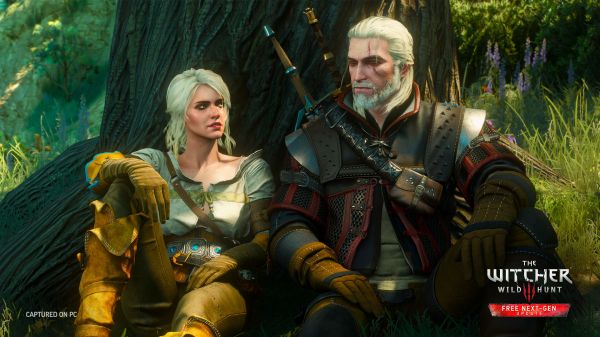
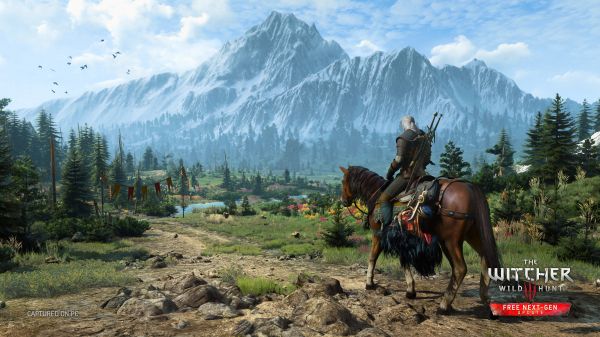
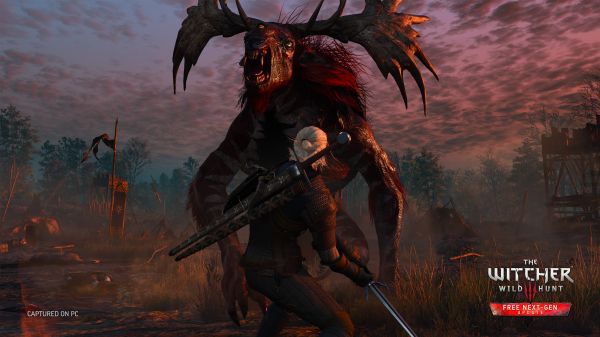
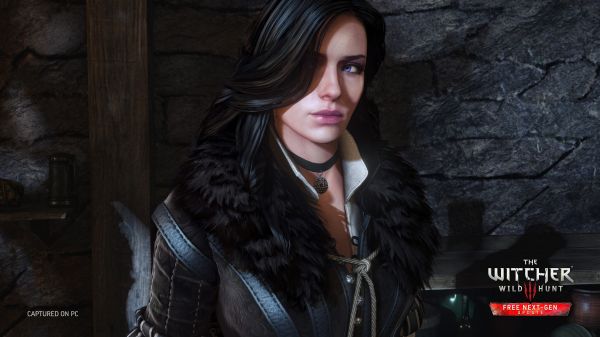
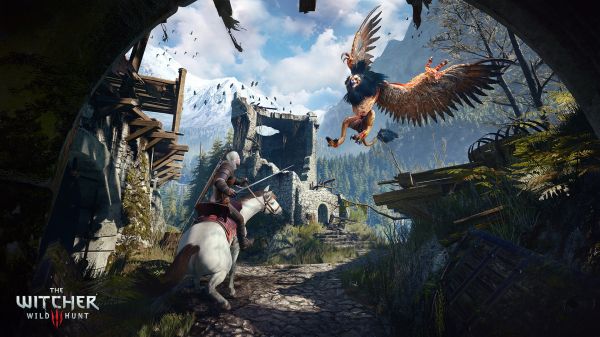
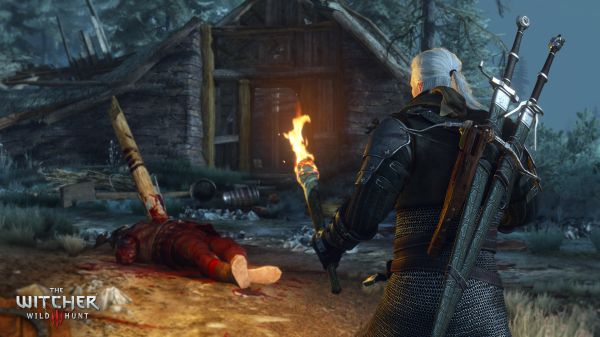
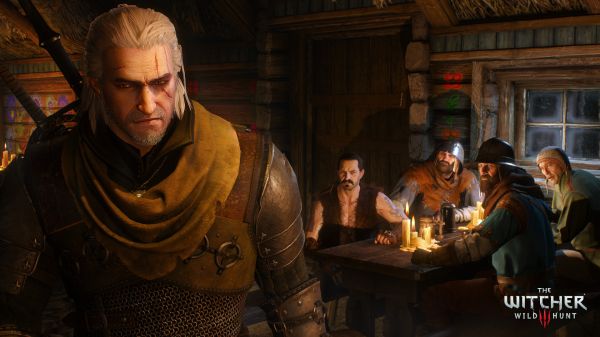
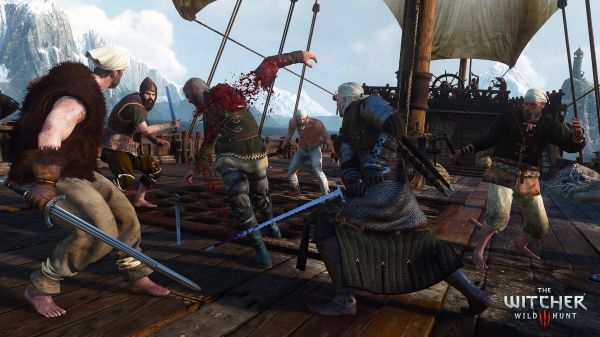
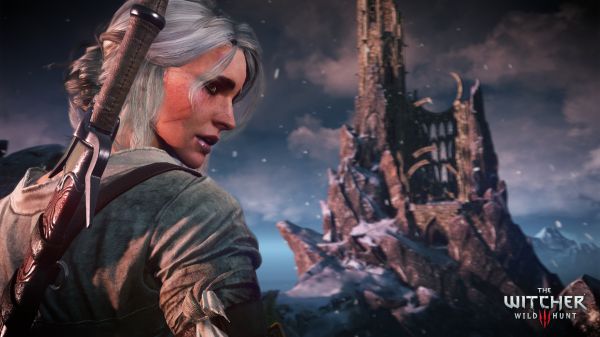
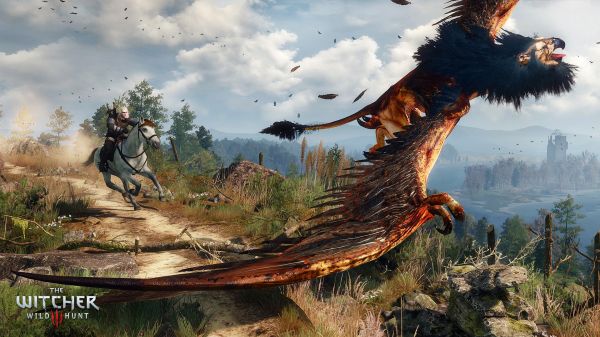
Immersive Journeys Through The Witcher 3: A Masterpiece of Dark Fantasy and Interactive Storytelling
My strongest early memory of The Witcher 3: Wild Hunt is not a royal audience, a huge battle, or a dramatic revelation about Ciri. It is a modest monster contract that began with frightened villagers, conflicting accounts, muddy tracks, and a creature whose behavior made sense only after I examined the scene carefully. By the time Geralt prepared the correct oil, followed the trail, and confronted the threat, I felt less like a hero following a marker and more like a professional entering a problem everyone else preferred to misunderstand. That contract taught me why The Witcher 3 remains remarkable: even routine work can contain tragedy, suspicion, folklore, and consequences that survive after the reward is collected.
The main story follows Geralt of Rivia as he searches for Ciri, his adopted daughter and a young woman pursued by the supernatural riders of the Wild Hunt. The search moves through war-damaged villages, enormous cities, remote islands, noble estates, ancient ruins, swamps, battlefields, and regions shaped by political violence. Geralt meets old companions, dangerous rulers, sorceresses, spies, soldiers, criminals, monsters, and ordinary people trying to survive decisions made far above them. The premise is direct, but the journey becomes an enormous study of family, responsibility, prejudice, power, and the compromises required to live in a world where every faction considers itself justified.
Geralt Is a Defined Character Without Making My Choices Meaningless
Geralt is not an empty avatar. He has an established history, recognizable values, professional habits, relationships, prejudices, humor, and emotional limits shaped by novels and earlier games. I cannot transform him into a completely different person through dialogue choices, and I do not think the game would improve if I could. The role-playing comes from deciding which parts of Geralt’s personality become dominant in a particular situation: patience, pragmatism, tenderness, irritation, neutrality, loyalty, or professional detachment.
This structure gives choices stronger context because I am not selecting random moral positions from a menu. I am asking what this particular Geralt believes after hearing incomplete information from people who may be frightened, dishonest, desperate, or politically motivated. He can refuse payment from someone with nothing, demand every coin promised by a wealthy client, show mercy to an intelligent creature, or decide that mercy would place others at risk. The best decisions feel like interpretations of one complicated man rather than attempts to accumulate universal morality points.
Ciri Gives the Main Quest Emotional Urgency
The search for Ciri works because Geralt’s concern is personal rather than abstract. He is not trying to save an unknown symbol of destiny simply because the world requires a hero. He remembers Ciri as a child, understands the dangers surrounding her abilities, and knows that powerful institutions see her as a political or magical resource. Every clue therefore carries emotional weight even when the trail repeatedly leads somewhere else.
Playable Ciri sequences provide brief control over her perspective and supernatural movement. These sections are more linear than Geralt’s exploration, but they prevent her from existing only as a missing objective discussed by other characters. I see her fear, confidence, impatience, loyalty, and ability to survive without Geralt’s constant protection. Her relationship with him becomes the emotional foundation of the ending because the final outcome depends less on one obvious decision than on how he treated her across several vulnerable moments.
The Wild Hunt Works Better as Pressure Than as Personality
The Wild Hunt appears through spectral riders, freezing environments, sudden pursuit, and the constant danger surrounding Ciri. Its leaders provide visual menace and a clear external threat that keeps the main story moving. The group represents inevitability, arriving across worlds and treating individual lives as obstacles to a larger objective. That scale makes every temporary refuge feel fragile.
As individual antagonists, however, the riders are less interesting than many human characters. Their goals are understandable, but their personalities and internal relationships receive less development than the political figures, criminals, and local rulers Geralt encounters. I remember the atmosphere created by the Hunt more clearly than I remember most conversations with its members. The story’s human conflicts often feel more morally complicated than its central supernatural enemy.
Velen Is One of the Most Convincing War-Torn Regions in Games
Velen is muddy, damaged, hungry, suspicious, and filled with villages that appear to have lost more people than they can bury. Burned homes, abandoned battlefields, hanging bodies, military checkpoints, and desperate families communicate the consequences of war without requiring constant explanatory dialogue. The region is not visually pleasant in the conventional sense, yet it is extraordinarily effective. Every field and ruined settlement looks as though history passed through recently and left ordinary people to manage the remains.
The landscape contains beauty, but it is rarely comfortable. Sunlight passes through forests, wind moves across open grass, and quiet rivers create moments of peace that make the surrounding violence more noticeable. Geralt may encounter a monster created by supernatural forces, then discover that the deeper problem began with cruelty, poverty, or a decision made during the war. Velen does not treat monsters as separate from human society; it repeatedly shows how fear and violence produce environments where monsters thrive.
The Bloody Baron Questline Still Defines the Game’s Moral Strength
The story surrounding Philip Strenger, his wife Anna, and their daughter Tamara begins as an exchange of information but develops into an examination of abuse, guilt, alcoholism, family loyalty, and the limits of redemption. The Baron can be charming, helpful, ashamed, manipulative, violent, and emotionally sincere within the same storyline. The game neither excuses his behavior nor reduces him to one simple label. It allows him to explain himself without asking me to forget what he did.
The consequences extend beyond one household and connect with the Crones, local children, the surrounding villages, and supernatural forces shaped by older bargains. Several choices appear compassionate at first and produce consequences I did not anticipate. Another decision may seem cruel in the moment but protect people I never met. The questline remains memorable because it refuses to provide an outcome where every victim receives justice and every guilty person receives a perfectly measured punishment.
The Crones Turn Folklore Into Political Power
The Ladies of the Wood combine distorted fairy-tale imagery with control over Velen’s isolated communities. Villagers offer devotion, food, children, and obedience because the Crones provide protection, judgment, and a system that appears more dependable than distant rulers. Their influence is supernatural, but it also resembles political authority built through fear and dependency. People participate in the arrangement because refusing it may be more dangerous than accepting it.
The Crones’ visual design is deliberately unpleasant without relying on ordinary demonic imagery. Their true forms, voices, rituals, and relationship with the land make them feel ancient and culturally embedded. They are not invaders arriving from another realm; they are part of Velen’s history. I found them more unsettling than many larger enemies because their power survives through ordinary people who have learned to call exploitation tradition.
Novigrad Feels Like a City With Competing Systems of Power
Novigrad is crowded with merchants, guards, beggars, performers, dock workers, criminals, priests, refugees, mages, and travelers. Its streets curve between markets, temples, warehouses, taverns, canals, homes, and hidden businesses. The city feels economically and politically active because different districts communicate different forms of wealth and danger. Moving from a wealthy square to a poor alley takes only minutes, yet the social distance between them feels much larger.
Several organizations compete for control, including the Church of the Eternal Fire, criminal groups, merchants, spies, and political agents. Public religious authority exists beside corruption and private violence, while frightened citizens support persecution because they believe it creates order. Geralt’s search for allies and information becomes entangled with these structures. Novigrad works because it is not only a large collection of buildings; it is a place where power is constantly negotiated.
The Witch Hunters Make Public Fear Mechanically Visible
Persecution of mages and nonhuman communities appears through arrests, public punishment, abandoned homes, fearful conversations, and quests involving escape or concealment. The violence is not confined to a distant historical account. Geralt sees people dragged away, finds evidence inside residences, and meets characters whose plans have changed completely because the city no longer considers them safe. This gives political oppression a physical presence in exploration.
The game occasionally simplifies the institutions involved, especially when religious extremists become easy targets for contempt. Even so, it effectively shows how fear can become administration. Papers, checkpoints, public speeches, and ordinary cooperation allow brutality to appear lawful. Geralt cannot solve the entire system through one sword fight, which makes individual rescue choices feel both meaningful and painfully limited.
Skellige Changes the Rhythm Without Abandoning Darkness
Skellige replaces Velen’s marshes and Novigrad’s urban density with islands, cliffs, villages, mountains, longships, storms, and open sea. The region initially appears more heroic because its culture celebrates honor, strength, family lines, and public courage. Beneath that image are succession disputes, blood obligations, dangerous traditions, and people trapped by expectations about leadership. Skellige feels different without becoming morally simpler.
Exploration is visually impressive, especially when travelling along mountain roads or approaching an island during changing weather. Sea travel is less consistent because boats can become repetitive and the number of offshore points of interest encourages mechanical collection rather than natural discovery. I enjoy Skellige most when following quests through its settlements and landscapes rather than clearing every marker from the ocean. The region’s strongest content comes from characters and customs, not floating loot.
The Succession Story Makes Leadership a Question of Temperament
Skellige’s political storyline allows Geralt to influence which candidate may become ruler. Cerys approaches problems through patience, investigation, and political intelligence, while Hjalmar emphasizes courage, direct action, and traditional heroism. Neither is presented as completely worthless, but their different methods lead toward different futures. The decision feels important because I spend enough time with both to understand what each form of leadership would mean.
The story avoids turning the election into a simple statistic comparison. Personal loyalty, clan expectations, public perception, and old customs shape the available choices. Geralt remains an outsider, yet his actions can alter the political result because he becomes involved in events surrounding the candidates. This is one of the clearest examples of a side storyline changing the world without distracting from the main search for Ciri.
Side Quests Frequently Match the Quality of the Main Story
Many optional quests begin with an ordinary request and develop into something far more complicated. A missing person may reveal a family secret, a monster contract may expose exploitation, and a harmless favor may connect with political violence. The writing avoids treating side content as disposable experience. Even small characters often receive enough personality that I remember their situation long after leaving the region.
Consequences may appear hours later through changed locations, new dialogue, unavailable characters, or unexpected encounters. The game does not always announce these connections dramatically, which makes the world feel less centered on immediate reward. Some quests still rely on following tracks and fighting a final opponent, but context keeps the structure from feeling identical. The difference between a great and average Witcher quest is usually not the mechanic; it is the information that changes how I interpret the mechanic.
Monster Contracts Make Geralt’s Profession Matter
Contracts begin through notice boards, direct requests, rumors, or discoveries in the world. Geralt investigates tracks, bodies, wounds, scents, nests, magical residue, and witness accounts before identifying the creature. Preparation may involve reading the bestiary, applying oil, equipping bombs, choosing a Sign, and drinking useful potions. The process turns combat into the final stage of professional work rather than an isolated encounter.
Not every contract reaches the same narrative quality, and several use similar investigation patterns. Witcher Senses highlight tracks clearly, which keeps the investigation accessible but reduces genuine deduction. I usually follow glowing evidence rather than independently solving a mystery. The stories, moral complications, and creature designs still make contracts among the best recurring activities in the game.
Witcher Senses Are Useful and Overused
Activating Witcher Senses highlights tracks, scents, interactive objects, containers, sounds, and environmental evidence. The feature communicates Geralt’s enhanced perception and prevents important clues from disappearing inside detailed environments. During investigations, it creates a readable sequence from crime scene to creature. It also helps locate small objects that would otherwise require frustrating pixel searches.
The mechanic appears so frequently that investigation can become a routine of activating the filter and following highlighted objects. Visual distortion and altered audio may also become uncomfortable during extended use, though accessibility options reduce some effects. I would have preferred more cases where several clues support different interpretations rather than one colored trail leading directly toward the answer. Witcher Senses make detective work smooth but sometimes too automatic.
Dialogue Choices Work Because Information Is Incomplete
The game rarely provides every relevant fact before requiring a decision. Witnesses lie, clients omit details, rulers manipulate language, and even Geralt’s allies interpret events through personal history. A dialogue option that appears reasonable may produce an outcome I did not expect because the speaker understood it differently. This uncertainty prevents choice from becoming a search for the clearly correct line.
Occasionally, the wording in the dialogue wheel does not communicate the full intensity of Geralt’s spoken response. I may select a firm answer and hear something more aggressive than intended. This problem is not constant, but it matters in a game where tone can alter relationships. The best choices provide enough information to express intent while preserving uncertainty about consequences.
Romance Is Connected With History Rather Than Simple Approval
Geralt’s relationships with Yennefer and Triss are shaped by years of shared history, separation, memory, betrayal, loyalty, and unresolved affection. Choosing between them does not feel like selecting a reward after completing enough favors. Each relationship emphasizes a different version of Geralt’s emotional life. Yennefer shares a deeper and more difficult bond with him, while Triss represents another form of intimacy affected by earlier events.
The game allows Geralt to mishandle these relationships, and attempting to promise commitment to both produces an appropriately humiliating result. Romance scenes are occasionally playful, but the underlying choices matter because they affect Geralt’s personal ending. I appreciate that major companions have independent priorities and do not exist only to praise him. The writing is strongest when affection and frustration appear together.
Yennefer Is Difficult Without Being Reduced to Cruelty
Yennefer is intelligent, impatient, politically experienced, and willing to violate expectations when Ciri’s safety is involved. Her decisions can appear cold because she prioritizes results over social approval. The game also shows her vulnerability, humor, loyalty, and fear through quieter moments. She feels like someone who has lived a complicated life rather than a character designed to become instantly agreeable.
Geralt’s conversations with her carry the weight of familiarity. They can insult one another without becoming strangers, and small gestures communicate history more effectively than repeated declarations. Players may disagree strongly about her behavior, which reflects the quality of the characterization. She is allowed to remain difficult even when the story wants me to understand her.
Triss Balances Compassion With Political Responsibility
Triss becomes central to the effort to protect persecuted mages in Novigrad. Her storyline combines personal history with Geralt and responsibility toward people who depend on her. She is warm and emotionally open, but she is not free from difficult choices or earlier mistakes. The evacuation storyline gives her a purpose that continues even when Geralt chooses not to pursue romance.
Her relationship with Geralt is complicated by the events of previous games and his restored memories. The game does not explore every uncomfortable detail as deeply as it could, especially for players unfamiliar with earlier entries. Even so, Triss feels like a participant in the world’s political crisis rather than a romantic alternative waiting in one location. Her courage is expressed through organization and protection instead of battlefield spectacle alone.
Dandelion Provides Humor Without Becoming Completely Useless
Dandelion’s confidence, storytelling, romantic decisions, and talent for creating problems make him an effective contrast to Geralt’s restraint. He frequently needs help, but his relationships and social knowledge also open paths Geralt could not create through intimidation or monster expertise. The Cabaret storyline shows him attempting to build something permanent rather than merely escaping another consequence. His humor works because the world treats him as a real person with responsibilities.
Some quests involving Dandelion continue longer than their central joke can support. Geralt may travel across the city gathering information while the urgency of finding Ciri appears temporarily suspended. The character remains important because he represents Geralt’s connection with ordinary social life, performance, and friendship. Without him, the story would become emotionally heavier and much quieter.
Combat Is Functional, Stylish, and Less Precise Than the Writing
Geralt uses steel and silver swords, quick attacks, strong attacks, dodges, rolls, parries, counterattacks, bombs, crossbows, Signs, potions, decoctions, and environmental positioning. Against groups, I need to control space and avoid becoming surrounded, while larger monsters require reading their attack patterns and waiting for safe openings. The combat looks graceful because Geralt rotates, steps, and changes direction through elaborate animations. It creates the impression of a trained specialist rather than a heavy armored soldier.
The system can feel loose because target selection, camera movement, and animation commitment do not always respond exactly as intended. Geralt may perform a long movement toward one enemy while another attacks from the side. Uneven terrain and confined interiors make the problem more noticeable. Combat remains enjoyable across a long campaign, but it rarely reaches the precision of the best dedicated action games.
Quick Attacks and Strong Attacks Need Different Situations
Quick attacks connect rapidly and help maintain pressure against fast enemies. Strong attacks take longer but provide greater damage and stronger armor penetration, making them useful against slower or vulnerable targets. Skills can develop either path into a more specialized style. I usually combine them according to enemy movement rather than committing completely to one button.
The difference is clear enough mechanically, although advanced builds can encourage repetitive use of whichever option receives the strongest bonuses. Whirl and Rend provide more dramatic expressions of the two styles, allowing sustained movement or concentrated damage. These abilities are satisfying but can become dominant once supported by the correct gear. The base attacks remain most interesting when I need to adjust timing rather than repeat one optimized sequence.
Dodging Is Usually Better Than Rolling
The short dodge preserves proximity to an enemy and allows Geralt to counter quickly. Rolling creates more distance but consumes additional space and can disrupt offensive positioning. Learning when to use each movement improves combat significantly, particularly against monsters with predictable attack patterns. The distinction gives defensive movement more purpose than one universal escape action.
Early in the game, I rolled constantly because it felt safer. This made encounters slower and occasionally placed Geralt near another threat. The smaller dodge initially appears risky but becomes the foundation of controlled combat. The game could teach this difference more clearly instead of allowing new players to develop habits that make every fight look like repeated gymnastics.
Signs Give Geralt Practical Magic Without Turning Him Into a Wizard
Aard creates force, Igni produces fire, Quen forms protection, Axii influences minds or stuns targets, and Yrden creates a magical trap. These Signs are deliberately limited compared with full sorcery, but they provide immediate tactical options. Quen offers safety, Aard can interrupt or control groups, Igni applies pressure, Axii creates openings, and Yrden becomes essential against particular supernatural enemies. Upgrades and alternative modes allow Signs to support dedicated builds.
Quen is so broadly useful that it can overshadow the others. A protective shield reduces the punishment for mistakes and works in almost every encounter. More specialized Signs may require the right enemy or build before their value becomes obvious. I enjoy Sign-focused Geralt because it changes the rhythm, but the balance encourages practical protection more consistently than creative experimentation.
Alchemy Makes Preparation Feel Like Part of the Profession
Geralt can brew potions, decoctions, oils, bombs, alcohol, and other useful substances from gathered ingredients and purchased formulas. Once created, many items replenish through meditation as long as strong alcohol remains available. This avoids forcing me to gather every rare ingredient before each battle. The system preserves preparation while respecting the length of the campaign.
Oils improve damage against specific creature categories, potions provide temporary advantages, and decoctions create longer effects based on monster mutagens. Toxicity limits how many substances Geralt can use safely. Dedicated alchemy builds can turn this limitation into a source of remarkable power. The system is initially easy to ignore, but higher difficulty and stronger opponents make preparation far more rewarding.
Automatic Oil Application Improves Flow and Reduces Ritual
The updated versions can apply the appropriate blade oil automatically when combat begins. This removes repeated inventory visits and ensures that crafted oils provide value without constant management. For long sessions, the convenience is substantial because switching between human enemies and monsters happens frequently. It also makes the system more approachable for players who previously ignored oils.
Manual application created a stronger feeling of deliberate preparation, particularly before contracts. Automatic use turns oils into passive statistical upgrades once every formula is collected. I prefer leaving the option enabled during exploration and occasionally disabling it when I want a slower role-playing approach. The availability of both styles is the best solution.
Decoctions Support the Most Creative Character Builds
Decoctions provide long-duration effects connected with specific monsters. One may reward movement, another improve healing, and another interact with Signs, stamina, or damage conditions. Because they consume substantial Toxicity, selecting a combination becomes part of the build rather than an automatic bonus. Mutations and alchemy skills can expand the number and effectiveness of active decoctions.
The descriptions are not always easy to evaluate before practical testing. Some effects appear weak but become powerful through interactions, while others sound impressive and rarely influence ordinary combat. The strongest combinations can make Geralt extremely difficult to threaten. I enjoy the system because it rewards understanding, although external build guides explain its potential more clearly than the game does.
Enemy Design Is Strongest When Preparation Changes the Fight
Wraiths require Yrden or other methods of forcing them into a vulnerable state, flying creatures can be brought down with the crossbow or Aard, and regenerating monsters may need fire or sustained pressure. Cursed creatures, vampires, necrophages, hybrids, insectoids, relics, and draconids each encourage different oils, bombs, Signs, and movement. The bestiary provides useful background and tactical advice. This gives monster variety a mechanical foundation beyond different health bars.
Some encounters still collapse into dodging, quick attacks, and Quen regardless of the creature. Once Geralt becomes overleveled, preparation matters less and many enemies lose their identity. Difficulty settings and enemy scaling help but do not completely solve the problem. The most satisfying fights occur when the monster’s behavior forces me to use knowledge rather than simply superior numbers.
Human Opponents Are Less Interesting Than Monsters
Bandits, soldiers, guards, and criminals use swords, shields, axes, bows, and other familiar weapons. Groups can be dangerous because ranged attackers and shield users create pressure from several directions. Counterattacks, Axii, bombs, and positioning provide useful responses. Human combat is fast and often visually dramatic.
Enemy variety is narrower, and repeated camps begin to feel mechanical. Heavily armored opponents absorb more damage, while shield users require one familiar method of opening their defense. Geralt’s profession and tools are built around monsters, so ordinary combat naturally feels less distinctive. Human encounters remain useful for pacing but rarely provide the same investigative or tactical satisfaction as contracts.
Progression Gives Frequent Rewards Without Demanding Endless Numbers
Experience increases Geralt’s level, allowing access to stronger equipment and new abilities. Ability points come from leveling and Places of Power, then must be placed into active slots to affect the build. Mutagens enhance groups of related skills, encouraging focused development across combat, Signs, alchemy, or general abilities. The system provides meaningful specialization without creating hundreds of minor numerical upgrades.
The limited active slots force choices but can feel artificial when Geralt has learned more abilities than he can use. I may possess a useful skill yet receive no benefit until rearranging the loadout. The next-gen update’s balancing changes reduce some required investment and make experimentation easier. Even so, changing a build remains more menu-driven than the character’s narrative development suggests.
Mutations Give Blood and Wine a Powerful Endgame Layer
The mutation system adds advanced abilities requiring mutagens and skill points. Mutations can strengthen Signs, alchemy, crossbows, critical attacks, and hybrid play styles while unlocking additional ability slots. This gives continued progression meaning after Geralt has already completed much of the base game. A developed mutation can change how an established build functions rather than merely adding more damage.
The cost is substantial, encouraging investment after ordinary skills are already mature. Certain mutations are much more useful than others, especially for highly optimized builds. Unlocking the entire system requires a large number of resources that may not benefit one playthrough directly. It works best as a long-term feature for players continuing into New Game Plus.
Loot Is Abundant and Frequently Uninteresting
Geralt finds swords, armor, crafting materials, diagrams, food, junk, runes, glyphs, and valuables throughout the world. Exploration and quests constantly produce new items, creating a sense of material reward. Selling equipment helps fund repairs, crafting, and expensive upgrades. The inventory rarely remains empty for long.
Most random weapons and armor become merchant stock because Witcher gear and major quest rewards are usually more valuable. Level requirements can also make a supposedly rare sword useless by the time I find it. The amount of disposable equipment creates inventory management without creating meaningful choice. I would prefer fewer weapons with stronger stories and clearer mechanical identities.
Witcher Gear Provides the Best Equipment Progression
Scavenger hunts lead toward diagrams for armor and weapons associated with different Witcher schools. Griffin gear supports Signs, Cat gear favors speed and offensive pressure, Bear gear emphasizes protection and heavy combat, while other schools and later sets support additional styles. Crafting improved, superior, mastercrafted, and grandmaster versions creates a clear long-term path. The visual designs also communicate Geralt’s professional identity better than most random equipment.
Finding diagrams can become repetitive because clues frequently lead through caves, ruins, and guarded locations. Crafting full sets requires money, rare materials, and access to suitable smiths or armorers. The results are worth the investment, especially when grandmaster bonuses support a focused build. Witcher gear makes progression feel intentional rather than dependent on opening another container.
Weapon and Armor Durability Add Maintenance More Than Strategy
Equipment loses durability during use, reducing effectiveness until repaired through kits or craftsmen. The system encourages preparation before long journeys and gives repair services an economic purpose. Damaged gear provides enough warning that it rarely surprises me completely. It also supports the practical fantasy of maintaining professional equipment.
In ordinary play, durability becomes a repeated menu action rather than a meaningful decision. Repair kits are common, and the cost eventually becomes insignificant. I never choose a different strategy because one sword is damaged; I simply restore it. The system adds texture at the cost of minor friction.
Crafting Is Valuable but Scattered Across Too Many Menus
Weapons, armor, components, runes, glyphs, potions, bombs, and oils use materials gathered, purchased, or dismantled from other items. Skilled craftsmen are required for advanced diagrams, which gives certain characters and locations practical importance. Dismantling one object may provide a rare component worth more than selling it. Crafting therefore rewards understanding the value hidden inside inventory clutter.
The number of materials becomes difficult to track. I may possess almost everything required except one component that must itself be crafted from several smaller parts. Moving between merchants and craftsmen interrupts momentum, particularly during a large equipment project. The system supports preparation but could communicate material chains more directly.
The Economy Feels Tight Early and Generous Late
At the beginning, repairs, food, crafting, maps, and equipment can consume most available money. Negotiating contract rewards matters because every crown has practical value. Selling weapons and valuables gradually creates financial stability. This progression makes Geralt feel like a professional who actually depends on paid work.
Later expansions introduce expensive systems such as the Runewright and Corvo Bianco upgrades, giving accumulated wealth new purposes. Even so, a careful player eventually earns far more than ordinary travel and maintenance require. Different regional currencies add flavor but little strategic depth. The economy supports the journey effectively before becoming another solved system.
Roach Is Essential, Memorable, and Frequently Uncooperative
Geralt’s horse allows faster travel across roads and open terrain, carries trophies, and can be summoned from most locations. Riding through Velen, Skellige, or Toussaint provides time to absorb the landscape between quests. Roach also represents continuity because Geralt traditionally gives the same name to his horses. The relationship is practical rather than mechanically complex, but it adds warmth to travel.
Horse controls remain one of the game’s weakest physical systems. Roach may stop at small obstacles, turn awkwardly, choose an unexpected side of a path, or appear in a strange location after being summoned. Automatic road following helps during long travel but can struggle around intersections. The inconvenience has become part of the game’s humor, though familiarity does not transform it into good handling.
Fast Travel Is Useful but Can Hide the World’s Best Details
Signposts allow rapid movement between discovered locations, reducing repeated travel across enormous regions. The system respects time and becomes essential when quests require returning to distant cities. Next-gen versions also add more convenient signposts in useful locations. I rely on fast travel heavily during equipment crafting and late-game cleanup.
Travelling manually reveals ambushes, conversations, hidden quests, environmental stories, and changes caused by earlier decisions. The world is designed to reward roads between major destinations, not only the destinations themselves. Excessive fast travel can reduce the sense of geography and make quests feel like disconnected scenes. My strongest playthroughs balance convenience with enough manual travel to let unexpected events occur.
Question Marks Encourage Discovery and Damage Exploration
The world map displays numerous unknown locations that may contain guarded treasure, monster nests, abandoned settlements, Places of Power, hidden loot, or smaller activities. Early in a region, these markers provide reasons to leave the road and learn the landscape. Clearing a monster nest or restoring a village creates visible improvement. Places of Power also provide permanent ability points, making exploration mechanically valuable.
The quantity becomes excessive, especially across Skellige’s sea. Once I begin clearing markers systematically, exploration turns into icon maintenance. The game is more enjoyable when I hide some map information and follow natural curiosity. The next-gen filtering options help by allowing the world to feel less like a checklist.
Environmental Storytelling Rewards Slower Travel
Abandoned camps, bodies, notes, damaged carts, ruined homes, and creature remains often explain what happened without beginning a formal quest. Following a trail may lead to hidden treasure or simply reveal a small tragedy. These stories make the Continent feel dangerous even when Geralt is not involved directly. People travel, make poor decisions, betray one another, and encounter monsters without waiting for the player.
Several hidden stories use repeated note and corpse structures, but the writing usually provides enough context to distinguish them. I appreciate that not every discovery becomes a dramatic moral choice. Sometimes the world simply contains evidence of a life Geralt arrived too late to affect. These quiet details support the larger themes of war and instability.
Gwent Is an Optional Activity Capable of Taking Over the Campaign
Gwent is a compact card game based on building rows of units, managing limited cards across rounds, and deciding when to pass. Factions use different abilities and card distributions, while spies, medics, decoys, weather effects, and hero cards create recognizable strategies. The rules are easy to learn but support enough planning to remain entertaining across many matches. Collecting cards gives merchants, innkeepers, nobles, and tournament organizers another purpose.
The game can create a strange tonal interruption when Geralt pauses an urgent search to challenge every available merchant. I accepted this contradiction because Gwent is enjoyable and the campaign rarely punishes delay. Certain powerful cards make later matches easier, while early games can depend heavily on the quality of the starting deck. The standalone Gwent title became much more complicated, but the simpler Witcher 3 version remains perfectly suited to the surrounding RPG.
The Soundtrack Gives Every Region an Emotional Identity
Velen uses harsh voices, strings, and folk instrumentation to create tension and rural sorrow. Novigrad introduces urban rhythms and performance, while Skellige uses broader and more mournful themes suited to open landscapes and clan culture. Combat tracks increase intensity without becoming generic orchestral noise. The music makes locations recognizable even when I am not looking directly at the screen.
Toussaint’s soundtrack changes the mood again through warmer, more romantic, and occasionally playful themes. Hearts of Stone uses darker material associated with mystery and supernatural bargains. Repetition is inevitable across a campaign this large, but the strongest tracks remain emotionally connected with specific places and characters. The soundtrack is not background decoration; it carries much of the world’s cultural identity.
Voice Acting Gives Minor Characters Unusual Presence
Geralt’s controlled delivery works because subtle changes communicate irritation, affection, suspicion, and fatigue without transforming him into a theatrical performer. Major companions receive equally strong performances, but the achievement extends to villagers, soldiers, merchants, children, criminals, and minor quest characters. Regional accents and speech patterns help distinguish communities. Even a brief conversation often sounds like it belongs to one particular person.
Repeated ambient lines become noticeable in crowded locations, especially after many visits. Some children and guards repeat phrases frequently enough to become unintentional comedy. The overall standard remains exceptionally high for a game containing this much dialogue. Strong performances allow quests to create emotional investment before the player understands their full context.
The Visual Design Has Aged Better Than Some Animations
The Witcher 3 still presents impressive forests, cities, swamps, coastlines, mountains, weather, ruins, interiors, and character costumes. Art direction carries the game more reliably than raw technical detail. Velen’s muted decay, Novigrad’s density, Skellige’s scale, and Toussaint’s idealized colors remain distinct immediately. The world looks designed according to culture and history rather than one universal fantasy style.
Repeated conversation animations, facial transitions, stiff movement, and reused civilian models reveal the game’s age. Characters frequently use familiar gestures during dialogue, and object interaction lacks modern physical detail. Next-gen improvements strengthen lighting, textures, shadows, vegetation, and draw distance without replacing the animation foundation. The game can still look excellent, but it no longer hides every technical limitation.
The Next-Gen Camera Makes Exploration Feel More Personal
The optional closer camera positions Geralt nearer to the player during exploration and combat. This increases the physical scale of forests, streets, and interiors because the environment occupies more of the view. Combat feels more immediate, while walking through towns becomes less detached. I prefer it during exploration because it strengthens atmosphere without altering the world itself.
The closer perspective reduces awareness during group combat and can struggle inside narrow spaces. The original camera provides a clearer tactical view and makes surrounding enemies easier to track. Separate settings for exploration, combat, and horseback travel allow a useful compromise. This customization is one of the best next-gen additions because it changes the experience without forcing one new standard.
Quick Sign Casting Removes Unnecessary Interruption
Quick casting allows Signs to be activated through direct input combinations instead of opening the radial menu every time. This makes combat faster and encourages more frequent use of different Signs. Switching from Quen to Aard or Igni becomes a physical action rather than a pause. Sign-focused builds benefit especially because their rhythm no longer depends on repeated menu selection.
The control scheme requires memorizing several combinations, which may initially feel less intuitive on a controller. Once learned, it becomes difficult to return to the old method. The radial menu remains available for players who prefer slower selection. The feature demonstrates how a small interface change can improve the combat system more than a large statistical rebalance.
Ray Tracing Improves Atmosphere and Demands Too Much Hardware
On capable PC hardware, ray-traced lighting, shadows, reflections, and ambient occlusion can strengthen interiors, forests, wet streets, and changing daylight. The effect is most noticeable in scenes where indirect light creates richer depth. Novigrad at night and dense natural environments can look significantly more convincing. Combined with high-resolution textures and increased detail, the game approaches a much newer visual standard.
The performance cost is substantial, particularly in CPU-heavy urban areas. Stuttering, uneven frame pacing, and reduced responsiveness may outweigh the visual benefit. Upscaling and frame-generation technologies improve results on supported systems, but they do not remove every limitation. I prefer stable performance with selected enhancements rather than enabling every ray-traced option simply because it exists.
PC Performance Is Improved but Still Uneven in Demanding Areas
The DirectX 11 version provides stronger performance and broad hardware compatibility, while DirectX 12 enables advanced features and modern upscaling. Open landscapes can run smoothly even when Novigrad produces greater CPU pressure. Loading times are short on an SSD, and ordinary traversal remains stable on a properly configured system. The range of options allows the game to scale well when ray tracing is disabled.
DirectX 12 has historically produced stuttering and inconsistent frame pacing on some systems. Mods, overlays, drivers, and old configuration files may complicate troubleshooting. Later updates improved stability, but performance remains more sensitive than a decade-old game might suggest. The new Songs of the Past expansion will also raise minimum PC requirements, so older configurations may need adjustment when the accompanying update arrives.
Console Versions Offer a Cleaner Performance Choice
PlayStation 5 and Xbox Series X versions provide performance and quality options, faster loading, improved visual settings, and access to next-gen features. Performance mode is the better choice for combat responsiveness, while quality mode prioritizes resolution and ray-traced elements. Cross-progression allows compatible saves to move between platforms. The console experience is straightforward and visually strong without requiring detailed configuration.
Ray-traced quality modes operate at lower frame rates, which makes Geralt’s movement and combat feel less responsive. Xbox Series S uses more limited visual options according to hardware capability. Older console versions remain playable but lack several enhancements and smoother performance. The Complete Edition is particularly convenient for new players who want the full campaign in one package.
The Switch Version Is Technically Impressive and Visually Compromised
Running the complete game and both major expansions on Nintendo Switch remains an impressive achievement. Portable play suits quest exploration and Gwent particularly well, while cross-save support can allow progress to continue elsewhere under supported conditions. The full narrative and gameplay structure survive the transition. For players limited to the platform, it remains a meaningful way to experience the game.
Resolution, foliage, shadows, textures, crowd density, and performance are reduced substantially. The visual softness can make distant details difficult to read, and busy areas expose the hardware limits clearly. It is not the ideal presentation for a world this detailed. Portability is the advantage, and every other visual decision serves that goal.
Cross-Progression Makes a Long RPG Easier to Maintain
Cloud-based cross-progression allows saves to move between supported platforms through a connected account. This is particularly useful for a campaign that may continue for more than one hundred hours. I can play on a primary system and continue elsewhere without rebuilding the character. The feature also protects progress when changing hardware.
Ownership of matching expansions matters when moving saves containing DLC content. Modded PC saves may also create compatibility concerns if they depend on unsupported changes. Account linking and cloud synchronization should be checked carefully before assuming every save transferred successfully. Once configured, the system adds practical flexibility to one of the longest single-player RPGs available.
Integrated Mods Improve the Official Experience
The next-gen update incorporates selected community modifications addressing textures, models, environmental detail, map convenience, and smaller quality-of-life issues. This gives console players access to improvements that were previously limited to PC installations. The integration also acknowledges the work of community creators directly. It modernizes the game without requiring every player to research a large mod list.
Official integration does not replace the wider PC modding community. Interface overhauls, combat changes, visual projects, new quests, equipment, and convenience tools continue expanding the game. Mod compatibility becomes more complicated after major updates, and some old projects no longer function reliably. I use a conservative collection because stability matters more to me than transforming every system.
Cross-Platform Mod Support Could Reshape Future Playthroughs
CD Projekt RED announced broader cross-platform mod support intended to make community-created content easier to access beyond PC. This could extend the game’s life dramatically by allowing console users to install approved modifications through an official structure. New quests, visual changes, equipment, and quality-of-life tools would give returning players stronger reasons to begin another campaign. The REDkit has already provided creators with deeper tools for building substantial content.
Console approval rules, performance limits, file sizes, external assets, and platform policies will restrict what can be shared. PC will likely remain the most flexible environment. Even a curated selection would be significant for a game whose community has supported it for more than a decade. The success of the system will depend on discovery, stability, and transparent compatibility information.
Hearts of Stone Is a Tighter Story Than the Main Campaign
Hearts of Stone begins with what appears to be another dangerous contract and develops into a story involving Olgierd von Everec, Gaunter O’Dimm, broken promises, immortality, regret, and the consequences of treating desire as a transaction. Its smaller geographic scope allows the narrative to remain focused. Every major character contributes directly to the central themes. The expansion feels like a dark folk story placed inside the larger open world.
Olgierd is charismatic, cruel, damaged, and capable of inspiring sympathy without escaping responsibility. His past is revealed gradually through people and places affected by his choices. Geralt must eventually decide whether understanding suffering creates an obligation to intervene. The story refuses to make compassion identical with forgiveness.
Gaunter O’Dimm Is the Game’s Most Effective Antagonist
Gaunter O’Dimm appears polite, controlled, helpful, and almost ordinary until the pattern of his behavior becomes clear. He rarely needs to raise his voice because he understands contracts, desires, fear, and the confidence people place in their own cleverness. His power is demonstrated through small actions rather than constant spectacle. This restraint makes him more threatening than an enemy who announces every intention openly.
The mystery surrounding his nature remains more powerful than a complete explanation would be. Books, conversations, background details, and environmental references provide clues without removing uncertainty. Geralt cannot defeat him through normal combat, which forces the final conflict into a different form. Hearts of Stone understands that a supernatural bargain should be resolved through language, rules, and interpretation rather than another sword exchange.
The Wedding Quest Shows the Game’s Range
One major Hearts of Stone quest places Geralt in a social celebration involving dancing, drinking, games, conversation, romance, and an unusual companion sharing his body. The sequence is funny without becoming detached from the expansion’s emotional themes. It allows Geralt to participate in ordinary joy while remaining visibly uncomfortable with public performance. The contrast makes both the humor and later sadness stronger.
The quest continues for a long time, but its variety prevents the pacing from collapsing. Small activities reveal character instead of functioning only as minigames. Shani receives enough space to feel like a person with history and current responsibilities. Few RPG expansions would pause a supernatural tragedy for a wedding and make the interruption feel essential.
Blood and Wine Feels Like a Full Sequel Disguised as DLC
Blood and Wine introduces Toussaint, a region of vineyards, bright villages, castles, tournaments, chivalric rituals, monsters, political secrets, and carefully maintained beauty. The visual contrast with Velen is immediate, yet the region is not free from exploitation, prejudice, or violence. Its idealized surface becomes part of the story because characters are invested in preserving appearances. Geralt enters as an outsider whose profession is welcomed until investigation threatens the local narrative.
The expansion adds a large main story, contracts, side quests, Witcher gear, mutations, equipment systems, settlements, and a personal estate. Its scale and production quality exceed many standalone RPGs. I spent enough time in Toussaint that returning to the base regions felt like leaving one complete game for another. The content remains one of the strongest examples of expansion design in the genre.
Toussaint Uses Color to Hide Violence
Golden sunlight, purple vineyards, pale stone, bright clothing, and dramatic castles create the impression of a romantic storybook. Knights perform public ideals, nobles maintain ceremony, and festivals present the duchy as a civilized alternative to the war-torn north. Violence still exists beneath the image through old grudges, class protection, secrets, and people excluded from the region’s idealized identity. The contrast gives Toussaint more depth than simple beauty would provide.
Geralt’s presence exposes contradictions because monsters do not respect courtly performance. Some threats emerge directly from aristocratic decisions, while others are misunderstood because the culture prefers elegant explanations. The region’s humor often comes from Geralt responding to exaggerated chivalry with professional practicality. Toussaint is beautiful because the game understands that beauty can become another form of political storytelling.
Dettlaff Is Dangerous Because His Anger Has a Personal Logic
Dettlaff van der Eretein is a higher vampire whose violence emerges from manipulation, loyalty, humiliation, and emotional absolutism. He is capable of affection and terrible retaliation without experiencing the contradiction as humans would. Regis understands him better than Geralt does, which makes every decision more difficult. The story asks whether emotional injury can explain violence without excusing its scale.
The final conflict is visually ambitious and mechanically more demanding than most base-game encounters. Dettlaff’s movement, phases, and attacks require stronger preparation and observation. The difficulty can feel abrupt for players who relied on overleveling earlier content. I appreciated having an opponent who demanded more than routine Quen and sword pressure.
Regis Is One of Geralt’s Best Companions
Regis combines intelligence, restraint, dry humor, loyalty, and personal experience with the dangers of his own nature. His friendship with Geralt feels mature because neither needs to prove the relationship constantly. He provides essential knowledge about vampires while remaining emotionally involved in Dettlaff’s fate. This prevents him from functioning only as a convenient expert.
Several conversations with Regis are among the best quiet moments in the game. He reflects on addiction, identity, social judgment, and the obligations created by friendship. His calm presence balances the increasingly dramatic main story. Blood and Wine benefits enormously from giving Geralt a companion capable of understanding him without sharing every conclusion.
Corvo Bianco Gives Geralt a Believable Place to Rest
Geralt receives a vineyard estate that can be renovated through financial investment. Improvements create practical benefits, storage, displays, gardens, and a more comfortable home. The system is not a deep property simulator, but it provides something the main campaign rarely offers: permanence. Geralt finally has a location that belongs to him rather than another rented room or temporary camp.
The emotional value exceeds the mechanical rewards. Displaying weapons and armor turns past adventures into visible memories, while the final visitor connects the estate with Geralt’s personal choices. Corvo Bianco makes Blood and Wine feel like an ending rather than simply another region. After a long campaign of movement and danger, having somewhere to return gives the conclusion unusual warmth.
New Game Plus Extends Builds but Cannot Recreate First Discovery
New Game Plus carries Geralt’s level, equipment, abilities, money, and many items into a new campaign with stronger enemies and adjusted gear. This allows advanced builds and mutations to remain active through early quests that originally occurred before those systems were available. Different story choices provide a reason to revisit major decisions. A second playthrough also reveals foreshadowing and character details that were easy to miss initially.
The emotional uncertainty is naturally reduced because I know many consequences already. Exploration markers and investigations lose surprise, while dialogue can become a search for alternate outcomes. Equipment scaling also means beloved gear eventually needs replacement again. New Game Plus is best for experimenting with builds and decisions rather than reproducing the feeling of entering the Continent for the first time.
Difficulty Settings Change the Value of Preparation
Lower settings allow players to focus on story and exploration without demanding full use of oils, potions, decoctions, bombs, and defensive timing. Higher settings increase enemy damage and durability, making preparation and build choices more important. Death March creates a much stronger opening challenge because limited equipment and healing make every mistake expensive. The difficulty becomes more manageable once the build and alchemy collection develop.
Enemy statistics occasionally replace tactical improvement, particularly when ordinary opponents require many attacks. Level differences can also make one creature nearly impossible before becoming trivial later. Upscaling helps keep older quests relevant but may create unusual balance problems in specific encounters. I prefer a setting where preparation matters without turning every minor bandit into an extended damage test.
Accessibility and Quality-of-Life Options Improve a Long Campaign
Modern versions include larger subtitle options, map filtering, walking controls, alternative cameras, quick Sign casting, automatic oil use, improved quest tracking, and several interface adjustments. These changes reduce friction without rewriting the fundamental game. A long RPG benefits disproportionately from small conveniences because every repeated action occurs hundreds of times. The Complete Edition is easier to approach now than the original launch version.
Some limitations remain. Inventory categories are dense, color-based information may still be difficult for certain players, and combat accessibility is less extensive than in newer releases. Dialogue and text remain central, making subtitle readability important. The game has improved meaningfully, though a full modern accessibility redesign would require deeper changes.
The Main Story Occasionally Forgets Its Own Urgency
Geralt is searching for Ciri while the Wild Hunt follows her across worlds, yet the open structure allows him to play Gwent, race horses, search for armor diagrams, and complete dozens of unrelated requests. This conflict between narrative urgency and player freedom is common in open-world RPGs, but it is especially visible here because Geralt repeatedly expresses concern. The game rarely imposes deadlines, allowing exploration without punishment. I prefer that freedom even when it weakens the fiction.
The main quest also slows during extended searches for people who can provide one more clue. Novigrad contains several sequences where Geralt moves through criminal and theatrical networks before the story returns to Ciri directly. The writing remains strong, but the chain can feel longer than necessary. The best pacing arrives when personal investigation and regional conflict advance together.
The Final Act Moves Too Quickly After Such a Patient Journey
Once the major characters gather and the conflict with the Wild Hunt becomes direct, the story accelerates through battles, travel, magical explanations, and final decisions. Several political and supernatural threads receive less time than earlier local stories. The scale increases while some character intimacy decreases. I wanted more space between major events to absorb what had changed.
The ending remains emotionally powerful because Ciri and Geralt’s relationship has been built across the entire game. Different outcomes reflect how Geralt supported or controlled her rather than one final obvious morality choice. Political endings also respond to completed questlines and decisions made much earlier. The structure is ambitious even when the final sequence feels compressed.
The Political Ending Rewards Attention Outside the Main Quest
The future of the Northern Kingdoms, Nilfgaard, Skellige, and several rulers depends on optional political involvement. Geralt can participate in plots, support leaders, ignore conflicts, or make decisions with consequences extending beyond Ciri’s story. The game does not require completion of every political quest to finish the campaign. That optionality makes the resulting world feel connected with my priorities.
Some political developments are less convincing than the local character writing. Important leaders may act irrationally to force one outcome, and a major assassination storyline concludes with choices that feel underdeveloped. The ambition remains impressive because the game tracks several competing futures. I simply wish the final political quest received the same care as the Bloody Baron or Hearts of Stone.
The World Does Not Fully React to Its Own Ending
After the main story, Geralt returns to an open world where certain characters and political conditions do not reflect the final outcome completely. This allows unfinished quests and exploration to continue, but it weakens the sense that the world has entered a new stage. Important allies may be absent without enough explanation, and ambient dialogue remains tied to earlier conditions. The postgame functions mechanically more than narratively.
Blood and Wine provides a more satisfying final destination because Corvo Bianco and its ending visitor create personal closure. I treat Toussaint as the true final chapter after completing the base story and Hearts of Stone. The expansion understands that a long journey needs a place where Geralt can stop moving. The base game’s open postgame cannot provide the same feeling.
Songs of the Past Creates an Unexpected New Future for the Game
CD Projekt RED has announced Songs of the Past as a new expansion arriving more than a decade after the original release. The announcement is significant because The Witcher 3 had long appeared complete after Blood and Wine, next-gen updates, and community mod support. A new official story can reconnect players with Geralt while expanding a world many assumed had reached its final form. It also gives the Complete Edition another chapter beyond its established structure.
The expansion had not been released at the time of this review, so I cannot evaluate its quests, performance, length, or place within the timeline. The associated update will raise minimum PC requirements, which suggests meaningful technical or content changes rather than a tiny quest pack. My excitement is balanced by caution because returning to a completed classic creates enormous expectations. The best outcome would add a focused story without disturbing the emotional closure already provided by Blood and Wine.
The Complete Edition Offers Exceptional Value
The base campaign can support well over one hundred hours when contracts, side quests, Gwent, exploration, and equipment hunting are included. Hearts of Stone adds a concentrated supernatural story, while Blood and Wine provides a large region and a conclusion substantial enough to resemble a separate game. Free updates and next-gen improvements modernize controls and presentation. Few single purchases provide this amount of high-quality authored RPG content.
Length alone would not matter if the quests were repetitive or emotionally empty. The value comes from how frequently optional content introduces memorable characters, decisions, and stories. There is filler, especially among map markers and basic treasure activities, but the ratio of meaningful writing remains unusually high. The Complete Edition is the version I recommend because the expansions are essential parts of the broader experience rather than disposable extras.
My Biggest Frustrations
Combat lacks the precision of the game’s writing, horse controls remain awkward, and Witcher Senses turn too many investigations into highlighted trails. Loot quantity creates inventory work without meaningful choice, while random equipment rarely competes with crafted Witcher sets. Map markers can transform natural exploration into checklist clearing, particularly across Skellige’s water. The main story also loses urgency during extended searches and accelerates too quickly near the final act.
Technical weaknesses remain visible through repeated animations, occasional quest bugs, camera problems, visual clipping, uneven DirectX 12 performance, and old systems operating beneath the next-gen presentation. Political conclusions are less polished than the strongest personal stories, and the postgame world does not react fully to major outcomes. None of these flaws is minor across a campaign this long. They matter because the surrounding work sets such a high standard.
Who Should Play The Witcher 3: Wild Hunt?
I recommend The Witcher 3 to players who value character writing, morally complicated quests, authored open worlds, folklore-inspired monsters, political conflict, exploration, long-form storytelling, and role-playing through interpretation rather than complete avatar freedom. It is especially strong for someone willing to listen carefully, read notes, investigate contracts, and accept that good intentions may produce painful results. The Complete Edition provides the strongest version through integrated expansions and modern improvements. New players do not need to complete the first two games, although familiarity with the books and earlier events adds context.
I would be more cautious recommending it to players who prioritize highly precise action combat, unrestricted character creation, deep systemic simulation, or short campaigns with constant momentum. Geralt is a defined protagonist, conversations are extensive, and many quests require patience before revealing their importance. Players who clear every map icon may exhaust themselves unnecessarily. The game is best approached as a long journey through stories rather than a list of activities requiring total completion.
My Final Verdict
The Witcher 3: Wild Hunt remains one of the finest role-playing games I have played because its world is built from consequences rather than size alone. Geralt’s search for Ciri gives the campaign emotional direction, while Velen, Novigrad, Skellige, Hearts of Stone, and Toussaint each explore different forms of power, loyalty, fear, and responsibility. Monster contracts make Geralt’s profession meaningful, side quests treat minor characters with unusual respect, and dialogue choices remain difficult because information is incomplete. The soundtrack, performances, environmental design, expansions, and next-gen improvements preserve its identity more than a decade after release.
Its swordplay is occasionally loose, Roach remains unreliable around small obstacles, investigations rely too heavily on highlighted evidence, and the enormous map contains more repetitive markers than its best stories need. Technical updates cannot conceal every aging animation or performance issue, while the final political and supernatural conflicts receive less development than several regional questlines. I rate The Witcher 3: Wild Hunt 9.7/10. I remember its spectacular battles and beautiful landscapes, but the moments that remain closest are quieter: Geralt sitting with an old friend, entering a frightened village, reading one final letter, or realizing that the monster described in the contract was never the only danger.
Pros:
- Deep and multifaceted character development enhancing emotional engagement
- Dynamic and strategic combat system that rewards tactical thinking
- Expansive open-world exploration filled with hidden secrets and lore
- Vibrant community support offering extensive mods and customization
- High replayability due to evolving narratives and decision-driven outcomes
- Immersive and richly crafted storyline that captivates players
Cons:
- A steep learning curve that might overwhelm new or casual gamers
- Extensive modifications and cheats can sometimes disrupt game balance
- Occasional performance issues on lower-end systems

How much storage do you need?
 The Witcher 3: Wild Hunt








Recent Reviews

Minecraft

Grand Theft Auto V

Toca Boca World

Roblox

Leave a comment
Your comment is awaiting moderation. We save your draft here
0 Comments