Review
Baldur’s Gate 3 impressed me long before I understood how enormous its world, character system, and branching narrative would become. T...
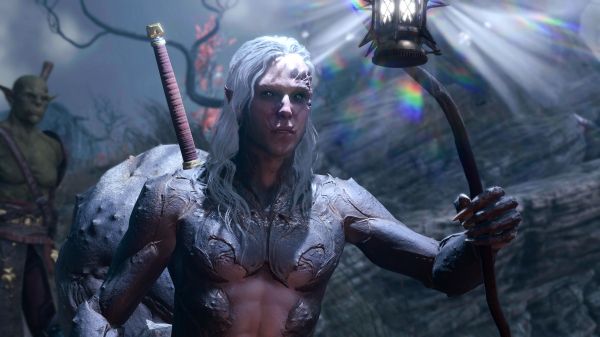
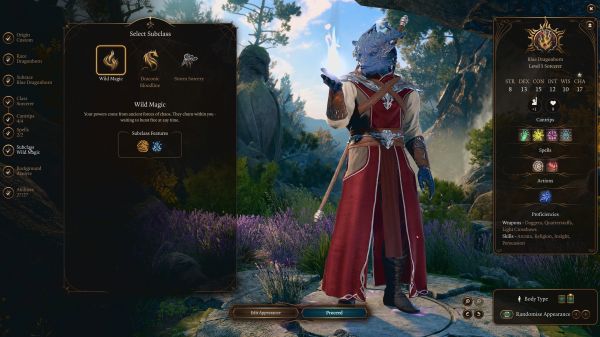
Baldur's Gate 3: An Epic Odyssey of Innovation and Immersive Storytelling
Baldur’s Gate 3 impressed me long before I understood how enormous its world, character system, and branching narrative would become. The first hours already gave me difficult choices, unfamiliar companions, dangerous creatures, and several possible routes through problems that another game might have reduced to one obvious objective marker. I could negotiate, deceive, explore, fight, steal, hide, or use an unexpected spell to reshape the situation. More importantly, the game rarely treated those possibilities as decorative alternatives because my decisions continued affecting relationships, locations, and later events.
What makes the experience special is not simply the number of choices available. Baldur’s Gate 3 creates the feeling that the world has enough structure to respond when I attempt something unusual. A conversation may change because of my class, race, background, earlier actions, current companions, or the information I discovered while exploring. The game cannot anticipate every idea, but it supports enough creative behavior that I regularly felt responsible for producing my own version of the adventure.
The Opening Creates Urgency Without Removing Freedom
The story begins with a terrifying problem inside the protagonist’s body, immediately giving the party a reason to search for help. This premise could have forced the campaign into a narrow race against time, yet the game uses it more carefully. The threat remains present through dialogue, dreams, physical reactions, and encounters with other infected characters. At the same time, I am free to investigate side areas, help strangers, pursue companion stories, and spend hours exploring before returning to the central problem.
This balance works because uncertainty replaces a visible countdown. I do not know exactly how quickly the condition will progress or whether the apparent cure is trustworthy. Every possible solution introduces another faction, risk, or moral compromise. The search for help becomes a narrative engine that pulls the party through the world without making exploration feel irresponsible.
The opening location also teaches the central philosophy quickly. Objects can be moved, surfaces can be affected by elements, high ground matters, and characters may react differently depending on how I approach them. The game gives me enough tools to experiment before explaining every optimal use. Failure becomes part of learning rather than a signal that one predetermined route was missed.
Character Creation Defines More Than Combat Statistics
Choosing a class, race, background, appearance, and abilities determines how the protagonist performs in battle, but it also affects conversation and exploration. A barbarian may solve a problem through intimidation, a bard can manipulate an audience, and a wizard may recognize magical details hidden from others. Racial knowledge and cultural assumptions appear in dialogue without turning every interaction into a simple bonus. The character sheet becomes part of the narrative language.
I enjoyed creating protagonists with clear personalities rather than selecting only the strongest mechanical options. A highly charismatic character naturally became the party’s negotiator, while another playthrough allowed a less socially capable hero to create awkward and sometimes disastrous conversations. These weaknesses generated different stories instead of simply making the game harder. Baldur’s Gate 3 supports role-playing best when I accept that failure and imperfection can produce interesting outcomes.
The Origin characters provide another approach by allowing me to play as an established companion with a personal storyline. This adds context and unique choices, though it also removes some of the pleasure of discovering that character from an outside perspective. The Dark Urge origin offers an especially dramatic variation because it connects the protagonist to disturbing impulses and hidden history. It can produce a darker campaign without forcing every decision toward one fixed moral direction.
The Companions Feel Like People With Their Own Campaigns
The party members are not simply combat roles waiting for the protagonist to approve their personal quests. They possess beliefs, secrets, fears, ambitions, and boundaries that can conflict directly with my decisions. Approval matters, but it does not reduce every relationship to choosing the kindest dialogue option. One character may respect confidence, another values compassion, and someone else responds better to practical survival than heroic idealism.
I appreciated that companions can challenge the protagonist rather than automatically supporting every plan. They comment during exploration, react to major decisions, and occasionally reveal that they have been interpreting the journey differently. Their personal stories also connect to the wider themes of control, identity, faith, power, and freedom. The party feels like a group of damaged individuals temporarily moving in the same direction rather than a collection of loyal assistants.
Relationships can develop into friendship, rivalry, romance, distrust, or complete separation. These paths are shaped by conversation and major choices, but they also depend on whether I engage with the character’s actual conflict. Supporting someone is not always the same as agreeing with what they want in the moment. Several of the strongest companion scenes ask whether care means protecting a person from their own ambition or allowing them to make a dangerous decision.
Shadowheart’s Story Makes Faith Feel Personal
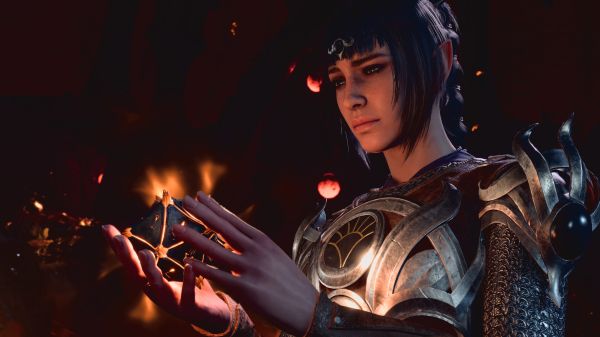
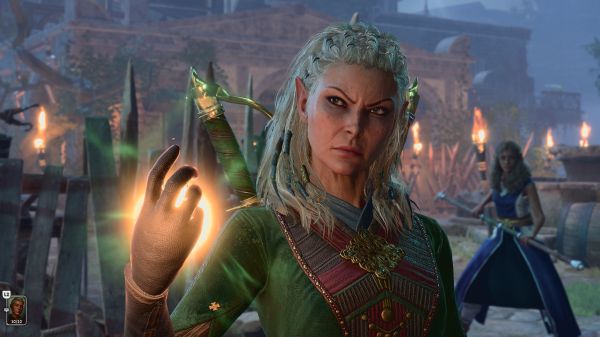
Shadowheart initially presents herself through secrecy, caution, and selective honesty. Her faith gives her confidence and purpose, yet the details surrounding it gradually reveal contradictions she cannot easily explain. I enjoyed how her story avoids reducing religion to one obvious personality trait. Belief is connected to memory, family, authority, and the need to understand who she is.
Her development depends heavily on how the player responds to uncertainty. Forcing answers too quickly can damage trust, while complete passivity may leave her trapped inside another person’s version of the truth. The game allows important decisions to emerge from the relationship rather than from one isolated morality prompt. Shadowheart’s eventual direction feels shaped by both the player and her own accumulated doubts.
Her cleric abilities also make her useful throughout the campaign, particularly when healing, support, control, and radiant damage become important. I rarely kept her in the party only for mechanical necessity because her commentary and personal stakes remained compelling. She is a strong example of how Baldur’s Gate 3 connects class identity, emotional history, and major narrative choices. Her story can become hopeful or deeply troubling without losing its central themes.
Lae’zel Challenges the Party’s Assumptions
Lae’zel can appear aggressive, impatient, and openly contemptuous during the opening hours. Her behavior becomes more understandable once I recognize how completely her identity has been shaped by a rigid culture and one unquestioned promise of salvation. She believes she knows the correct response to the party’s condition because accepting uncertainty would threaten everything she has been taught. Her confidence is both a strength and a defense.
I found her development especially rewarding because it does not require transforming her into a completely different person. She remains direct, disciplined, and willing to confront weakness even as her understanding of loyalty changes. The game allows her to question authority without losing the qualities that made her distinctive. This gives her arc more credibility than a simple movement from hostility toward kindness.
In combat, Lae’zel provides immediate physical power and reliable control of important enemies. Extra attacks, mobility, specialized maneuvers, and strong equipment make her dangerous from the beginning. She can dominate one target while the rest of the party manages the battlefield. Her mechanical confidence reflects her personality so naturally that story and combat rarely feel separated.
Astarion Turns Charm Into a Survival Strategy
Astarion is entertaining because his humor and theatrical confidence constantly hide fear. He understands how to manipulate people, present vulnerability selectively, and turn attention away from the parts of himself he does not want examined. His personal history explains why freedom matters to him more than conventional morality. The danger is that escaping control does not automatically teach him how to live without controlling others.
His storyline contains some of the game’s most difficult questions about trauma, revenge, and power. Giving someone everything they believe they need can sometimes reproduce the system that harmed them. Refusing may appear cruel unless the relationship has created enough trust to reveal another possibility. The strongest scenes allow Astarion to remain responsible for his choices without ignoring the abuse that shaped them.
As a rogue, he excels at stealth, traps, locks, and high-damage attacks from advantageous positions. His practical usefulness encouraged me to bring him into areas where his commentary also enriched the story. He can turn a dangerous room into a controlled encounter before combat properly begins. This combination of mechanical value and narrative complexity makes him one of the easiest companions to keep close, even when trusting him remains complicated.
Gale Makes Ambition Difficult to Separate From Affection
Gale presents himself as intelligent, articulate, and generally considerate, but his relationship with magic contains dangerous pride. He has experienced extraordinary power and finds ordinary limitation difficult to accept. His personal crisis is not only a physical threat because it also challenges the identity he built around being exceptional. I often found him sympathetic and frustrating for exactly the same reason.
His story asks whether ambition is inherently destructive or whether the real danger comes from allowing achievement to determine personal worth. Gale wants knowledge and recognition, yet he also wants connection and forgiveness. Those desires frequently pull him in different directions. The player can encourage humility, reinforce his hunger for power, or struggle to distinguish support from indulgence.
Wizard versatility makes Gale one of the party’s strongest problem-solving tools. He can damage groups, control movement, protect allies, counter enemy magic, and use utility spells outside combat. Preparing the correct spell list becomes part of planning for an area. His power grows dramatically, but poor positioning can still make him vulnerable enough that the party must protect him.
Wyll’s Heroism Is Built on Compromise
Wyll wants to be seen as a legendary protector and has performed genuinely heroic acts. The source of his power complicates that image because his achievements are connected to a contract whose consequences extend beyond himself. He is not simply pretending to be good, but he has accepted dangerous methods in order to achieve good outcomes. The game uses him to examine whether noble intentions can survive a relationship based on manipulation.
I liked that Wyll’s confidence sometimes feels rehearsed. The heroic title, dramatic introductions, and public stories help him maintain the person he wants to be. Private conversations reveal more doubt, regret, and uncertainty about the future. His development depends on whether he continues defining himself through other people’s expectations or begins making decisions without needing to preserve one perfect image.
His warlock abilities combine ranged magical pressure, control, and flexible combat options. Eldritch Blast remains consistently useful, while pact choices allow different approaches to weapons and support. Wyll may not always dominate one category as completely as a specialist, but his adaptability suits many party compositions. His mechanics reflect the same bargain at the center of his story: considerable power provided under conditions that deserve careful examination.
Karlach Brings Warmth to a Story Filled With Manipulation
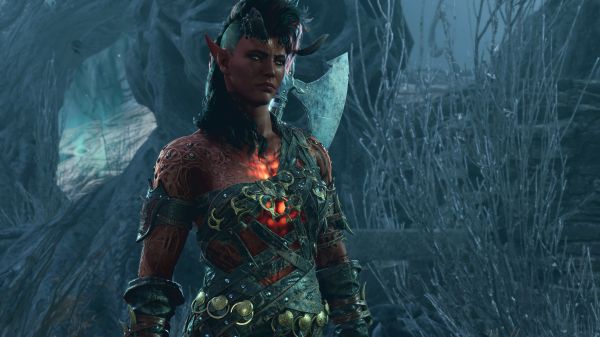
Karlach enters the party with energy, humor, emotional honesty, and an intense desire to enjoy the freedom she has recovered. Her enthusiasm does not erase the pain of what happened to her or the physical problem threatening her future. Instead, it makes the limitation more painful because she is someone who desperately wants to live. Her joy becomes a form of resistance rather than evidence that suffering no longer matters.
I appreciated how direct she is about affection, anger, fear, and hope. Many companions protect themselves through secrecy or performance, while Karlach often says exactly what she feels. This does not make her simple because she still struggles with rage, revenge, and the possibility that no perfect solution exists. Her emotional openness gives the party a necessary source of warmth without turning her into comic relief.
As a barbarian, she brings mobility, durability, and explosive melee damage. Rage allows her to remain active under pressure, while throwing and jumping can become surprisingly effective parts of her combat style. She feels physically powerful without requiring complicated setup. Her presence can make difficult encounters more manageable while her personality keeps even quiet camp scenes lively.
The Camp Is Where the Party Becomes More Than a Formation
Resting at camp restores resources, but its greater purpose is creating space for conversation. Companions reveal new concerns, react to recent decisions, argue with one another, and occasionally trigger major personal scenes. The camp gives the journey a rhythm in which public action is followed by private interpretation. Without these pauses, the party would feel like a tactical unit rather than a group of individuals living through the same crisis.
I sometimes delayed resting because the story created urgency, only to discover that this also delayed important character development. The game generally supports frequent rests, although certain situations can change when too much time passes. This creates a tension between mechanical recovery, narrative pacing, and the fear of missing content. Clearer communication about time-sensitive events would reduce unnecessary anxiety.
The camp environment changes across regions, which helps it feel connected to the journey. Tents, animals, visitors, storage, and visual details gradually reflect the party’s accumulated history. Returning after a difficult encounter can provide genuine relief. The camp is not deeply customizable, but it becomes emotionally important because so many relationships develop there.
Dialogue Is a Mechanical System, Not a Decorative Layer
Conversations use ability checks, class knowledge, background options, discovered information, and companion reactions to create different routes through a scene. Persuasion may prevent combat, deception can create temporary access, and intimidation can solve one immediate problem while producing later hostility. Failing a roll does not always end progress because the conversation may continue in a less favorable direction. This keeps dialogue connected to uncertainty rather than functioning as a menu containing one correct answer.
I enjoyed deciding whether to spend Inspiration on a failed check. Rerolling can preserve a desired plan, but the resource is limited enough that accepting failure sometimes feels more appropriate. The visible die creates tension because even a strong bonus cannot guarantee every result. Randomness becomes part of the story rather than remaining hidden inside a formula.
The system can encourage reloading when a single result feels too important. I occasionally repeated a conversation because failure removed content or produced an outcome that did not match the character I was role-playing. The game is strongest when unsuccessful checks create different stories rather than clearly inferior ones. Even with that limitation, few RPGs make conversation feel this connected to character construction.
Turn-Based Combat Gives Every Object a Purpose
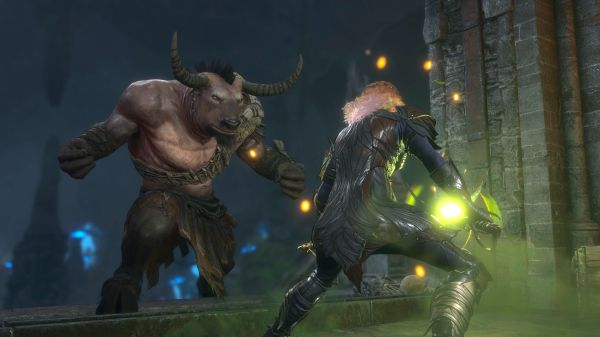
Combat takes place in turns, allowing me to study enemy positions, environmental hazards, elevation, available movement, and the resources of each party member. This pace transforms a crowded encounter into a sequence of manageable decisions. I can push an enemy from a ledge, ignite a flammable surface, block a route, create darkness, or use an ordinary object as an improvised weapon. The battlefield often contains more possibilities than the ability bar alone suggests.
The rules are based on Dungeons & Dragons, but the game translates them into a readable visual system. Actions, bonus actions, reactions, movement, spell slots, advantage, concentration, saving throws, and armor class initially appear complex. Tooltips and predicted outcomes make the structure easier to understand through play. I did not need to memorize the tabletop rules before enjoying the tactical decisions.
Combat becomes particularly satisfying when a plan survives contact with the enemy. A stealth approach may remove one dangerous target before initiative begins, while a control spell can divide the remaining group. Another encounter may collapse immediately after one failed concentration check or unexpected reinforcement. The turn-based format gives me time to adapt without making victory automatic.
Verticality Makes Positioning More Important Than Raw Damage
High ground improves many ranged attacks and gives spellcasters wider control of the battlefield. Elevation also creates opportunities for pushing, jumping, teleporting, and avoiding dangerous surfaces. A character in the correct position can contribute more than one with superior equipment trapped below. The environment rewards preparation before the first attack.
I frequently separated the party before combat to place each member according to their strengths. A rogue could hide near a priority target, a fighter prepared to block a narrow route, and spellcasters remained where they could see multiple enemies. This setup sometimes felt more important than the actual opening attack. Baldur’s Gate 3 rewards players who treat the battlefield as a place rather than a flat grid.
Vertical terrain can also create camera and pathfinding problems. Selecting a character on another floor or targeting an enemy through complex architecture is occasionally awkward. Characters may choose an unexpected route involving a ladder or dangerous surface. The tactical value remains strong enough that I accepted these frustrations, though the interface does not always handle the environment as elegantly as the design does.
Environmental Surfaces Encourage Experimentation
Fire, water, ice, electricity, poison, grease, darkness, and other environmental effects can alter movement and damage. A wet group becomes vulnerable to lightning, grease can be ignited, and ice may turn a safe route into a hazard. These combinations create opportunities for creative planning. They also create accidents when the party stands too close to the effect being prepared.
I like that ordinary containers and objects can become tactical resources. Barrels can be moved, stacked, or destroyed, while doors can control sightlines and narrow passages. A heavy character may throw an object that another party would ignore. The game encourages me to inspect the room before assuming combat has one obvious solution.
The environmental system can become excessive when large areas are covered in damaging effects. Movement slows, visual information becomes crowded, and party members occasionally choose routes through hazards despite safer options. These moments reveal the difficulty of combining freeform terrain with automated pathfinding. The creativity usually outweighs the inconvenience, especially when an improvised plan works better than expected.
Spellcasting Offers More Than Direct Damage
Magic can remove enemies, but its most interesting uses involve movement, control, information, protection, and environmental manipulation. A spell may create a temporary bridge, reveal hidden objects, disguise the party, communicate with animals, speak with the dead, or allow entry through a route unavailable to ordinary travelers. These options connect character abilities to exploration. A spell selected for combat may unexpectedly solve a social or environmental problem.
Spell slots create pressure because powerful abilities cannot be used endlessly without rest. I need to decide whether the current encounter deserves a major resource or whether a simpler solution is enough. Concentration further limits combinations by allowing only one sustained effect from the same caster. Losing concentration after investing a high-level spell can completely alter the battle.
The large selection can initially feel overwhelming, especially when several classes prepare magic differently. Experimentation becomes easier once I stop searching for one perfect spell list and begin preparing around the current area. Utility magic often produced more memorable moments than the largest damage numbers. The game respects spells as tools for interacting with the world, not only as colorful weapons.
Stealth Is Powerful but Occasionally Awkward
Stealth allows characters to avoid encounters, gain advantageous positions, steal useful items, and begin combat on favorable terms. Vision areas make detection relatively understandable, while darkness, elevation, invisibility, and distractions create additional options. A rogue can dismantle a dangerous room before the rest of the party enters. This gives patient players a strong alternative to direct confrontation.
The system is less convincing when enemy awareness behaves differently from what the environment suggests. A character may remain hidden in an unusual position while another is detected through a route that appeared safe. Group movement also creates problems because one companion can step into view while I am controlling someone else. Separating the party improves precision but increases the amount of individual control required.
Pickpocketing exposes the system’s extremes. Skilled characters can acquire valuable items and money, but failure may create immediate hostility or require awkward escape behavior. Repeated stealing can damage the economy if used aggressively. I enjoyed it most as a role-playing tool rather than as a method of emptying every merchant’s inventory.
Exploration Rarely Feels Like Empty Movement
The environments are dense enough that short distances often contain hidden paths, conversations, traps, puzzles, resources, and optional encounters. A ruined building may lead underground, a well can hide a larger area, and one animal may reveal information unavailable from human characters. The map avoids covering every discovery with a marker. Curiosity is rewarded through actual content rather than through collection numbers alone.
I learned to rotate the camera, inspect shelves, read books, and check routes that appeared unnecessary. Environmental storytelling often explains what happened before the party arrived. Letters, bodies, broken structures, and item placement can provide enough context without a formal cutscene. The world feels layered because important information exists outside mandatory dialogue.
Completion can become overwhelming because one region contains so many possible routes and consequences. I occasionally worried that entering one location would close another storyline or trigger an event earlier than intended. The game rewards commitment but also encourages constant suspicion that something has been missed. A second playthrough becomes attractive because complete discovery during one campaign is nearly impossible.
The First Major Region Supports Conflicting Moral Interpretations
The early conflict involving refugees, local defenders, hostile forces, and unstable leadership appears straightforward at first. Further investigation reveals fear, prejudice, political pressure, personal ambition, and several competing definitions of safety. Helping one group can create consequences for another, while refusing to act may allow the situation to deteriorate. The game provides heroic options without pretending every participant is equally reasonable.
I appreciated that the conflict connects local decisions to companion reactions and later encounters. A person protected early may reappear much later, while an ignored problem can remove entire storylines. These consequences make the region feel like the beginning of a campaign rather than one isolated chapter. The emotional impact is strongest when familiar characters remain present across several acts.
The choice structure also supports darker playthroughs without making cruelty feel like a simple alternate reward track. Destructive decisions may provide immediate access, power, or approval from particular characters. They also eliminate relationships and future possibilities. The game allows a villainous route while making the cost visible.
The Underdark Feels Like a Complete Adventure Beneath the Main One
The Underdark changes the atmosphere through darkness, unusual ecosystems, ancient structures, and communities adapted to a dangerous environment. It contains enough quests, exploration, and conflict to feel like a major region rather than a connecting tunnel. Several routes lead into it, reinforcing the sense that discovery depends on how I approach the world. Entering unexpectedly can feel like finding another campaign hidden below the first.
Combat here emphasizes unusual terrain, environmental hazards, and creatures with abilities that differ from ordinary surface enemies. Light, elevation, narrow paths, and explosive growths create both danger and opportunity. The area rewards cautious movement because one small interaction can trigger a much larger problem. Its visual design remains memorable without depending on constant cinematic spectacle.
The region also supports multiple political and moral conflicts. Exploitation, belief, survival, and power appear through local factions rather than one simple enemy group. I rarely felt that I was only passing through. The Underdark works because its locations and people appear capable of continuing without the protagonist.
Act Two Creates the Strongest Horror Atmosphere
The second major portion of the game introduces a region shaped by darkness, corruption, and the remains of personal tragedy. Exploration becomes more threatening because the environment itself can harm the party without proper protection. Familiar fantasy landscapes are replaced by ruined settlements, twisted creatures, and spaces where ordinary life has been violently interrupted. The visual mood supports the narrative more consistently here than in almost any other part of the campaign.
I enjoyed how the region’s history gradually becomes clear through separate locations and characters. A hospital, tavern, tollhouse, battlefield, and isolated home each reveal another part of the same collapse. Several major encounters can be resolved through dialogue, combat, or unusual character-specific options. The area rewards investigation because understanding an enemy may provide a completely different way to confront them.
The central stronghold gives the act a clear destination while the surrounding land supports free exploration. This creates better pacing than an open region without visible narrative pressure. Every discovery feels connected to the growing understanding of the antagonist and the source of the curse. The act is dark without becoming visually monotonous because each location expresses a different kind of decay.
The Main Antagonists Benefit From Distinct Motivations
The larger conflict involves several powerful figures who cooperate without sharing the same desires. Each represents a different relationship with control, faith, death, fear, and ambition. Their alliance is unstable because personal goals remain stronger than mutual loyalty. This gives the party opportunities to investigate weaknesses and divisions rather than facing one completely unified enemy.
I found some antagonists more developed than others, partly because the campaign gives them different amounts of direct interaction. The strongest villain receives enough history, emotional context, and physical presence to dominate an entire act. Others rely more heavily on charisma, concept, or late-game confrontation. The uneven focus can make one threat feel more personal than the final conflict surrounding it.
The antagonists still support the central theme effectively. Nearly every major character has experienced some form of control and must decide whether freedom means rejecting power or claiming it. The villains often choose to reproduce the structures that harmed them. This mirrors companion stories and gives the campaign a coherent emotional foundation.
Act Three Is Ambitious, Dense, and Occasionally Overwhelming
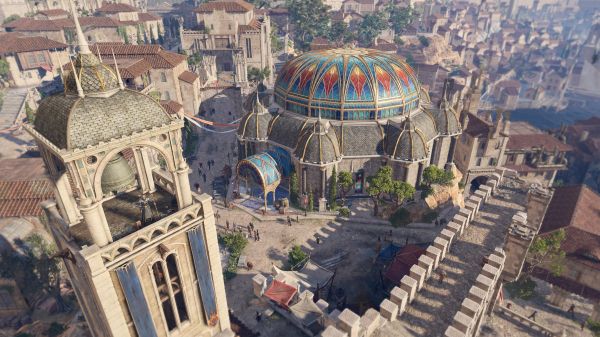
Reaching the city introduces an enormous number of characters, quests, buildings, investigations, companion conclusions, and political conflicts. The density is exciting because earlier choices begin producing visible consequences. Familiar faces return, unresolved promises demand attention, and the party finally enters a location discussed throughout the journey. The city feels like a culmination rather than another temporary region.
The same density creates pacing problems. Urgent threats exist beside dozens of personal objectives, making it difficult to decide what deserves attention first. Some quests interact in complicated ways, and entering one area can advance another storyline unexpectedly. I frequently felt that the party was standing beside the final crisis while spending several days solving unrelated problems.
Technical and interface issues are also more noticeable in crowded urban locations. Pathfinding, performance, camera movement, and NPC behavior have more opportunities to become awkward. Despite these frustrations, the city contains some of the campaign’s strongest character conclusions and most creative side quests. The act is less focused than the second one but more ambitious in the number of stories it attempts to resolve.
Choice Matters Most When the Outcome Is Not Immediately Visible
Some decisions produce an obvious result within the same conversation, while others quietly influence events many hours later. A person spared may return with information, a faction offended can close an opportunity, and a companion’s earlier doubts may shape one final choice. These delayed consequences make the campaign feel coherent. The game remembers enough details that earlier scenes gain additional weight in retrospect.
Not every decision receives an equally substantial response. Certain choices lead toward major alternate content, while others produce one line of dialogue or a small change in the ending. This inconsistency is unavoidable in a game with so many branches, but it can make similar-looking decisions feel unpredictably important. I learned to choose according to character rather than attempting to calculate every future reward.
The strongest consequences affect relationships and identity rather than only loot. Helping a companion reject or embrace power changes who that person becomes. Supporting one community can determine who survives to appear later. These outcomes make the final gathering feel connected to the entire campaign rather than to the last battle alone.
Romance Works Best as Part of Character Development
Romantic relationships develop through approval, conversation, personal quests, and moments of vulnerability. The best routes feel connected to the companion’s larger conflict instead of existing as a separate reward for selecting affectionate dialogue. Intimacy can reveal fear, ambition, shame, and uncertainty that ordinary party conversations hide. The relationship becomes another perspective on the character rather than a replacement for their story.
The game offers considerable flexibility, although the early interest from multiple companions can occasionally feel unusually direct. This may create awkward tonal moments when several characters interpret friendly behavior romantically. Clearer dialogue has improved these situations, but relationship flags remain part of a complicated system. I generally preferred routes where trust developed over a longer period.
Romance also changes according to major moral choices. Supporting a companion’s destructive ambition may create a relationship that looks successful while becoming emotionally disturbing. Rejecting that path may require disagreement, patience, or temporary distance. The game understands that affection does not guarantee a healthy outcome.
Cooperative Play Changes the Meaning of Choice
Multiplayer allows several people to control custom characters or companions inside the same campaign. This creates an unusual form of cooperative role-playing because each player may have different priorities, knowledge, and tolerance for risk. One person can begin a conversation while another is exploring or preparing a completely different solution. The world becomes less predictable because human players generate ideas the party AI never would.
The experience can be hilarious and chaotic. A careful negotiation may be interrupted by someone stealing in the background, while one player’s experimental spell can begin a fight the rest of the group was trying to avoid. Important decisions may produce disagreement because everyone shares the consequences. Communication becomes essential if the group wants one coherent story.
Companion content can receive less attention when several player-created characters occupy the active party. This reduces opportunities for commentary and personal quest development. The campaign remains enjoyable, but the emotional focus shifts from the written companions toward the people playing together. I consider cooperative play an excellent second experience after learning the story through a more companion-focused solo campaign.
The Inventory System Carries Too Much Unnecessary Weight
The world contains weapons, armor, potions, scrolls, books, keys, ingredients, quest items, containers, throwable objects, and miscellaneous valuables. This abundance supports experimentation, but it also creates constant inventory maintenance. Characters become overloaded, important items disappear inside clutter, and sorting requires more attention than the role-playing benefits justify. Sending objects to camp helps without completely solving the problem.
I frequently carried items because they might become useful and then completed the campaign without touching them. Scrolls and potions provide valuable flexibility, yet the quantity makes each individual object feel less significant. A stronger tagging and loadout system would make preparation easier. The current interface allows detailed control but demands too much repetitive organization.
Party management adds another layer because equipment and consumables are distributed across several characters. Transferring an item is generally possible, but comparing alternatives during a long session becomes slow. The game’s tactical depth deserves a cleaner preparation experience. Inventory friction rarely creates an interesting decision; it mostly delays the next one.
Loot Feels Valuable When It Changes a Build
The strongest items do more than increase armor or damage. They add spells, improve conditions, interact with elemental effects, modify critical hits, or support a specific class strategy. Finding one piece can inspire a complete reorganization of the party. Equipment becomes a source of experimentation rather than a simple numerical ladder.
I appreciate that older items can remain useful for a long time when their effect supports a particular combination. A ring found early may continue defining a build in the final act. This reduces the feeling that every region invalidates previous discoveries. Loot feels authored for specific possibilities rather than generated only to increase statistics.
The amount of specialized equipment can also create choice paralysis. An item may be excellent under conditions I rarely use, while another offers a smaller but more consistent advantage. Comparing interactions across several characters becomes its own strategic activity. I enjoyed this depth most when planning between major encounters rather than stopping after every small discovery.
Respecialization Encourages Creativity
The ability to change class levels and rebuild a character for a modest cost makes experimentation much easier. I can correct an early mistake, test a new subclass, or redesign a companion around equipment discovered later. This respects the enormous complexity of the class system. Players do not need to restart the campaign because they misunderstood one decision made near the beginning.
Respecialization can be used to optimize companions in ways that ignore their narrative identity. Turning every character into the most efficient mechanical build may reduce the connection between personality and class. I generally kept their central identity while adjusting weaker choices. The freedom is still valuable because role-playing and mechanical enjoyment do not always align perfectly.
The system also supports multiclass experimentation. Combining classes can create unusual interactions and specialized roles, although the result may sacrifice important high-level abilities. Understanding action economy, spell progression, and attribute requirements becomes necessary for stronger combinations. The game allows deep optimization without requiring it on normal difficulty.
Difficulty Options Support Different Relationships With the Rules
Lower difficulty allows players to focus on story, exploration, and character decisions without mastering every combat system. Standard settings provide enough resistance to make positioning and resource use matter. Higher modes demand stronger builds, better preparation, and greater understanding of enemy abilities. Custom settings allow even more control over the experience.
Honor Mode adds severe consequences and redesigned encounters, making each decision more dangerous. A failed conversation or unexpected combat interaction cannot be erased through ordinary reloading. This creates a thrilling campaign for players who already understand the systems. It would be a poor first experience for someone still learning how surfaces, reactions, and concentration work.
I appreciate that difficulty affects more than enemy health in the stronger modes. Additional abilities and encounter changes require different strategies. The game’s systemic combat supports this approach because challenge can come from tactical complexity rather than inflated durability alone. Players can choose whether Baldur’s Gate 3 functions primarily as a story, strategy game, or high-stakes role-playing challenge.
Failure Often Produces Better Stories Than Perfect Success
A failed roll may reveal hostility, expose a lie, remove a shortcut, or force the party into an improvised plan. Combat mistakes can create situations where one surviving character must rescue the rest of the group. These outcomes become memorable because they were not selected deliberately. The game supports enough recovery that failure does not always mean reloading.
I had to resist the temptation to correct every unfavorable result. Saving before conversations makes perfection easy, but it can flatten the campaign into one controlled sequence. Accepting selected failures gave the protagonist more personality and made victories less predictable. A character who succeeds at everything rarely feels like someone living inside a dangerous world.
Some failures remain too destructive to accept comfortably, especially when they remove major companion content or produce an outcome unrelated to the intended role-play. Reloading is therefore part of how many players shape the campaign. The game allows both approaches without judging them. Its achievement lies in making failure interesting often enough that continuing becomes a genuine option.
The Voice Performances Give Every Scene Energy
The main cast delivers conversations with enough emotional detail that even long dialogue sequences remain engaging. Tone, hesitation, anger, humor, and physical movement reveal more than the written line alone. Companions feel distinct immediately because their performances establish rhythm and personality. The narrator also gives descriptive checks and internal moments a consistent voice.
Motion capture and close camera work allow characters to react during conversation rather than remaining static portraits. Facial animation is not perfect in every minor scene, but the overall presentation is unusually expressive for a game containing so many dialogue variations. Small gestures can change how one response is interpreted. The cinematic approach gives side characters more presence than their screen time might suggest.
Repeated generic gestures eventually become noticeable, particularly among less important NPCs. The enormous quantity of dialogue makes complete uniqueness impossible. What matters is that the central cast receives enough attention to carry the emotional story. Several performances remain memorable because they make complicated characters feel coherent across many possible routes.
The Music Understands When to Become Theatrical
The soundtrack supports exploration with fantasy themes that feel adventurous without constantly demanding attention. During major battles and emotional scenes, it becomes more prominent and dramatic. Vocal elements give certain locations and encounters a distinctive identity. The music often feels connected to the theatrical personality of the game rather than serving as generic background.
Some themes repeat enough to become closely associated with the camp, danger, and major narrative forces. This repetition creates continuity across a long campaign. A familiar melody can gain new meaning after the player understands more about the characters involved. The soundtrack grows with the story rather than existing as one fixed emotional instruction.
I particularly enjoyed moments when music becomes part of a character or environment rather than remaining outside the scene. These sequences can be playful, threatening, or unexpectedly moving. Baldur’s Gate 3 is comfortable being dramatic and occasionally excessive. The score supports that confidence.
The Visual Design Balances Classic Fantasy With Disturbing Detail
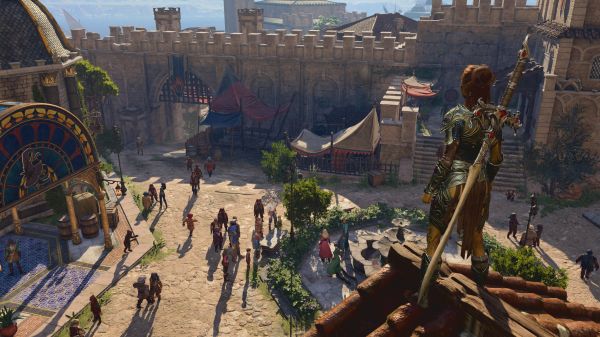
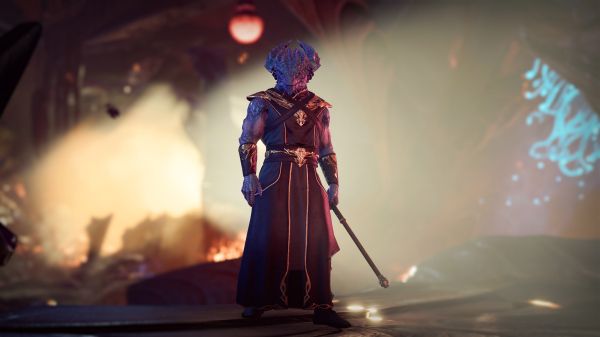
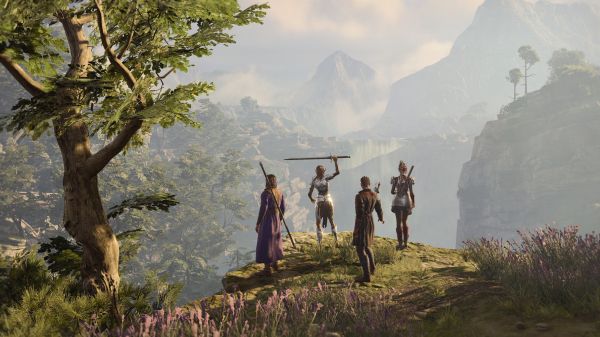
Forests, villages, underground ruins, cursed lands, temples, cities, and alien structures create substantial environmental variety. Familiar fantasy imagery appears beside body horror, religious symbolism, and unsettling biological technology. The opening establishes immediately that the adventure will not remain clean or comfortable. Beauty and grotesque imagery frequently occupy the same location.
Character equipment looks detailed without making every early item visually extravagant. More elaborate designs appear as the campaign progresses, helping the party look increasingly experienced. Dye systems allow some visual coordination, although preview and management could be easier. Cosmetic control matters because players spend so much time watching characters during close conversations.
Environmental effects and spell animations make combat visually impressive, but crowded battles can become difficult to read. Darkness, fire, magical zones, summoned creatures, and overlapping status effects compete for attention. The turn-based structure gives me time to interpret the scene. A faster combat system would struggle to support the same visual density.
The Game Is Remarkably Polished for Its Complexity, but Not Flawless
Baldur’s Gate 3 contains an extraordinary number of quests, dialogue states, character reactions, combat interactions, and possible sequences. Bugs are therefore inevitable, particularly when the player approaches content in an unusual order. Characters may reference events incorrectly, pathfinding can fail, and quest markers occasionally remain confusing. The later city area places the greatest pressure on performance and scripting.
Most problems did not erase the strength of the overall experience. Saving regularly protected against serious issues, while updates have improved many rough areas. The game usually recovered even when I solved a quest through a route the interface did not expect. This resilience is impressive because player freedom creates countless opportunities for systems to collide.
The most frustrating issues involve consequences rather than visuals. A dialogue state or quest progression error can affect hours of character development. These problems deserve greater attention than minor animation mistakes. A game built around choice must preserve confidence that the recorded choice is the one the player actually made.
The Ending Reflects the Journey More Than One Final Decision
The concluding stages contain major choices, but their meaning depends on companion development, surviving allies, completed quests, and the protagonist’s relationship with power. The final battle brings together elements accumulated across the campaign. Characters and factions helped earlier may return to provide support. This gives optional content practical and emotional relevance.
Not every thread receives equal attention, and some endings feel more complete than others. Additional epilogue content significantly improves the sense of closure by showing how companions interpret the future. These scenes allow quieter emotional consequences after the intensity of the final conflict. A long role-playing campaign needs space to acknowledge what happened beyond the main victory.
I appreciated that the ending does not reduce the story to one universal measure of success. A heroic outcome may still contain personal loss, while a powerful victory can reveal that the protagonist has become another source of control. The companions’ final states often matter more than the fate of one abstract threat. The campaign closes by asking what freedom actually means for everyone who survived.
Replayability Comes From Perspective Rather Than Content Volume Alone
A second campaign can use another class, race, moral direction, romantic relationship, companion composition, and route through major regions. These changes reveal dialogue and encounters that were completely unavailable before. The same location may feel different because another character possesses knowledge or abilities that alter the available approach. Replayability comes from interpretation rather than simply repeating the same tasks for alternate loot.
Origin characters and the Dark Urge provide especially strong reasons to return. Their internal conflicts add scenes and choices that a custom protagonist never sees. Playing a darker or more impulsive character can expose how much of the original campaign depended on restraint. The game supports morally difficult routes without requiring the player to become randomly destructive.
The length remains a serious barrier. Beginning again means committing to another enormous journey, and the slower early areas may feel familiar. I rarely wanted to repeat every container, side room, and conversation exactly. The most enjoyable replay focuses on a different identity and accepts that complete content collection is unnecessary.
Baldur’s Gate 3 Makes Freedom Feel Dangerous
Many games advertise choice while protecting the player from losing important content. Baldur’s Gate 3 is more willing to let characters leave, communities disappear, quests fail, and relationships change permanently. This can be uncomfortable because one decision may close hours of future material. It also gives the remaining story greater weight.
Freedom matters because consequences are not always convenient. I can support a companion’s ambition and discover that success changed them in a way I did not expect. I can avoid one difficult conflict and later find that someone else paid the cost. The world does not treat player intention as more important than the action itself.
This philosophy makes role-playing meaningful. The protagonist is not selecting content from a catalog but living through one version of a larger possibility space. Missing something becomes part of the story rather than evidence that the campaign was played incorrectly. The game trusts players enough to allow regret.
A Rare RPG Where Systems and Characters Strengthen Each Other
Baldur’s Gate 3 succeeds because its combat, dialogue, exploration, class design, companions, and environmental systems all support the same idea of player agency. A class choice changes both battle and conversation, while a spell can solve a puzzle, reveal information, or create an unexpected social result. Companions react to decisions and contribute unique mechanical strengths. The game rarely divides role-playing from gameplay as completely separate experiences.
Its weaknesses come partly from the same ambition. Inventory management is exhausting, the third act can feel overloaded, pathfinding struggles with vertical environments, and some consequences are too easy to trigger without clear warning. The enormous quantity of branching content also produces uneven development between villains, quests, and endings. These problems are significant, but they rarely make the game feel unambitious.
I remember the campaign through personal decisions rather than through one official storyline. I remember the companion I trusted too early, the conflict I resolved through an absurd spell, the important roll that failed, and the battle won because one character survived with almost no health. Another player can finish the same game with a completely different set of memories. That difference feels authored and personal at the same time.
Baldur’s Gate 3 is not remarkable simply because it contains many choices, romances, classes, spells, or endings. It is remarkable because those elements repeatedly interact in ways that make the world appear responsive to the character I decided to become. The game lets me improvise, fail, regret, recover, and occasionally discover a solution that feels too strange to have been anticipated. That trust transforms a large fantasy campaign into one of the most convincing role-playing experiences I have played.
Pros:
- High degree of character customization and mod support
- Robust multiplayer framework fostering cooperative strategies
- Detailed visuals paired with a captivating audio design
- Deep narrative that adapts to player choices for unique playthroughs
- Flexible installation options and unblocked access in restricted environments
- Immersive storytelling enriched with dynamic gameplay
Cons:
- Steep learning curve for newcomers due to complex combat mechanics
- Occasional technical glitches during updates and extensive mod installations
- High system requirements may limit performance on older hardware

How much storage do you need?
 Baldur's Gate 3








Recent Reviews

Minecraft

Grand Theft Auto V

Toca Boca World

Roblox

Leave a comment
Your comment is awaiting moderation. We save your draft here
0 Comments