Review
My first hours in Warframe were spent treating it like an ordinary third-person shooter. I stood behind cover, aimed carefully at indiv...

Warframe Unleashed: Mastering the Art of Strategy in a Dynamic Universe
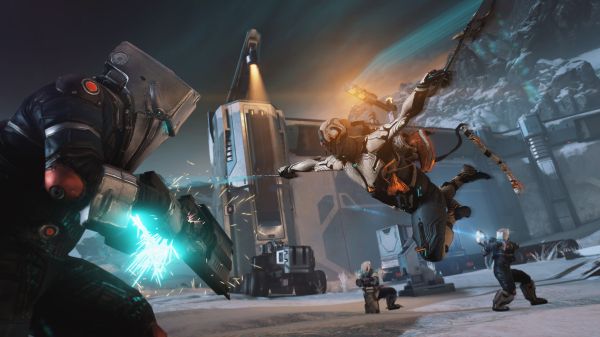
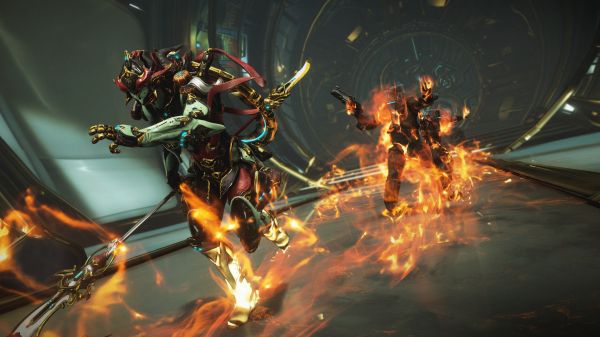
My first hours in Warframe were spent treating it like an ordinary third-person shooter. I stood behind cover, aimed carefully at individual enemies, reloaded after every short exchange, and moved through corridors at the cautious pace another game had trained me to expect. Then I learned how bullet jumping, sliding, double jumping, aim gliding, wall movement, melee attacks, and abilities could connect into one continuous route through a mission. The moment I stopped moving like a soldier and started moving like a biomechanical projectile was the moment Warframe revealed its real identity.
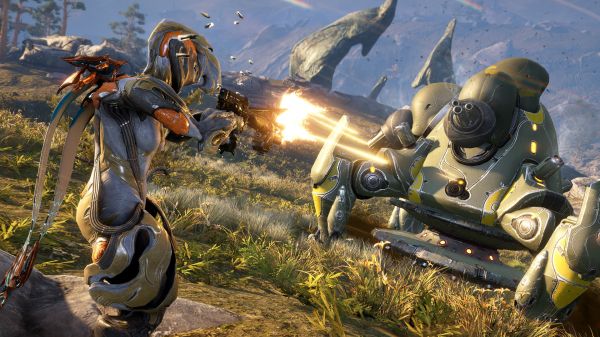
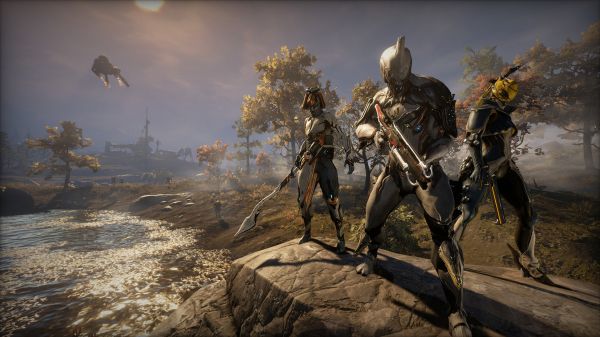
Warframe is a cooperative action RPG built around collecting and developing powerful playable suits known as Warframes, assembling an enormous Arsenal, completing missions across the Origin System, and gradually discovering a story far stranger than the opening suggests. Its combat can be fast enough to turn entire rooms into flashes of energy, steel, gunfire, and collapsing enemies, yet its progression systems can require careful planning across weeks or months. I may spend one session moving through missions at extreme speed and the next comparing Mods, crafting components, decorating my Orbiter, trading Prime parts, or fishing in an open landscape. Few games combine such immediate physical pleasure with such extensive administrative complexity.
Movement Is the Mechanic That Makes Everything Else Work
Bullet jumping launches my Warframe forward and upward, while slides, rolls, double jumps, wall latches, and aim gliding allow momentum to continue through complicated environments. These actions are easy to perform individually but increasingly expressive when combined. A corridor that once looked like a place to exchange gunfire becomes a route where I can launch over enemies, turn in the air, fire downward, land in a slide, and continue toward the objective without stopping. Movement does not merely shorten travel time; it changes how every room can be approached.
The speed creates a level-design challenge because older tiles were built before modern movement became this generous. Narrow doorways, low ceilings, railings, small ledges, and unexpected geometry can interrupt a clean route. I occasionally collide with an object that looked insignificant or become trapped against a doorway because momentum carried me past the intended opening. These interruptions are irritating precisely because the movement feels so good when the environment allows it to flow.
Warframes Are Playable Identities Rather Than Simple Classes
Each Warframe has its own statistics, passive effect, four abilities, visual design, animation set, and intended mechanical identity. Some control crowds, protect teammates, become invisible, manipulate time, command elements, create summoned companions, absorb damage, transform weapons, or turn movement itself into an offensive tool. Roles exist, but they are not rigid in the manner of a traditional tank, healer, and damage system. Modding and player creativity allow many Warframes to operate outside their obvious purpose.
This flexibility is one of the strongest reasons to collect them. A defensive Warframe may become an aggressive ability platform with enough power strength, while a fragile caster can gain substantial survival through shields, mobility, crowd control, or Helminth abilities. I rarely feel that obtaining a new Warframe gives me only a new character model. The better designs introduce a new way to understand missions, resources, enemies, or the relationship between movement and combat.
Excalibur Provides a Clean Introduction Without Showing the Game’s Full Complexity
Excalibur remains an effective starting choice because his abilities are immediate and easy to understand. He can blind nearby enemies, dash through targets, launch a radial attack, and summon an exalted blade capable of sending energy waves across a room. These tools support both gunplay and melee combat without requiring an advanced resource loop. I could focus on movement and mission structure while still having a reliable response when enemies surrounded me.
The simplicity also means Excalibur does not fully represent how mechanically unusual later Warframes become. Some characters manage several linked resources, change forms, command independent entities, or depend on carefully sequenced abilities. Returning to Excalibur after learning those systems can feel refreshingly direct rather than limited. His enduring value comes from having a clear identity in a game where new designs frequently attempt something more elaborate.
The Arsenal Offers Enough Weapons to Become Its Own Collection Game
Warframe divides conventional equipment into primary, secondary, and melee categories, then fills those categories with rifles, bows, shotguns, launchers, beam weapons, pistols, throwing weapons, blades, polearms, hammers, gunblades, whips, claws, and stranger constructions. Weapons differ through firing modes, status effects, critical behavior, projectiles, area damage, alternate functions, and unique mechanics. A new weapon can change the tempo of a mission even when its statistical role resembles something I already own. The Arsenal rarely lacks variety, though it often lacks immediate clarity about which item deserves investment.
Many early weapons exist primarily as steps toward Mastery Rank rather than permanent favourites. I craft them, raise them to maximum rank, collect the Mastery experience, and replace them with stronger or more interesting alternatives. This can make equipment feel disposable during the opening portion of progression. Later, Incarnon systems, Rivens, special variants, and powerful Mods allow neglected weapons to gain renewed relevance.
Gunplay Feels Strongest When Weapons Have Physical Character
The most satisfying firearms communicate their identity through sound, recoil, reload animation, projectile behavior, and enemy reaction. A heavy shotgun feels different from a precise rifle, while a beam weapon creates continuous pressure instead of isolated impact. Some weapons spread projectiles across a room, chain between targets, charge before firing, or create secondary effects after landing a hit. I value these differences more than small statistical improvements because a weapon needs to remain enjoyable through many repeated missions.
Enemy density can reduce the importance of careful aiming once builds become powerful. Entire groups may disappear through area effects before precision weapons have time to establish their advantage. Digital Extremes has repeatedly adjusted explosive ammunition, area damage, and enemy behavior to preserve variety. Warframe still tends to reward rapid room clearing because most missions value speed and volume more than methodical marksmanship.
Melee Combat Is Fast, Flexible, and Occasionally Visually Unreadable
Melee weapons use stance Mods that determine attack sequences, movement, forced status effects, and special strikes. I can perform quick attacks between gunshots, switch fully into melee, launch aerial attacks, slam into the ground, block, parry, and use heavy attacks with their own build priorities. The system is easy enough for casual use but contains substantial depth for players studying individual stance animations. A well-matched stance can transform an awkward weapon into something fluid and expressive.
Visual clarity declines when high attack speed, ability effects, companions, and several teammates occupy the same room. I may know that my inputs are working without being able to distinguish every animation or target. The game often prioritizes momentum and spectacle over exact physical readability. That trade works during ordinary missions, though it becomes less satisfying when a difficult enemy requires precise attention beneath the effects.
Mods Are the Real Source of Power
Weapons and Warframes gain most of their strength from Mods that alter damage, critical chance, critical multiplier, status chance, elemental effects, range, efficiency, duration, survivability, multishot, fire rate, and numerous specialized interactions. Installing the correct Mods matters far more than simply owning a high-level item. A newly crafted weapon may feel weak until its capacity, polarity, and build support the intended role. Understanding Mods is therefore the point where Warframe changes from an action game into a detailed progression system.
The problem is that the game does not explain this transition clearly enough. New players can increase item levels and assume that power will rise automatically, then encounter enemies that barely react to their attacks. Essential Mods may come from specific missions, enemies, vendors, quests, or limited rotations that are not obvious from the Arsenal. Community guides remain far more effective than the game at teaching which upgrades form a functional baseline.
Elemental Damage Creates Useful Choices and Excessive Homework
Combining elemental Mods produces damage types with different status effects and performance against enemy defenses. Heat can reduce armor and apply damage over time, Viral improves damage against health, Corrosive attacks armor, Magnetic affects shields, and other combinations provide specialized value. Selecting an element according to faction or mission can improve efficiency substantially. The system gives build crafting more depth than stacking one universal damage statistic.
Years of revisions have made the relationships difficult to learn from memory. Enemy health types, armor scaling, status caps, weapon properties, and individual abilities all influence the final result. Recent simplifications have improved faction readability, but the system still encourages external calculation. I enjoy adapting a build when the difference is meaningful, yet I dislike opening several menus merely to understand why one enemy resists an otherwise powerful weapon.
Forma Turns a Favourite Item Into a Long-Term Project
Forma changes or adds a polarity to a Mod slot, allowing expensive Mods with matching symbols to consume less capacity. Applying Forma resets the item’s rank, requiring it to be developed again before reaching full strength. Repeating the process allows increasingly specialized and expensive builds. This creates a strong sense of investment because a heavily modified weapon or Warframe reflects several deliberate progression cycles.
The repeated leveling can become tedious, especially for equipment requiring many polarities. Affinity boosters and efficient missions reduce the time, while special Forma types provide additional flexibility. I enjoy improving a favourite item but rarely enjoy the fifth trip through the leveling process itself. The system converts attachment into commitment, which is satisfying until experimentation requires another complete rebuild.
Mastery Rank Measures Breadth More Than Personal Skill
Mastery experience comes primarily from developing new Warframes, weapons, companions, vehicles, and other equipment. Increasing Mastery Rank unlocks additional weapons, raises daily limits, improves starting Mod capacity, and grants useful account benefits. Tests between ranks ask me to demonstrate movement, combat, stealth, or objective knowledge. The structure encourages broad experimentation instead of using one ideal loadout forever.
Mastery does not reliably indicate mechanical ability because much of it comes from collecting and leveling items. A high-rank player may have extensive system knowledge, but the number itself mainly represents account breadth and time. Some players pursue maximum rank as a central goal, while others stop after unlocking the practical benefits they need. I appreciate having a reason to try unusual equipment, although developing weak items only for Mastery can feel like catalogue maintenance.
The Star Chart Provides Structure Before the Game Opens Completely
The Origin System is organized into planets and locations connected by Junctions. Completing missions and Junction requirements gradually unlocks new areas, resources, enemy factions, quests, and activities. This provides an understandable opening objective at a time when the wider game contains too many possibilities. Clearing the Star Chart also introduces mission types and teaches the basic rhythm of navigation.
The structure can feel repetitive because many planets reuse tile sets and standard objectives. Exterminate, Capture, Defense, Survival, Spy, Rescue, Mobile Defense, and Sabotage appear repeatedly with different enemies and rewards. The real variety comes from combining these objectives with different Warframes, weapons, modifiers, and later systems. Early progression asks for patience before the game reveals how far beyond the Star Chart it eventually travels.
Mission Types Reward Speed More Often Than Tactics
Capture missions can end within minutes, while Exterminate asks the squad to clear a set number of enemies and reach extraction. Spy rewards careful vault navigation, Defense protects a target through waves, and Survival demands life-support management while enemy pressure increases. Each format creates a different basic rhythm. Efficient players naturally select the fastest builds and routes for missions repeated frequently.
That efficiency can reduce interaction. A teammate using a highly mobile Warframe may reach the objective and extraction before a new player understands the route. Powerful area abilities can clear Defense waves before others see the enemies. Public matchmaking is convenient, but it sometimes transforms cooperative missions into competitions over who can participate before the room becomes empty.
Spy Missions Are Excellent When I Am Allowed to Learn Them
Spy vaults challenge me to bypass cameras, lasers, guards, and security systems before retrieving data. Different factions use distinct layouts, while shortcuts reward observation and mobility. Warframes with invisibility or teleportation can simplify the process, but familiarity remains the most reliable advantage. Completing all vaults without triggering alarms feels satisfying because the success comes from route knowledge rather than raw damage.
Public squads may rush into vaults, trigger alarms, or complete them before another player learns the layout. I prefer practising alone until I understand the routes. The game could offer stronger training versions and clearer explanations of alternate paths. Spy missions contain some of Warframe’s best environmental design, but repeated failure can discourage players before they discover that most vaults are carefully learnable puzzles.
Endless Missions Reveal the Pleasure and Problem of Scaling
Defense, Survival, Excavation, and similar modes continue through repeated reward rotations while enemy levels increase. The squad chooses when to extract, creating tension between securing current rewards and continuing for better opportunities. These missions are useful for resources, Relics, Affinity, and testing how a build performs under growing pressure. A coordinated team can remain for long sessions when every role contributes effectively.
Repetition becomes the main challenge before the enemies do. The same rooms, waves, and reward cycles can continue long after the mission has revealed every mechanical idea. Players often remain because a desired item has a low drop chance rather than because the next rotation changes meaningfully. Endless modes provide strong combat sandboxes, but their reward design frequently stretches them beyond their natural entertainment value.
The Story Begins Quietly and Eventually Becomes Remarkably Strange
Warframe initially presents a straightforward conflict involving the Tenno, Lotus, Grineer, Corpus, Infested, and remnants of Orokin power. Early quests provide limited context and sometimes feel like explanations attached to progression gates. Then major cinematic quests begin questioning the player character, the Warframes, memory, identity, family, trauma, and the history of the Origin System. The narrative develops from space-ninja missions into something far more personal and metaphysical.
The Second Dream remains the point where the game’s long-term story gains emotional focus, while The War Within, The Sacrifice, The New War, Whispers in the Walls, Warframe: 1999, The Old Peace, and later chapters continue expanding its perspective. These quests take risks with structure, time, genre, and character presentation. Not every transition is easy to follow, but few long-running online games have transformed their original premise this boldly.
The Lotus Gives the Early Game a Necessary Emotional Anchor
Lotus guides missions, provides objectives, and acts as the most consistent voice during the opening Star Chart. Her calm instructions create continuity between otherwise disconnected operations. As the story develops, her identity and relationship with the Tenno become central to the larger conflict. I began by treating her as a functional mission announcer and eventually understood why her presence carries emotional weight.
Repeated mission dialogue can reduce that impact during ordinary play. The same instructions accompany objectives completed hundreds of times, while newer narrative characters offer more contextual lines. This is an unavoidable result of a mission system designed for constant replay. The stronger quests succeed by allowing Lotus to exist as a character rather than only as an interface voice.
The Operator Changes Both the Story and the Combat
Later progression reveals the Operator as a separate playable presence with movement, abilities, Focus schools, and connections to Void energy. Switching between Warframe and Operator adds another layer to combat, traversal, puzzles, and specific enemy mechanics. The Operator initially feels fragile compared with a developed Warframe, but investments gradually provide practical utility. This dual identity becomes essential to understanding what the player represents inside the story.
The controls can feel awkward when rapid switching interacts with latency or crowded combat. Operator movement and abilities have improved substantially over time, though some players still treat the system as a mandatory interruption to Warframe gameplay. I enjoy it most when both forms contribute naturally to one encounter. It feels weaker when an enemy is invulnerable until I perform a required Operator action that has little strategic variation.
The Drifter Expands the Protagonist Beyond One Timeline
The Drifter provides another version of the player character shaped by a different history. This character becomes central to Duviri and later narratives involving Warframe: 1999 and the growing consequences of Void-related timelines. The Drifter’s physical presence and dialogue allow scenes to operate differently from those centered on the younger Operator. I appreciate that the distinction is more than cosmetic because each version carries a different emotional perspective.
Warframe’s timeline logic can become difficult to follow. Eternalism, alternate outcomes, Void influence, and memories allow events to coexist in ways that resist simple chronology. This supports creative storytelling but occasionally becomes a convenient explanation for any contradiction. The best chapters ground these ideas through character relationships rather than relying on abstract terminology alone.
The Sacrifice Gives One Warframe More Emotional Weight Than the Entire Arsenal
The Sacrifice focuses on Excalibur Umbra and explores the relationship between Warframes, Orokin cruelty, memory, and control. It succeeds because the story narrows its attention to one damaged figure instead of explaining another large faction. Playing through Umbra’s memories creates a direct emotional connection with a suit that would otherwise be treated as another item. The quest also reframes earlier assumptions about what Warframes are and how they were created.
I wished more Warframes received similarly focused narrative treatment. Leverian entries, quests, and descriptions provide lore, but many characters remain collections of abilities and visual themes rather than fully developed figures. Jade Shadows and its later continuation demonstrate how compelling the game becomes when familiar combatants receive personal stories. The Arsenal is enormous, yet only a portion of it feels narratively alive.
Jade Shadows Gives the Stalker a Necessary Perspective
The Stalker spent years appearing as a threatening invader connected to defeated bosses and unresolved history. Jade Shadows shifts attention toward his personal experience, relationship with Jade, and the consequences of choices made long before the present conflict. This makes an old enemy more complicated without removing his danger. I enjoyed seeing a familiar piece of Warframe’s mythology treated as a character rather than an event notification.
Constellations expands that story through Sirius, Orion, and Protoframe figures connected with opposing futures. The continuation shows Digital Extremes’ willingness to revisit old narrative threads rather than abandoning them after one update. Its dramatic family conflict fits Warframe’s increasing interest in inheritance, identity, and damage passed across generations. The presentation is ambitious, though new players face a long progression path before reaching the relevant context.
Warframe: 1999 Successfully Turns Nostalgia Into World Building
Warframe: 1999 moves into an alternate late-1990s setting filled with computers, motorcycles, shopping centers, music, military technology, and Protoframes who resemble human predecessors to familiar Warframes. The environment could have become a temporary visual joke, but the update uses the period to develop relationships and explore the spread of the Technocyte threat. Höllvania feels distinct from the Origin System without becoming disconnected from it. Riding through streets before entering combat gives the game another physical rhythm.
The Hex are especially important because they communicate, argue, and develop as a group with recognizable personalities. Conversation and relationship systems give me reasons to care about people outside mission rewards. Some dialogue choices can feel like a separate social game attached to the larger action structure, yet the experiment gives Warframe a more personal tone. The update proves that the game can support character relationships without abandoning speed and combat.
Gemini Skins Turn Cosmetics Into Fully Voiced Characters
Gemini Skins allow certain Warframes to transform visually into their associated Protoframe versions. These skins are fully voiced and react to missions, actions, and other situations, giving them more presence than a standard cosmetic model. Switching between Warframe and Protoframe presentation creates an unusual bridge between character lore and player customization. I enjoy hearing a recognizable personality respond during content that previously felt silent.
The feature also raises questions about how much characterization is sold through premium cosmetics. A voiced Protoframe can provide atmosphere and attachment beyond an ordinary skin, which makes the purchase more emotionally significant. Several can be acquired through Platinum, while premium packs include additional currency or items. The quality is high, but expanding the system across many Warframes could become expensive for collectors.
Open Worlds Add Scale Without Replacing Mission Tiles
The Plains of Eidolon, Orb Vallis, Cambion Drift, and later open regions provide larger landscapes containing settlements, bounties, fishing, mining, conservation, bosses, vehicles, resources, and local factions. These areas change the pace because objectives are spread across physical distance instead of connected through corridors. Day cycles, weather states, and environmental hazards create regional identity. Entering an open landscape after many indoor missions provides a genuine sense of release.
The open worlds can also feel empty between activity points. Traversal tools reduce this issue, but repeated bounty stages often use the same locations and objective templates. Local progression introduces another set of resources, vendors, reputation limits, and crafting materials. Each region is visually impressive, yet every new economy adds further complexity to an already crowded account.
The Plains of Eidolon Still Communicate Scale Effectively
Cetus opens onto a broad landscape of lakes, camps, caves, ruins, and Grineer activity. Daytime supports ordinary bounties and gathering, while nighttime introduces Eidolons and a different visual atmosphere. The Plains were the first major demonstration that Warframe could leave procedural corridors behind. Even after newer regions became more elaborate, watching the environment shift at sunset remains memorable.
Older bounty design and resource systems show their age. Objectives repeat, travel can dominate mission time, and new players may enter before understanding the equipment needed for nighttime activities. Revisions have improved access and rewards, though the Plains still function partly as a historical layer of Warframe’s development. They remain important without always being the most efficient or polished open-world content.
Orb Vallis Combines Strong Visual Identity With Repetitive Debt
Orb Vallis presents a frozen Venus transformed by Corpus industry, coolant systems, enormous facilities, and communities trapped under financial control. Fortuna provides some of the game’s most memorable music and immediately establishes the people beneath the machinery. K-Drive movement, underground spaces, conservation, and Orb encounters distinguish the region mechanically. The contrast between cold landscape and warm community gives it emotional character.
Standing progression initially requires repeated bounties, materials, and daily limits. The economic theme intentionally involves debt, but the player experience can feel like another reputation checklist rather than a narrative struggle. Major boss access also depends on several progression layers. I value Fortuna’s characters more than I enjoy every step required to reach their later content.
Cambion Drift Makes the Infested Beautiful and Uncomfortable
Deimos replaces conventional terrain with organic surfaces, giant structures, infected growth, caves, and two opposing celestial entities that change the environment. The Entrati family gives the region a dysfunctional personal center, allowing reputation progression to reveal relationships gradually. Necramechs, Isolation Vaults, conservation, fishing, and unique resources provide substantial long-term goals. Visually, the region is one of Warframe’s most distinctive environments.
Resource chains can become difficult to track because one crafting component may require several local activities and vendors. Token-based reputation offers flexibility, but it introduces another collection of exchange systems. The dense visual design also makes navigation harder than in cleaner landscapes. Cambion Drift is imaginative and mechanically rich, though it rarely feels simple.
Fishing Is More Engaging Than I Expected and More Necessary Than I Wanted
Fishing uses spears, regional species, bait, environmental conditions, and specific water types. The activity is calm, provides crafting materials, and creates a useful break from constant combat. Different regions alter the visual and mechanical presentation enough to prevent every session from feeling identical. I enjoy fishing when choosing it voluntarily as a quiet activity.
It becomes less enjoyable when an equipment blueprint requires a specific rare fish part. At that point, relaxation becomes targeted resource extraction involving the correct location, time, spear, bait, and weather condition. Trading or alternative material routes reduce some frustration. Warframe repeatedly turns optional side activities into mandatory stops along particular crafting paths.
Mining and Conservation Add Variety While Expanding the Resource Spreadsheet
Mining asks me to locate deposits and complete a timing-based extraction process, while conservation involves tracking, calling, tranquilizing, and collecting wildlife. Both activities use the open environments differently from combat. Conservation can be especially satisfying when the animal behavior and trail remain readable. These systems make the landscapes feel like ecosystems rather than empty combat maps.
The reward structures encourage repetition and specialized tools. Rare gems, tags, and animal variants may be required for standing, decorations, companions, or equipment. Visual clutter can make mining points difficult to see, while conservation trails occasionally behave poorly around terrain. I appreciate the range of activities but question how many separate gathering minigames one account needs.
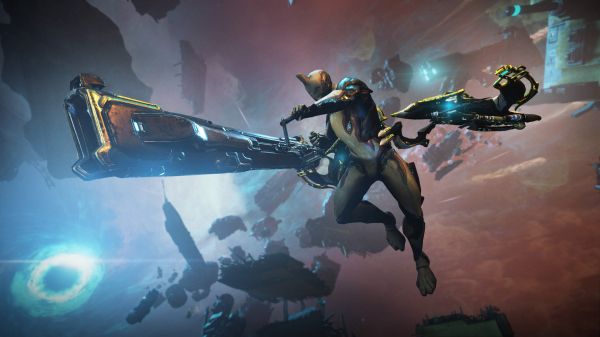
Archwing Promises Space Freedom but Often Feels Like Transit
Archwings allow free movement through space and serve as rapid transportation across open landscapes. In dedicated space missions, I can fly around structures, engage enemies from any direction, and use specialized weapons. The concept fits Warframe perfectly because it extends mobility beyond gravity. Open-world Archwing travel is especially valuable because it removes long ground journeys between bounty stages.
Dedicated Archwing missions have received less attention than many later systems. Movement can feel imprecise, enemy readability is weaker in open space, and a limited selection of environments reduces variety. The mode became a foundation for Railjack rather than a complete endgame path of its own. I use Archwing constantly while rarely selecting its original missions voluntarily.
Railjack Is an Excellent Cooperative Concept That Still Feels Separate
Railjack gives the player a customizable spacecraft used across large space missions. Squad members can pilot, operate turrets, repel boarding parties, use tactical abilities, repair hazards, deploy in Archwings, and enter enemy structures. At its best, the mode feels like a crew operating one shared machine rather than four players independently clearing rooms. Moving from ship combat into an interior objective creates cinematic transitions without leaving active gameplay.
The system has been revised repeatedly because its original complexity and resource requirements created barriers. AI crewmates now make solo play practical, while improved progression and mission design reduce early frustration. Railjack still feels attached beside the Star Chart rather than fully integrated with it. I would like more ordinary missions to use seamless ship travel instead of treating Railjack as a separate island of content.
Uranus Proxima Gives Railjack New Narrative Importance
Jade Shadows: Constellations expands conflict into Uranus Proxima, connecting Railjack with the story of Sirius, Orion, Stalker, and the Protoframes supporting opposing sides. This is valuable because Railjack works best when it carries narrative purpose rather than existing mainly for specialized resources. New space environments and missions give developed ships another practical destination. The update also demonstrates that Digital Extremes has not abandoned the system despite long gaps between major expansions.
Players without a prepared Railjack may experience another progression wall before reaching current content. Improving the ship, crew, Intrinsics, weapons, and components requires investment separate from ordinary Warframe builds. Catch-up systems help, but the distinction remains. New narrative chapters should encourage Railjack development without assuming every returning player maintained the system continuously.
Duviri Is Beautiful, Experimental, and Structurally Confusing
The Duviri Paradox introduces a surreal world shaped by emotional cycles, the Drifter, Dominus Thrax, and repeating events. Its landscape changes according to moods, while the gameplay mixes slower Drifter melee combat, Warframe stages, Decrees, open exploration, and an enormous flying Orowyrm. The presentation is imaginative enough to feel like a separate game connected through Warframe’s narrative logic. I admire the willingness to interrupt established combat rather than reproducing another familiar planet.
The slower Drifter combat initially feels stiff beside normal Warframe movement. Enemies demand parries, dodges, and deliberate attacks, but feedback is not always consistent enough to support that precision. Decrees gradually create powerful combinations that accelerate each run. Duviri becomes more enjoyable after understanding its rhythm, though the opening explanation and timeline context can confuse both new and established players.
The Circuit Is One of the Best Uses of the Collection
The Circuit places squads into rotating mission objectives while offering a selection of Warframes and weapons. Decrees add temporary effects that can transform ordinary equipment into unusually powerful combinations. This allows me to experiment with items I do not own or have not fully developed. The changing loadouts make account knowledge valuable without requiring one perfected build for every run.
Random selection can produce weak or awkward combinations, particularly when owned equipment lacks proper Mods. The loaner configurations provide a baseline but may not support high-level Steel Path progression comfortably. Long runs also risk losing substantial progress after a failed objective or technical problem. The Circuit is inventive and rewarding, yet its time investment makes stability extremely important.
Incarnon Genesis Gives Old Weapons a Second Career
Incarnon Adapters from Steel Path Circuit rotations can transform selected older weapons through challenges, upgrades, and an alternate mode. These forms may increase critical performance, create projectiles, add area effects, improve ammunition, or completely change the weapon’s behavior. I enjoy the system because it revitalizes familiar items instead of constantly replacing them with new equipment. A weapon once kept only for nostalgia can become competitive in difficult content.
The rotation schedule limits when particular Adapters are available, encouraging players to follow weekly cycles. Building the weapon still requires resources, challenges, and careful evolution choices. Some Incarnons become so strong that they dominate loadout discussions, creating another balance problem. The concept remains one of Warframe’s smartest progression ideas because it connects history, collection, and mechanical renewal.
Steel Path Turns the Star Chart Into a Build Examination
Steel Path increases enemy levels and durability across the Star Chart while improving resource and Mod drop opportunities. It gives developed builds a reason to revisit familiar missions under stronger pressure. A setup that cleared ordinary enemies effortlessly may struggle once armor, health, and damage rise significantly. This makes survivability, status effects, crowd control, weapon scaling, and squad support more important.
The difficulty is uneven because Warframe power varies enormously. A strong build can still clear rooms instantly, while an experimental setup may feel ineffective. Steel Path does not redesign mission objectives or enemy intelligence; it mainly raises statistics and adds rewards. It provides valuable progression but is not a complete solution to the game’s endgame challenge.
Archon Hunts Provide Weekly Pressure and Familiar Missions
Archon Hunts combine high-level mission stages with a final encounter against a powerful Archon. Enemy restrictions, limited revives, and stronger defenses make preparation more important than in ordinary Star Chart missions. The rewards support advanced Warframe development and provide a reason to participate weekly. Coordinated squads can make the process efficient without removing all danger.
The missions reuse familiar objectives and environments, which limits their identity. Boss durability and damage attenuation have also produced debate because extremely powerful weapons may not behave according to normal expectations. I enjoy the weekly structure when the route is varied. It feels less exciting when the experience becomes another obligation completed for one valuable reward.
Netracells and Deep Archimedea Reward Prepared Accounts
Late-game Entrati content introduces difficult missions with modifiers, limited loadout conditions, and valuable rewards. Deep Archimedea in particular encourages players to use specific equipment and accept additional restrictions for higher reward tiers. This makes a broad Arsenal useful rather than allowing one ideal build to solve every week. I appreciate content that tests account preparation as well as individual mission execution.
The restriction system can select equipment I have never developed or do not enjoy using. Players may choose between accepting lower rewards and investing resources into temporary weekly options. This creates variety but can also feel like forced collection maintenance. The mode works best for veteran accounts with enough alternatives to adapt without rebuilding from nothing.
Elite Deep Archimedea Is Difficult for Better and Worse Reasons
The Elite version increases demands through stronger enemies, modifiers, reduced flexibility, and limited opportunities for failure. Squad coordination and careful loadout planning matter because one weak link can affect a long sequence. Completing the full reward track gives advanced players a meaningful weekly challenge. I enjoy the tension when survival depends on understanding every tool selected.
Some difficulty comes from restrictions rather than enemy behaviour. An inconvenient weapon selection or modifier combination may be more important than tactical decision-making inside the mission. Long runs also magnify host migration and connection risks. Warframe still searches for an endgame structure capable of challenging extreme player power without simply disabling the builds players created.
Sanctuary Onslaught Is Efficient and Mechanically Thin
Sanctuary Onslaught and its Elite version place squads into rapidly changing zones where they defeat enemies to maintain efficiency. The mode is useful for leveling equipment, farming Focus, and obtaining specific rewards. Fast spawns allow powerful builds to operate continuously without long travel between groups. It serves an important practical purpose for account development.
The experience becomes repetitive quickly because the objective rarely changes. Efficiency pressure discourages slower or more experimental play, while one powerful teammate may dominate the entire zone. I visit because the reward structure is useful rather than because the mode remains exciting. Warframe contains several activities whose efficiency is more durable than their design.
Relics Make Prime Farming Understandable and Repetitive
Void Relics contain possible Prime components and Forma blueprints. Selecting a Relic before a Fissure mission allows it to be opened after collecting enough Reactant, and squad members can choose from one another’s rewards at extraction. Refinement improves the probability of obtaining rarer items. This shared reward choice makes group farming more generous than four completely separate random rolls.
Targeting one rare component may require many Relics, repeated missions, and organised groups using the same upgraded item. Radshare groups improve the odds but require recruitment and preparation. The system is transparent enough to understand yet still dependent on chance. Prime farming can be satisfying in short sessions and exhausting when one final component refuses to appear.
Prime Warframes Are Desirable Without Making Originals Worthless
Prime variants usually provide improved statistics, additional polarities, and ornate Orokin-inspired designs. Their abilities remain fundamentally equivalent to the standard version, preventing the original Warframe from becoming mechanically unrelated. I can complete content with either form, while the Prime rewards collection and optimization. The distinction is meaningful without being an absolute requirement.
Prime Access sells immediate access, Platinum, boosters, weapons, and exclusive accessories at premium prices. Every gameplay item can eventually be earned through Relics or trading, while certain cosmetics remain exclusive to paid packs or later rotations. The prices are substantial, but the package is direct rather than randomized. I consider Prime Access a supporter purchase and convenience option rather than a necessary entry point.
Trading Makes Platinum More Than a Paid Currency
Players can trade many Prime components, Mods, Relics, Arcane items, and other eligible goods for Platinum. This allows a free player to earn premium currency through time, market knowledge, and desirable drops. I have funded inventory slots, cosmetics, and convenience purchases by selling items obtained during ordinary play. The system is one of the strongest reasons Warframe’s monetization feels more flexible than many competitors.
Trading is not frictionless. Prices change, direct chat negotiations can be tiring, trade limits depend on Mastery Rank, and new players may not know which items have real value. External market sites provide better pricing information and discovery than the in-game trade chat. Warframe benefits enormously from trading while depending too heavily on community infrastructure to make it convenient.
Inventory Slots Are the First Monetization Wall New Players Notice
Warframes, weapons, companions, and vehicles require slots, and the starting supply is limited. Selling developed equipment creates space but may discard items needed for crafting, collection, or future systems. Because collecting is central to Mastery and experimentation, additional slots become one of the most practical uses of Platinum. This limitation appears early enough that new players may mistake the game for being much more restrictive than it becomes through trading and free rewards.
Slots are inexpensive compared with major cosmetic purchases, and occasional events or progression tracks provide some for free. They still monetize the most fundamental desire to keep earned equipment. I recommend spending early Platinum on slots rather than rushing crafting timers or buying complete Warframes. The game becomes far more comfortable once the Arsenal has room to grow.
Crafting Timers Create Patience and Artificial Friction
Blueprints require resources and real-world construction time in the Foundry. Weapons may take many hours, while Warframe components and final assembly can extend across several days. I can queue numerous items simultaneously and continue playing other content while they develop. This makes the system less restrictive than one shared construction slot would be.
Platinum can instantly complete timers, creating monetization around impatience. I rarely use it because there is always another mission, weapon, or activity available while construction continues. The delay is most frustrating for a new player waiting to access one desired Warframe. Established accounts usually have enough parallel projects that the Foundry becomes a background schedule rather than a barrier.
Warframe Is Free-to-Play Friendly but Not Free From Pressure
All major quests, regions, mission systems, standard Warframes, gameplay weapons, and updates can be accessed without purchasing conventional expansions. Equipment can be earned through gameplay, while Platinum trading gives free players access to slots and many Market cosmetics. The game avoids selling mandatory power through one unavoidable subscription. I have never needed to purchase a story chapter or map simply to remain current.
Money purchases convenience, instant access, cosmetics, boosters, bundles, Prime packs, Heirloom collections, and premium currency. Some cosmetic categories can only be purchased with real money on particular platforms, while trading requires another player willing to buy what I sell. The model is fairer than many free-to-play systems but still benefits from limited offers, collection desire, and impatience. Warframe respects time selectively rather than universally.
The Market Makes Earnable Items Look Like Purchases
The in-game Market displays Warframes, weapons, cosmetics, bundles, and blueprints. New players may see a Platinum price and assume that payment is the normal acquisition path. Many item pages contain a Credit-purchased blueprint or direct link toward earning the components, but the distinction is not always visually dominant. This creates an unnecessarily commercial first impression.
I recommend checking the blueprint, Codex, quest, vendor, or drop source before purchasing gameplay equipment. Buying a complete Warframe may save substantial farming time, yet it also removes the mission path designed around obtaining it. The Market is useful once I understand what is optional. Before that point, it can make a generous game look more aggressive than it actually is.
Cosmetics Are the Real Endgame Because Appearance Is Account Identity
Warframes support color channels, helmets, skins, attachments, Syandanas, armor sets, Ephemeras, weapon skins, animation sets, sigils, emblems, and numerous smaller details. The Orbiter, Dormizone, Dojo, companions, Railjack, Operator, and Drifter also have extensive customization. Creating a coherent appearance can take as much thought as building the equipment itself. Fashion becomes a form of account progression because rare cosmetics communicate events, achievements, purchases, or long-term participation.
The catalogue is enormous and expensive for collectors. Some items use Platinum, others require direct purchases, event currencies, Prime Access, Nightwave, standing, or limited campaigns. Community-created TennoGen designs provide excellent variety and directly support artists, though platform pricing differs. I enjoy customization most when building a small number of distinctive looks instead of attempting to own everything.
Heirloom Collections Improved After a Controversial Beginning
Heirloom skins celebrate older Warframes through premium designs and associated cosmetic items. The original release approach created criticism around pricing, exclusivity, and bundled premium currency. Later collections introduced more flexible purchase paths and allowed certain items to be acquired through Platinum. This change demonstrates that Digital Extremes can respond when monetization crosses community expectations.
The collections remain premium cosmetic products with prices reflecting their status. Their visual quality can be excellent, and no gameplay power is locked behind them. Limited availability and emotional attachment to old Warframes still create pressure. I appreciate the revised structure while remaining cautious whenever cosmetics are marketed through permanent scarcity.
Nightwave Is a Battle Pass Without a Paid Track
Nightwave presents weekly and recurring challenges that award standing toward a sequence of rewards. These include slots, cosmetics, resources, Mods, currency, and other useful items. All players use the same reward track without purchasing a premium version. Catch-up mechanics allow missed weekly challenges to return after completing current tasks.
The system still encourages scheduled play and may ask me to complete activities I would otherwise ignore. Some tasks are quick, while others require specific bosses, missions, or progression access. Compared with paid battle passes, Nightwave is generous and transparent. Its main weakness is repetition across long seasons rather than monetized exclusion.
Daily and Weekly Systems Compete for Attention
Sorties, Archon Hunts, Netracells, Deep Archimedea, Steel Path objectives, Nightwave, Circuit rotations, vendor inventories, Incarnon choices, Void Fissures, Syndicates, Focus limits, and event missions all operate through different schedules. This gives experienced players a constant supply of goals. I can log in on almost any day and find something useful to complete. The danger is turning optional activities into a checklist that consumes the entire session.
I enjoy Warframe more when choosing one project rather than servicing every timer. The game contains enough content that complete weekly efficiency is unnecessary for most players. Fear of missing rotations or rewards can still influence behaviour, especially when a specific Incarnon Adapter or limited event item is available. The account grows more comfortably once I accept that not every opportunity needs to be collected.
Syndicates Give Repetition a Political Label
Faction Syndicates provide standing, Mods, weapons, cosmetics, Relics, and specialized resources. Supporting one group affects relationships with others, creating alliances and opposition across the system. Daily standing limits structure progress, while missions and passive reputation provide several paths. The rewards give ordinary play another layer of purpose.
The political framing is less developed than the mechanics suggest. I can support competing philosophies without seeing the Origin System change visibly. Most interaction occurs through reward menus and repeated voice lines. Syndicates function well as progression vendors but only partially as living factions.
Companions Provide Utility and Another Complete Build
Sentinels, Kubrows, Kavats, robotic Hounds, Vulpaphylas, Predasites, and other companions can attack enemies, collect loot, apply status effects, protect the player, scan targets, improve resources, or support specialized strategies. Recent companion revisions have improved survivability and increased the number of viable options. Vacuum-style loot collection is especially important because manual pickup would slow missions dramatically. A good companion becomes a meaningful part of the loadout rather than a decorative follower.
Each companion requires Mods, capacity, Forma, and sometimes specialized weapons or breeding systems. This adds another investment layer beside the Warframe and three main weapon slots. Visual clutter and pathfinding can also create awkward behaviour. I appreciate having choices, though developing several companions can feel like maintaining an additional Arsenal inside the first one.
The Helminth System Rewards Collection by Consuming It
Helminth allows standard Warframes to be subsumed, permanently unlocking one selected ability for use on compatible Warframes. This creates extensive build experimentation because a weak or situational ability can be replaced with support, damage, movement, or survival from another character. Feeding resources to Helminth and unlocking additional functions provides long-term progression. The system gives duplicate standard Warframes a meaningful purpose after obtaining Prime variants.
Subsuming destroys the donated Warframe, which can feel severe after completing a difficult farm. Ability combinations also create balance problems and occasional mandatory choices within optimization culture. Resource costs encourage broad material stockpiles, while experimentation may require repeated changes. Helminth is powerful and creative, but it assumes the player already understands an enormous number of interactions.
Cross-Platform Play Makes the Community Feel Unified
Players across supported platforms can form squads, use matchmaking, join clans under supported conditions, and participate in the same broad mission ecosystem. This improves population health and allows friends to play without identical hardware. Cross-platform save functionality also lets one account move between supported devices after the required linking process. Warframe’s long-term collection benefits enormously from not being trapped on one machine.
Platform economies and purchase rules create limitations, particularly around certain premium currencies and player trading. Account linking needs careful attention because the oldest or most developed profile should be handled correctly. Once configured, the convenience is substantial. I can perform short tasks on one platform and return to a preferred setup for demanding content.
Public Matchmaking Is Efficient and Socially Minimal
Selecting a mission with public matchmaking usually forms a squad quickly and requires no discussion. Players join, complete the objective, collect rewards, and leave within minutes. This supports the repetition central to Warframe because organising a group for every Relic or resource mission would become exhausting. The game remains playable solo, but public squads improve speed and reward selection in many activities.
The convenience produces limited social connection. Teammates often move too quickly for conversation, and mission design rarely requires planning outside advanced content. One player may perform most of the work while others follow the extraction marker. Clans, organised farms, and difficult missions provide stronger cooperation than ordinary matchmaking.
Clans Are Workshops, Communities, and Construction Projects
Clans provide Dojos containing research laboratories, trading posts, Railjack facilities, decoration, dueling rooms, and custom architecture. Research unlocks numerous weapons, Warframes, equipment, and blueprints unavailable through the ordinary Market. Building a Dojo requires resources, planning, and time, giving members a shared project beyond missions. Talented decorators create spaces far more elaborate than the functional corridors the system initially suggests.
Small or inactive clans may struggle with research costs and maintenance of community activity. Joining an established clan provides immediate access but can reduce the feeling of collective development. Leadership tools and social discovery remain less polished than the building system. A good clan transforms Warframe into a social game, while a silent research clan mainly functions as another vendor.
The Community Creates Better Documentation Than the Game
The Warframe Wiki, market sites, build tools, videos, spreadsheets, Discord communities, and forum guides explain drop sources, Mod interactions, weapon performance, Relic rewards, quest requirements, and farming routes. These resources are extraordinarily detailed because the player base has spent years documenting every system. I rely on them frequently even after substantial playtime. The community’s willingness to teach is one of Warframe’s greatest strengths.
That strength reveals a design weakness. Essential information should not require a second screen or external browser. The Codex and in-game linking tools have improved, but they remain less efficient than community resources. Warframe’s complexity would be easier to celebrate if more of it were explained where the decisions actually occur.
The Interface Contains Years of Systems Without One Consistent Language
Navigation, Arsenal management, Modding, Foundry crafting, Relics, Syndicates, Focus, Railjack, Duviri, Helminth, vendors, Incarnons, Arcanes, companions, and open-world resources each use related but distinct interfaces. Some are clean and modern, while others retain older design assumptions. Returning after a long break often means relearning where one function has moved. The game’s evolution remains visible in every menu.
Search, filtering, owned-item labels, build duplication, and recommendation tools help considerably. I can save loadouts and Mod configurations for different activities, though the number of possible combinations eventually exceeds convenient organisation. Clearer progression roadmaps and unified resource tracking would reduce unnecessary friction. Warframe needs less information hidden behind beautiful but separate consoles.
The Graphics Have Aged Through Reinvention Rather Than Replacement
Warframe began as a darker corridor shooter and gradually expanded into open landscapes, surreal Void structures, industrial cities, biological environments, 1990s streets, spacecraft, and cinematic quest locations. Lighting, materials, character models, particles, and environmental detail have improved through continuous engine updates. Some missions remain visibly older, while recent content can look comparable with much newer releases. The visual variety is remarkable for one continuously updated game.
Effects can become excessive. Bright energy colors, ability fields, enemy attacks, weapon projectiles, companions, and four customised Warframes may fill the screen simultaneously. Accessibility options allow allied effects and particle intensity to be reduced. I use them because mechanical readability matters more than seeing every teammate’s chosen shade of fluorescent energy.
Performance Is Impressive Considering the Speed and Density
Warframe runs well across a wide range of hardware while supporting large enemy groups, rapid movement, complex effects, and detailed environments. The engine scales effectively through graphical presets and dynamic settings. Loading is generally fast on modern storage, though open worlds and host connections may introduce longer transitions. The game’s small mission instances help maintain responsiveness during ordinary play.
New updates occasionally create stutters, crashes, or platform-specific problems before later hotfixes. Digital Extremes releases fixes rapidly, sometimes several times around a major launch. This responsiveness is valuable, although it also means playing immediately after a large update can feel like participating in the final stage of testing. I usually expect minor instability during the first days of ambitious content.
Host Migration Is Warframe’s Most Persistent Technical Villain
Many missions use peer-to-peer hosting, meaning one squad member’s system and connection act as host. When that player leaves or disconnects, the game attempts to migrate the session to another participant. A successful migration causes a short interruption before the mission continues. An unsuccessful one can remove progress, separate the squad, break objectives, or end a long run.
This is especially painful in endless missions, Circuit runs, Railjack, open worlds, and activities carrying substantial accumulated rewards. Dedicated servers for every mission would create major cost and infrastructure challenges, but the current risk remains one of the game’s weakest technical foundations. No amount of build preparation protects against a migration that fails at the wrong moment. I trust short missions far more than any activity requiring one stable host for an hour.
Audio Gives Every Faction and Era a Distinct Texture
Grineer machinery, Corpus technology, Infested creatures, Orokin spaces, Zariman architecture, Höllvania streets, and Duviri landscapes each have recognizable audio identities. Weapons communicate weight and firing behavior clearly, while abilities use sounds that become familiar enough to function as mechanical cues. Quiet moments aboard the Orbiter provide contrast with dense combat. The soundtrack moves between electronic rhythms, orchestral themes, industrial noise, vocal pieces, and stranger experimental music.
Major quests use songs especially effectively. Tracks associated with Fortuna, the Zariman, The Sacrifice, and Warframe: 1999 carry emotional meaning beyond background atmosphere. Repeated mission dialogue becomes tiring, but the music remains one of the game’s most consistent strengths. Warframe understands when a long-running online game needs a memorable song rather than another explanation.
The Game Can Be Relaxing Even While Moving at Extreme Speed
Familiar missions develop a meditative rhythm once the build and route become automatic. I can collect resources, open Relics, develop equipment, and complete Nightwave tasks while listening to music or speaking with friends. Movement is active enough to remain satisfying without requiring constant tension. The combination makes Warframe unusually compatible with both focused and relaxed play.
The calm disappears in content with failure conditions, strict modifiers, or unstable connections. High-level missions require attention to survivability, objectives, enemy abilities, and squad status. Warframe succeeds because the same movement system supports effortless farming and demanding encounters. The difference comes from what the mission asks me to notice.
The Grind Is Manageable Until Several Systems Demand the Same Evening
Nearly every item has a source, and most gameplay power can be earned without payment. The issue is not whether progress exists but how many repeated layers separate me from the goal. A Warframe may require blueprint farming, component resources, reputation, crafting timers, slots, Forma, Mods, Arcanes, a Reactor, and repeated leveling before reaching the desired build. One project is satisfying; several simultaneous projects begin resembling administrative work.
Random drops intensify frustration when one component refuses to appear. Pity systems, vendor exchanges, trading, and alternative farms have improved many recent releases. Older content remains inconsistent, with some equipment available through clear progression and other items hidden behind low-probability rotations. Warframe respects player effort more reliably today than it once did, but chance remains central to its long-term structure.
Content Islands Are the Cost of Constant Experimentation
Digital Extremes regularly introduces major systems that feel unlike previous content. Archwing, Railjack, open worlds, Necramechs, Duviri, K-Drives, Focus, Helminth, and Protoframe relationships all add new mechanics and progression. This willingness to experiment prevents Warframe from becoming static. It also produces separate economies and activities that do not always interact naturally.
One system may require resources useful nowhere else, while equipment developed there has limited relevance outside its original mode. Later updates often improve integration, but the initial separation remains visible. I prefer ambitious experiments to endless repetition of one mission type. The game would become more coherent if new systems reused and strengthened existing progression instead of introducing another independent ladder every time.
New Player Progression Is Better but Still Overwhelming
Revised introductory quests, Junction requirements, Codex access, starter equipment, and clearer early objectives have improved onboarding. The Star Chart gives new players an immediate destination, while modern quest menus reveal larger story milestones. Generous events and community help can provide strong equipment quickly. Starting today is far easier than beginning during many earlier phases of the game.
The game still introduces too many names and systems before explaining why they matter. Mods, Relics, Syndicates, companions, open worlds, Arcanes, Focus, Operators, Railjack, Necramechs, and several currencies accumulate rapidly. Some content becomes available before the player is prepared to use it effectively. Warframe needs a clearer optional roadmap showing which systems are essential, which are future goals, and which can safely be ignored.
My Biggest Frustrations
Warframe explains crucial progression through scattered menus, community guides, and trial by error. Modding, elemental interactions, drop locations, resource economies, and advanced builds remain intimidating without external research. Host migration can damage long missions, public squads may move too quickly for new players, and older content varies sharply in polish. The game also contains too many isolated progression systems, each demanding its own resources and reputation.
The grind remains my deeper annoyance. Repeated rotations, rare component drops, daily standing limits, weekly schedules, crafting timers, Forma cycles, and temporary vendor inventories can turn one desired item into a long chain of waiting. Monetization is flexible because Platinum can be traded, yet inventory slots, boosters, cosmetics, instant access, and limited premium collections still create pressure. Warframe is generous with content while frequently charging either time or organisation for convenience.
Who Should Play Warframe?
I recommend Warframe to players who enjoy fast third-person action, expressive movement, cooperative missions, character collection, detailed build crafting, science-fiction stories, large Arsenals, and long-term account development. It is particularly strong for someone who enjoys changing play styles regularly rather than remaining attached to one permanent class. Nearly all gameplay content can be earned without buying expansions, while player trading gives patient users access to premium currency. The amount of available content is extraordinary for a free entry point.
I would be more cautious recommending it to players who dislike repeated farming, complicated menus, randomized rewards, crafting timers, or progression that depends on external guides. Anyone seeking a conventional linear campaign will find the Star Chart and system accumulation difficult to navigate. Players who want tightly balanced competitive combat should also look elsewhere because Warframe focuses overwhelmingly on cooperative power. The game asks for patience before it reveals its strongest movement, stories, and builds.
My Final Verdict
Warframe remains one of the most ambitious and generous long-running online games because it has repeatedly changed its own identity without abandoning the movement and combat that make it immediately enjoyable. Bullet jumping, ability combinations, varied Warframes, hundreds of weapons, deep Modding, Prime farming, trading, open worlds, Railjack, Duviri, Incarnons, cinematic quests, and late-game challenges create an account capable of supporting thousands of hours. Newer chapters such as Warframe: 1999, The Old Peace, and Jade Shadows: Constellations show that Digital Extremes still has unusual stories to tell inside the Origin System. Few free-to-play games provide this much permanent gameplay without selling access to each major expansion.
The experience is weakened by confusing onboarding, isolated progression systems, repetitive farming, host migration, uneven old content, cluttered interfaces, and an endgame that often struggles to challenge highly developed builds without imposing restrictions. Its monetization is comparatively flexible rather than harmless, relying on slots, convenience, cosmetics, instant access, boosters, and premium collections. I rate Warframe 9.0/10. I may become tired of farming one component or reading another Mod description, but the moment I launch through a room, change direction in mid-air, activate an ability, and clear the objective without touching the floor, I remember why no other action game feels quite like it.








Recent Reviews

Minecraft

Grand Theft Auto V

Toca Boca World

Roblox

Leave a comment
Your comment is awaiting moderation. We save your draft here
0 Comments