
Review
Umamusume: Pretty Derby looked like a cheerful anime character-collection game when I first entered Tracen Academy, but the training sy...
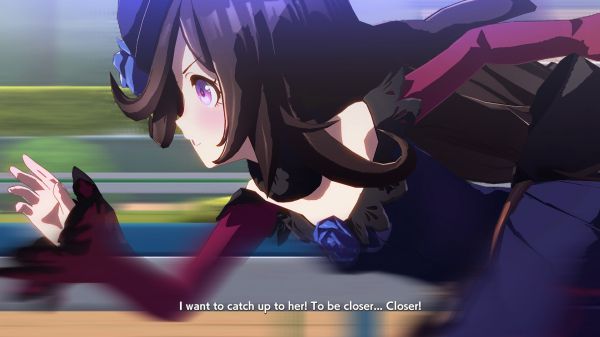
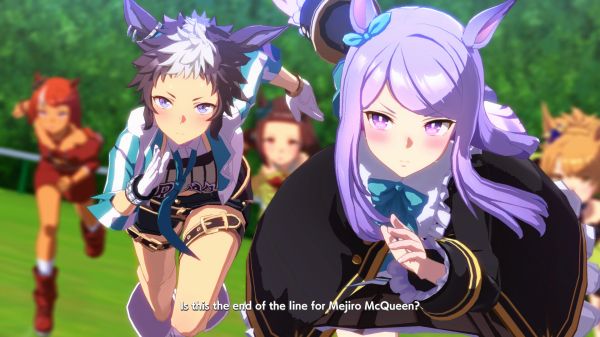
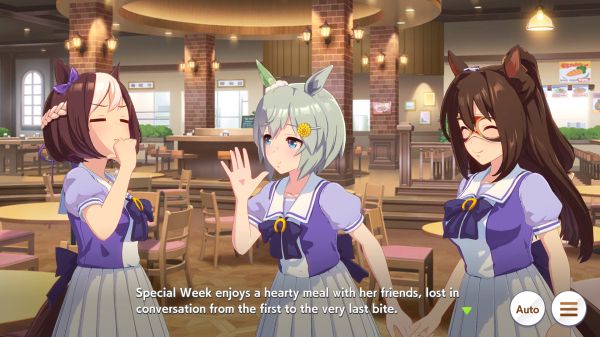


Galloping into the Future: Unleashing the Magic of Umamusume Pretty Derby
Umamusume: Pretty Derby looked like a cheerful anime character-collection game when I first entered Tracen Academy, but the training system quickly revealed something much more demanding. Every career run asked me to balance statistics, energy, mood, skills, race schedules, support relationships, and random events while guiding one trainee toward her personal goal. A few careless choices could remain hidden for many turns before appearing as a disappointing result in an important race. The colorful presentation made the experience welcoming, but the strategy beneath it was far more serious than I expected.
The unusual premise became easy to accept once I spent time with the characters. Each Umamusume carries the name and racing legacy of a historic racehorse, yet she is presented as an individual athlete with her own ambitions, insecurities, friendships, and preferred racing style. The game does not ask me to control her directly around every corner of the track. My role is to prepare her well enough that the decisions made before the race become visible in the final performance.
From my perspective as a gamer, Umamusume feels like a mixture of sports management, deck building, visual-novel storytelling, and roguelite character development. A complete training career has a clear beginning and ending, but the trainee produced by that run can contribute knowledge, inherited traits, and competitive value to future attempts. Failure therefore rarely feels completely empty, even when the final statistics are disappointing. Every run teaches me something about support-card combinations, race distances, skill timing, or the personality of the athlete I am training.
My First Career Collapsed Long Before the Final Race
I began my first training run by selecting whichever activity displayed the largest immediate statistical increase. Speed looked important, so I pursued it aggressively while ignoring stamina, intelligence, mood, and the relationships connected to my support cards. The early races went well enough to convince me that the plan was working. When the schedule reached longer and more competitive events, the weaknesses I had created became impossible to hide.
The failure was useful because it demonstrated that training is not a collection of isolated turns. Every decision contributes to a final build designed for a specific distance, surface, running strategy, and race calendar. A stat that appears less exciting may become essential several months later, while one extra training session can cause exhaustion before an important objective. Umamusume rewards players who prepare for the complete career rather than chasing the most attractive number available in the current moment.
The Trainer Controls Preparation Rather Than the Athlete
Races are primarily the result of preparation, which changes the type of responsibility I feel during competition. I cannot correct a weak stamina build by suddenly pressing the correct button near the finish line. I cannot repair poor positioning if I entered without suitable skills or intelligence. Once the race starts, I watch the consequences of choices made across the entire training career.
This can initially feel passive to players accustomed to controlling every athletic action directly. I eventually found the distance emotionally effective because it made me feel like a trainer rather than the runner herself. The tension comes from hoping the plan was sufficient and watching the trainee make use of what I provided. Winning feels less like executing one perfect input and more like seeing a long preparation process succeed publicly.
Every Training Turn Contains Several Competing Priorities
A typical turn offers activities that increase speed, stamina, power, guts, or wit, but the displayed value is only one part of the decision. Support characters may be present in particular training areas, allowing relationship progress and stronger future sessions. The trainee’s energy and mood influence risk, while the next required race may demand immediate preparation. Resting, attending an event, learning skills, or entering an optional race can sometimes provide more value than another statistical increase.
I liked how no single priority remained correct throughout the entire career. Early turns often reward building support relationships, while later stages make focused statistical gains more important. A low-energy athlete may need rest even when several valuable supports have gathered in one location. Umamusume constantly creates situations where the best long-term decision requires rejecting an appealing short-term opportunity.
Speed Is Important but Cannot Carry Every Build
Speed controls one of the most immediately understandable parts of racing performance, making it tempting to treat the stat as the universal answer. A fast trainee can still fail if she lacks the stamina to maintain performance, the power to accelerate or navigate difficult positions, or suitable skills for the chosen race. Longer distances expose unbalanced builds especially clearly. The final stretch becomes painful when an athlete who looked dominant earlier can no longer respond.
I began treating speed as the visible top layer of a more complicated foundation. The correct amount depends on the scenario, race distance, support deck, inheritance, and available skills. Building additional speed remains satisfying, but it works best when the rest of the trainee can support it. Umamusume repeatedly punishes the assumption that the largest number automatically creates the strongest athlete.
Stamina Turns Distance Into a Real Strategic Category
Short races and long-distance events cannot be approached with identical preparation. A sprint-focused trainee can dedicate more turns toward immediate acceleration and raw pace, while a long-distance runner needs enough endurance to remain competitive deep into the race. Recovery skills may compensate for part of the requirement, but they also cost skill points and may depend on activation conditions. This makes stamina planning one of the most consequential parts of a career.
I enjoyed how distance changes the meaning of the same support cards and training opportunities. A stamina-heavy session may be unnecessary for one trainee and essential for another. The race calendar also matters because a character can encounter several distance categories during her story. Preparing only for the final goal may cause an earlier required event to end the career before that build becomes complete.
Power Became the Stat I Underestimated Most
Power affects how effectively an athlete accelerates and handles difficult movement situations, giving it value that is not always obvious from the race result screen. My early trainees often had respectable speed but struggled to move through the field or respond decisively when the pace changed. Increasing power made their movement feel more assertive without changing their basic strategy. It became particularly important for runners expected to compete through crowded positions.
The stat also demonstrates why race performance cannot be reduced to one clean formula visible to the player. Two trainees with similar speed may behave very differently because their power, intelligence, skills, and running styles create different opportunities. I liked this complexity because it encouraged experimentation instead of copying one universal training plan. The strongest build depends on how several systems cooperate.
Guts Looked Optional Until the Final Stretch
Guts was initially difficult for me to evaluate because its influence did not appear as directly as speed or stamina. It becomes more relevant when races reach their final stages and several athletes are competing under pressure. A runner with good preparation elsewhere can still benefit from the additional resilience provided by the stat. However, overinvesting in it may reduce the resources available for more urgent needs.
I treated guts as part of the complete build rather than a target that needed maximum attention in every career. Certain support combinations and scenarios made it easier to acquire alongside other statistics, improving efficiency. Other runs required me to accept a lower value and rely on stronger fundamentals. Umamusume makes this kind of compromise normal because there are never enough turns to perfect everything.
Wit Is Both a Racing Stat and a Training Tool
Wit influences race decisions, skill activation, and aspects of positioning while offering a training option that can restore some energy. This makes it strategically unusual because choosing the activity may improve the athlete without consuming the same resources as harder physical training. A strong wit setup can increase consistency and reduce the number of races lost through poor behavior. It also supports builds that rely heavily on several important skills activating correctly.
I enjoyed using wit training when the support deck made it efficient, but weak sessions could become a trap if I selected them only to avoid resting. The value depends on who is present, how much energy remains, and whether the current build genuinely needs the stat. Good training routes make wit part of a wider resource cycle. Poor routes use it as an excuse to postpone necessary recovery.
Energy Management Makes Greed Dangerous
Every physical training action consumes energy, and low energy increases the chance of failure or negative consequences. The game often presents an excellent-looking session when the trainee is already tired, creating a direct test of greed. Succeeding can produce a major gain, while failure may cost statistics, mood, and additional turns needed for recovery. I repeatedly accepted bad odds because several support characters happened to appear together.
Learning when to rest improved my results more than chasing every large bonus. A safe recovery turn can preserve the entire following month, especially when a required race is approaching. The decision remains interesting because rest itself can produce different outcomes and consume valuable time. Umamusume makes fatigue feel like a central management system rather than a small bar that can be ignored until empty.
Mood Quietly Influences Almost Everything
The trainee’s mood affects performance and training efficiency, making positive emotional condition valuable beyond the story presentation. A bad event can lower mood before an important period, while selected activities or support interactions may improve it. I initially underestimated these changes because they did not look as dramatic as a large stat increase. Over a full career, the difference becomes significant.
This system also reinforces the idea that the trainer is responsible for the complete athlete rather than a collection of numbers. Maintaining motivation can be as important as selecting the correct exercise. The characters have emotional lives, and the game gives that condition mechanical consequences. A successful career often depends on protecting confidence while continuing to demand difficult progress.
Failure Percentages Produce Real Psychological Pressure
Training displays a risk of failure, but knowing the percentage does not make the choice emotionally easy. A low number can still produce a disastrous result, while a high-risk attempt may succeed and create a memorable statistical gain. I found myself inventing personal rules about which percentages were acceptable, then abandoning them whenever an unusually valuable session appeared. The system exposes how quickly rational planning can collapse under temptation.
The most painful failures occurred when I knew the decision was unnecessary. Losing a turn because of unavoidable bad luck feels different from accepting a poor risk while already ahead of schedule. Umamusume creates many moments where discipline matters more than probability. Strong players are not the ones who never encounter randomness, but the ones who reduce how often randomness can destroy the plan.
Support Cards Define the Training Environment
The support deck determines which characters appear during training, which statistics receive additional help, what events can occur, and which skill hints may become available. Selecting the trainee is therefore only half of the preparation. Two runs with the same character can develop completely differently depending on the chosen supports. The deck acts like a strategic framework around the athlete’s personal scenario.
I enjoyed deck building because it gave value to understanding synergy rather than simply collecting the rarest cards. A high-rarity support may be powerful but still fit poorly with the required distance or training plan. Lower-rarity cards can remain useful when their bonuses, event chains, or available skills solve a specific need. The system encourages me to evaluate what a card contributes rather than treating rarity as the only meaningful statistic.
Friendship Training Creates the Most Tempting Turns
Building enough relationship with a support character can unlock stronger training interactions, often indicated through visually exciting bonuses. Several compatible supports gathering in one training category can create enormous value during a single turn. These sessions are among the clearest rewards for investing in relationships early. They can also distract me from the balanced plan when the wrong stat receives the largest opportunity.
I learned to distinguish between a valuable session and a session that merely looked impressive. A huge stamina gain is not automatically useful for a short-distance build already meeting its requirement. The best friendship training aligns with the athlete’s remaining needs and arrives while enough energy is available. Umamusume frequently creates spectacular opportunities that still require judgment.
Borrowed Support Cards Help New Accounts Compete
The ability to use a support card from another player gives access to one highly developed option that may exceed anything in my own collection. This helps complete important deck structures and makes new training strategies possible before I have built every card personally. Choosing the borrowed support becomes one of the most influential decisions before starting a career. A well-selected card can provide the missing specialty that makes the entire plan coherent.
I appreciated this system because it allows community connections to have practical value without replacing personal progression. My own five supports still determine most of the environment, while the borrowed card adds targeted strength. It also lets me test powerful cards before deciding whether I care about obtaining them. The feature reduces some of the pressure created by the gacha system, even though it does not remove it.
Inheritance Makes Previous Careers Part of the Next One
Before training begins, I select veteran Umamusume whose traits and statistical bonuses may be inherited by the new trainee. This connects completed careers together and gives unsuccessful runs possible future value. A character who never became competitive may still carry useful factors for another distance, surface, or running style. Training therefore creates both an athlete and material for future development.
The inheritance system is deep enough to become a separate long-term project. Players can pursue particular traits across several generations, gradually improving the foundation available to later trainees. I enjoyed the sense that each run belonged to a wider stable rather than disappearing after evaluation. The system also creates significant repetition because producing ideal inheritance can require many complete careers.
Random Inheritance Keeps Planning From Becoming Certainty
Even a carefully selected lineage does not guarantee every desired factor will transfer perfectly. This adds unpredictability to the beginning and later stages of the career, sometimes strengthening the planned build and sometimes leaving a clear gap. I had runs where an excellent inheritance event made the remaining schedule much easier. Other attempts forced me to compensate through additional training and skill selection.
The randomness creates excitement but can also make optimized preparation feel unrewarding. I accepted it more easily when treating inheritance as an advantage rather than an entitlement. Competitive players pursuing precise builds may find this uncertainty much more exhausting. Umamusume repeatedly places long-term planning beside systems that refuse to become completely controllable.
Skills Turn Statistics Into a Racing Strategy
Statistics define the athlete’s foundation, while skills provide conditional advantages connected to distance, position, track direction, weather, surface, and running style. Purchasing the wrong skills can waste points without supporting the important races. Choosing only expensive abilities may also leave the trainee without enough coverage across different situations. The skill list therefore needs to be read as a build rather than a collection of attractive descriptions.
I enjoyed selecting skills near the end of a career once I understood which weaknesses needed support. Recovery skills could protect a stamina-limited runner, while acceleration or positioning abilities strengthened a specific tactical plan. Skill hints reduce cost and create another reason to build relationships with suitable support cards. The complete system rewards preparation across every stage of training.
Skill Activation Adds Excitement and Uncertainty to Races
During a race, activated abilities appear through visual indicators and changes in the athlete’s performance. Seeing several important skills trigger near the planned moment creates confidence that the build is functioning. Missing a critical activation can make the entire race feel unstable, particularly when the athlete depended on recovery or acceleration. This creates another layer of tension beyond watching current position.
The system can occasionally make results difficult to diagnose because several factors operate simultaneously. A loss may come from inadequate statistics, poor positioning, unsuitable strategy, missing activation, or a stronger field. Reviewing the race and build becomes part of improvement. Umamusume does not always provide one simple explanation, which can be frustrating and strategically engaging at the same time.
Running Styles Change the Same Track Completely
Runners may prefer leading from the front, remaining near the pace, sitting deeper in the field, or making a late charge. Each style creates different statistical priorities, skill needs, and positioning risks. A front runner may avoid traffic but expend resources maintaining control, while a late runner needs enough opportunity to move through the pack. The same race therefore looks different depending on the athlete being trained.
I enjoyed experimenting with styles because they gave character identity mechanical meaning. Some Umamusume naturally fit one strategy through aptitude and unique skills, while others can be modified through inheritance and careful preparation. Forcing an unsuitable style usually creates more problems than it solves. The game rewards building around the athlete rather than making every character follow one universal racing plan.
Front Runners Make Every Early Position Feel Important
A front-running athlete wants to establish a strong position early and avoid becoming trapped behind other competitors. Speed and acceleration matter immediately, while suitable skills help maintain the advantage through different sections of the track. The strategy looks comfortable when everything works because the runner remains visible near the lead. It becomes stressful when another athlete contests the pace and forces inefficient movement.
I liked the clarity of front-running builds during early learning because the race plan was easy to understand. The athlete needed to reach the front and remain there. Higher-level competition revealed additional complexity involving stamina, track shape, and precise skill timing. A simple strategic identity does not mean the build itself is simple.
Late Runners Create the Most Dramatic Finishes
Runners who remain behind the main group can produce spectacular final stretches when the build provides enough acceleration, power, and suitable skills. Watching an athlete move through several positions near the end is one of the most exciting outcomes in the game. The strategy also creates anxiety because traffic can prevent a clean route. A strong trainee may finish poorly after becoming trapped at the wrong moment.
I found these builds emotionally rewarding and less consistent during my early attempts. They require confidence that the athlete can recover distance after deliberately remaining behind. The final charge feels more cinematic than leading from the beginning, but it depends on several conditions cooperating. Umamusume uses positioning to create distinct forms of tension rather than one universal race rhythm.
Race Distance Changes Every Part of Preparation
Sprint, mile, medium, and long-distance events require different balances of speed, stamina, power, skills, and recovery. A deck built for one category may perform poorly in another even when the individual cards are strong. The trainee’s natural aptitude reduces or increases the amount of work required to specialize. Selecting a career target therefore begins before the first training turn.
I enjoyed having clear categories because they created different projects across the character roster. Training a sprinter felt faster and more aggressive, while preparing a long-distance athlete required greater patience and resource planning. Medium-distance builds often demanded broad balance, making inefficient turns especially damaging. The distance system gives repeated careers strategic variety without changing the fundamental controls.
Surface Aptitude Adds Another Layer Beyond Distance
Turf and dirt racing require separate consideration because not every character performs equally on both surfaces. A trainee with limited dirt aptitude may need inheritance support before becoming reliable there. This creates specialist roles for characters who might appear less dominant in the most common events. It also gives the roster value beyond one general ranking of power.
I liked developing athletes for dirt competition because the smaller specialist pool made each suitable character feel important. The preparation still uses familiar training systems, but the available races and skills change the goal. Building across both surfaces becomes necessary for a versatile account. Umamusume rewards collection partly by ensuring different characters have different practical opportunities.
Career Objectives Give Each Character a Personal Route
Every trainee has a sequence of required races and goals inspired by her individual story. The schedule determines which distances and opponents appear during the career, creating specific preparation challenges. Some routes are forgiving, while others demand success across several categories or difficult events. Learning the scenario becomes part of learning the character.
I appreciated that the story and mechanics reinforce each other. A personal rival or important race is not merely discussed in dialogue; it becomes an event the build must survive. The emotional goal therefore carries practical pressure. Winning feels meaningful because the game has spent time explaining why that result matters to the trainee.
Character Stories Make Repetition Easier to Accept
The training loop repeats many structural elements, but each Umamusume introduces different dialogue, relationships, motivations, and career events. A confident champion, anxious outsider, chaotic troublemaker, and determined underdog can create very different emotional experiences within the same academy. I often selected a new trainee because I wanted to understand her personality rather than because she provided immediate competitive value. The writing makes collection about more than statistics.
The strongest stories balance comedy with genuine athletic pressure. Characters may behave absurdly during ordinary school life and then reveal serious fear before an important race. This contrast helps them feel more complete than one-note anime archetypes. Umamusume succeeds because its exaggerated premise is treated with emotional sincerity.
Special Week Provides an Ideal Introduction
Special Week’s ambition and earnest personality make her a natural entry point into the world. Her desire to become the best carries a simple emotional clarity, while her relationships introduce several important characters and competitive ideas. Training her teaches the basic rhythm of preparing for increasingly significant races. The story remains optimistic without pretending success comes automatically.
I liked how her mistakes and uncertainty prevented determination from becoming empty perfection. She needs guidance, support, and repeated effort before her ambitions become realistic. The career captures the game’s central fantasy of helping a talented athlete convert potential into achievement. Her route feels traditional, but that familiarity makes the unusual world easier to enter.
Silence Suzuka Changes the Emotional Meaning of Speed
Silence Suzuka is closely associated with running ahead and creating a race defined by her own pace. Her quiet personality contrasts with the intensity of that ambition. Training her made front-running strategy feel connected to character rather than selected only for mechanical efficiency. The desire to keep moving forward becomes both a racing method and a personal expression.
I enjoyed how her story builds emotional tension without relying on constant dramatic dialogue. Small interactions reveal how deeply racing defines her sense of freedom. This makes setbacks feel more serious because they threaten more than one result. The game’s character writing is strongest when athletic style and emotional identity become inseparable.
Tokai Teio Turns Confidence Into Vulnerability
Tokai Teio initially appears energetic, talented, and convinced that an extraordinary future is waiting. Her charisma makes victories feel natural, but the story gains depth when confidence encounters circumstances it cannot control. Training her becomes emotionally different once success is no longer assumed. The player’s role shifts from building talent to protecting determination.
I liked how the game allows an optimistic character to experience fear without losing her central personality. Recovery and return become more important than simple dominance. Her route demonstrates why the game’s historical inspiration gives emotional weight to events even for players who do not know every original racing story. The athletic drama works because the character has been allowed to feel genuinely hopeful first.
Gold Ship Makes Every Training Plan Feel Temporarily Unstable
Gold Ship brings unpredictable humor into nearly every situation. Her events can feel like interruptions from a different game, yet the chaos matches a character who refuses to behave according to ordinary expectations. I never felt completely certain whether the next interaction would help the career, waste time, or produce an absurd story. This unpredictability made training her memorable even when the final build was imperfect.
The comedy works because Gold Ship is not presented only as random noise. Her confidence, athletic ability, and unusual perspective remain connected beneath the jokes. She can make a serious race feel important without becoming conventionally serious herself. The route demonstrates how much personality the same training mechanics can support.
Haru Urara Makes Modest Progress Feel Heroic
Haru Urara’s cheerful determination creates a career where emotional investment may matter more than immediate competitive prestige. She continues approaching races with enthusiasm even when expectations are limited. Training her made every improvement feel personal because the story celebrates effort and affection rather than assuming only champions deserve attention. Her popularity inside the game world becomes understandable very quickly.
I found her route especially effective because it challenges the purely optimized way of viewing the roster. A character does not need to dominate the highest competition to become valuable. Helping her reach another goal can feel as satisfying as building a stronger ranked athlete. Umamusume is at its warmest when it allows persistence itself to become a meaningful victory.
Rice Shower Explores the Weight of Public Expectation
Rice Shower’s story examines what happens when success is interpreted differently by the athlete and the crowd. A legitimate victory can still become emotionally painful when spectators wanted another outcome. This creates a character who associates her own strength with disappointment rather than celebration. Training becomes partly about helping her understand that achievement does not make her responsible for everyone else’s preferred story.
I appreciated the seriousness of this theme because it gives sports competition a social dimension beyond numbers. Athletes are affected by narratives created around them, even when they performed fairly. The game uses a gentle visual style while addressing fear, guilt, and self-worth. Rice Shower became memorable because her central challenge could not be solved through higher speed alone.
Winning Live Turns Race Results Into Celebration
After major victories, the leading performers appear in a concert sequence that combines idol presentation with the racing competition. The concept sounds unusual even within the game’s premise, but the visual quality and music make it feel like a natural reward. The winner receives the central position, connecting race performance with stage recognition. The sequence transforms statistical success into a colorful public celebration.
I did not watch every repeated performance in full, but new songs, characters, and formations remained enjoyable. The concerts also provide another reason to appreciate character models, costumes, and animation outside the track. They are not mechanically essential, yet they complete the fantasy of the Umamusume as both athletes and public stars. The game understands that victory should feel larger than one result screen.
Race Presentation Creates Genuine Spectator Tension
Up to eighteen runners can compete, giving races enough density for position changes and traffic to matter. Camera work, commentary, sound, skill indicators, and the final-stretch presentation make important events exciting even without direct control. I often leaned closer to the screen as my trainee moved through the pack. The outcome feels uncertain because preparation provides probability rather than a scripted result.
The commentary contributes strongly by making the race feel like an observed sporting event. Hearing character names and position changes gives the field identity beyond colored icons. Repeated lines naturally become familiar, but the energy remains effective during close finishes. Umamusume makes watching into an active emotional experience because I understand how much preparation is being tested.
The Final Stretch Is Where the Entire Build Becomes Visible
Many races remain difficult to evaluate until the last section. An athlete may appear comfortably positioned but lack the stamina or acceleration required to finish strongly. Another can remain behind for most of the event before activating skills and advancing rapidly. The final stretch therefore becomes a condensed summary of statistics, style, skills, and race conditions.
I enjoyed this delayed reveal because it kept even familiar tracks tense. The first half provides clues without guaranteeing the result. When the trainee performs exactly as planned, the finish feels like confirmation that the build had a coherent identity. When she fades unexpectedly, I immediately begin reviewing which part of preparation failed.
Team Trials Give Finished Trainees a Continuing Purpose
Completed careers produce athletes who can join teams for ongoing competitive events. This gives each training run value beyond its story conclusion and final evaluation rank. Building teams across several distances, surfaces, and strategies requires a wide roster of specialized characters. The account gradually becomes a stable of athletes created through many separate careers.
I liked how Team Trials changed my priorities. A character who was weaker overall might still fill a missing category better than a stronger general build. Scoring also rewards more than simply placing first, encouraging suitable skills and race performance. The mode makes training feel like recruitment for a larger sporting organization rather than isolated character episodes.
Champions Meeting Raises the Competitive Standard Dramatically
Competitive events built around specific race conditions demand much more precise preparation than ordinary career completion. Distance, track, weather, surface, strategy, inheritance, support deck, and skill selection all become parts of one focused build. A trainee who dominates regular content may perform poorly against athletes created specifically for that event. This is where the game’s strategic depth becomes most visible.
I found the preparation process exciting and potentially exhausting. Building one competitive runner can require repeated careers because randomness affects training opportunities, inheritance, and event outcomes. The final race may last only a short time compared with the preparation invested in it. Umamusume creates a serious competitive game inside a cheerful character simulator, and the transition between those moods can be surprising.
Clubs Add a Social Layer to Long-Term Progress
Clubs allow players to gather around shared activity, resource exchange, and ongoing participation. The system is less dramatic than direct cooperative racing, but it gives the account a community context. Regular interaction can support progression while making daily play feel connected to other trainers. A suitable club also provides another source of motivation during periods without a major personal objective.
I appreciated that social participation does not require constant live coordination. Players can contribute according to their schedules while still benefiting from the group. The experience depends heavily on whether the club’s expectations match the player’s activity level. A casual trainer and a highly competitive organization may have very different ideas about useful participation.
Daily Tasks Create Routine and Risk Becoming Obligation
Login bonuses, daily races, missions, limited events, and resource collection create clear reasons to return regularly. These systems help accounts grow gradually even when I do not have time for a full training career. The routine can be satisfying because every short session contributes toward future support cards, character upgrades, or event progress. It can also begin feeling like maintenance when rewards become the only reason to open the game.
I enjoyed the daily structure most when it supported a character or competitive goal I already cared about. Completing tasks only to avoid missing resources made the experience feel less personal. Free-to-play games are skilled at turning future value into present obligation. Maintaining a healthy relationship with Umamusume requires remembering that optional rewards remain optional.
The Gacha System Is the Largest Barrier to Comfortable Progression
Characters and support cards are connected to separate collection demands, while support cards often have major influence over training strength. Obtaining one copy may not provide the same long-term power as developing the card further. This creates pressure to save currency, study future releases, and decide whether one favorite character matters more than a strategically valuable support. The collection system can easily become more complicated than the racing itself.
I appreciated that enjoyable careers remain possible without owning every premium option, especially when borrowed supports and lower-rarity cards are used intelligently. Competitive optimization is far less forgiving because small advantages accumulate across the entire build. The game regularly presents charming characters and powerful cards in ways designed to make waiting difficult. Setting a clear spending limit is more valuable than any training guide.
Support Cards Can Matter More Than the Character Being Scouted
New players may naturally focus on collecting additional trainees because they are the visible stars of the game. Support cards determine much of the training efficiency and can affect every compatible character in the roster. A strong support collection therefore has broader account value than one additional trainee. This creates an uncomfortable strategic choice between emotional favorites and long-term power.
I often found character scouting more personally exciting and support scouting more mechanically important. The game benefits from both motivations because one builds attachment while the other strengthens planning. Problems appear when competitive goals make the practical option feel mandatory. Umamusume is most enjoyable when I can accept that not every decision needs to maximize account efficiency.
Duplicates Give Collection Another Expensive Dimension
Repeated copies can contribute toward stronger card development, making one successful acquisition only part of the potential progression. This increases the difference between obtaining a support and possessing its most effective form. Free resources, event rewards, and universal upgrade materials can help, but they do not remove the pressure completely. The system gives long-term players reasons to continue scouting while making perfect collections unrealistic.
I prefer evaluating cards at the level I can reasonably use rather than comparing everything with an ideal maximum version. A deck built from practical options can still complete stories and produce satisfying athletes. Competitive comparisons make limitations much more visible. The game’s generous character writing and polished presentation sometimes exist beside a monetization structure that demands careful self-control.
Events Provide Valuable Rewards and Significant Repetition
Limited events introduce stories, missions, support cards, currency, and progression goals. They give regular players new material and can spotlight characters who receive less attention in the main scenarios. The rewards often justify participation, especially for accounts still building a support collection. Event stories also expand the academy beyond one trainee’s career.
The required point accumulation can involve repeating training runs, which risks turning the central gameplay into a farming routine. A system I enjoy strategically becomes less satisfying when quantity matters more than the quality of the run. I had the best experience when event progress aligned with characters I already wanted to train. Grinding only for the final reward made the repetition far more visible.
New Training Scenarios Refresh the Core Loop
Additional scenarios introduce different rules, supporting characters, objectives, and methods of developing statistics. The basic structure of selecting turns and preparing for races remains recognizable, but the route toward a strong athlete changes. This gives experienced players another strategic environment to solve. Support cards that were ordinary in one scenario may become far more useful in another.
I enjoyed learning a new scenario because it temporarily removed the certainty developed through repeated careers. New currencies, event systems, or training bonuses forced me to reconsider timing and deck structure. The growing number of scenarios can also make the game intimidating for newcomers who see several years of accumulated systems. Umamusume remains healthiest when older content is made easier to understand rather than simply buried beneath the newest option.
The English Localization Makes the Large Cast Approachable
The English edition allows a wider audience to understand character stories, support events, skill descriptions, race conditions, and interface systems without relying on external translations. This matters greatly in a game where small wording differences can affect strategic decisions. The personality of the cast also depends on dialogue, jokes, speech patterns, and emotional nuance. Accessibility to the writing transforms the experience from a collection simulator into a character-driven sports game.
I appreciated how energetic and distinctive the dialogue remained despite the enormous amount of text. Some cultural and racing references naturally require additional context, especially when the original inspiration is unfamiliar. The game usually gives enough emotional information for the story to work without prior knowledge. Learning about the historical connections afterward can make specific events even more meaningful.
Historical Inspiration Adds Emotional Weight Without Requiring Homework
The characters are connected to real racing legacies, and many story developments reflect famous careers, rivalries, achievements, or setbacks. Players familiar with those histories may recognize the direction of an arc before the game reveals it fully. Newcomers can still respond to the story as an independent athletic drama. The historical layer enriches the characters without becoming a mandatory textbook.
I often became interested in the original racehorse only after completing a character’s story. Discovering the connections made specific names, costumes, personalities, and events feel more deliberate. The adaptation is clearly stylized, but it approaches the source with affection. Umamusume succeeds at turning racing history into a gateway rather than a barrier.
The Character Models Carry Enormous Visual Responsibility
Races, training events, conversations, home-screen interactions, and concerts all depend on expressive character presentation. The models animate smoothly, preserve individual design details, and remain readable even when many runners occupy the track. Facial expressions communicate confidence, anxiety, frustration, and excitement clearly enough to support the visual-novel storytelling. The production quality makes the unusual premise feel fully committed rather than experimental.
I especially enjoyed small differences in posture and movement because they helped separate a large cast. One character may appear disciplined and controlled, while another moves with constant chaotic energy. These distinctions remain visible outside major story scenes. The game understands that collection becomes meaningful only when characters feel recognizable beyond their statistics.
Costumes Add Personality and Monetization Pressure Together
Alternative outfits change race presentation, concerts, and character appeal without necessarily transforming the underlying training systems completely. Seasonal costumes and new versions can make a familiar trainee feel fresh. They also create difficult decisions when a favorite character appears in a limited or highly polished design. Visual attachment is one of the game’s most effective commercial tools.
I enjoyed costumes most when they reinforced a character’s story or event theme rather than existing only as decoration. The models are detailed enough for clothing changes to be noticeable throughout regular play. The collection remains optional mechanically in many situations, but emotional preference can feel stronger than mechanical necessity. Umamusume knows exactly how much players enjoy seeing a favorite athlete receive another spotlight.
The Music Gives Every Part of the Game a Different Energy
Training screens use lively music that supports the repeated planning loop without making every turn feel dramatic. Races introduce faster and more competitive themes, while character stories use softer emotional tracks. Winning Live performances then shift completely into concert presentation. The soundtrack supports the game’s unusual combination of sports and idol culture by giving each side a distinct musical language.
Repeated careers naturally make some tracks extremely familiar, but the melodies remained strongly associated with particular emotions and activities. Hearing race music immediately changed my attention from planning to anticipation. Character themes and event songs added variety across the roster. The audio presentation carries much of the game’s optimism even when the training plan is failing.
The PC Version Makes Long Sessions More Comfortable
Playing on a larger screen improves the readability of support cards, training statistics, race fields, and character animation. Mouse control makes menu navigation efficient, while the desktop environment suits players who spend time comparing builds or using external reference material. The visual presentation also benefits from displaying concerts and races at a larger size. Umamusume began as a mobile-oriented experience, but the PC format fits its management depth surprisingly well.
The interface still carries design choices shaped by touchscreens and portrait-oriented mobile play. Some menus require more transitions than a native PC management game would use. I adapted quickly because the central buttons and information remained clear. The ability to continue the same style of progression from a desktop makes repeated careers easier to integrate into longer gaming sessions.
Loading and Repeated Animations Affect the Pace
A complete career includes many transitions between training, events, races, menus, and result screens. The first time through a character’s story, these sequences build personality and atmosphere. Repeated runs make every extra pause more noticeable, especially when I am pursuing inheritance or event points. Skip functions and speed controls become essential quality-of-life tools rather than conveniences.
I usually watched new story material and accelerated familiar scenes. This preserved the character experience without turning every repeated career into the same lengthy presentation. The game contains an enormous amount of animation, but long-term play depends on controlling how often it is shown. Umamusume is generous with production value and occasionally reluctant to leave it behind.
Optimization Requires More External Knowledge Than the Game Admits
The basic systems are explained clearly enough to complete early careers, but competitive building involves hidden interactions, scenario-specific strategies, inheritance planning, support breakpoints, and skill evaluation. The game does not always communicate these relationships in one convenient place. Community guides, calculators, and discussions can become important for players pursuing stronger results. The gap between casual understanding and advanced optimization is substantial.
I enjoyed learning gradually, but the volume of information sometimes made experimentation feel expensive because one run takes meaningful time. A clearer in-game training history and post-career analysis would help identify why one build succeeded. The game provides final statistics without always explaining which decisions created them. Better analytical tools could make improvement less dependent on outside resources.
Random Events Can Strengthen or Disrupt an Excellent Plan
Support and character events offer choices that may grant statistics, energy, mood, skills, or negative effects. Learning the possible outcomes improves consistency, but randomness still determines which events appear and when. An ideal event at the correct moment can repair the entire schedule. An inconvenient one may create fatigue or a condition immediately before an important race.
This unpredictability gives careers a roguelite quality because no route can be executed identically every time. It also creates frustration when a strong setup fails through several unlikely outcomes. I accepted the system more readily in story-focused training than in competitive preparation. The same randomness that creates memorable runs can become exhausting when the goal demands precision.
Optional Races Offer Rewards at the Cost of Training Time
Entering additional races can provide fans, skill points, rewards, and progress toward specific objectives. Each race consumes a turn and may reduce energy, so the value depends on the current schedule. An athlete racing too frequently can lose opportunities to build the statistics needed for later success. Avoiding every optional event may create another shortage in fans or skill resources.
I enjoyed designing race rotations once I understood the scenario. Certain careers benefit from frequent competition, while others need more uninterrupted training. Race selection also allows me to pursue historical schedules or personal challenges. Umamusume turns the calendar into another build component rather than a fixed list of mandatory events.
Conditions and Injuries Make Recovery Part of Coaching
Negative conditions can reduce training efficiency or create undesirable outcomes until treated. Visiting the infirmary consumes a turn without guaranteeing that every problem disappears immediately. This creates tension because ignoring the issue may damage several future sessions, while treatment delays planned progress. The trainer must decide how much risk the schedule can tolerate.
I found these setbacks frustrating and thematically appropriate. Athletes cannot be treated as machines operating perfectly through every month. Illness, fatigue, and poor condition force adaptation, giving recovery practical meaning. The system becomes most painful when bad timing affects a career that had been unusually strong.
The Evaluation Screen Can Feel Like a Final Examination
At the end of training, the game summarizes the completed athlete through statistics, skills, aptitudes, and an overall rating. This screen turns dozens of small decisions into one visible result. A higher grade is satisfying, but it does not guarantee the build is well suited to the competition I intended. Specialized effectiveness can matter more than one general number.
I learned to inspect the complete profile rather than celebrating or rejecting the grade immediately. A runner may carry excellent inheritance factors or useful team value despite a modest rating. Another high-rated trainee can contain inefficient skills and poor specialization. Umamusume rewards understanding what was built rather than relying entirely on the game’s final label.
One More Training Run Is a Dangerous Promise
A complete career takes enough time to feel substantial but remains short enough that starting another one appears reasonable. A poor run creates the desire to correct obvious mistakes, while a strong run creates confidence that an even better result is possible. New support combinations and inheritance options provide immediate reasons to experiment. The game builds repetition into a series of unfinished questions.
I often began another career because one decision from the previous attempt remained in my mind. Perhaps I rested too late, purchased the wrong recovery skill, or ignored an optional race that would have solved a fan requirement. The next run rarely followed the imagined plan perfectly because new events created different opportunities. Umamusume is addictive because every completed career teaches enough to make another attempt feel justified.
The Game Can Be Relaxing and Intensely Competitive
Character stories, concerts, casual careers, and collection provide a warm experience for players who do not care about top-level competition. The same systems can become highly technical when preparing for ranked events and specialized race conditions. Support efficiency, inheritance, skill timing, and scenario optimization create a deep competitive environment beneath the cheerful surface. Both approaches are valid, but they produce very different relationships with randomness and monetization.
I enjoyed the game most when moving between them. A serious competitive build gave strategic purpose to my support collection, while a relaxed career with a favorite character restored the emotional charm. Remaining exclusively focused on optimization made every imperfect event frustrating. Remaining completely casual left some of the training system’s best depth unexplored.
The Community Turns Training Into Shared Research
Players exchange deck ideas, race analysis, historical information, event choices, and stories about improbable results. This collective knowledge helps explain systems that the game presents only partially. It also creates a culture around favorite characters that extends beyond simple power rankings. A weak competitive trainee can remain beloved because her personality or real-world inspiration matters to the community.
I appreciated how discussions moved between serious optimization and complete comedy without difficulty. One conversation might examine acceleration timing, while the next celebrates a bizarre Gold Ship event or another unexpected defeat. The game supports both because its mechanics are deep and its characters are expressive. Community enthusiasm makes the academy feel larger than the content visible inside one account.
What I Would Improve at Tracen Academy
I would add clearer analytical tools showing how statistics, skills, positioning, and race conditions influenced a completed result. Players should be able to compare two trainees and understand practical strengths without relying so heavily on external calculations. A detailed career history could identify which turns produced the largest gains and where energy management failed. Better information would strengthen experimentation rather than remove strategy.
I would also reduce repetitive friction across older scenarios and routine event farming. More efficient skips, clearer deck recommendations, improved inheritance organization, and stronger filters would help large accounts remain manageable. The gacha system could become more forgiving around support-card development, since duplicates have enormous influence over training power. Umamusume already provides enough emotional motivation without needing progression to feel unnecessarily restrictive.
Why I Continued Returning to the Starting Gate
Umamusume: Pretty Derby remained compelling because every training career combines strategic planning with genuine affection for the athlete being developed. I am not improving an anonymous unit whose personality disappears behind statistics. I watch a character struggle, celebrate, form friendships, face rivals, and pursue goals connected to her identity. The final race matters because the game has spent an entire career explaining what reaching it means.
From my perspective as a gamer, the support-card system provides the deepest strategic foundation. Deck composition determines training opportunities, event chains, skill access, and the type of build that becomes realistic. Inheritance connects careers together, while race distance, surface, and running style prevent one deck from solving every character. The game continuously creates new projects from familiar mechanics.
The races themselves succeed because they transform preparation into visible drama. Watching eighteen runners compete while commentary tracks the changing field gives the event enough energy to justify the absence of direct control. The final stretch exposes whether speed, stamina, power, intelligence, skills, and positioning worked together. A close victory feels like the successful resolution of dozens of earlier decisions.
The character writing prevents the repeated structure from becoming entirely mechanical. Special Week’s ambition, Silence Suzuka’s freedom, Tokai Teio’s resilience, Gold Ship’s chaos, Haru Urara’s optimism, and Rice Shower’s emotional burden create different reasons to care about success. Even when two careers use similar training screens, their emotional destinations can feel completely different. The historical inspiration adds another layer without requiring previous racing knowledge.
Winning Live performances, polished character models, strong music, and expressive animation give victories an unusually celebratory tone. The game never treats racing as a dry simulation, even when the preparation becomes statistically complex. It understands that sport is also performance, identity, and public emotion. The concerts may not be necessary for strategy, but they complete the world’s particular fantasy.
The largest problems come from the same long-term systems that create depth. Repeated careers can become exhausting during event farming or inheritance projects. Random events may damage carefully planned competitive builds, while the gacha structure creates a substantial difference between access to a card and access to its strongest version. Players need clear limits to prevent collection pressure from controlling the experience.
I found the game most rewarding when I stopped demanding perfection from every run. An athlete can fail one objective, produce mediocre inheritance, or finish with a lower rating than expected while still providing a memorable story. A career is more than its final grade because it teaches me how that character responds to pressure. This perspective keeps randomness from turning every imperfect result into wasted time.
My favorite moments were rarely simple dominant victories. I remembered the races where a trainee entered the final corner behind the leaders, activated the exact skills I had selected for that situation, and reached the finish only slightly ahead. The animation lasted seconds, but the result carried an entire career of preparation. Umamusume makes those seconds feel important because it gives every earlier turn a place inside them.
The game’s cheerful exterior can hide how demanding its planning becomes, especially for competitive players. Training efficiently requires calendar awareness, probability management, deck knowledge, inheritance strategy, and discipline around energy. Yet the systems remain approachable enough for a casual player to enjoy one character’s story without mastering every hidden interaction. Few games maintain such a wide space between comfortable storytelling and serious optimization.
Umamusume: Pretty Derby is ultimately a game about potential that never develops exactly according to plan. I can choose the athlete, lineage, support deck, races, skills, and training priorities, but events and competition always preserve uncertainty. That uncertainty creates frustration, replayability, and emotional tension at the same time. I return because the next trainee may finally become the athlete I imagined, or become someone more interesting through the ways the plan fails.
Pros:
- Engaging storyline with rich, deep character development and intriguing subplots
- Beautiful, vibrant visuals with smooth animations and attention to detail
- Immersive audio design featuring dynamic soundtracks and expressive voice acting
- Cross-platform accessibility that allows seamless play on PC, mobile, and other devices
- Active community support and developer updates that continuously enhance the game
- Balanced monetization model offering free-to-play access with optional cosmetic enhancements
- Innovative combination of simulation and racing mechanics that offers multiple gameplay dimensions
Cons:
- New players might face a moderate learning curve when mastering all nuanced mechanics
- Performance issues can occasionally arise on lower-end devices or with less optimized setups
- The temptation to use cheats or mods may detract from the authentic gameplay experience









Recent Reviews

Minecraft

Grand Theft Auto V

Toca Boca World

Roblox

Leave a comment
Your comment is awaiting moderation. We save your draft here
0 Comments